



Reachers and Grabbers in Daily Living Aids
































About Reachers and Grabbers in Daily Living Aids - Walmart.com
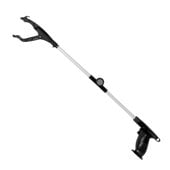
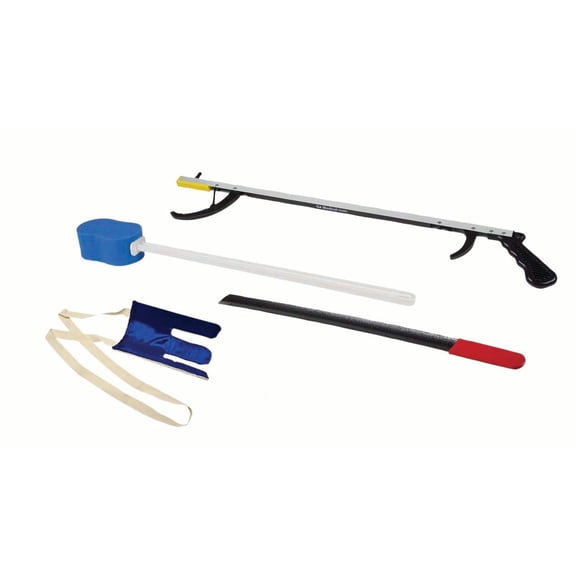
Reaching grabbers help you pick up everyday items with less bending, stretching, or climbing. You can compare length, jaw type, portability, and handle design to match your routine.
If you want help with floors, shelves, or tight spaces, you can find practical options here. You can narrow your choice when you know how each feature changes control and reach.
Choosing the right reaching grabbers
When you choose reaching grabbers, length is often your first decision. You can use 26-inch models for close tasks, 32-inch models for everyday reach, and 43-inch models for higher shelves.
A shorter tool stays easy to guide in small rooms or beside furniture. A long reacher grabber can help you reach behind appliances, under beds, or into deep cabinets.
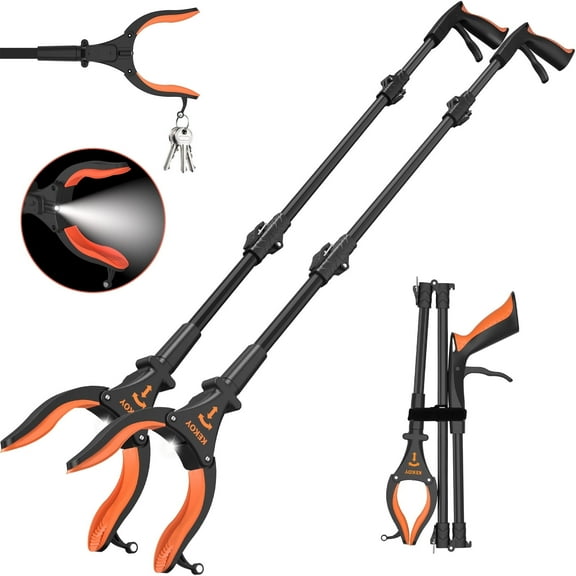
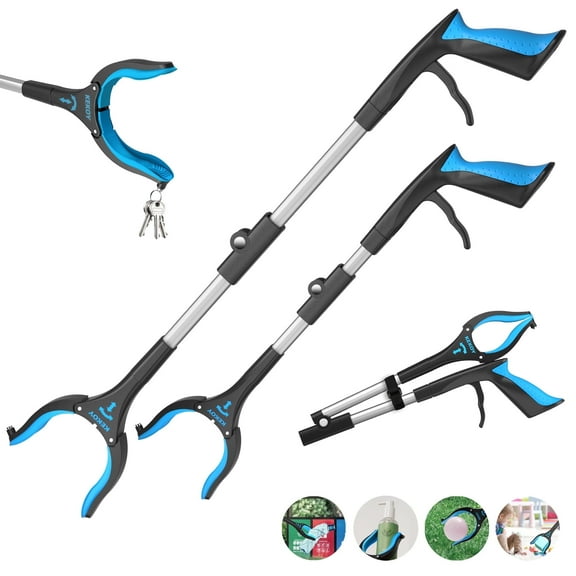
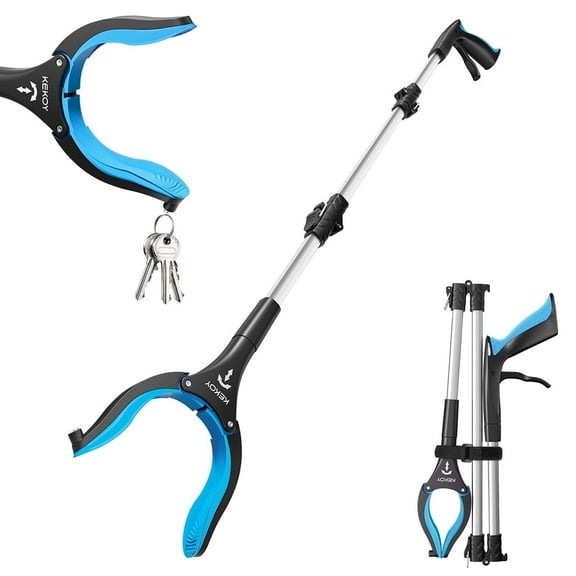
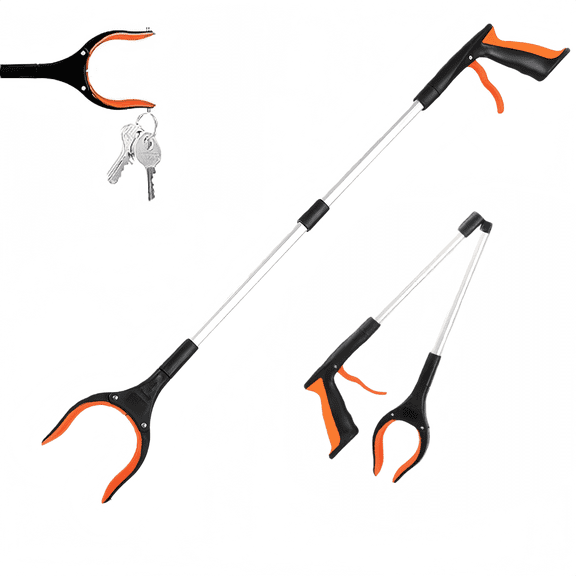
Jaw type also changes what you can pick up with comfort and control. You can use suction cup jaws for smooth items, magnetic tips for metal objects, and rubberized claws for mixed household items.
- You can pick up paper, clothing, and light containers with a rubberized claw.
- You can grab cans or smooth bottles securely with suction cup contact points.
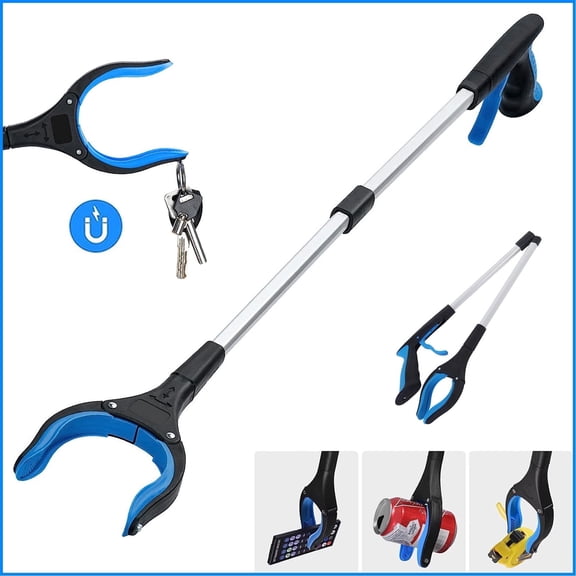
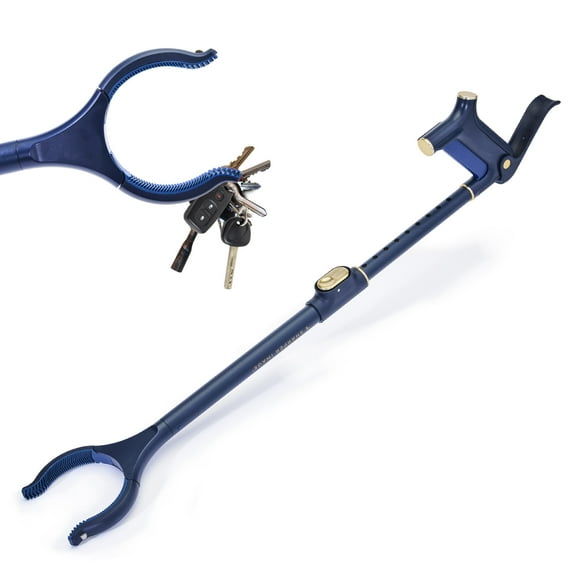
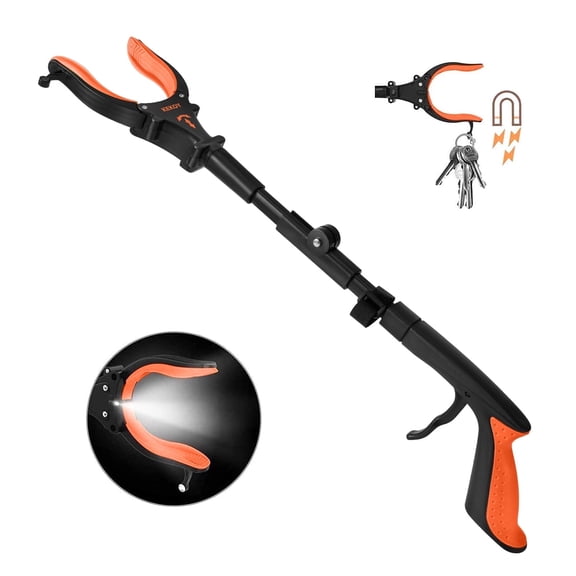
- You can collect keys, coins, pins, or other metal items with a magnetic reacher grabber.
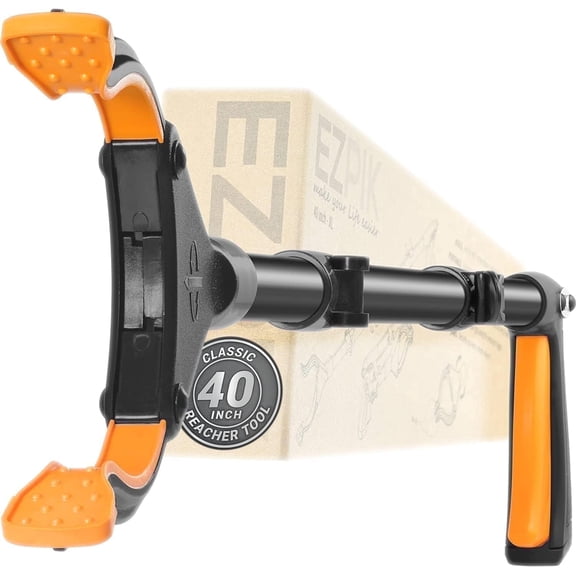
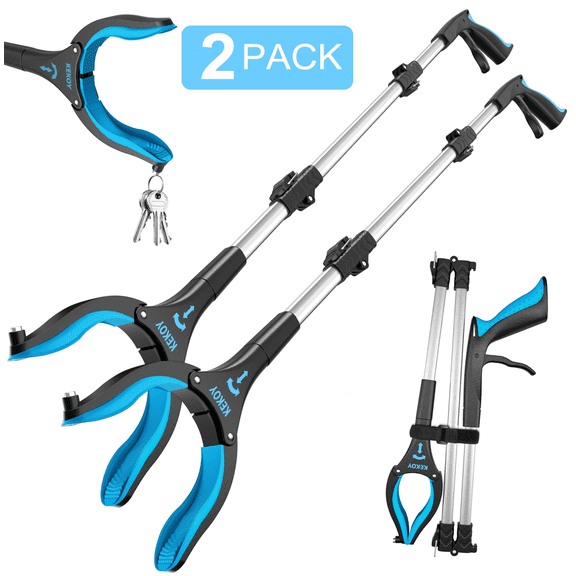
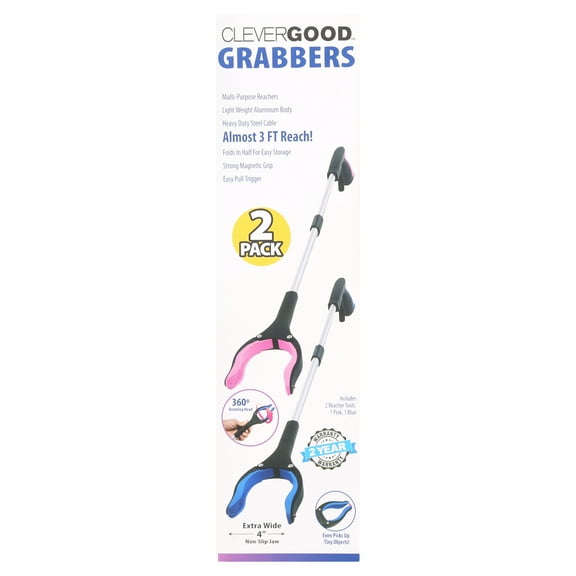
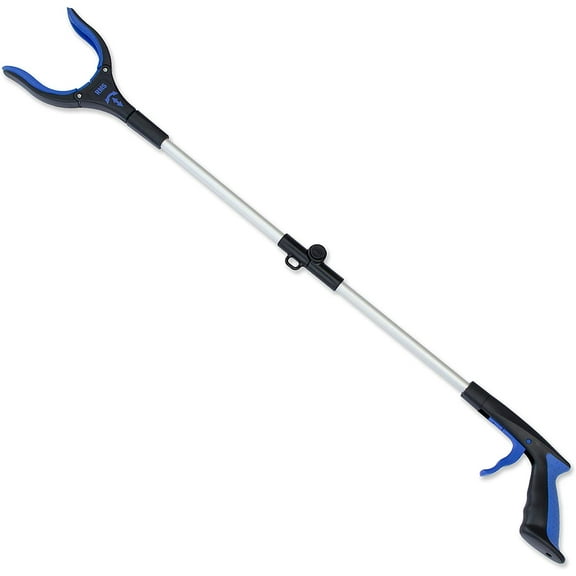
- You can choose folding designs when you want compact storage in drawers, bags, or cars.
How to compare a reacher grabber tool
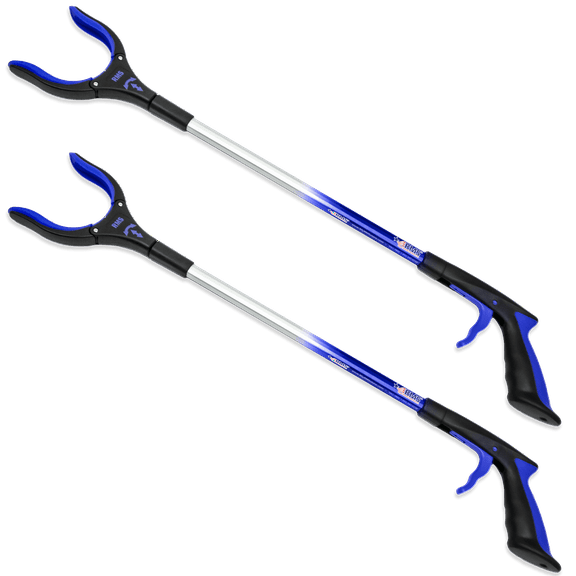
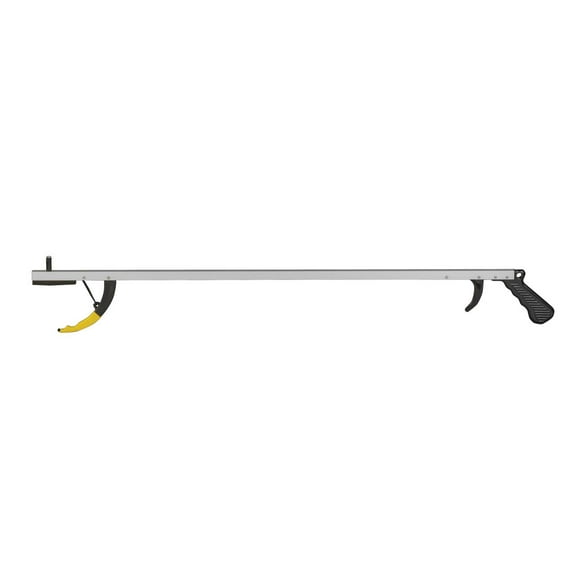
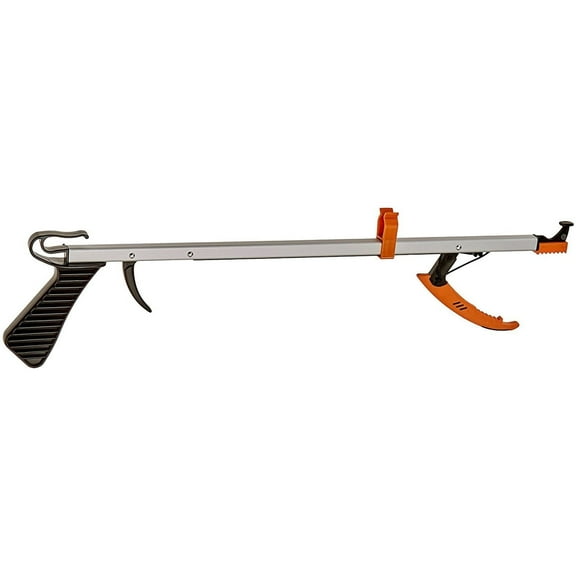
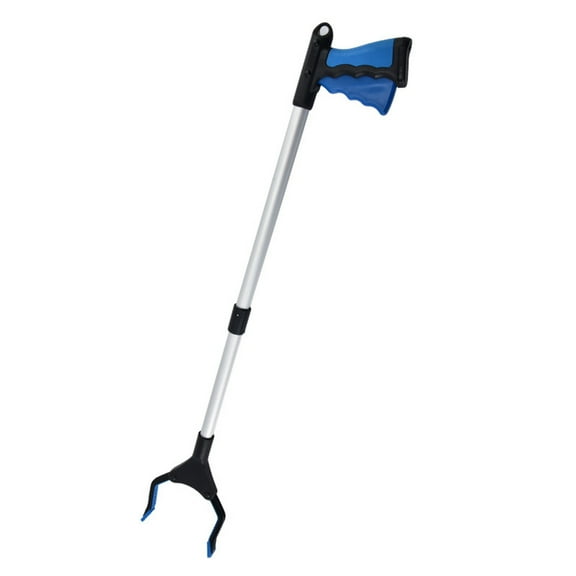
As you compare a reacher grabber tool, consider where you plan to use it most often. You can get smooth handling from a rigid fixed-frame design when you want a stable, straight reach.
If storage matters, a folding grabber tool can fit neatly in a closet or tote. You can carry it between rooms without the full length getting in your way.
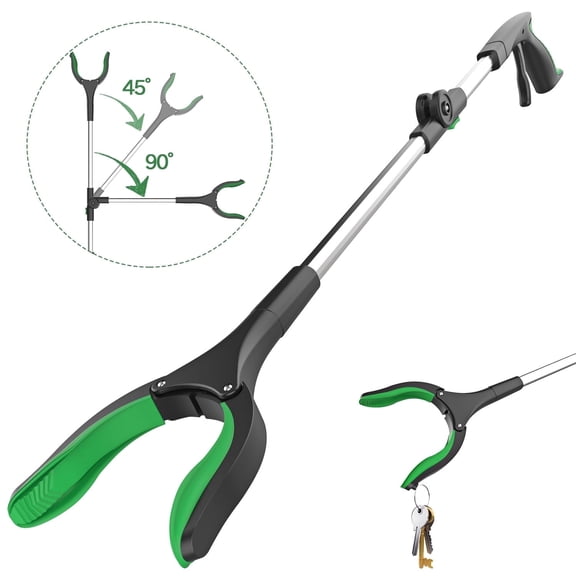
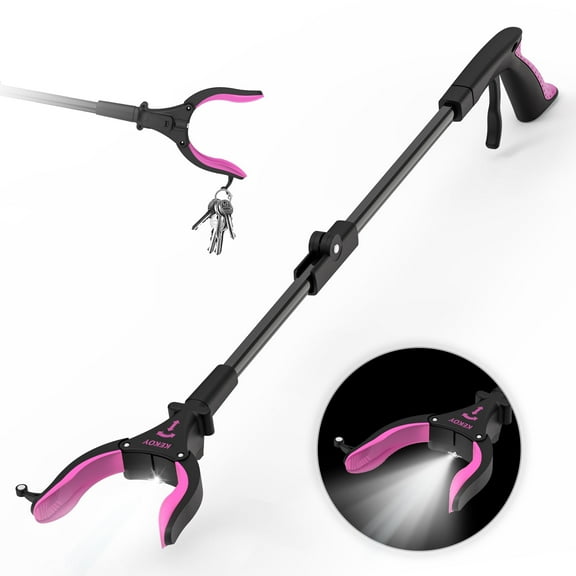
Handle design affects your comfort during repeated use. You can look for a pistol grip, trigger control, or ergonomic handle based on how your hand prefers to squeeze.
A light trigger can matter when you use the tool many times each day. If your hands prefer gentle pressure, you may want a grabber tool for elderly users with comfortable squeeze control.
Jaw opening and grip texture can also shape your experience. You can hold awkward items securely when the claw has rubberized contact points and steady closing action.
Key differences in reaching grabbers features
You can match the tool to the objects you handle most often. If you pick up laundry, mail, or dropped packaging, you may prefer a handy grabber reacher with a broad claw.
For kitchens and pantries, smooth-surface contact can help with bottles, cans, or sealed containers. You can also use magnetic tips when small metal pieces are hard to spot or reach.
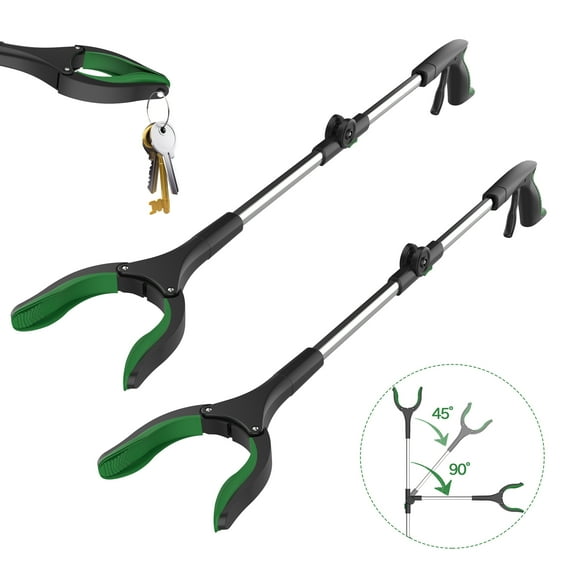
Rotation can be useful when items land at odd angles. You can align the jaw with a shelf edge, floor surface, or narrow gap without twisting your arm.
Frame material changes the overall feel in your hand during daily use. You may prefer a lightweight frame for frequent tasks, while a sturdier frame can feel stable during longer reaches.
Some shoppers also compare the trigger travel before choosing. You can often get controlled pickup when the trigger closes smoothly and responds without jerky movement.
Matching use cases to length and grip
You can use a 26-inch model for bedside items, office supplies, or quick pickups around chairs. That shorter size can help you move around end tables, lamps, and baskets with control.
A 32-inch option often works well for mixed household use. You can reach floor items, closet corners, and middle shelves without carrying an extra-long frame.
If you need extra reach, a 43-inch model can help with high storage or deep spaces. You can use that length for top cabinets, under furniture, and hard-to-reach corners.
For glass jars or canned goods, suction cup jaws can offer steady contact on smoother surfaces. For keys or small tools, magnetic tips can make pickup quick and precise.
If you travel between rooms or keep a tool in a vehicle, folding designs can be practical. You can tuck them away neatly, then open them when a quick pickup task comes up.
When your routine includes frequent use, handle shape becomes more important over time. You can choose an ergonomic handle or trigger control that feels comfortable during repeated squeezing.
What to look for in a grabber tool for elderly shoppers
If comfort is your focus, start with the squeeze action and overall weight. You can often tell a lot from a handle that feels balanced and a trigger that moves with minimal effort.
You may also want clear grip performance on common home items. You can compare how jaws handle thin papers, soft clothing, canned goods, and small metal pieces.
Storage matters if you keep several daily living aids nearby. You can pair a compact folding option with other home essentials and keep your space organized.
With the right combination of reach, grip, and control, you can handle everyday pickups with confidence. You may notice that the right tool makes common household tasks feel simple and manageable.