

Scanner Radios in Auto Electronics










About Scanner Radios in Auto Electronics
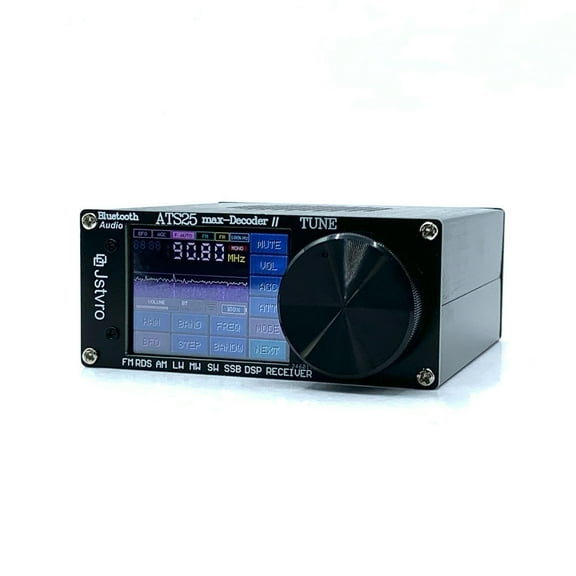
Scanner radios help you monitor public service, aviation, and marine channels with coverage that fits your listening plans. You can compare analog, digital, and trunking options by type, bands, and programming style.
If you want police scanner radios for home, travel, or hobby listening, you can use this guide to compare key buying factors. You can narrow choices by compatibility, form factor, channel count, and setup method.
How to choose scanner radios by signal type
You should start with signal type because compatibility shapes what you can monitor in your area. If your area uses analog channels, you can focus on straightforward models with clear controls.
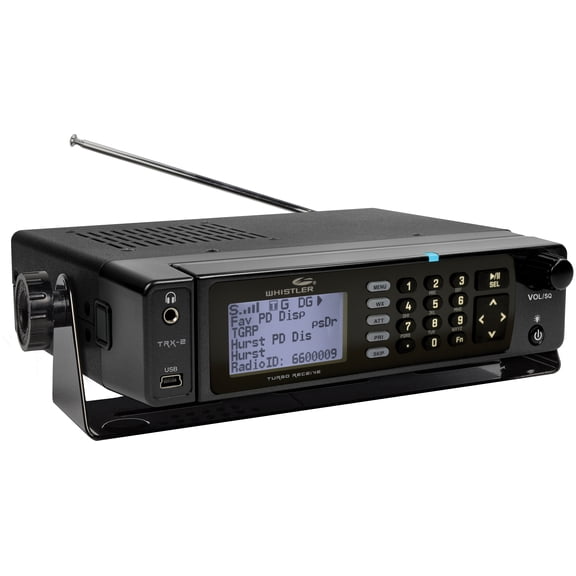
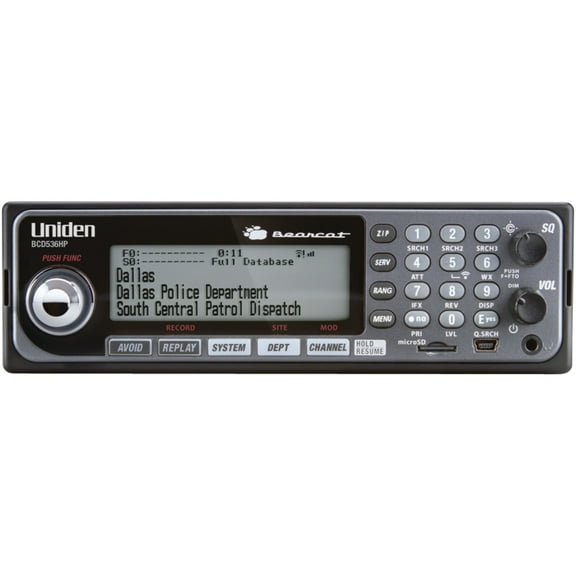
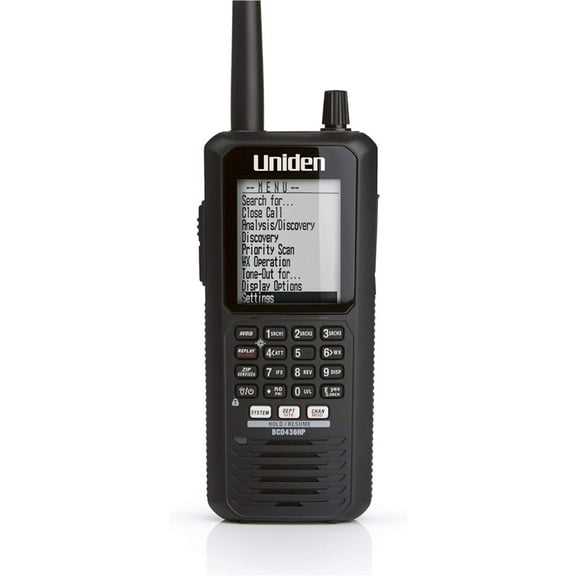
When your area uses digital systems, you should compare digital police scanners that support the formats listed on each product page. You may also want trunking support because many public service systems group channels differently than standard analog setups.
If you see terms like APCO P25, phase one, or phase two, you should treat them as compatibility checks. You can think of those terms as a match between your radio and your local system.
- You can choose analog models for local monitoring where analog channels remain active.
- You can choose digital models when your area uses digital transmission formats.
- You can choose trunking-capable units when your local systems use grouped channel structures.
- You can compare programmable scanners when you want greater control over stored channels and scan lists.
Choosing between handheld scanner radios and base models
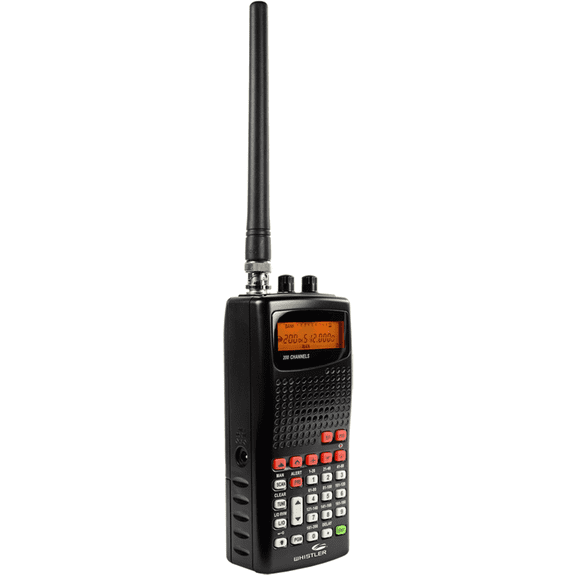
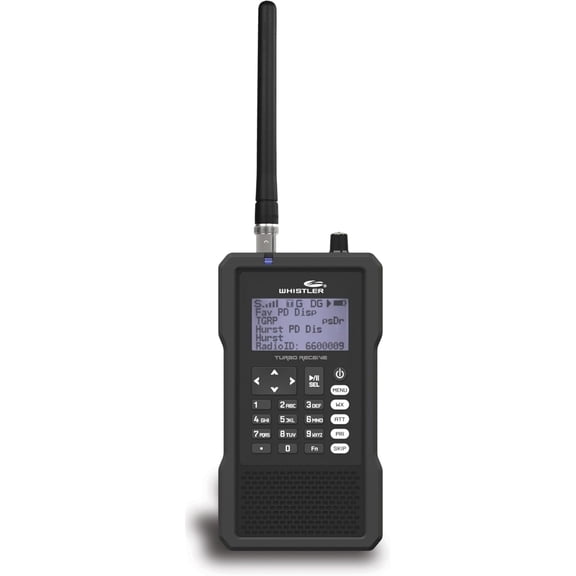
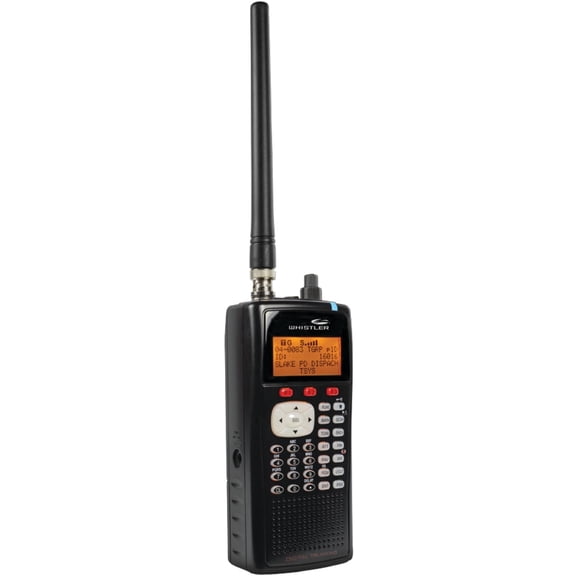
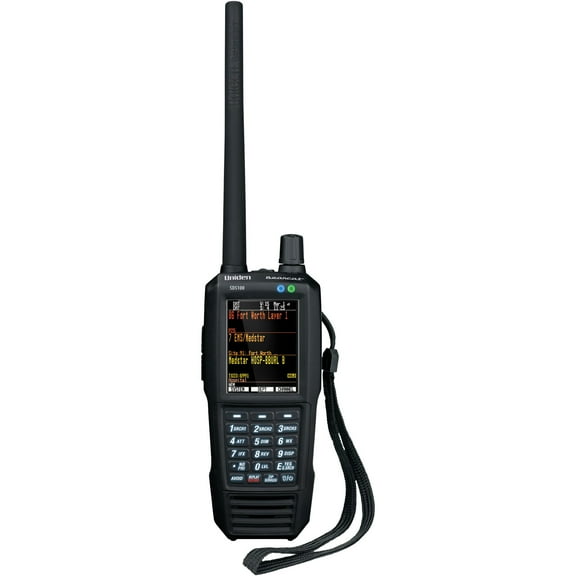
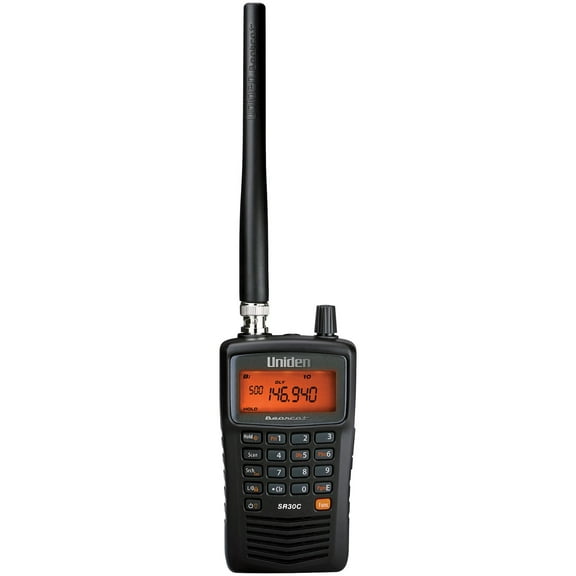
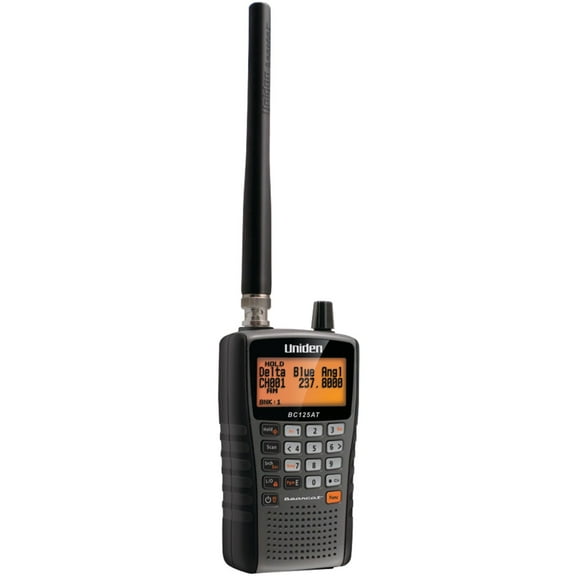
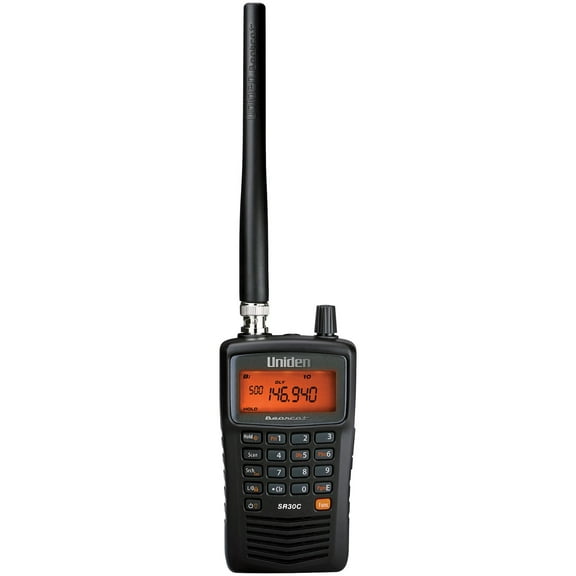
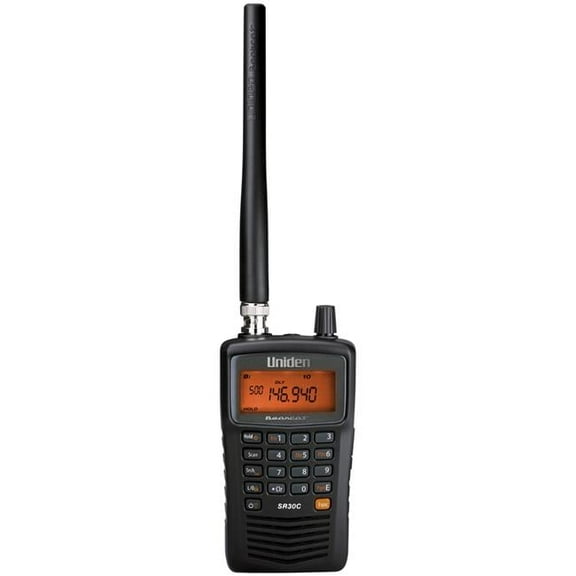
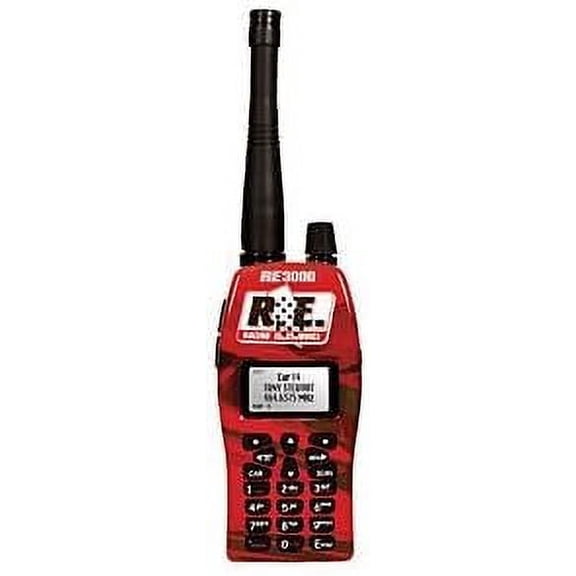
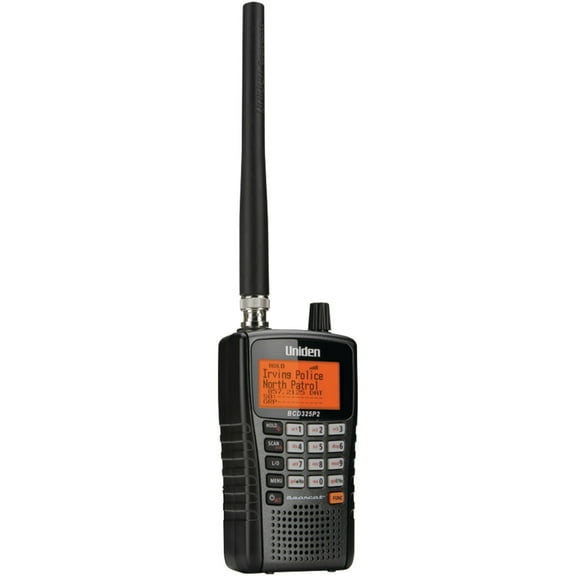
You should next compare form factor because portability and listening location affect your daily use. Handheld scanner radios work well when you want to carry your radio in a vehicle, at events, or around your property.
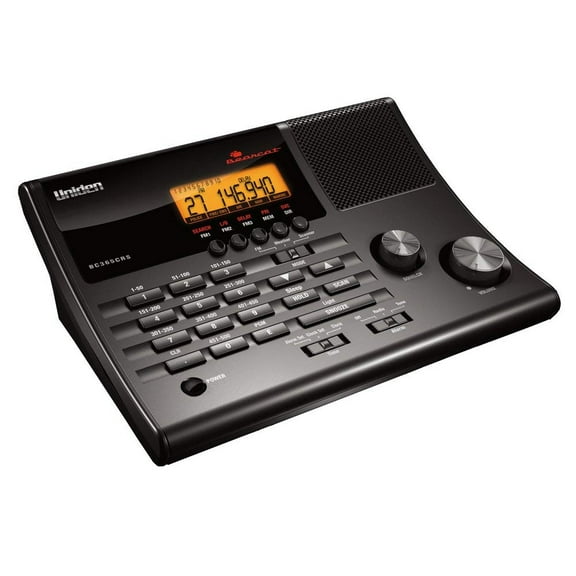
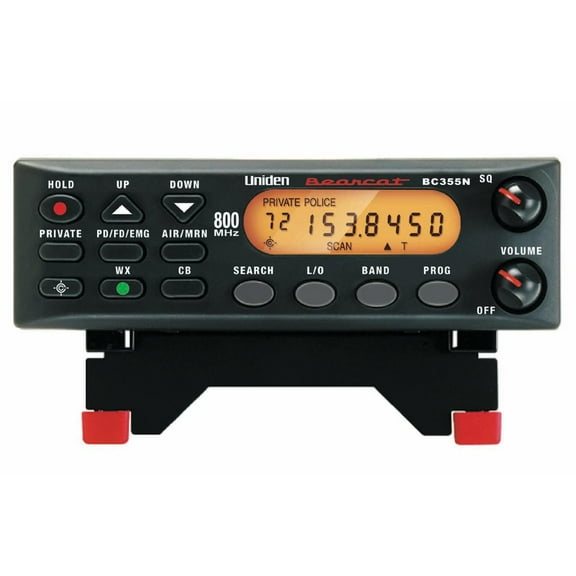
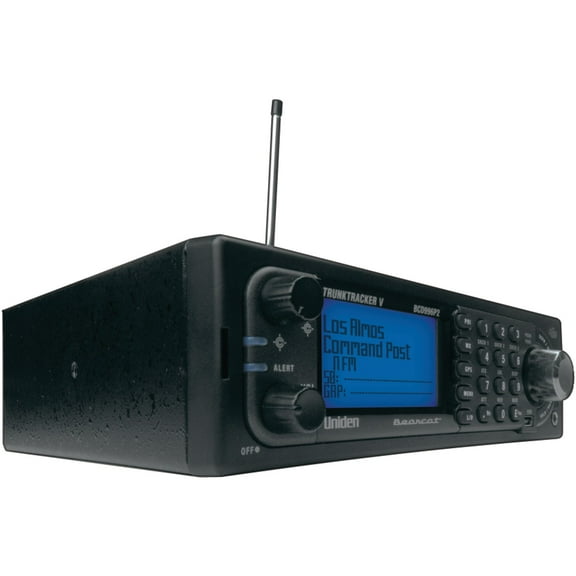
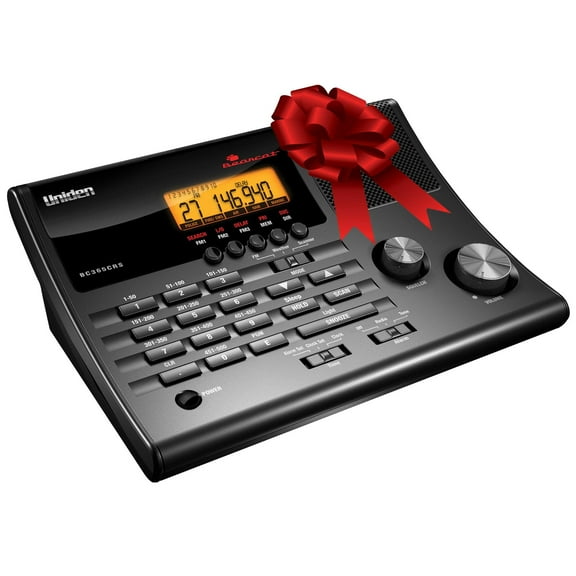
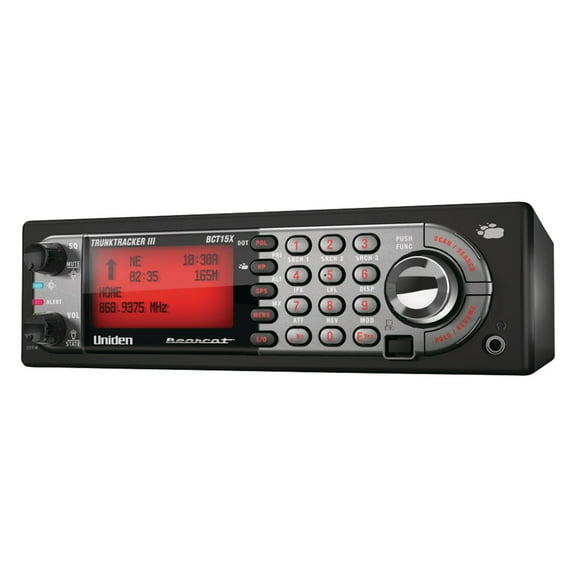
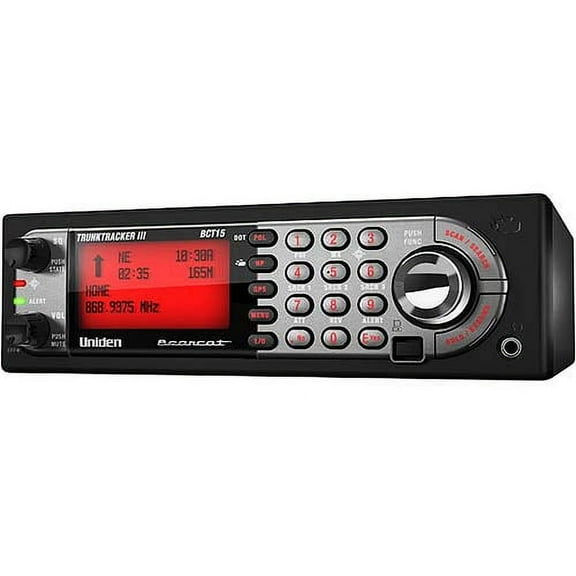
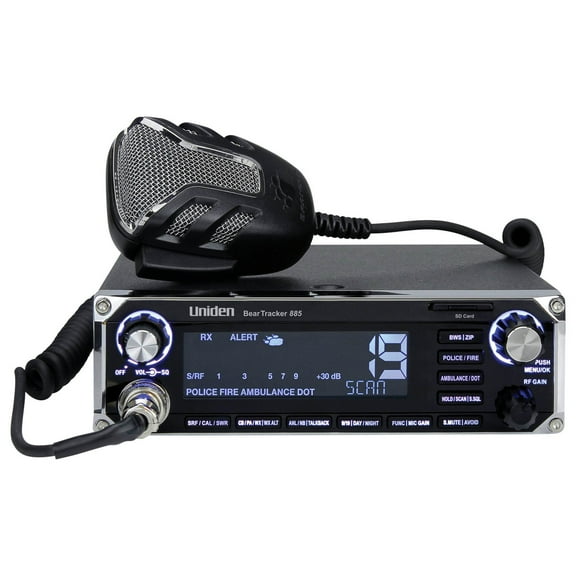
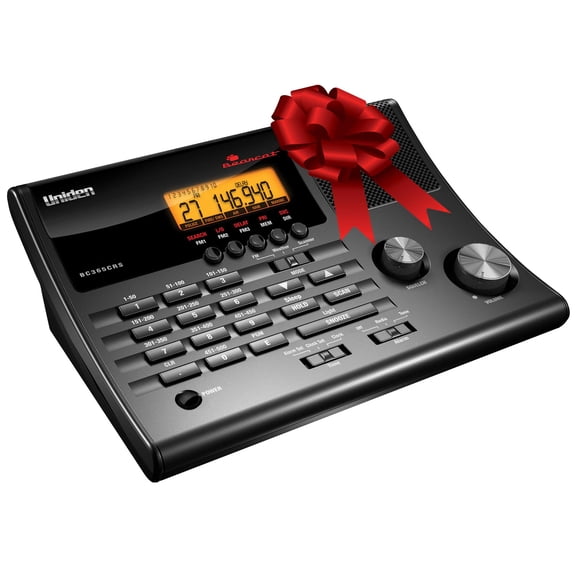
Base models fit your home setup when you want a fixed listening station and larger controls. Mobile units fit between those choices, so you can mount your radio in a vehicle and keep a stable setup.
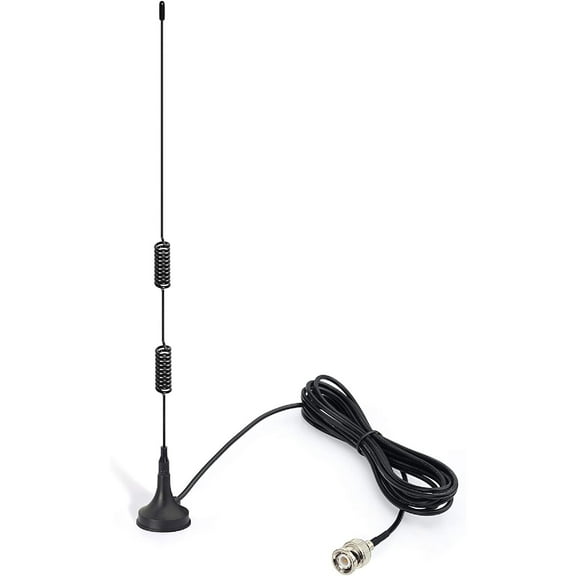
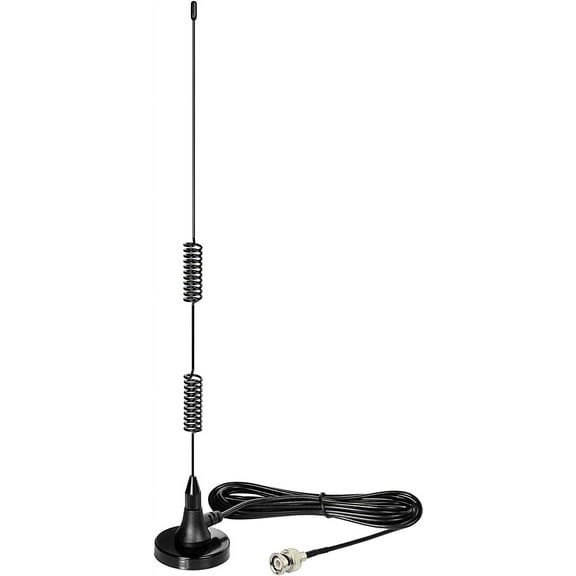
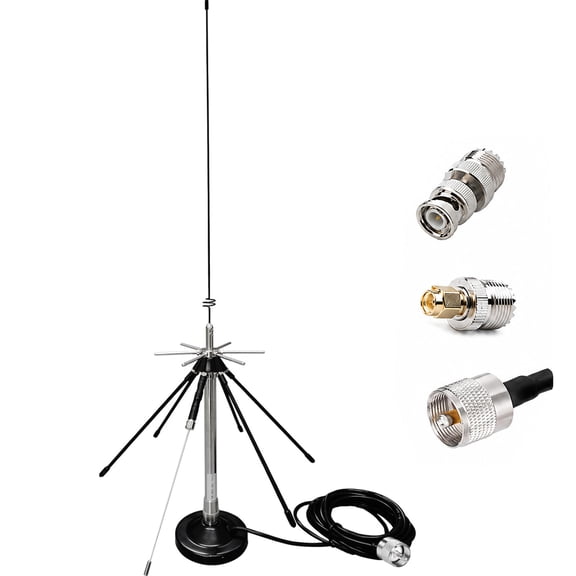
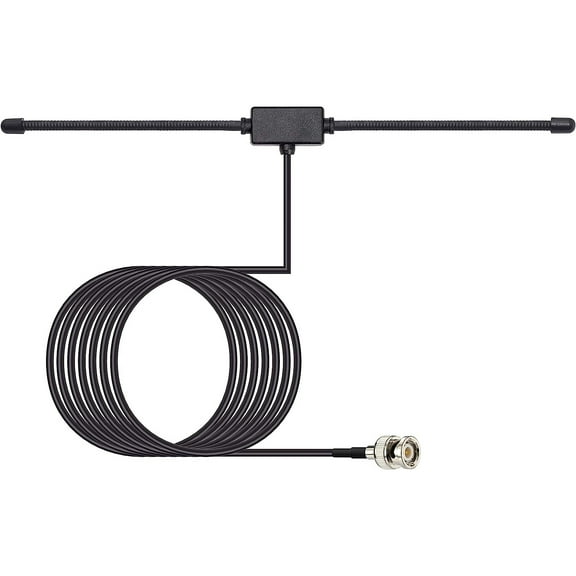
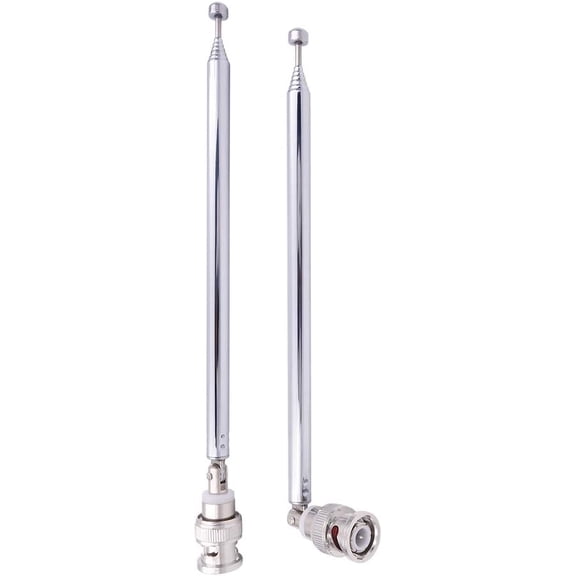
You should also consider your antenna plan before you choose a size. A desktop setup often pairs readily with an external antenna, while a handheld gives you convenient grab-and-go use.
What to look for in frequency bands and channels
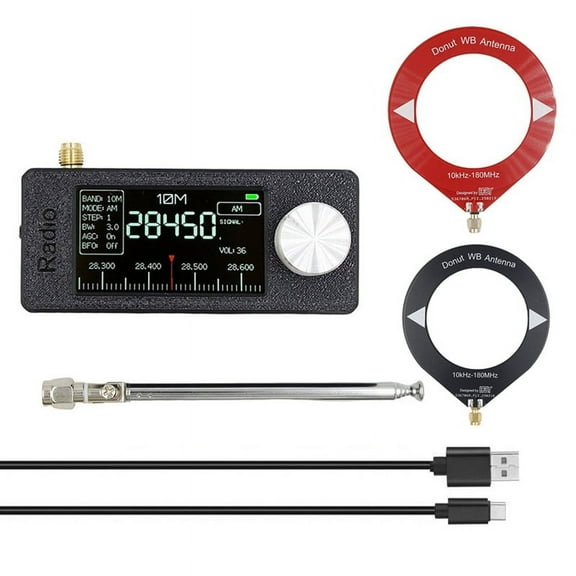
You can narrow your choices by checking supported bands like VHF, UHF, dual-band, or multi-band coverage. Those details help you match scanner radios to the services and regions you want to monitor.
VHF coverage may matter when you want access to aviation, marine, or regional public service channels. UHF coverage can matter when your local systems operate on different bands.
You should also compare channel capacity because stored memory affects convenience over time. If you monitor several cities or services, 300 channels may feel limited, while 500 or 40,000 channels offer additional capacity.
Programmable scanners help you organize favorites, custom groups, and travel routes with less repeated setup. You can keep local channels, road trip stops, and specialty listening lists ready when your plans change.
Choosing programming options for daily use
You should pay close attention to programming because that step shapes how quickly you can begin listening. Some models let you enter channels manually, while others support PC-based setup for efficient organization.
If you want simplified setup, you can look for location-based programming support on the product page. That option can load local channels from your zip code, which helps you spend less time entering frequencies.
You may prefer manual entry if you already know your exact channels and want direct control. You may prefer computer-assisted setup if you plan to update lists often or manage many scan groups.
Police scanner radios for different listening goals
You can match police scanner radios to your routine by thinking about where you listen most often. A handheld unit fits travel, community events, and flexible listening throughout your day.
If you listen mainly from home, you may want a base model with a stable position and direct access to accessories. If you commute often, a mobile unit can make sense for regular in-vehicle listening.
You can also compare emergency radio scanners for broader monitoring across public service, weather, aviation, or marine activity. Multi-band coverage helps when your interests extend beyond one type of channel.
Digital police scanners suit you when you need compatibility with modern systems and advanced programming options. Analog models still fit you when your area uses traditional channels for regular monitoring.
How to compare scanner radios with confidence
You can make an informed choice by checking signal type, form factor, frequency bands, and channel memory together. When those details match your location and habits, your radio feels convenient to use every day.
You can get more from scanner radios when you choose the right compatibility first and the right controls second. That approach helps you spend less time reprogramming and gives you additional time listening clearly.