

Bar Tables & Bar Height Tables | Walmart

































About Bar Tables & Bar Height Tables | Walmart - Walmart.com
Bar tables help you create a casual dining spot with a smaller footprint and a taller profile. You can compare heights, shapes, materials, and styles to match your kitchen, dining nook, or home bar.
If you need flexible seating and a more open feel, you may prefer bar tables over standard dining tables. You’ll also find pub tables, bistro tables, and tall dining tables that suit everyday meals and weekend hosting.
How to choose bar tables by height
You should start with height because it affects comfort, stool pairing, and how the table fits your room. You’ll usually see bar height tables around 40 to 42 inches and counter height tables around 34 to 36 inches.
If you want a classic lounge-like setup, you may lean toward bar height tables with taller stools. If you need a table for kitchen islands or more relaxed seating, you may prefer counter height tables.
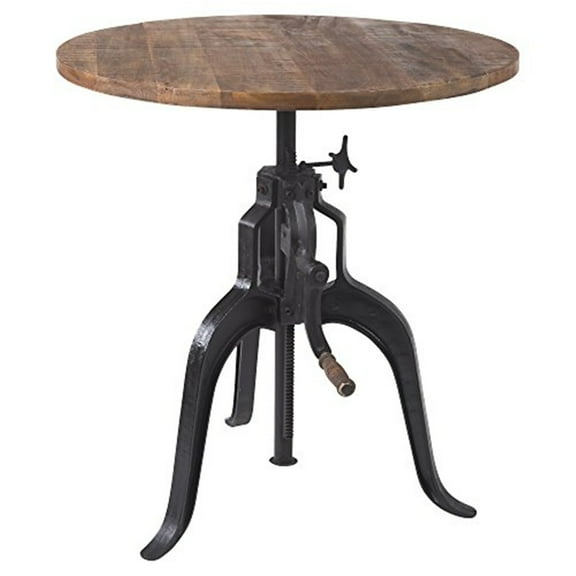
You can also consider adjustable designs when you want more flexibility across different rooms or seating needs. You’ll want to check seat-to-apron clearance so your legs and stool seats fit comfortably underneath.
- You can use bar height tables to create a casual spot for drinks, snacks, or conversation.
- You can choose counter height tables when you want easier everyday dining in a compact space.
- You can select adjustable options when your layout or seating plans change often.
- You can measure stool height carefully so your seating lines up with the tabletop comfortably.
Choosing shape and footprint for pub tables
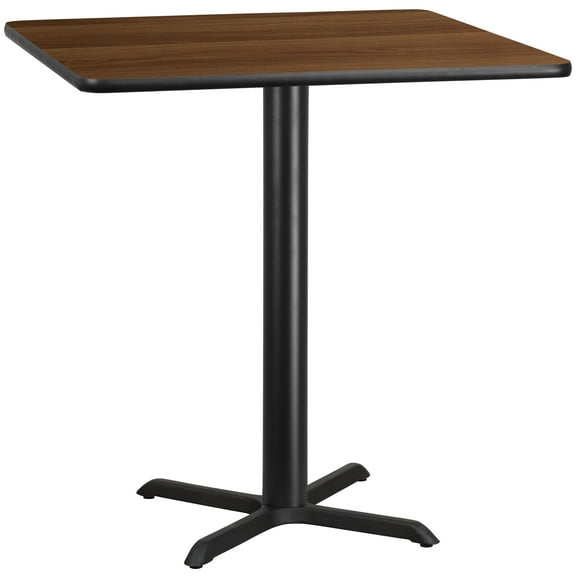
You should measure your floor space before you compare shapes, because footprint affects movement around the table. You’ll often find round, square, and rectangular pub tables for different room layouts.
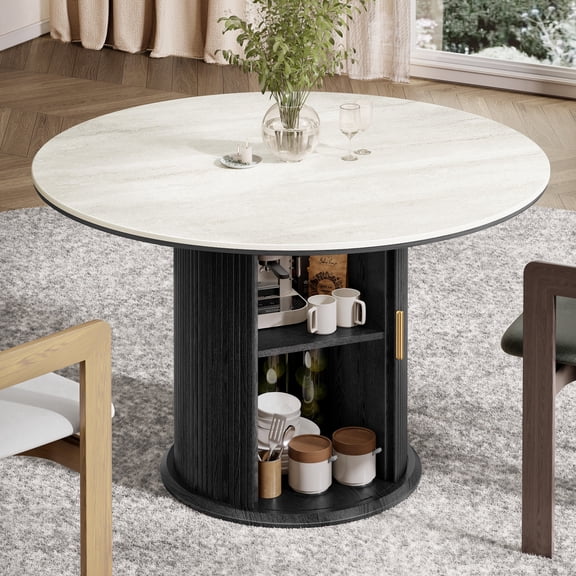
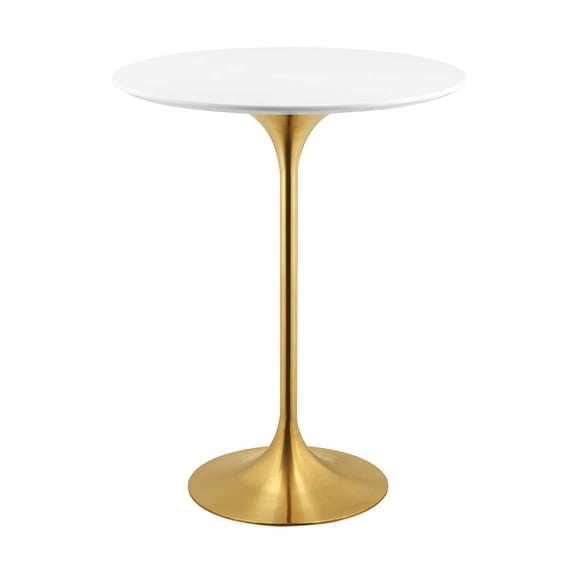
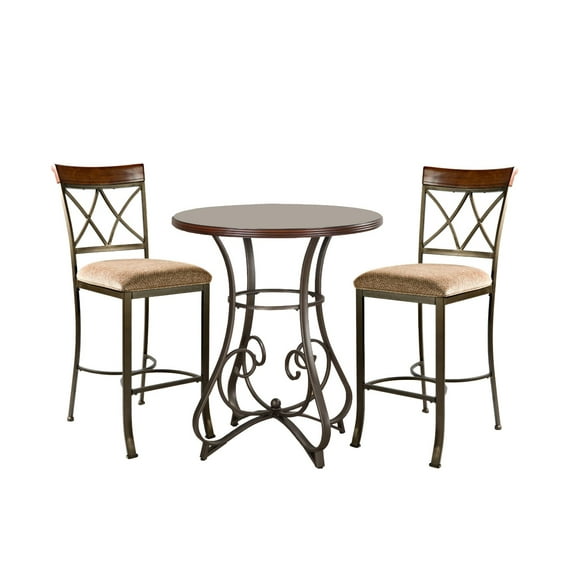
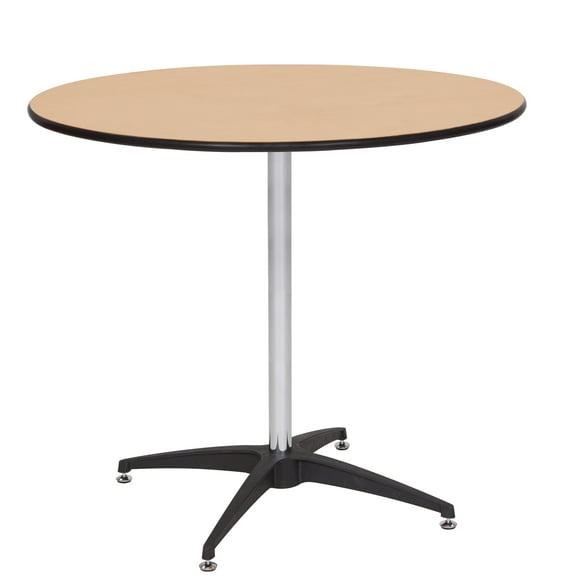
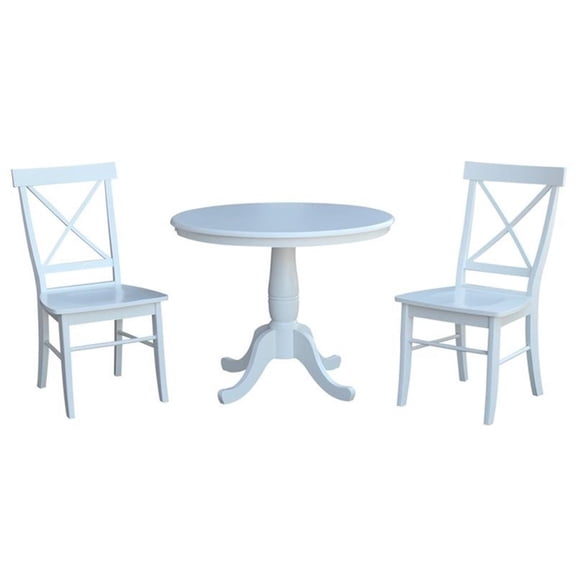
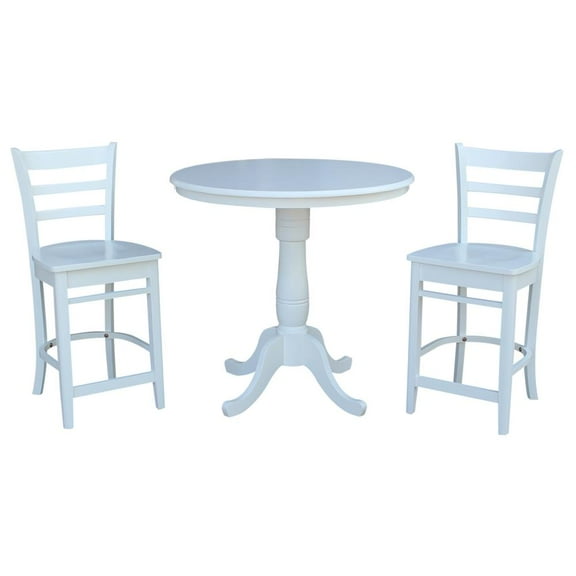
If you’re working with a breakfast nook or apartment corner, you may like round pub tables or bistro tables. You’ll get softer edges and easier traffic flow in tighter spaces.
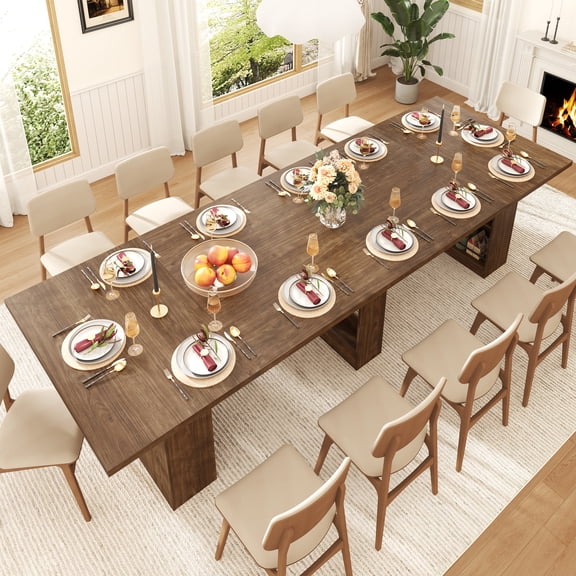
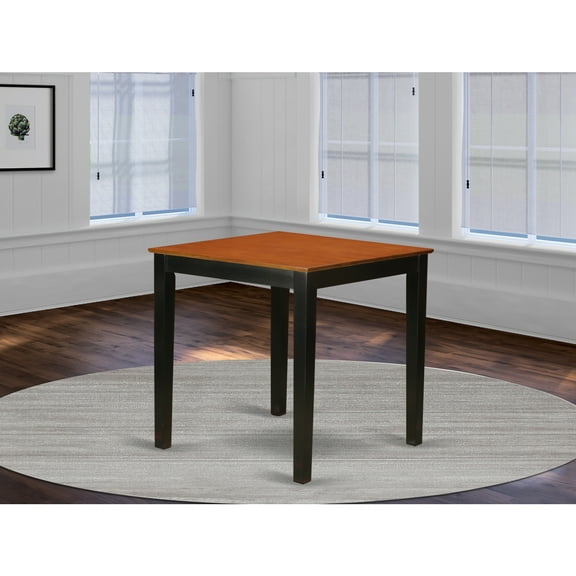
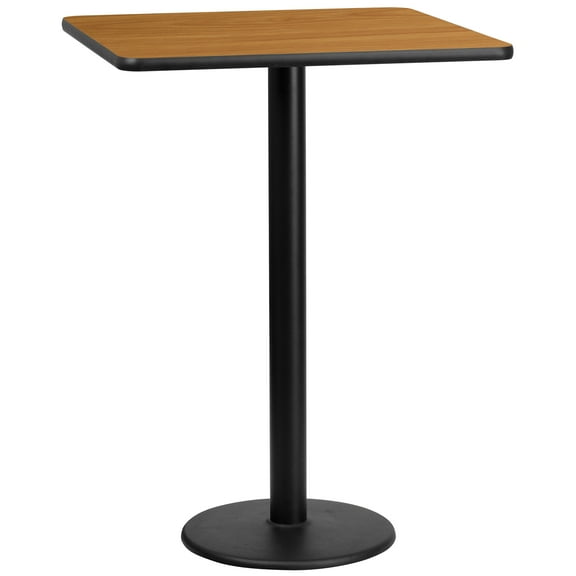
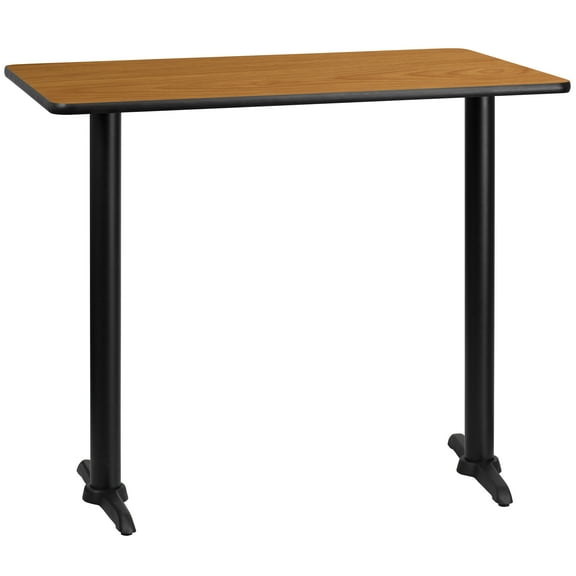
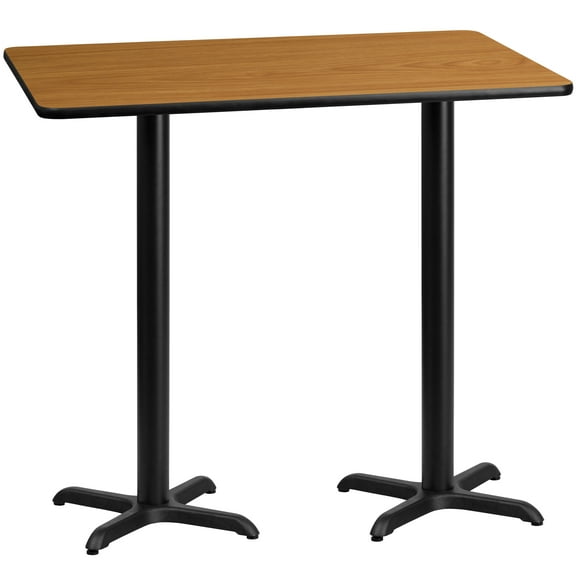
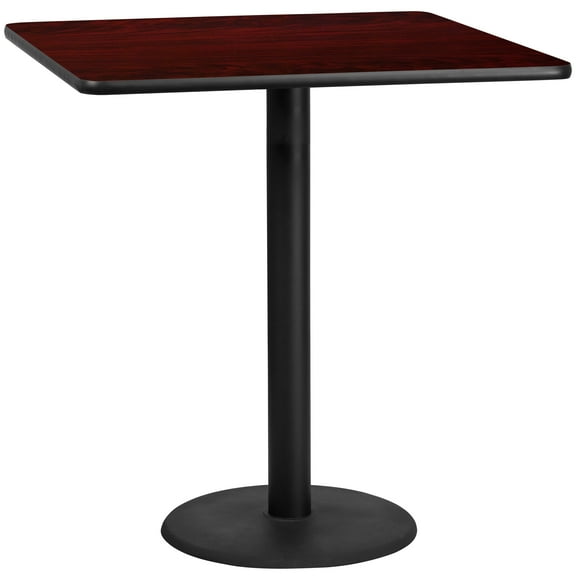
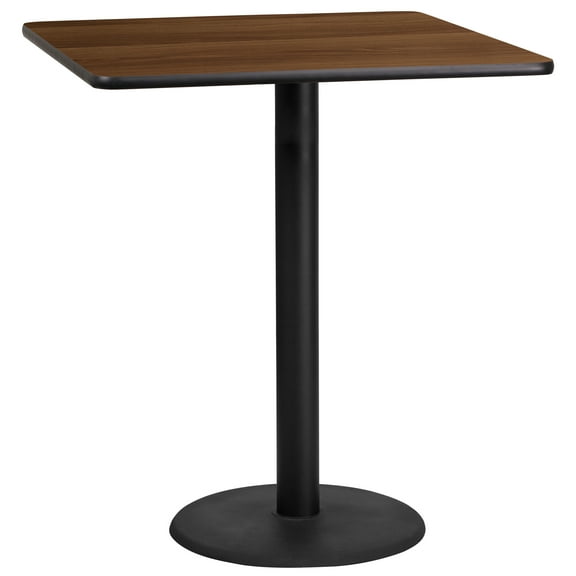
When you need seating along a wall or in a narrow room, you may prefer rectangular tall dining tables. You can also choose square tables when you want balanced seating for smaller groups.
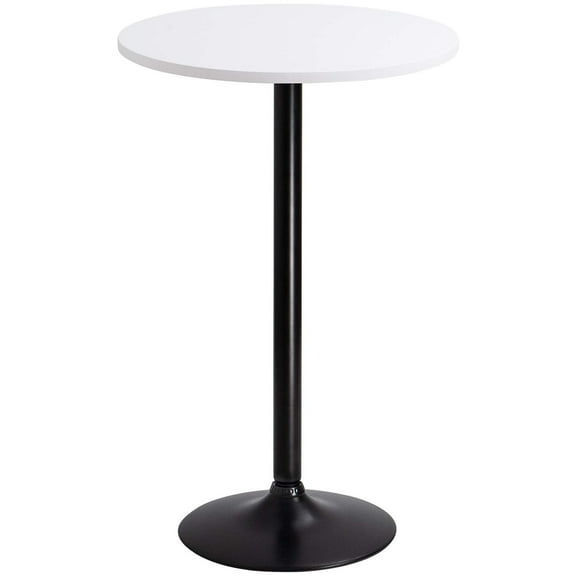
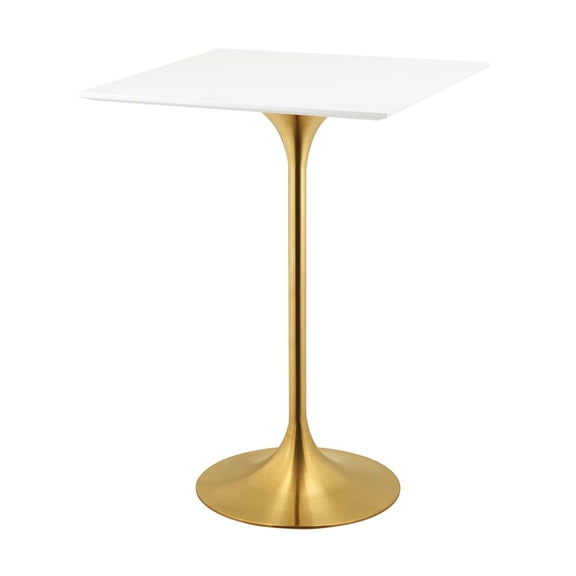
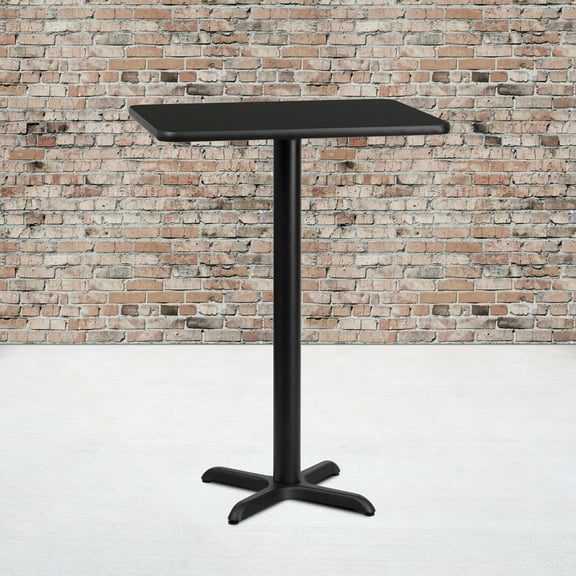
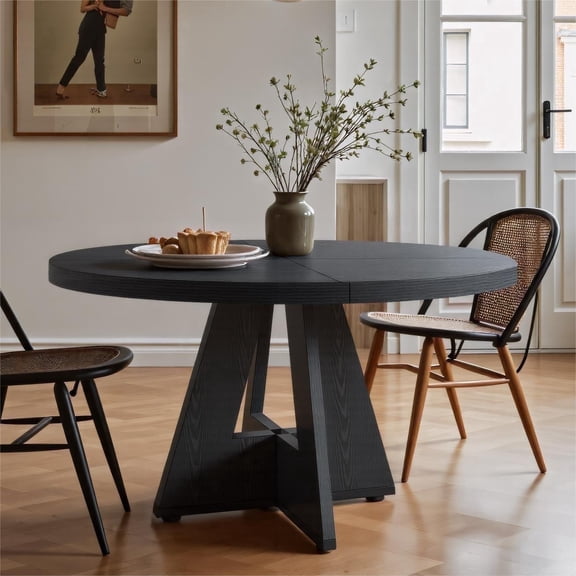
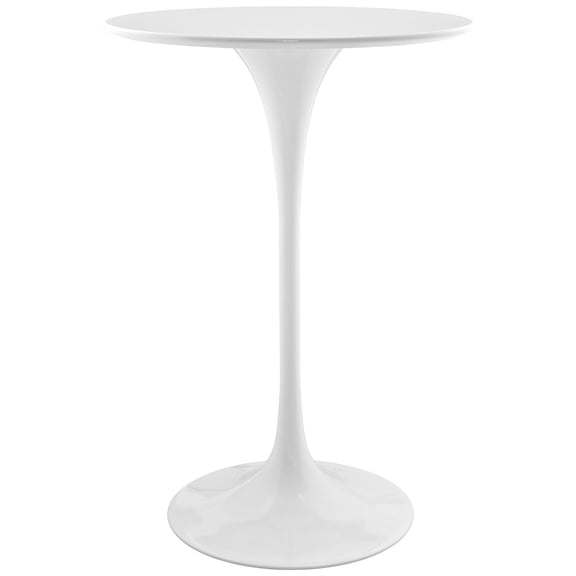
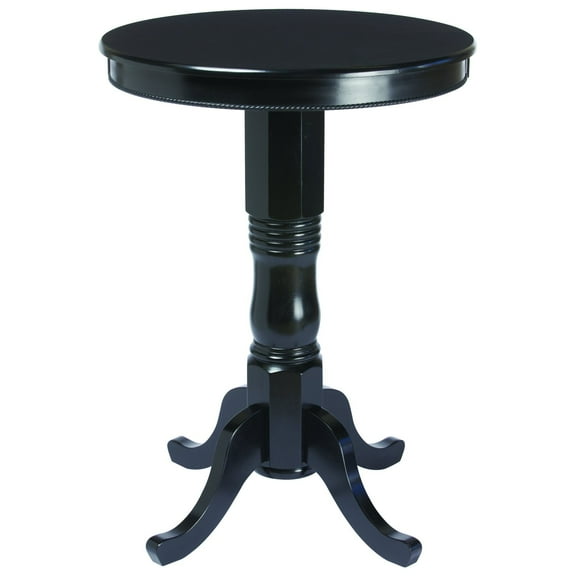
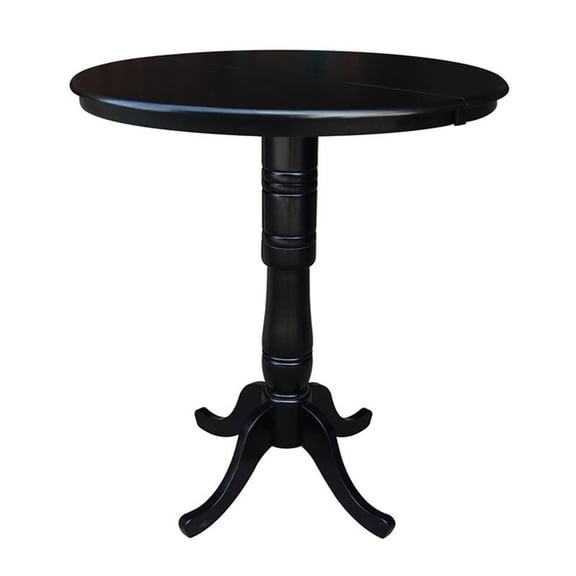
You should check both tabletop width and leg placement before you choose. You’ll notice that pedestal bases can open up knee space, while four-leg designs may define each seat more clearly.
Comparing materials for daily dining
You should compare tabletop materials based on how often you’ll use the table and how much upkeep you want. You’ll commonly see wood, metal, glass, and marble looks across bar tables.
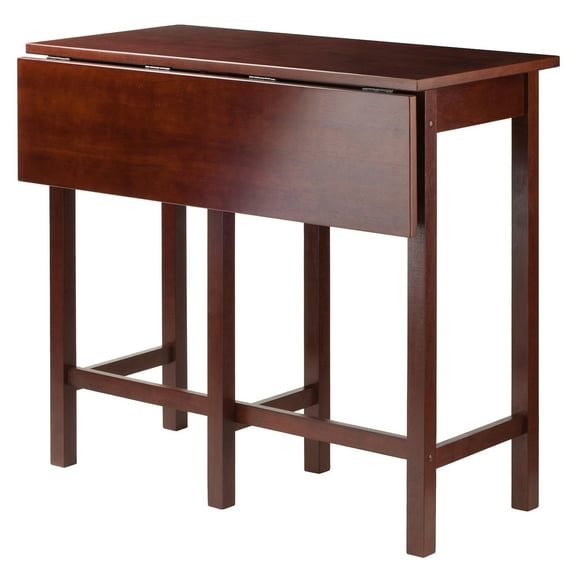
If you want warmth and a classic dining feel, you may gravitate toward wood bar tables. You’ll often get visible grain, substantial surfaces, and a look that blends easily with many chairs and stools.
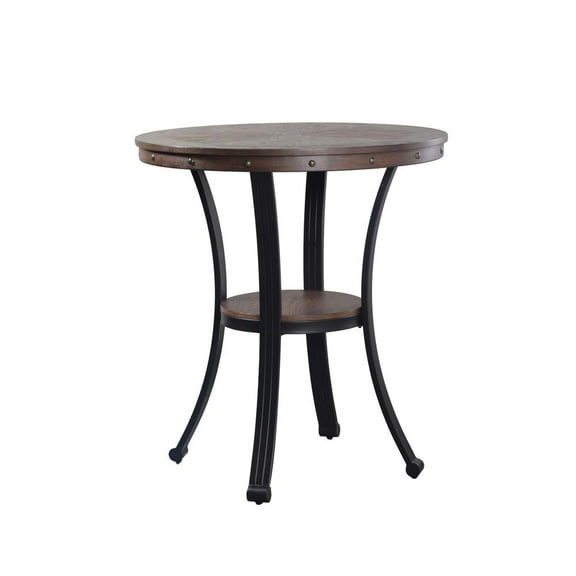
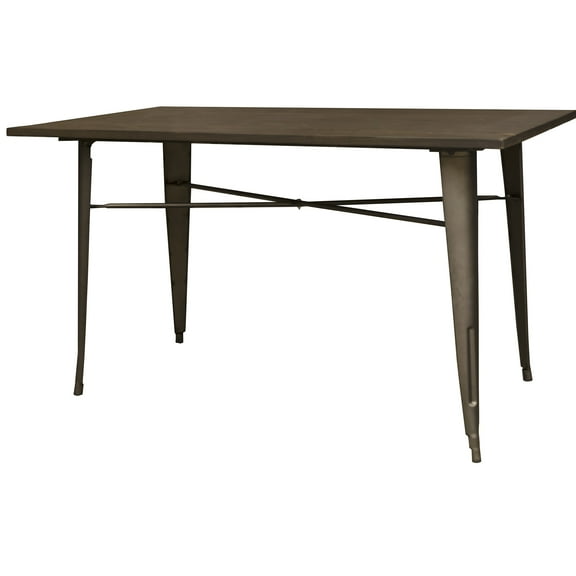
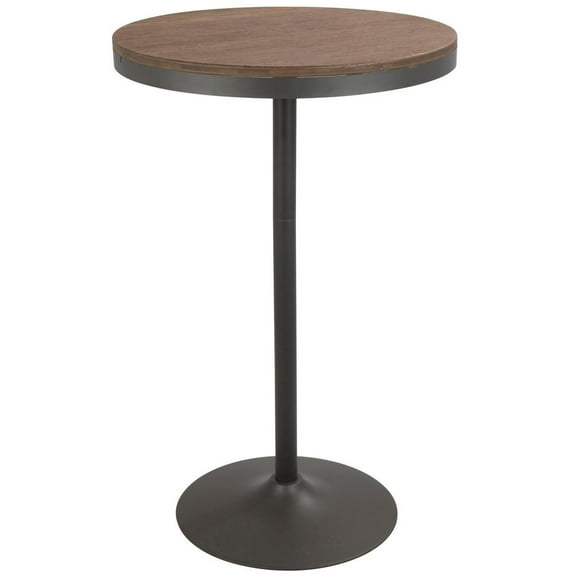
When you want a cleaner, streamlined edge, you may prefer metal frames or mixed-material designs. You’ll often see industrial silhouettes that pair metal bases with wood tops for an urban look.
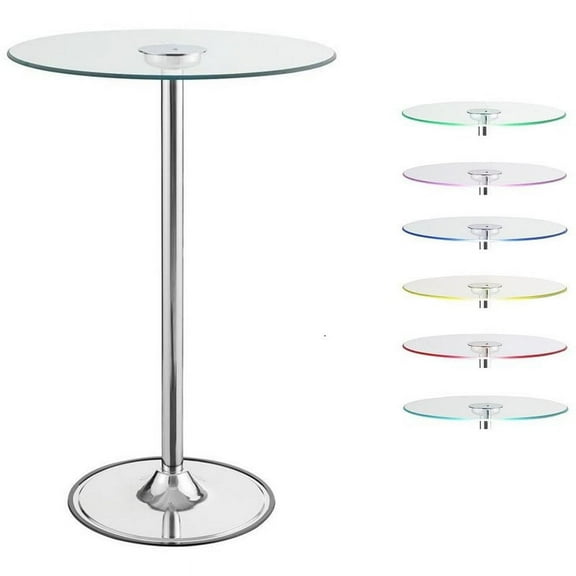
If you like an airy appearance, you may consider glass tops for smaller rooms. You should remember that marble-look surfaces can bring a polished finish and a more formal style direction.
You can also think about daily cleanup before you choose a finish. You’ll want surfaces that handle spills, crumbs, and frequent wiping in busy dining areas.
Picking a style that matches your room
You should use style to connect your table with the rest of your space. You’ll find industrial, modern, rustic, and bistro-inspired looks across this category.
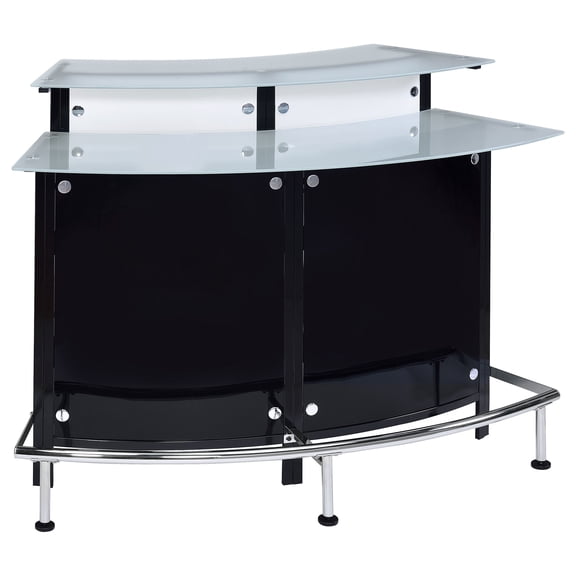
If your room has black accents, exposed shelving, or mixed finishes, you may like industrial bar tables. You’ll often see straightforward lines and sturdy-looking bases that fit loft-inspired spaces.
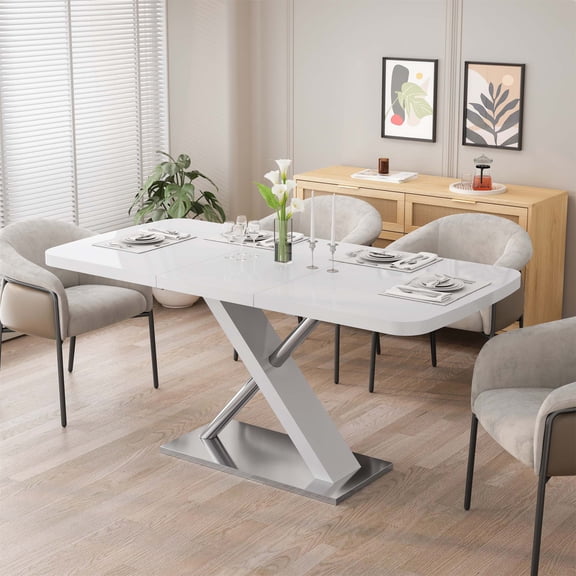
When you want a cleaner profile, you may choose modern tables with simple shapes and lighter visual weight. If you like a cozy, lived-in look, you may prefer rustic finishes and textured wood tones.
You can also choose bistro tables when you want a café-inspired setup for coffee, light meals, or conversation. You’ll often find smaller tops and compact footprints that suit tighter corners.
What to look for in sets and stool compatibility
You should confirm whether you’re buying a table only or a dining set with stools included. You’ll avoid mismatched seating when you review the product details before you choose.
If you already own stools, you should match seat height to table height carefully. You’ll want enough space between the seat and the apron so sitting feels natural during meals.
When you’re pairing seats with bar tables, you should compare overall stool height and seat height separately. You can use that extra step to narrow choices that fit your table and your posture.
You may also want linked categories for a coordinated setup around your dining area. You can pair your table with bar stools, dining chairs, or bar carts to complete the room.
Where bar tables work well in your home
You can use bar tables in kitchens, open-concept apartments, game rooms, and dedicated home bar areas. You’ll get a taller surface that works for dining, serving, or casual conversation.
If you’re furnishing a compact apartment, you may use small bar tables or bistro tables as your main dining spot. You’ll keep the room feeling open while still adding everyday function.
When you host often, you may place pub tables near a beverage station or media area. You can create a gathering point that supports snacks, cards, and standing or seated conversation.
You can also explore outdoor bar tables for patios, covered porches, or seasonal entertaining spaces. You’ll want to check material details and placement guidance for the setting you have in mind.
With bar tables, you can narrow your choice by height, shape, material, and style without guessing. You’ll end up with a table that fits your space, supports your seating, and makes everyday dining feel more intentional.