


Time Ceiling Projection Alarm Clocks | Walmart


























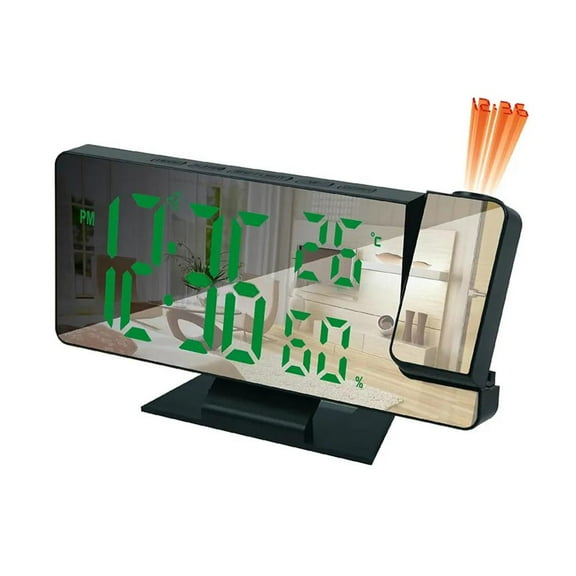


About Time Ceiling Projection Alarm Clocks | Walmart - Walmart.com
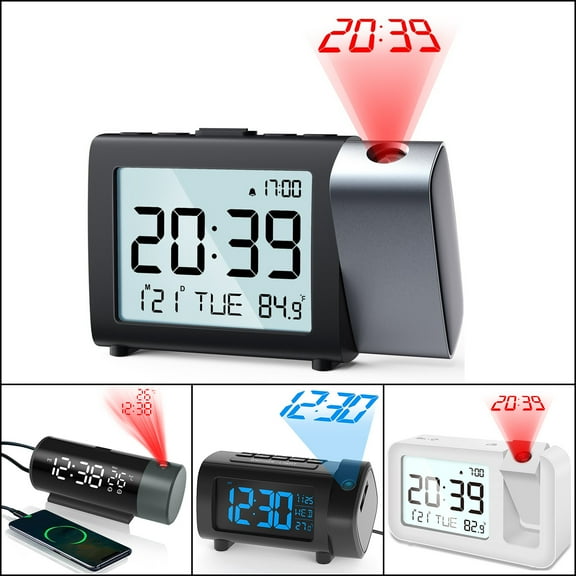
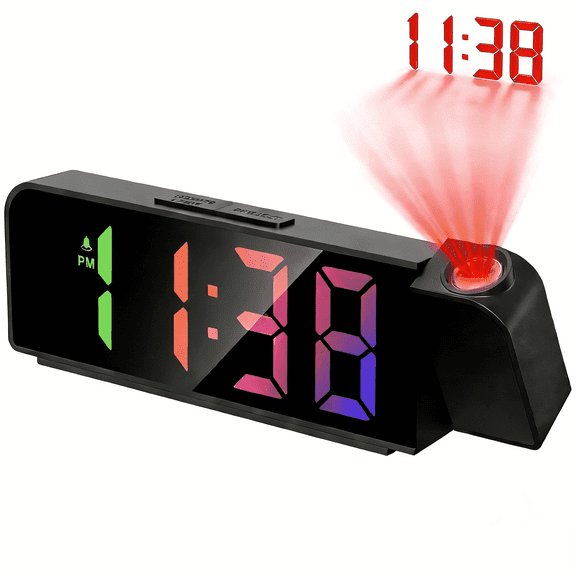
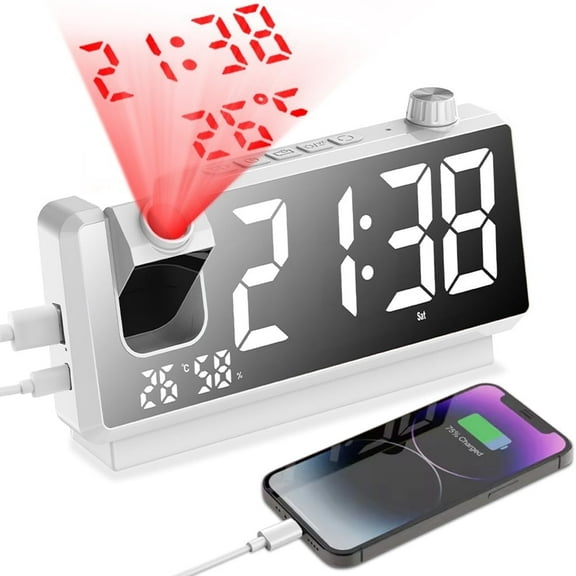
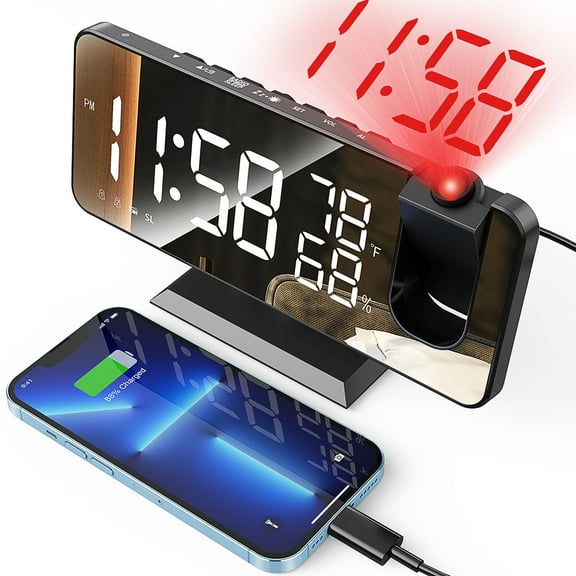
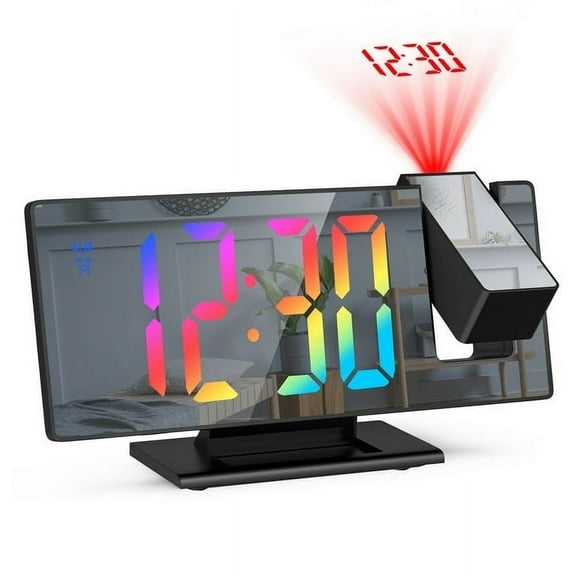
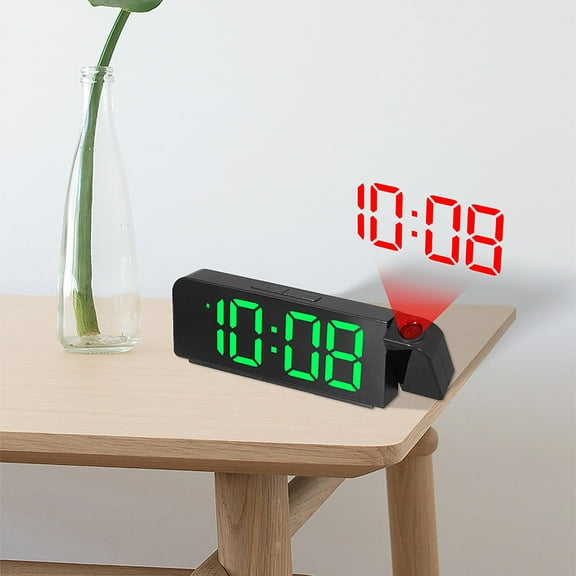
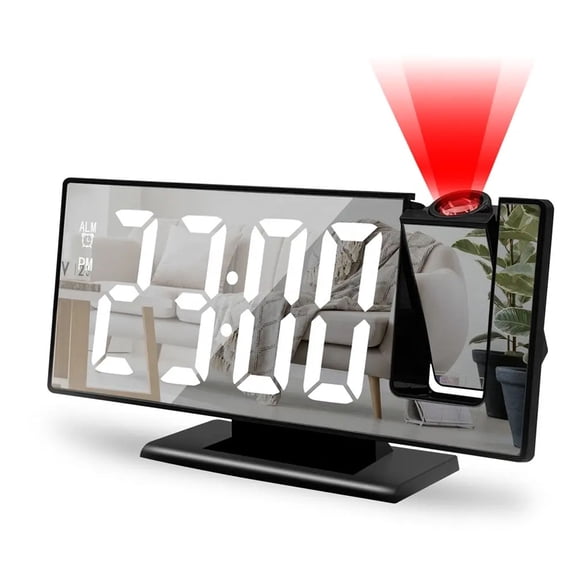
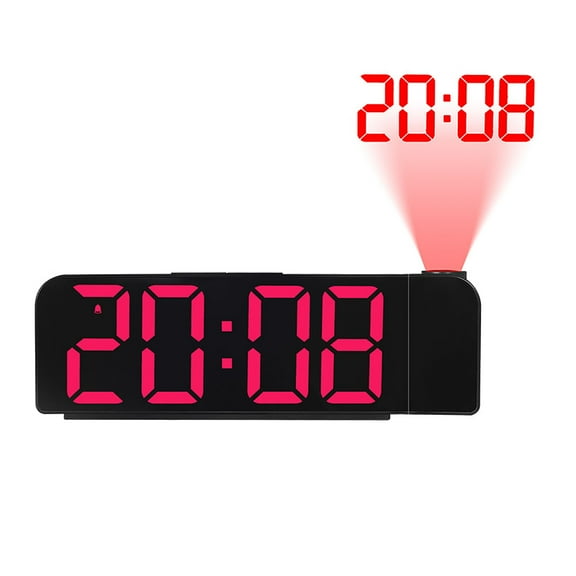
Time ceiling visibility matters when you want the hour in view without lifting your head. Projection alarm clocks place digital time on the ceiling or wall for bedrooms, bedside tables, guest rooms, and kids rooms.
Unlike a standard bedside clock, a projector alarm clock adds a second viewing surface. You can compare ceiling-only models, wall-capable designs, and adjustable projectors that suit different room layouts.
How to choose time ceiling projection options
Start with projection surface. Pick a clock made for ceiling projection, or choose one that projects onto a wall too. Ceiling placement works well when the clock sits beside the bed. Wall placement fits shelves, dressers, or deeper nightstands.
Next, compare room placement. A projection clock for bedroom use needs a clear angle from the nightstand to the surface. In a guest room, simple controls and a bright display make setup easier for different sleepers.
- Ceiling projection keeps the time in view while you're lying flat.
- Wall projection fits rooms without a clear ceiling area above the bed.
- Dual alarms help manage weekday and weekend wake times.
- Dimmer settings support a lower-light bedroom setup.
- Battery backup helps preserve time settings during power interruptions.
Choosing a projector clock by display type
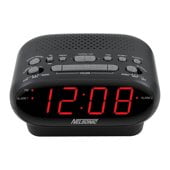
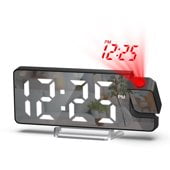
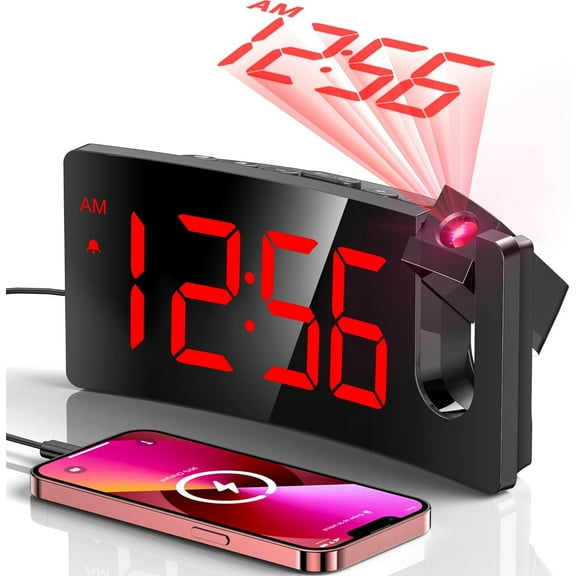
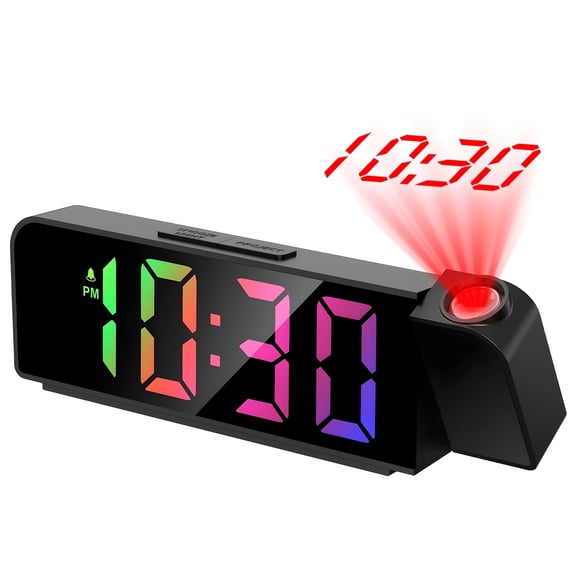
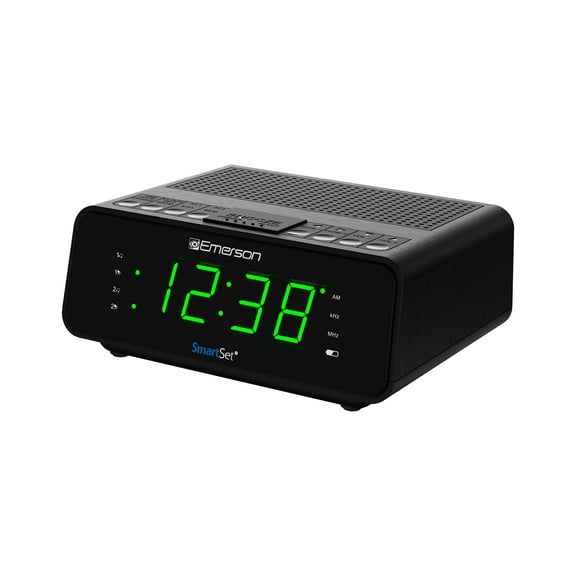
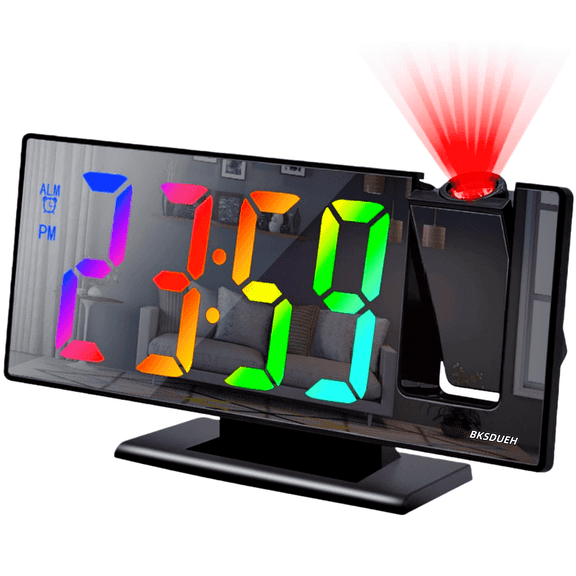
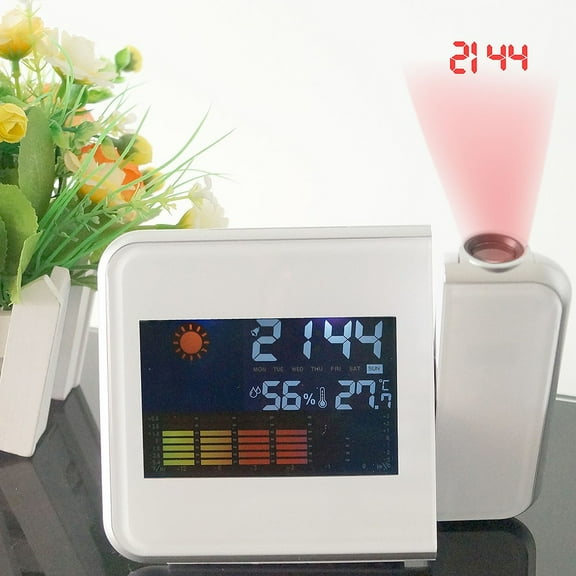
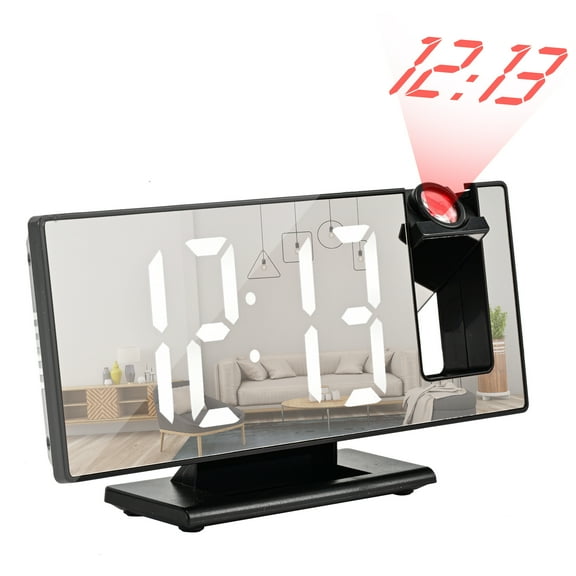
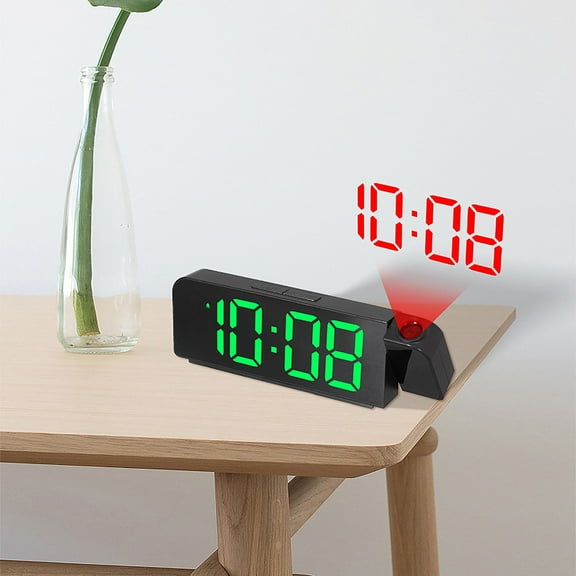
Display type shapes both the tabletop view and the projected view. A ceiling display clock often pairs a front digital screen with a separate projection lens. That setup lets you check the hour from different spots in the room.
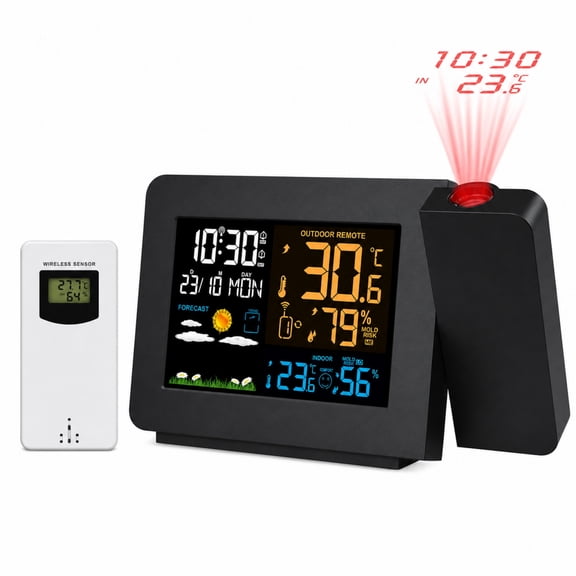
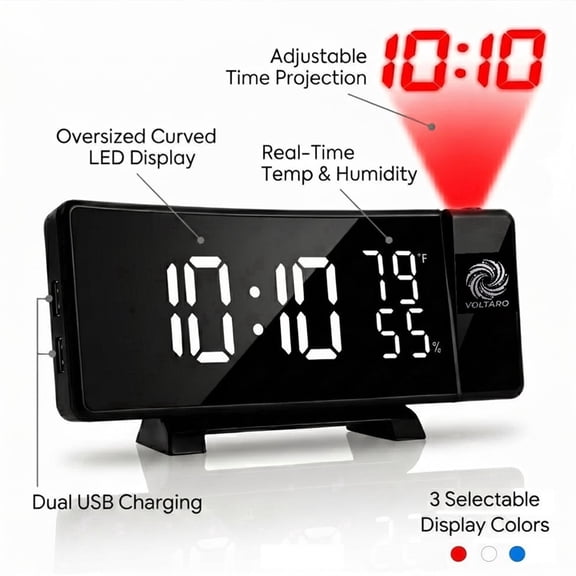
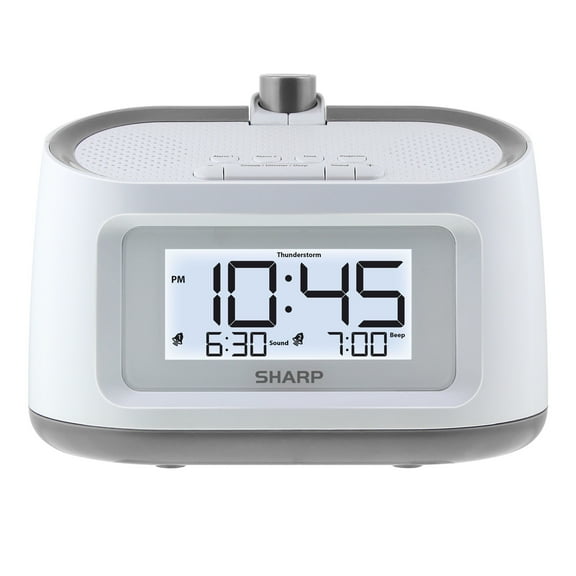
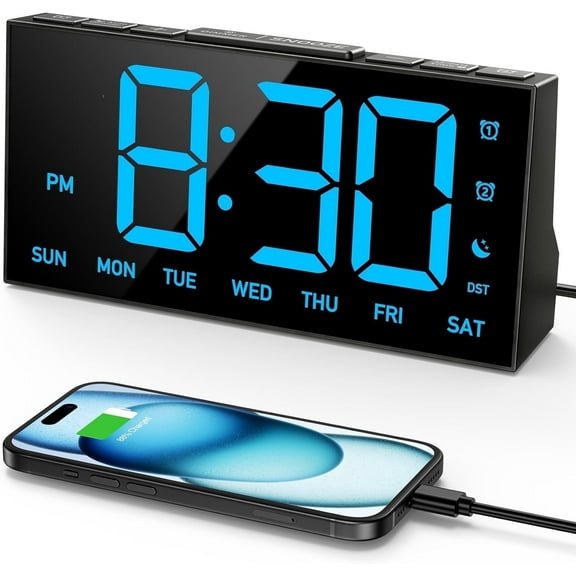
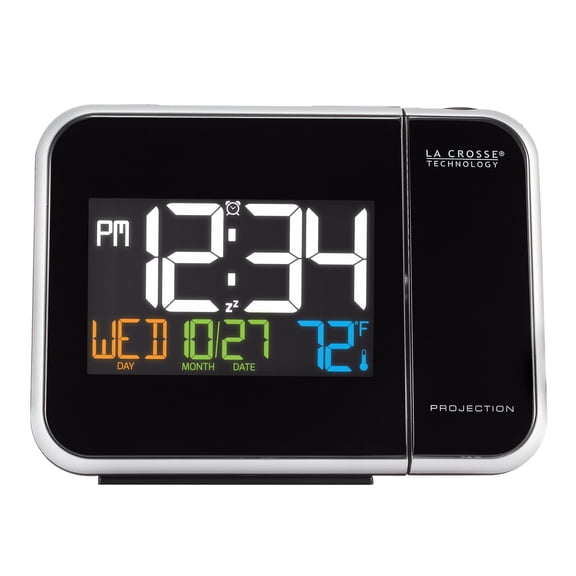
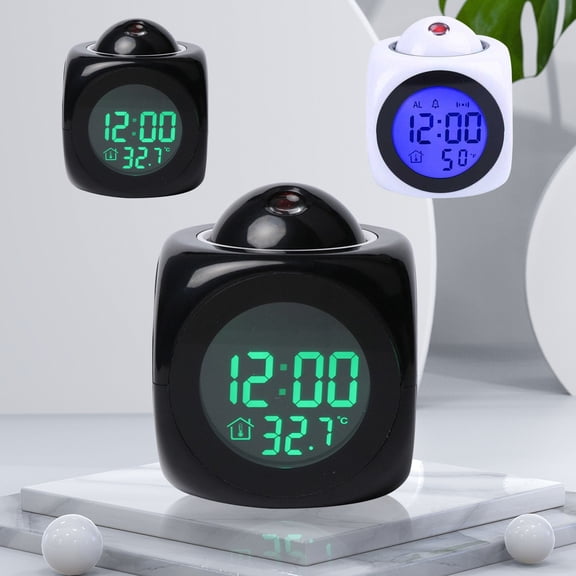
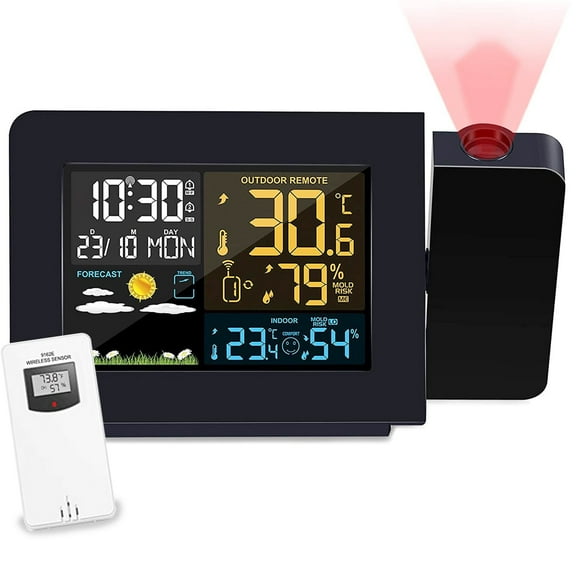
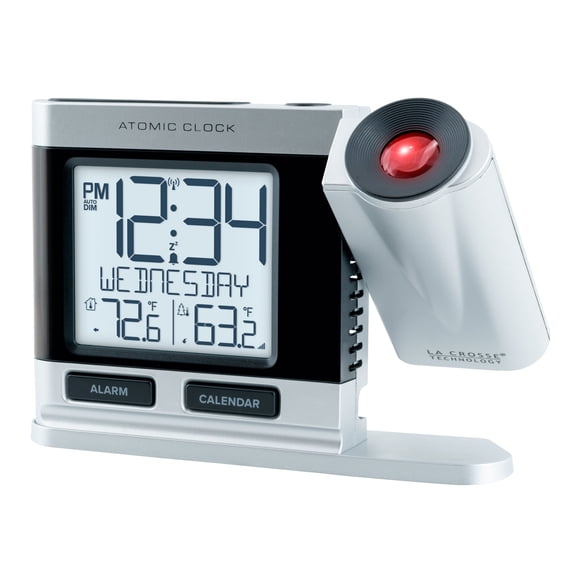
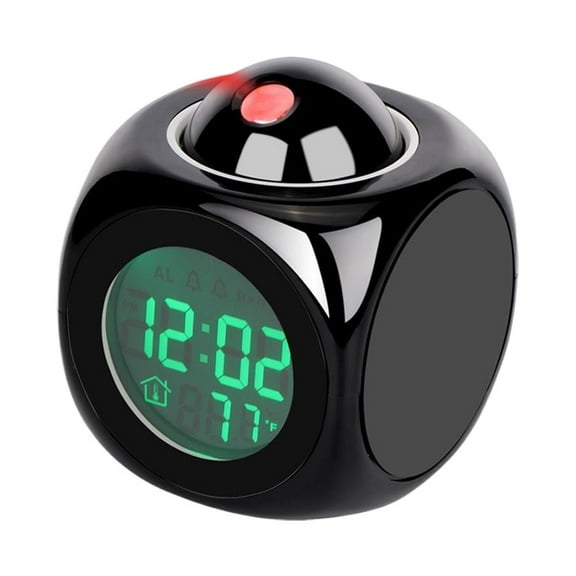
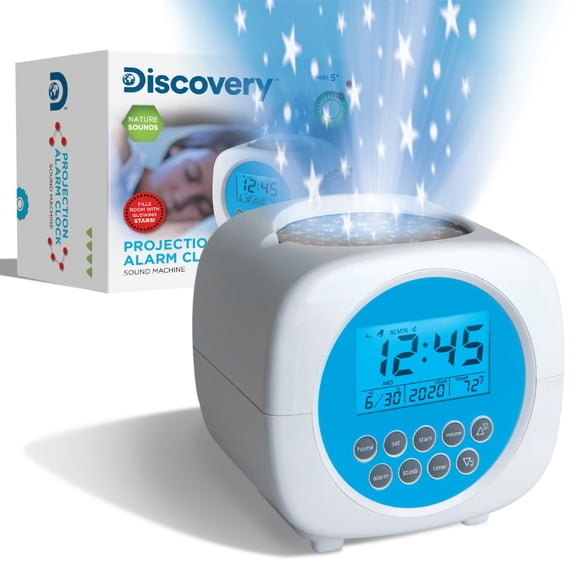
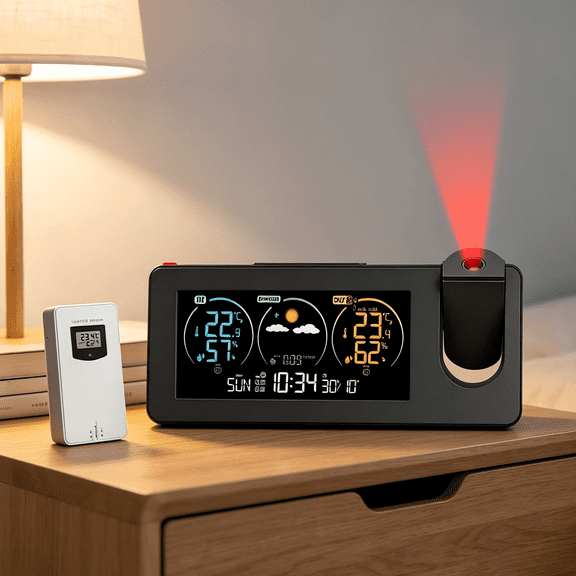
Compare digital time display, ceiling display, and wall projection display options. A digital clock projector with large numerals is easier to read across the room. Some layouts show time only, while others include alarm status, snooze indicators, or temperature readouts.
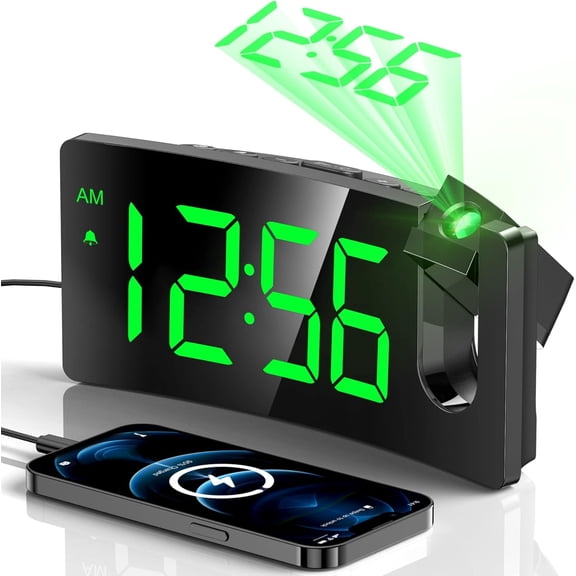
Projection direction matters too. Choose a clock projector that swivels when your outlet, lamp, or headboard limits placement. That flexibility helps you align the image without moving the whole clock.
What to look for in projector alarm clock features
Consider the clock's functions as a key decision point for your needs. You may want an alarm clock with a ceiling display and clear digits. You may also need dual alarms for paired schedules, school mornings, or backup wake times.
Look for snooze placement and button size. Easy-to-find controls matter when the room is dark and you're half awake. A projector alarm clock should also make it simple to confirm the alarm is on.
Power setup affects daily use. Plug-in power supports continuous display and projection brightness. Battery backup often keeps stored time and alarm settings in memory during power interruptions.
Visibility controls deserve a close look. Adjustable brightness helps match the display to your room's light level. Digital alarm clock projection with dimmer settings keeps the nightstand calmer while the projected time stays readable.
Comparing clock projector and wall projection choices
Projection style changes how flexible the clock feels in real rooms. A clock projector on wall placement works well when the ceiling has beams, fans, or light fixtures. If the wall space is cleaner, that surface can give the image a neater position.
Check whether the projector angle is fixed or adjustable. A wall projection clock with a rotating arm gives you more control over image placement. That helps when the bed sits off center or the nightstand is lower than the mattress.
Also compare image orientation and focus controls when listed. A digital wall projection clock should place the time where it makes sense from your sleeping position. Small adjustments can change everyday readability in a meaningful way.
Matching a projection clock for bedroom use
A bedroom setup usually benefits from dimmable light, simple buttons, and a clear projection path. For a primary bedroom, compare dual alarms, adjustable brightness, and ceiling or wall flexibility.
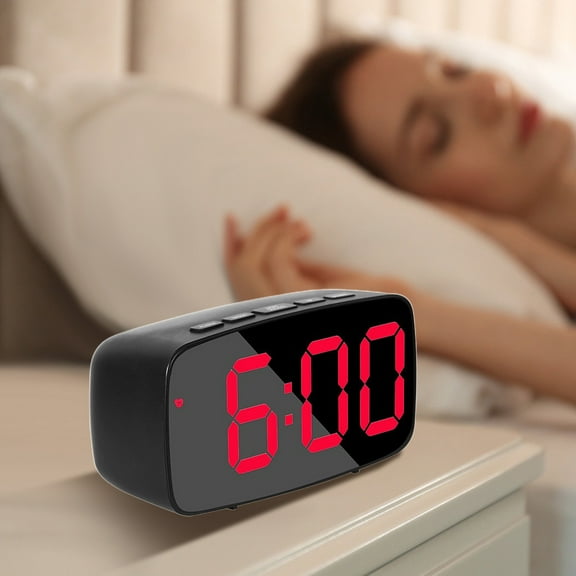
For a bedside setup, measure the nightstand first. A compact clock with front-facing controls fits tighter surfaces beside lamps, chargers, and books. If the clock sits lower, an adjustable projector helps keep the image centered.
Guest rooms call for straightforward controls and a clear display. A projection clock for bedroom guests should be easy to read without explaining every button. Time-only display modes keep the screen cleaner for occasional users.
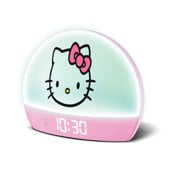
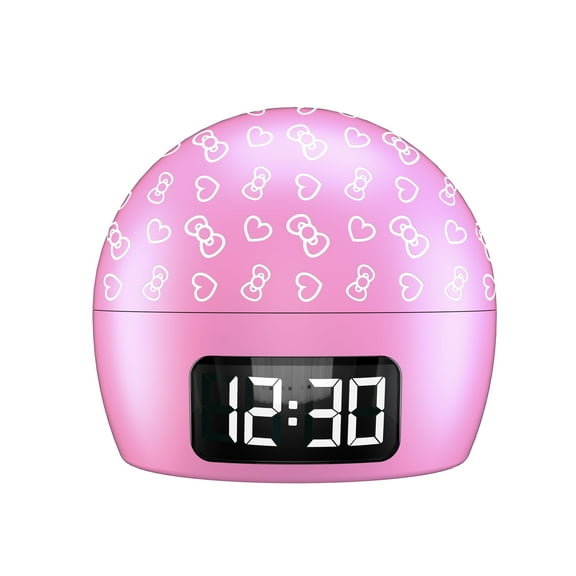
Kids rooms often work well with a simpler layout and lower nighttime brightness. Compare clocks with easy snooze access and visible alarm indicators. A projector clock can place the time overhead, where it's easy to spot from bed.
How power and visibility affect daily use
Power and visibility features shape overnight performance. Plug-in models support steady projection output and illuminated front displays. Battery backup supports continuity for stored settings when power changes unexpectedly.
Brightness range matters for both the front screen and the projected image. Some rooms need a stronger ceiling display in early morning light. Others need a softer setting that keeps the room calmer while the time stays visible.
When you compare projection surface, room placement, display type, clock function, projection style, and power details together, the category becomes easier to shop. The right projection alarm clock keeps the hour visible where your eyes naturally land.