



Pool Ladders & Steps for Above Ground Pools | Walmart





















About Pool Ladders & Steps for Above Ground Pools | Walmart - Walmart.com
Pool ladders help you enter and exit the water with more control, and you can compare styles by pool type, wall height, and safety features. You can narrow your choice faster when you understand above ground setups, inground designs, and pool steps before the season starts.
How to choose pool ladders by pool type
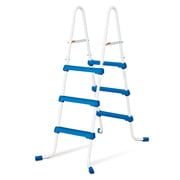
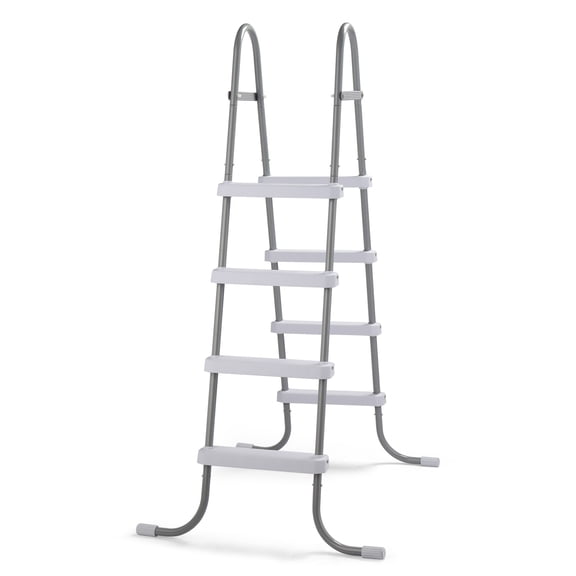
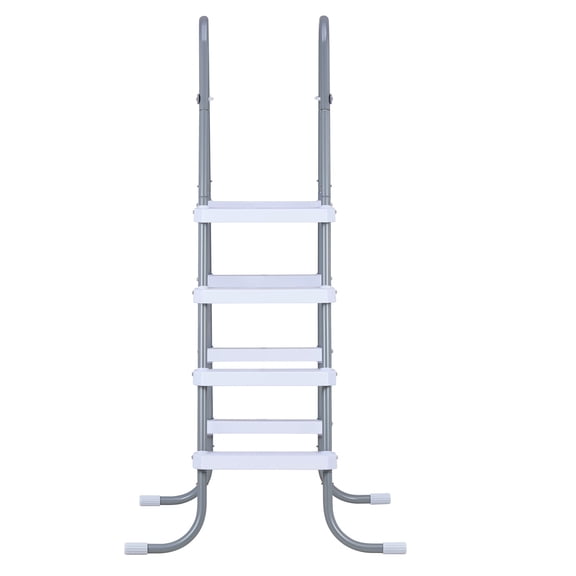
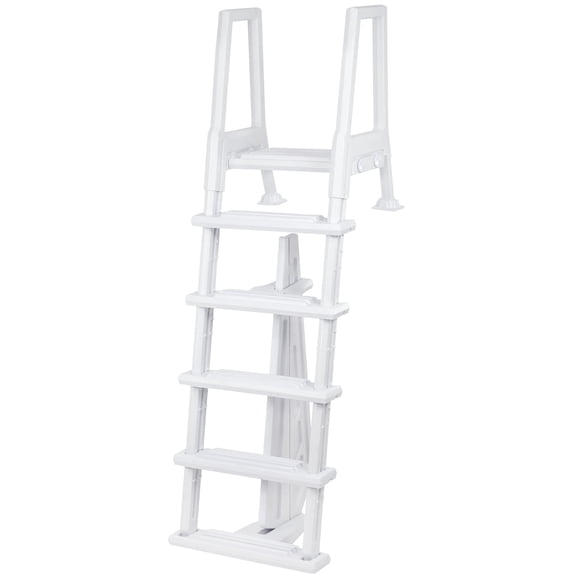
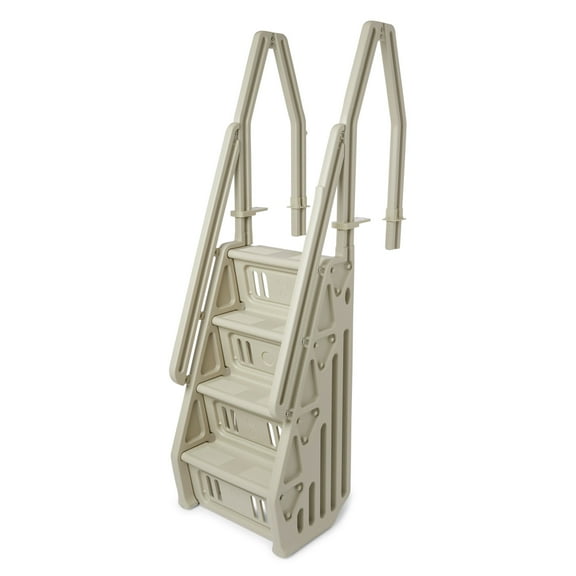
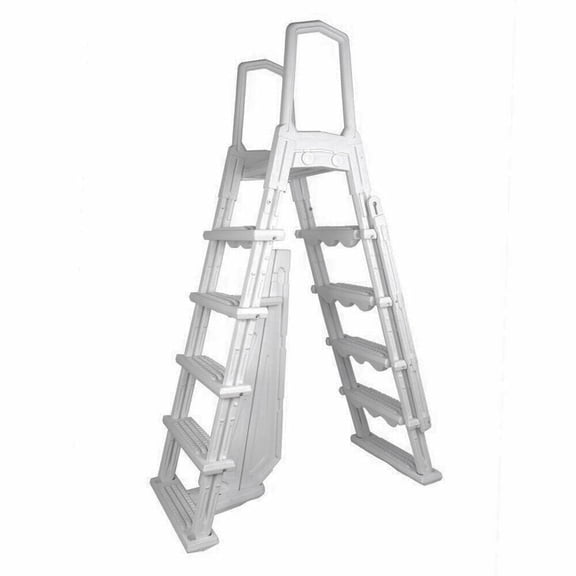
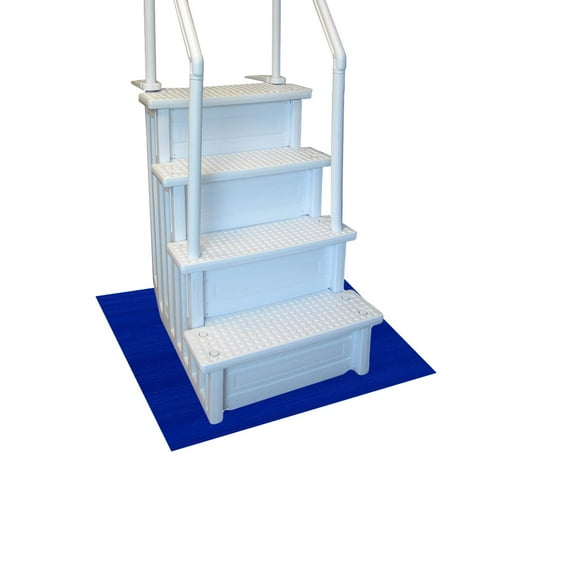
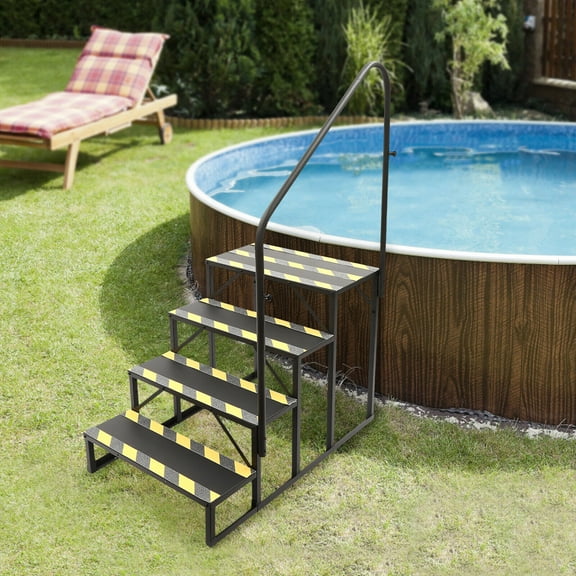
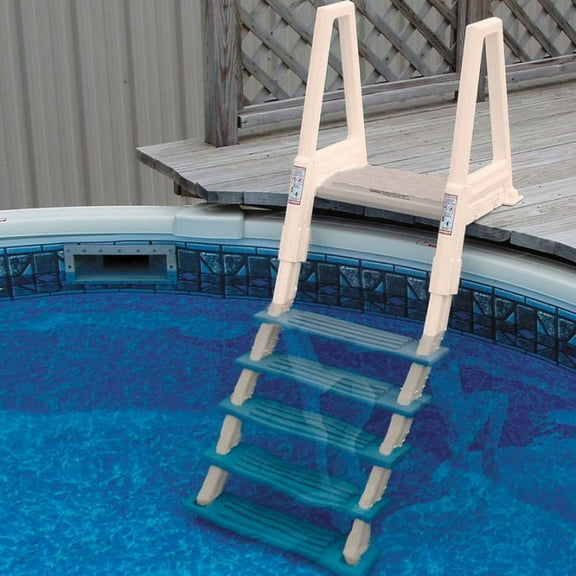
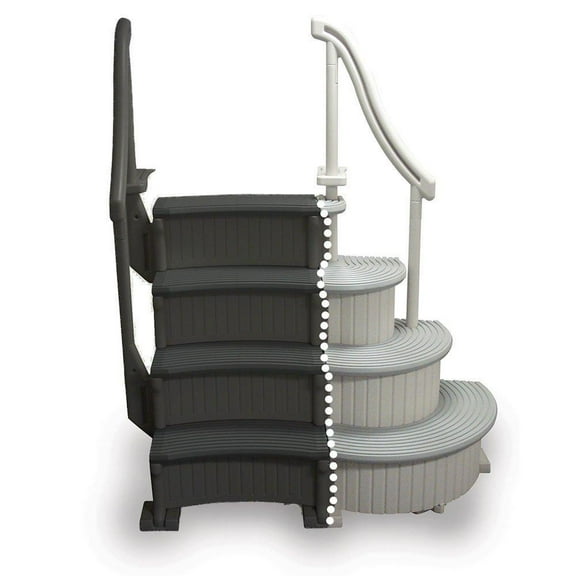
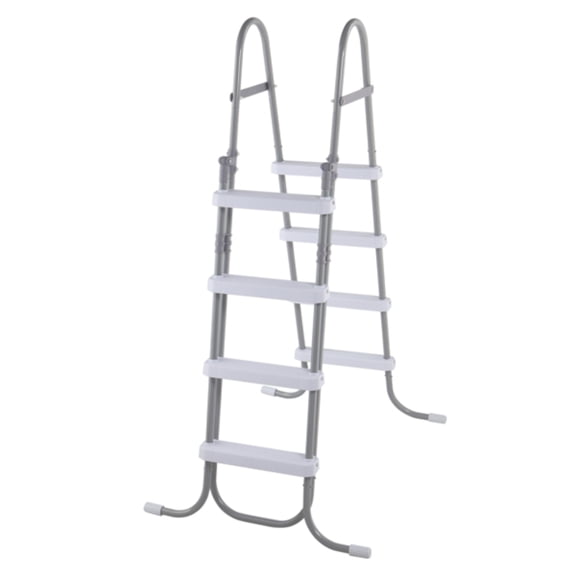
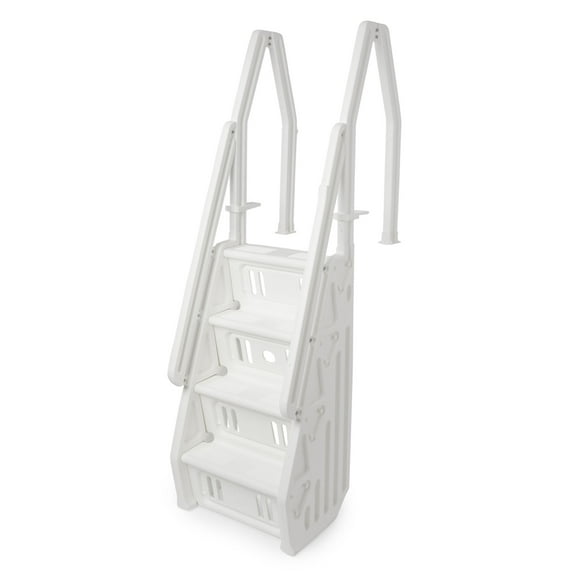
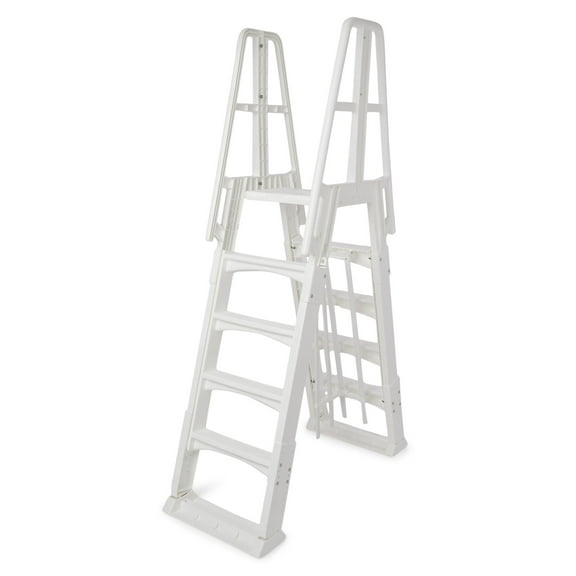
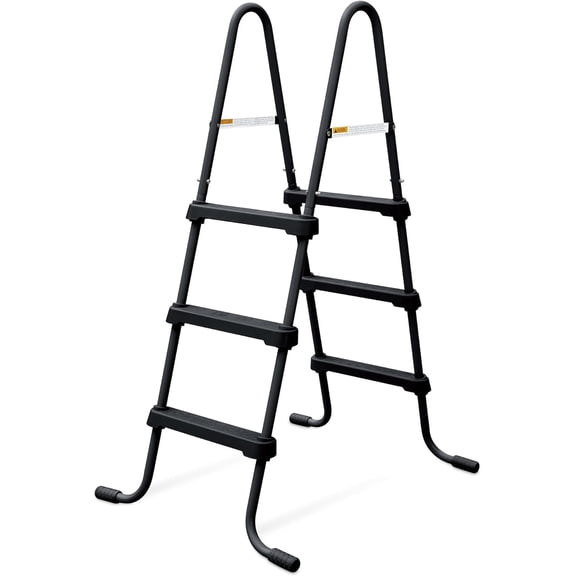
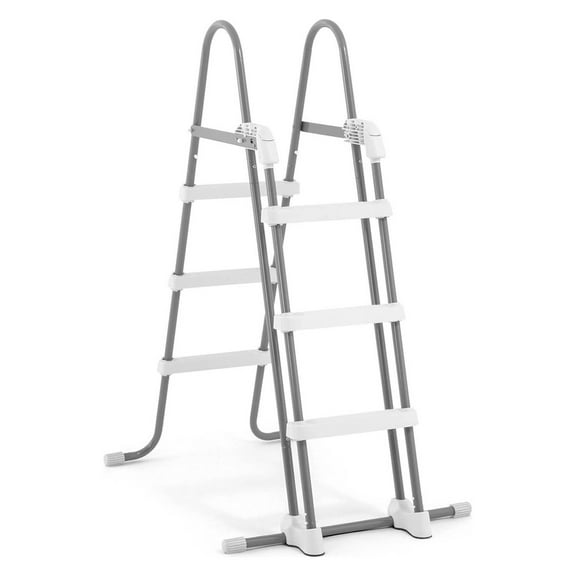
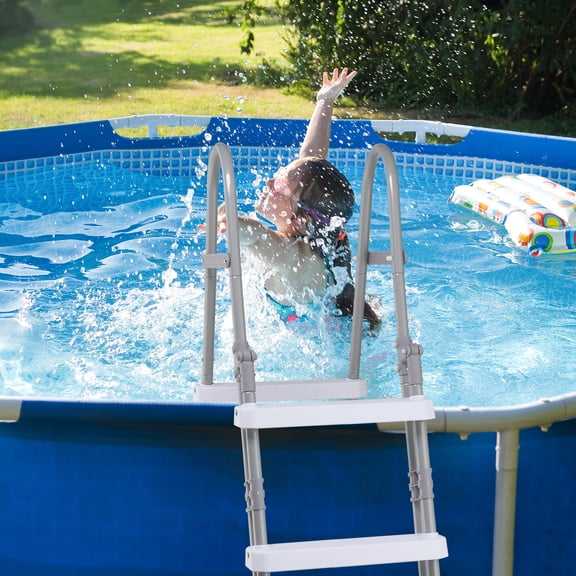
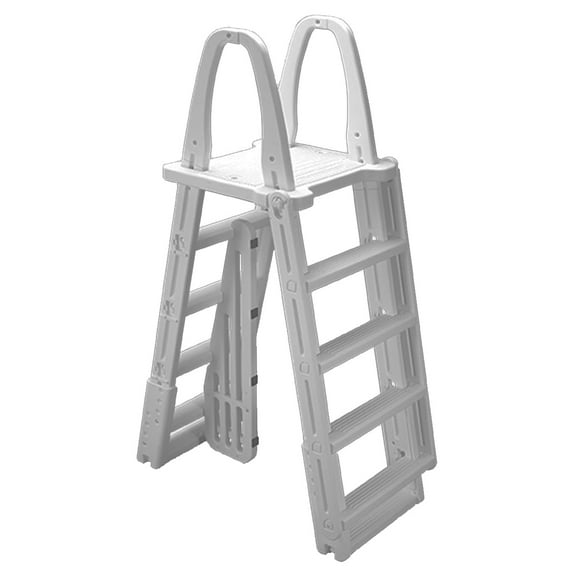
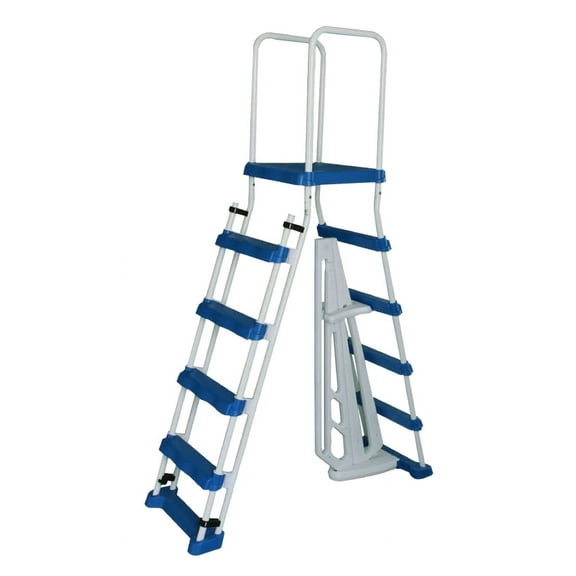
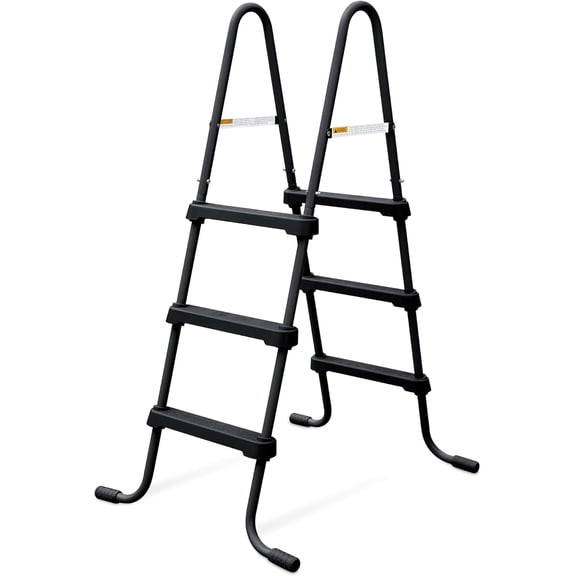
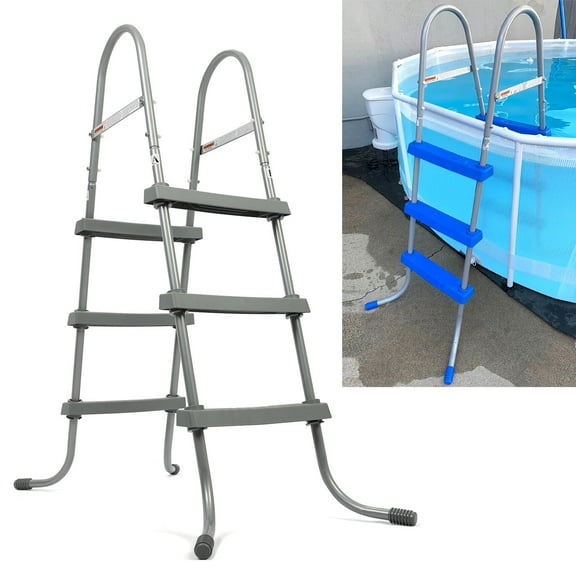
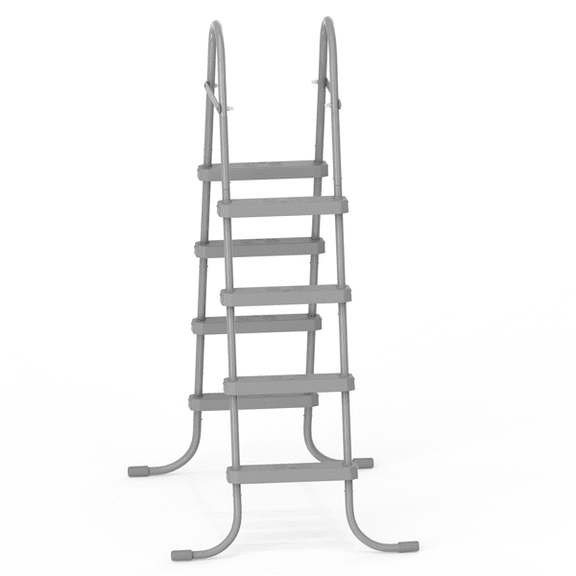
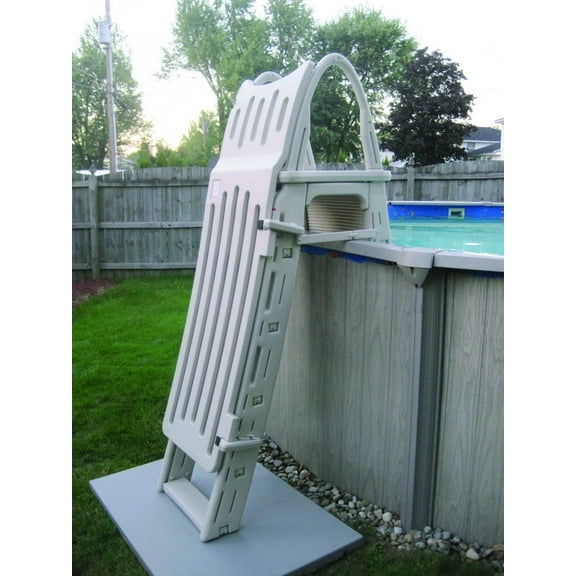
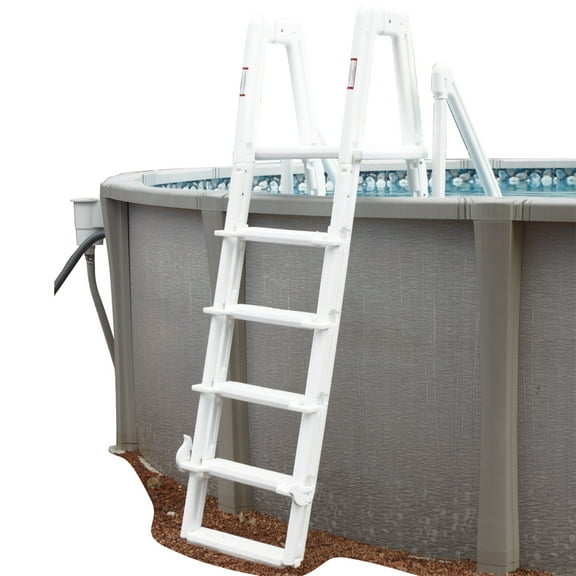
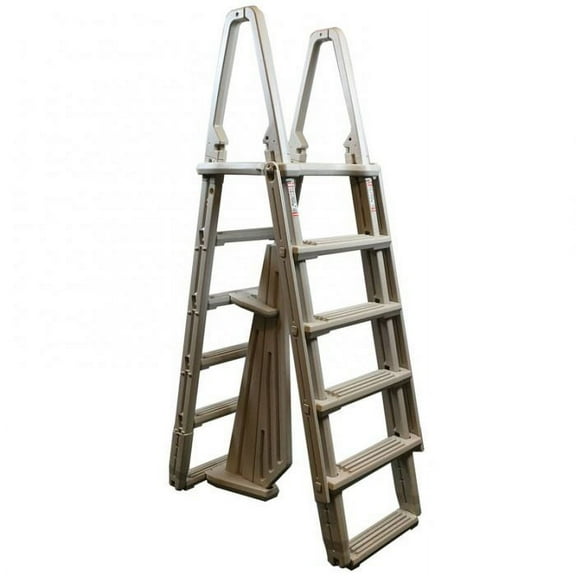
If you have an above ground pool, you should compare A-frame styles, outside steps, and inside pool ladder steps. You’ll want a design that reaches over the wall and gives you stable footing on both sides.
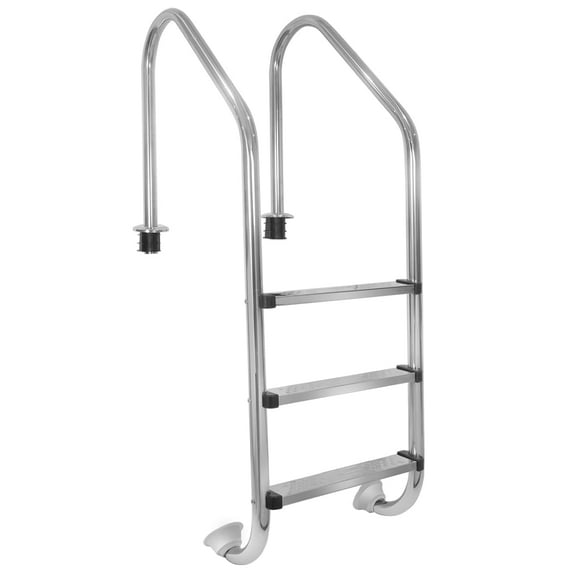
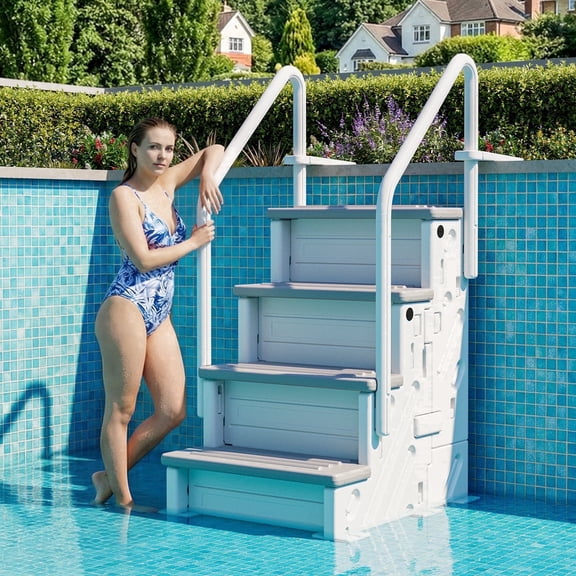
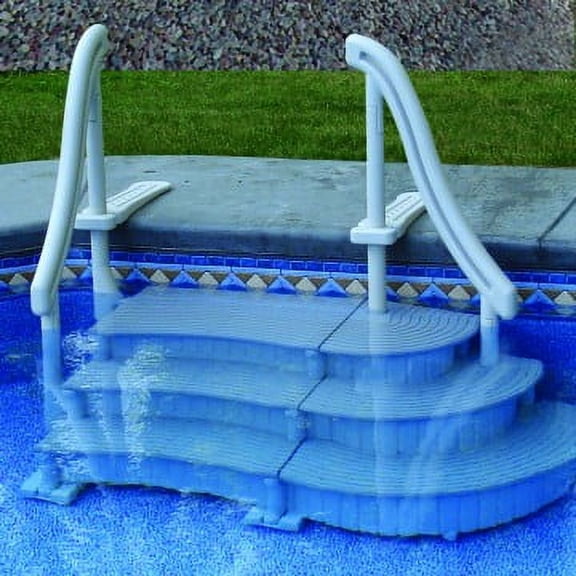
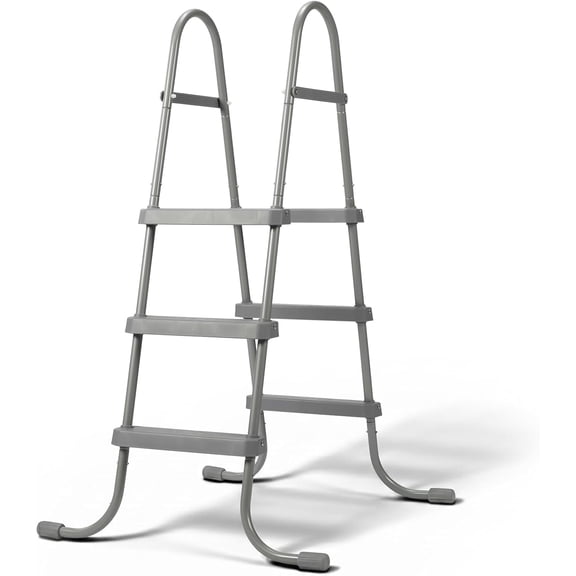
If you have an inground pool, you should look for rails that anchor into your deck and steps that sit inside the water. You can use these designs when you need a cleaner edge and open access from the coping.
When you compare pool type compatibility first, you avoid mismatched height, awkward entry, and extra installation work. You’ll also see why above ground pool ladders and inground pool ladders solve different access needs.
What to look for in pool steps and ladder benefits
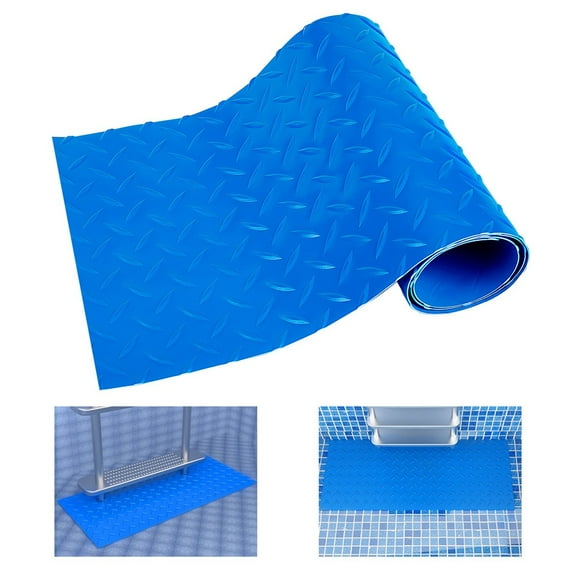
You can gain steadier entry when you choose wider treads, textured surfaces, and handrails that feel secure in wet conditions. You’ll notice these details matter most during busy swim days.
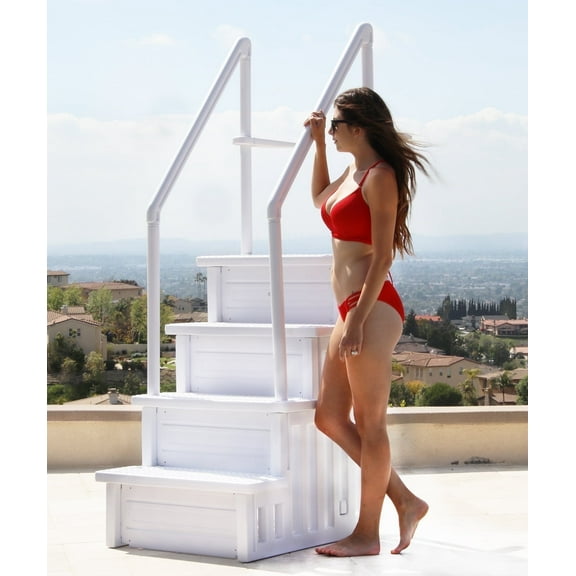
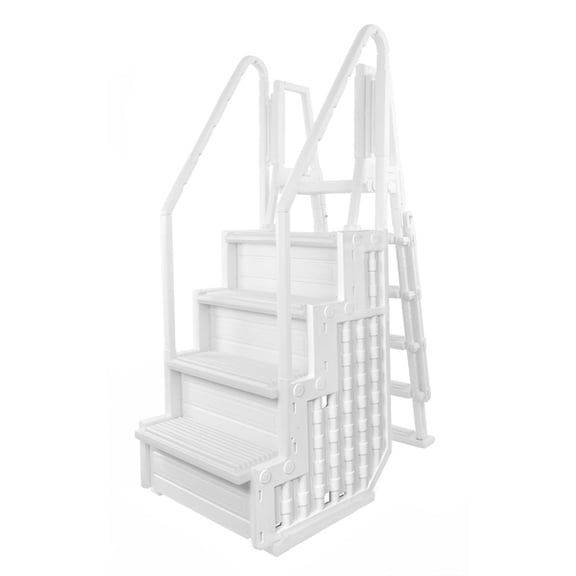
Families often compare safety pool ladders because gates, removable sections, and enclosed steps can limit unsupervised access. You can also choose pool steps with gate options when you want an added barrier at the pool wall.
- You can improve footing with non-slip pool ladder steps and wider step surfaces.
- You can match your setup with above ground pool ladders, deck pool ladders, or in-water rails.
- You can support daily use with heavy duty pool ladders built for higher weight capacities.
- You can simplify entry for kids and adults with pool steps that feel broader than narrow rungs.
Another advantage is easier movement for swimmers carrying towels, toys, or cleaning tools around the pool area. You’ll appreciate a step style that feels natural when feet are wet and traffic is constant.
Choosing the right height, capacity, and material
You should measure your pool wall before you choose a ladder, because 48-inch and 52-inch walls need different fits. You can avoid wobble and overhang when you match the ladder to the correct wall height.
Weight capacity is another key filter, especially if you expect frequent use from multiple swimmers. You should check the listed limit and frame design so your ladder feels stable during entry and exit.
Material affects long-term performance, and you should compare resin, stainless steel, plastic, and aluminum with your pool environment. You’ll often want rust resistance and easier upkeep when chlorine or saltwater is part of your setup.
Resin and plastic styles can work well when you want broad steps and smooth surfaces against above ground liners. Stainless steel and aluminum can suit deck-mounted access where you want slim rails and a secure anchored feel.
Comparing safety features for family use
You should check whether your preferred model includes non-slip treads, handrails, or a locking barrier. You can also compare removable steps if you want more control over pool access between swim sessions.
Safety gate requirements can vary, so you should review local pool barrier expectations before you choose pool steps with gate designs. You’ll avoid rework when your ladder setup supports your pool area plan from the start.
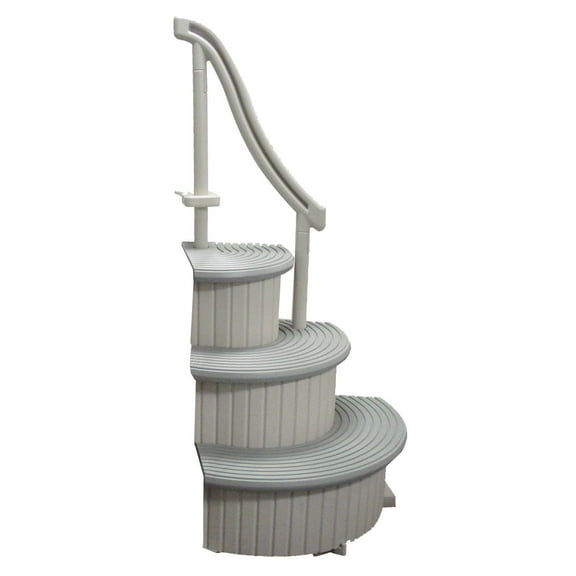
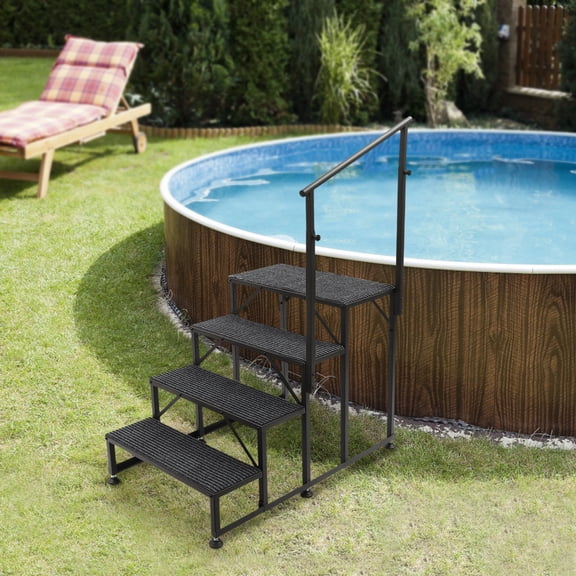
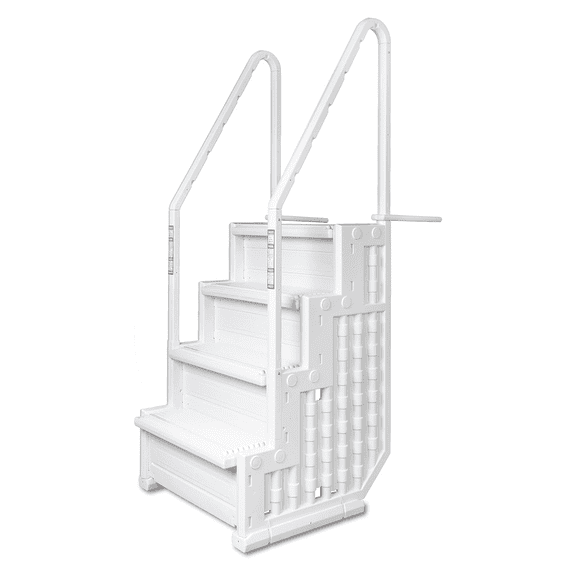
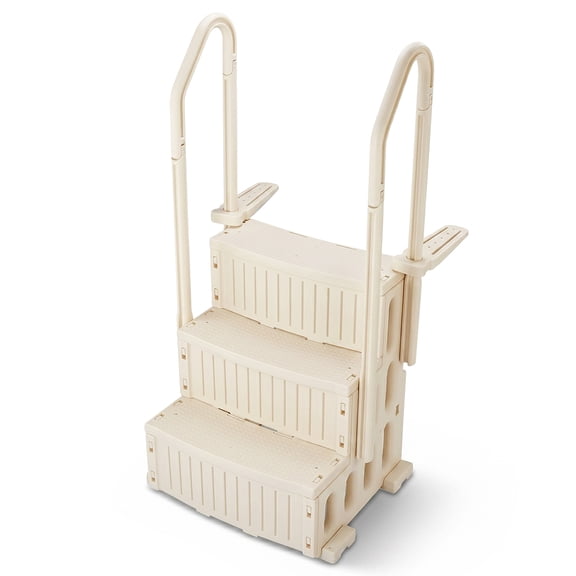
Enclosed step systems can feel easier for younger swimmers and anyone who prefers a stair-like path into the water. You may prefer ladder rungs when you want a compact footprint and easier access around a smaller deck.
Matching pool ladders to real setups
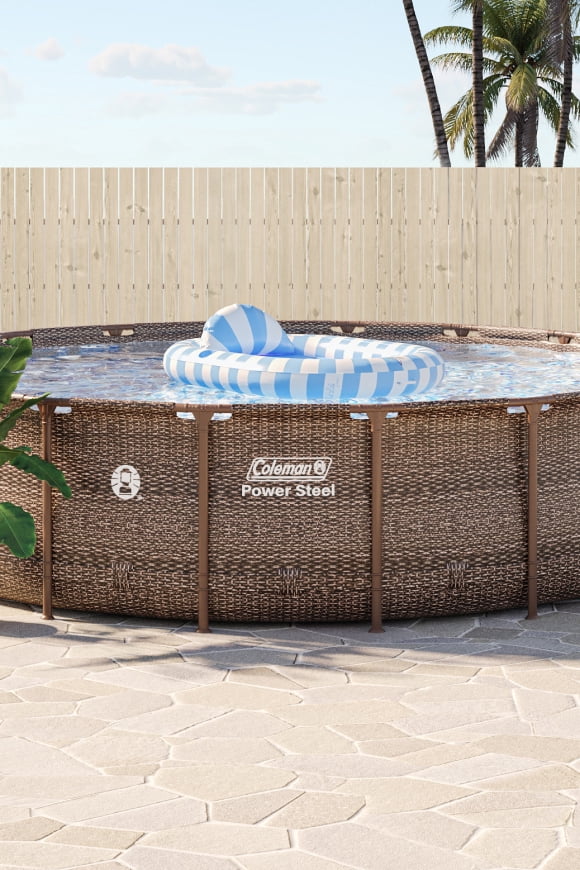
If you’re opening an above ground pool for summer, you can compare A-frame units with outside treads and inside ladder sections. You’ll want enough clearance outside the wall and a proper fit for 48-inch or 52-inch heights.
If you’re updating a decked pool, you can consider deck pool ladders with rails that align cleanly with your platform. You should measure deck height, anchor spacing, and water depth before you choose your final style.
For active households, you may prefer heavy duty pool ladders with broader steps and higher capacity ratings. You can pair those features with non-slip surfaces when you expect frequent in-and-out movement all season.
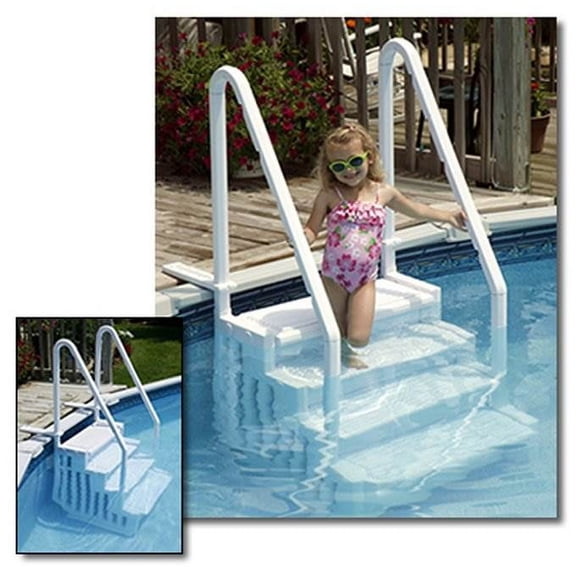
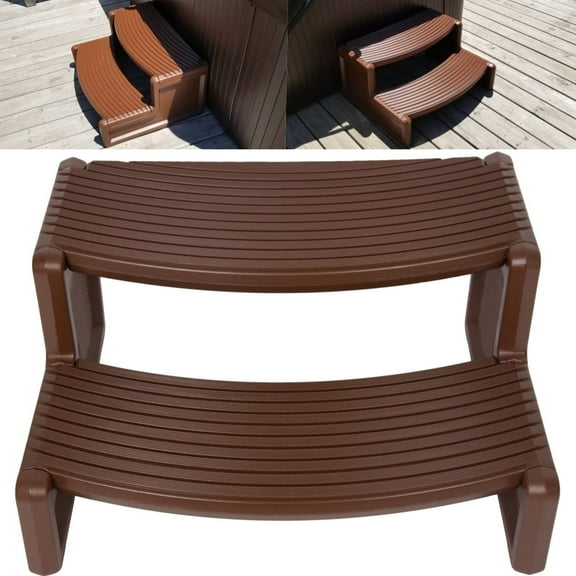
For a cleaner entry path, you can choose pool steps or stair-style designs that offer more foot room. You’ll often find these useful when swimmers want a gentler transition instead of narrow rung spacing.
If you’re also planning seasonal upkeep, you can coordinate your setup with other pool supplies like pool covers and pool pumps. You’ll create a smoother routine when access, cleaning, and closing tasks work together.
Choosing pool ladders with confidence
You can shop more confidently when you compare pool type compatibility, wall height, material, and gate options in one place. You’ll end up with pool ladders that fit your pool correctly and make every swim easier to enter and exit.