


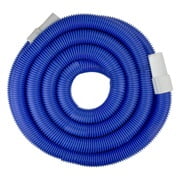

Pool Pumps in Pool Supplies
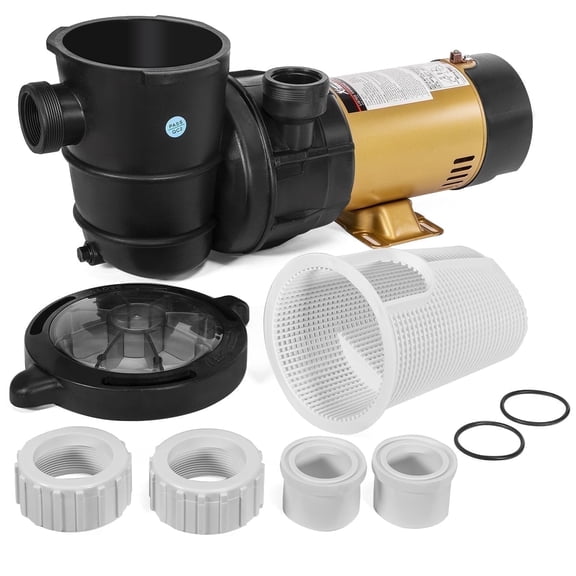

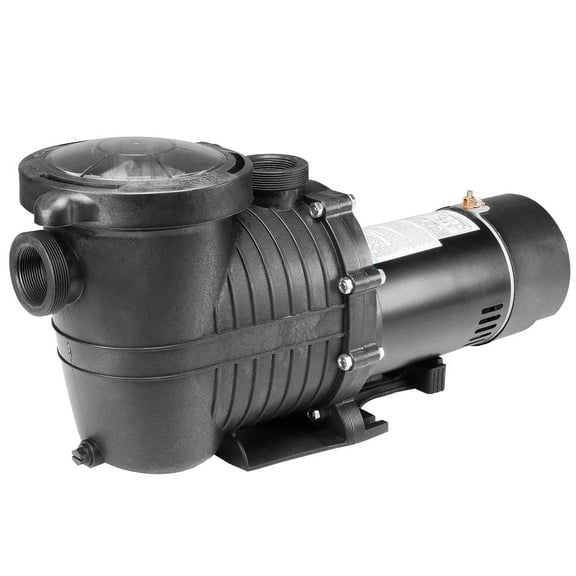

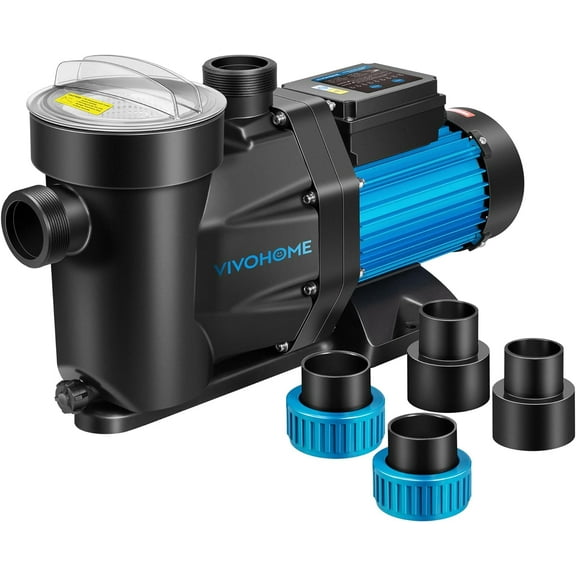















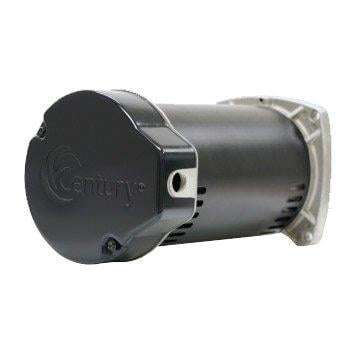


About Pool Pumps in Pool Supplies - Walmart.com
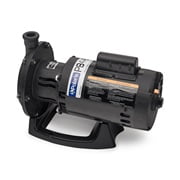
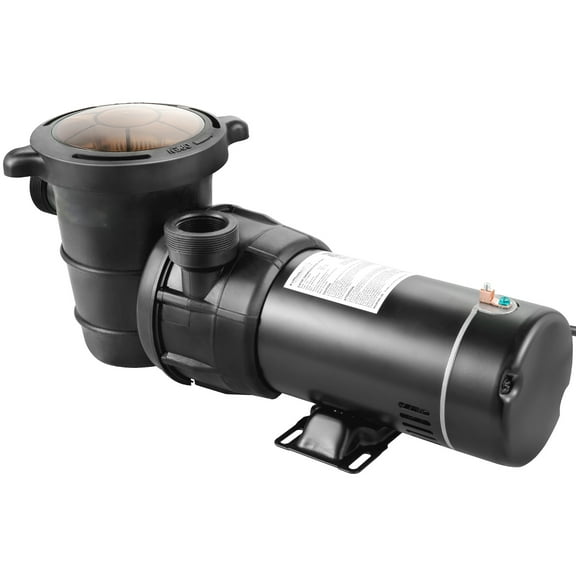
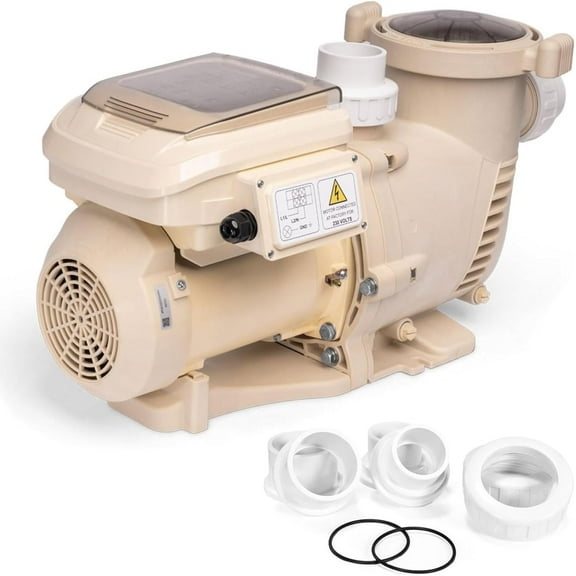
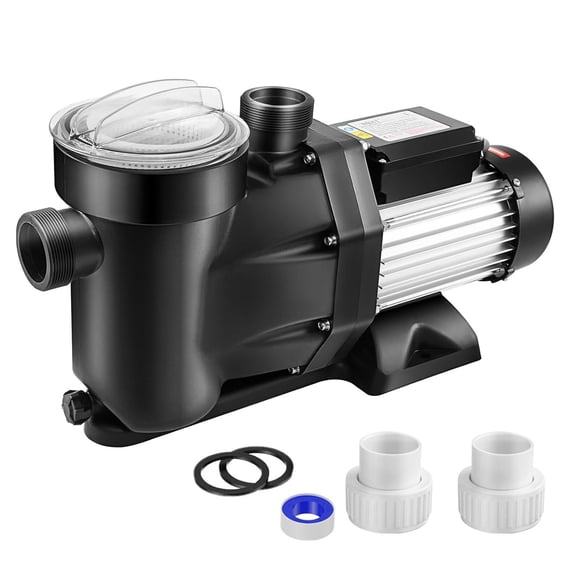
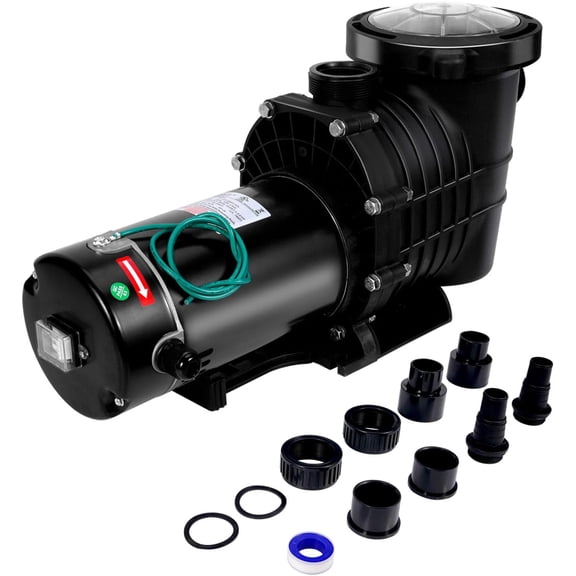
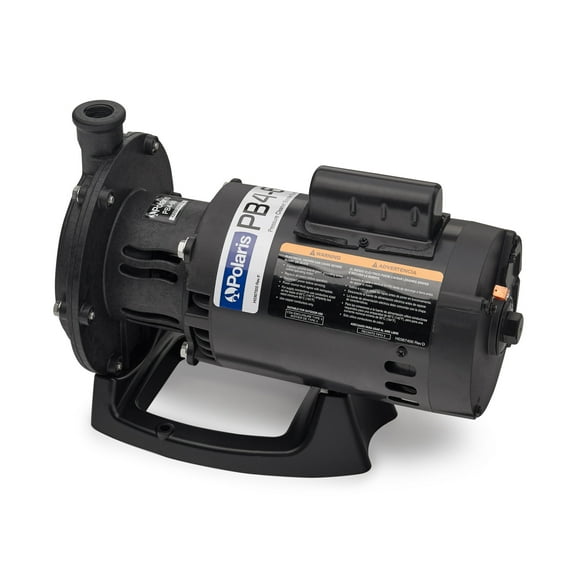
Pool pumps help you keep water moving through your system with the compatibility details you need for confident pool care. You can compare above ground and inground options, plus horsepower, voltage, and fitting sizes that match your setup.
Choosing pool pumps by pool type
You should start with pool type, because above ground pool pumps and inground pool pumps connect in different ways. You should check self-priming capability, pipe diameter, and installation layout before you choose.
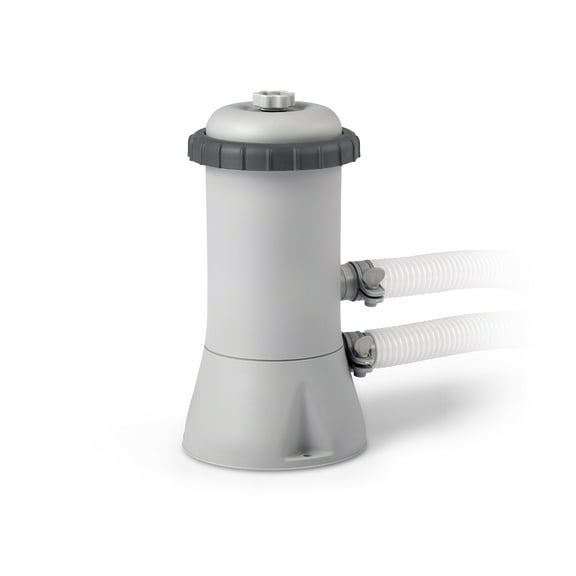
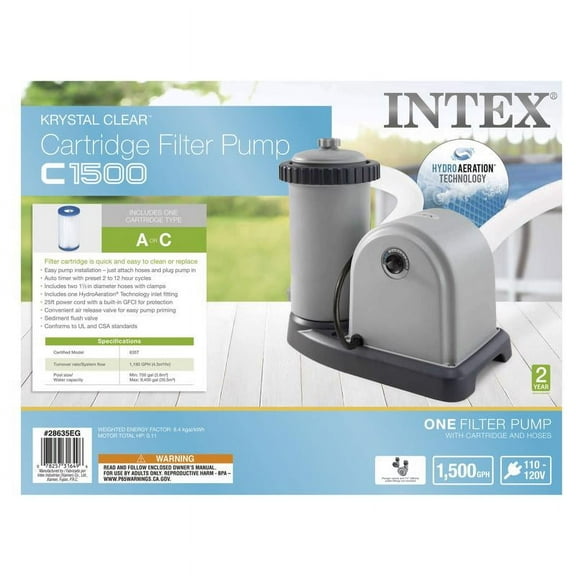
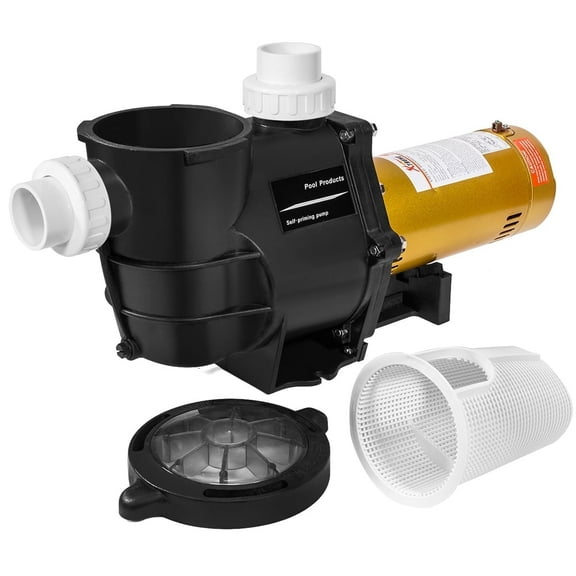
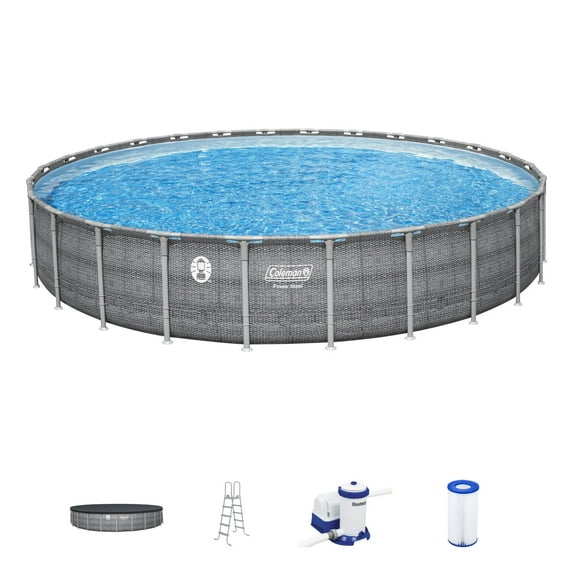
For many inground setups, you may need a self-priming design that can pull water from a lower line position. For many above ground setups, you may prefer a compact pump and filter pairing that fits smaller pads.
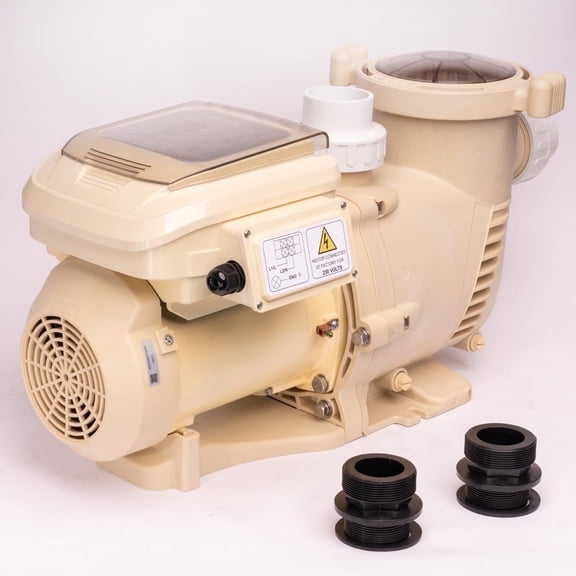
You should also compare voltage needs before installation. You may see 115V pool pump options, 230V models, and dual voltage designs that fit different electrical setups.
How to compare horsepower and flow rate
You can use horsepower and flow rate as practical sizing tools for your pool. You'll usually match pump output to your pool volume, plumbing layout, and desired water turnover pace.
A 1 HP model can suit smaller systems, while a 1.5 hp pool pump often fits medium pools and common residential circulation needs. You may move to 2 HP or 2.5 HP when you have longer plumbing runs, added features, or larger basins.
Flow rate matters just as much as motor size for your setup. You should compare under 2000 GPH, 2000 to 4000 GPH, and over 4000 GPH ranges based on your filter and return lines.
- You can choose lower flow output for smaller above ground systems and shorter hose runs.
- You may need mid-range flow for everyday inground circulation with standard cleaning and filtration.
- You should consider higher flow when your pool includes water features, longer plumbing, or larger filter systems.
- You can avoid mismatch issues when you compare pump power with your filter capacity and pipe size.
Choosing variable speed pool pumps and dual speed models
You can narrow your options by looking at how many speed settings you want. Variable speed pool pumps let you adjust output for daily circulation, cleaning, and higher-demand tasks.
With a dual speed pool pump, you can switch between a lower setting and a higher setting as needed. You may like that balance if you want simpler controls with more flexibility than a single-speed design.
You should think about how often your pool runs each week. If you run circulation for long stretches, you may appreciate speed control that helps you tune water movement to the job.
What to check in voltage and fittings
You can make installation easier when you compare electrical and plumbing details before you choose. You should check whether your system uses 115V, 230V, or dual voltage service.
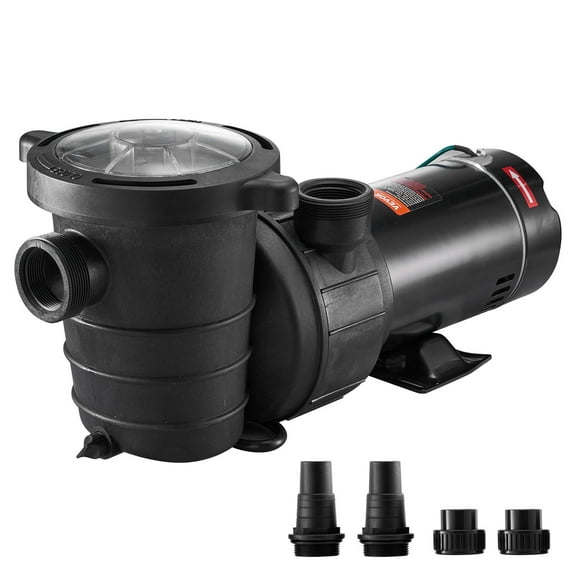
Connection size matters for compatibility with your existing lines. You may need 1.5-inch or 2-inch fittings, and you should measure before choosing replacement pool pumps.
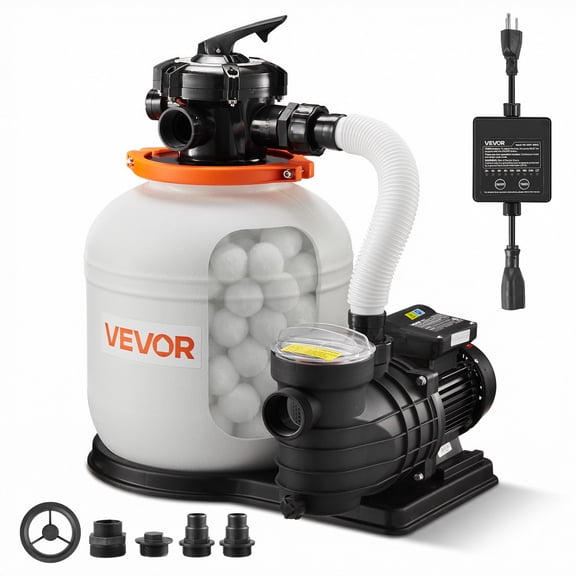
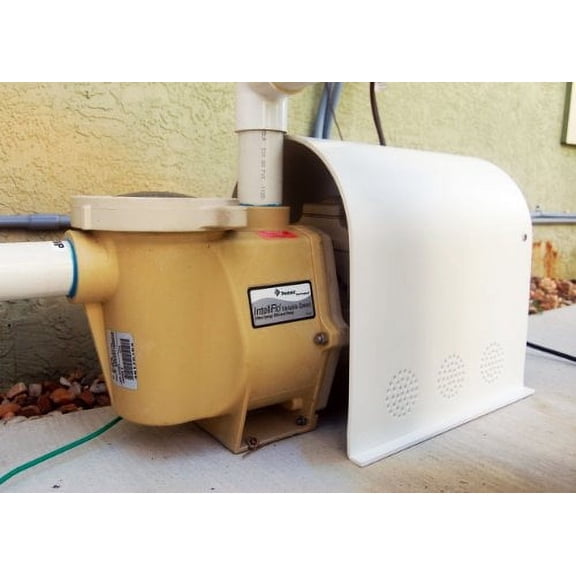
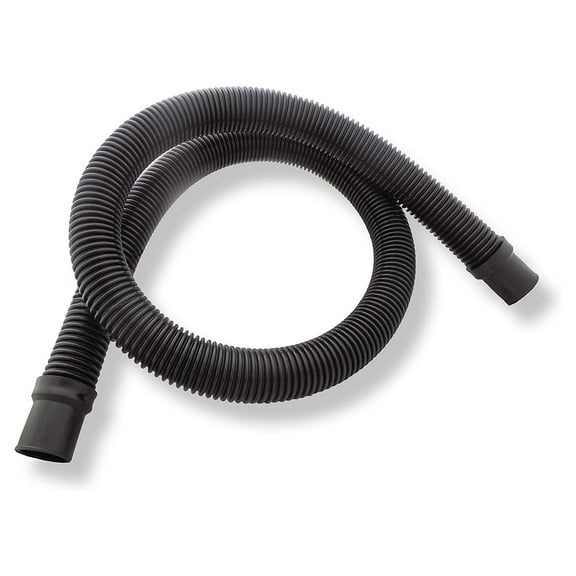
You'll also want to confirm pipe diameter and hose connections if you're replacing a pool filter pump or sand filter pump. You can avoid extra adapters when your new pump matches your current setup.
How pool filter pumps fit your setup
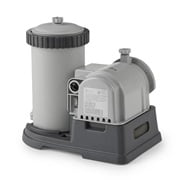
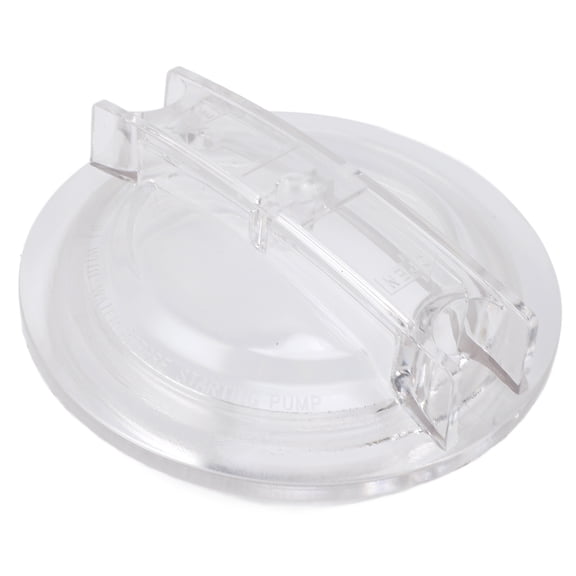
You can compare pool filter pumps when you want circulation and filtration to work as a connected system. You may see designs that pair well with sand filtration and common residential pool layouts.
If you're replacing an older unit, you should compare motor strength, flow range, and connection style with your current equipment. You can keep your upgrade focused when you know your pool size and filter type.
For seasonal planning, you may also compare summer pool pumps for heavier warm-weather use and winterizing pool pumps for off-season equipment changes. You should choose based on your operating schedule and maintenance routine.
Matching pool pumps to household needs
You may want above ground pool pumps for family pools with compact footprints and straightforward hose connections. You can focus on practical flow rates and voltage options that fit your existing setup.
If you maintain a larger permanent installation, you may lean toward inground pool pumps with self-priming capability and stronger output. You should also check whether your plumbing uses 2-inch fittings and longer pipe runs.
You might want a variable speed option when you balance daily circulation with cleaning tasks and water features. You can also consider a replacement pump when your current unit no longer matches your filter, voltage, or horsepower.
When you compare pool pumps with attention to compatibility, horsepower, flow rate, and fittings, you can choose equipment that suits your pool. You get a clearer path to steady circulation, cleaner water movement, and smoother seasonal upkeep.