








Streamlight PolyTac Flashlights for Camping Gear


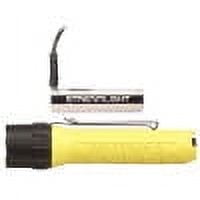


About Streamlight PolyTac Flashlights for Camping Gear - Walmart.com
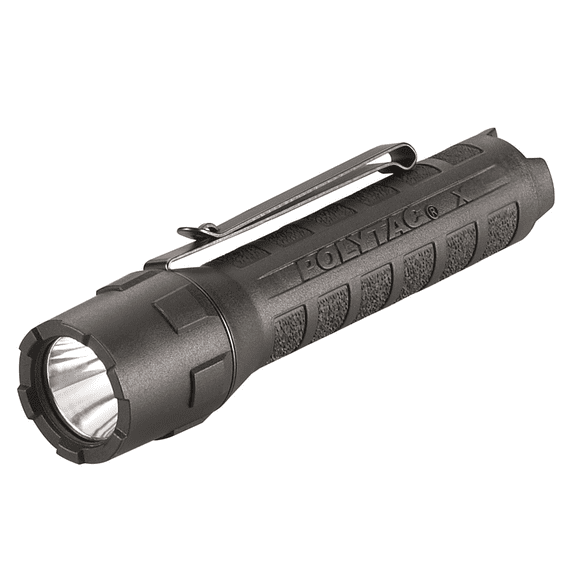
Polytac flashlights give you lightweight tactical lighting with a rugged polymer body and simple controls. You can compare output, batteries, and body details here before choosing the right setup.
If you want streamlight polytac flashlights for duty use, home gear, or outdoor kits, you need clear differences between models. You’ll find practical guidance here on lumen levels, fuel options, switch style, and carry-friendly construction.
How to choose polytac for your lighting needs
You should start with how and where you’ll use your light. You may want compact output for daily carry or stronger reach for longer sight lines.
When you compare streamlight polytac options, you’ll notice body material and power source shape your experience. You’ll also want to check switch operation if you rely on fast momentary activation.
- You can choose lighter polymer construction that feels easier to carry during long shifts.
- You can compare 275-lumen and 600-lumen output based on distance needs and battery run time.
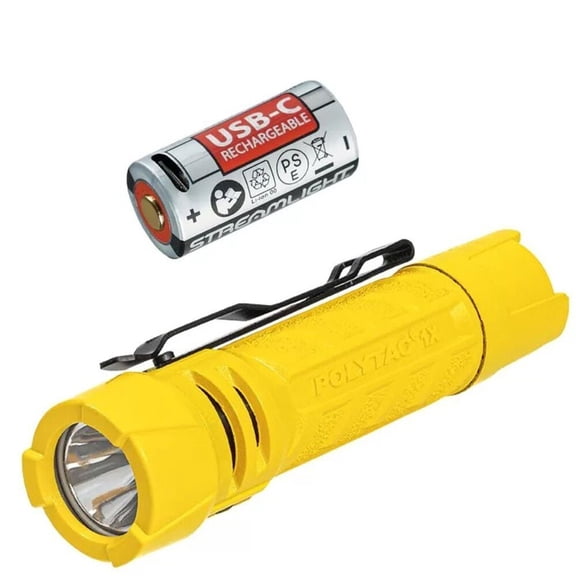
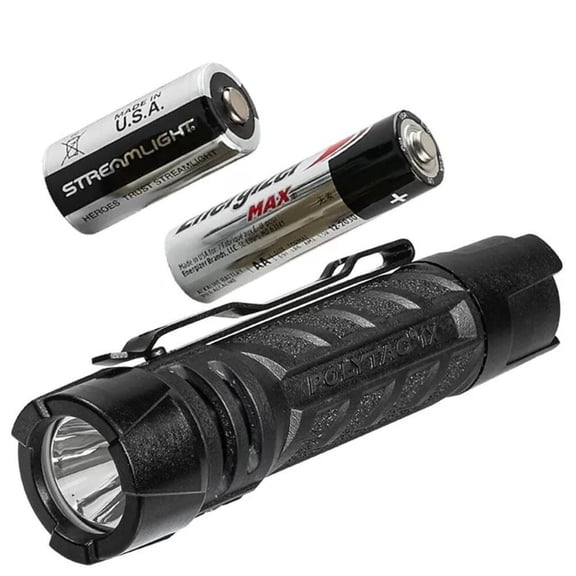
- You can pick CR123A lithium batteries, rechargeable Li-Ion power, or dual fuel flexibility.
- You can look for high, low, and strobe modes when you want simple control options.
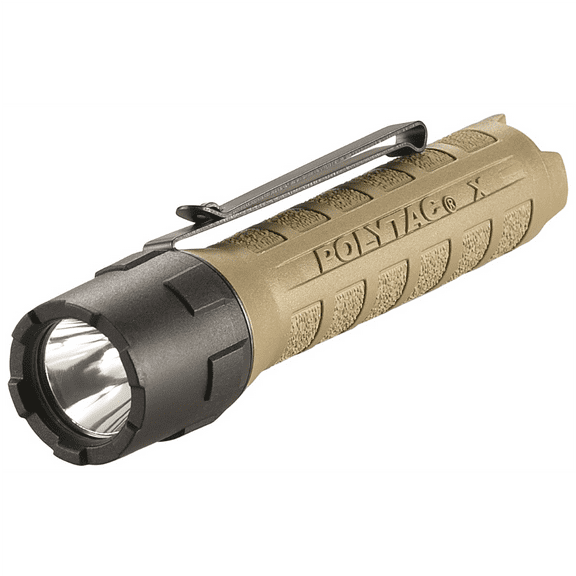
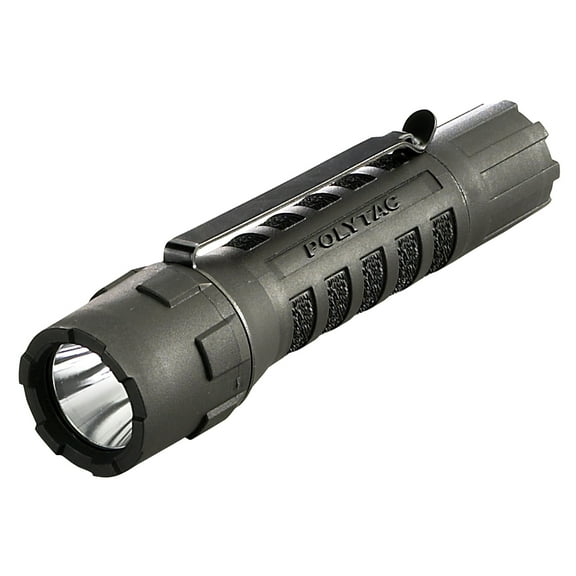
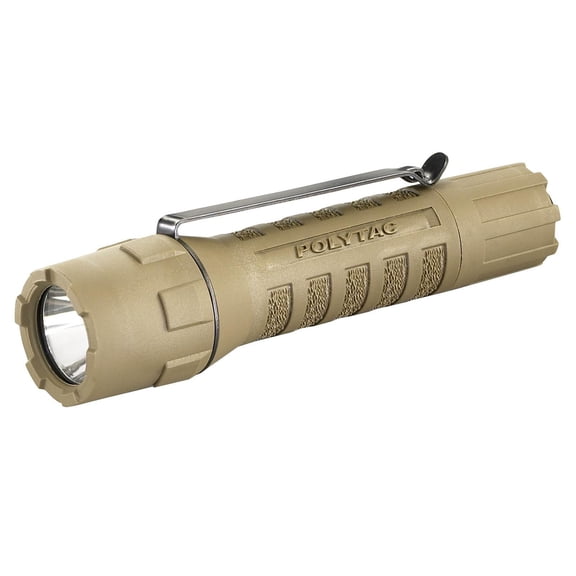
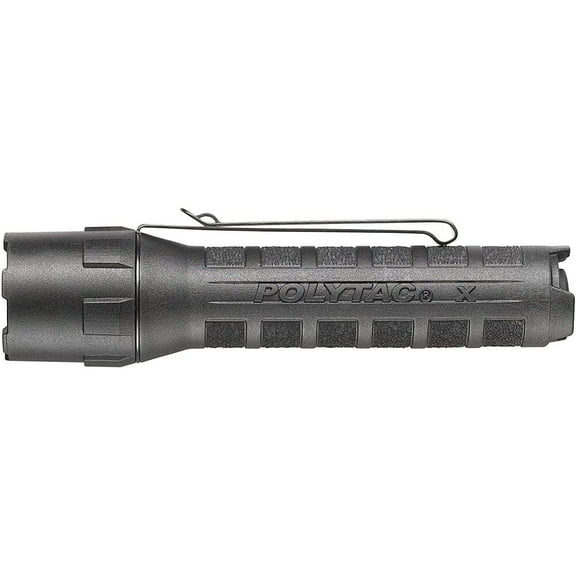
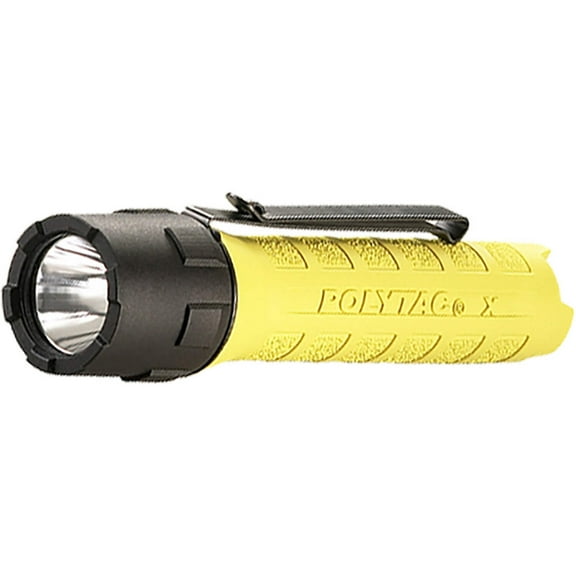
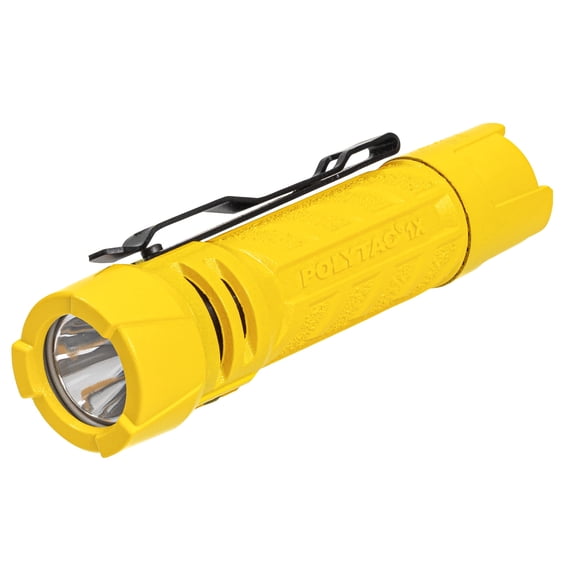
- You can match black, coyote, or yellow finishes to your work gear or storage setup.
You’ll benefit from a nylon polymer body when you carry your light in changing weather or rough conditions. You can get a durable feel without the added heft some metal lights bring.
O-ring sealed construction matters when you use your flashlight around rain, splashes, or wet gear. You’ll appreciate that kind of build when your light rides in a pack, vehicle, or range bag.
Choosing light output and battery options
You should compare lumen output with run time instead of focusing on brightness alone. You may prefer 275 lumens for compact everyday tasks or 600 lumens for stronger reach.
When you review candela ratings, you’re really checking how tightly the beam pushes light forward. You’ll usually notice higher candela helps when you need distance rather than broad nearby spill.
Battery curves also matter because they affect how your light performs over time. You can think of them as the pace at which brightness drops during use.
If you want a simpler grab-and-go setup, CR123A lithium batteries can fit that routine well. You can keep spares ready in a drawer, vehicle kit, or duty bag.
If you use your light often, rechargeable Li-Ion models may suit your routine. You’ll spend less time replacing cells and more time keeping one light ready between uses.
Dual fuel technology gives you extra flexibility when your power options change. You can run compatible rechargeable cells or swap to disposable batteries when charging isn’t convenient.
You should also check whether your light offers high, low, and strobe modes. You can tailor output to close work, longer viewing distance, or signaling needs.
What to look for in streamlight polytac flashlights
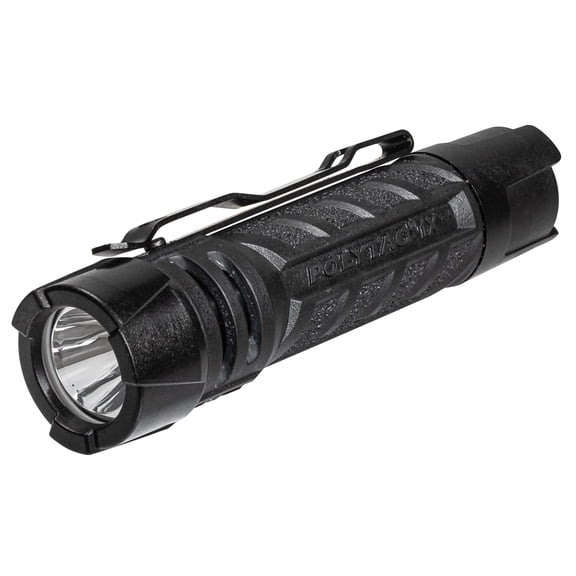
You’ll want to examine body construction because this category stands out for high-impact nylon polymer housings. You get a strong, lightweight feel that makes sense for repeated carry.
IPX7 waterproof design is another feature you should compare across streamlight polytac flashlights. You’ll want that rating when your light may face wet weather, puddles, or damp storage.
Switch design deserves close attention because it changes how your light responds in real use. You can look for tail-cap operation that supports quick momentary light or steady constant-on use.
Momentary activation helps you control short bursts of light without changing your grip much. Constant-on mode works well when you need both hands free for gear checks or camp tasks.
You should also consider beam style if you’re choosing between standard and HP versions. You’ll often find HP models focus light farther, while standard beams cover nearby tasks more broadly.
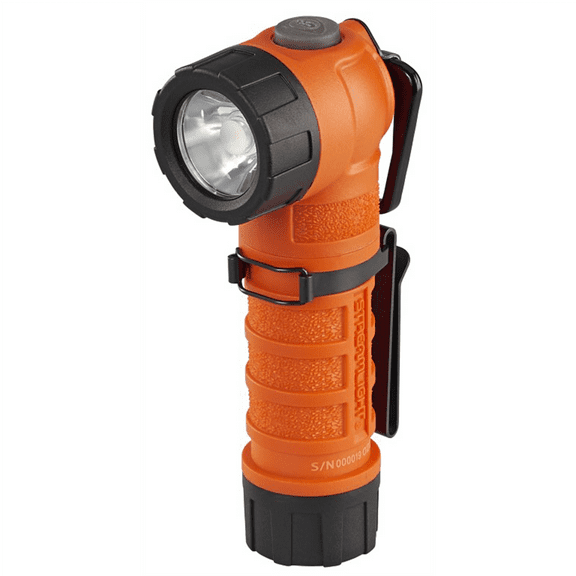
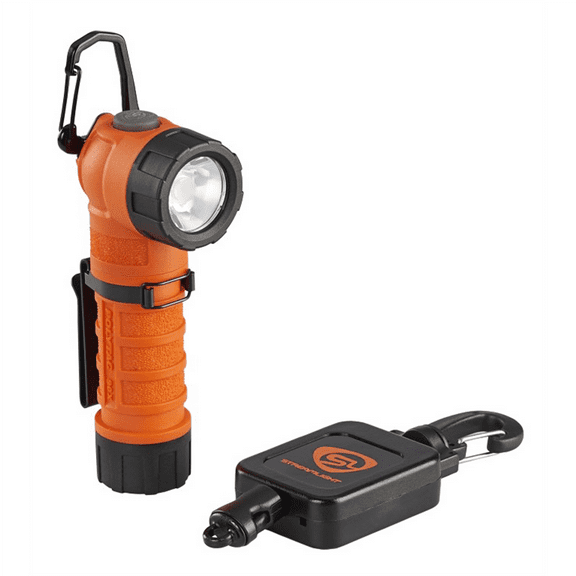
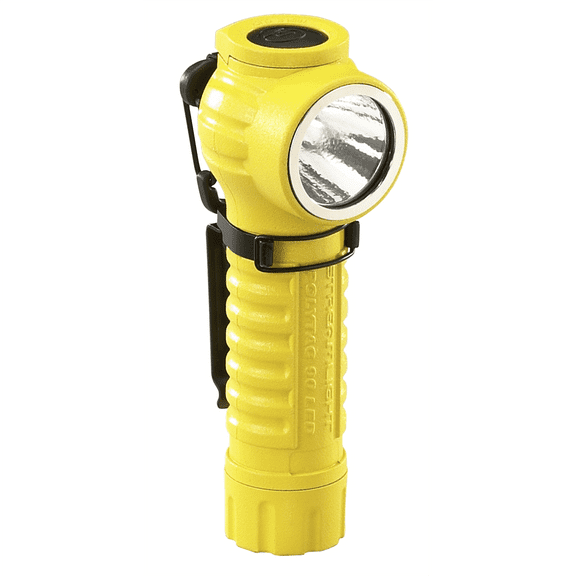
Polytac 90 styles can make sense when you want an angled light profile. You may prefer that shape when you clip a light to gear or work in tighter spaces.
Color can be a practical choice, not just a visual one. You can pick black for a classic look, coyote for tactical gear matching, or yellow for easier spotting in storage.
Matching use cases to the right setup
You may want a compact flashlight for daily carry, vehicle storage, or household backup. You’ll often do well with moderate output and straightforward battery replacement.
If your routine includes patrol-style tasks, range use, or overnight outdoor trips, you may want stronger beam reach. You can compare 600-lumen options and higher candela for longer visual checks.
You might prefer rechargeable power when your flashlight sees frequent weekly use. You’ll likely appreciate faster readiness if you keep charging access at home, work, or in your vehicle.
If you build emergency kits, dual fuel models can give you more flexibility. You can pack disposable cells while still using rechargeable power during normal use.
You should think about handling when gloves, wet weather, or fast access matter. You’ll want a tail-cap switch and textured body that feel easy to manage under pressure.
For camping, utility work, or home inspections, lower modes can be especially useful. You can preserve battery run time while still getting enough light for close tasks.
If visibility in your gear pile matters, brighter body colors can help. You’ll find yellow easier to spot in a toolbox, trunk organizer, or crowded shelf.
With the right polytac setup, you can balance beam distance, battery routine, and carry comfort without guesswork. You’ll end up with a flashlight that fits your actual use instead of just a spec sheet.