



Plastic Utensils in Disposable Tableware



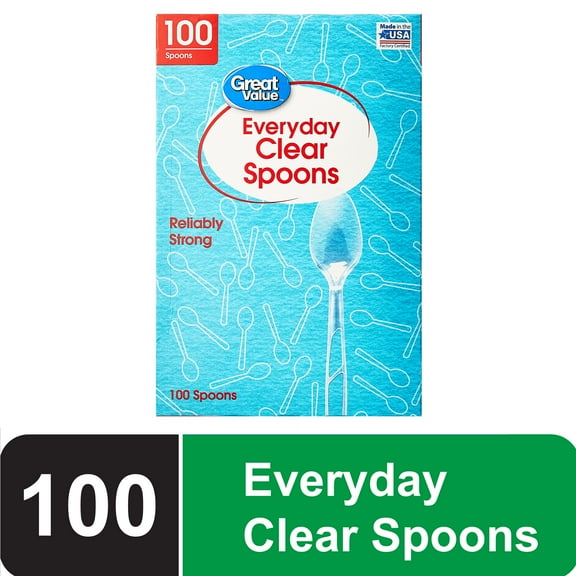

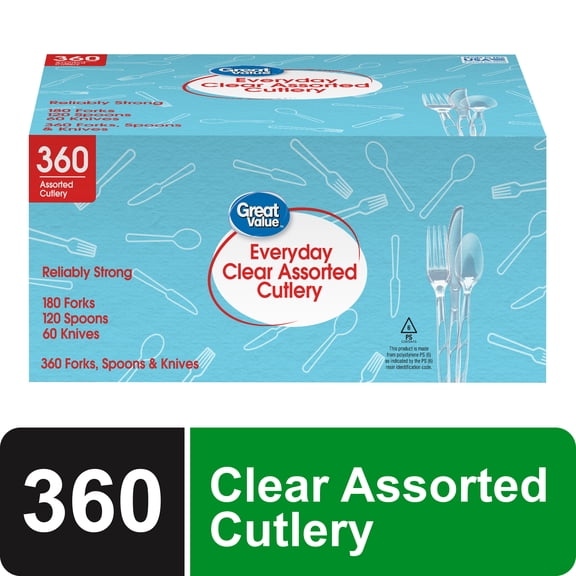
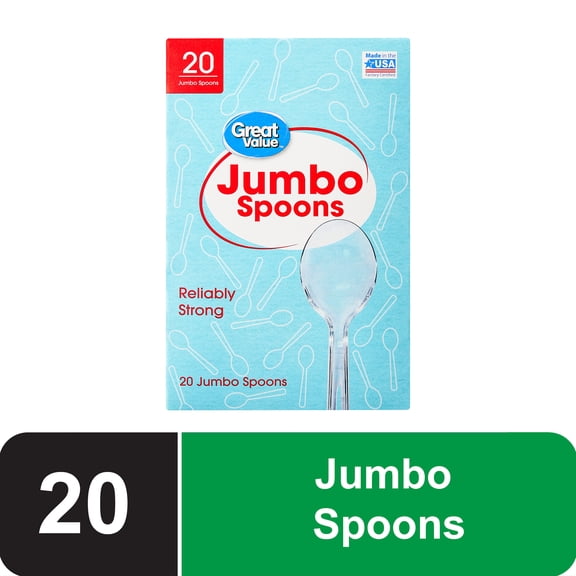
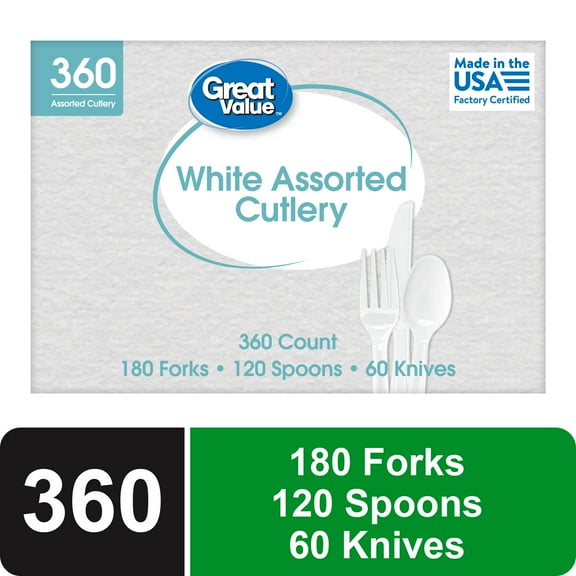

















About Plastic Utensils in Disposable Tableware - Walmart.com
Plastic cutlery helps you set tables fast for parties, breakrooms, and everyday meals. You can compare strength, pack size, style, and piece types to match your guest count.
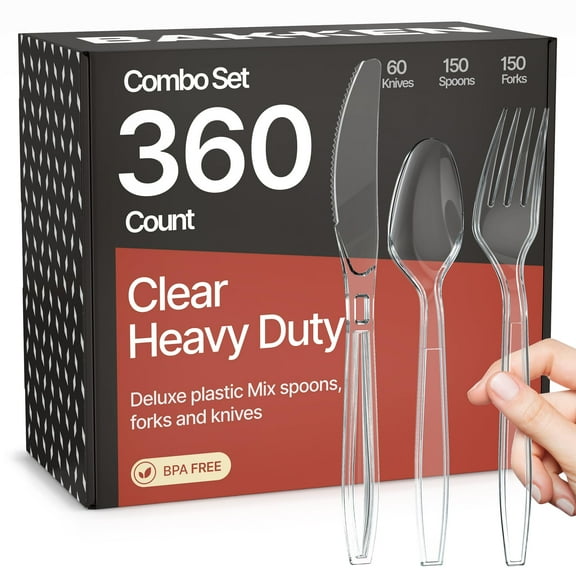
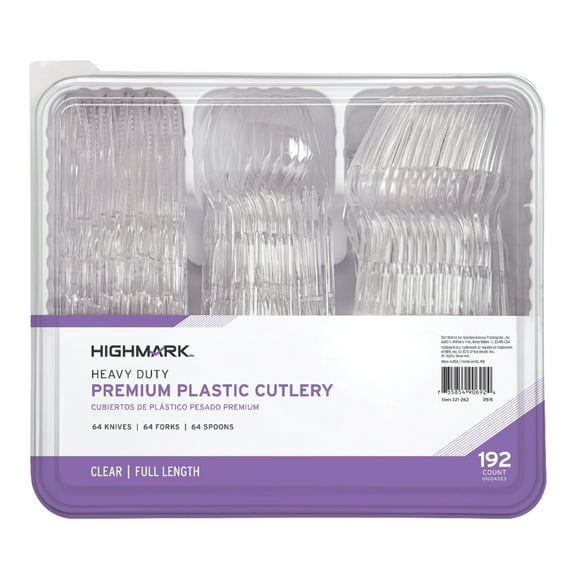
You may need forks for salads, spoons for desserts, or assorted sets for full place settings. You can also choose heavy duty plastic cutlery when your menu includes denser foods.
How to choose plastic cutlery for your event
You can narrow plastic silverware by how you plan to serve food and drinks. You should first compare durability, then count, then color, then the mix of forks, spoons, and knives.
If you’re hosting a buffet, you may want disposable cutlery that keeps setup simple and cleanup fast. If you’re stocking an office kitchen, you may prefer bulk plastic silverware with assorted pieces.
- You can choose heavy-duty styles for steak, pasta, and layered desserts.
- You can pick standard styles for snacks, cake, fruit cups, and light lunches.
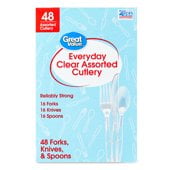
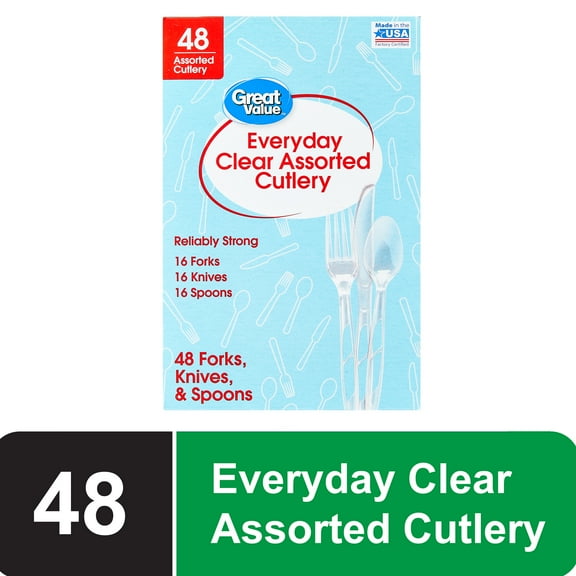
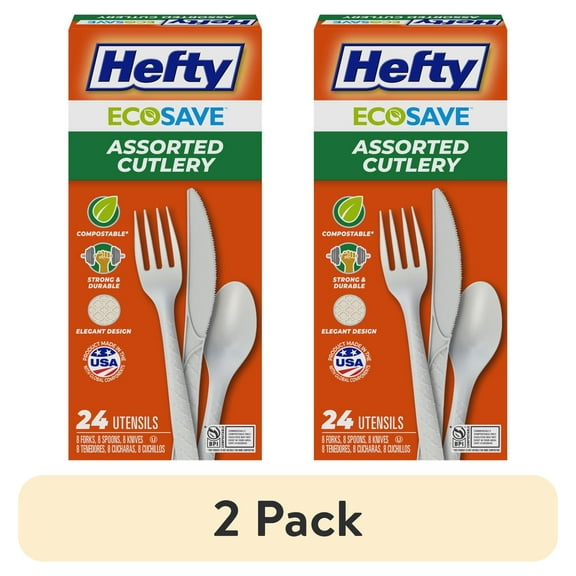
- You can select assorted flatware sets when you need a full place setting in one pack.
- You can match clear, white, black, or silver-look styles to your table theme.
You may also notice that plastic forks and spoons work differently across menus. You may want extra spoons for yogurt bars, or extra forks for cookouts and salads.
Choosing the right material type
You should compare heavy-duty plastic, standard plastic, compostable plant-based options, and polystyrene when you shop. You can use those material differences to match texture, appearance, and meal type.
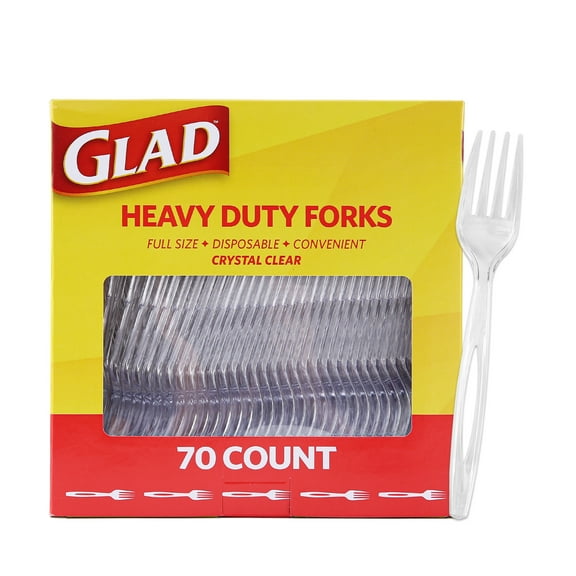
Heavy-duty polystyrene usually feels firmer in your hand during full meals. You may prefer that structure when you’re serving chicken, pasta salad, or dense side dishes.
Standard polypropylene styles usually feel lighter and more flexible for casual snacks. You can use them for breakroom drawers, lunch boxes, classroom events, or dessert tables.
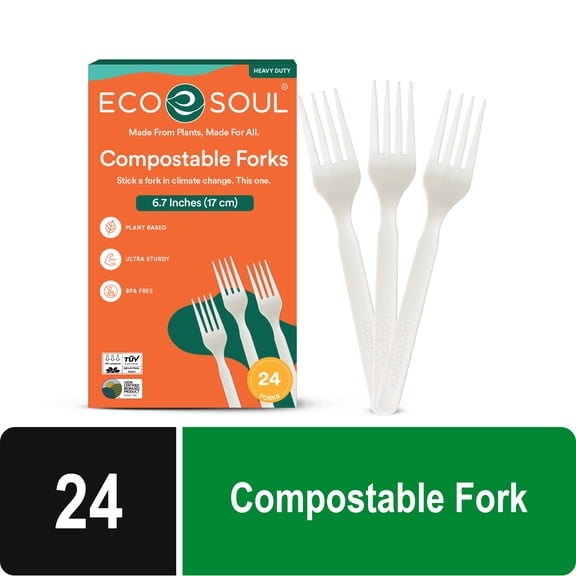
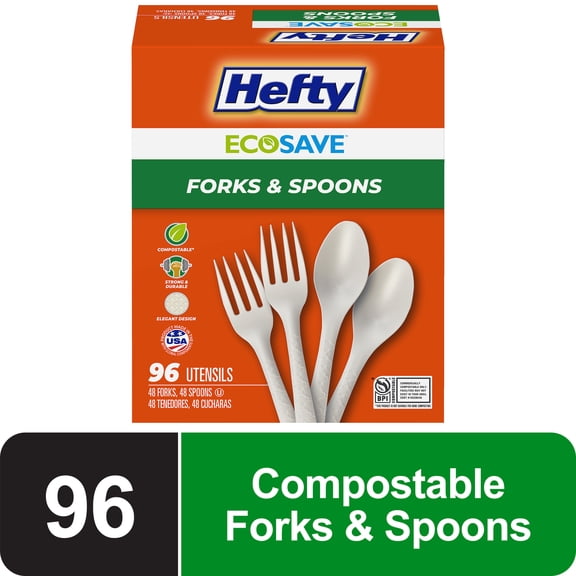
If you want an alternative material, you can compare compostable plant-based utensils with traditional plastic flatware. You should check product details for certifications, because compostable formats vary by item.
You may also compare recyclable plastic options when you’re planning large gatherings. You can use the material label to understand what fits your event setup and cleanup routine.
Matching pack size to guest count
You can avoid running short by choosing pack sizes that fit your headcount. You should count each guest’s likely needs, especially when you’re serving multiple courses or dessert.
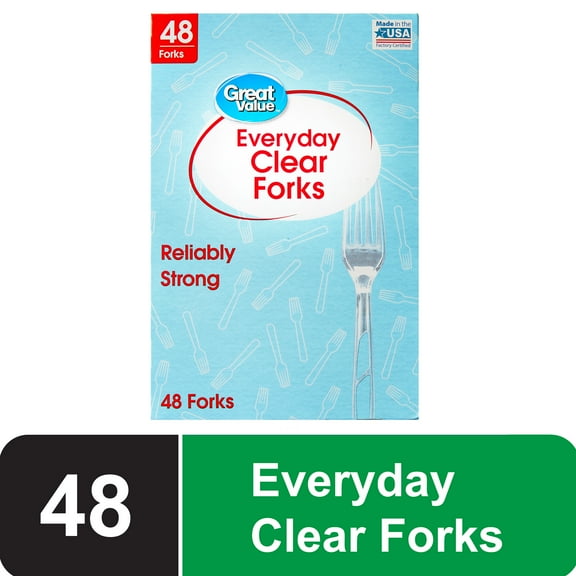
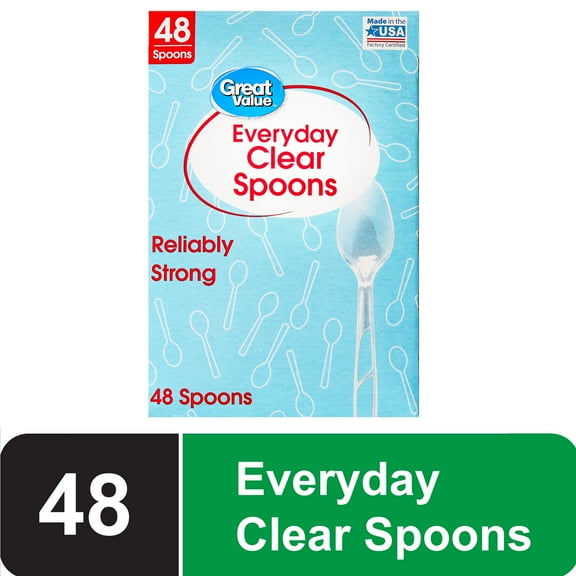
Standard packs of 24 to 48 pieces can work well for small dinners, classroom celebrations, or weekend picnics. You can keep extras on hand when guests may need a second utensil.
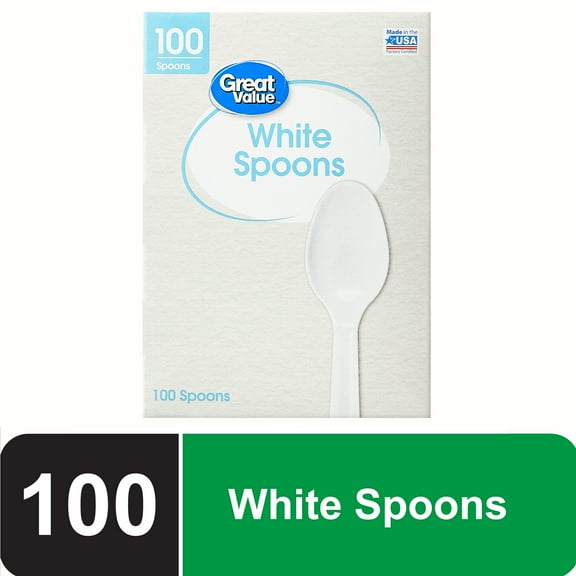
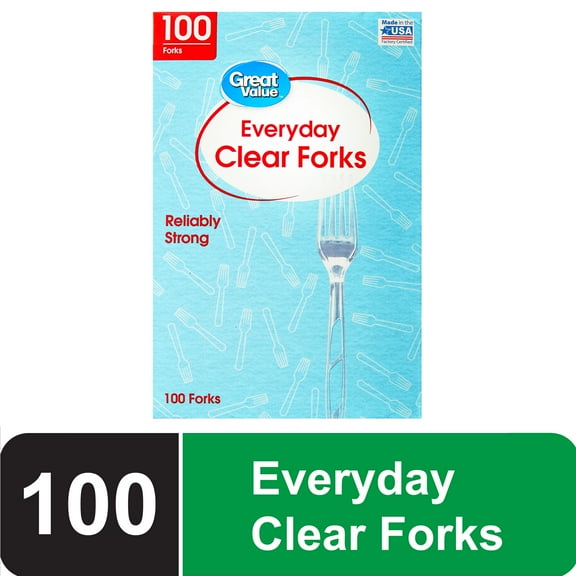
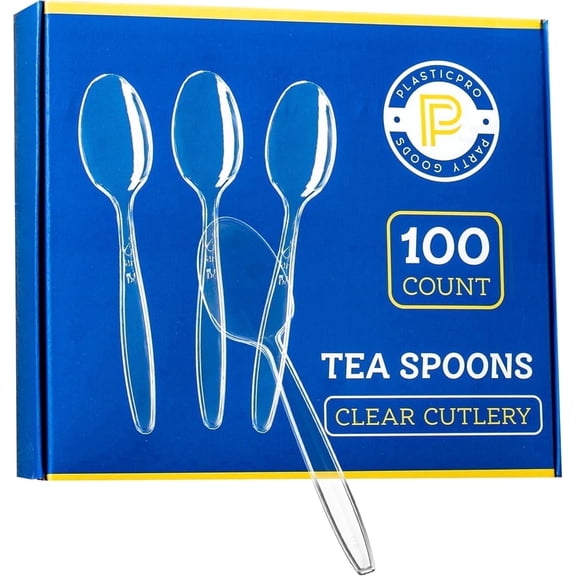
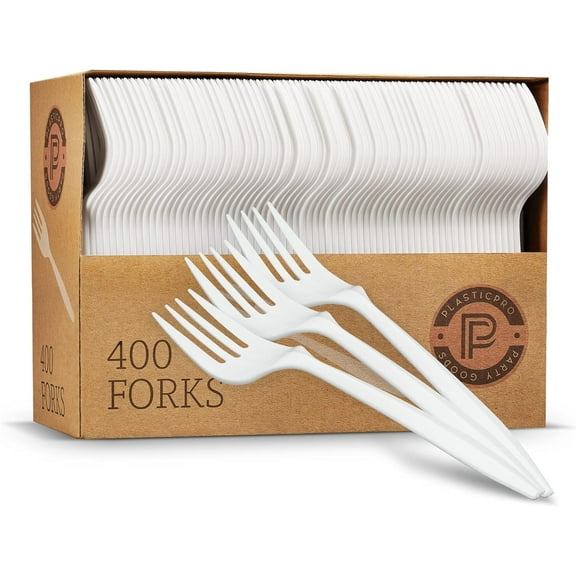
Bulk packs with 100 or more pieces help you cover office kitchens, concession stands, and larger events. You may find assorted sets useful when each guest needs a fork, spoon, and knife.
You should also think about serving style before you choose bulk plastic utensils. If you’re offering cake, ice cream, and entrees, you may need more than one utensil per person.
Comparing colors and styles
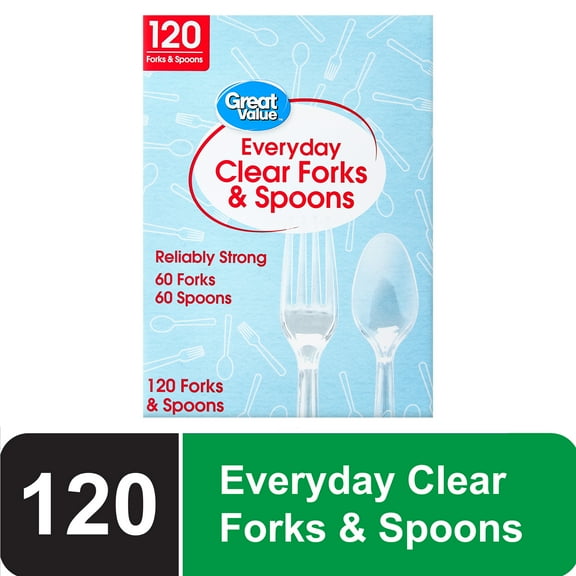
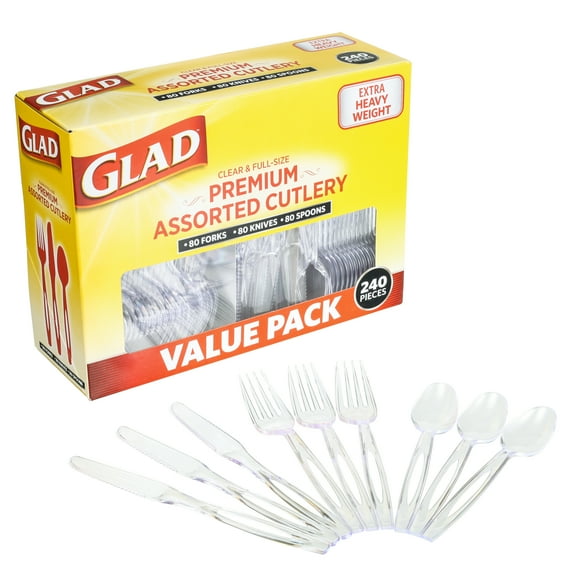
You can use color and finish to support the look of your table without adding extra steps. You may choose clear plastic cutlery for a clean look that blends into many party themes.
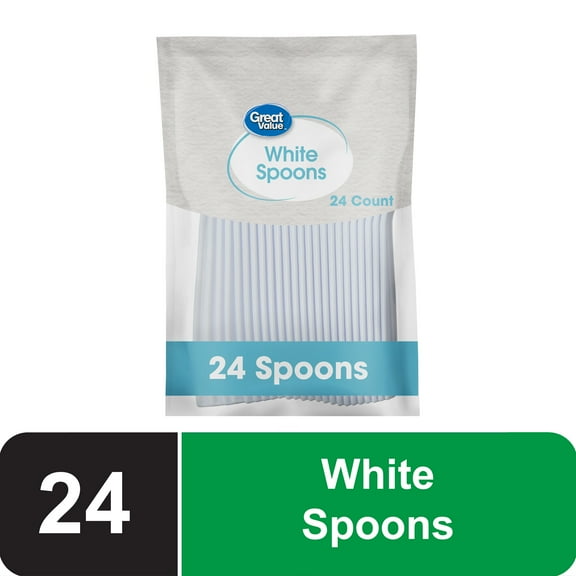
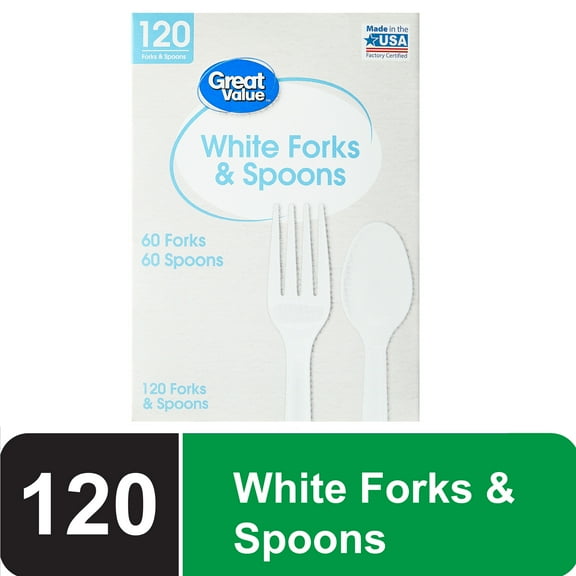
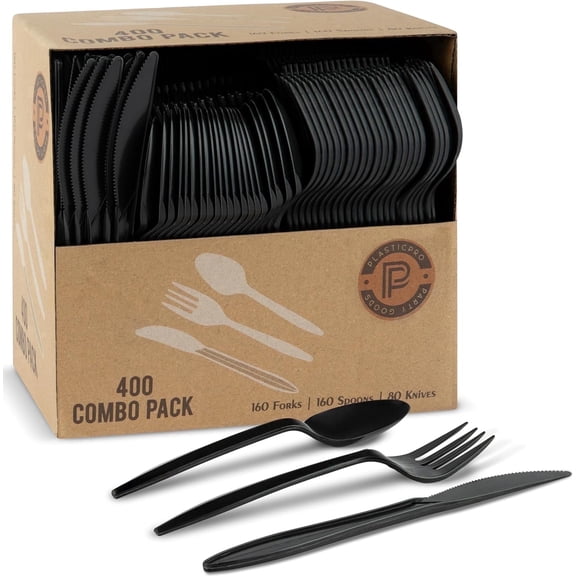
White styles can feel simple and versatile for daily meals, takeout stations, and workplace kitchens. Black styles can give your place settings a sharper contrast on light plates and napkins.
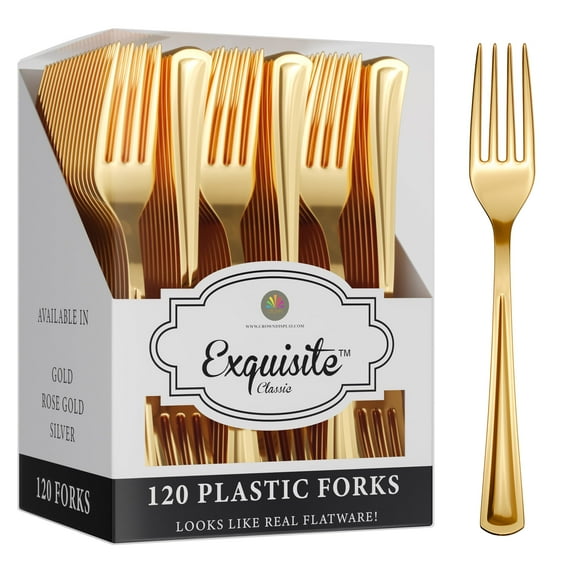
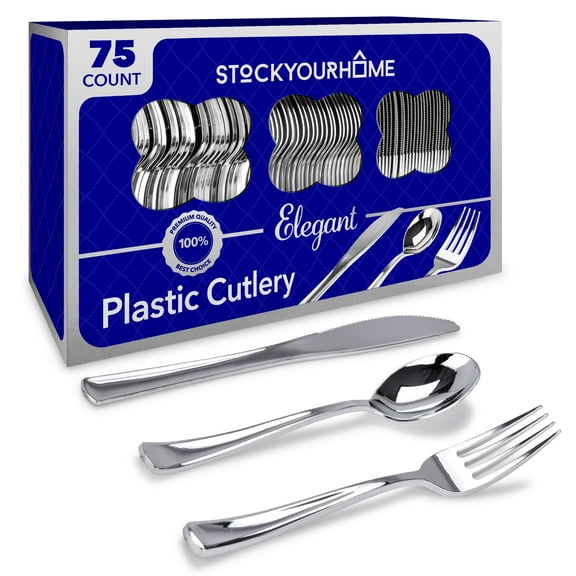
Silver-look or metallic finishes can suit holiday tables, catered events, and milestone celebrations. You can get a polished appearance while keeping the convenience of disposable utensils.
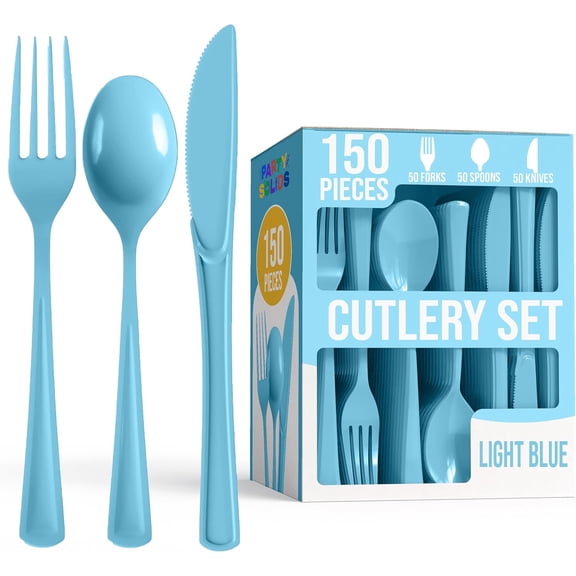
If you’re planning a kids’ party or casual outdoor event, you may like assorted neon colors. You can make it easier for guests to spot their utensils at busy tables.
Choosing forks, spoons, knives, or sets
You should pick component types based on your menu instead of guessing. You can buy single-piece packs when your event leans heavily toward one food category.
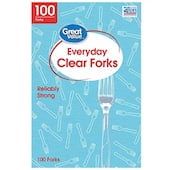
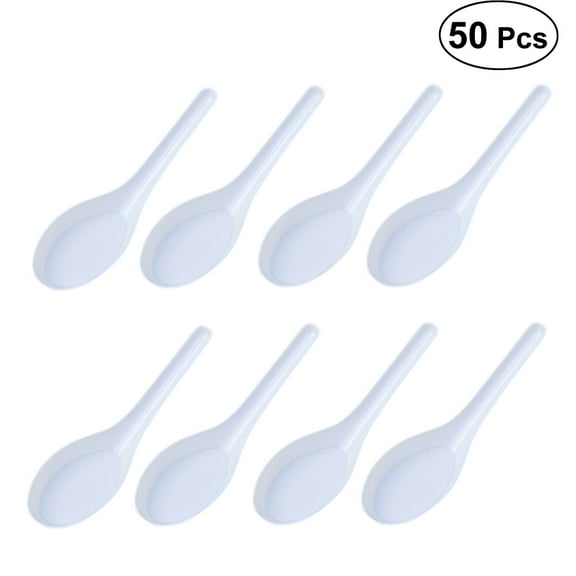
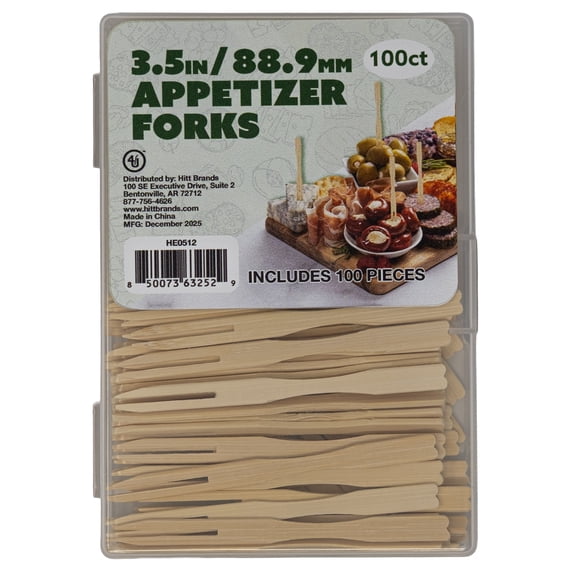
Plastic forks work well for salads, pasta, fruit, and many entrees. Plastic spoons fit desserts, soups, yogurt, and side dishes that need scooping.
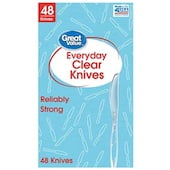
Plastic knives matter when you’re serving meats, pancakes, or foods that need a cleaner cut. You may prefer assorted flatware sets when your meal includes several textures on one plate.
You can also simplify restocking by keeping separate boxes for each utensil type. You can have more control when your office, cafeteria, or event line uses one piece faster.
Use cases for parties, offices, and everyday hosting
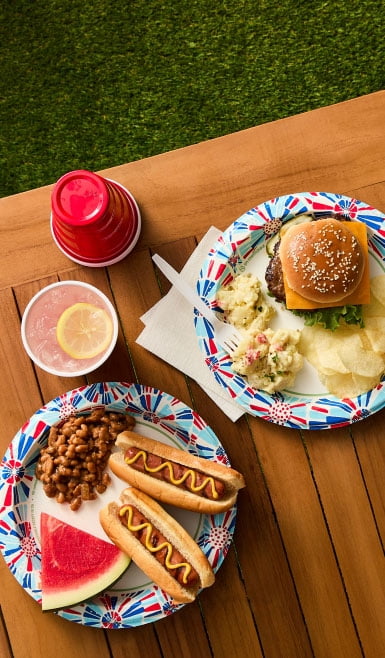
You can use plastic cutlery for birthday parties, cookouts, holiday meals, and last-minute gatherings. You can appreciate easier setup when you need many place settings in a short time.
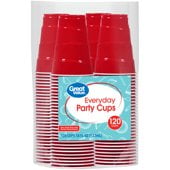
For catered events, you may want heavy duty plastic cutlery with a silver-look finish. You can pair that style with matching plates, cups, napkins, and serving pieces.
For school events or office breakrooms, you may prefer standard packs or bulk assortments. You can restock shared spaces quickly without sorting mixed household flatware.
If you’re planning takeout counters or grab-and-go stations, you can keep wrapped or boxed options nearby. You may also coordinate plastic silverware with paper plates and napkins for smoother service.
When you host dessert bars, you can focus on spoons and smaller counts. When you host cookouts, you can shift toward forks, knives, and sturdier materials for full plates.
You can get the ideal category fit when you match material, count, style, and utensil mix to your menu. You can create cleaner place settings and easier cleanup with the right plastic flatware.