


Find tires that fit
Let’s search for tires that fit your vehicle.Performance Tires in Tire Types
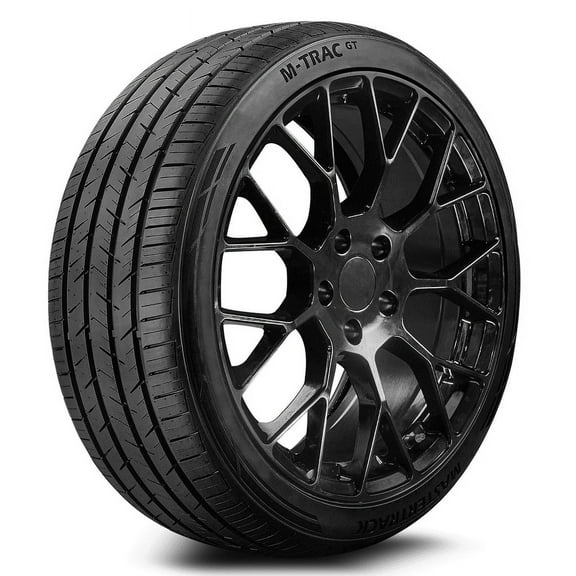

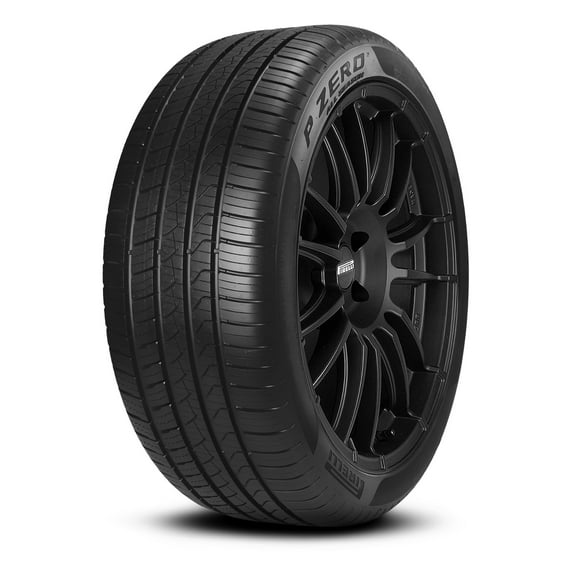
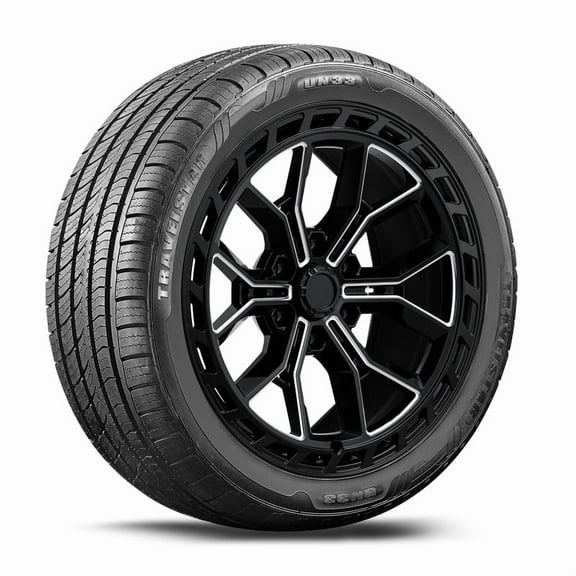

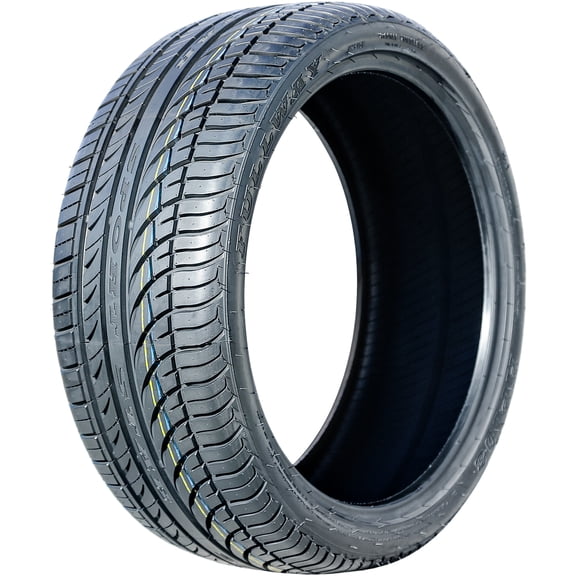
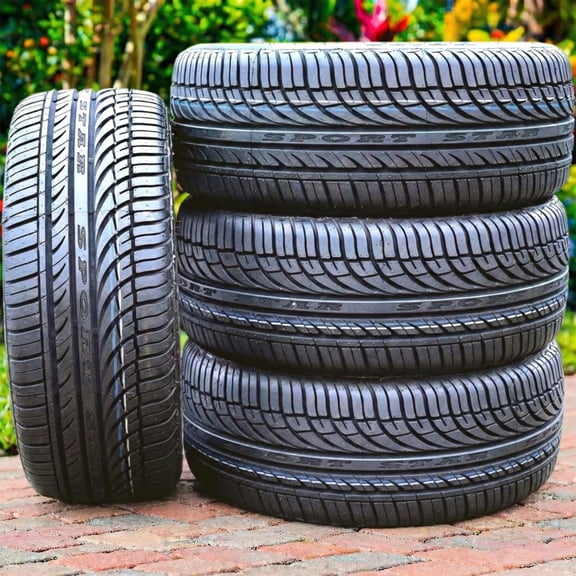


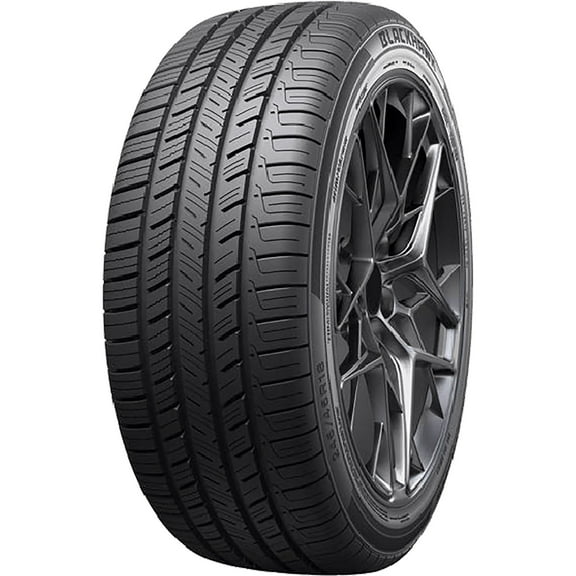
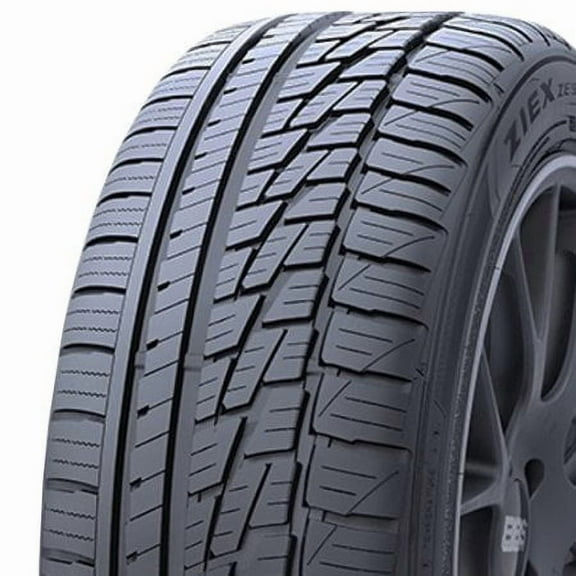


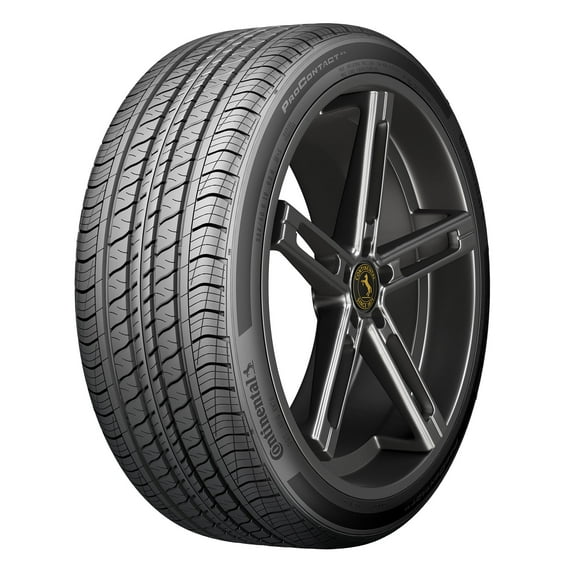

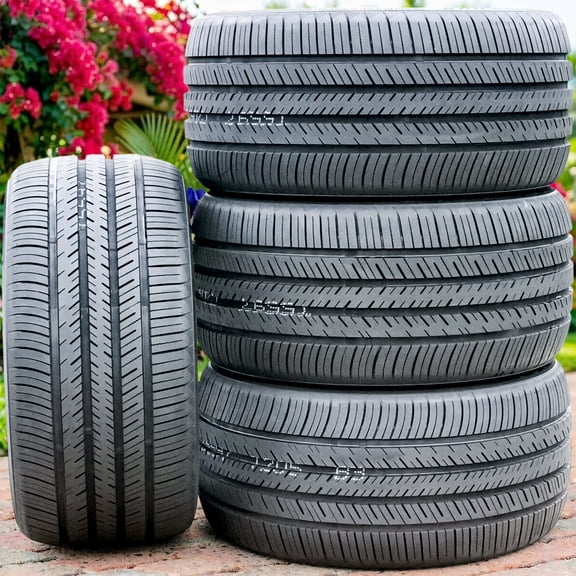

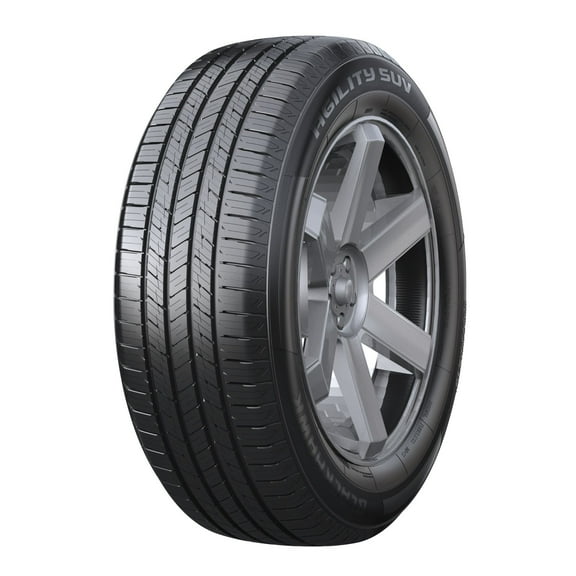

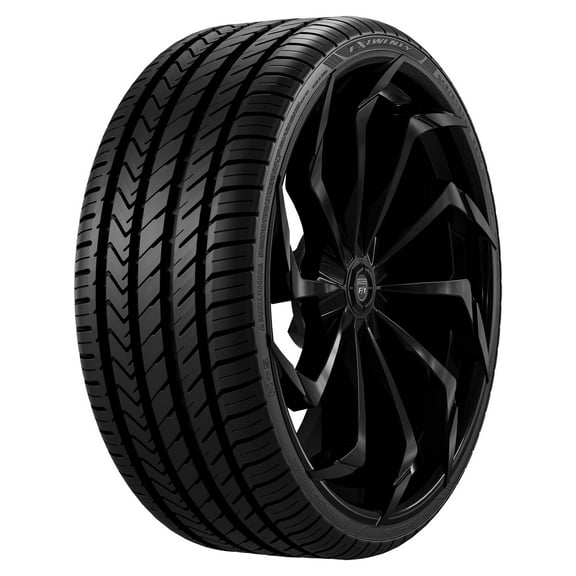

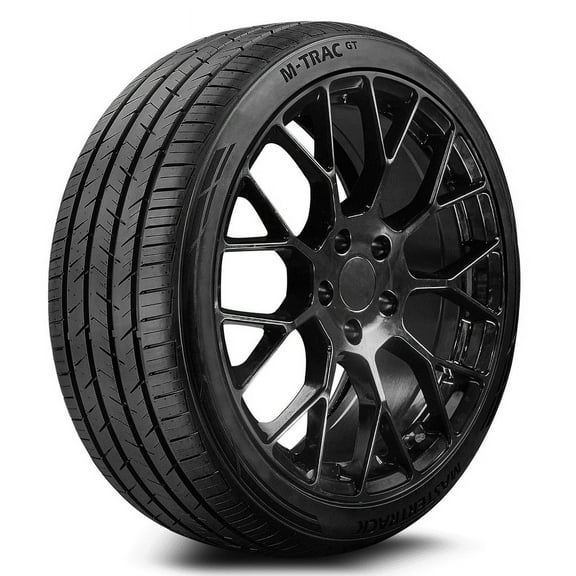
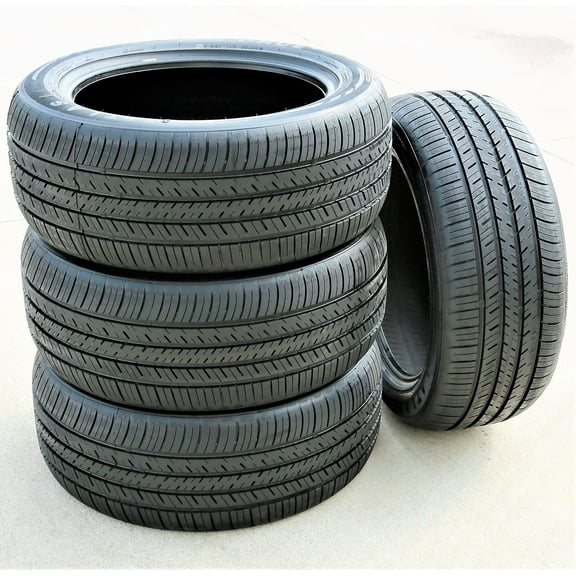
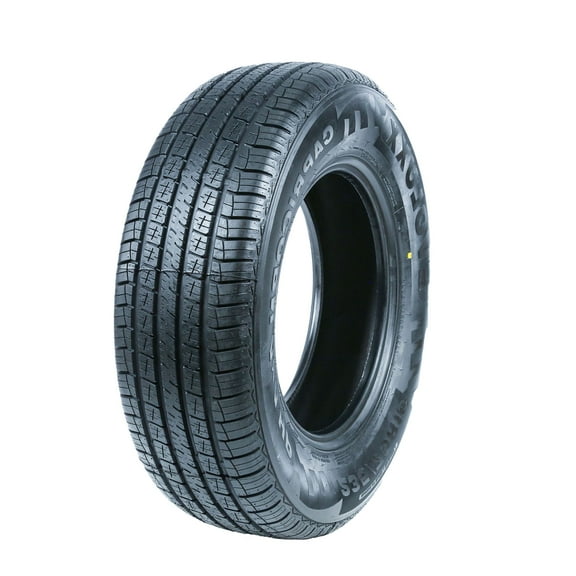


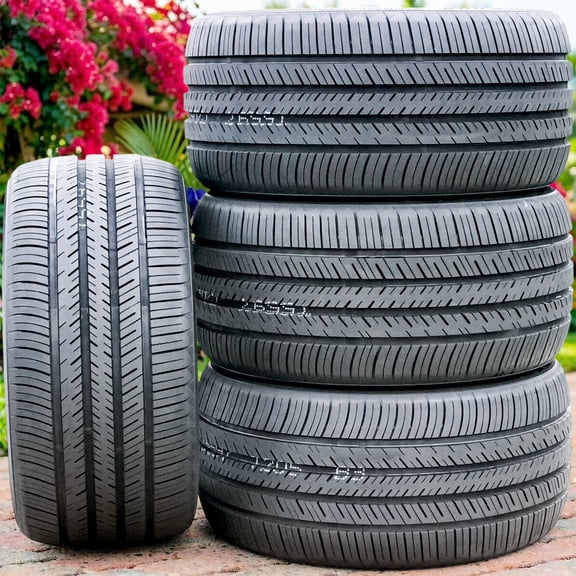

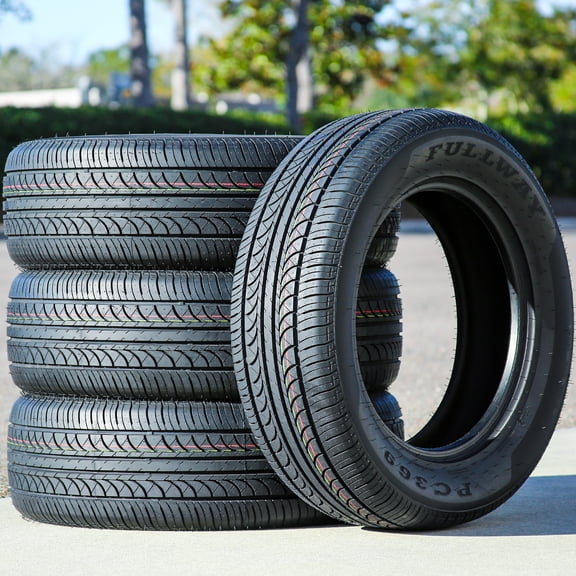
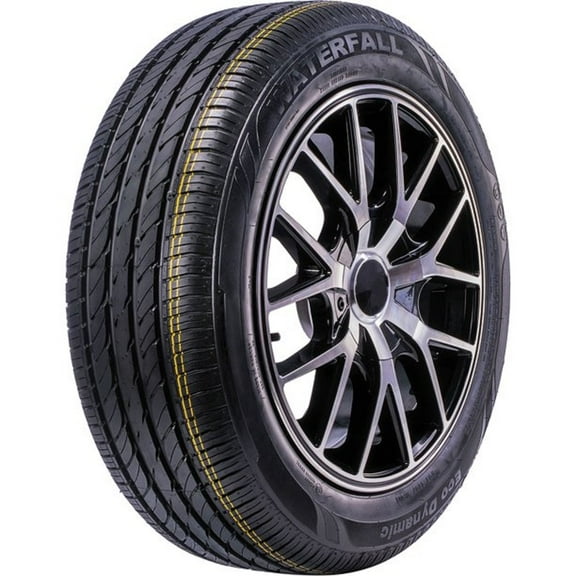

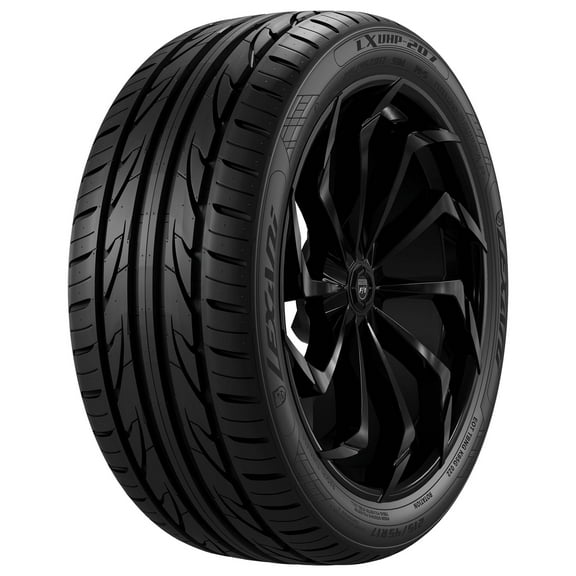

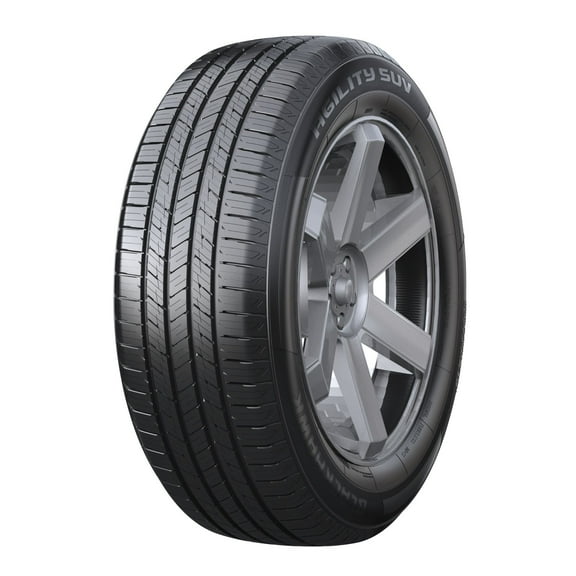

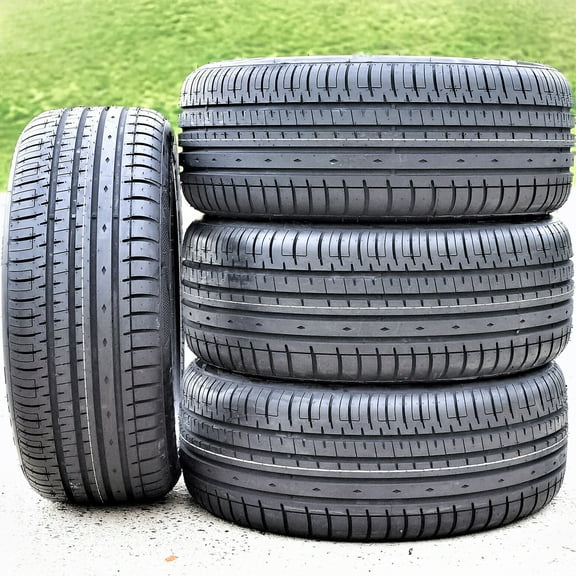





About Performance Tires in Tire Types - Walmart.com
Performance tires help you sharpen steering response, hold corners with confidence, and match your car's fitment needs. You can compare seasonality, rim diameter, speed rating, and tread design for daily driving or spirited weekend use.
If you're replacing worn tires or refining your vehicle's handling, you need clear category guidance that stays practical. You'll notice this guide explains UHP options, all-season flexibility, wet traction, and common fitments like 17-inch sizes.
How to choose performance tires
You should start with the tire type that matches your driving pattern and the weather you face most often. You can choose all-season, summer, three-season, or ultra-high-performance options based on the grip and flexibility you want.
When you compare all performance tires, you'll see trade-offs between sharper handling and broader year-round use. You may prefer uhp all season tires if you want responsive cornering without giving up everyday drivability.
- You get quicker steering feel when your tire design uses a stiffer sidewall and a tread built for cornering grip.
- You gain control in changing weather when your tread pattern uses channels that move water across the contact patch.
- You can match your driving style with compounds that balance tread life, road feel, and dry pavement response.
- You improve fitment accuracy when your width, aspect ratio, and wheel diameter match your vehicle requirements.
For wet versus dry grip, you should look at tread grooves, shoulder blocks, and the contact patch. You'll usually see wider grooves help in rain, while larger outer blocks support dry pavement cornering.
If you want performance stability tires, you should compare how the tread pattern supports lane changes and highway composure. You can also look for strong center ribs, because they often help your car track steadily.
Choosing the right performance auto tire specs
You need to confirm tire sizing before anything else, because fitment shapes how your vehicle feels on the road. You should match section width, aspect ratio, and wheel diameter to your vehicle's approved size information.
When you shop 17-inch performance tires, you should check whether your width and sidewall profile suit your wheel setup. You can often find the correct sequence on your current sidewall, including width, ratio, and diameter.
Speed ratings matter because they show how manufacturers engineer a performance tire for sustained speed capability. You may see V, W, or Y ratings, and you should match them to your vehicle needs.
For daily driving, you can treat those ratings as a clue to heat management and high-speed handling design. You'll often notice higher speed-rated tires use construction details that support responsive steering and stable road feel.
You should also compare compound softness with expected tread life, because stickier rubber usually wears faster. If you want sharper grip, you may accept shorter longevity, while all season high performance tires often balance both needs.
Before you choose a performance auto tire, you should check load index, sidewall construction, and tread pattern intent. You'll make a clean decision when each spec connects to your road habits, wheel size, and climate.
Comparing all-season high performance tires and UHP options
You may want high performance all season tires if your car sees commuting, highway miles, and changing temperatures. You get seasonal flexibility, and you still keep the quicker response many drivers want from sport tires.
If dry-road precision is your main priority, you may lean toward summer or ultra-high-performance designs for strong cornering feel. You should remember that softer compounds often emphasize grip and steering feedback over longer tread life.
For rainy roads, you should compare groove placement and siping, because those details influence how water moves away from the tread. You'll often feel confidence when your tire keeps strong contact through standing water and slick pavement.
When you review uhp all season tires, you should expect a middle ground between year-round practicality and athletic handling. You can use them for many performance sedans and coupes that need one set for mixed conditions.
If your vehicle is a sports car, you may prioritize turn-in feel and dry grip during warmer months. If your vehicle is a passenger car with a sportier setup, you may prefer all-season coverage with stable highway manners.
You should also think about road noise and ride firmness, because performance-focused construction can feel direct. You'll often trade some softness for precise feedback, especially with lower-profile sizes on larger wheels.
Matching performance tires to your vehicle and driving use
You can narrow your choice faster when you match the tire to your vehicle segment and your usual routes. A coupe that sees back roads may need different priorities than a performance sedan used for commuting.
If you drive long highway stretches, you may want a tread pattern that supports straight-line stability and predictable wet traction. You'll likely appreciate a setup that balances responsive handling with a composed ride at speed.
For city driving with occasional spirited use, you might choose all-season high performance tires in common wheel sizes. You can get responsive steering without building your setup around warm-weather-only driving.
If you run larger wheels, you should compare 18-inch, 19-inch, and 20-inch options with attention to sidewall height. You'll usually notice lower profiles feel direct, while they also transmit road texture.
When you replace your tires, you should also review related needs like tire installation services, alloy wheels, and TPMS components. You can build a complete setup when your new tires work cleanly with your wheels and monitoring hardware.
With the right performance tires, you can dial in fitment, traction, and handling for the roads you actually drive. You leave with a setup that supports confident cornering, steady wet-road control, and the speed rating your vehicle calls for.