







Peony Bulbs in Plant Bulbs








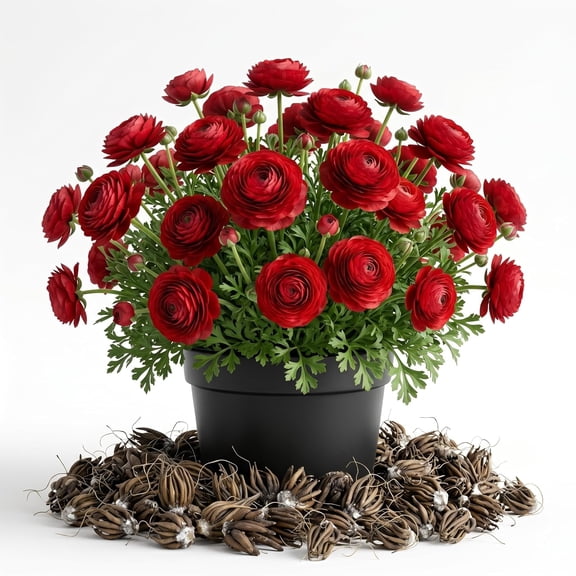



About Peony Bulbs in Plant Bulbs - Walmart.com
Peony bulbs help you build a long-lasting garden display with bold spring blooms and dependable perennial growth. You can compare peony types, root forms, and planting seasons to match your space.
Choosing the right peony bulbs for your garden
When you shop peony bulbs, you should start with the main growing habit and bloom style. You can compare herbaceous peonies, Itoh peony bulbs, and tree peonies with more clarity.
Herbaceous peonies die back each winter, then return from the ground in spring with full foliage and classic garden form. You may prefer them when your border needs a traditional perennial look.
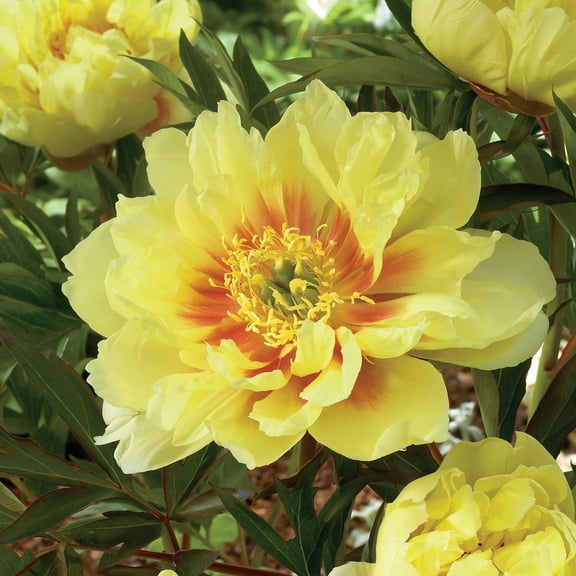
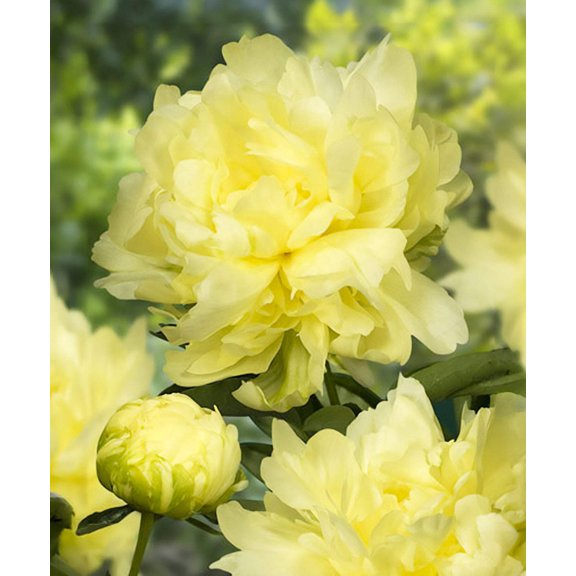
Itoh peony bulbs, often sold as peony roots, combine sturdy stems with large flowers and a tidy mound shape. You may choose them when your beds need structure and extended seasonal color.
Tree peonies keep woody stems above ground, which gives you a different shape and earlier seasonal interest. You can use them when you want a shrub-like presence instead of a ground-level perennial.
How to compare peony roots and flower forms
You should check root type early because it affects planting timing, handling, and first-season expectations. You’ll often see bare root peonies and potted starters across this category.
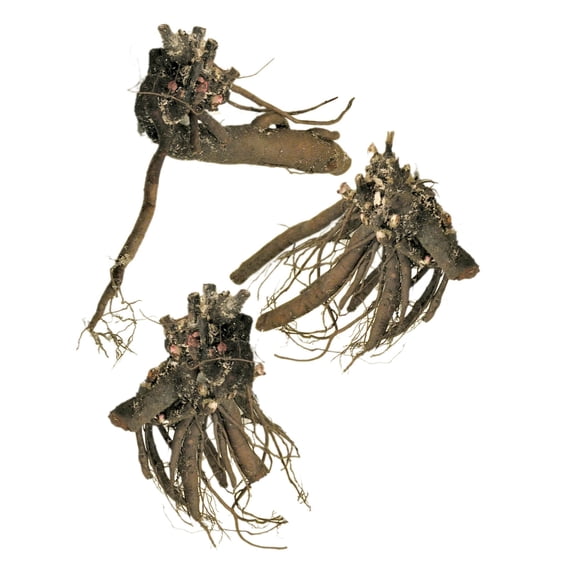
Bare root peonies let you inspect the crown and eye count before planting. You can use that detail to compare root grade, which helps you judge early establishment.
When you review eye count, you’ll usually see 3-5 eye roots or 2-3 eye roots. You may prefer 3-5 eye roots when you want vigorous early growth and a fuller starting point.
Potted starters arrive with active top growth, which may suit you if you’re planting during a warmer window. You can choose them when you want a more visual starting point at planting time.
- You can compare double, single, and semi-double blooms for your preferred flower shape.
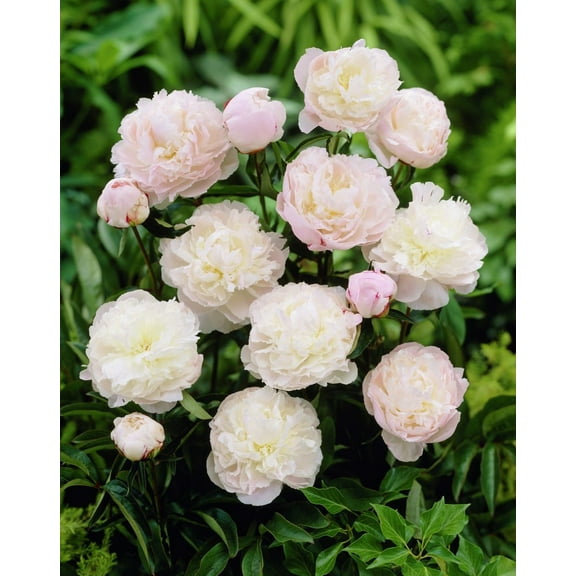
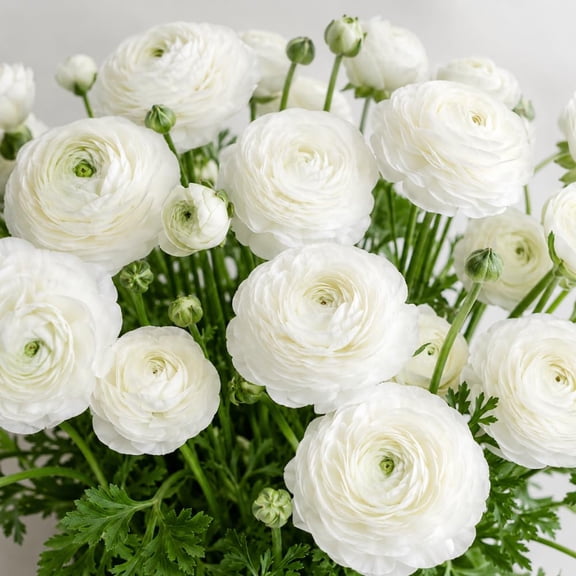
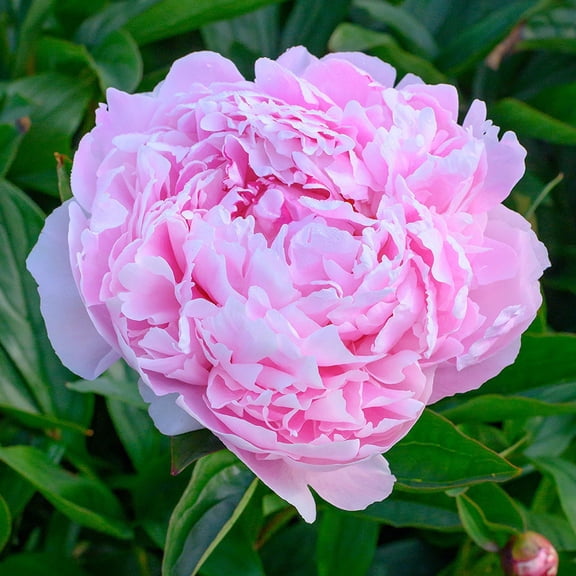
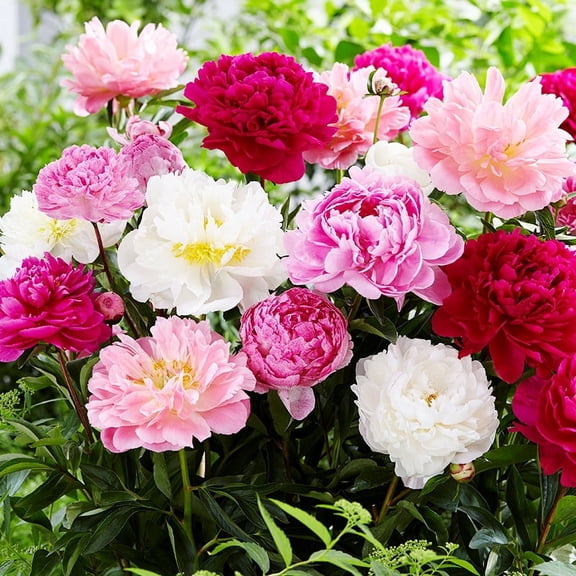
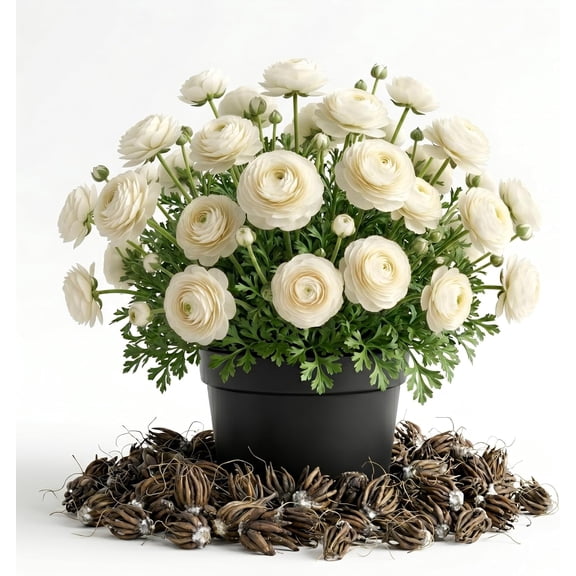
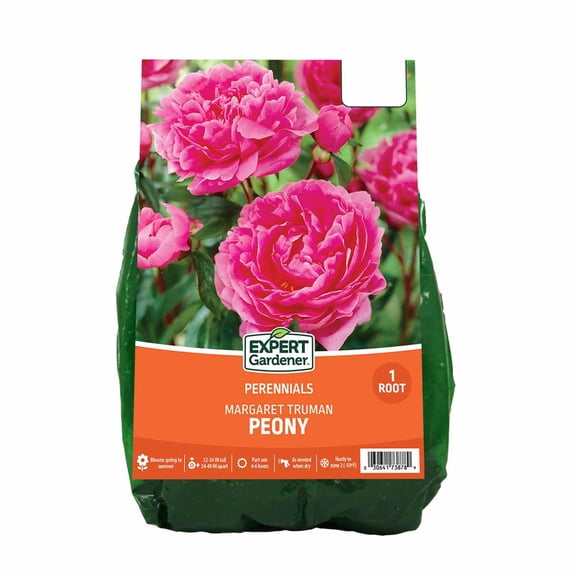
- You can look for pink peony bulbs or white peony bulbs to match your border palette.
- You can review bare root peonies when you want clear crown visibility before planting.
- You can check eye count details when first-season growth matters in your buying decision.
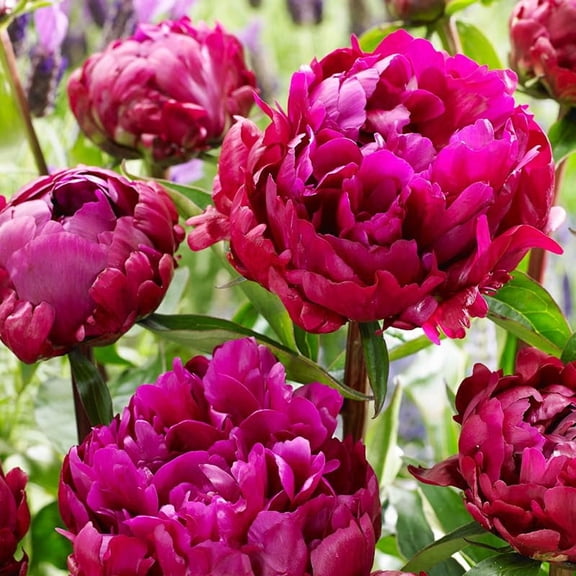
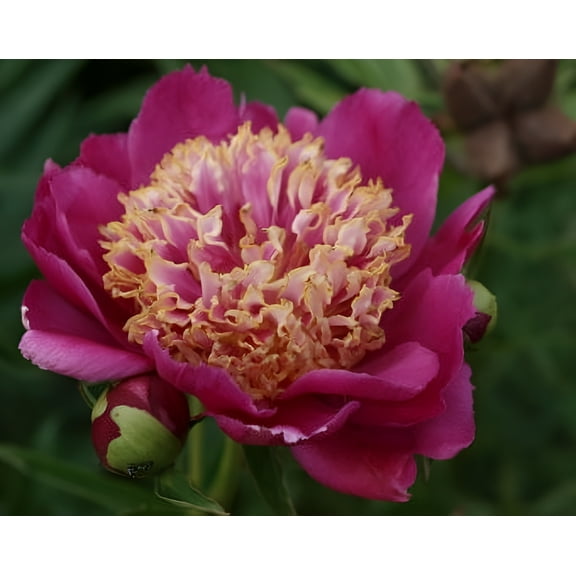
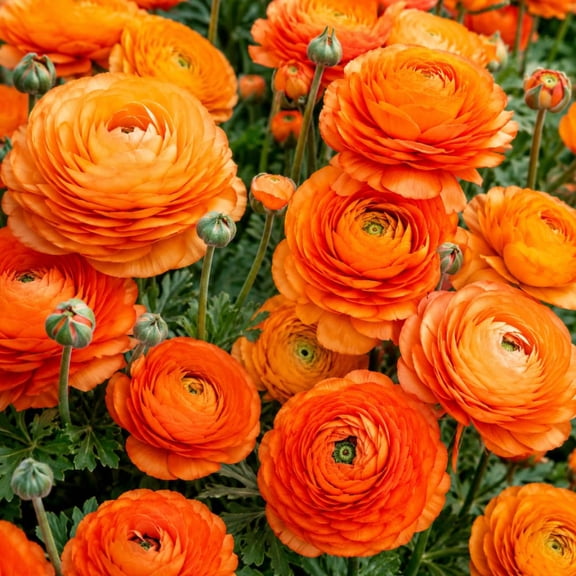
Double peony bulbs give you a layered, full flower that creates a lush garden look. You may prefer this form when you want dense petals for cutting gardens and statement borders.
Single forms show open centers and a lighter silhouette, which can fit natural-style beds. Semi-double blooms give you a middle ground if you want fullness without an abundant petal count.
What to look for in peony roots and planting details
You should measure your planting spot before choosing root size, class, and season. You’ll want good sun exposure and soil that drains well after rain or watering.
Peony roots need careful planting depth because crown placement affects bloom performance. You should place the eyes close to the soil surface, since deeper planting can delay flowering.
For many fall planting peony bulbs, you’ll want enough time for root settling before winter weather arrives. Spring planting peony roots can also work when you prepare loose soil and steady moisture.
You can space peonies with future width in mind, since mature plants often fill out over time. You’ll appreciate that extra room when stems leaf out and blooms begin to open.
Color and flower timing also matter when you build a mixed perennial bed. You can pair pink peony bulbs, white peony bulbs, and deeper tones for a layered spring display.
Matching peony bulbs to real garden plans
If you’re filling a classic cottage border, herbaceous peonies and double blooms create a familiar, full garden effect. You can combine them with other perennials for a seasonal bed that returns each year.
If your space needs sturdy stems and a refined mound shape, Itoh peony bulbs can fit that plan well. You may like them along walkways or foundation beds where structure matters.
When you’re planting a gift garden or memorial bed, white peony bulbs can create a calm, clean look. You can use soft pink shades when you want a gentler color transition nearby.
If you’re planning around seasonal tasks, fall planting peony bulbs suit gardeners who prep beds after summer heat fades. Spring planting peony roots may fit you when winter weather shortens your fall planting window.
You can also compare bare root peonies with potted starters based on your schedule and experience level. Bare roots may appeal when you want to inspect eyes closely, while potted starts can feel more straightforward.
For cutting gardens, you may focus on double peony bulbs with large, layered flowers and strong visual impact. For mixed landscape beds, you might choose single or semi-double forms for a lighter profile.
When you use this category as a buying guide, you can sort by peony type, flower form, root type, and planting season. You’ll make a clearer decision when you match eye count, sun, drainage, and depth to your garden plan.
With peony bulbs, you’re choosing a perennial that rewards careful variety selection and precise planting. You’ll feel more confident when your roots, bloom form, and season align with your space.