

Pasta Tools












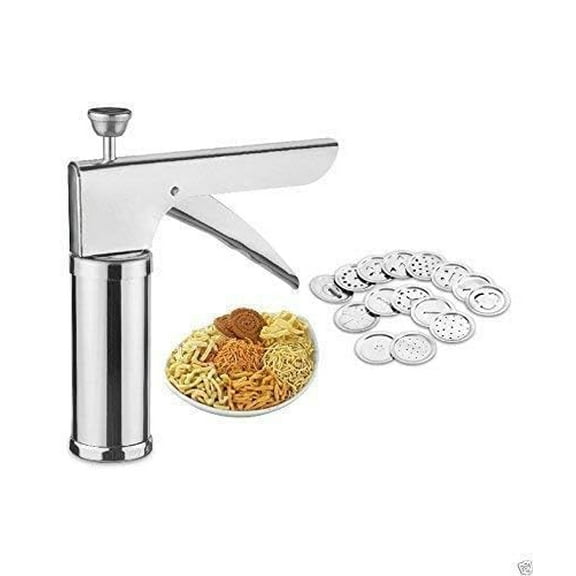
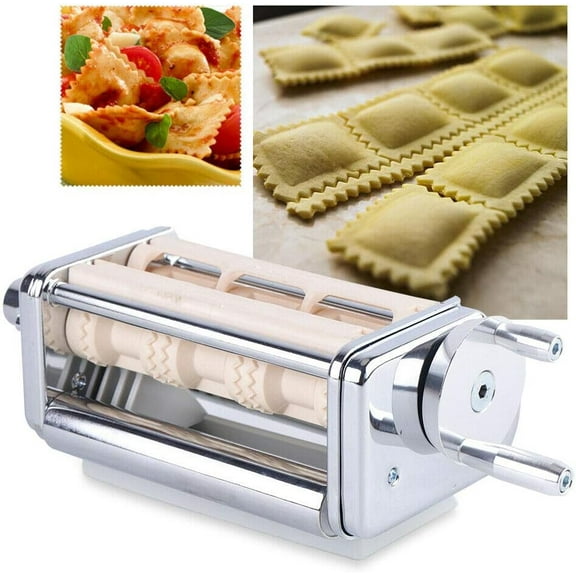
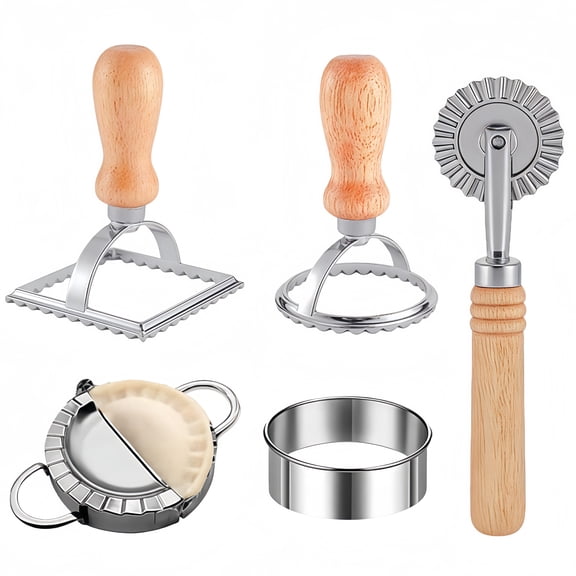
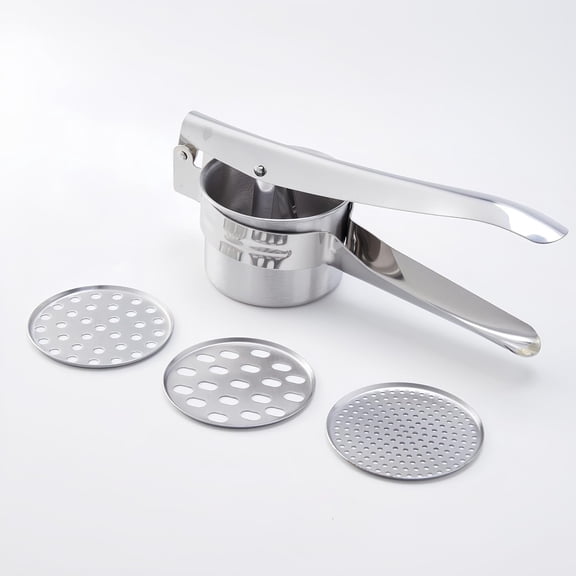



About Pasta Tools - Walmart.com
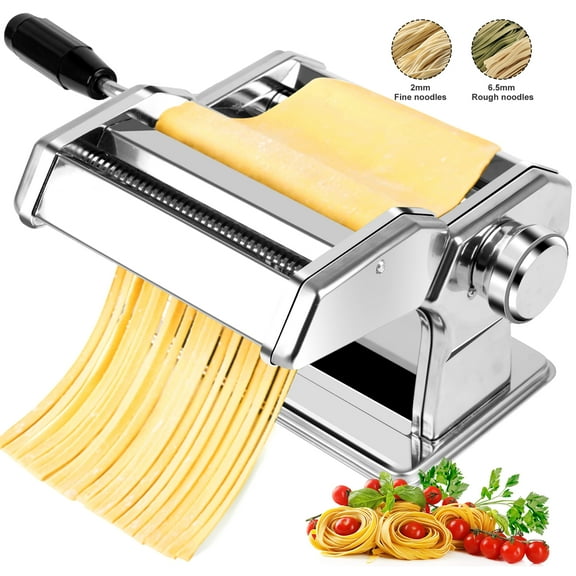
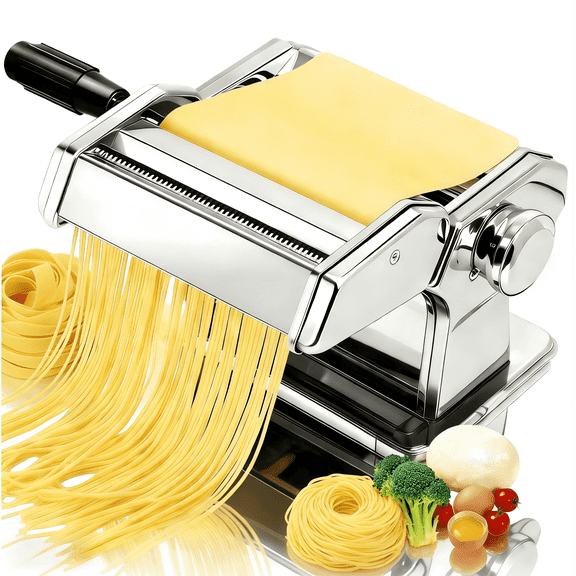
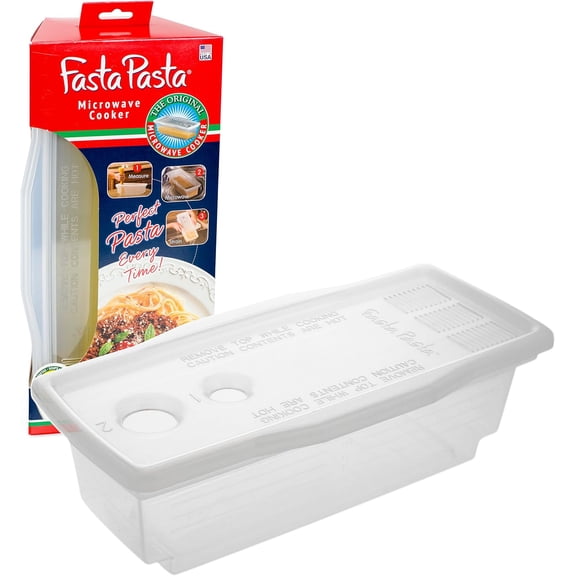
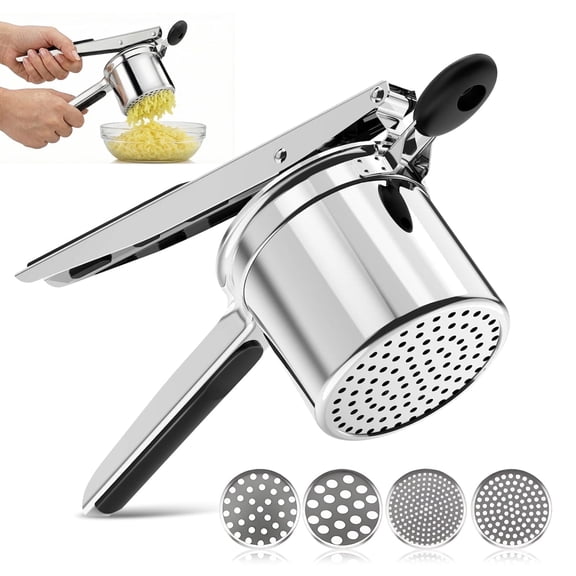
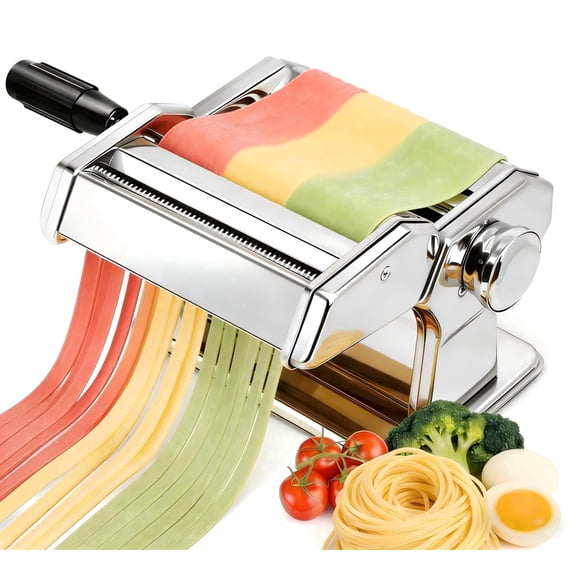
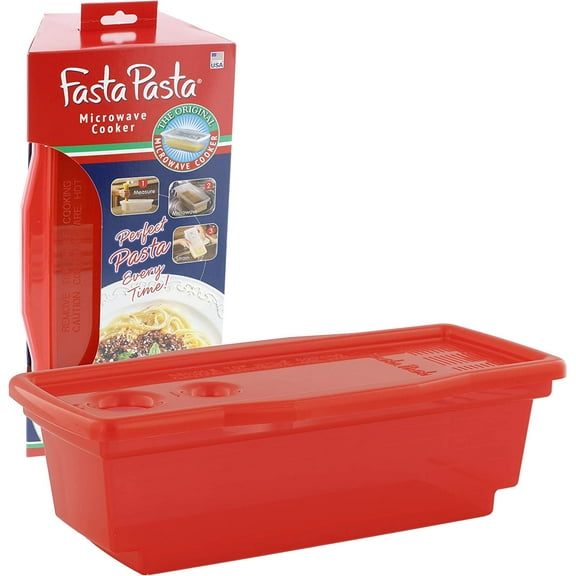
Pasta tools help you turn flour, eggs, and dough into fresh noodles with more control and less mess. You can compare shape-specific pieces, cleaner materials, and storage-friendly designs that fit your kitchen routine.
If you're building a homemade pasta setup, you'll want guidance beyond a simple product grid. You can use this buying guide to compare drying racks, ravioli stamps, cutter wheels, and gnocchi boards with confidence.
How to choose pasta tools for your kitchen
You should start with tool type, because each option supports a different pasta result. You can pick a pasta drying rack for long strands, or choose a ravioli maker for filled pasta.
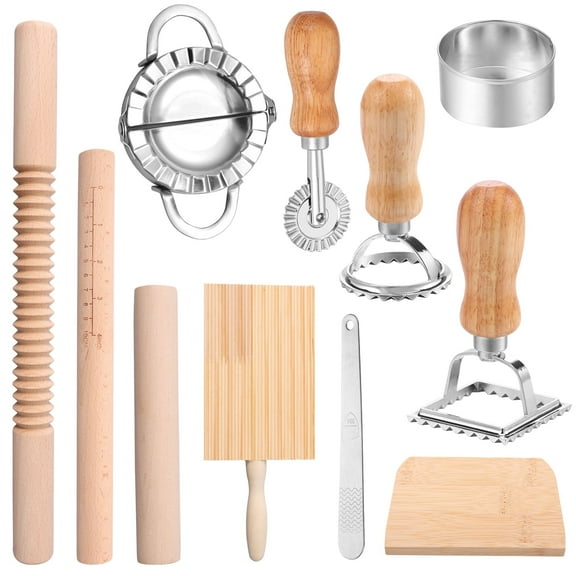
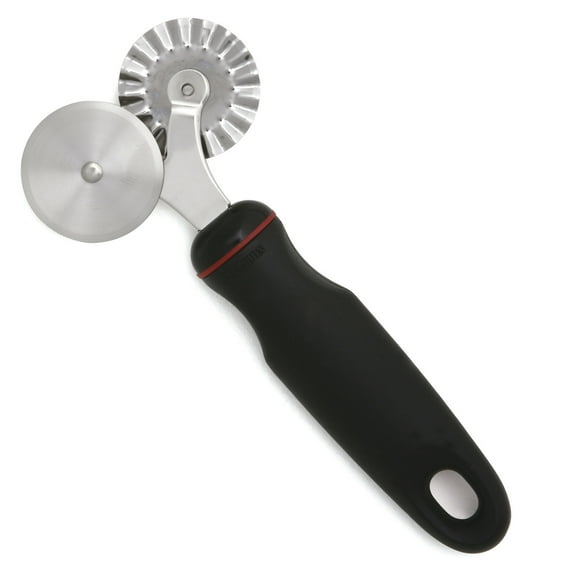
When you want cleaner cuts, you'll likely compare a pasta cutter wheel with straight or fluted edges. If you enjoy ridged dumplings, you can use a gnocchi board to shape grooves that hold sauce.
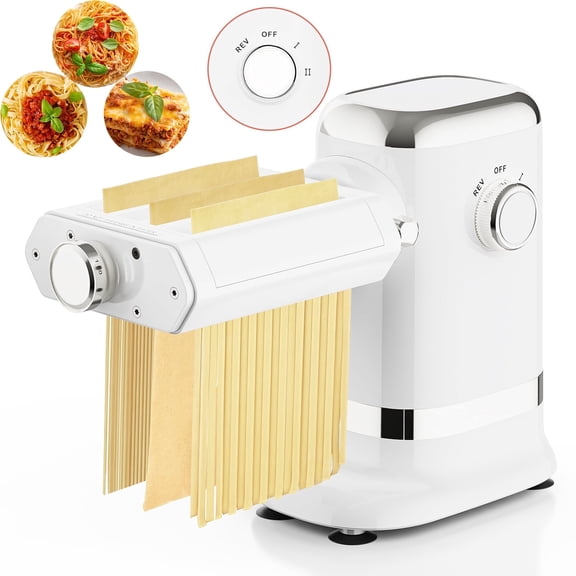
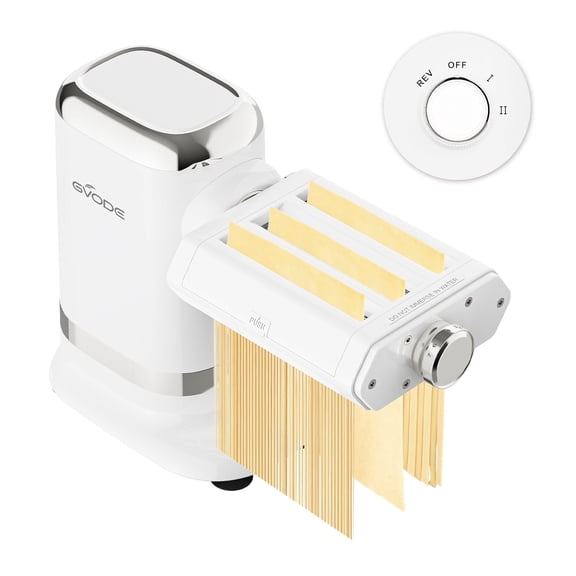
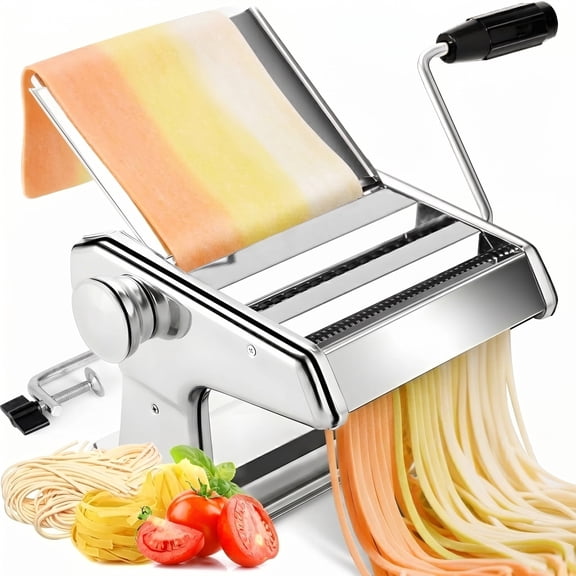
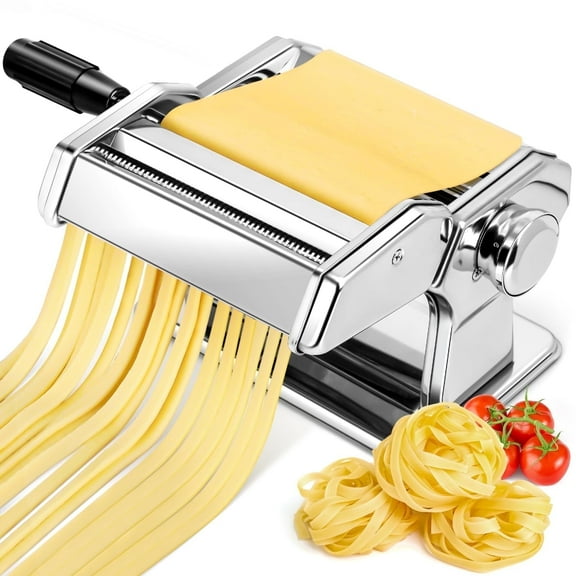
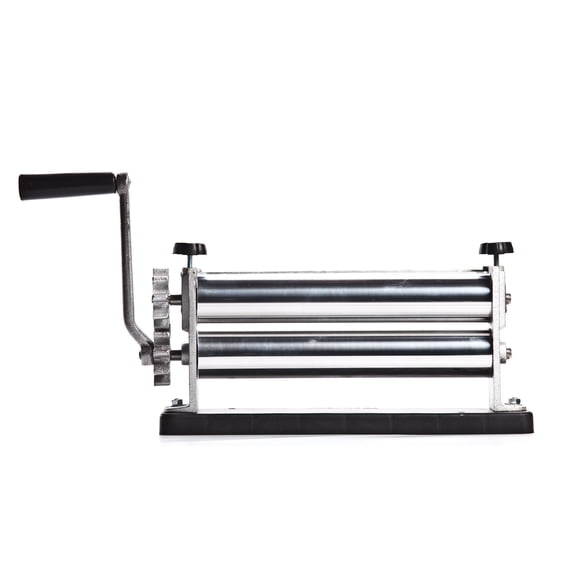
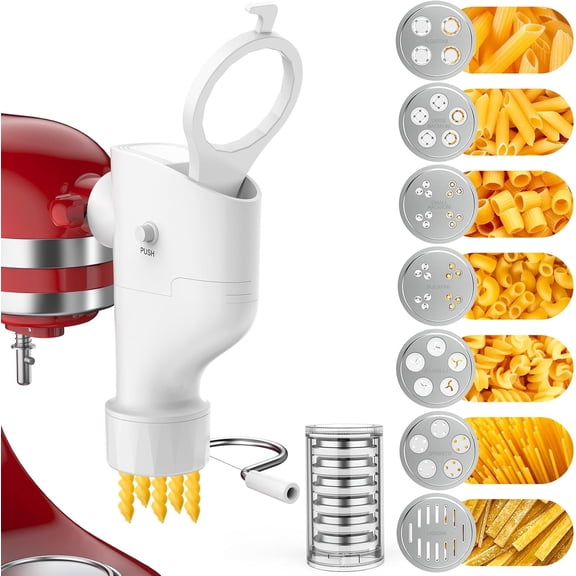
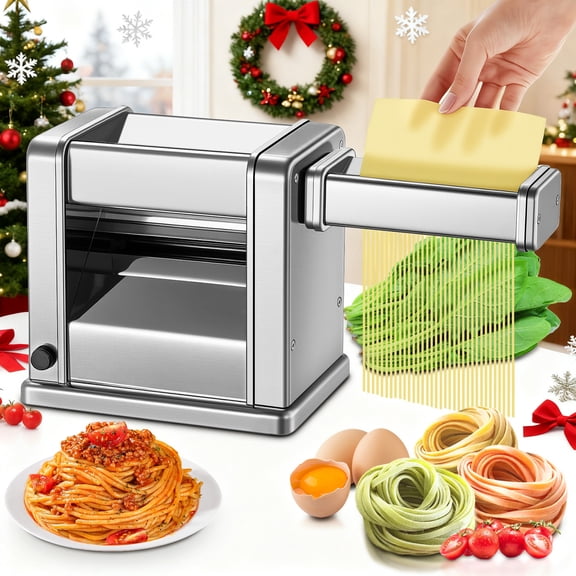
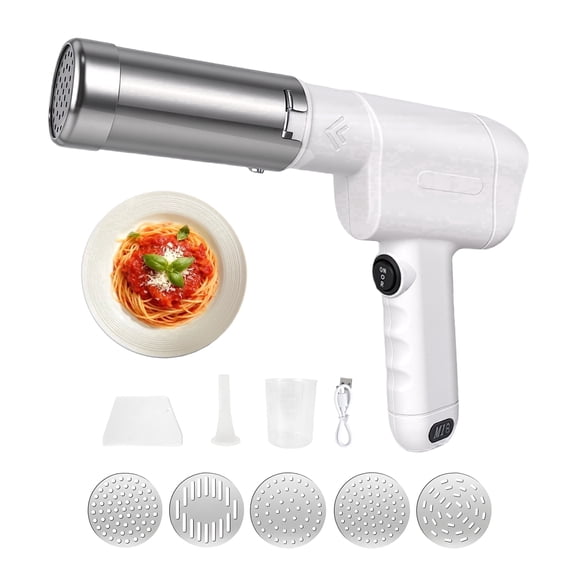
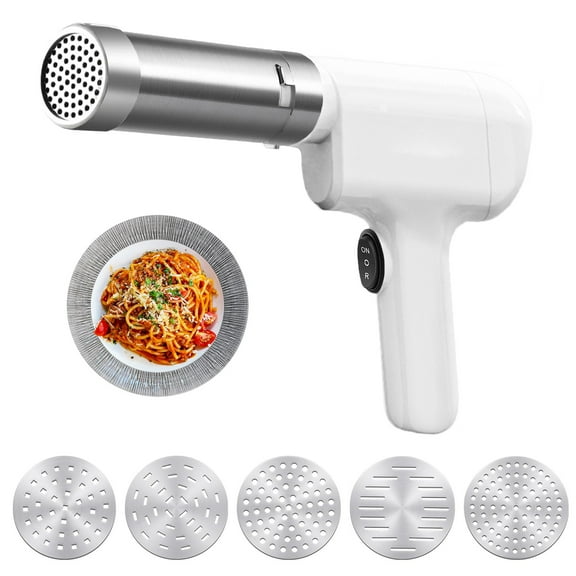
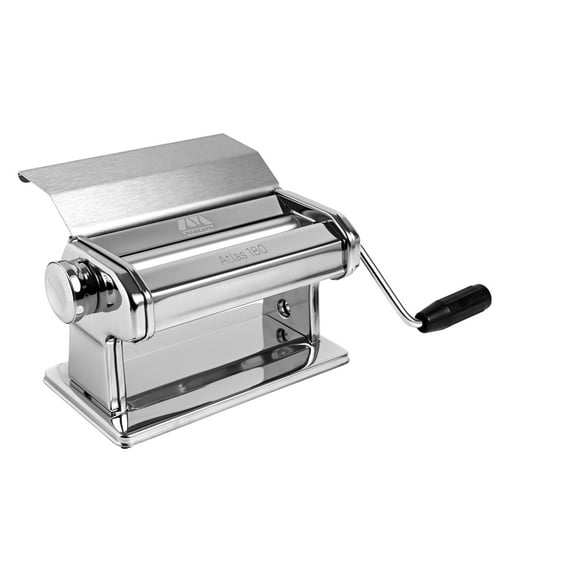
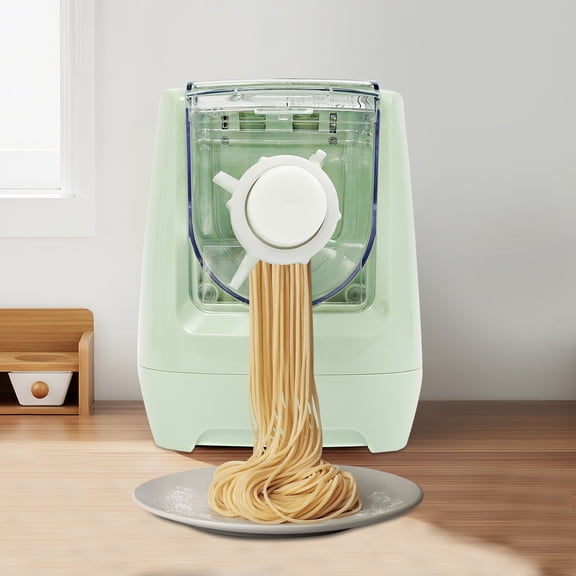
You may also compare operation styles before you commit to a setup. You can keep things simple with manual pieces, or choose hand-crank and electric attachment options for repeated batches.
Key differences in pasta making tools
You should compare materials closely, because they affect feel, cleanup, and long-term use. You may prefer beechwood for a traditional grip, while stainless steel gives you a sleek, sturdy surface.
If your cleanup routine matters, you'll want to check care needs before you choose. You can usually dry brush wooden pieces, while many stainless steel parts support easier dishwasher cleanup.
You may also see silicone details that help you grip handles or fold compact parts. If you want lighter-weight pieces, aluminum can feel easier to handle during longer prep sessions.
- You can use beechwood when you want a warm feel and classic hand-shaping control.
- You can choose stainless steel when you want a durable finish and simpler cleanup.
- You can look for silicone accents when you want easier grip on slippery dough days.
- You can consider aluminum when you want lighter tools for frequent rolling and shaping.
You should also compare edge durability when you shop rollers and cutter wheels. You may notice brass cutting parts feel sturdier, while lightweight aluminum rollers can feel easier to maneuver.
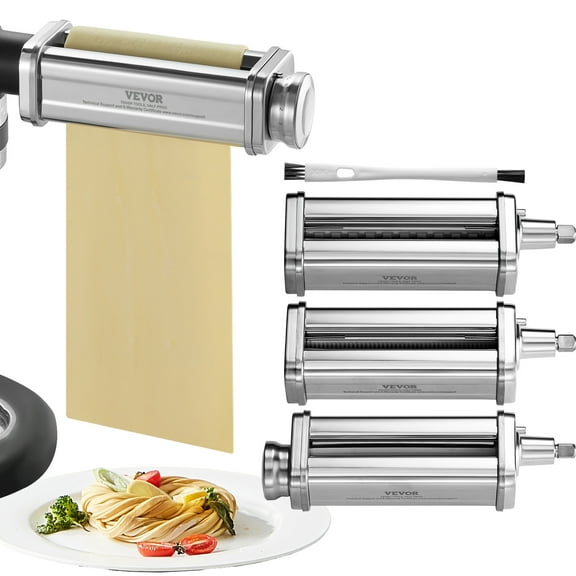
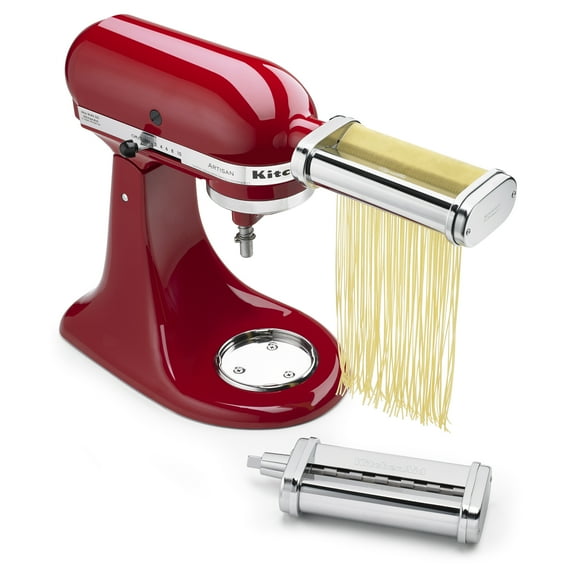
If you already own a machine, you'll want to check compatibility details before choosing attachments. You can compare attachment hub size and drive shaft type to match your existing pasta maker.
Choosing a pasta drying rack and storage setup
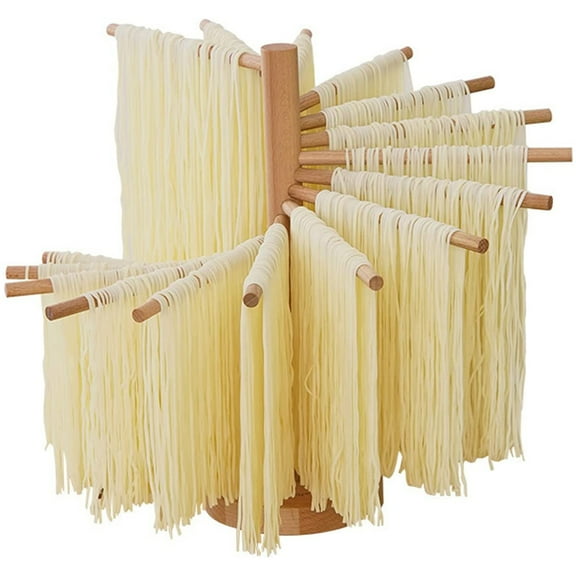
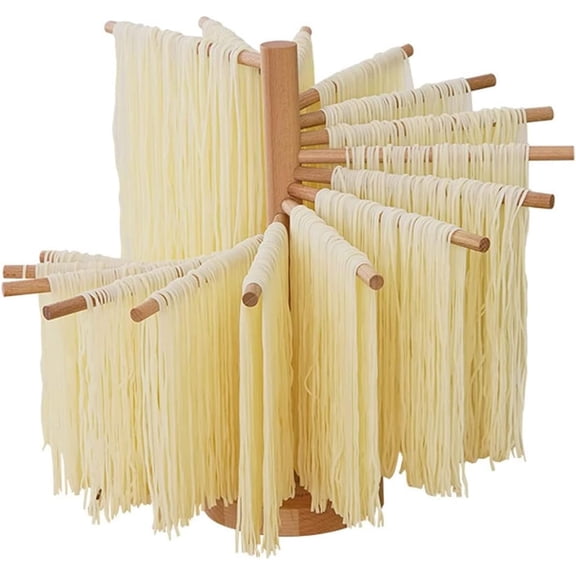
You should think about storage footprint before you choose a pasta drying rack. If your drawers stay crowded, you may prefer collapsible arms that fold down between cooking sessions.
When you make spaghetti or fettuccine, you'll want enough hanging space to separate long strands. You can keep noodles from clumping when you spread them across multiple arms.
If your counter stays busy, you'll want to compare fixed structures with foldable designs. You can store a compact rack more easily, especially when you only make fresh pasta occasionally.
You may also want tools that stack neatly beside colanders, bowls, and pasta makers. If you cook often, you'll appreciate a setup that stays accessible without taking over your cabinet space.
Matching tool types to ravioli, fettuccine, gnocchi, and spaghetti
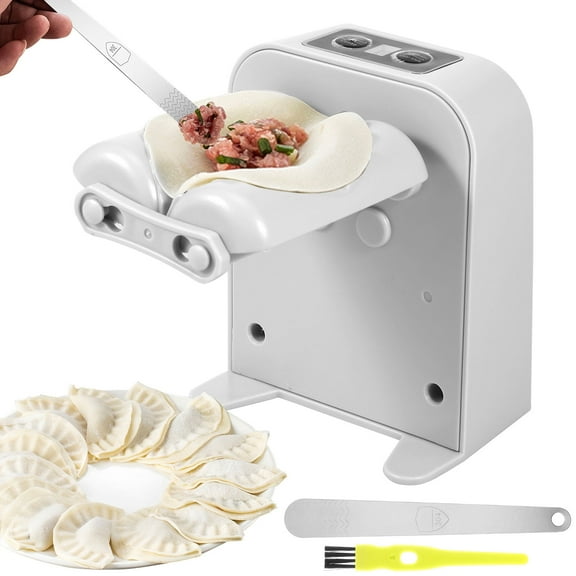
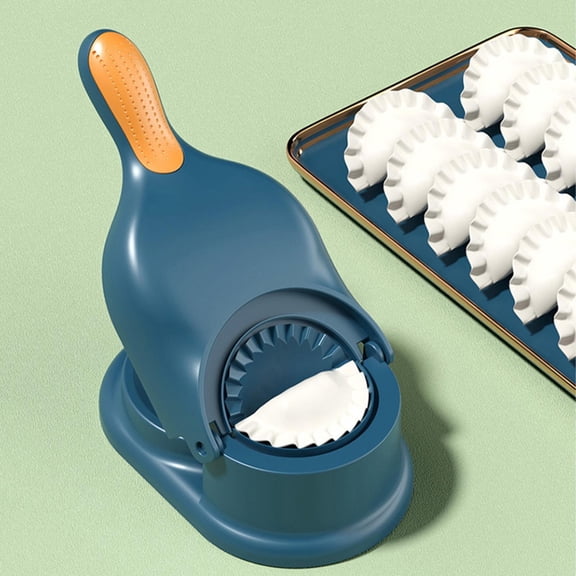
You should match your tool to the pasta style you plan to make most often. If you love filled pasta, a ravioli maker helps you press uniform pockets with cleaner edges.
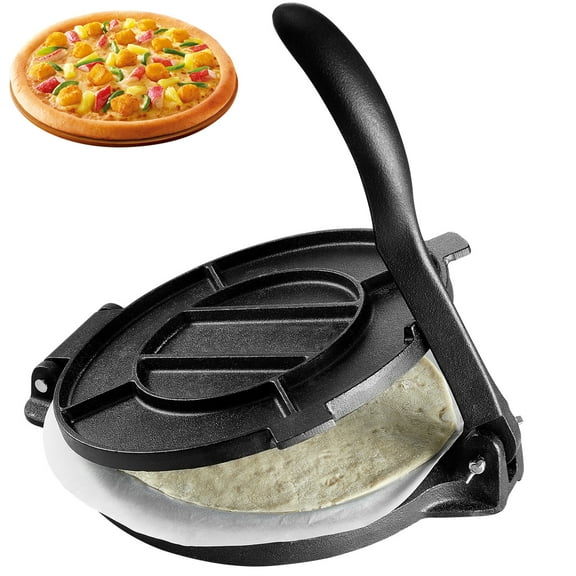
When you want ribbon shapes, you'll likely reach for rollers and cutter wheels. You can create fettuccine strips with more consistent width, which helps your batch cook evenly.
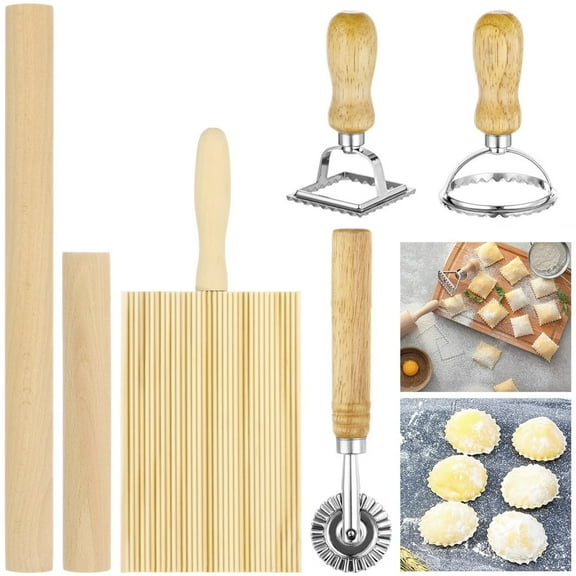
If gnocchi is on your menu, you'll want a board with defined ridges. You can roll each piece across the surface to create texture that gives your sauce more places to cling.
For spaghetti and other long noodles, you'll want a drying step that protects shape before cooking. You can hang strands on a pasta drying rack so they stay separated and easier to portion.
You may also combine several tools when you like variety across the week. You can use a roller for dough sheets, a ravioli stamp for filling, and a cutter wheel for decorative borders.
What to look for in pasta maker accessories
You should compare pasta maker accessories by fit, finish, and daily convenience. If attachments don't match your machine correctly, you may end up with a frustrating prep process.
You'll want to measure connection points and review drive details before you choose. You can avoid guesswork when you confirm the hub size and drive shaft type first.
When you cook in smaller spaces, you'll want accessories that clean up and store easily. You can simplify your routine with pieces that separate neatly and resist dough buildup in tight corners.
You may also prefer handles, knobs, and surfaces that feel secure during rolling. If you're making several batches, you'll notice stable control helps you keep thickness and shape more consistent.
With the right pasta tools, you can shape ravioli, fettuccine, gnocchi, and spaghetti with less trial and error. You can build a pasta setup that fits your machine, your storage space, and your favorite homemade dishes.