

Oval Engagement Rings in Engagement Rings






















About Oval Engagement Rings in Engagement Rings - Walmart.com
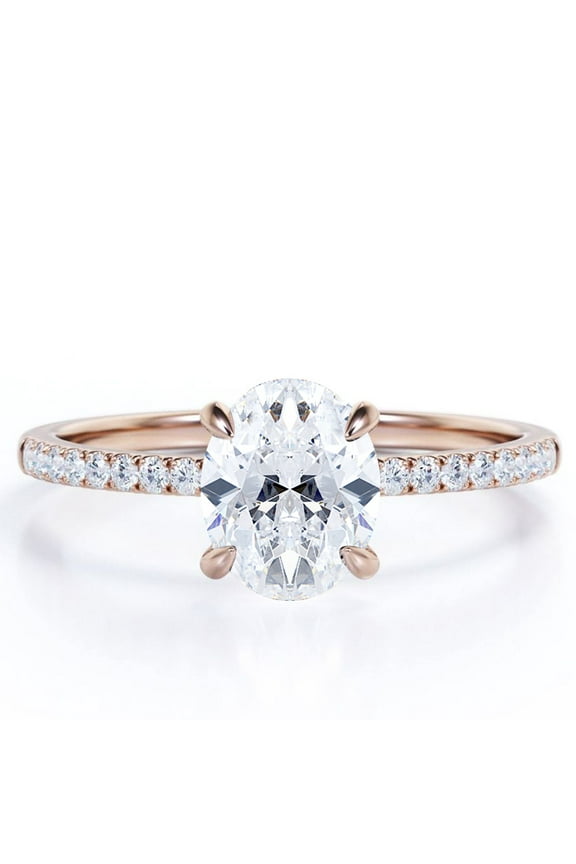
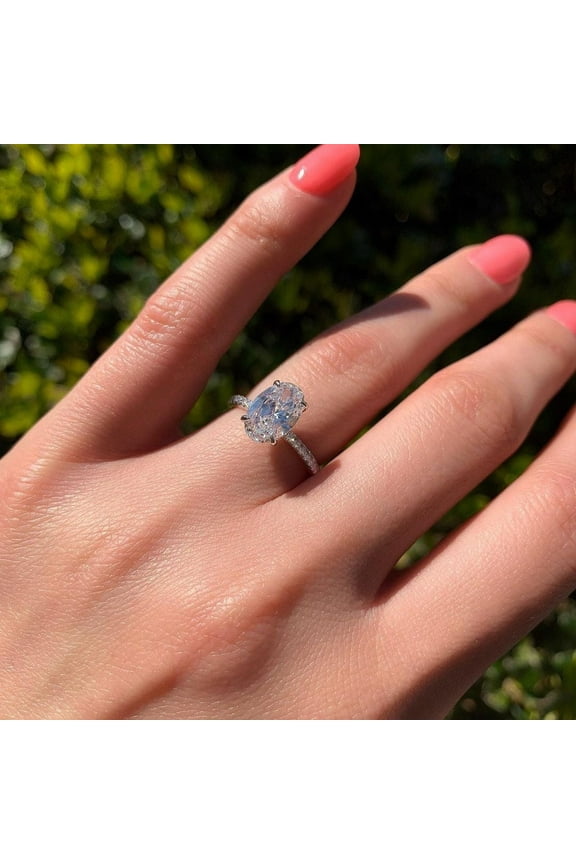
Oval engagement rings give you an elongated center stone look that feels refined and eye-catching. You can compare setting style, metal type, stone type, and carat weight to match your everyday wear and personal taste.
If you're choosing this shape, you'll notice it can make a center stone appear longer and larger than a round look. You can also use the oval silhouette to highlight slim bands, halos, and balanced three-stone designs.
How to choose oval engagement rings
When you compare oval cut engagement rings, you'll want to start with shape balance and face-up appearance. You should look for a pleasing length-to-width ratio that fits your hand and style goals.
You may also hear about the bowtie effect when you shop this category. You'll see this as a soft shadow across the center, and you can decide how visible you want it.
Because this shape has curved ends, you'll want to check how the setting protects the stone outline. You can look for prong placement that frames the tip areas and keeps the center stone visually balanced.
- You can choose an oval shape when you want an elongated look on your finger.
- You can compare bowtie visibility to find a center stone appearance you enjoy.
- You can use the shape with slim bands, halos, or three-stone settings.
- You can pair different metals and stone types with the same oval silhouette.
Choosing the right setting style
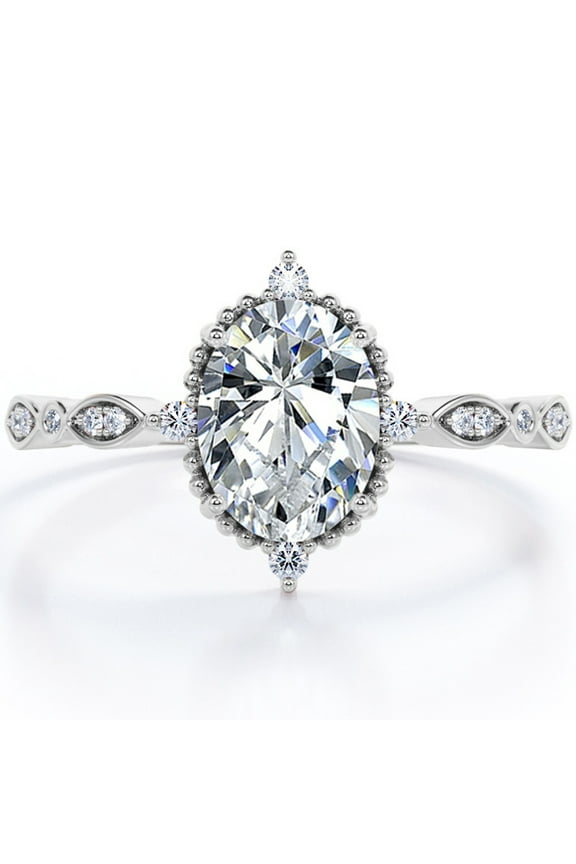
Setting style changes both the look and the coverage around your center stone. You can use solitaire settings for a clean profile, or you can choose halo designs for extra visual presence.
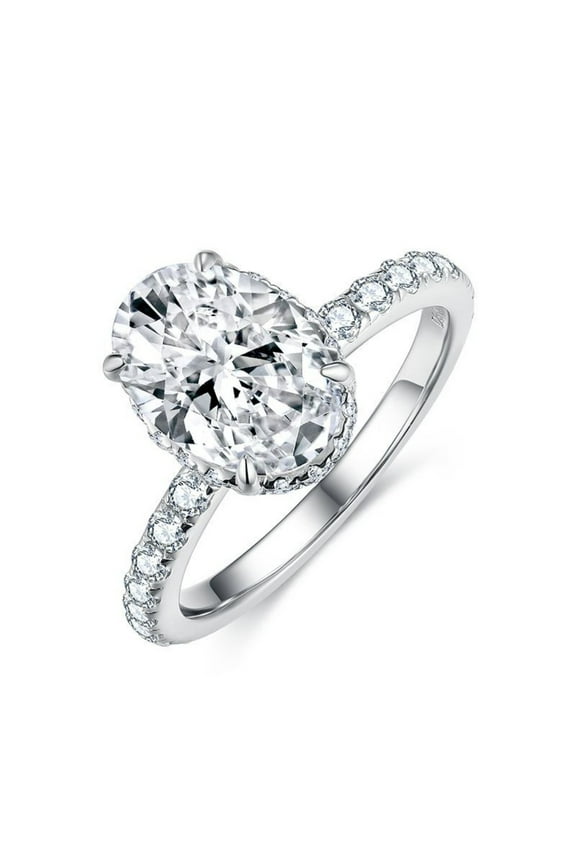
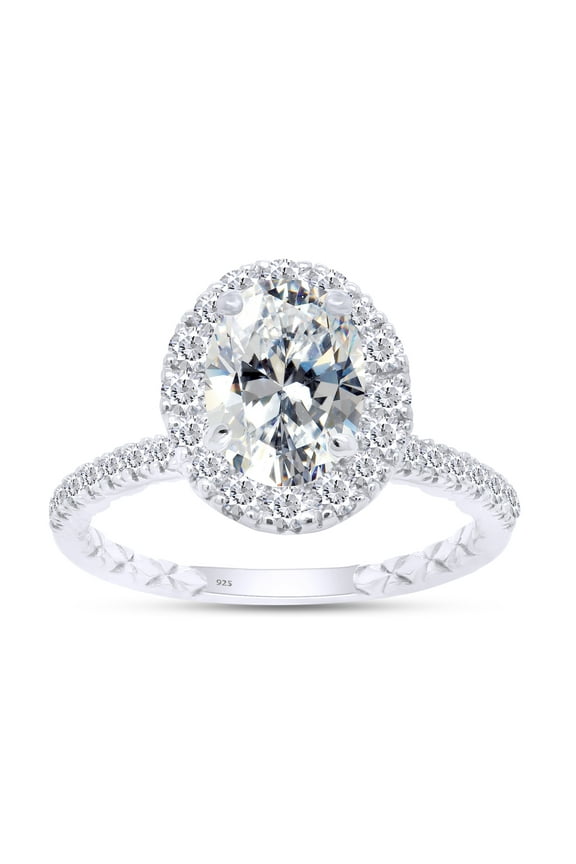
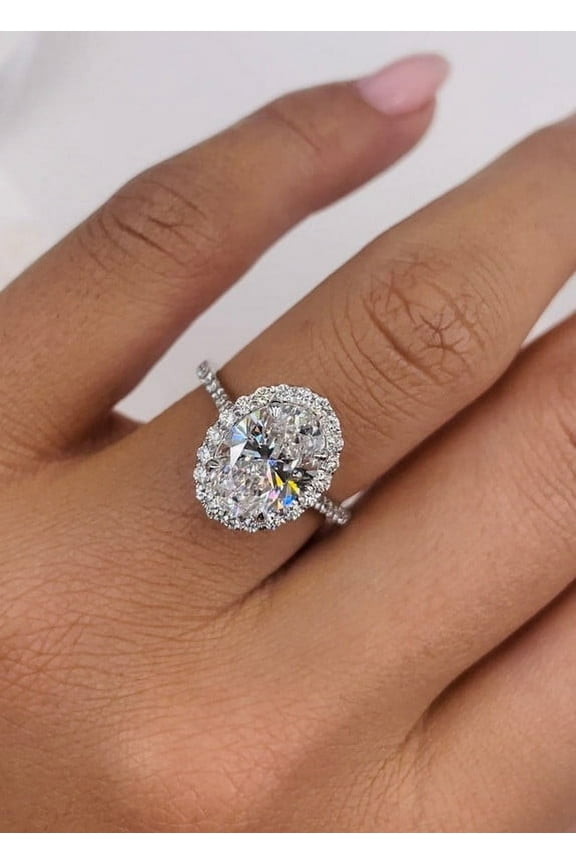
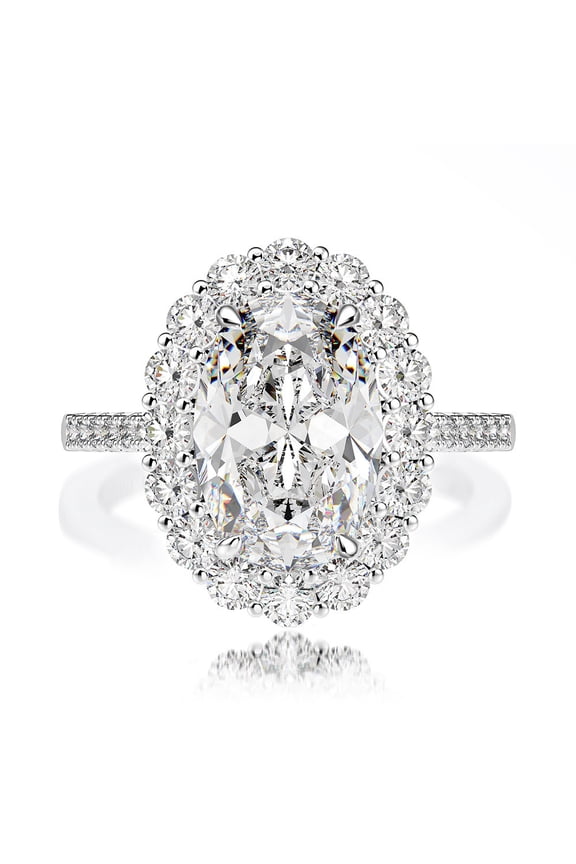
If you're considering oval halo engagement rings, you'll get a framed center look with small accent stones around the oval. You can use that outline to emphasize sparkle and add definition from a distance.
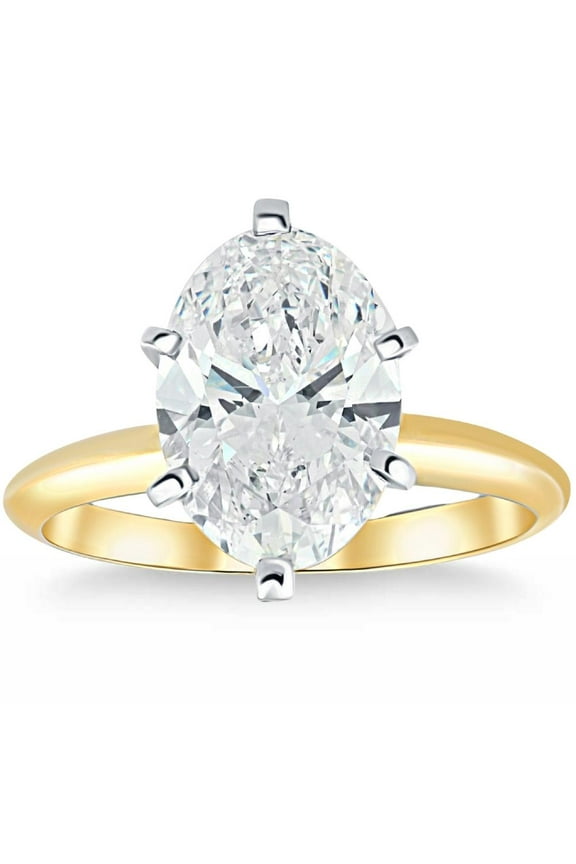
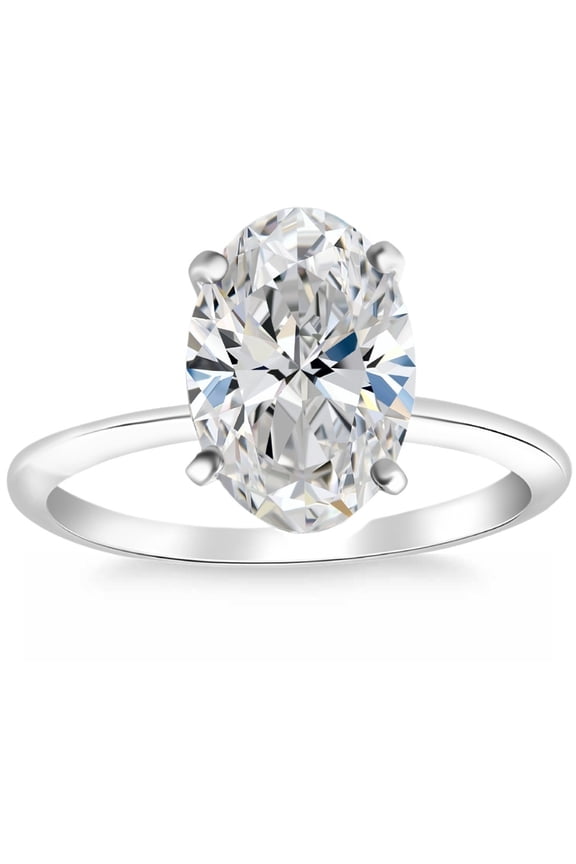
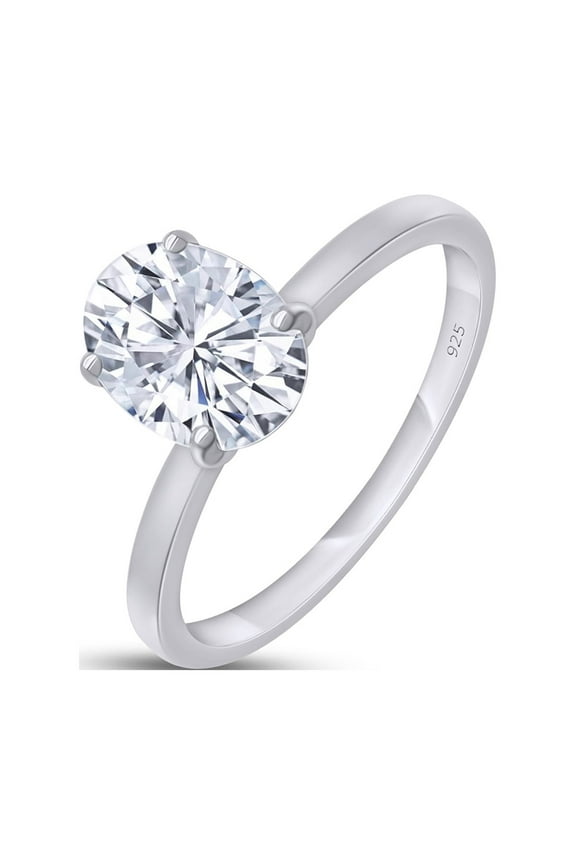
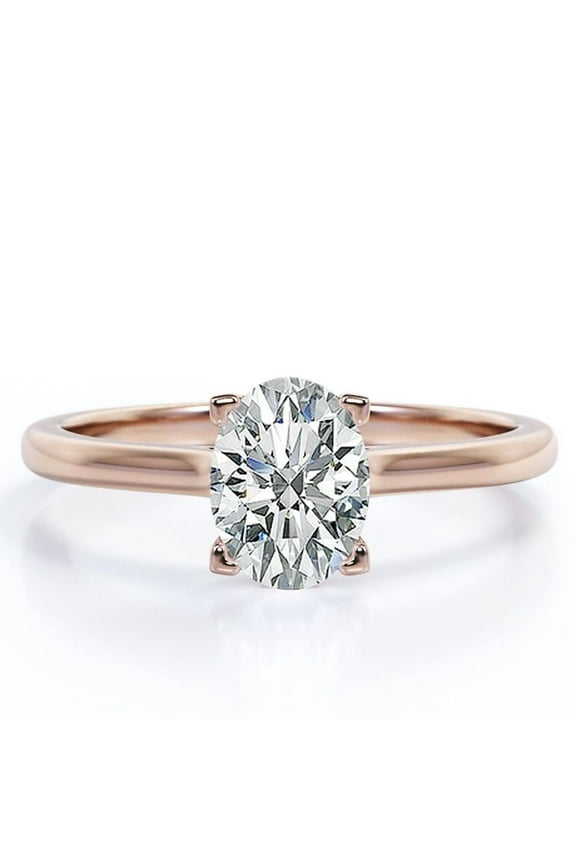
If you prefer oval solitaire engagement rings, you'll keep the center stone as the main focal point. You can also compare four-prong and six-prong looks for a balance of openness and structure.
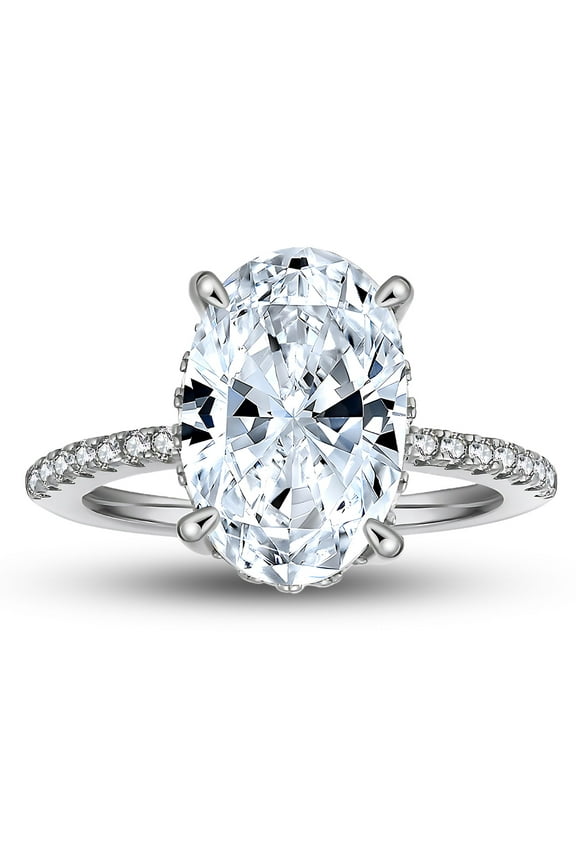
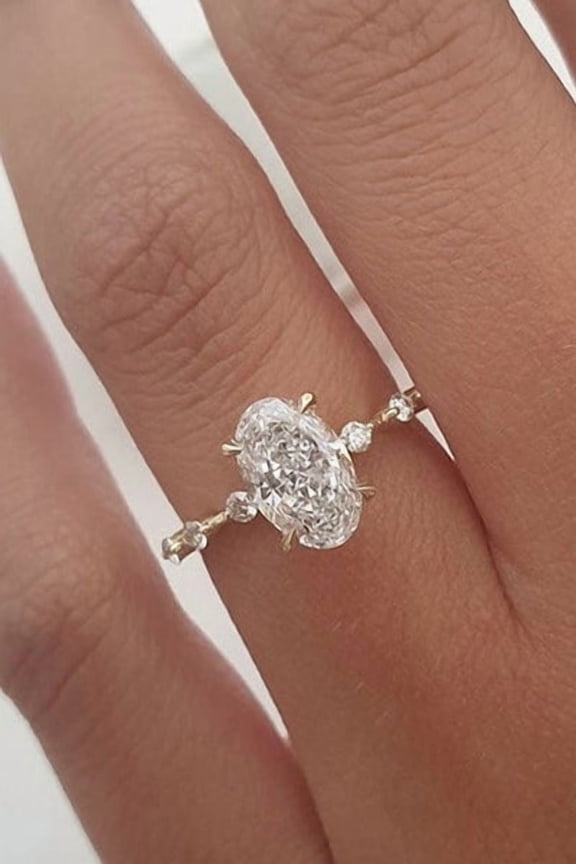
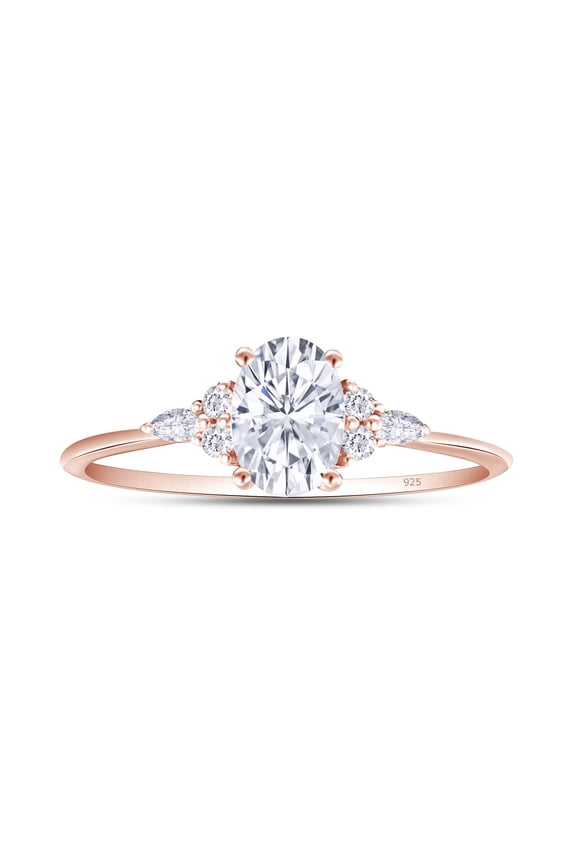
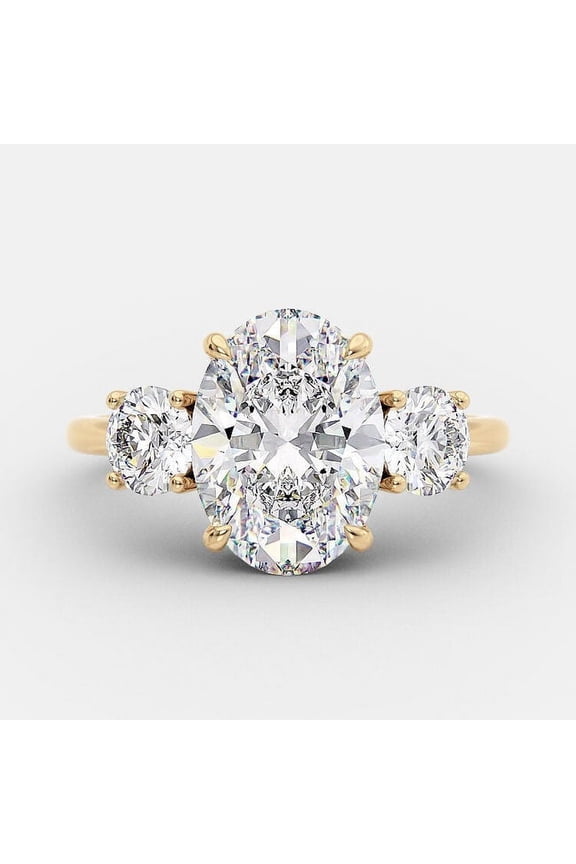
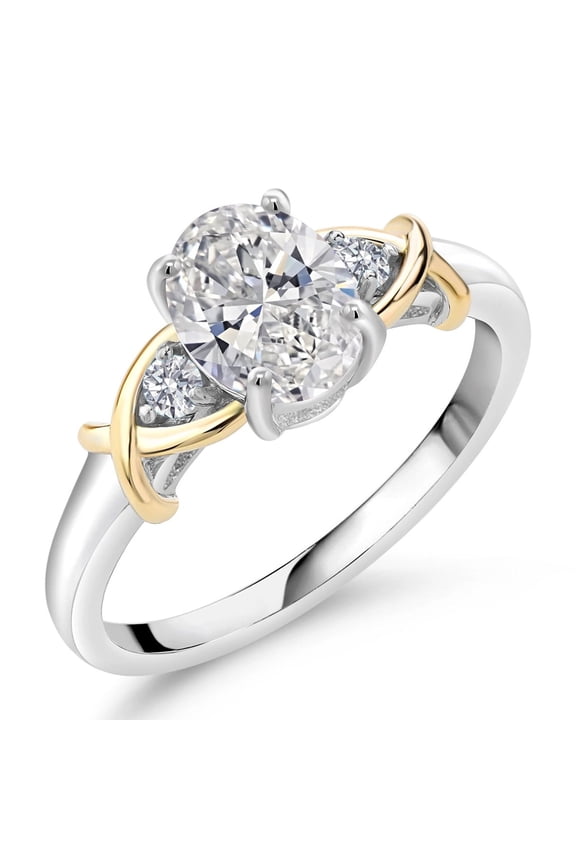
Three-stone settings can help you add side stones without changing the center shape you want. Pave bands can give you extra shimmer along the band while keeping the oval center prominent.
Comparing stone types for oval diamond engagement rings
Stone type is one of the biggest decisions you'll make in this category. You can compare natural diamond, lab-grown diamond, moissanite, and cubic zirconia based on appearance, origin, and shopping priorities.
If you're exploring oval diamond engagement rings, you'll often choose between natural and lab-created stones first. You can expect the same oval shape options across both, including solitaire, halo, and three-stone styles.
When you review lab grown oval engagement rings, you can focus on cut appearance, clarity, and the overall look on your hand. You can also compare moissanite or cubic zirconia if you want additional stone options in the same shape.
Because oval cuts show shape and light differently than round stones, you'll want to examine photos closely. You should check whether the center looks bright across the middle and balanced from end to end.
Choosing metal type and daily-wear details
Metal type affects the color, durability feel, and overall style of your ring. You can compare yellow gold, white gold, rose gold, and platinum based on tone and daily-wear preferences.
If you like warm contrast, gold oval engagement rings in yellow gold can highlight the center shape with a classic look. If you want a cooler finish, you can choose white gold or platinum for a crisp appearance.
Platinum can appeal to you if you want a naturally white metal with a substantial feel. White gold can appeal to you if you want a bright finish and a familiar jewelry look.
Rose gold can give your oval center a softer tone that stands out from traditional white metals. You can compare band width and prong color too, because those details change how your stone appears.
Matching carat weight to your style
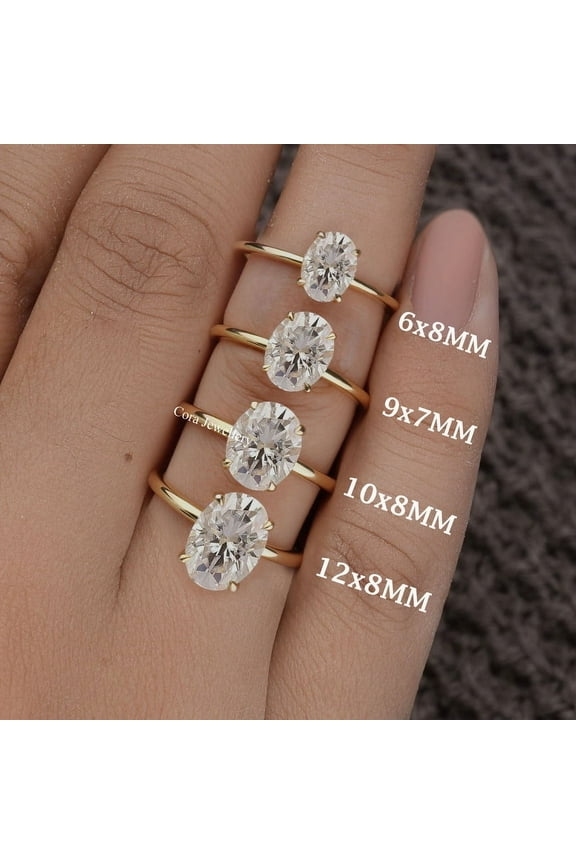
Carat weight looks different in an oval shape than it does in many other cuts. You can often get a longer face-up look from one carat, 1.5 carat, two carat, or three carat oval styles.
If you're narrowing down a two carat oval engagement ring, you'll want to consider finger coverage and band proportion. You can pair that size with a halo for extra outline or a solitaire for a cleaner profile.
Smaller carat options can give you a balanced look with less visual width across the hand. Larger carat options can create stronger finger coverage, especially when you choose elongated proportions.
How to match oval cut engagement rings to real occasions
You can choose a solitaire in platinum or white gold if you want a clean ring for daily wear. You can choose a halo in yellow gold if you want stronger contrast and a framed center look.
If you want a modern look, you can compare lab-grown stones with slim pave bands. If you want a traditional feel, you can pair a natural diamond with a solitaire or three-stone setting.
You can also use rose gold and moissanite when you want a softer color story with noticeable brilliance. If your style leans classic, you can keep the oval center prominent with simple prongs and minimal side detail.
As you compare oval engagement rings, you'll have clear choices across shape appearance, stone type, setting, and metal. You can use those details to find a ring that feels balanced on your hand and polished every day.