


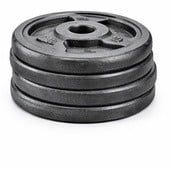
Weight Plates & Racks































About Weight Plates & Racks - Walmart.com
Weight plates help you build a flexible strength setup for home training or garage sessions. You can compare collar size, material, plate design, and weight jumps to match your barbell and routine.
If you train across presses, squats, rows, and deadlifts, you need plates that fit smoothly. You can choose cast iron, bumper, urethane, and grip-focused options for different lifting goals.
How to choose weight plates for your setup
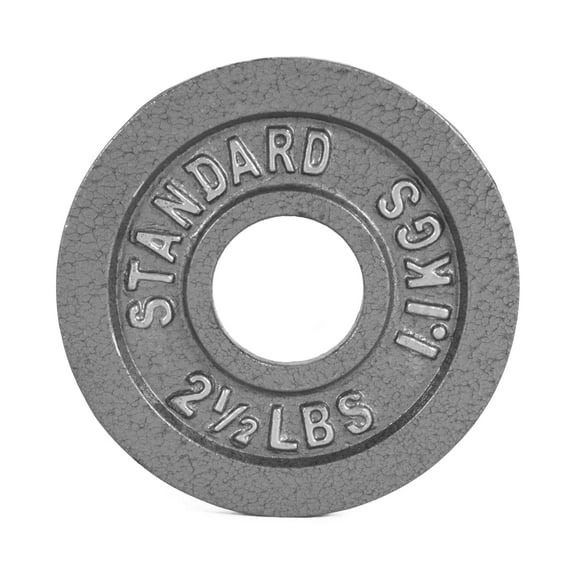
Start with collar opening size, because your plates need to match your barbell sleeves. You’ll usually choose Olympic weight plates with a 2-inch opening or Standard plates with a 1-inch opening.
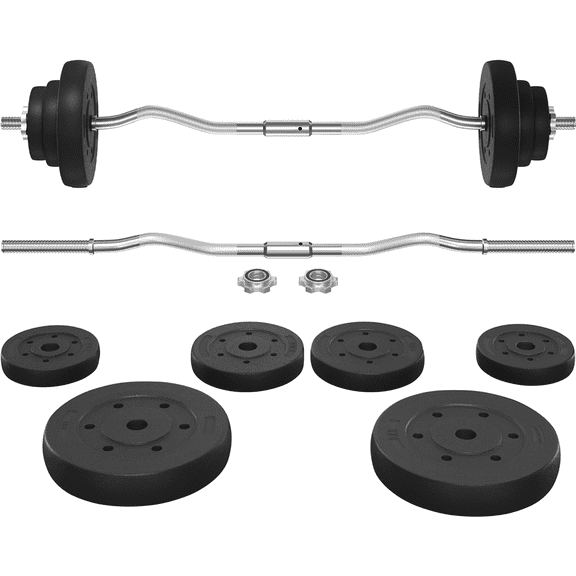
If you use a full-size barbell, you’ll often need 2-inch plates for a secure fit. If you use lighter home equipment, your setup may call for 1-inch barbell plates instead.
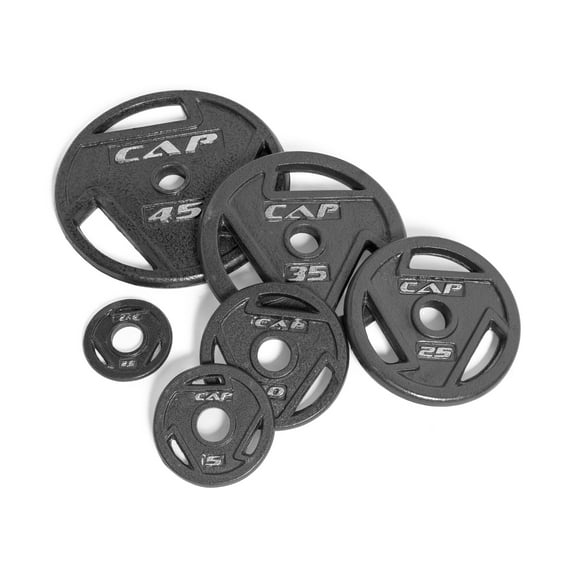
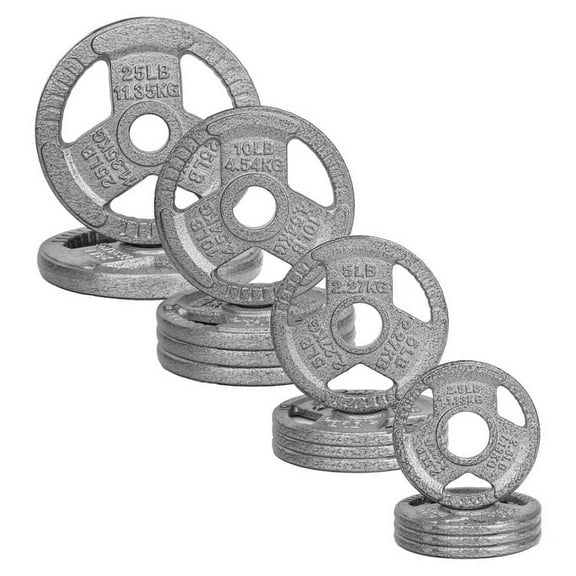
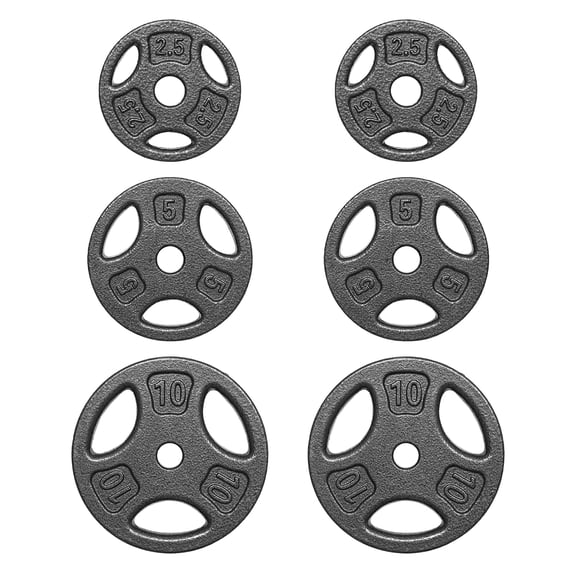
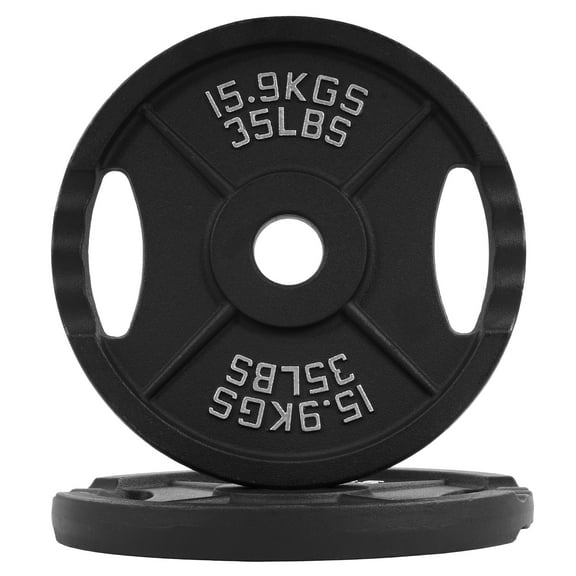
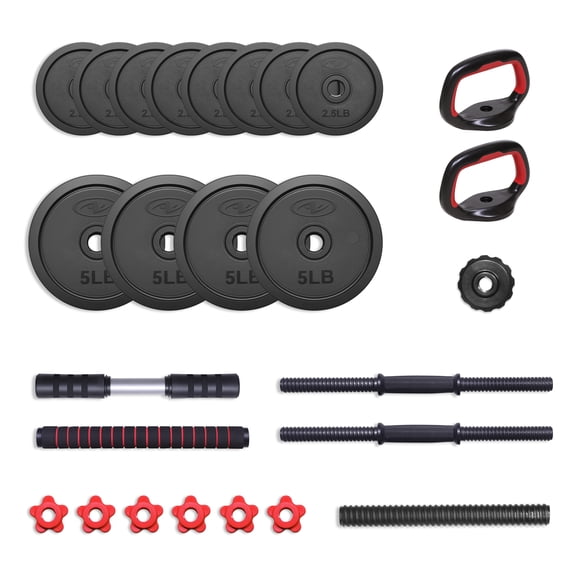
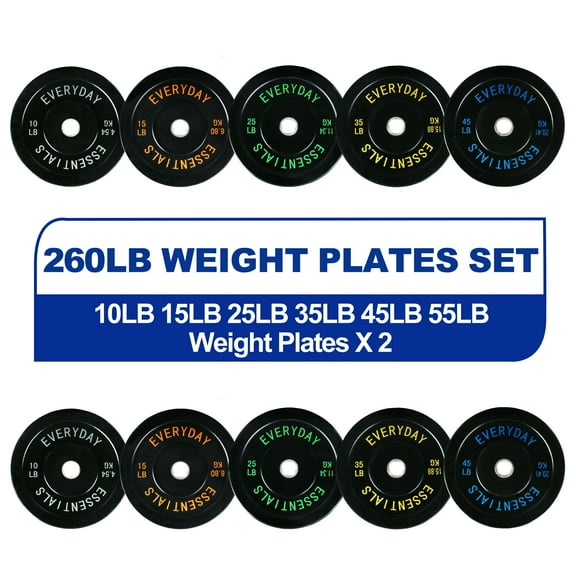
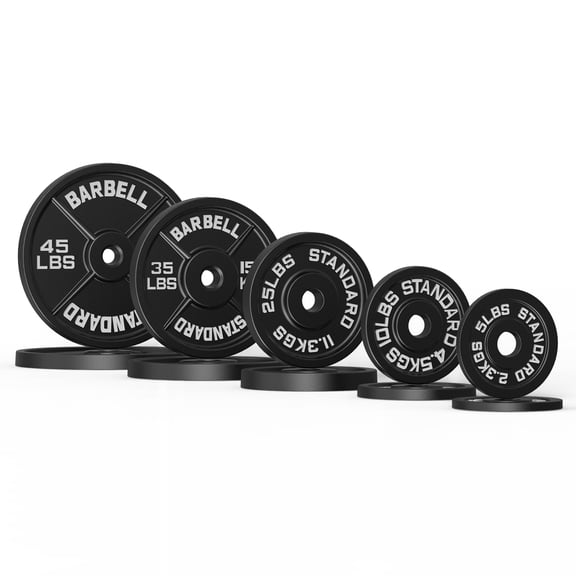
Next, compare weight increments so you can build steady progress into your routine. You’ll commonly see 2.5 lb, 5 lb, 10 lb, 25 lb, 35 lb, and 45 lb weight plates.
- You can match Olympic or Standard openings to your current barbell.
- You can choose smaller jumps for controlled progression on presses, curls, and accessory lifts.
- You can use larger plates for squats, deadlifts, and bench sessions.
- You can compare grip plates and solid disc styles for handling and storage preferences.
When you plan your set this way, you can avoid fit issues and uneven loading. This helps you build a plate collection that supports daily sessions and long-term progress.
Choosing the right olympic weight plates
Olympic weight plates fit 2-inch bar sleeves, which you’ll see on many strength training barbells. You’ll often choose them for squats, presses, rows, and deadlifts in home gym setups.
Check whether your rack, bar, and collars use the Olympic standard before you buy additional plates. You can achieve smoother loading and a more consistent fit when your plate opening matches your equipment.
If you want flexibility, you can mix lighter and heavier increments for warmups, work sets, and accessory movements. You’ll notice that 45 lb weight plates often anchor heavier barbell sessions, while smaller sizes fine-tune progression.
Bumper plates vs cast iron weight plates
Plate material shapes how your lifts feel, sound, and store between sessions. You can compare cast iron weight plates, bumper plates, rubber weight plates, and urethane-coated options by how you train.
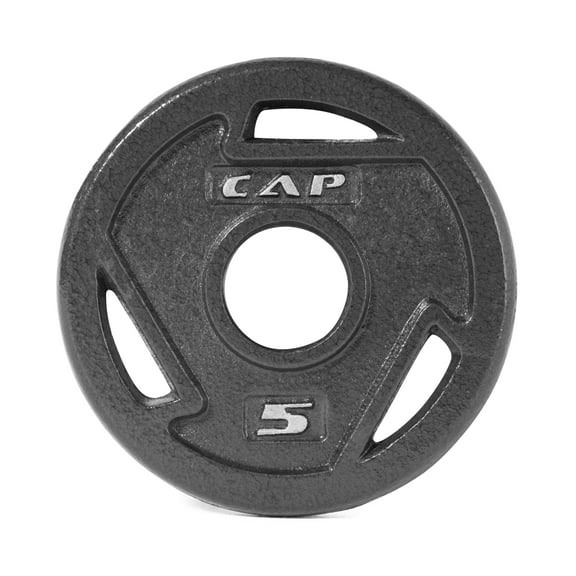
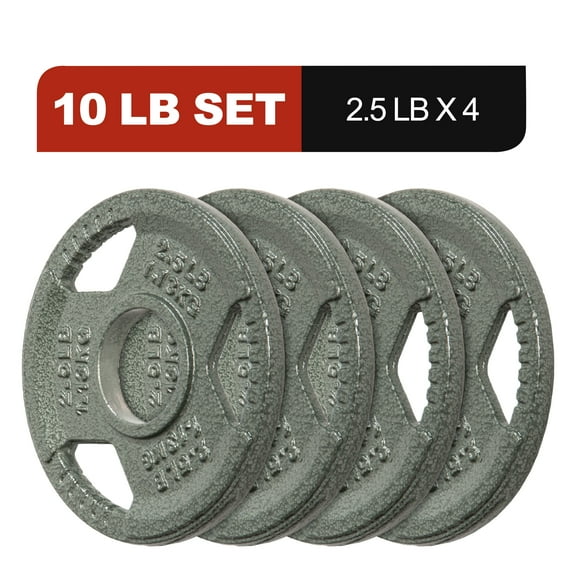
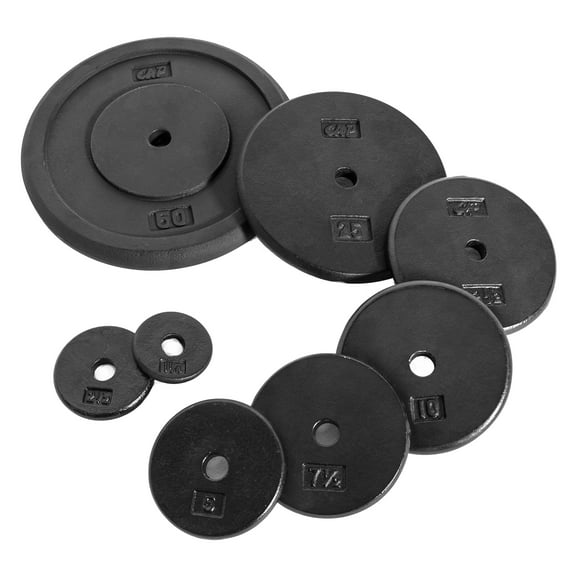
Cast iron plates give you a classic, compact feel on the bar. You’ll often prefer them when you want thinner plates that let you load more weight onto the sleeve.
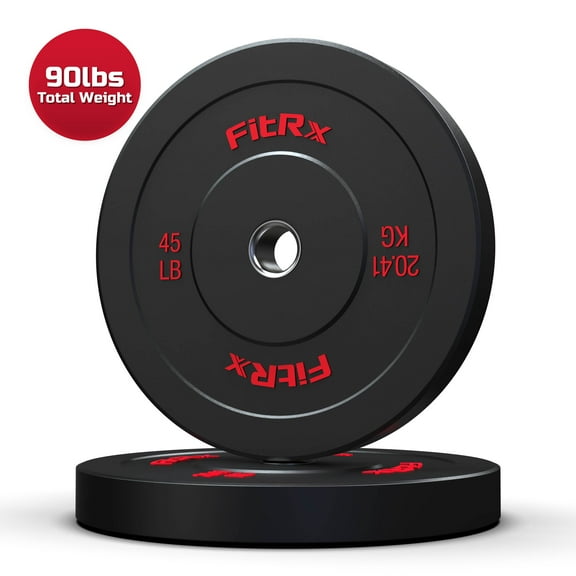
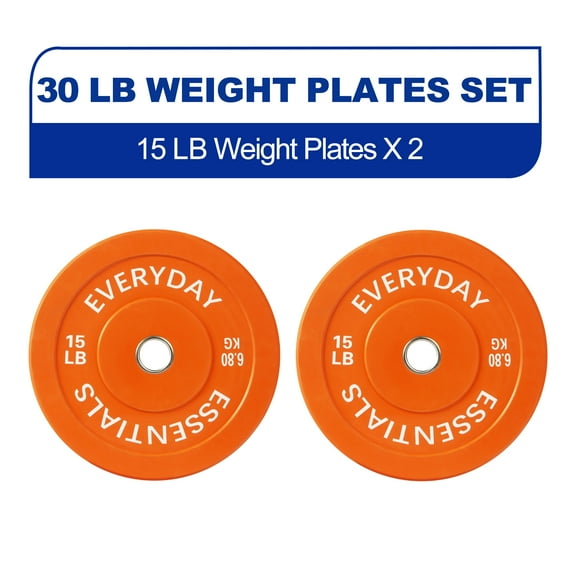
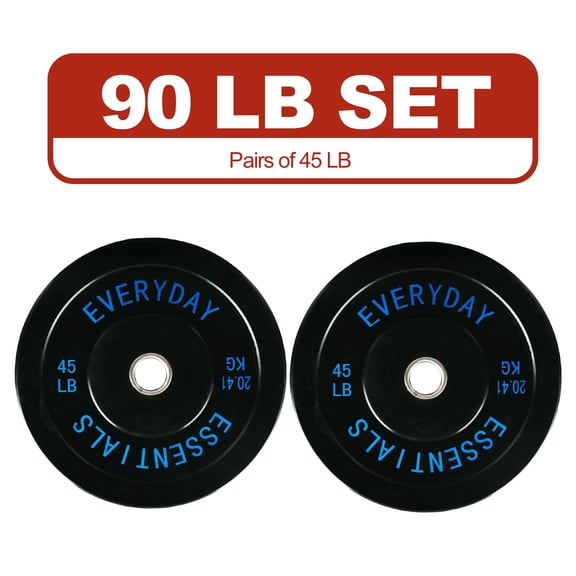
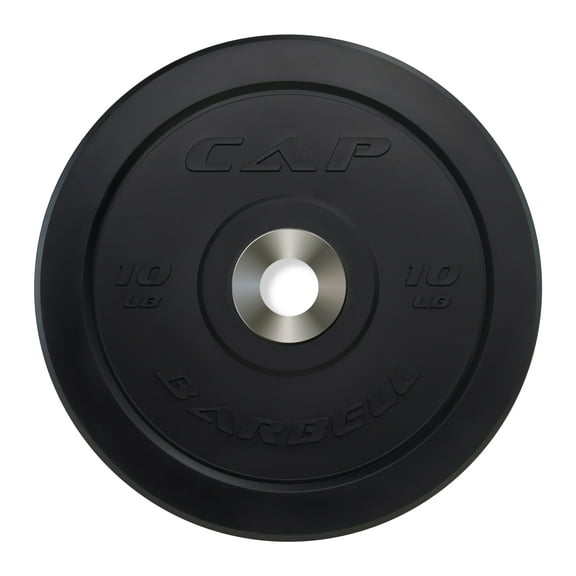
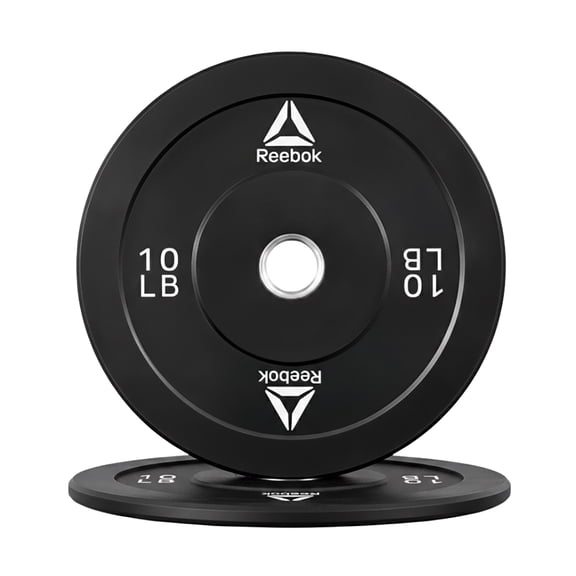
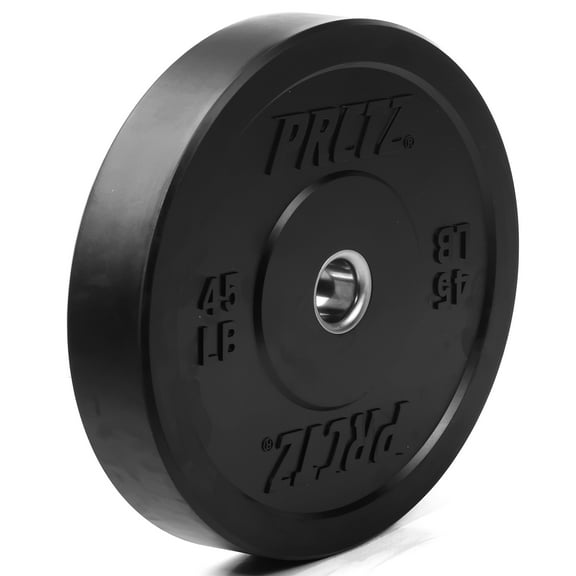
Bumper plates use dense rubber construction, so you get a uniform diameter on many common sizes. You’ll often choose bumper plates for Olympic lifts, platform training, and repeated floor loading.
Rubber weight plates can help you reduce clang during home workouts and shared-space sessions. This also helps provide added surface protection that many garage gym users appreciate.
Urethane-coated plates give you a durable outer finish with a clean, polished look. You may prefer them when your training space doubles as a finished room and appearance matters.
Steel plates and calibrated styles can appeal to lifters who track loading closely. You’ll want to compare calibration variance when precise jumps matter for competitive-style training.
What to look for in grip plates and plate design
Plate design affects how easily you load, carry, and use plates beyond the barbell. You can choose grip plates, solid disc plates, or hexagonal styles based on handling needs.
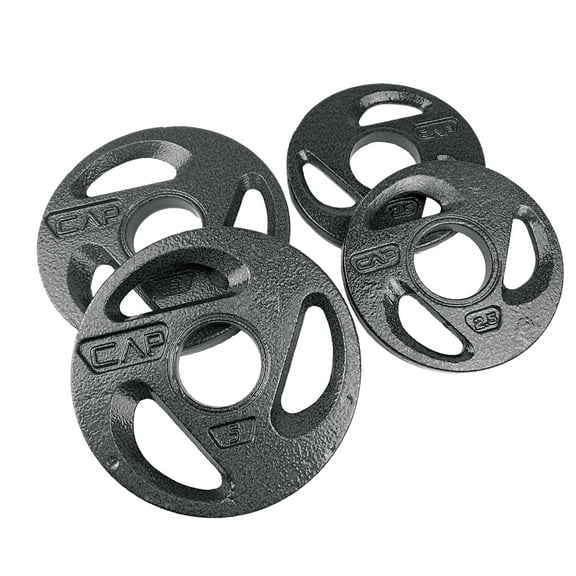
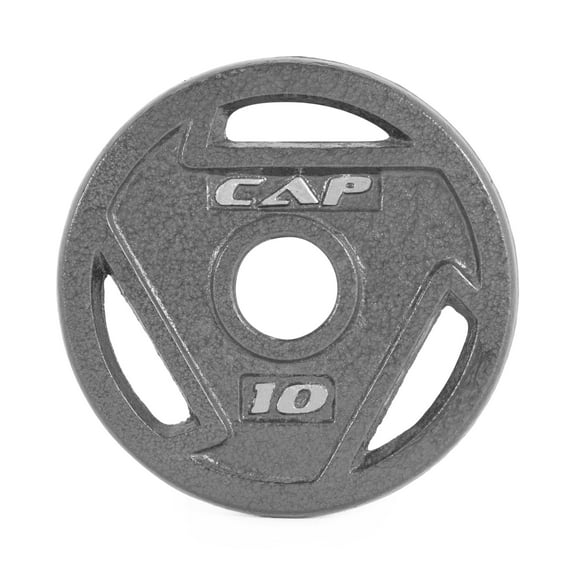
Grip plates include cutouts or handles that support quicker loading between sets. You’ll also find them useful for plate-only moves like front raises, twists, and overhead holds.
Solid disc plates offer a simple profile that many lifters like for traditional barbell work. You may choose them when you want a straightforward look and a dense, compact shape.
Hexagonal plate designs can stay put more easily during floor-based exercises. You’ll appreciate that extra stability when you use plates for weighted sit-ups, carries, or standalone drills.
As you compare designs, measure your storage pegs and plate tree capacity. This helps keep your gym more organized when your plates stack cleanly and move comfortably in your hands.
Using weight increments for real training goals
Weight jumps matter because your progress rarely moves in huge leaps every week. You can use 2.5 lb and 5 lb plates for slower increases on shoulder work, curls, and technique-focused movements.
Ten-pound and 25-pound plates often support general strength sessions across upper and lower body days. You’ll use them often when you want efficient loading without oversized jumps.
Thirty-five-pound and 45 lb weight plates usually come into play for heavier compound lifts. You’ll rely on them for deadlift, squat, and bench progressions when your working sets climb.
If you train with multiple people, a wider spread of sizes gives you more flexibility. You can build personalized loads for beginners, intermediate lifters, and experienced barbell users on the same rack.
For circuit training, you may want grip plates that move quickly from bar to floor exercise. You’ll get smoother transitions during supersets, conditioning blocks, and compact home gym routines.
How your training style guides your choice
If you focus on classic power movements, you may lean toward cast iron or steel plates. You can benefit from compact loading and familiar bar feel during heavy sets.
If you practice cleans, snatches, or frequent overhead work, bumper styles often make more sense. You’ll get a plate format designed around repeated platform contact and consistent diameter.
For mixed-use home gyms, you may want a combination of bumper plates and smaller iron change plates. You can cover technique work, strength days, and accessory sessions with fewer equipment gaps.
When you choose by compatibility, material, design, and increment, your setup becomes easier to use every week. This helps you choose plates that fit your bar, your space, and your training plan.