

Oil Pans in Engine Parts


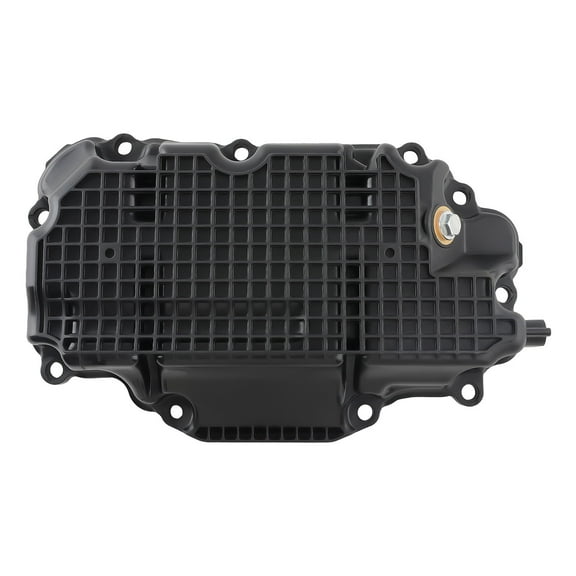
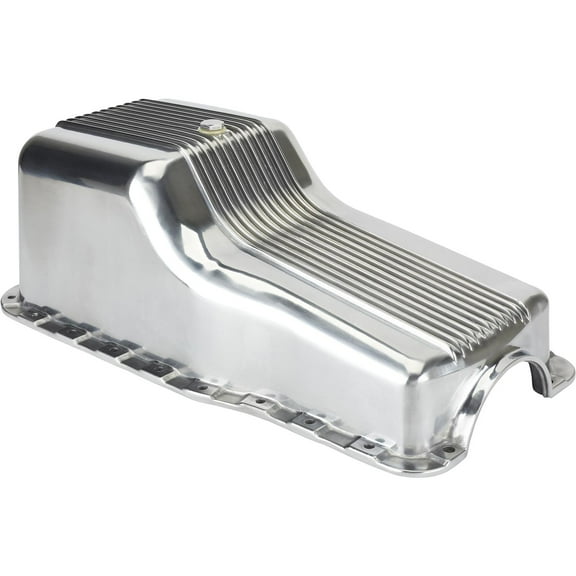
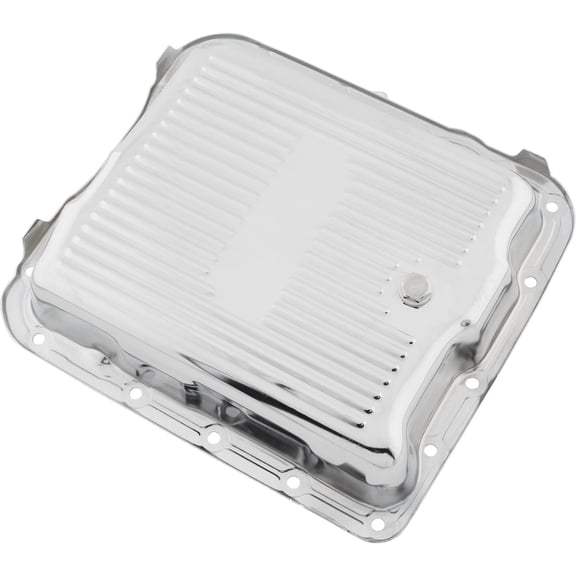
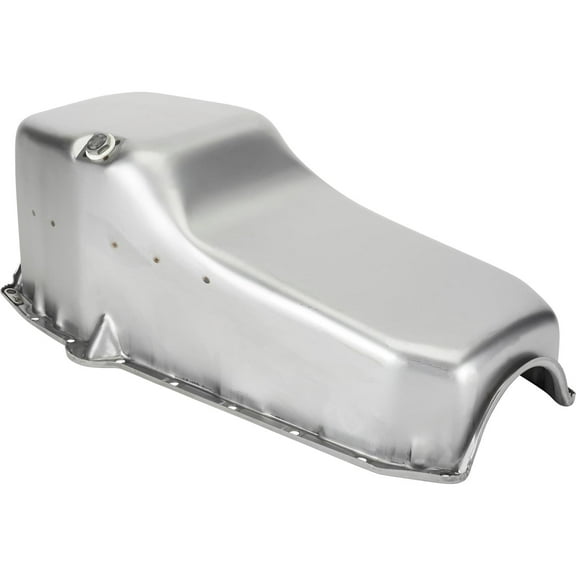
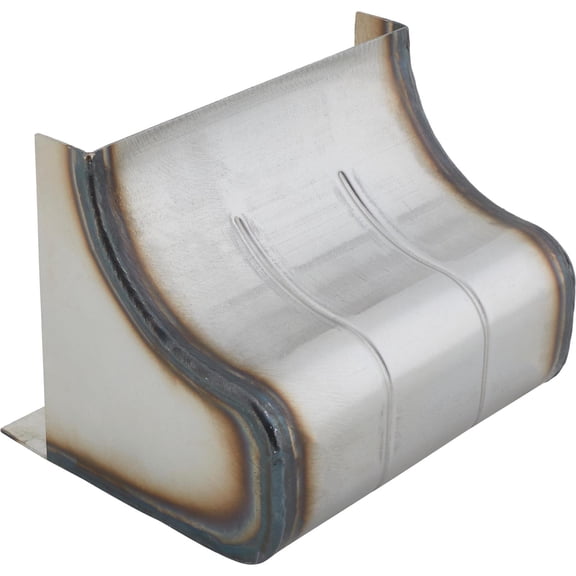

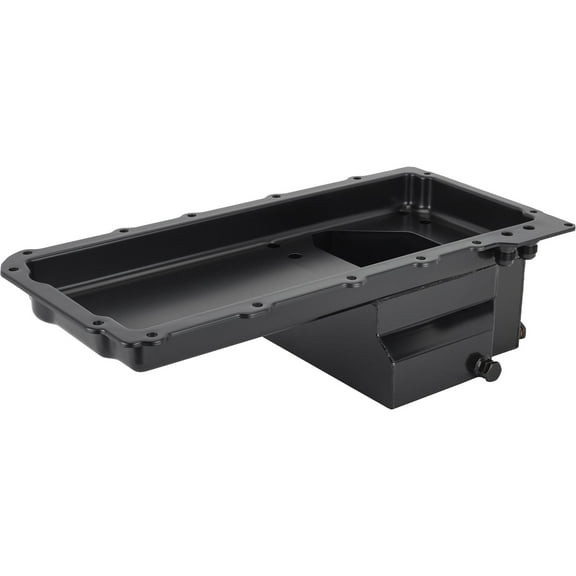
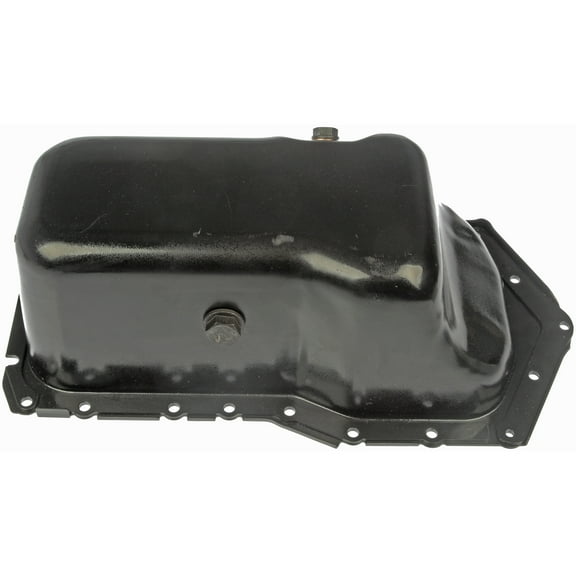


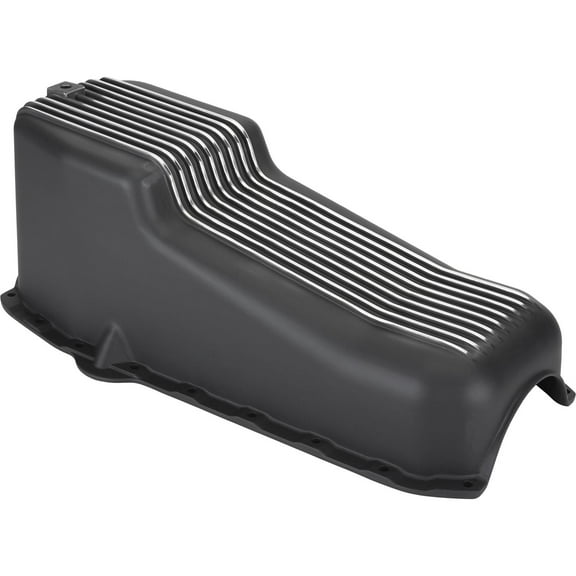

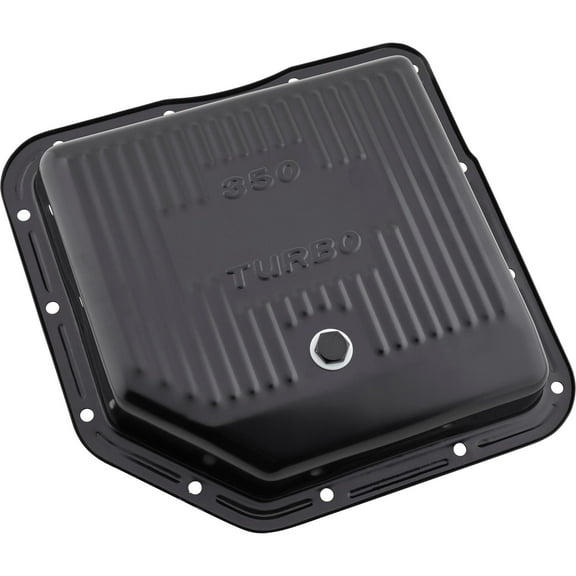
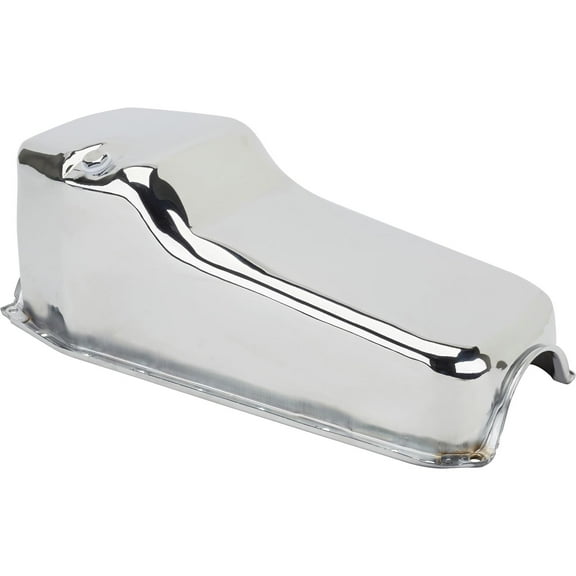


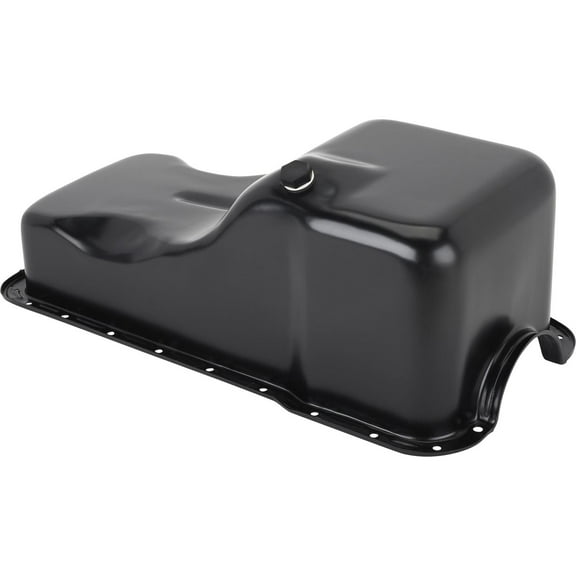
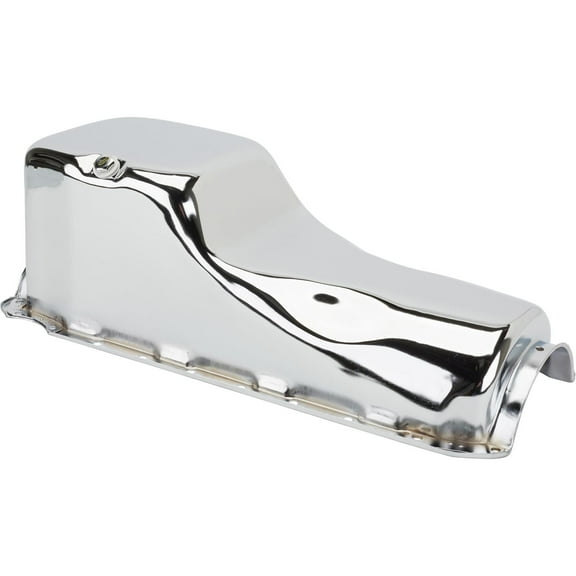

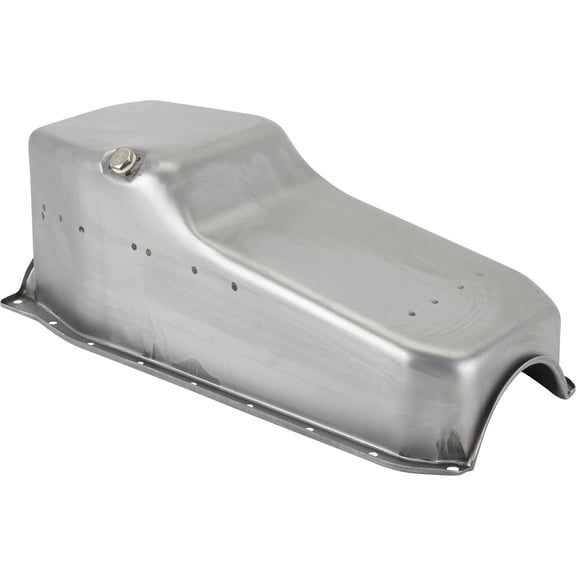


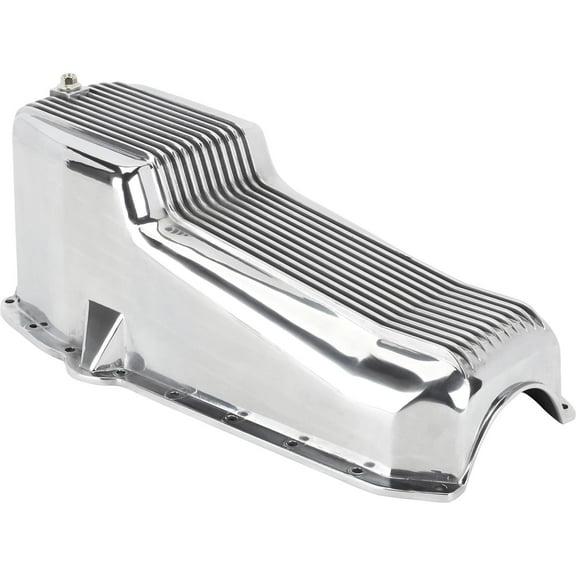
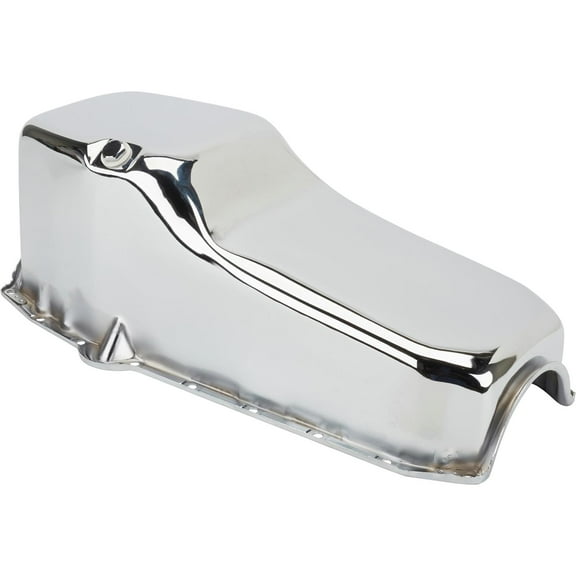








About Oil Pans in Engine Parts - Walmart.com
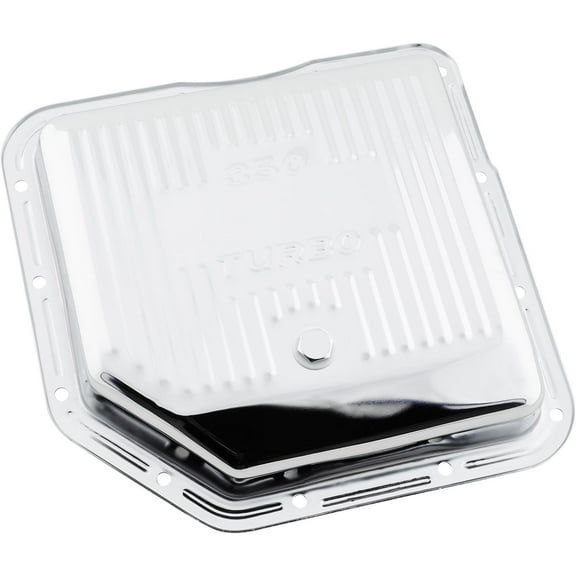
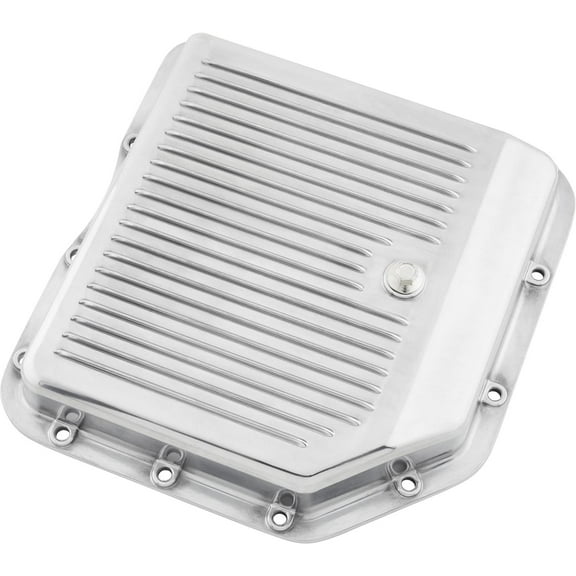
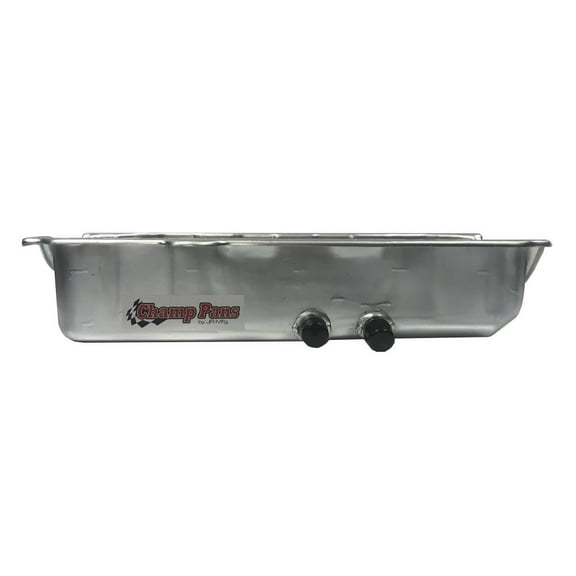
Oil pans help you restore proper engine fitment, fluid capacity, and under-engine clearance when your vehicle needs a correct replacement part. You can compare material, sump style, pan depth, and fitment details to match your engine block and your driving setup.
How to choose oil pans for your vehicle
You should start with vehicle fitment because small differences can affect installation. You need to check engine block generation, dipstick location, starter clearance, and bolt pattern before you choose.
A direct replacement works well when you want factory-style dimensions and mounting points. A performance upgrade may suit you when your build needs added capacity, extra baffling space, or different clearance.
You can narrow your options faster when you compare these decision points first. You’ll usually want to review material, sump style, capacity, and fitment type before ordering.
- You can match a direct replacement to factory pan rails and pickup placement.
- You can compare steel, aluminum, and cast iron for weight, heat movement, and impact handling.
- You can choose standard capacity or a deep oil pan for your engine setup.
- You can check whether a wet sump oil pan matches your street vehicle layout.
Choosing the right engine oil pan fitment
You’ll want an engine oil pan that lines up with your engine family and chassis space. You should measure pan depth and flange shape, and you should confirm drain plug placement.
Starter clearance matters because you need room around nearby components during installation. Dipstick location also matters because you need the pan and tube to align correctly.
You may also need to compare crossmember clearance and oil pickup compatibility. When you review those details early, you can avoid ordering a pan that physically won’t match.
Comparing replacement oil pans by material
You can choose replacement oil pans in steel, aluminum, or cast iron, depending on your priorities. Each material changes how your pan handles road contact, heat movement, and overall weight.
A steel oil pan often appeals when you want strong impact resistance under daily driving conditions. You may prefer it when your vehicle sees rough pavement, work use, or frequent road debris.
An aluminum oil pan can interest you when you want lighter weight and quicker heat transfer. You may notice aluminum options on builds where cooling behavior and reduced weight matter.
Cast iron options may suit you when your application calls for a heavy-duty construction style. You should confirm fitment closely because cast designs can vary by engine platform and intended use.
Understanding sump style and oil control
You should compare sump style based on how your vehicle stores and returns oil during operation. A wet sump oil pan keeps oil in the pan itself, which suits many street and daily-driven vehicles.
A dry sump setup stores oil in a separate reservoir, so your pan design works differently. You’d usually consider that layout for specialized racing builds with different plumbing and clearance needs.
You can use this decision point to avoid mixing parts from two different systems. If your vehicle uses a street layout, you’ll often look for a wet sump design first.
Choosing capacity from standard to deep oil pan designs
You can choose standard capacity when you want factory-like volume and stock-style packaging. That option often works well when your engine bay and pickup match original dimensions.
A deep oil pan gives you added capacity and a taller lower section under the engine. You may consider that style when your build creates more heat or longer high-rpm use.
You should still verify ground clearance because deeper pans extend farther below the engine. You’ll also want to confirm pickup tube compatibility when you move from standard to high-capacity designs.
How your driving setup shapes the right choice
You may want a direct replacement pan for a commuter car, truck, or older repair project. That route helps you stay close to stock dimensions, mounting points, and service procedures.
If your vehicle supports a modified engine setup, you may compare performance-oriented pans more closely. You can look for capacity changes, material differences, and configuration details that fit your build goals.
You might also replace related parts during the same job for a cleaner installation plan. You can review oil pan gaskets, drain plugs, oil filters, and motor oil at the same time.
When you choose with fitment, material, sump style, and capacity in mind, you can narrow the category with more confidence. You’ll end up with an oil pan that matches your engine layout and installation needs.