

NRS Straps Near Me: Heavy Duty Tie Down Straps





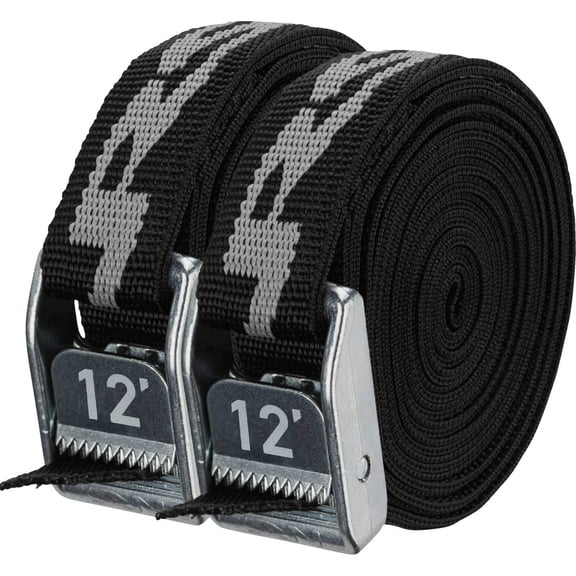


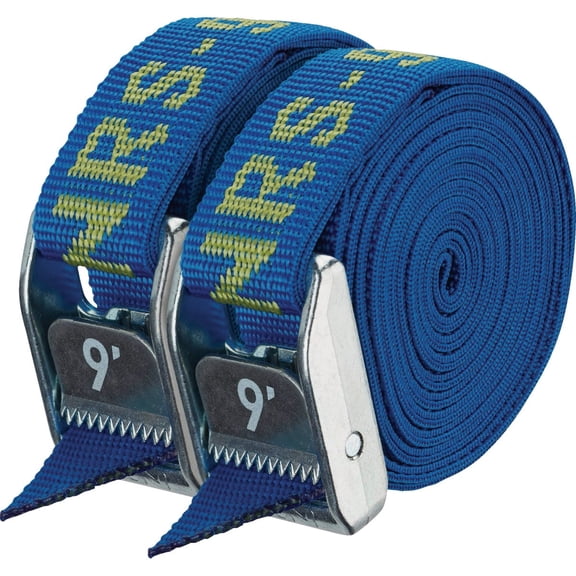
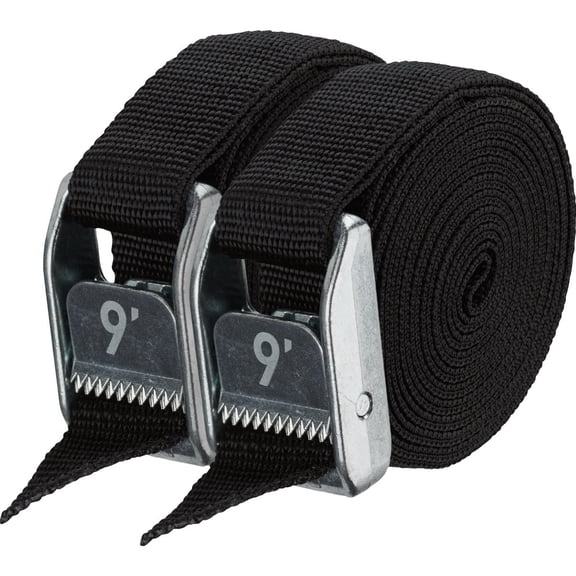


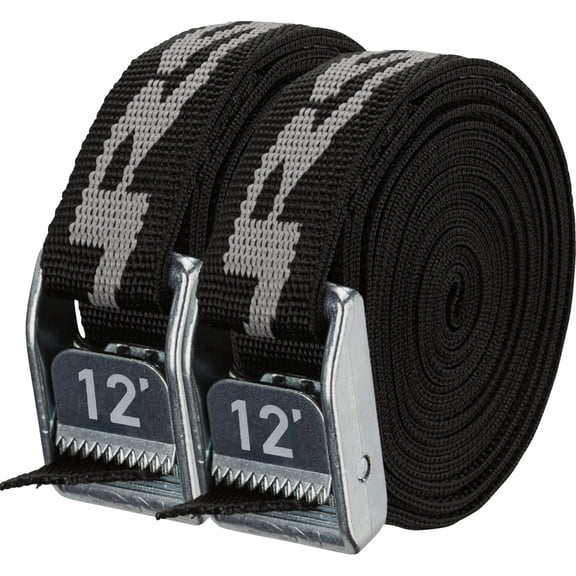


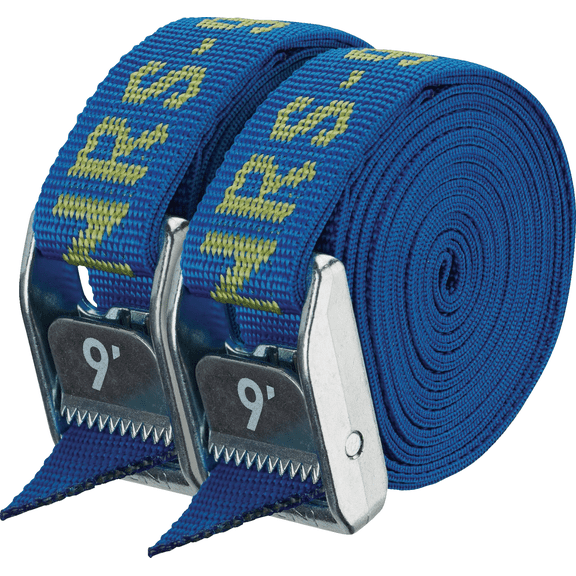


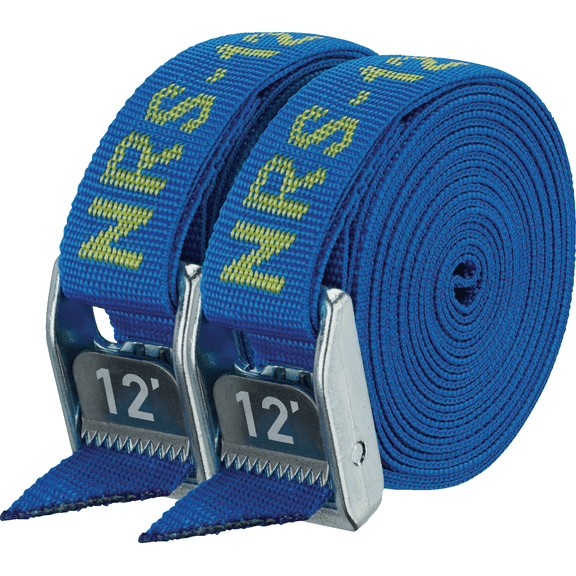


About NRS Straps Near Me: Heavy Duty Tie Down Straps - Walmart.com
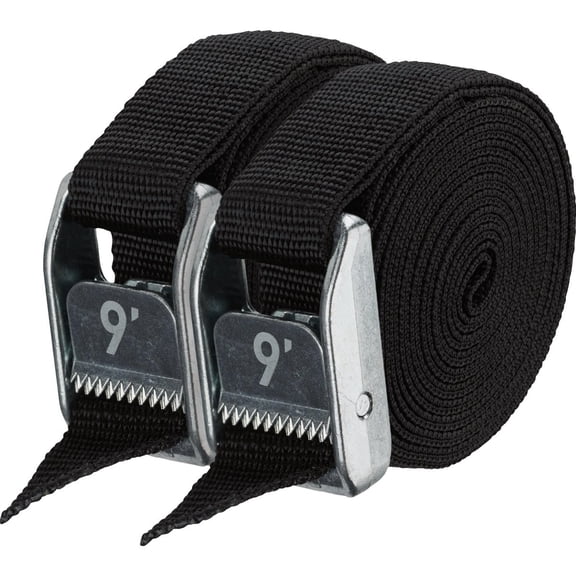
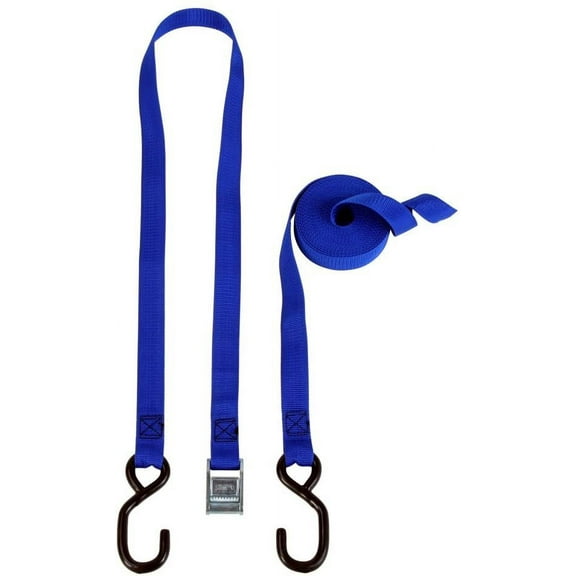
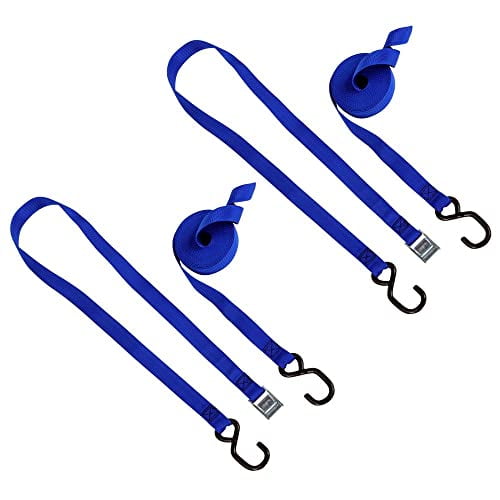
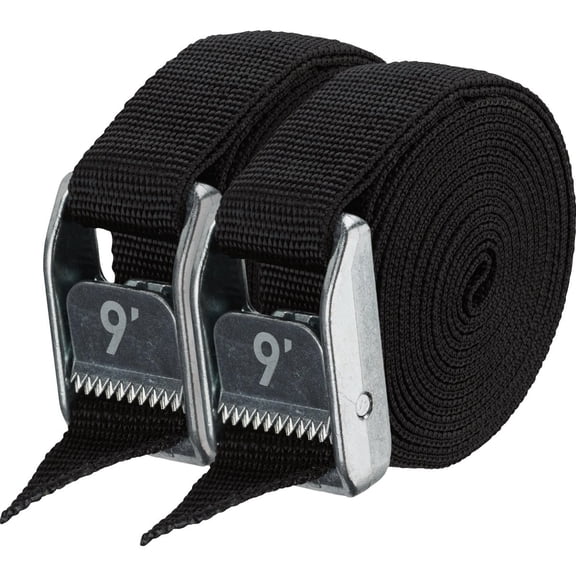
You can use NRS straps to secure boats, boards, and cargo with dependable cam buckle control. You’ll find strap length, buckle type, material, and load rating details that help your choice fit.
How to choose NRS straps for your load
When you compare strap length first, you can avoid extra slack or a strap that won’t wrap your gear. You should measure around your load and include anchor points before you choose.
For smaller bundles, you may prefer three foot, six foot, or nine foot lengths for compact wraps. For roof racks, rafts, and larger cargo, you may need 12 foot, 15 foot, or 20 foot straps.
If you transport kayaks on crossbars, you’ll want enough length to circle your hull and rack cleanly. If you secure coolers or dry boxes, you may want a shorter strap for tighter control.
Choosing between NRS tie down straps and ratchet styles
You should compare buckle type based on how much tension your gear needs during transport. You’ll often see NRS tie down straps with cam buckles for fast loading and easy adjustment.
A cam buckle lets you pull webbing through and fine tune tension without complicated hardware. You may prefer that design for rafting straps, kayak tie down straps, and roof rack setups.
If you need high mechanical tightening, you might compare ratchet buckle options for heavier cargo tie down jobs. You should still check whether that force matches your gear and anchor points.
- You can use cam buckle straps when you want quick loading and simple adjustment.
- You can choose extended lengths when your raft frame, canoe, or cargo stack needs sufficient wrap.
- You can compare webbing materials when your straps face sun, water, or repeated outdoor use.
- You should review working load limit and break strength before you secure heavier gear.
What to look for in NRS cam straps and webbing materials
When you compare NRS cam straps, you should look at webbing material as closely as buckle design. You’ll notice polypropylene webbing and nylon differ in feel, stretch, and wet-weather performance.
Polypropylene webbing can suit outdoor and marine use because you may want a strap that handles repeated splash exposure. Nylon can feel flexible, but you should compare how it behaves when wet.
You should also look for heavy duty tie down straps with dense webbing that resists edge wear. You’ll want stitching, buckle contact points, and strap width that match repeated transport use.
Load capacity matters just as much as material because your strap choice should match your cargo weight. You should compare working load limit and break strength instead of relying on appearance alone.
Working load limit tells you the load your strap is designed to handle during normal use. Break strength shows the maximum force threshold, but you shouldn’t use that number as your planning target.
Matching strap length and capacity to real use cases
If you rig a raft frame, you may want 12 foot, 15 foot, or 20 foot rafting straps. You should check frame width, tube size, and attachment points before you settle on length.
For kayak transport, you may prefer kayak tie down straps that wrap around your hull without excess tail. You can often use six foot or nine foot lengths for compact roof rack setups.
When you secure boards, dry bags, or camp boxes, you should compare strap width and buckle access. You’ll want a setup that lets you retighten quickly at the takeout or trailhead.
If you use straps on your truck bed or utility trailer, you may need extended wraps and clear capacity labels. You should match the strap to your full cargo shape, not only length.
Roof rack users often want a cam buckle strap that tightens smoothly around bars and gear. You can reduce clutter by choosing a length that leaves manageable tail after tightening.
For mixed outdoor kits, you may keep several sizes so your straps match changing gear lists. You’ll find that a three foot strap and a 15 foot strap solve very different tie-down jobs.
Why these NRS straps details matter before you choose
You can choose with added confidence when you compare length, buckle style, webbing, and load rating together. You’ll end up with straps that fit your gear, tighten cleanly, and travel with minimal guesswork.