








Colored Paper in Paper











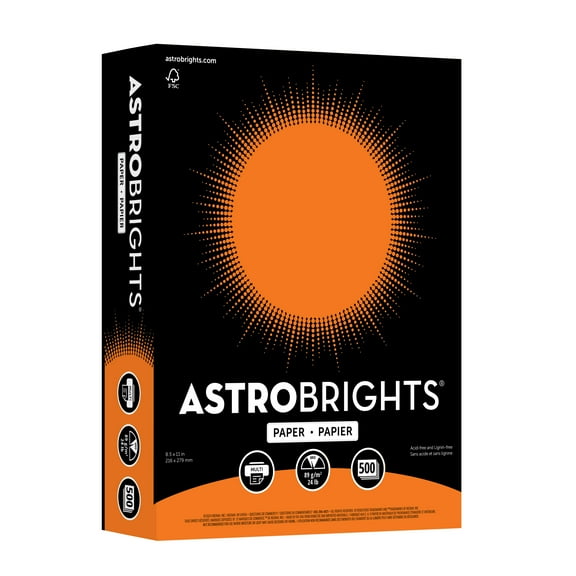
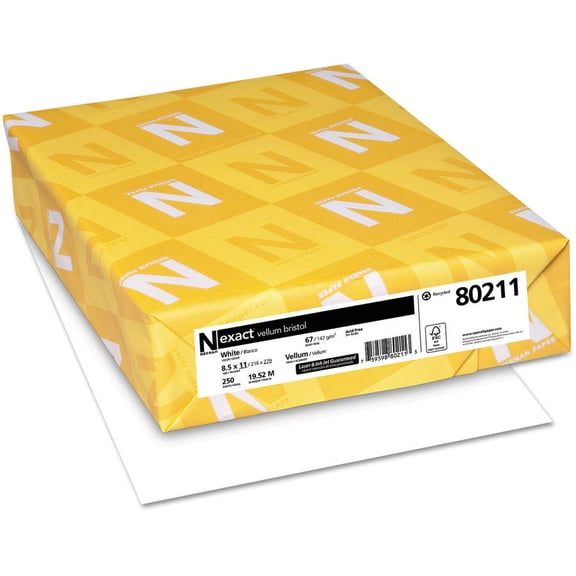
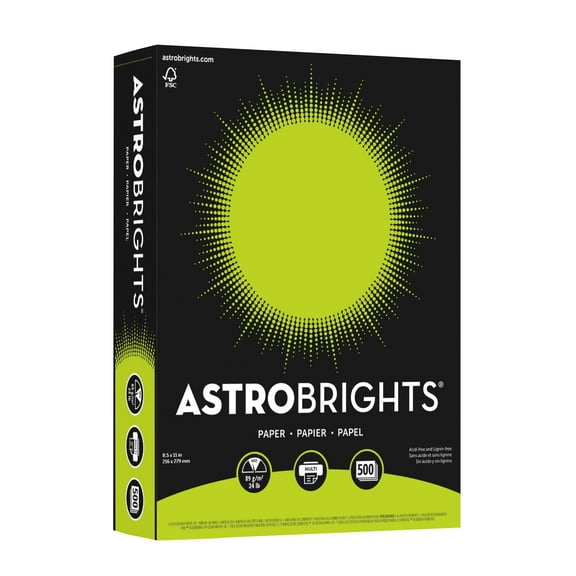
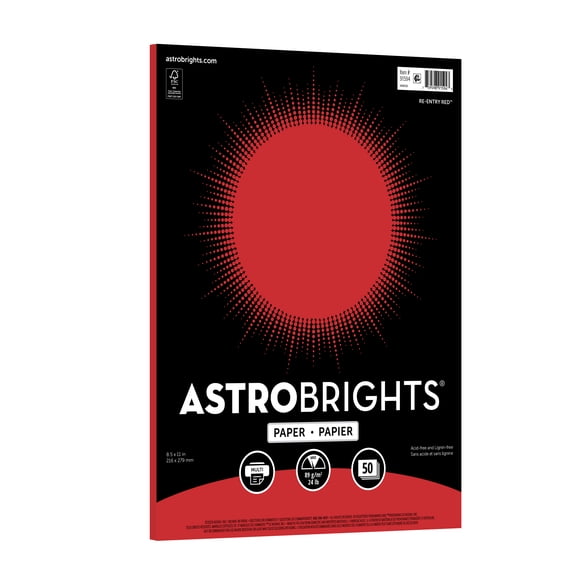




















About Colored Paper in Paper - Walmart.com
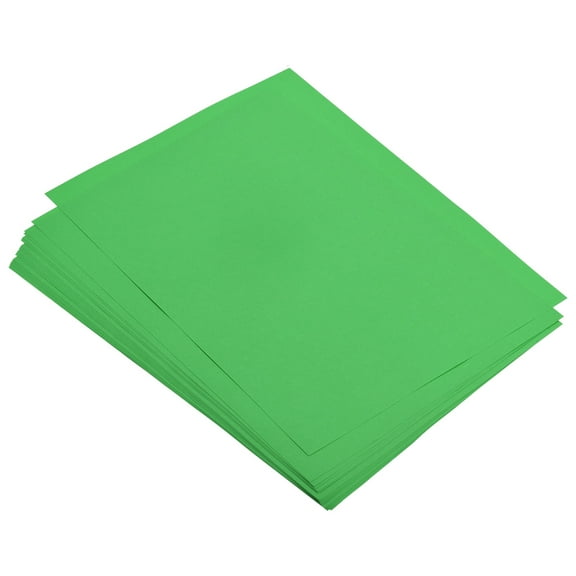
Colored paper helps you create brighter flyers, crafts, and classroom projects with the right shade, size, and thickness for each task. You can compare printer-friendly sheets, sturdy cardstock, and construction paper in one place, so your project starts with a cleaner match.
How to choose colored paper for your project
When you shop for colored paper, you should start with how you plan to use it. You may need flexible sheets for printing, thicker stock for signs, or softer construction paper for cutting and folding.
If you want smooth pages for documents, colored printer paper in 20 lb or 24 lb weights usually feels familiar in home and office printers. If you want bolder invitations or layered crafts, colored cardstock in 65 lb or heavyweight options gives you more structure.
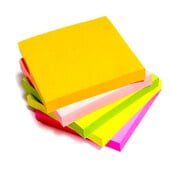
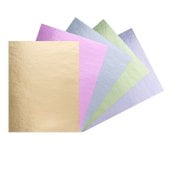
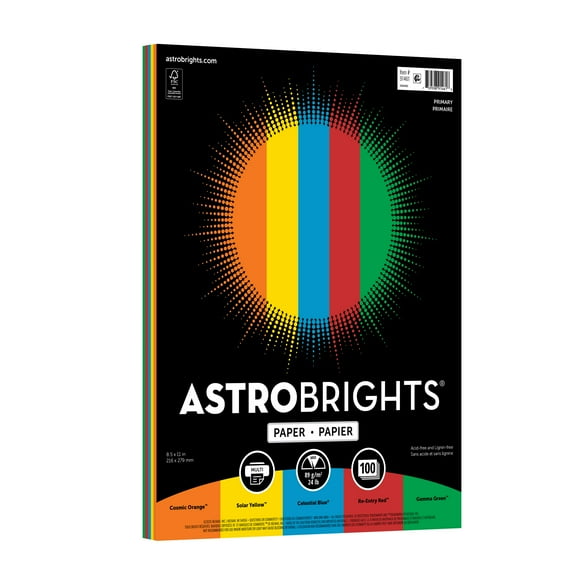
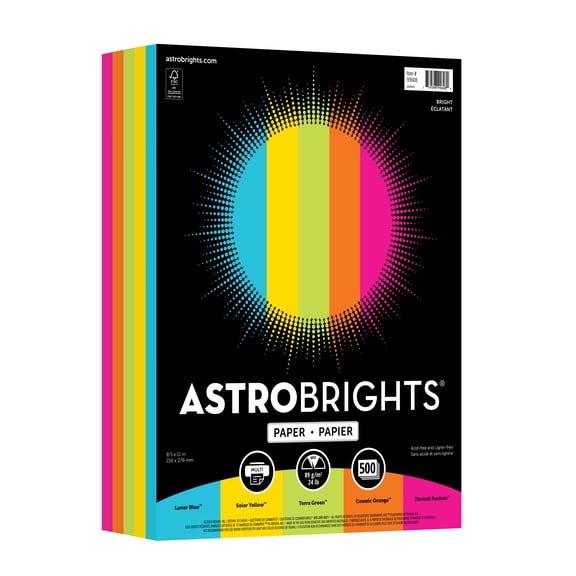
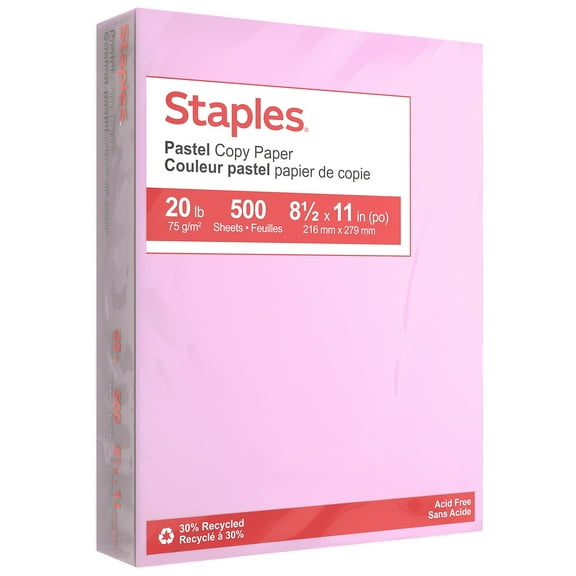
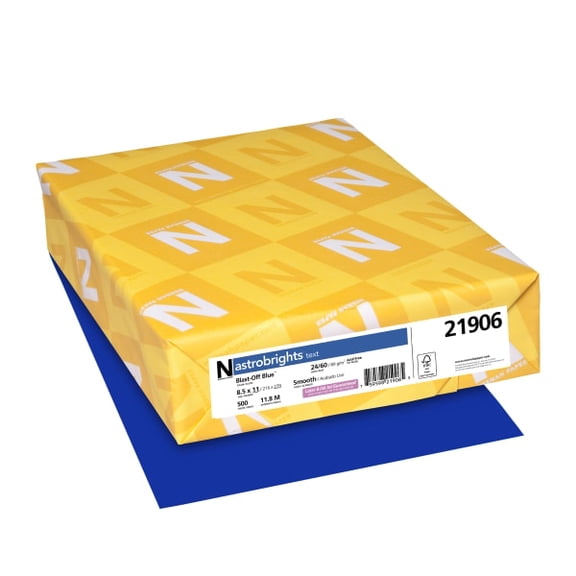
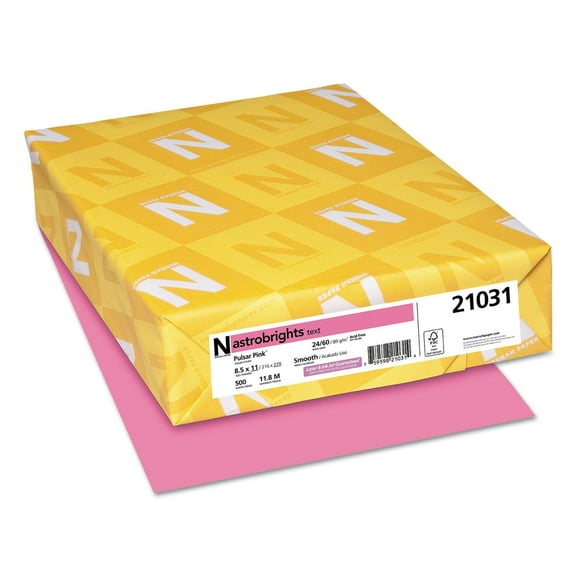
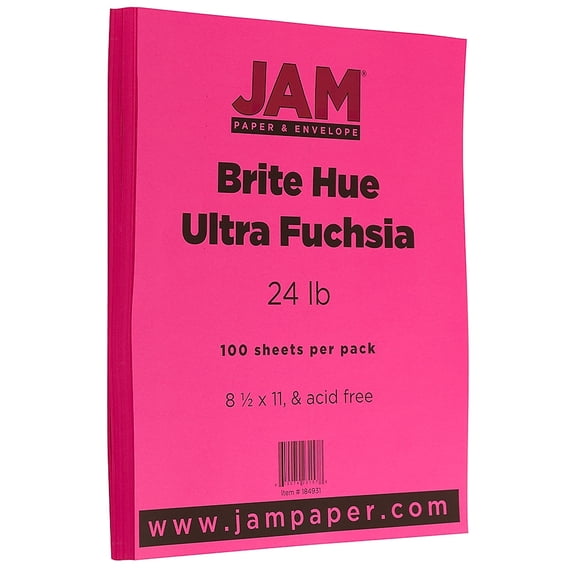
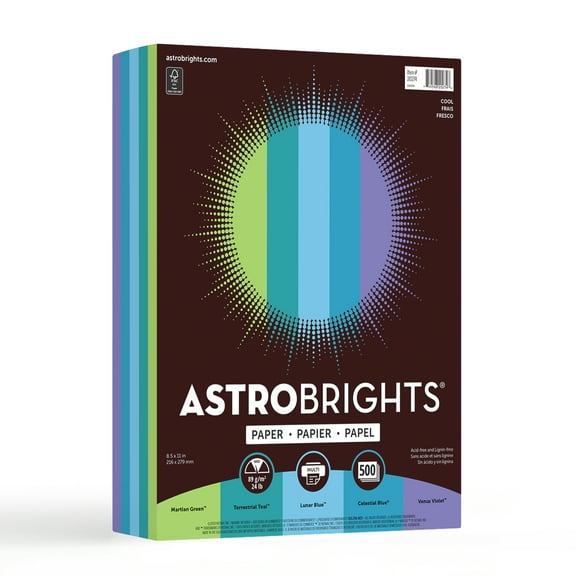
You should also compare color palettes before you choose a pack. You may want pastel colored paper for baby showers, brights for classroom charts, neon for eye-catching signs, or assorted colored paper for mixed craft bins.
- You can use lighter paper weights for handouts, letters, and copier-friendly printing.
- You can choose colored cardstock when your project needs firmer edges and a sturdier feel.
- You can pick assorted packs when your project calls for many shades in one bundle.
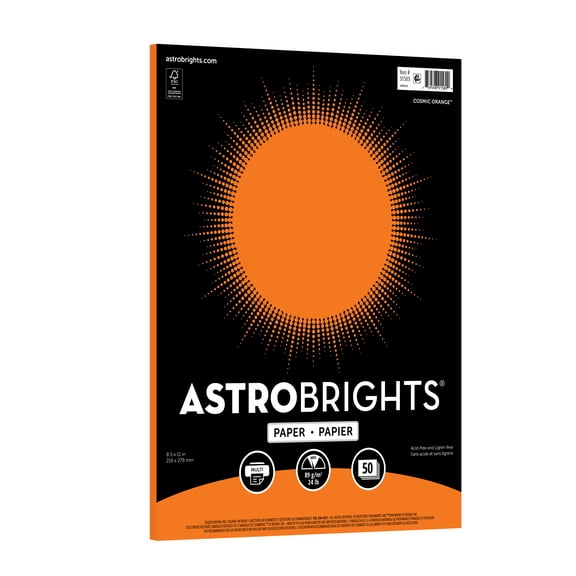
- You can select single-color packs when your flyers or event pages need a consistent look.
Choosing paper weight, size, and pack count
You should check paper weight first because thickness changes how your sheets feed, fold, and hold color. You’ll usually find 20 lb sheets for routine printing, 24 lb sheets for a slightly heavier feel, and 65 lb cardstock for sturdier pieces.
For printer use, you should compare your machine’s paper weight limits before you choose thicker stock. You may find that inkjet and laser printers handle standard colored printer paper more easily than heavyweight sheets.
Sheet size matters because your project may need standard documents, craft squares, or classroom pages. You can choose 8.5 x 11 colored paper for letters and flyers, 12 x 12 sheets for scrapbooking, or 9 x 12 sheets for art projects.
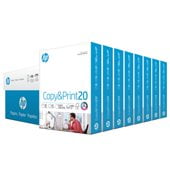
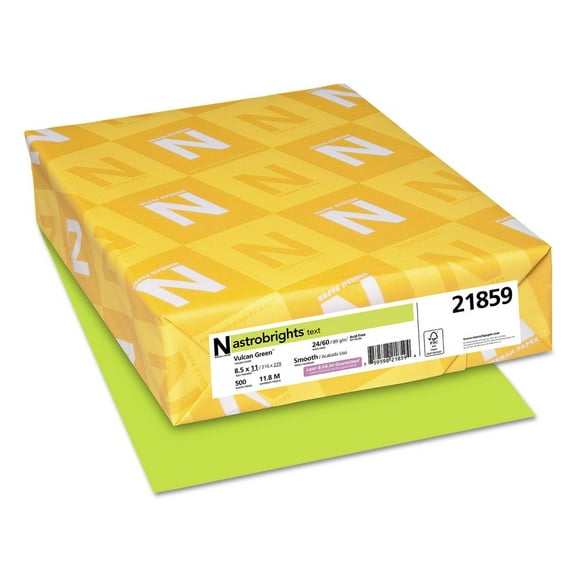
Pack count can shape your decision just as much as color or weight. You may want 50-sheet packs for short projects, 100-sheet packs for steady classroom use, or a 500-sheet ream for frequent printing.
Construction paper, colored printer paper, and colored cardstock
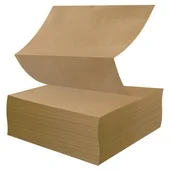
You should compare these paper types by flexibility, finish, and intended use. Construction paper usually works well when you want easy cutting, simple folds, and kid-friendly crafting sessions.
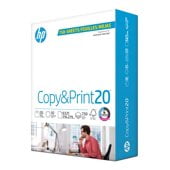
Colored printer paper fits projects that need cleaner feeding and a more document-ready look. You can use it for newsletters, schedules, forms, and event handouts that still need color coding.
Colored cardstock gives you extra stiffness for covers, signs, tags, and layered paper crafts. You’ll notice it stands up better for display pieces and holds shape more firmly than standard sheets.
If you’re making scrapbooks or keepsake pages, you may also want to check whether the paper is acid-free. You can use acid-free sheets when you want colors and paper surfaces that suit long-term storage projects.
Matching colored paper to printing, crafting, and classroom use
You can match your paper choice to the exact job instead of guessing at the shelf. For flyers or announcements, you may want colored printer paper in a solid shade that keeps every page consistent.
For bulletin boards and student activities, you can use construction paper in assorted or bright packs. You’ll have enough color variety for shapes, charts, name tags, and seasonal decorations.
If you enjoy origami or paper folding, you should look closely at sheet size and flexibility. You may prefer lighter sheets for crisp folds, while thicker cardstock usually suits flat designs and layered accents.
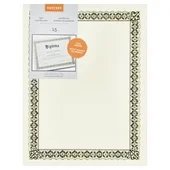
For invitations, menus, or signs, you can choose colored cardstock with a size that fits your layout. You’ll get a firmer page that feels more substantial when you hand it out or display it.
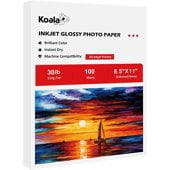
When you print at home or in the office, you should check whether your printer supports color paper and heavier weights. You can avoid trial and error by comparing inkjet and laser compatibility before you load a full pack.
You may also want to think about whether you need one shade or many. If your project uses brand colors or event themes, a single-color pack keeps your pages uniform, while assorted packs support mixed creative work.
What to look for in colored paper packs
You should compare finish, thickness, and color range together because each one affects the finished result. You may want smoother sheets for printing, thicker sheets for presentation pieces, and softer construction paper for cutting.
It also helps to measure how often you’ll use the paper before you choose a pack size. You can keep everyday projects moving with the right colored paper format, whether you print forms, build crafts, or organize classroom activities.