

Motorcycle Backpacks: Hard Shell & Waterproof Bags












About Motorcycle Backpacks: Hard Shell & Waterproof Bags - Walmart.com
You can choose a motorcycle backpack that stays stable at speed and keeps your gear organized for commuting, touring, and daily riding. You'll find category options built around aerodynamics, weather coverage, helmet carry, and rider-focused fit.
When you compare bags for motorcycle use, you should focus on riding-specific details instead of ordinary daypack features. You can narrow your choice by checking shell type, water resistance, helmet storage, capacity, and harness layout.
How to choose a motorcycle backpack
You should start with shell type because it shapes airflow, structure, and packing flexibility. You'll usually see hard shell, soft utility, and aerodynamic molded designs across this category.
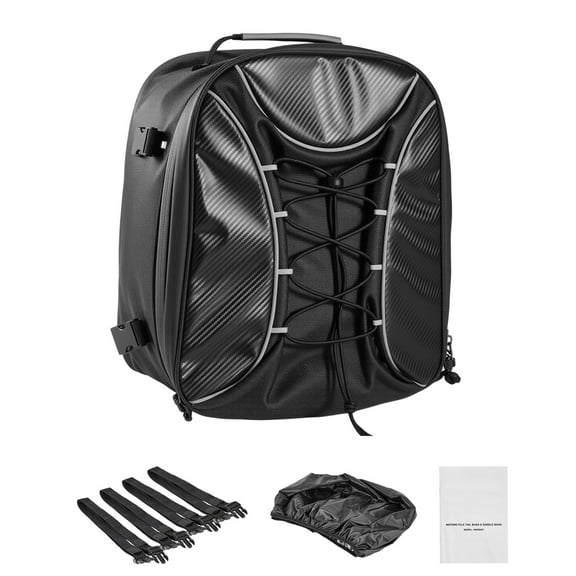
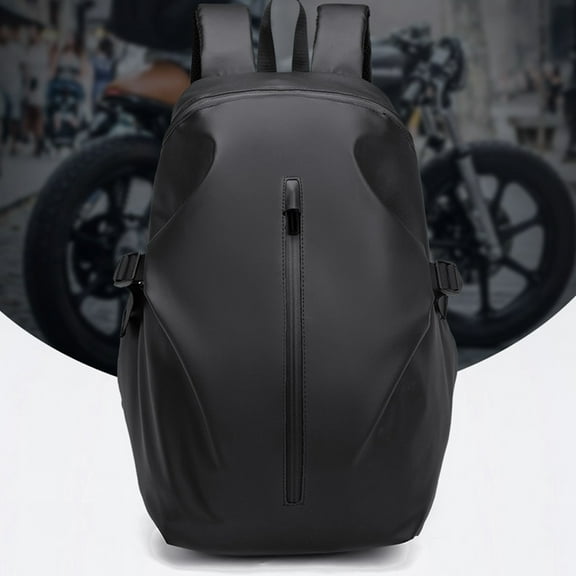
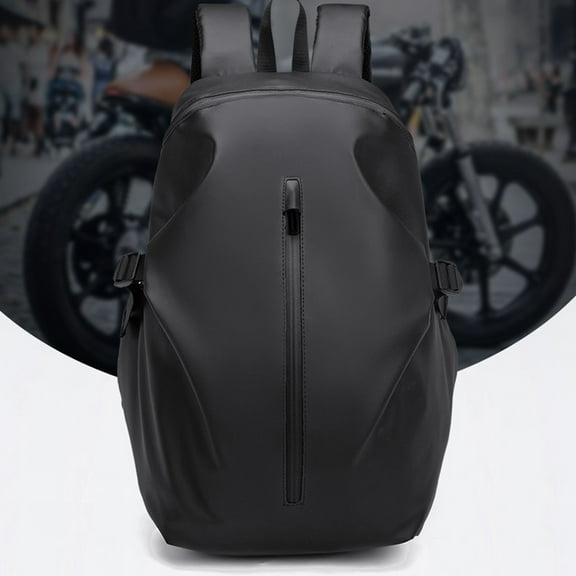
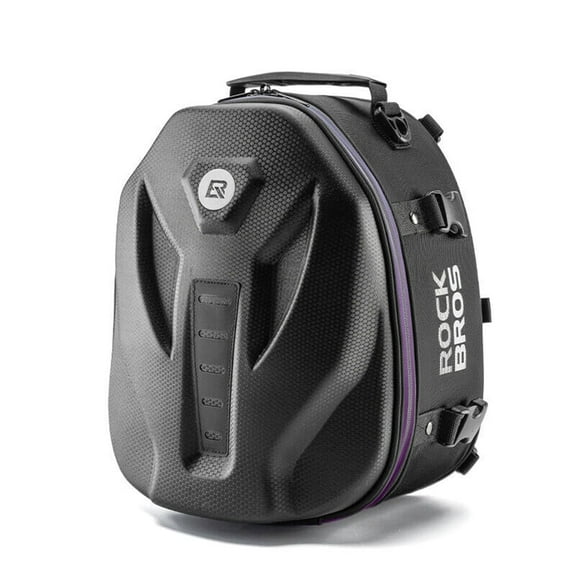
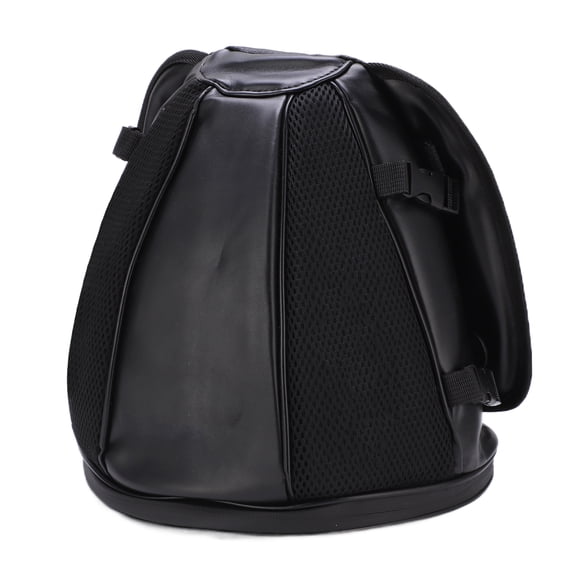
If you ride at highway speeds, you may prefer a motorcycle backpack hard shell with a smooth outer shape. You may notice reduced flap from the shell and smooth airflow around your shoulders.
When you compare molded designs, you should check the drag coefficient and strap securing system. You'll want to secure loose strap ends, because tidy straps can help reduce flutter in the wind.
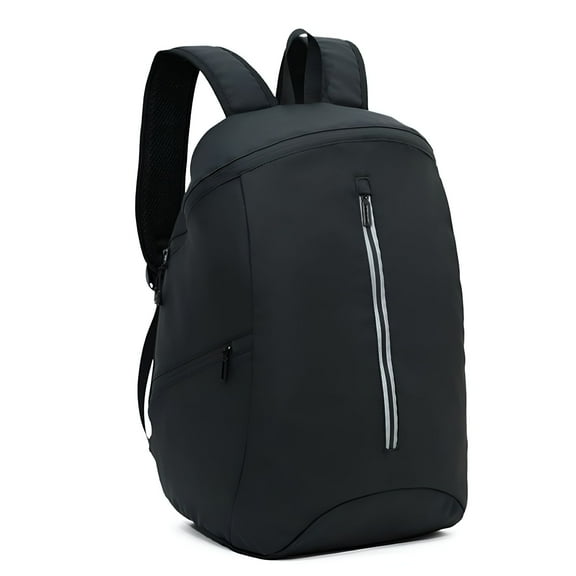
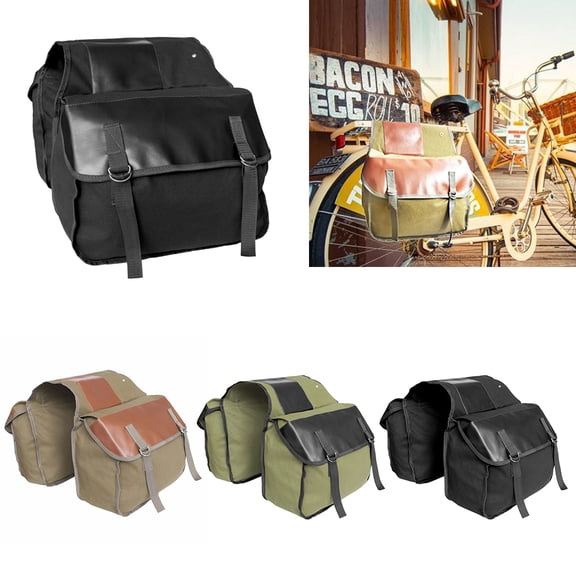
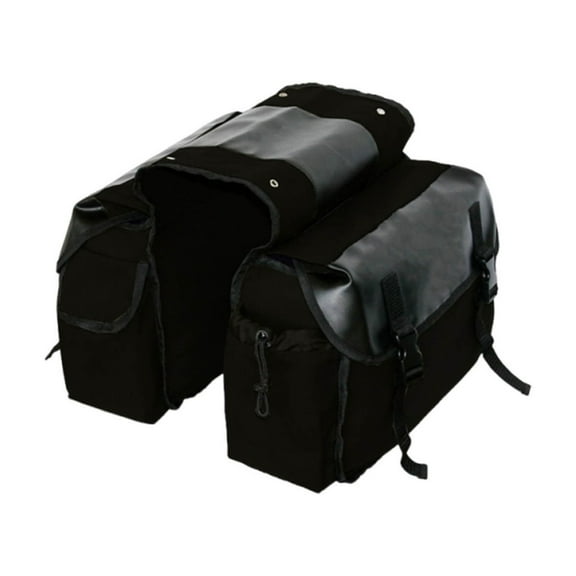
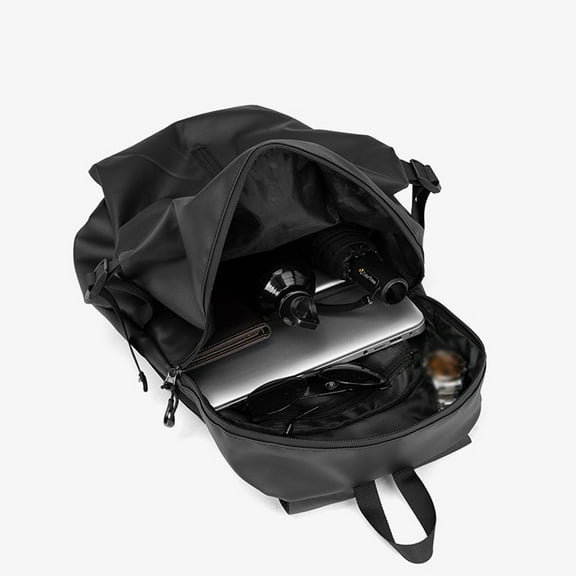
Soft utility styles can work well when you want flexible packing and simple compression for daily gear. You'll usually get additional exterior pockets, and you can fit oddly shaped items easily.
- You can choose hard shell designs for structure and a streamlined riding profile.
- You can pick soft utility bags when your commute includes varied gear and quick-access storage.
- You can compare aerodynamic molded packs when you want a shaped exterior and controlled airflow.
- You should check strap keepers, sternum straps, and waist support for stable carry on the bike.
Choosing weather protection for daily riding
You should match the weather protection level to your route and riding schedule. You'll usually see waterproof, water-resistant, and rain-cover-included options in this category.
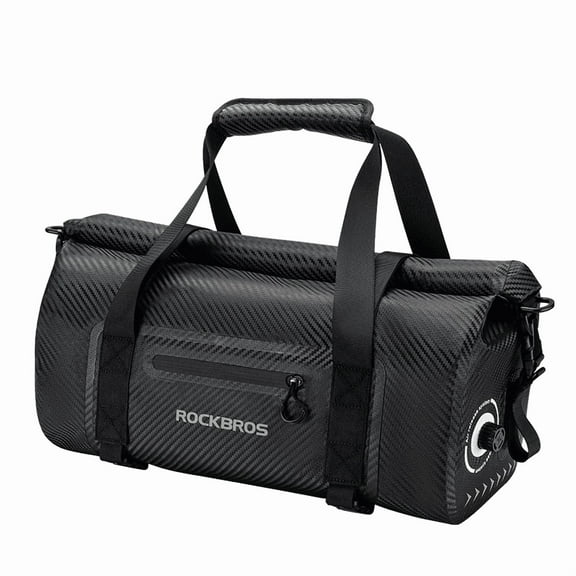
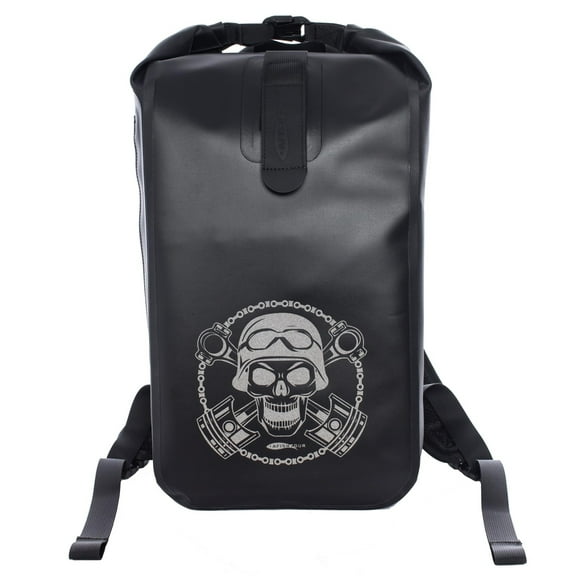
If you ride in frequent rain, you may want a motorbike backpack waterproof design with sealed construction. This can provide dependable coverage for electronics, papers, and spare gloves during wet commutes.
Water-resistant bags work well when you face light showers or short rides between stops. You'll often get a light feel, while your gear gains everyday coverage from road spray.
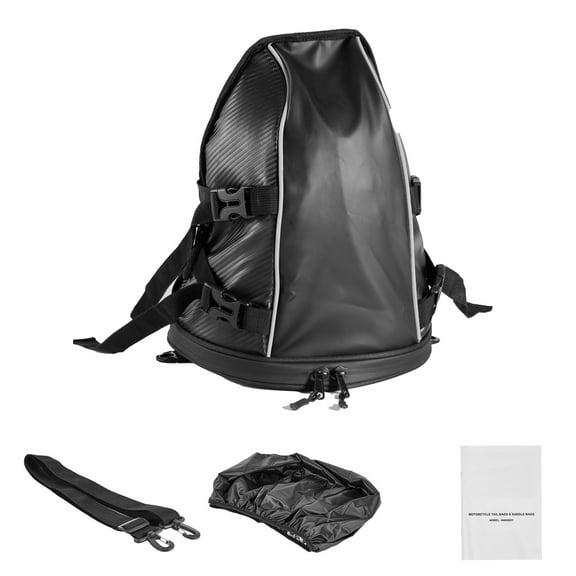
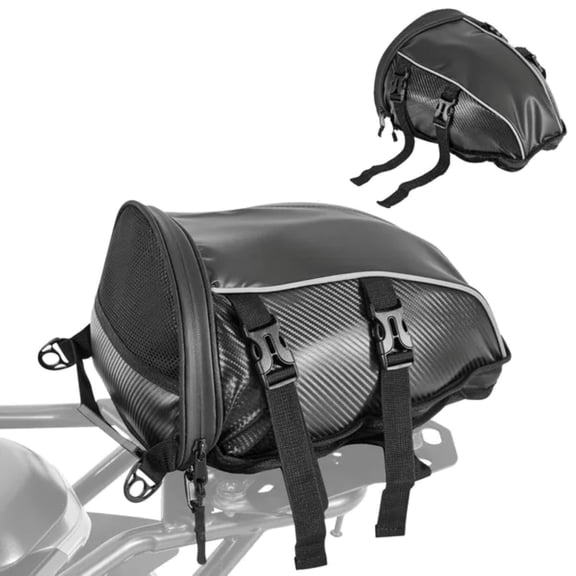
Some packs include a tail bag rain cover style shield, and you should check where it stores. You'll appreciate quick deployment when the weather changes during a ride.
You should also compare zipper flaps, coated fabrics, and base panels that resist moisture from wet pavement. You'll notice these details matter when you set your bag down during fuel or coffee stops.
Choosing motorcycle backpack for helmet carry
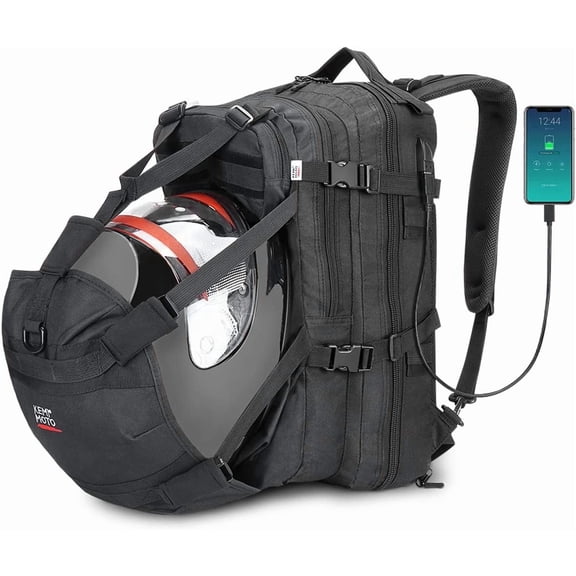
You may want a motorcycle backpack for helmet carry when you walk on campus, head into work, or stop between rides. You'll commonly see dual helmet carriers, built-in helmet nets, or no-carrier layouts.
If you carry a full-face helmet often, you should check how the helmet attaches and how balanced the load feels. You'll want the helmet to sit securely without bouncing against your back.
Built-in helmet nets can help you pack light when the carrier isn't in use. You'll usually be able to tuck the net away, which keeps the outside profile streamlined on the road.
Dual helmet carrier setups can suit longer days when you need flexible storage off the bike. You'll have various carrying options for extra gear, and you should confirm how compact the system stays.
If you prefer a streamlined shape, you may choose a motorcycle helmet backpack with hidden storage features. You'll keep the exterior neat while still carrying your helmet after you park.
Choosing capacity, fit, and armor-ready details
You should size your bag around what you carry on a normal ride, not just rare trips. You'll typically choose small under 15 liters, medium 15 to 25 liters, or large over 25 liters.
A motorcycle backpack small option can suit short commutes, light layers, and daily essentials. You'll keep weight low, and you may find lane movement feels compact.
Medium sizes can balance storage and mobility for work gear, shoes, and compact tools. You'll often get enough room for everyday use without a tall pack pressing into your helmet.
Large packs can fit longer ride needs, and you should check back length and shoulder adjustment carefully. You'll want the bag to sit close so shifting weight stays controlled during the ride.
Fit matters as much as volume, and you should compare unisex, men's ergonomic, and women's adjustable harness layouts. You'll get a stable feel when the straps match your torso shape and riding jacket.
If you carry protective inserts, you should look for back protector pockets and CE Level 1 or Level 2 compatibility. You'll get a clear fit check for armor-ready designs and your current riding setup.
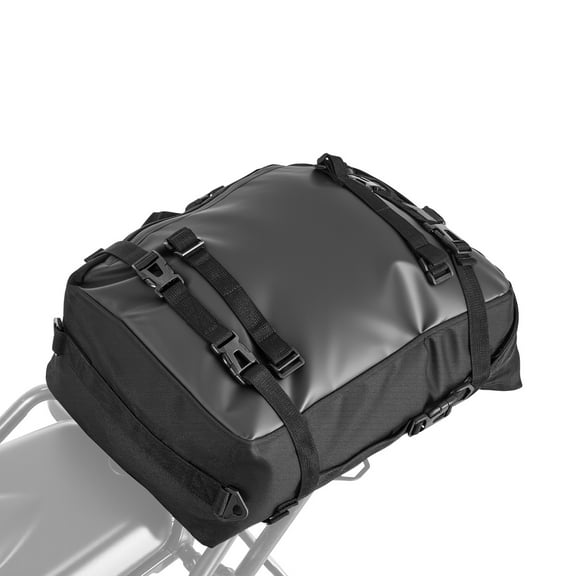
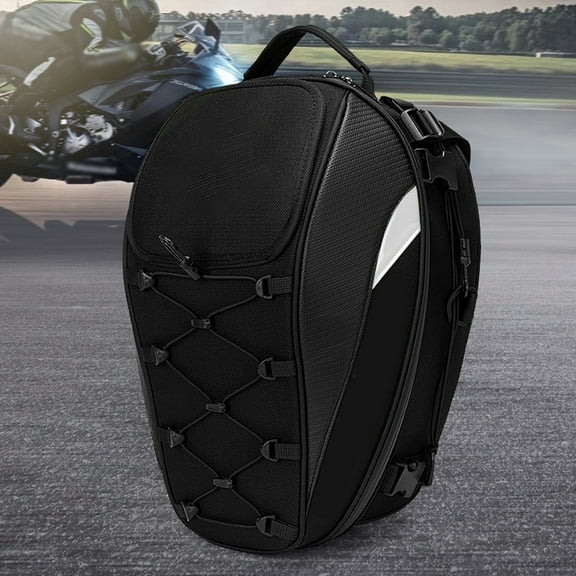
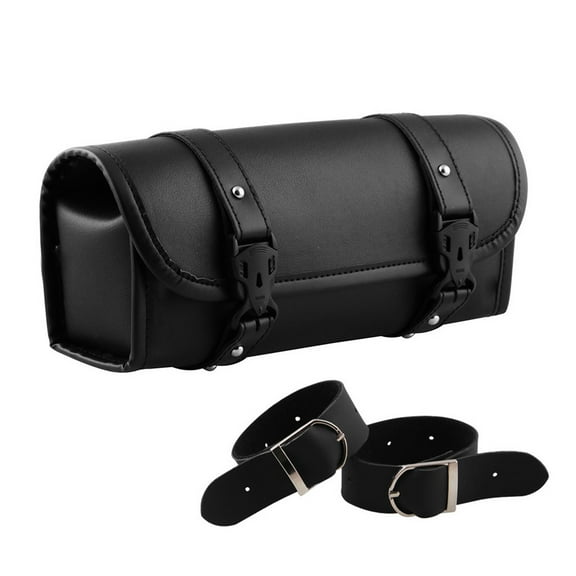
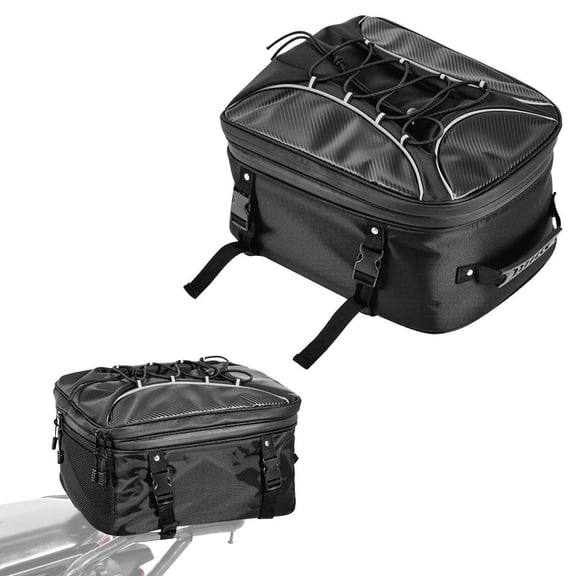
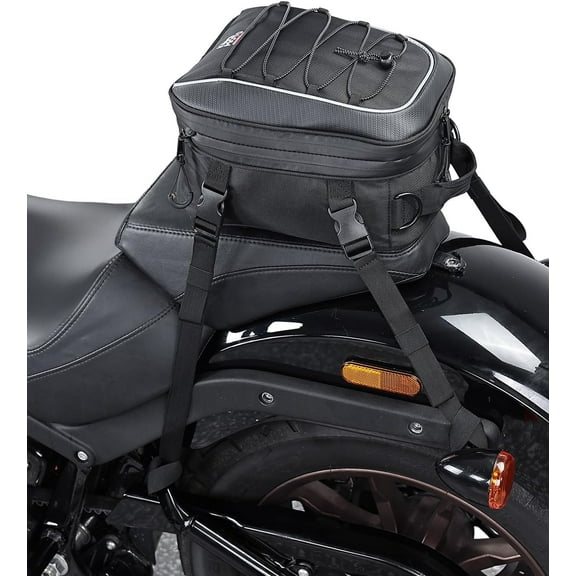
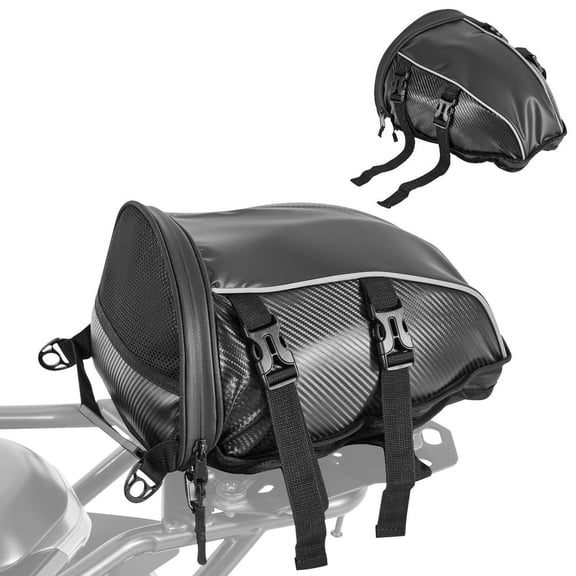
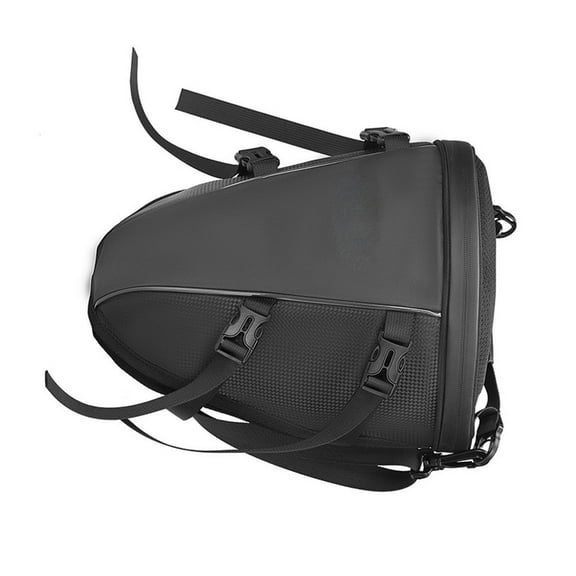
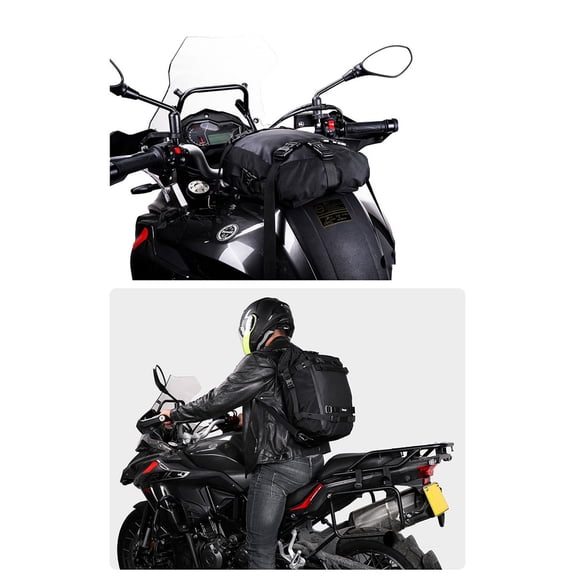
You may also compare hard motorcycle backpack designs with motorcycle tail storage for different trip lengths. You'll often prefer a backpack when you want on-body carry and quick transitions off the bike.
With the right motorcycle backpack, you can carry your gear with minimal wind disruption and organized storage through the whole ride. You can experience the difference in stable fit, weather-ready packing, and convenient helmet carry after you park.