

MM & CM Metric Rulers in Rulers, Compasses & Protractors
































About MM & CM Metric Rulers in Rulers, Compasses & Protractors - Walmart.com
Metric rulers help you measure in millimeters and centimeters with clear, consistent marks for school, drafting, sewing, and office tasks. You can compare materials, lengths, flexibility, and scale styles here, so your next ruler matches the way you work.
If you need clean lines and dependable measurements, you should start with the scale itself. You’ll want markings that are easy to read, evenly spaced, and designed for precise mm and cm checks.
How to choose metric rulers by scale and markings
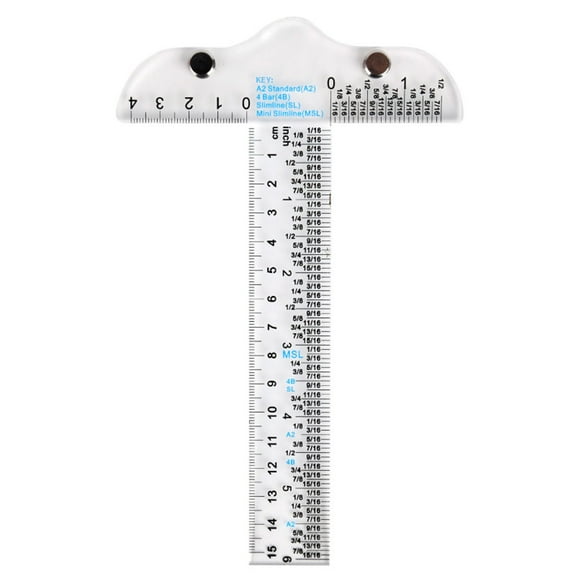
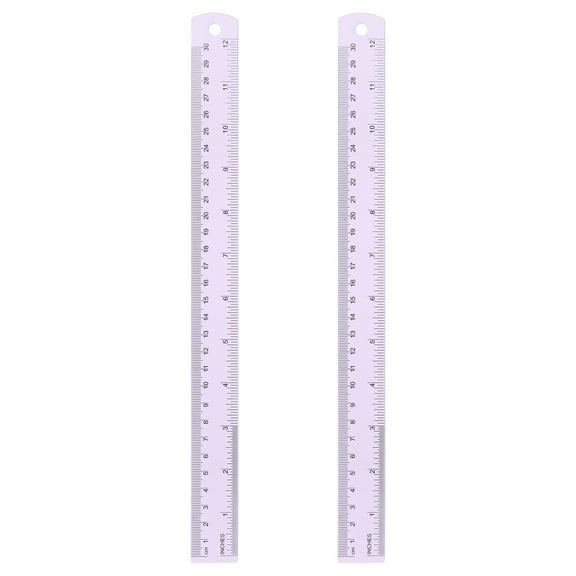
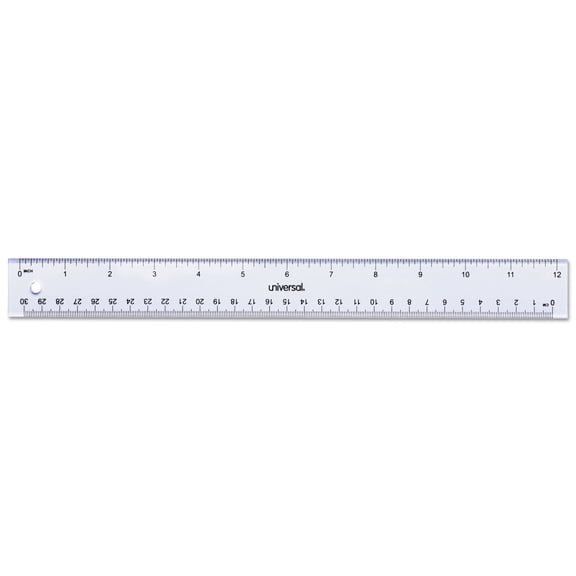
When you compare metric rulers, you should first check whether you need metric-only or dual scale rulers. You can use metric-only styles for focused centimeter work, while dual scale rulers help when your project switches between systems.
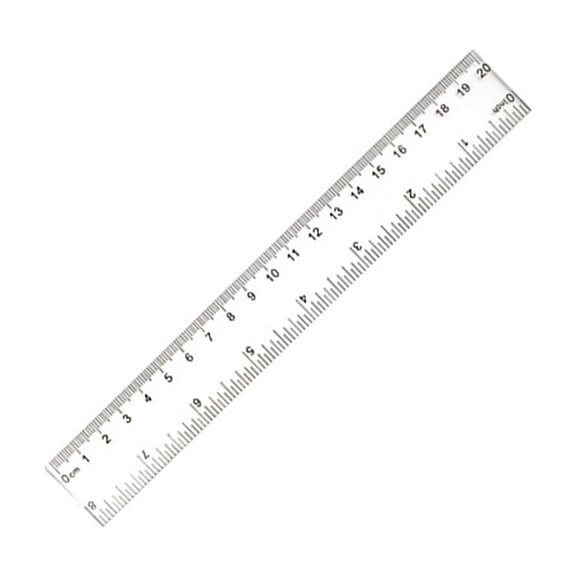
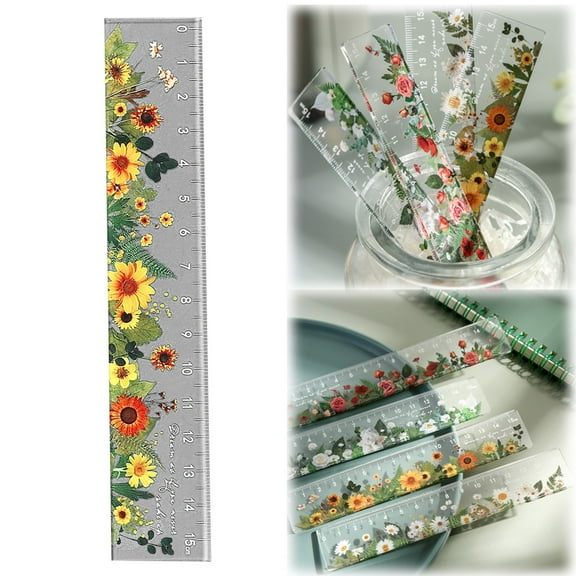
For mm cm rulers, you should look for sharp numbers and clear tick marks along the full edge. You’ll notice that color-coded markings can help you read fast during classroom work or repeated measuring tasks.
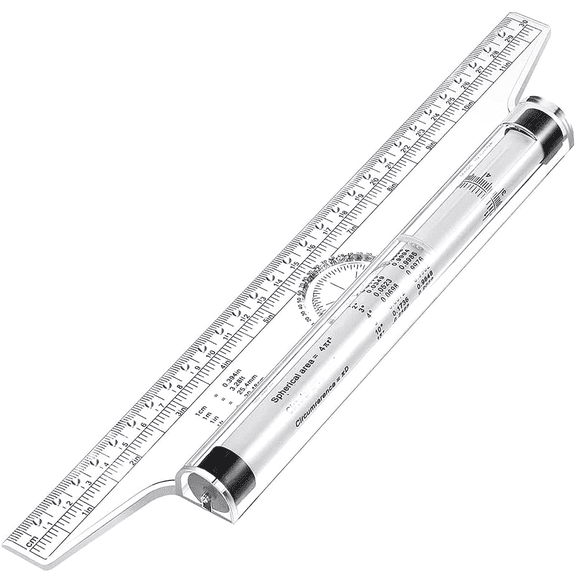
If accuracy matters to your project, you should compare calibration standards and laser-etched markings. You can often read etched marks more clearly over time, especially when you use your ruler often.
- You can choose metric-only markings when your work stays fully in centimeters and millimeters.
- You can pick dual scale rulers when your notes, patterns, or plans use both metric and imperial measurements.
- You should look for clear numbering and etched lines when you need quick, repeatable readings.
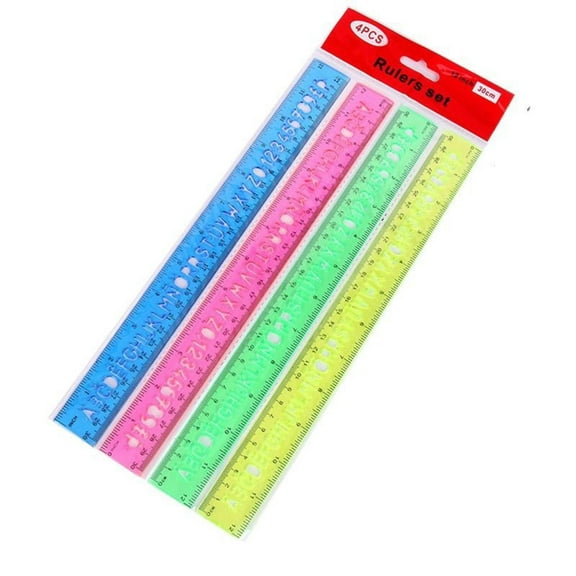
- You may prefer color-coded scales when you want easier visual separation between units.
Choosing material and flexibility for daily use
You should match the material to where and how you use your ruler each day. You can choose plastic, metal, wood, or stainless steel based on rigidity, feel, and surface contact.
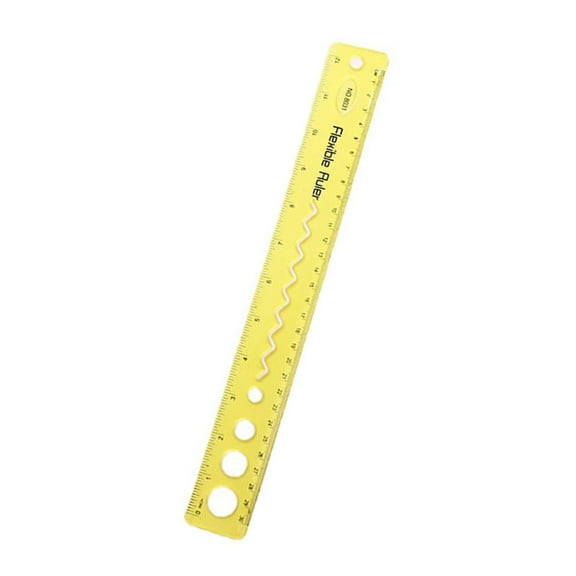
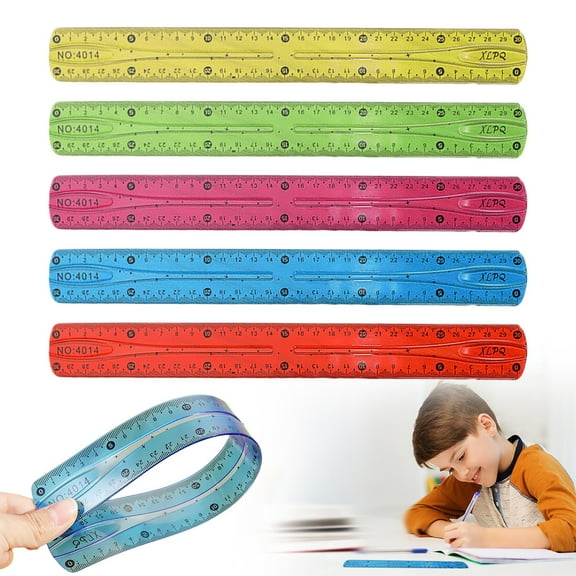
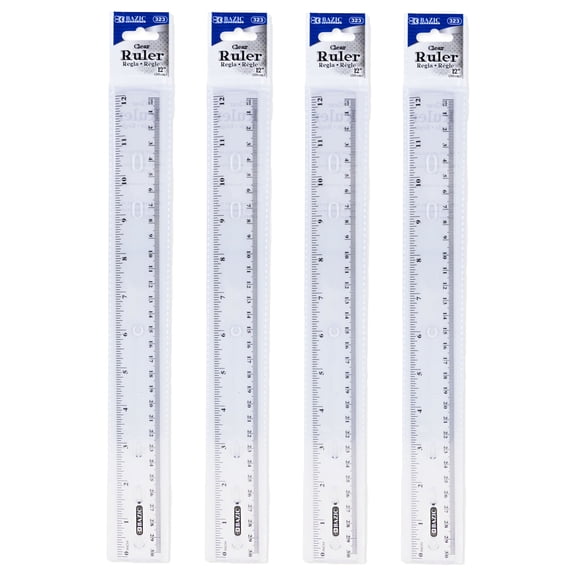
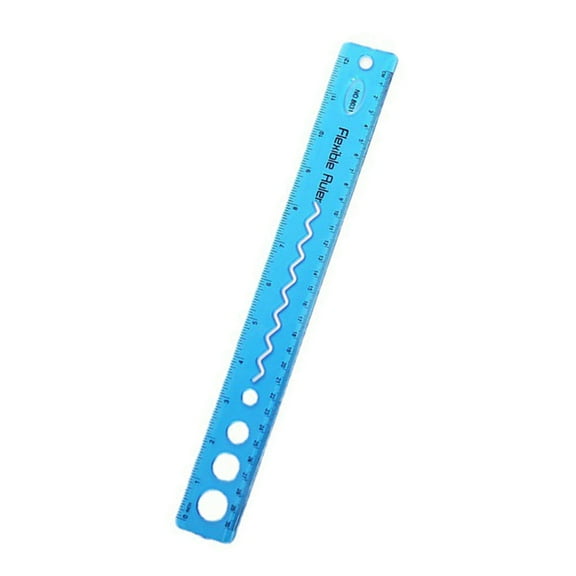
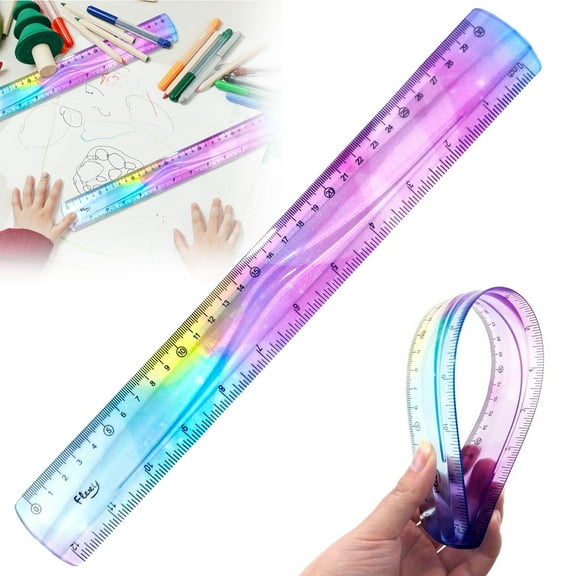
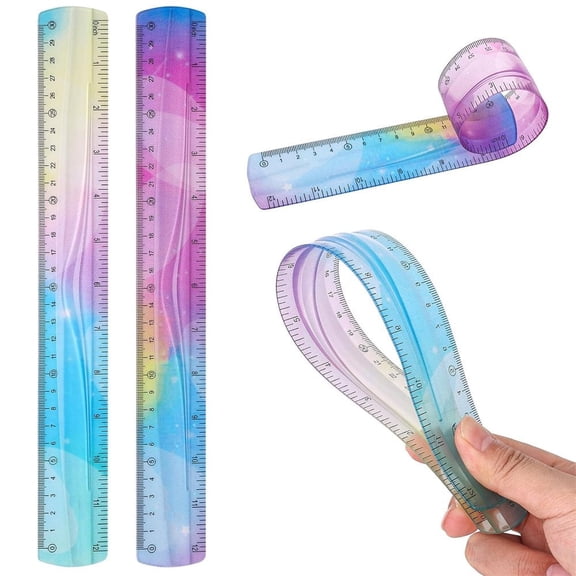
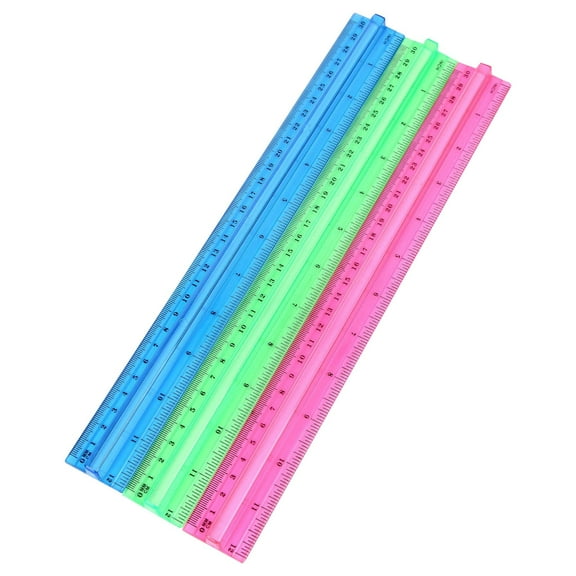
If you carry a ruler in a binder or pencil pouch, you may want a plastic metric ruler. You’ll often find flexible or semi-flexible plastic easier to pack, bend slightly, and use on varied surfaces.
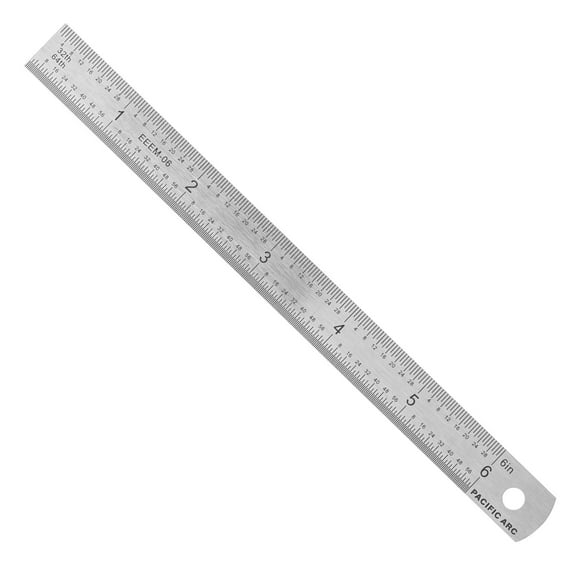
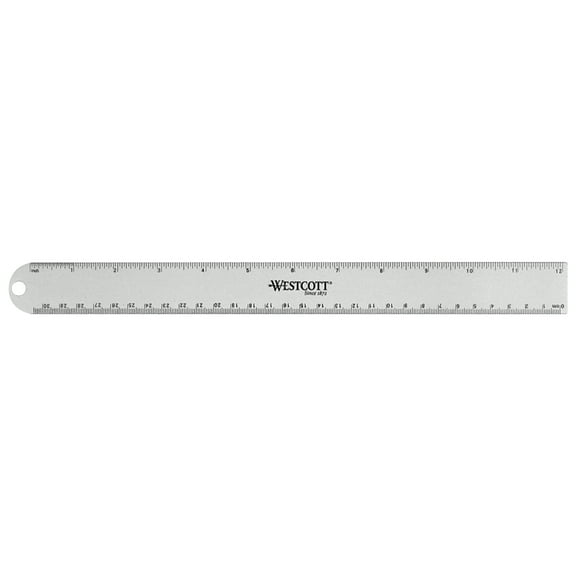
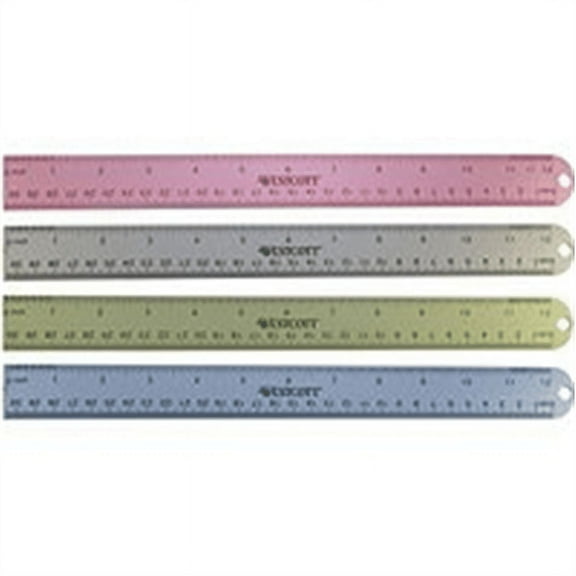
When you want a straighter drawing edge, you should compare a metal metric ruler or stainless steel option. You can rely on rigid construction for drafting tables, workshop benches, and repeated straight-line work.
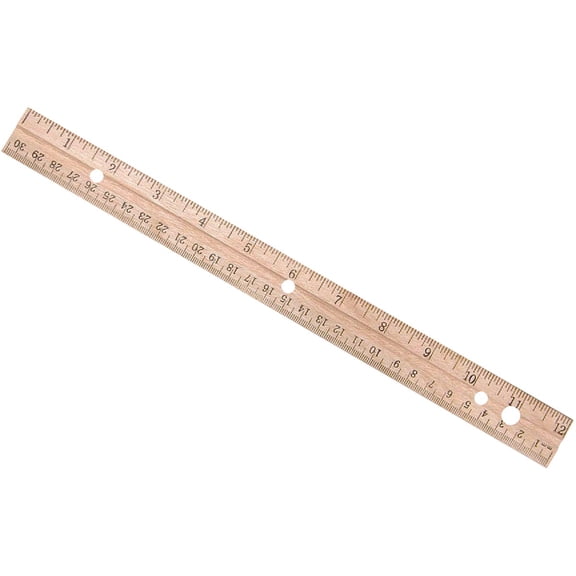
You may also like wood when you want a classic feel and a sturdy handhold. You should still check edge clarity and printed or etched markings before you choose.
For steady drawing, you should look for non-slip backing or grip details along the body. You can hold position more confidently when your ruler stays put during lines, diagrams, or pattern tracing.
Choosing the right length from 15cm to 1 meter
You should choose ruler length based on your workspace and the size of the task. You can keep shorter rulers close for quick notes, while longer rulers support broader layouts.
A 15cm ruler works well when you need compact storage in pencil cases, desks, or planners. You can use it for notebook margins, homework, and quick label measurements.
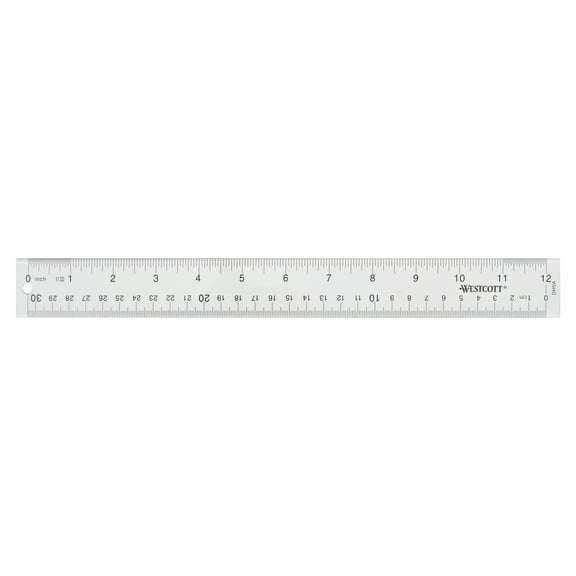
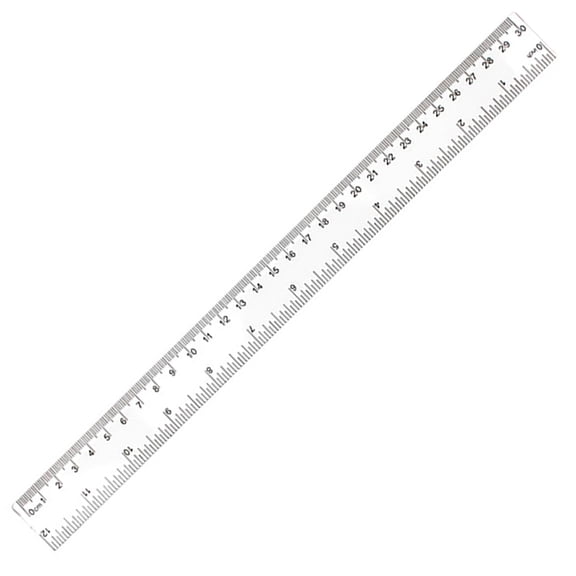
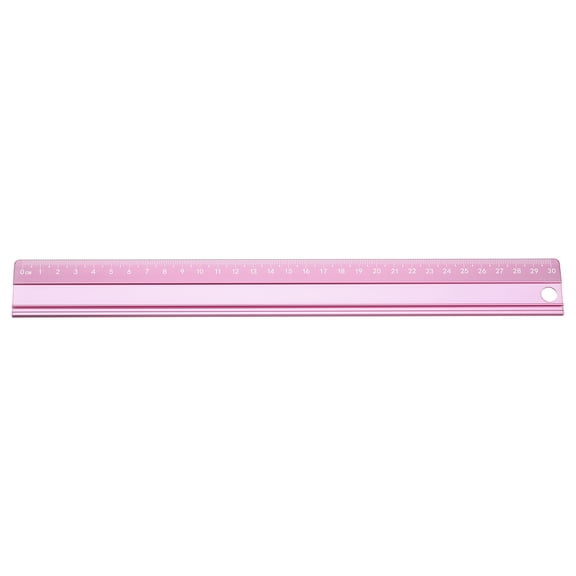
A 30cm metric ruler fits many classroom, office, and drafting needs. You’ll have enough edge for standard paper sizes, clean line work, and everyday measuring across larger sheets.
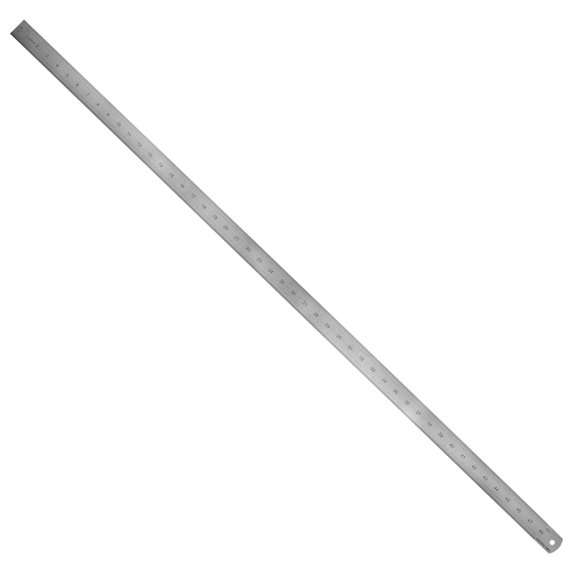
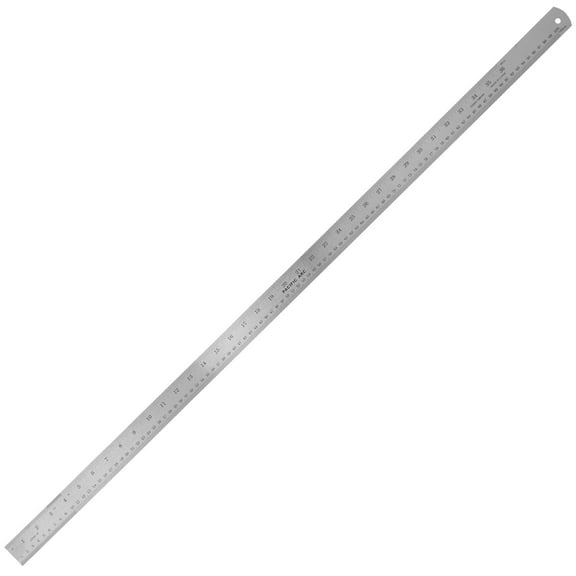
If your projects extend across posters, fabric, or large surfaces, you should consider a 1 meter ruler. You can measure longer spans with fewer resets, which helps keep your work aligned.
Before you choose, you should measure your drawer, pouch, or worktable space. You can avoid awkward overhang and keep your ruler easy to store between tasks.
Matching metric rulers to school, drafting, and crafts
You should connect your ruler choice to the kind of work you do most often. You can get more useful results when your material, length, and markings match your routine.
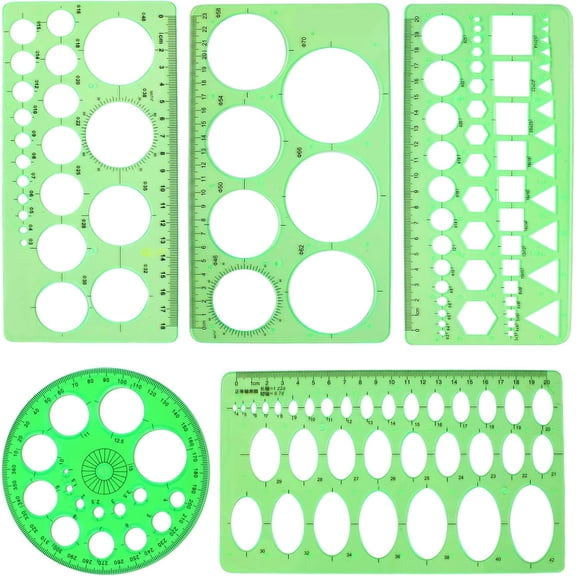
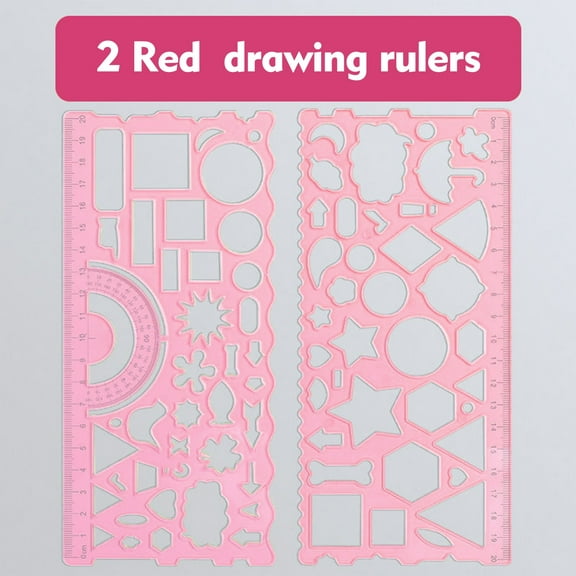
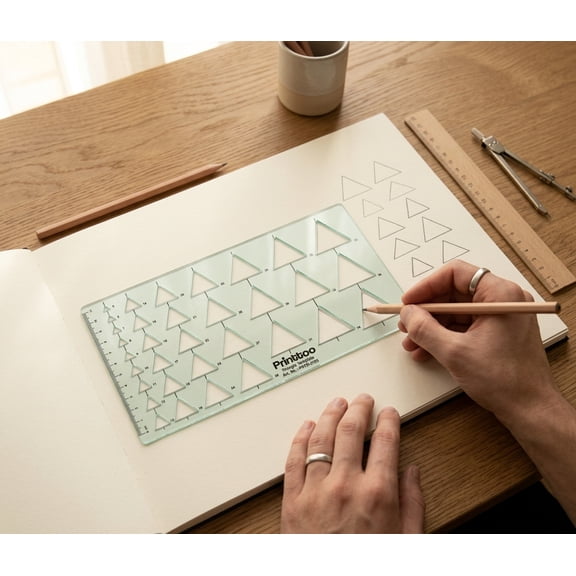
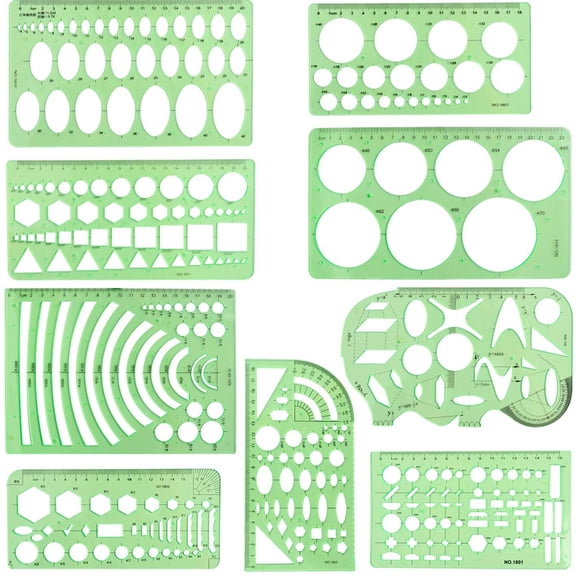
For student drafting, you may want clear mm spacing, a rigid edge, and easy-to-read numbers. You can pair those features with compasses and protractors when you’re building geometry setups.
For professional engineering work, you should look for crisp calibration, rigid stainless steel, and dependable edge stability. You can use those details for repeated line checks, layout work, and measurement transfers.
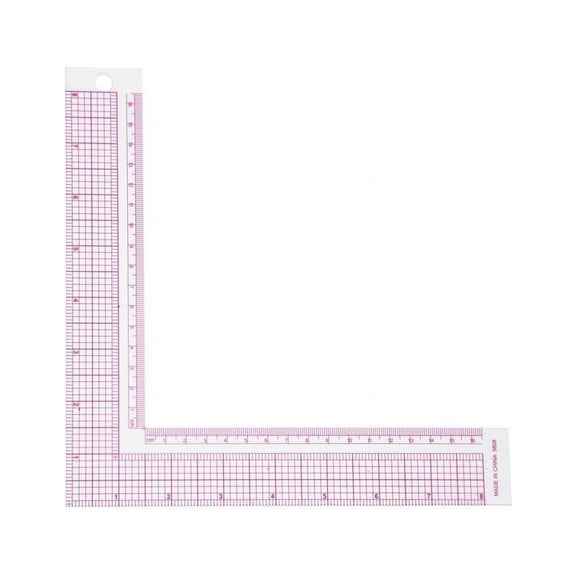
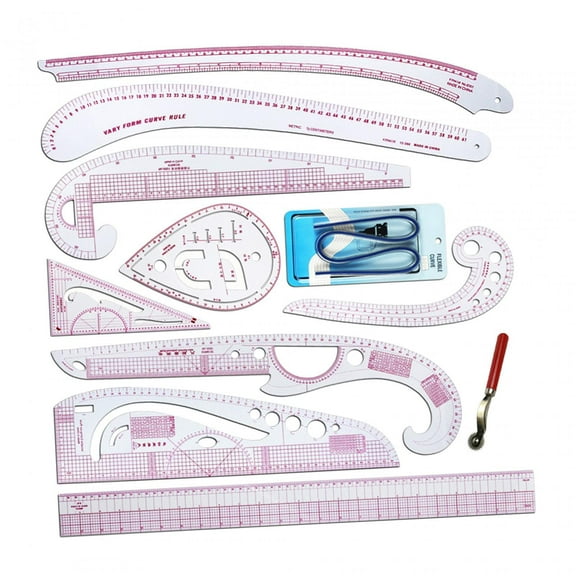
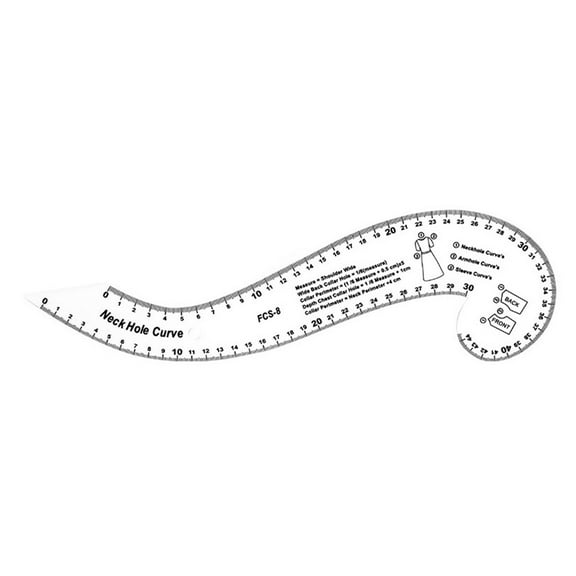
If you sew or craft, you may want flexible plastic and dual-scale markings for patterns and templates. You can move around curves, fabric sections, or paper pieces with less fuss.
When you sketch, mark up forms, or organize office pages, you should consider a ruler with clear contrast and grip support. You can draw underlines, align margins, and measure inserts with less shifting.
You may also want to build a coordinated measuring setup for class or studio work. You can pair your ruler with drafting supplies, compasses, and protractors for a smoother workflow.
What to look for before you decide
You should compare edge clarity, length, material, and flexibility before making your final choice. You can narrow the field quickly when you know whether your work needs portability, rigidity, or dual-scale convenience.
With the right metric rulers, you can measure accurately, draw cleaner lines, and keep your projects moving with fewer rechecks. You’ll feel the difference when your ruler matches your task from the first mark.