


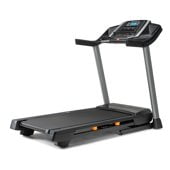
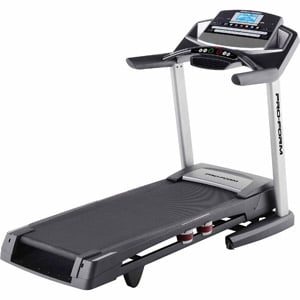

Folding Treadmills in Treadmills
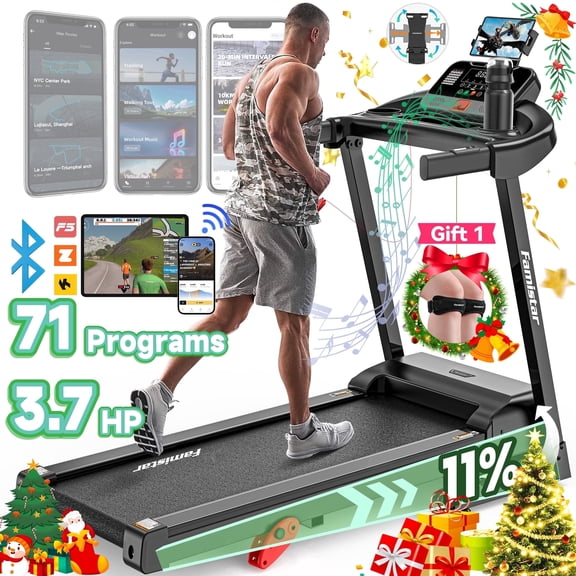
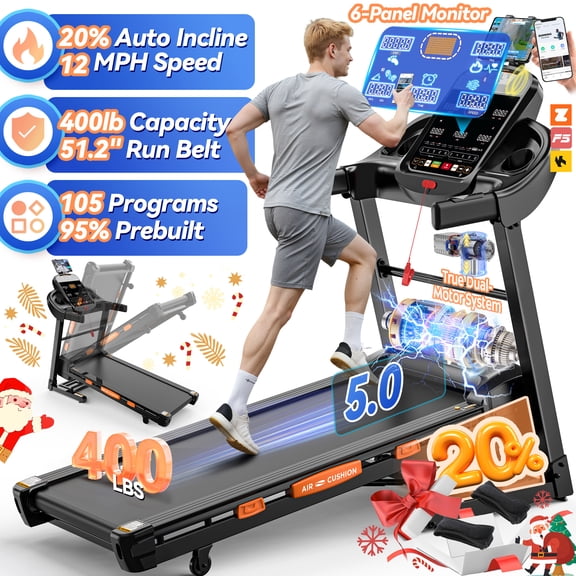


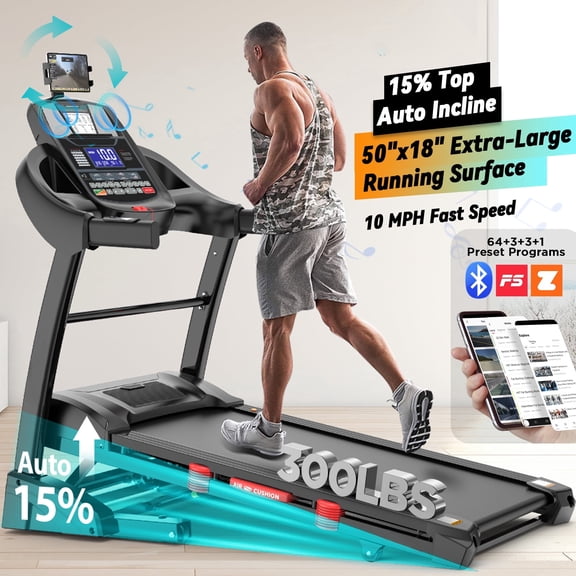
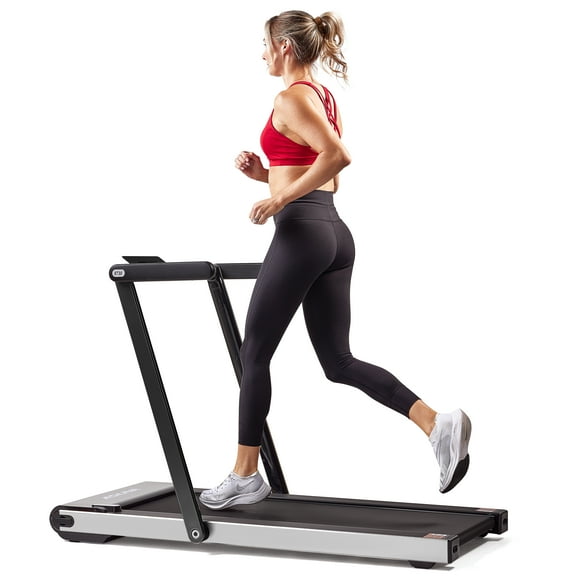


About Folding Treadmills in Treadmills - Walmart.com
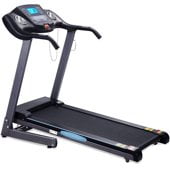
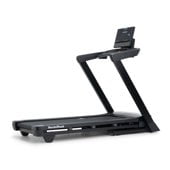
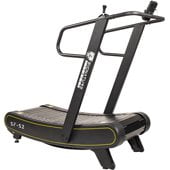
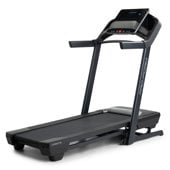
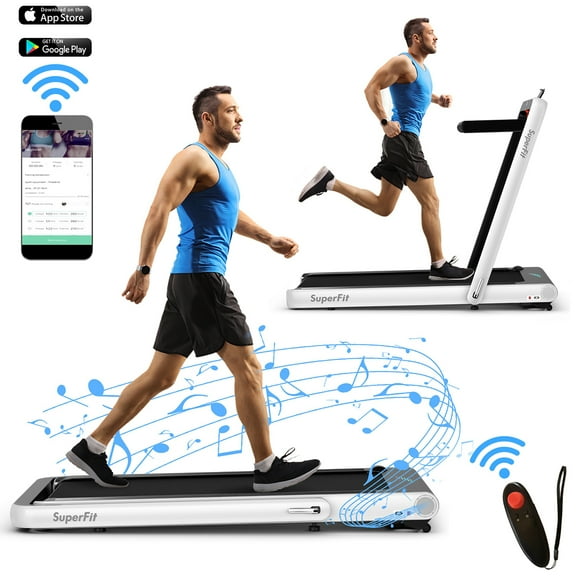
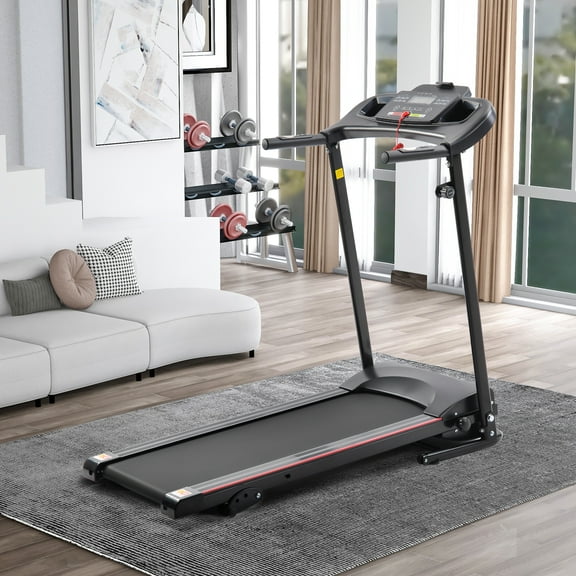
Folding treadmills bring full cardio training into smaller rooms, making it easier to keep a walking or running routine at home. These space-smart machines fit apartments, multipurpose rooms, and home gyms where every floor inch matters. Many designs store upright or slide under a wall area after use. That makes setup simpler for daily workouts. You can compare console layouts, deck sizes, and fold mechanisms in one place.
Why folding treadmills fit home routines
Folding treadmills help you stay consistent without dedicating a full room to fitness equipment. When the workout ends, the deck lifts and the footprint shrinks. That matters in shared spaces with desks, couches, or storage racks. A folding treadmill for home can support morning walks, lunch break jogs, and evening intervals.
Shoppers often want a machine that feels stable during movement and compact during storage. That balance depends on frame design, transport wheels, and deck length. Some models focus on walking sessions. Others support faster paces with longer belts and stronger motors. The right setup helps your space stay usable between workouts.
- Compact storage helps the treadmill fit apartments, spare rooms, and corners of a home gym.
- Transport wheels make it easier to move the machine after a session.
- Console features support pace tracking, distance goals, and structured workout habits.
- Walking and running options let you match the machine to your training style.
Portable treadmill features that matter
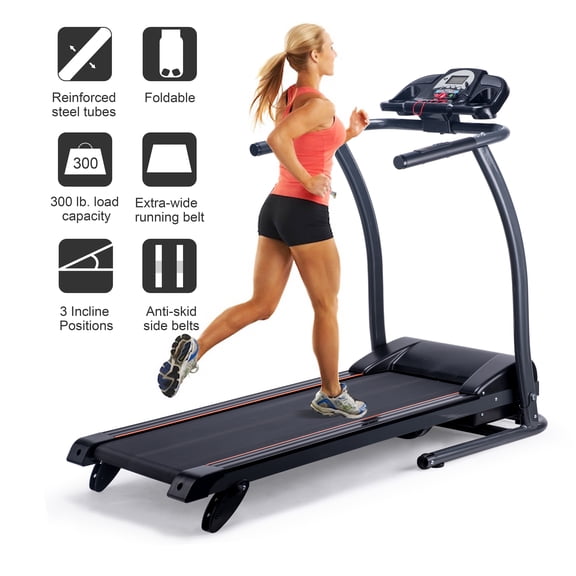
A portable treadmill should be easy to position, fold, and store without feeling flimsy during use. Start with deck dimensions and weight capacity. A longer running surface gives more room for stride length. A shorter deck can suit walking workouts and tighter spaces. Foldable treadmills also vary in handrail height, display style, and shortcut controls.
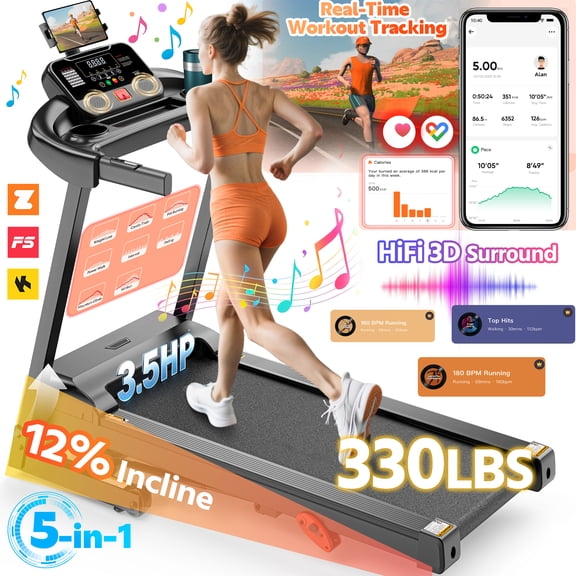
Motor output affects how the machine handles steady walks, jogs, and interval sessions. Cushioning matters too, especially if you want a smoother feel underfoot. Look at incline options, preset programs, and top speed ranges. Those details shape how the treadmill performs across different workout styles. Heart rate grips, tablet shelves, and bottle holders can also improve day-to-day convenience.
Storage design deserves close attention. Some durable folding treadmills lock upright after the deck rises. Some include a soft-drop system that lowers the deck with less effort. Others keep a lower profile for easier placement near a wall. If you need a small treadmill for home, check folded dimensions first. That measurement tells you how the machine fits your actual room.
Foldable treadmills for small spaces and shared rooms
Small-space shoppers often need exercise equipment that works around furniture, storage bins, and door swings. Foldable treadmills solve that challenge with slimmer footprints and movable frames. In an apartment bedroom, the treadmill can sit along one wall and fold after use. In a guest room, it can share space with a bed, dresser, or desk.
These machines also work well in multipurpose rooms. You might use the same area for remote work, stretching, or family activities. A treadmill that folds gives you a workout station when needed, then clears floor space later. That flexibility makes regular movement easier to maintain. It also keeps your room from feeling dominated by one large machine.
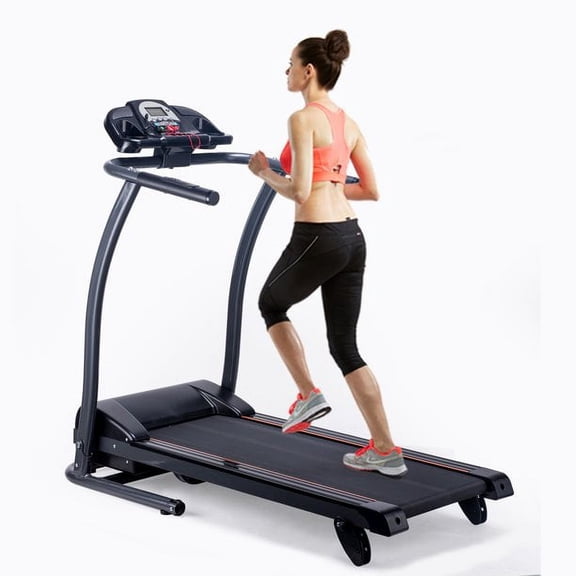
If your focus is walking, a compact portable treadmill may fit your routine with a shorter deck and simpler console. If you want a running treadmill foldable design, look for added belt length and supportive frame construction. Runners usually benefit from more deck space at faster speeds. That detail becomes especially important during longer sessions.
How to choose a folding treadmill for home
Start with your training style, then match it to the machine’s build. Walkers can prioritize compact dimensions, easy controls, and straightforward displays. Joggers may want a stronger motor and more speed options. Runners often look for longer decks, sturdy side rails, and console features that support intervals. Those differences help narrow the category quickly.
Next, measure the room where the treadmill will sit during use and while folded. Include ceiling clearance, nearby furniture, and outlet access. This step matters because a treadmill that folds still needs open space when the deck is down. Compare assembled and folded measurements before choosing a model. That prevents awkward placement later.
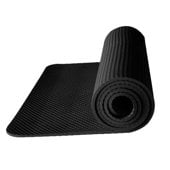
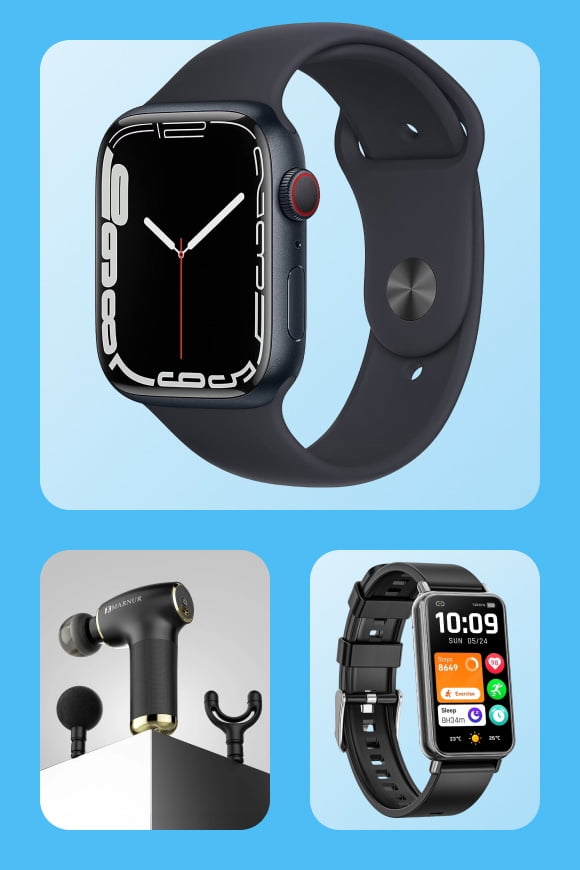
Then review user-friendly details that affect everyday use. Look for quick-start buttons, readable screens, and cup or device storage. Some shoppers want built-in workouts for variety. Others prefer simple controls for steady walking. Treadmill mats and lubricants can also help with setup and upkeep. Wearable fitness tech pairs well with routine tracking across weekly goals.
Built for practical home fitness
Folding treadmills combine compact storage, everyday convenience, and workout-ready performance for real homes. With the right deck size, motor range, and fold design, your treadmill supports movement without taking over the room.