

Motor Home & RV Microwaves - Replacement Camper Microwaves






About Motor Home & RV Microwaves - Replacement Camper Microwaves - Walmart.com
RV microwaves help you cook in tight spaces without losing everyday convenience. You can compare cutout dimensions, wattage, and installation styles to match your camper kitchen.
If you're replacing an older unit, you likely need a close fit for your cabinet opening. You may also want a model designed to stay secure through road vibration and frequent travel.
How to choose rv microwaves for your layout
You should start with installation type, because that choice affects fit, airflow, and mounting hardware. You can compare built-in, countertop, and over-the-range options based on your available space.
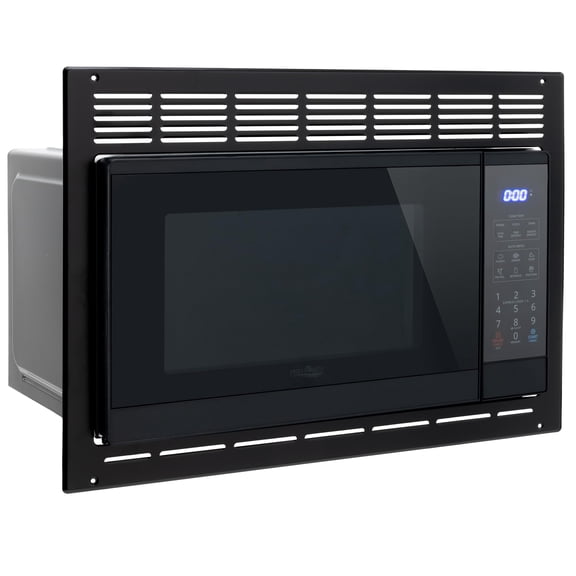
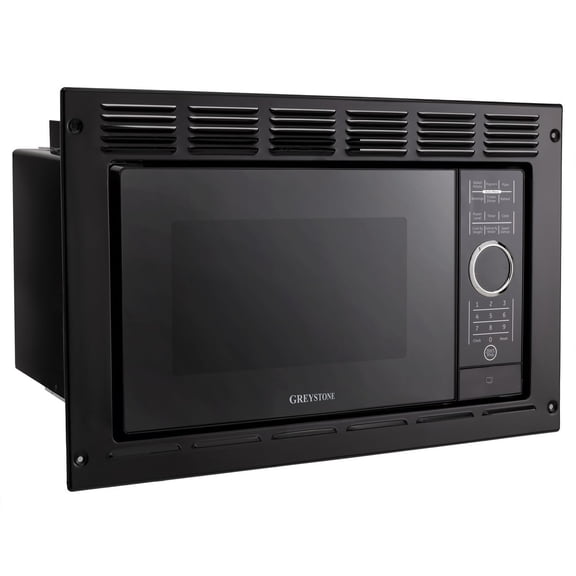
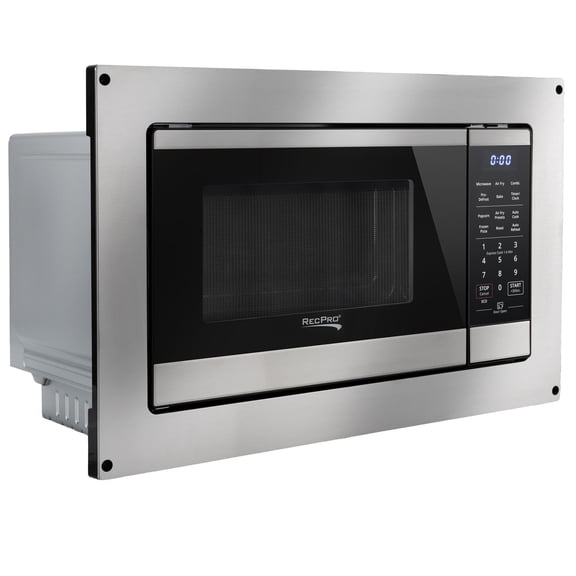
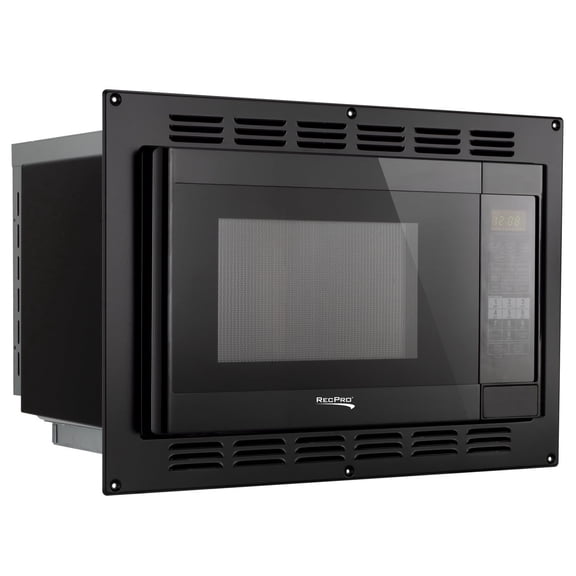
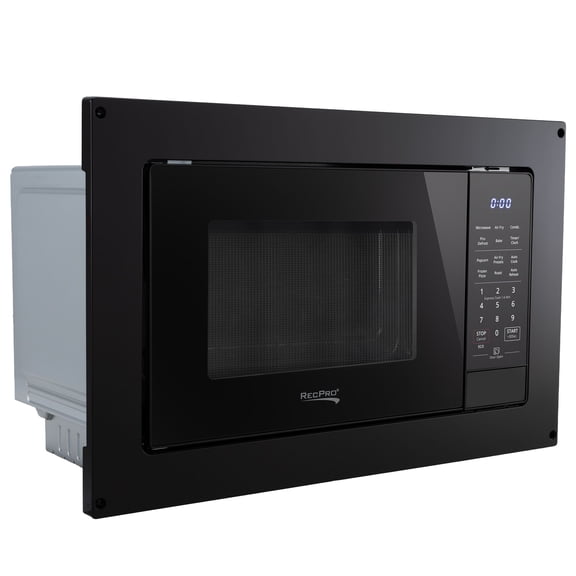
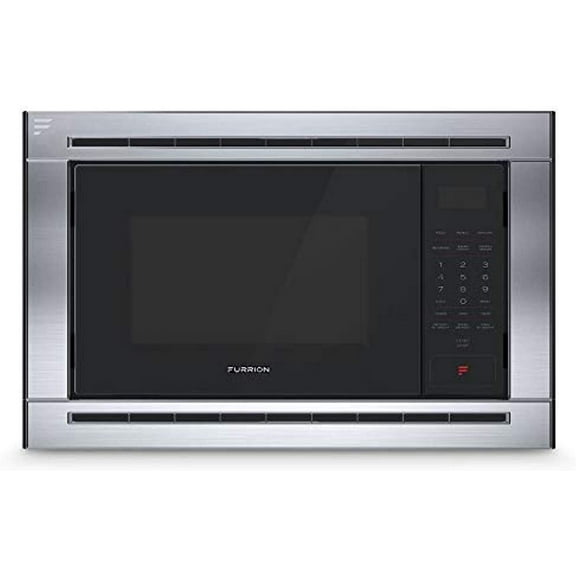
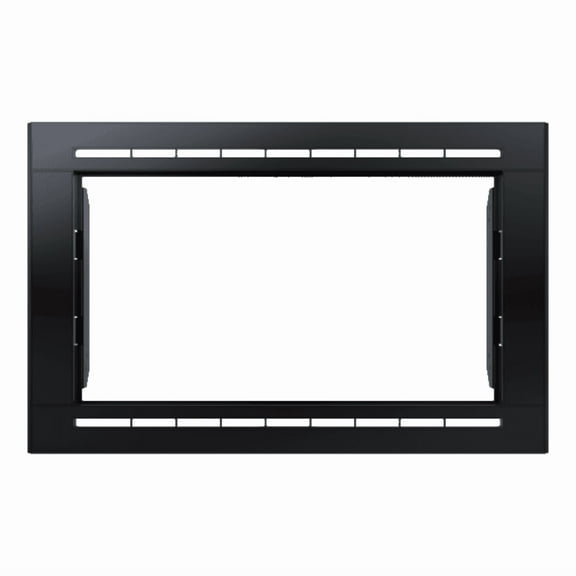
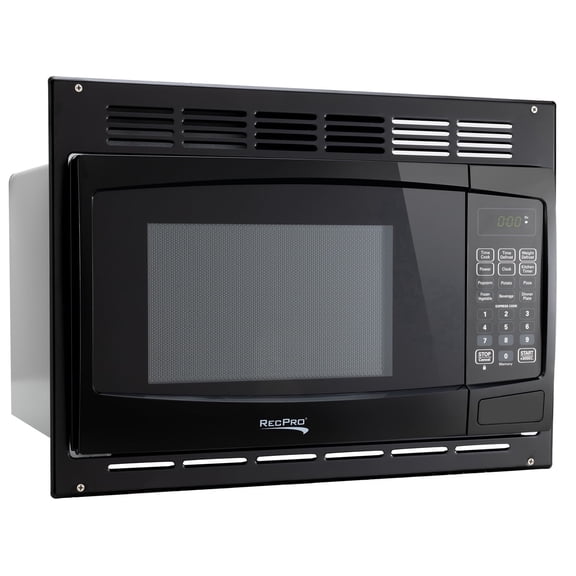
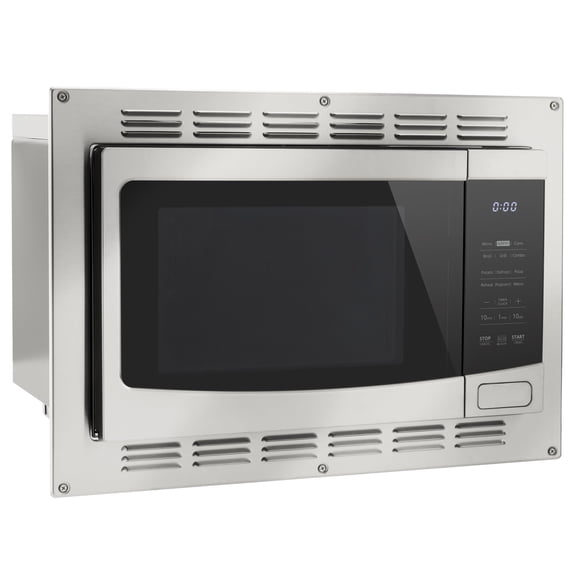
A built in rv microwave usually fits a dedicated cabinet cutout and often works with a trim kit. You should check height, width, depth, and front clearance before you choose a replacement.
A countertop unit can work well when you want flexibility and simple placement on a stable surface. You should still measure surrounding space so your door can open comfortably.
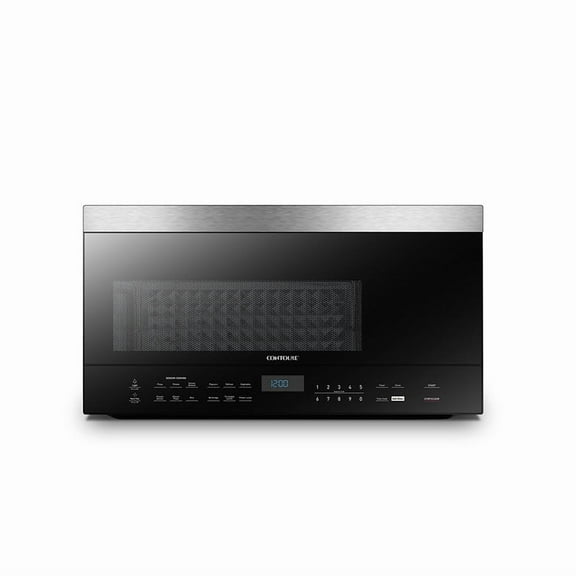
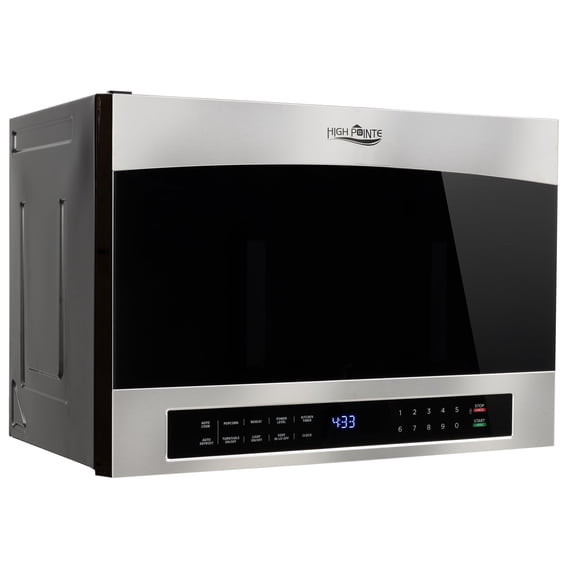
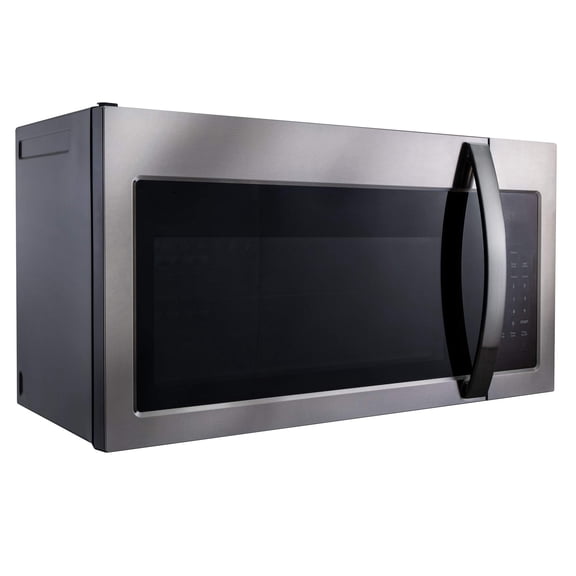
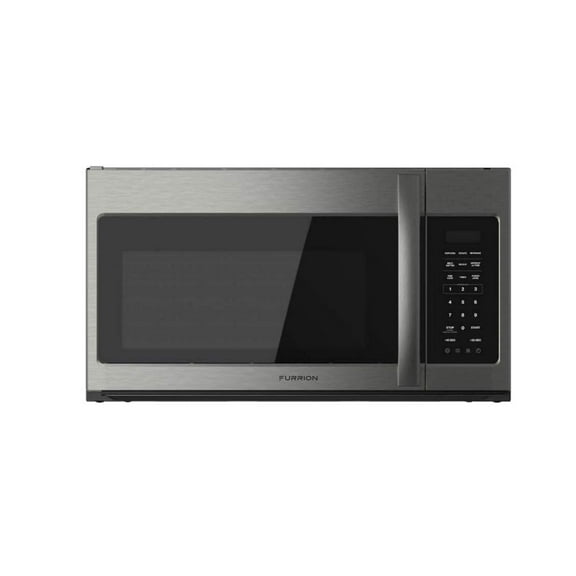
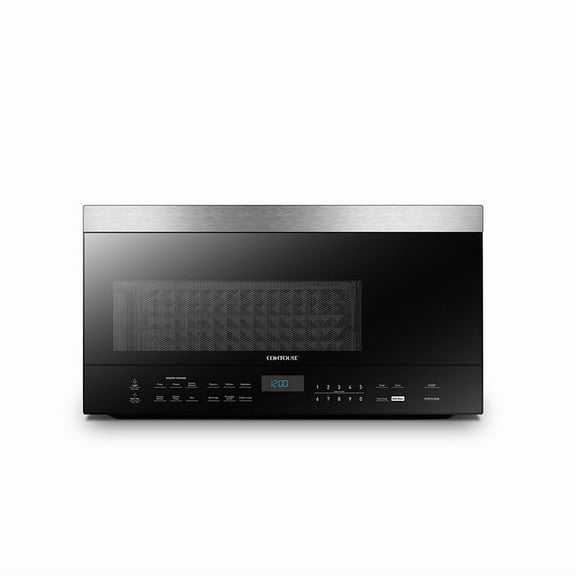
An over-the-range model can help you combine cooking access with space above your cooktop. You should confirm mounting support and vent placement before you choose that layout.
Key benefits you should compare first
You can narrow options faster when you focus on outcomes that matter in an RV. Your right choice can simplify meal prep, support your power setup, and fit your cabinet opening.
- You can warm leftovers, heat drinks, and prep quick meals without using extra burners.
- You can choose compact capacities that fit galley kitchens where every inch matters.
- You can match wattage to your shore power, inverter, or generator setup.
- You can replace an older microwave with a similar cutout for a cleaner install.
- You can select combo cooking functions when your RV kitchen needs one appliance to do more.
If you're short on prep space, a small microwave for rv use can keep your counter area more usable. You can keep daily cooking simple while preserving room for other essentials.
When you're updating an older coach, an rv microwave replacement can help you refresh your kitchen without changing your whole cabinet plan. You can reduce guesswork by comparing capacity, outer dimensions, and mounting style together.
What to look for in size, capacity, and wattage
You should measure your opening carefully, because exterior dimensions matter as much as interior capacity. You may see common sizes like 0.7, 0.9, and 1.1 cubic feet.
A 0.7 cubic foot model can suit compact campers where every cabinet inch counts. A 1.1 cubic foot model can give you more room for larger plates and covered dishes.
You should also compare cooking power in 700W, 900W, and 1000W ranges. Higher wattage usually means quicker heating, but your electrical setup must support that draw.
When you review power details, you should look at running watts and starting demand together. Your generator or inverter needs enough headroom for smooth operation during cooking cycles.
If you're considering a 12v rv microwave, you should confirm the exact power requirements before you choose. You may want that format when your setup centers on battery use and compact electrical systems.
You should also check door swing, control placement, and interior turntable size. Those details can affect how easily you use the microwave in narrow RV walkways.
Choosing between solo, grill, and rv microwave convection oven models
You can keep your decision simple by matching cooking style to how you travel. A solo microwave handles reheating and quick cooking, while combo units add more flexibility.
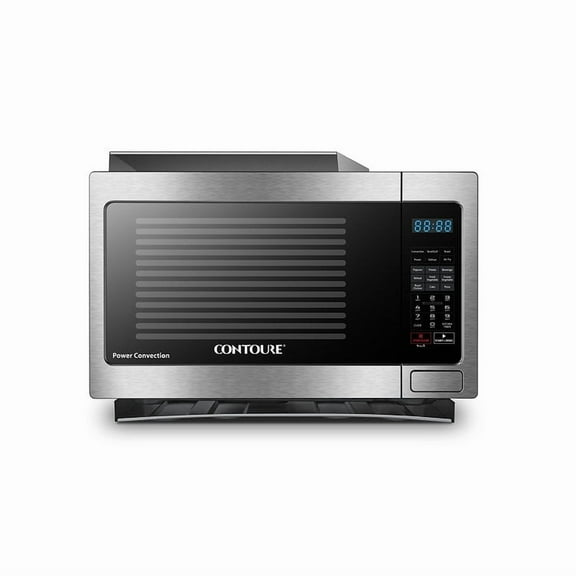
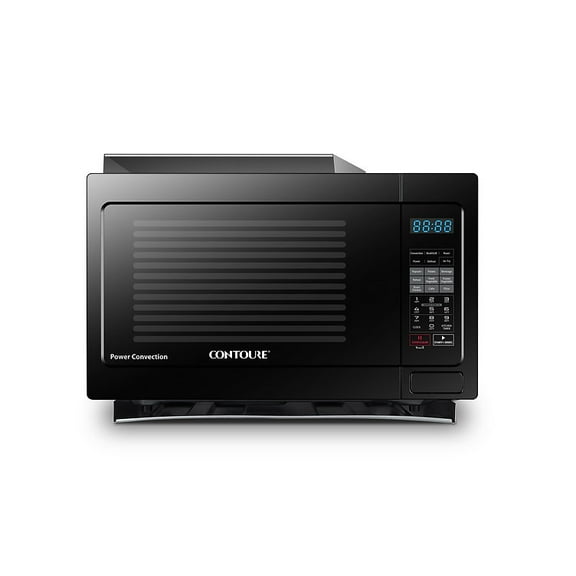
An rv microwave convection oven can help you bake, brown, or roast with one appliance. You may prefer that option when your RV kitchen has limited room for separate cooking tools.
If you want crisped finishes on select foods, you can compare models with grill functions. You should review interior space and controls to decide whether that extra mode fits your routine.
Combo cooking can make sense when you stay on the road for longer trips. You can prepare more varied meals without adding another countertop appliance.
Use cases for replacement, travel style, and power setup
If you're replacing a failed unit, you should begin with the old microwave's cutout and face frame measurements. Your install may also depend on whether you can reuse an existing trim kit.
For weekend campers, you may want a simple solo model with compact capacity and moderate wattage. You can get quick heating without overcomplicating your setup.
For extended trips, you may prefer an rv microwave convection oven that covers reheating and baking in one footprint. You can prepare casseroles, snacks, and simple roasted meals with fewer appliances.
If your coach has a dedicated cabinet opening, a built in rv microwave can give you a more integrated look. You should verify mounting points and ventilation space before installation.
If your rig has limited electrical capacity, you may focus on lower wattage models first. You can match appliance demand to your inverter, shore power connection, or generator output.
For compact campers and vans, a small microwave for rv travel can support quick meals in narrow kitchens. You can maintain usable counter space while keeping daily cooking practical.
If your setup emphasizes battery power, a 12v rv microwave may be part of your shortlist. You should compare dimensions, output, and electrical compatibility before making your final choice.
With the right measurements, wattage, and function, you can choose an RV microwave that fits your kitchen and travel routine. You can get a cleaner replacement process and more dependable meal prep on the road.