


Find tires that fit
Let’s search for tires that fit your vehicle.Michelin Pilot Sport PS2 Tires - Michelin PS2 | Walmart


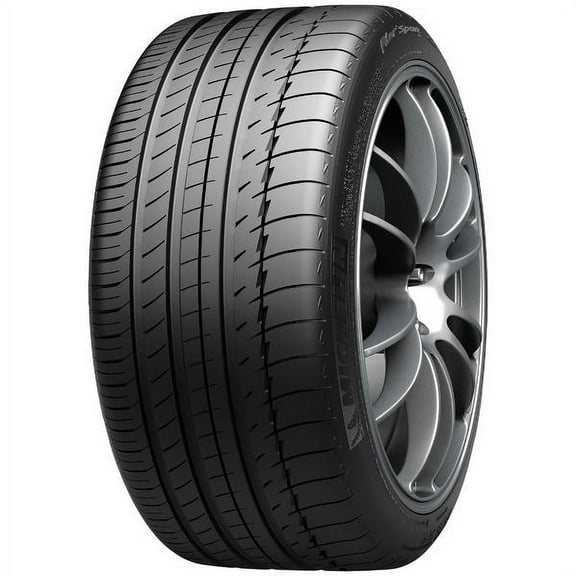


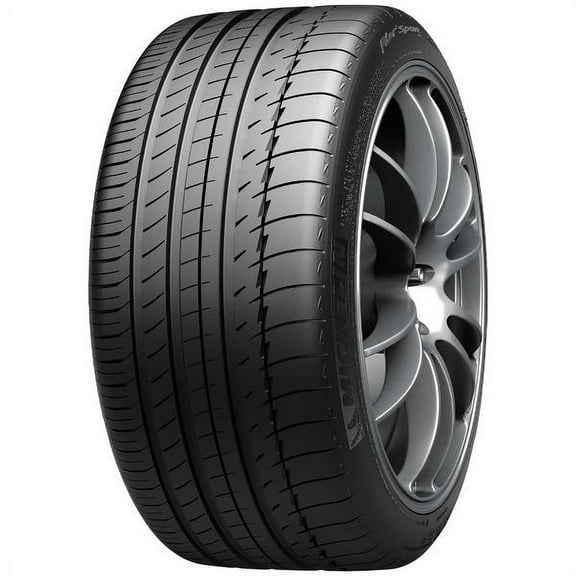
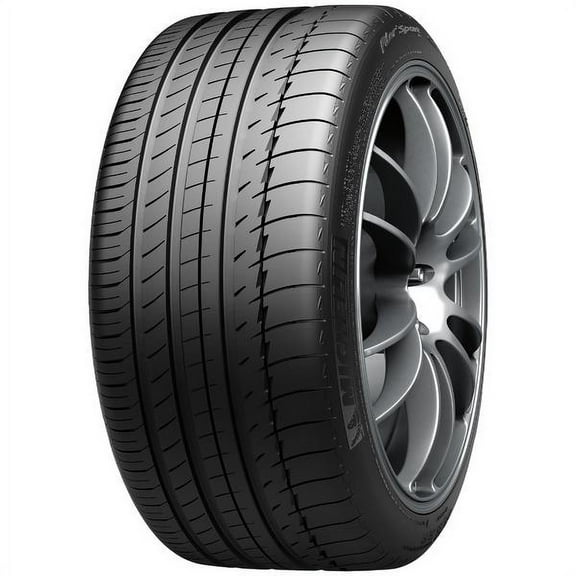


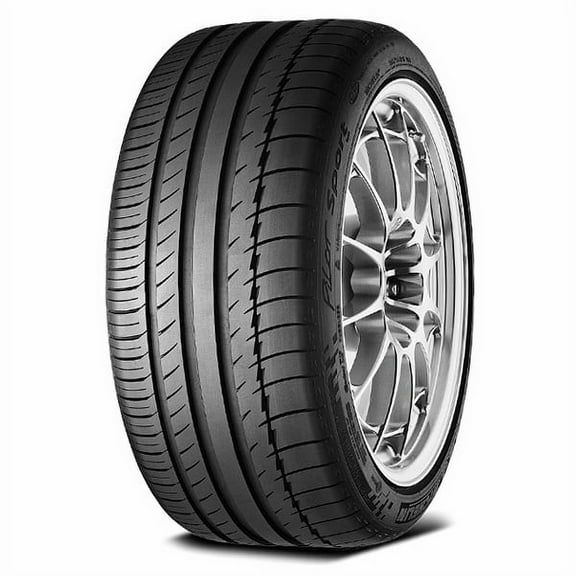


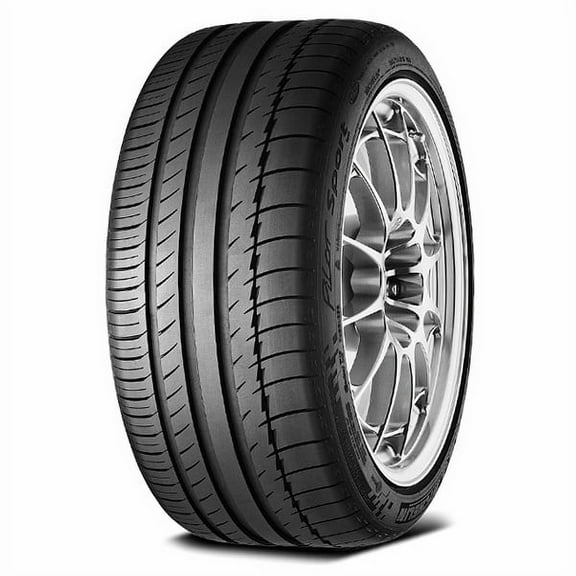


About Michelin Pilot Sport PS2 Tires - Michelin PS2 | Walmart - Walmart.com
You can narrow your performance tire search faster with michelin ps2 options built for sports cars, responsive steering, and precise road feel. You’ll want this category when your coupe or sedan needs original-equipment style fitment, summer-focused traction, and high-speed confidence.
You’re often matching a replacement set to factory specs, so this page helps you compare the details that matter first. You’ll see how tire size, performance category, speed rating, and seasonality shape handling, cornering stability, and everyday drivability.
How to choose michelin ps2 tires
You should start with your vehicle’s required tire size, because rim diameter and sidewall profile directly affect fit and response. You’ll usually compare 17-inch, 18-inch, 19-inch, and 20-inch options based on your wheels and factory recommendations.
You’ll also want to check aspect ratio and load index before you choose a size. You can use those numbers to confirm the tire supports your vehicle properly and keeps steering feel close to the intended setup.
When you compare this category, you’re choosing a tire known for dry grip and stable corner entry at speed. You’ll notice that matters most on performance cars that react quickly to steering inputs.
- You can gain sharper turn-in feel for spirited highway and backroad driving.
- You can match factory-style fitment for many performance-focused cars.
- You can compare speed ratings that align with your vehicle requirements.
- You can choose sizes that support low-profile handling characteristics.
Choosing the right performance category
You should compare Max Performance Summer and Ultra High Performance labels as buying signals, not just marketing terms. You’ll usually find that both focus on responsive handling, but your exact fitment and vehicle setup still guide the final choice.
If you drive a sports car or performance sedan, you may want a tire tuned for quick steering response and strong dry-road feedback. You’ll likely notice these categories prioritize pavement grip and cornering control over cold-weather versatility.
You should also think about treadwear expectations before you replace your set. You won’t buy a performance tire for long highway mileage alone, but you can still compare construction, compound focus, and warranty information.
When you review warranty details, you’re checking for coverage terms and brand guidance, not a promise of identical mileage. You should expect driving style, alignment, and rotation habits to influence how long your tires stay consistent.
Checking size, load index, and speed rating
You’ll need to confirm more than wheel diameter when you choose a tire for a high-performance vehicle. You should check aspect ratio, load index, and the speed symbol on your current tire or driver-side placard.
If you see Y-speed rated, W-speed rated, or Z-speed rated options, you’re looking at symbols tied to sustained high-speed capability. You should match the manufacturer requirement so your vehicle keeps the intended balance of handling and control.
You can think of load index as the tire’s carrying capacity in a coded number. You’ll want that number to meet your vehicle requirement, especially if your car has a heavier engine, staggered setup, or performance package.
For many drivers, 17-inch and 18-inch sizes support sporty daily driving with a practical sidewall profile. You may prefer 19-inch or 20-inch sizes when your vehicle came with larger wheels and a more immediate steering feel.
Considering seasonality and driving conditions
You should treat summer tires as warm-weather equipment designed for dry roads and strong wet-road control in seasonal conditions. You won’t want the same setup for freezing temperatures, because summer compounds are tuned for a different range.
If you drive through changing seasons, you should compare your local weather pattern with your vehicle’s role. You may keep a summer setup for warm months and switch when winter conditions become part of your routine.
You might also notice all-season language while comparing broader tire categories, but you should separate that from a dedicated performance summer tire decision. You’ll get clearer results when you choose based on climate, driving style, and factory intent.
When your route includes highway ramps, sweeping curves, and dry pavement, you may prioritize stable cornering and confident braking feel. You’ll likely care more about steering precision here than year-round flexibility.
Matching real driving scenarios
You may be replacing original-equipment tires on a Porsche, BMW, or another performance-focused vehicle with exact fitment needs. You should compare the sidewall information carefully so your replacement choice stays aligned with the vehicle setup.
If your car uses staggered sizing, you’ll want to review front and rear dimensions separately before ordering. You can avoid fitment confusion by checking width, aspect ratio, and rim diameter for each axle.
You might be shopping for a weekend car that spends more time on clear roads than in storage. You’ll appreciate a category built around steering response, road feedback, and composed high-speed cruising.
For a daily-driven sport sedan, you may want a balance of responsive handling and predictable behavior on commutes. You can compare speed ratings and load capacity to keep the tire choice aligned with your normal driving pattern.
You’re making a precise replacement decision here, not a generic tire purchase. You can choose with more confidence when your size, season, load index, and speed rating all line up with your vehicle’s intended performance.