

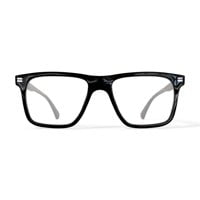

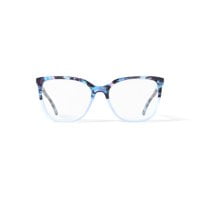
Men's Eyeglasses in Prescription Glasses
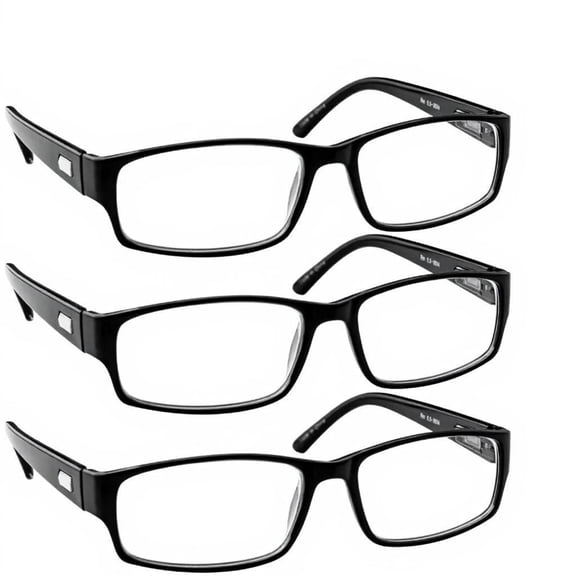
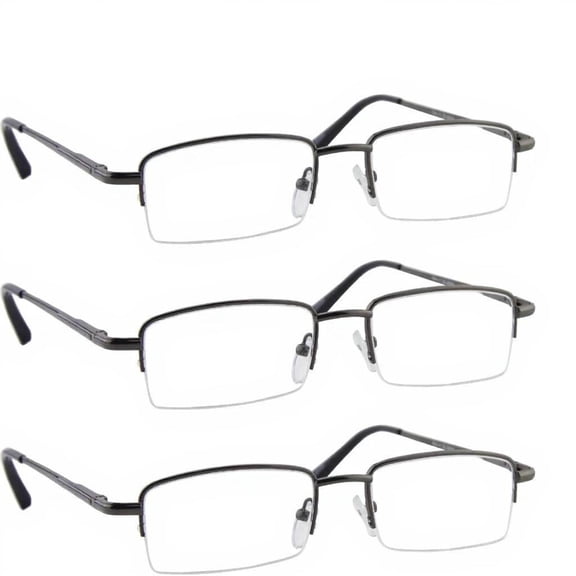

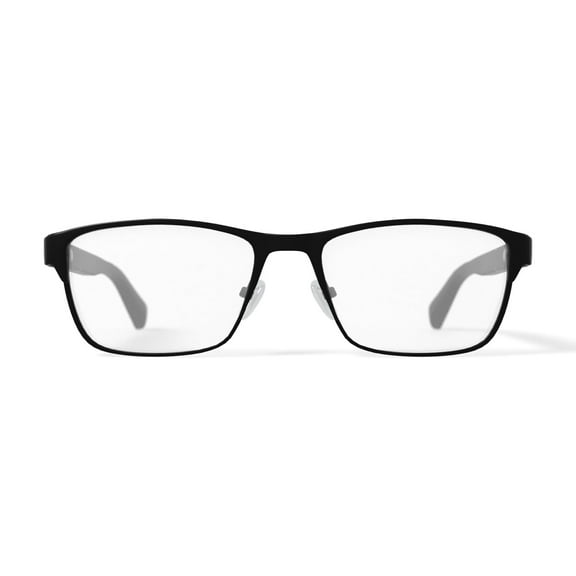


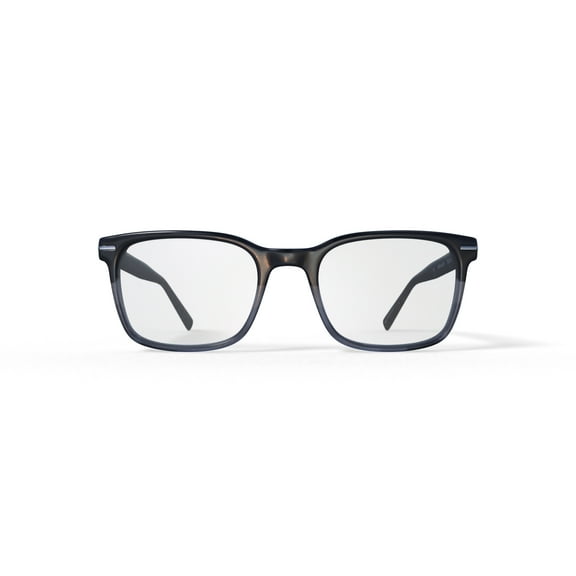
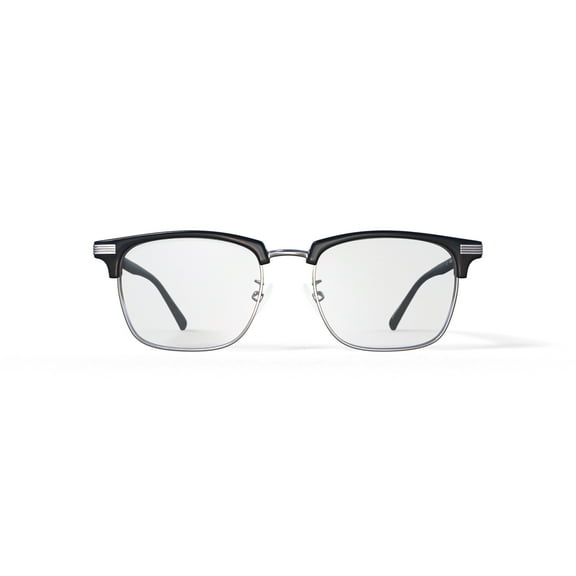

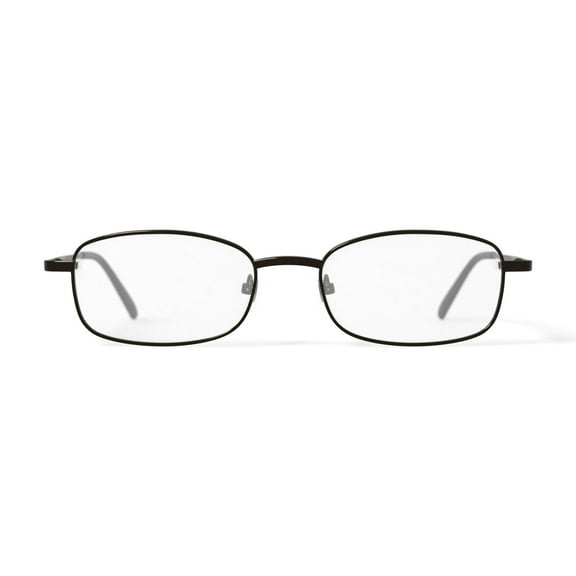
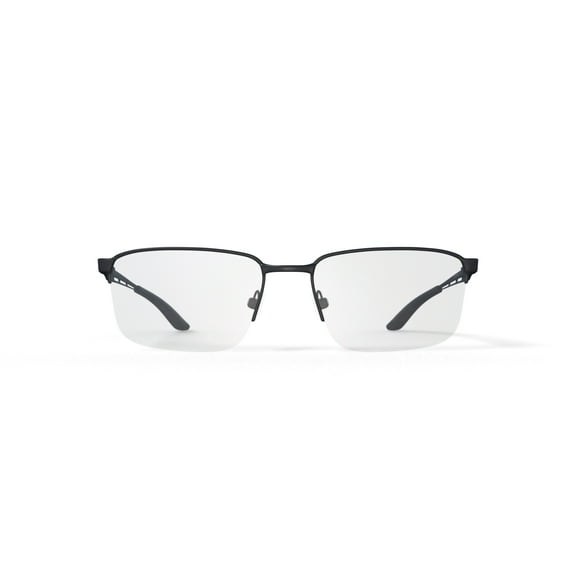
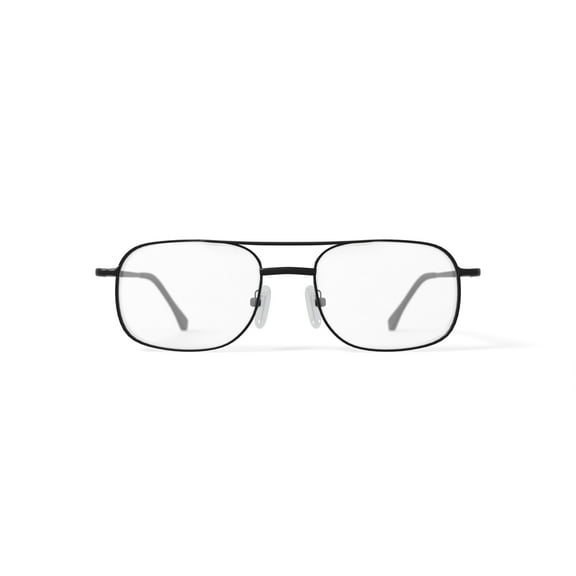


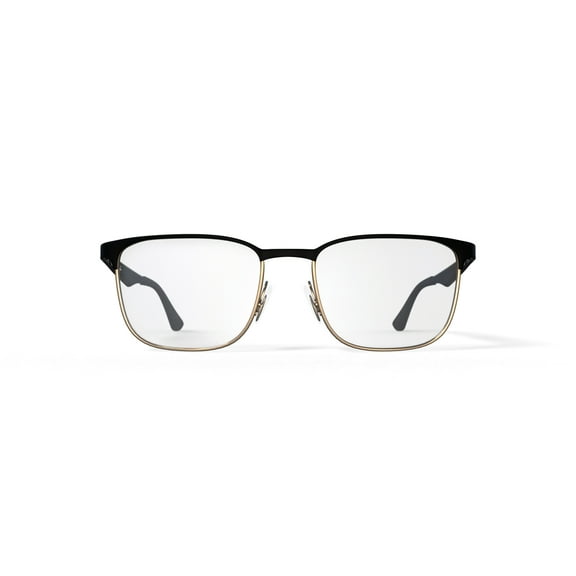
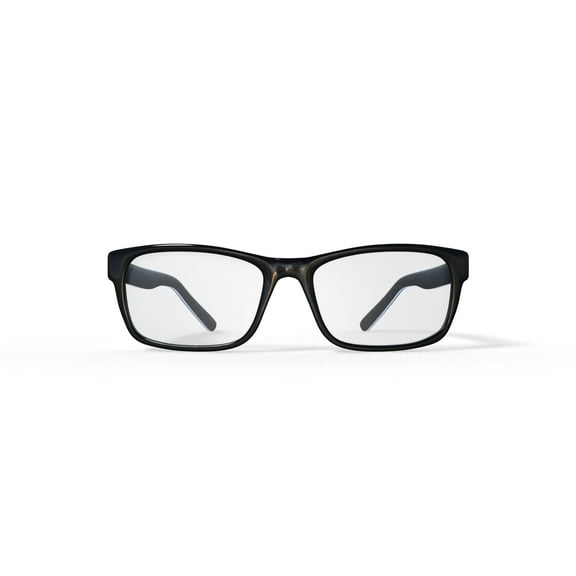

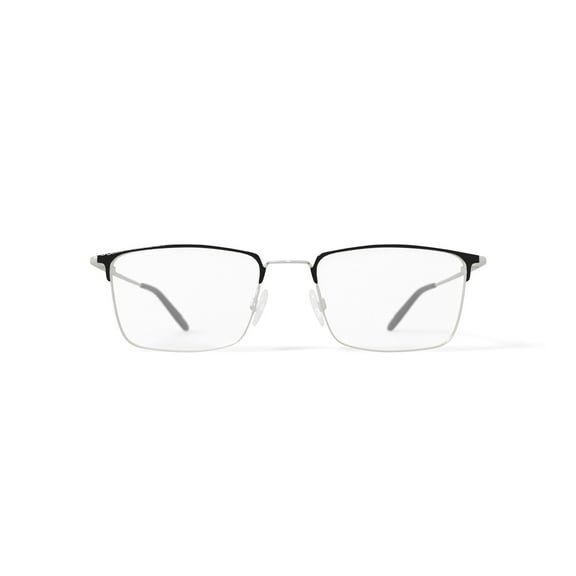


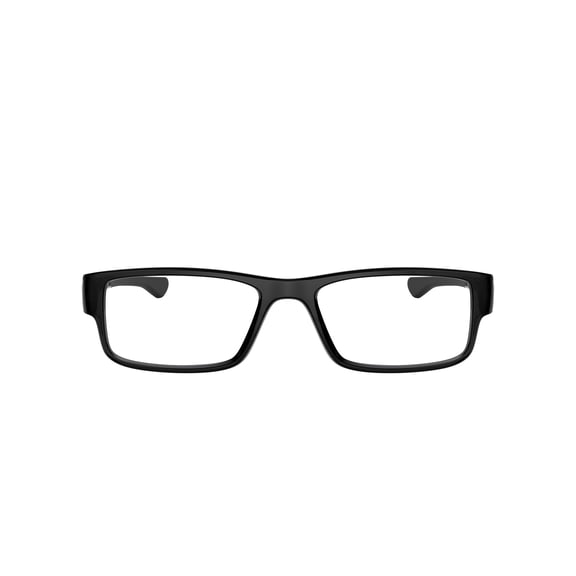


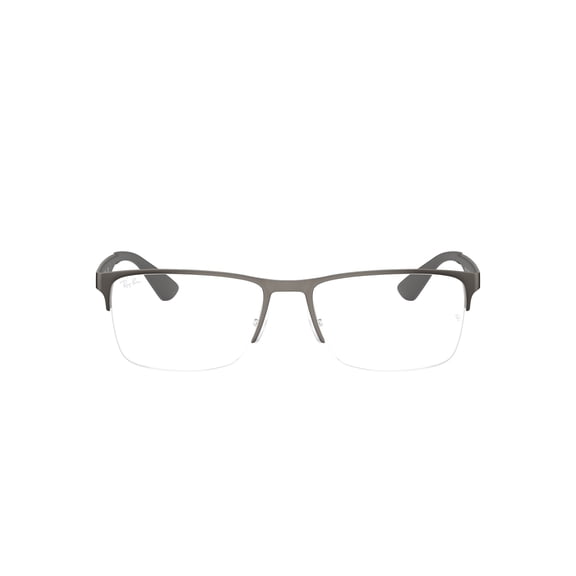

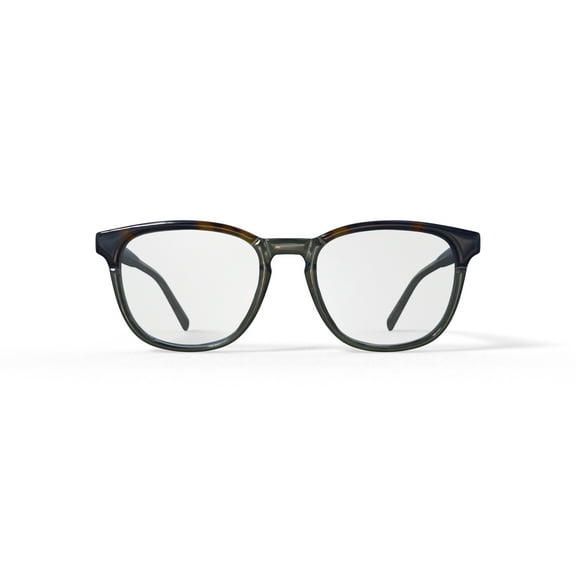


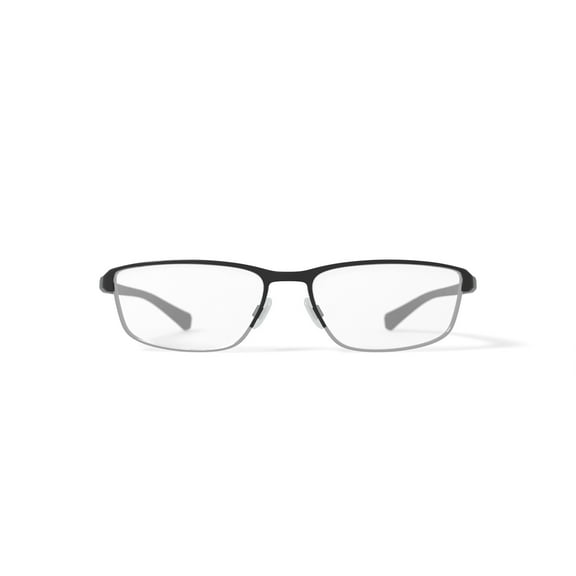
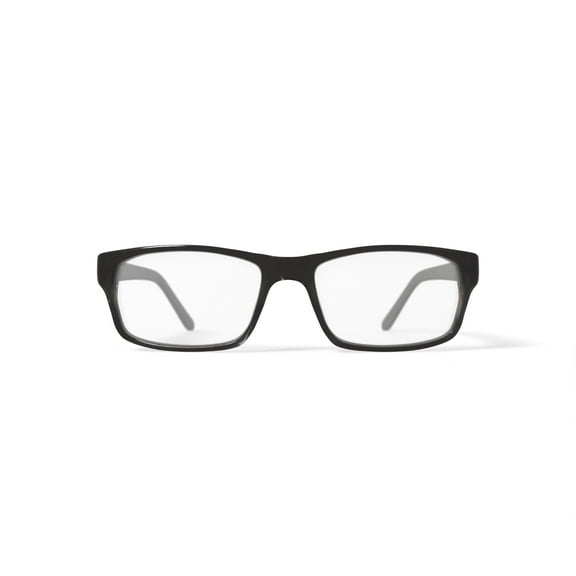
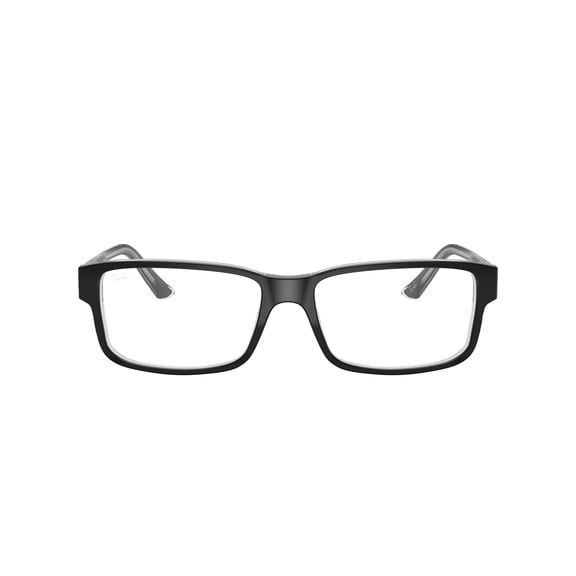

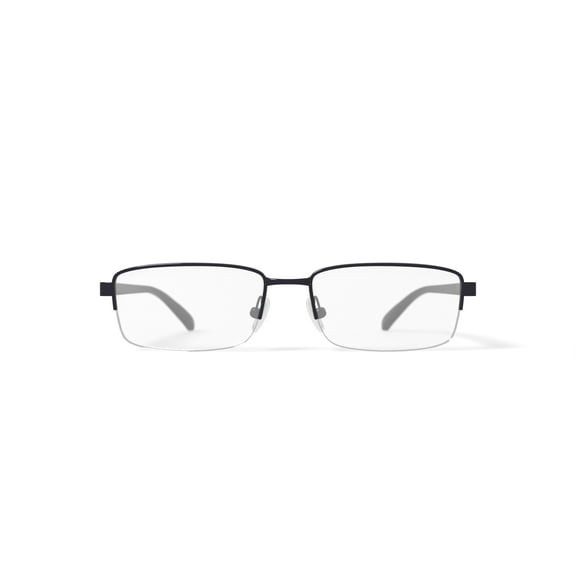


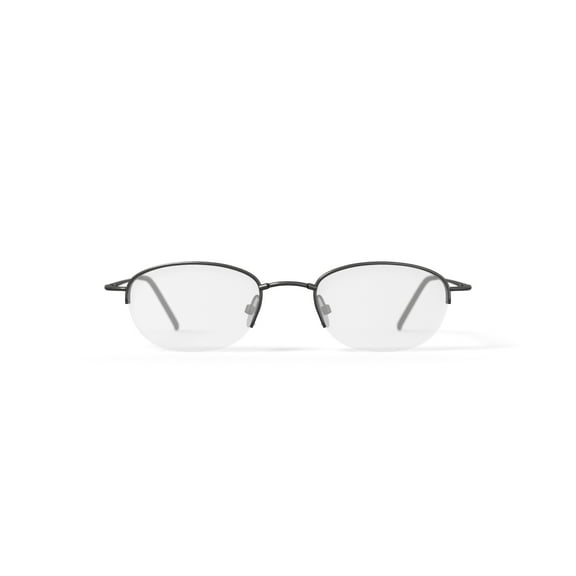

About Men's Eyeglasses in Prescription Glasses - Walmart.com
Prescription glasses help you match clear daily viewing with the frame fit and lens options your routine needs. You can compare shapes, measurements, and coatings in one place, which makes ordering feel more straightforward.
How to choose prescription glasses online
When you shop prescription glasses online, you can start with your current prescription and a few frame measurements. You can also compare shapes and lens options before you place your order.
Your prescription usually lists SPH, CYL, and sometimes axis, which guide your lens correction. You may also need your pupillary distance, or PD, so your lenses align with your eyes.
If your doctor gave you a printed prescription, you can read each field carefully before entering it online. If your PD isn't listed, you can often use your current glasses details as a reference.
- You can use SPH to enter the main lens power for each eye.
- You can use CYL and axis when your prescription includes astigmatism values.
- You can use PD to help position your lenses where you naturally look.
- You can check your lens width, bridge width, and temple length for a familiar fit.
These details matter because your glasses should sit comfortably and line up with your view. When you compare measurements first, you can narrow choices with more confidence.
Choosing prescription glasses frames by shape and fit
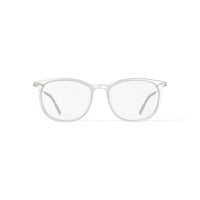
Prescription glasses frames affect how your glasses look, feel, and wear through long days. You can use frame style and size to balance your features and support a comfortable fit.
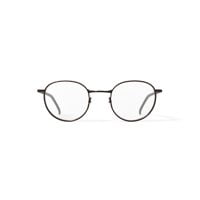
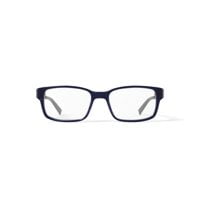
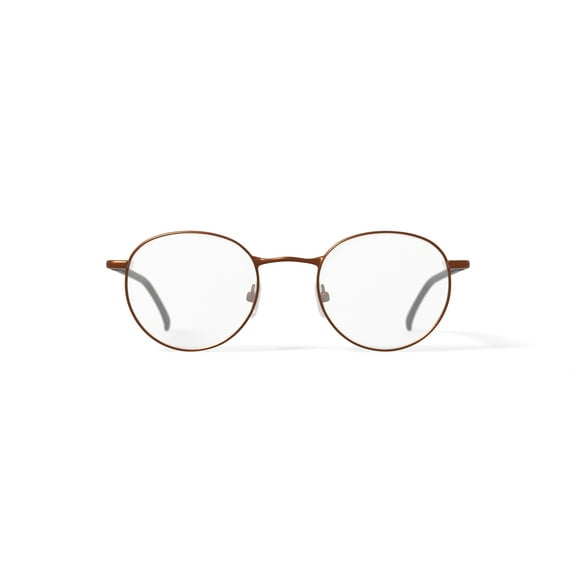
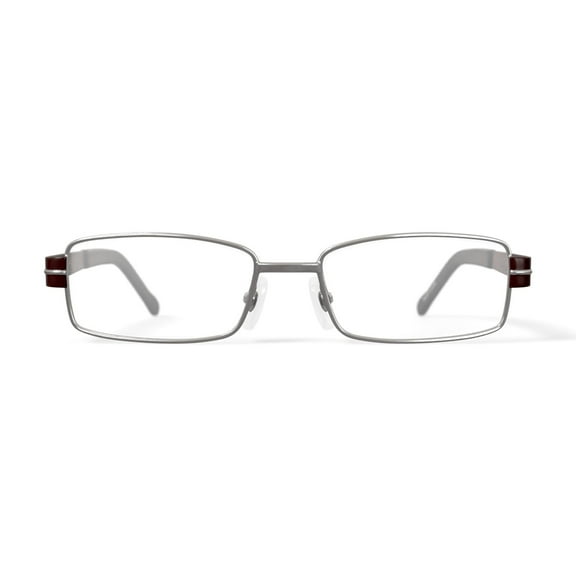
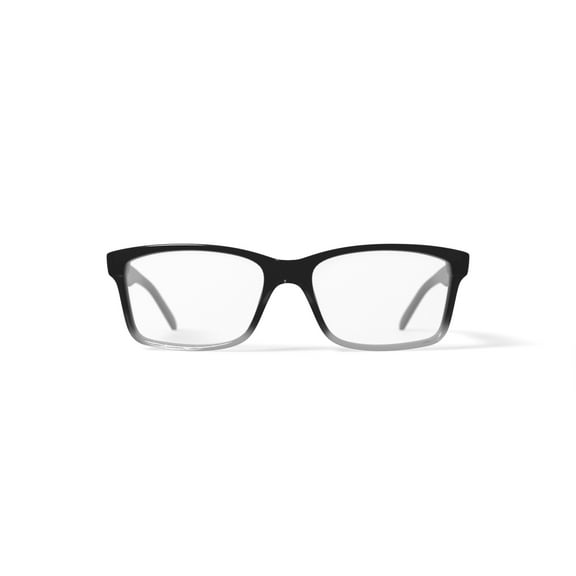
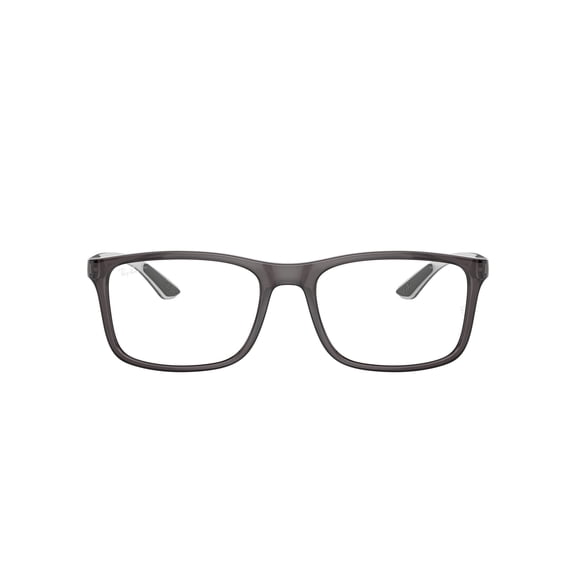
If your features are softer, you may prefer rectangular or square frames for added definition. If your features are more angular, you may prefer round frames for a smoother contrast.
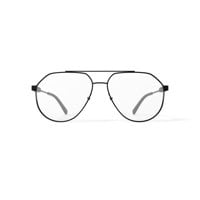
You might choose cat-eye frames when you want an upswept look around the brow line. You might choose aviator frames when you want a lighter silhouette with a wider lens shape.
Your current glasses can help you measure lens width, bridge width, and temple length before you switch styles. When you match those numbers closely, you can often keep a fit that feels familiar.
You can also sort by men's prescription glasses, women's prescription glasses, unisex options, and kids' styles. That makes it easier for you to compare proportions, colors, and everyday wear preferences.
Understanding lens types and coatings
Your lens choice shapes how your prescription glasses perform at work, at home, and on the go. You can compare single vision, bifocal, reading, and progressive lenses based on how you usually focus.
Single vision lenses can suit one main viewing distance, such as distance or reading. Progressive lenses can help you move between distances without visible segment lines.
If you switch between screens, books, and room viewing, you may want to compare progressive lenses carefully. If you need reading support only, you may prefer a reading-focused prescription setup.
Your lens material also matters when you wear glasses for long hours. Polycarbonate lenses can feel lighter, while high-index options can help thinner lens profiles with stronger prescriptions.
You can also compare coatings based on your routine and environment. Blue light blocking glasses may suit heavy screen time, while anti-reflective coatings can reduce glare in bright indoor settings.
Scratch-resistant finishes can help your lenses handle everyday handling more smoothly. UV protection can add another practical layer when you spend time outdoors during the day.
Matching your glasses to everyday use
You can choose prescription glasses for commuting, office work, school days, or evenings at home. When you match features to your routine, your glasses can feel easier to wear all day.
If you work at a computer for hours, you may look for blue light blocking glasses and anti-reflective coatings. Those options can support a cleaner view of digital screens and overhead lighting.
If you move between meetings, driving, and reading, you may compare progressive lenses with lightweight materials. That combination can give you one pair for several daily viewing needs.
For active households, you may prefer durable materials and secure-fitting temples that stay comfortable through busy routines. For style-led outfits, you may focus first on rectangular, round, cat-eye, aviator, or square frames.
You can also shop by age group when you're choosing for adults or kids. That makes it easier for your household to compare size ranges, frame looks, and lens options side by side.
When you know your prescription details, frame measurements, and lens priorities, you can make a clearer decision. Your next pair can deliver a fit that feels right and a look that suits your everyday routine.