







Bird Food in Birds






![AE Cage Company Vita Line Banana Chips for Parrots and Exotic Birds [Bird Parrot Treats, New Bird Supplies, Bird Supplies] 1 count](https://i5.walmartimages.com/seo/AE-Cage-Company-Vita-Line-Banana-Chips-for-Parrots-and-Exotic-Birds-Bird-Parrot-Treats-New-Bird-Supplies-Bird-Supplies-1-count_549a302f-45bd-4abd-b17a-6636bd15edac.35dd5d700cb74cf43c4699474cc0376a.jpeg?odnHeight=576&odnWidth=576&odnBg=FFFFFF)















About Bird Food in Birds - Walmart.com
Food for birds makes daily feeding simpler when you match the blend to your bird’s species and routine. On Walmart.com, bird food options cover pellets, seed mixes, and treats for many pet birds. You’ll also find sizes that fit weekly top-offs or longer stocking needs.
Choose formulas designed for indoor cages, training moments, and variety in the bowl. Different birds eat differently, and the right staple keeps portions predictable and waste lower. Many blends separate small seeds from larger pieces for easier picking.
Why the right food for birds matters
Bird food isn’t one-size-fits-all, and ingredient shapes affect what your bird actually finishes. Smaller birds often sort through big pieces and leave mess behind. Larger parrots may prefer chunkier textures they can hold and break apart.
A species-matched mix helps you see tidier bowls and more consistent feeding habits. When you keep a dependable staple on hand, daily care becomes simpler to manage. Measured scoops help you plan refills and storage without guesswork.
Resealable packaging can keep the pantry organized and the food fresh between feedings. That means fewer crumbs in drawers and less mess around storage bins. It also makes it simpler to pour and portion without spills.
- Build a consistent routine with a staple blend that’s simple to portion.
- Reduce selective picking by choosing pellet-forward or balanced mixes.
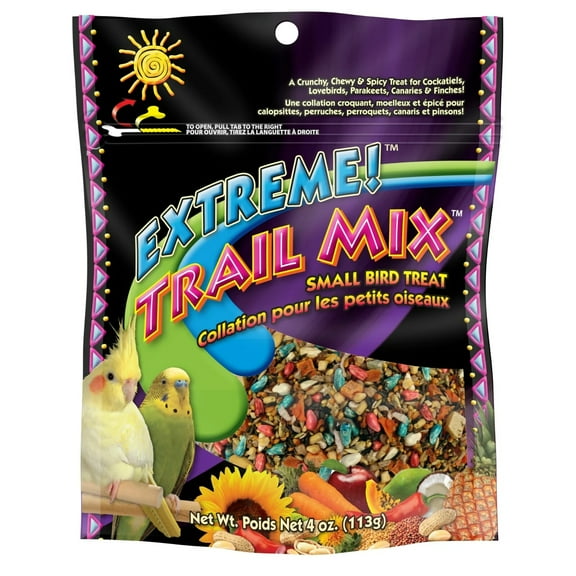
- Add variety with safe toppers like dried fruits, nuts, or veggie pieces.
- Keep cleanup manageable with less dusty formulas and resealable bags.
Some households keep multiple containers for different birds or feeding stations. That works well when one bird needs smaller pieces and another wants larger bites. It also helps when you rotate flavors without switching the entire diet at once.
A clear label and scoop keep each bowl consistent. Separate bins also reduce mix-ups when caretakers help with feeding. This approach supports multi-bird homes with different beak sizes.
What to look for in bird food and pet bird food
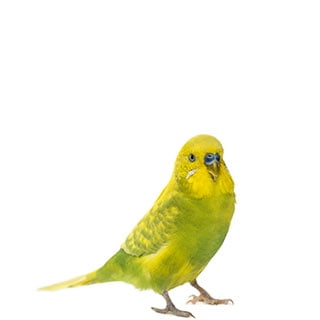
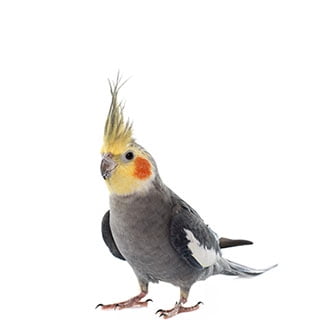
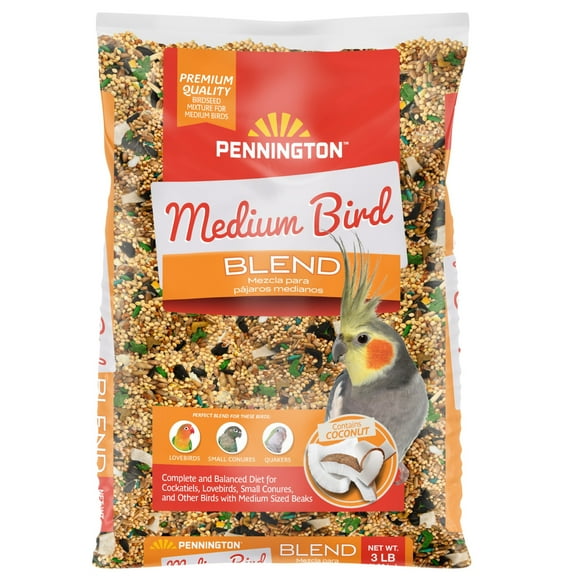
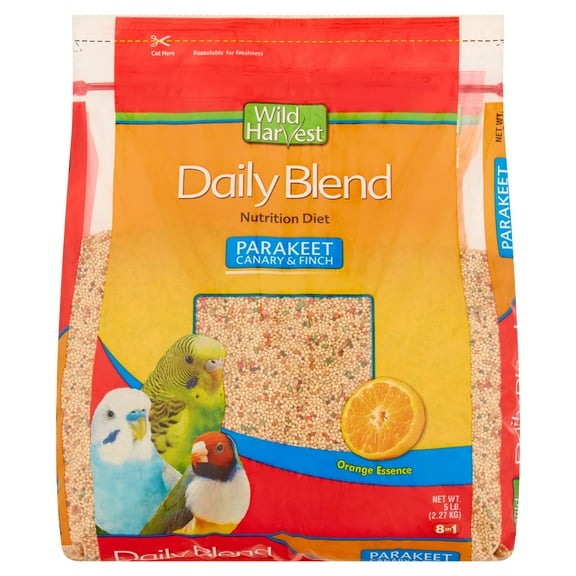
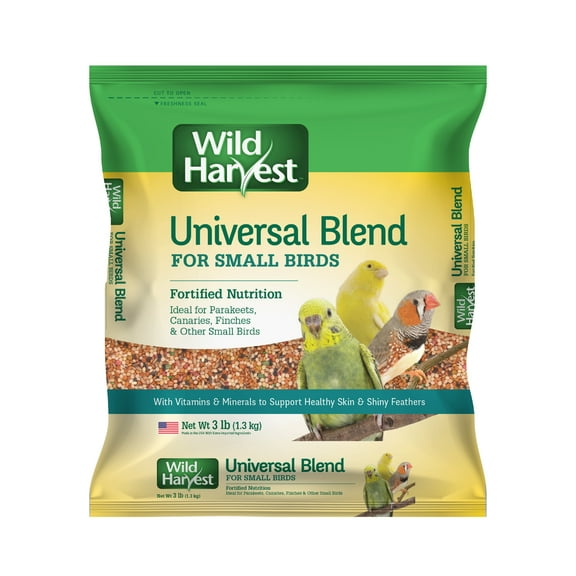
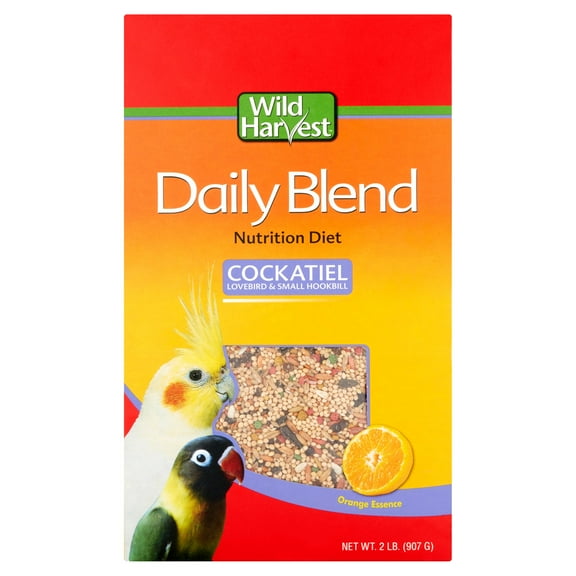
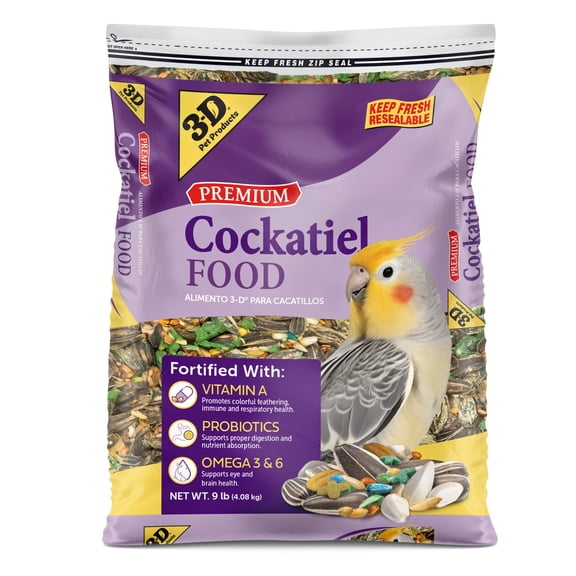
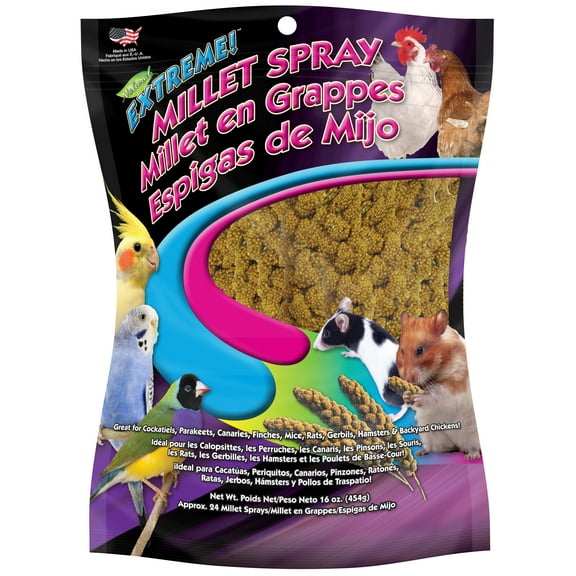
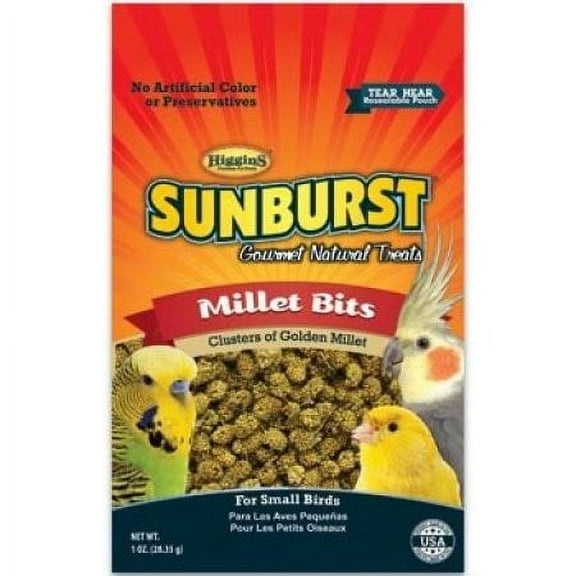
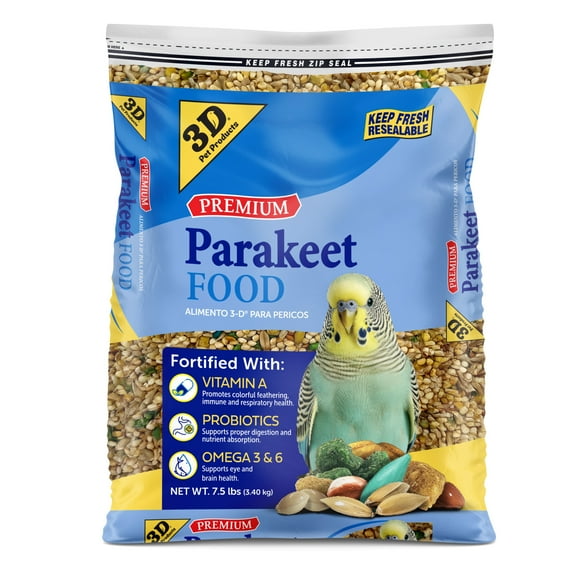
Start with the bird type, because beak size and eating style shape the right choice. Finches and canaries often do well with smaller seeds and millet-focused mixes. Cockatiels and parakeets may prefer varied blends with medium kernels.
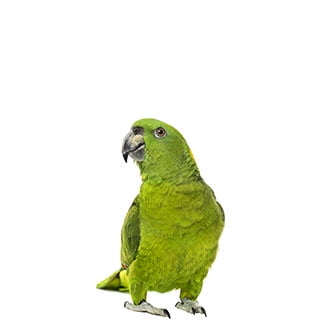
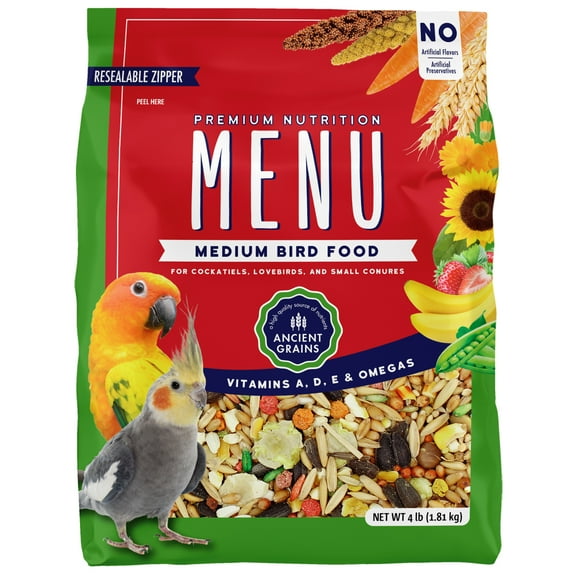
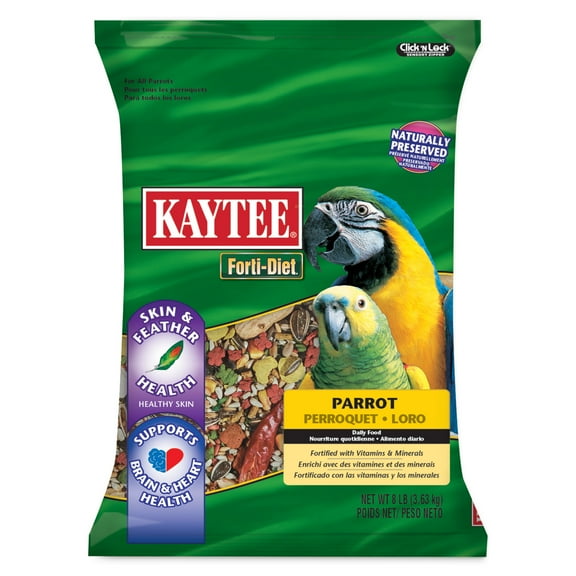
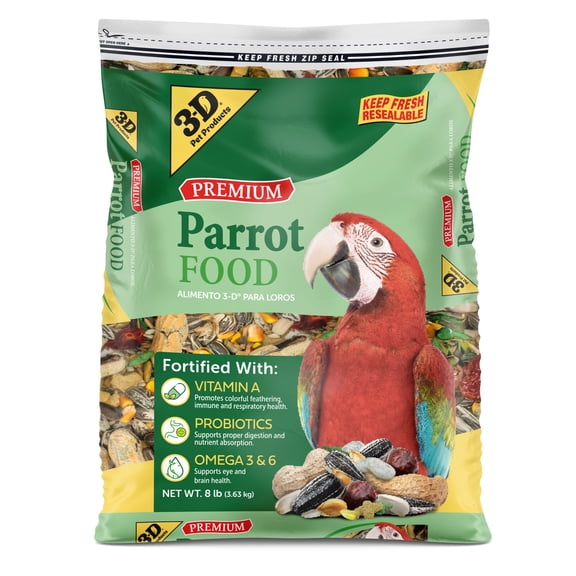
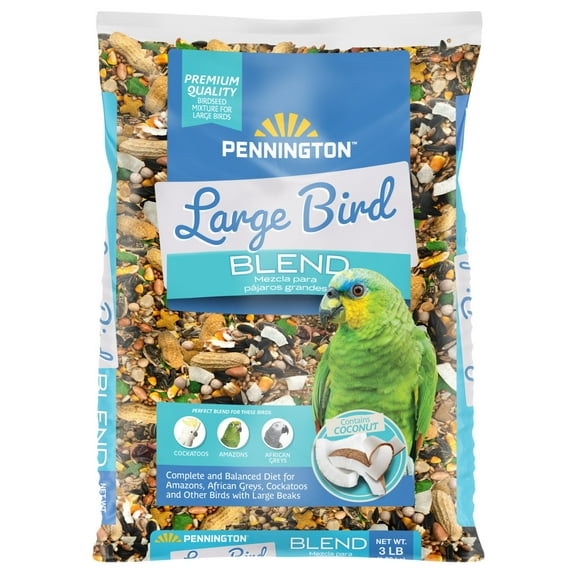
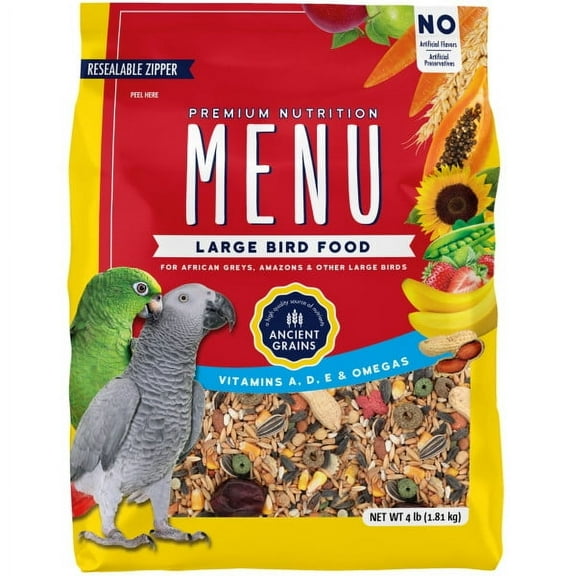
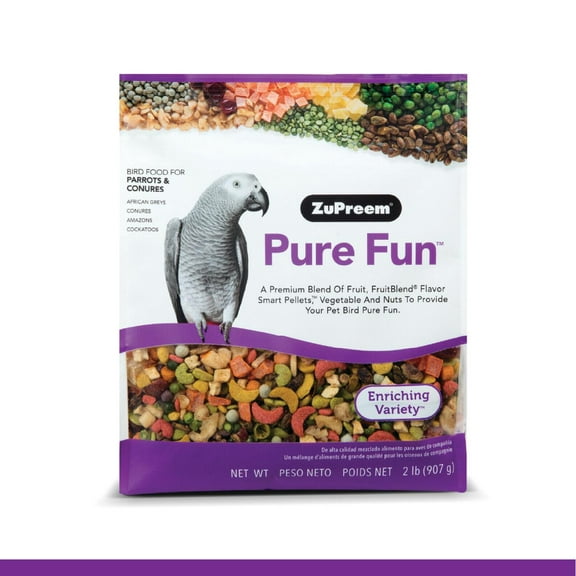
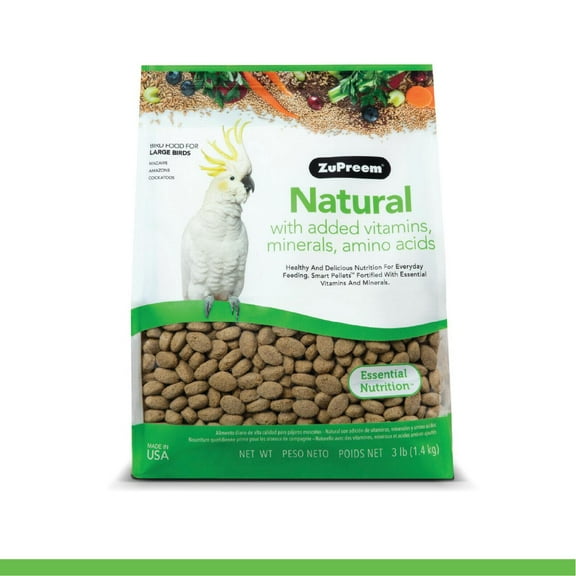
Many parrots handle larger pieces, plus nut and fruit textures. Pellets are a common staple in pet bird food because each bite is similar. That can reduce the habit of picking favorites from a seed mix.
Look at pellet size, because smaller pellets fit small beaks. For larger birds, bigger pellets can slow fast eaters and cut crumbles. If your bird uses a cup feeder, choose shapes that stay contained.
Texture and density matter more than shoppers expect. Dusty seed can settle at the bottom and leave bowls looking full. Hulled seeds can reduce shell waste around cages and perches.
Crumble-resistant pieces stay easier to scoop and measure. Check packaging size and storage style before you choose. Smaller bags fit apartment cabinets and stay simpler to pour.
Larger bags can support multi-bird homes and frequent refills. Airtight bins help keep feeding areas organized and reduce spills. If you use gravity feeders, a smooth-pouring mix helps avoid clogs.
For shoppers searching birdfood online, product titles may include blends, pellets, and specialty mixes. Use the ingredients panel to compare what’s inside, not just the front label. A “mix” can mean many ratios depending on brand.
That quick check helps you avoid buying a bag your bird ignores. Also review the feeding guidance for daily portioning. It can help you plan how long a bag may last.
Healthy bird food choices for daily routines
Healthy bird food starts with a clear staple and planned variety, not constant switching. Many homes use pellets as the base and add measured seed or mix-ins. That approach can make portions simpler to repeat day to day.
It also helps you control how many rich add-ins go into the bowl. Look for blends that match your bird’s preferences without relying on only one texture. Some birds love crunchy bits, while others go for smaller pieces.
Rotating between two compatible mixes can add interest. Keep the main portion consistent so your routine stays predictable. If you change foods, transition slowly by mixing the new blend into the old one.
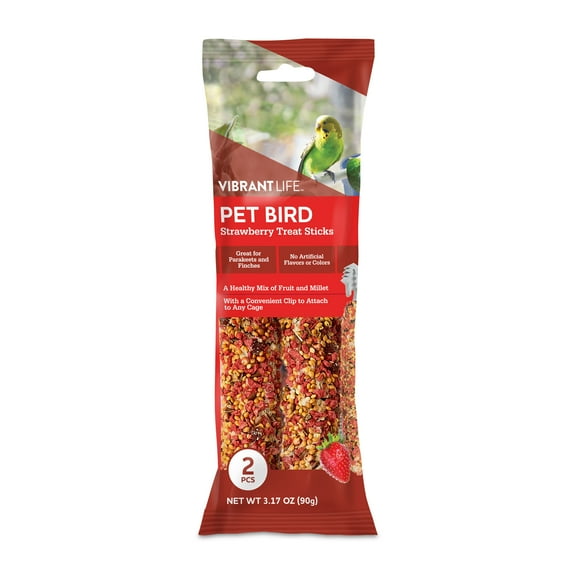
Training treats work well when they’re small and simple to handle. Many birds respond to tiny seeds or bite-size fruit pieces during step-up practice. Keep treats in a separate jar for quick access.
That keeps the main bowl focused on everyday nutrition formats. If you manage multiple cages, labeling helps prevent mix-ups. One container can be dedicated to small-bird seed and another to parrot blends.
You’ll waste less food when each scoop is right the first time. It also makes refill days more efficient. Consistent storage also supports quick checks on remaining supply.
Everyday use cases for food for birds
Daily cage feeding is the most common routine, and consistency helps you plan refills. A measured scoop in the morning keeps bowls from overflowing. Evening top-offs work well for birds that snack through the day.
Choose mixes that pour cleanly into narrow feeders. Some birds prefer foraging toys that make meals more engaging. Seed mixes with varied piece sizes can work well in puzzle feeders.
Pellets often fit treat wheels and hanging cups with less scatter. A mix of both supports different toy styles. If your bird feeds on a play stand, use a cup that catches crumbs.
Travel and boarding call for simple, familiar meals. A resealable bag or small container keeps portions simple for caretakers. Stick with the same staple to keep routines consistent.
Pack a labeled scoop to reduce guessing. Seasonal household changes can affect feeding setup, like moving cages or changing room traffic. A no-mess feeder paired with hulled seed can reduce scatter on floors.
Larger chunks can be simpler to pick up around play stands. Matching food texture to the feeding area can keep cleanup manageable. If your bird flings seed, consider heavier bowls and lower-fill portions.
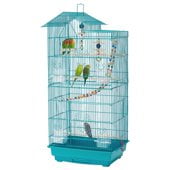
Many shoppers also pair bird food with habitat upgrades for smoother daily care. A well-sized bird cage helps prevent bowls from tipping. Bird feeders and cups can make portioning simpler and reduce spills.
Those add-ons keep the feeding station organized. They also support consistent access to food throughout the day. That’s helpful for homes with multiple feeding spots.
Choosing a size that fits your routine
Bird food cost often comes down to bag size, ingredients, and how many birds you feed. Smaller bags can be simpler to rotate if your bird gets picky. Larger bags work well when you already know the blend your bird finishes.
Pick a size that matches how fast you refill bowls. Plan storage before buying larger quantities. A sealed bin protects against pantry mess and keeps scoops simple.
If you’re space-limited, choose compact bags and restock more often. That keeps your feeding setup tidy. Clear containers also help you track when it’s time to replenish.
With the right food for birds, feeding becomes a smoother part of your day. You’ll spend less time sorting leftovers and more time enjoying active, engaged birds. Consistent portions and smart storage keep bowls dependable.
That means tidier cages and simpler routines. When the staple fits your bird, bowls come back emptier and refills feel predictable. The result is a feeding setup that stays organized with less daily mess.