



Log Splitters & Wood Splitters
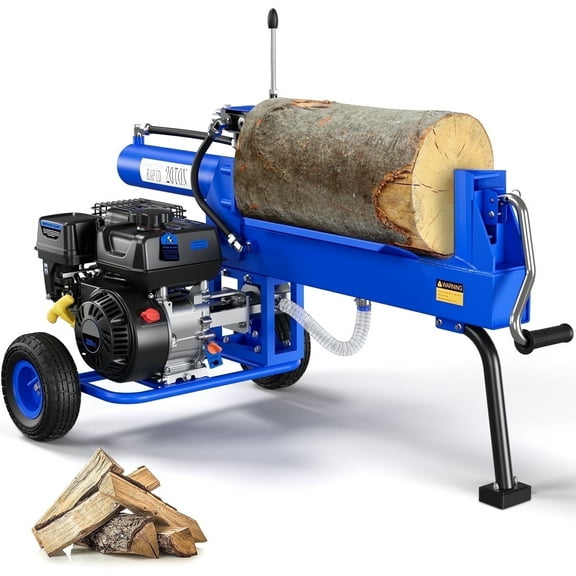

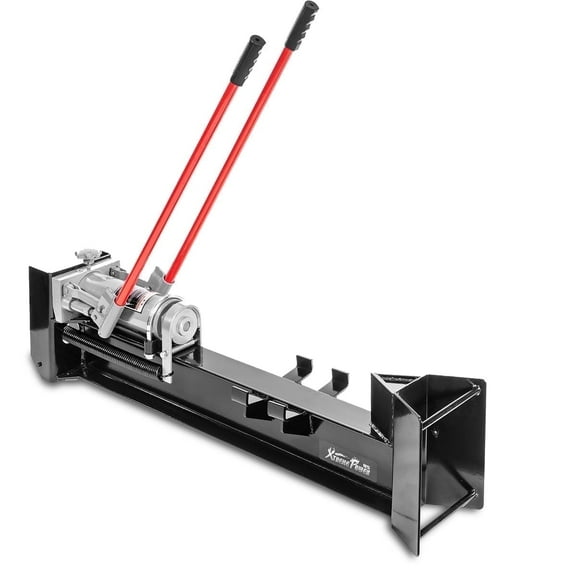

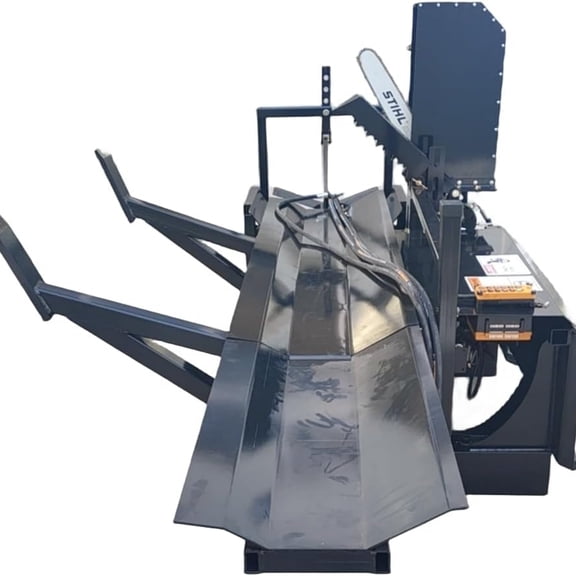

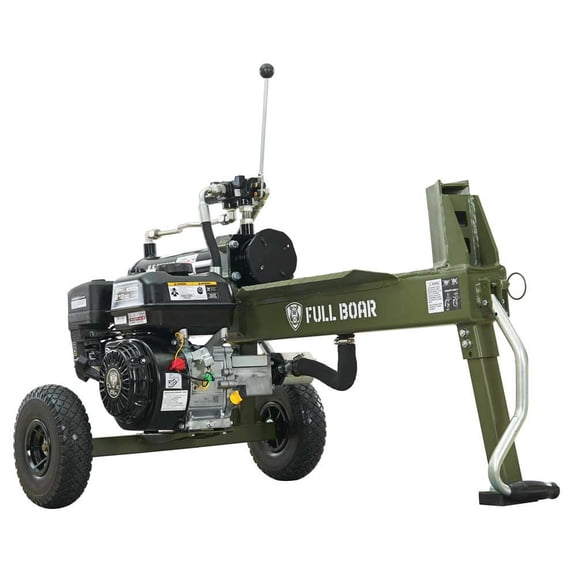


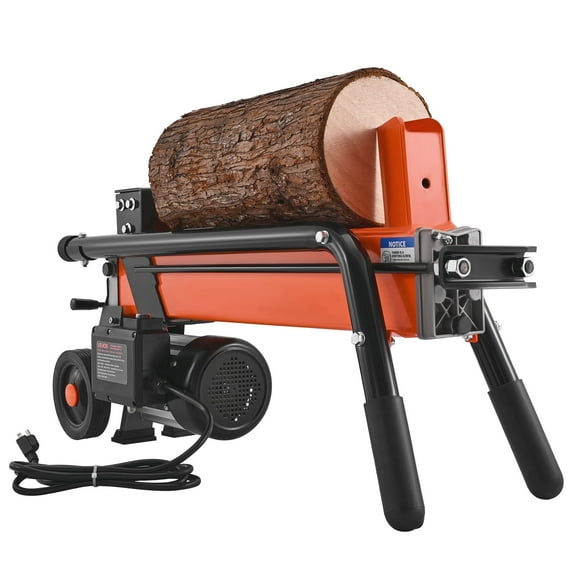

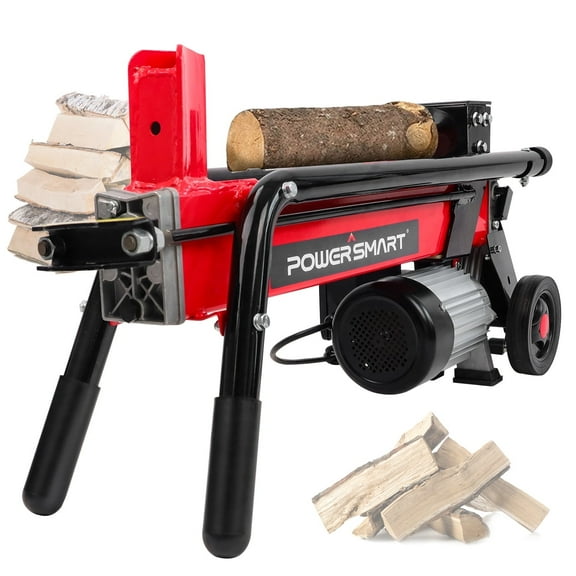


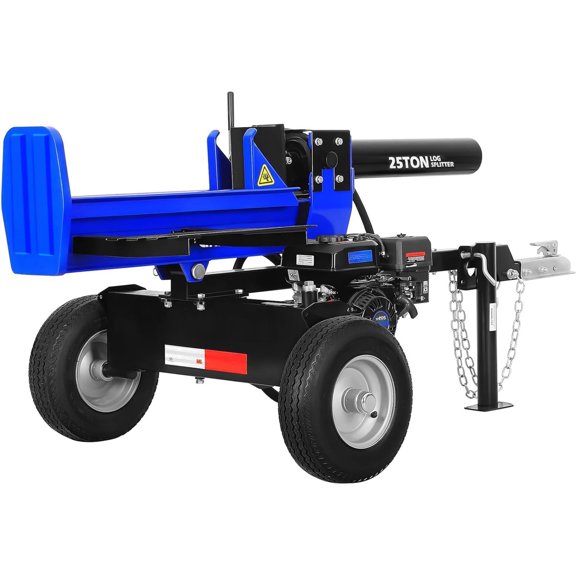
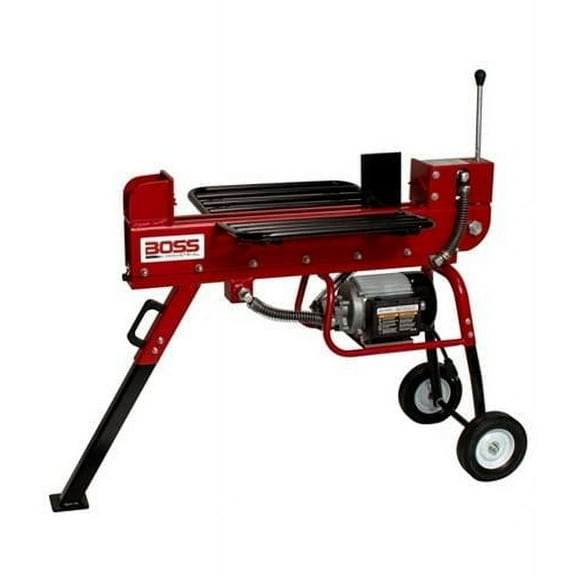


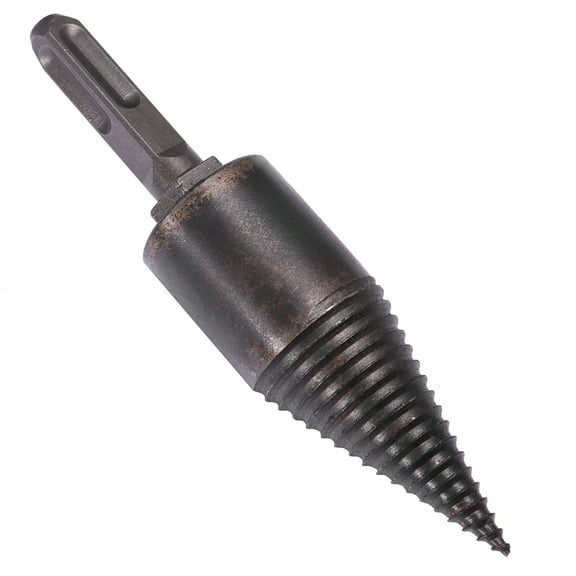

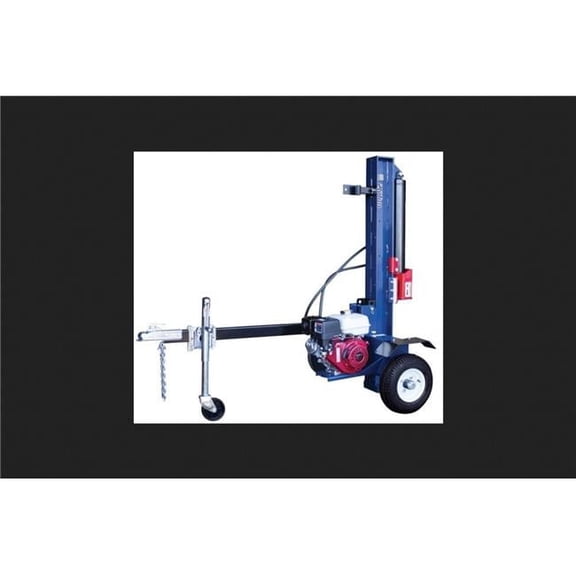

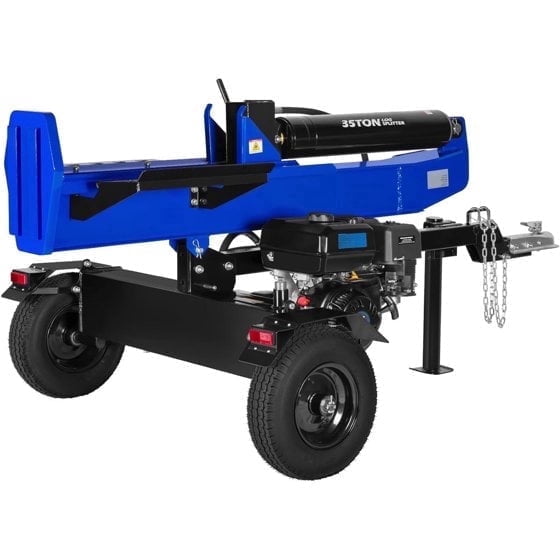
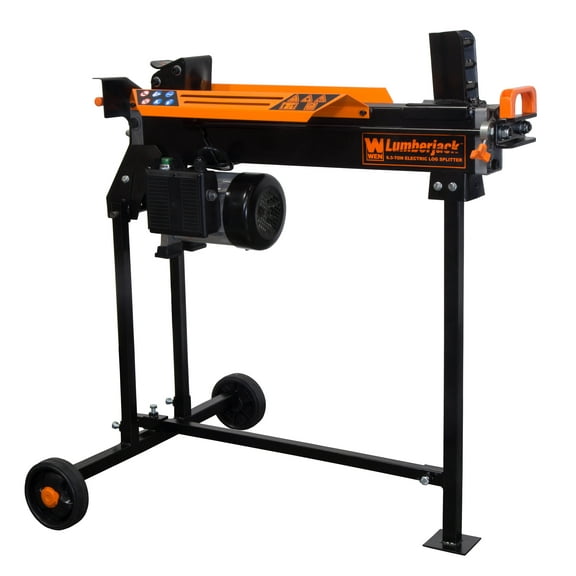



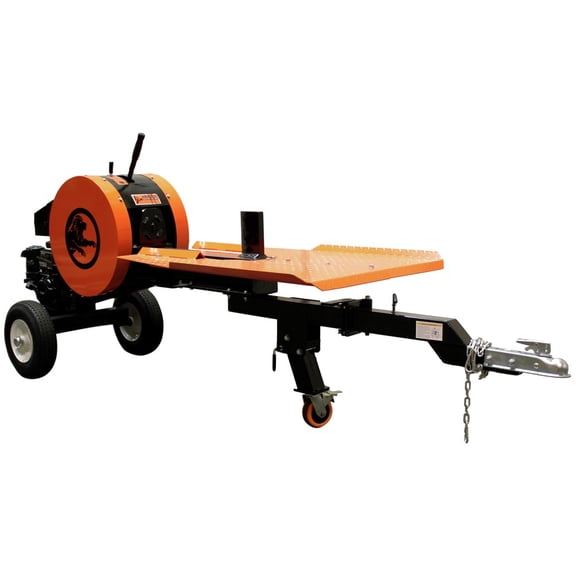

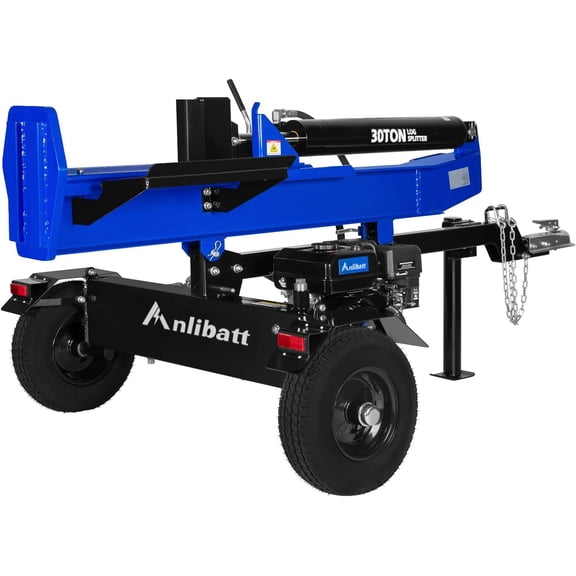
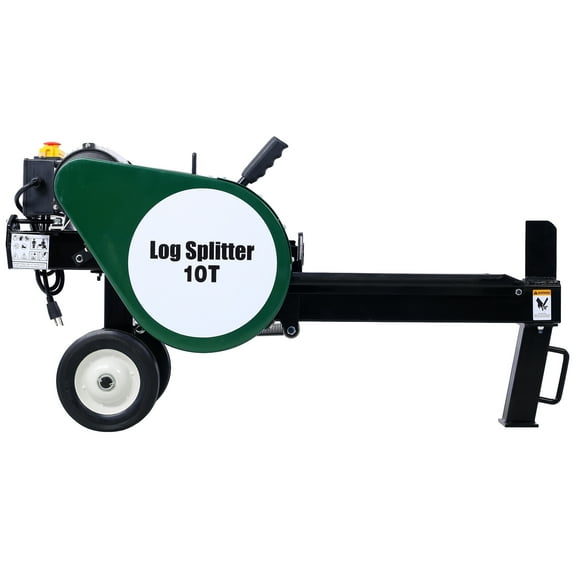


About Log Splitters & Wood Splitters - Walmart.com
Log splitters help you turn cut rounds into stack-ready firewood with less lifting and steadier prep. You can compare power source, tonnage, and operating position, so your setup fits your wood type and workload.
If you heat with wood, manage storm cleanup, or stock a cabin, you need guidance that matches real splitting jobs. You can choose equipment for softwood bundles, seasoned hardwood, or mixed piles from property cleanup.
How to choose log splitters for your workload
When you compare log splitters, start with the wood you split frequently and how often you work through a pile. You should also consider whether you split pine for kindling, seasoned oak for heating, or mixed rounds after cleanup.
A smaller tonnage model can suit lighter household tasks, while heavier-duty options support dense rounds and larger diameters. You may need less force for cedar and pine, while oak, hickory, and maple often call for 20-plus tons.
- You can match five-ton and 10-ton models to lighter, smaller-diameter wood and shorter prep sessions.
- You can step up to 25-ton and 37-ton options when your firewood includes dense hardwood or wider rounds.
- You can compare horizontal and vertical operation based on whether you prefer rolling logs into place or lifting them onto the beam.
- You can use faster cycle times to keep repeated splitting moving during larger weekend firewood sessions.
Another useful checkpoint is cycle time, which tells you how quickly the ram returns for the next split. You may notice shorter cycle times matter when you process multiple rounds in one session.
Choosing between electric log splitters and gas models
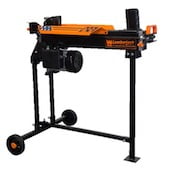
Power source shapes where and how you split, so you should compare electric, gas, manual, and hydraulic setups with your space in mind. You may prefer electric log splitters when you work close to an outlet and want straightforward startup.
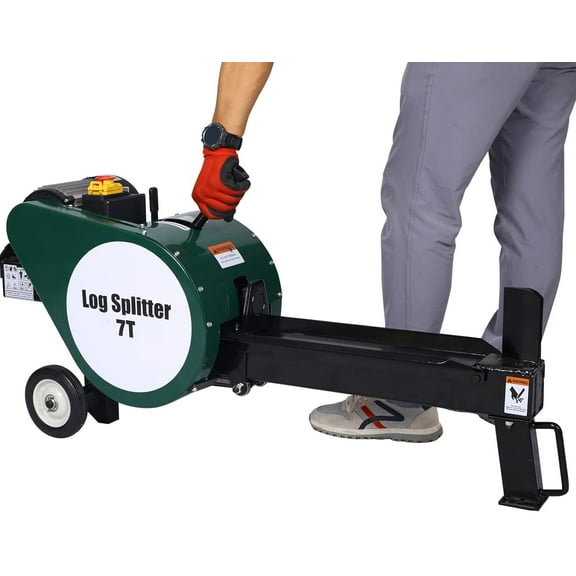
Electric units often fit home firewood prep, seasonal use, and smaller storage spaces. You can use them for routine splitting tasks, especially when you process moderate log sizes near your house or garage.
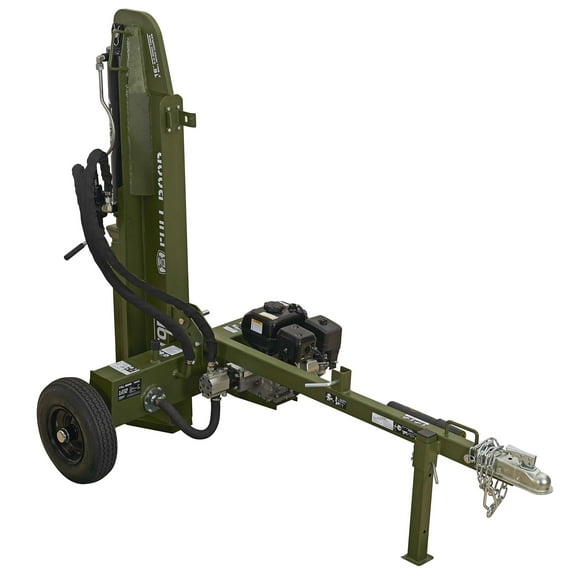
Gas-powered equipment fits larger properties, remote work areas, and heavier splitting demands. You may prefer that added output when you handle bigger rounds, tougher hardwood, or long sessions away from power access.
Manual options can suit occasional use and lighter material, while hydraulic systems keep your comparison focused on force and consistency. You should check engine displacement and hydraulic pressure because those figures help explain pushing force through tough grain.
When you read specs, pair the numbers with your actual woodpile instead of guessing from labels alone. You can make a clearer choice when you compare power source with tonnage, cycle time, and log diameter.
What to look for in a wood splitter
Tonnage is a key factor when you narrow your options, because it connects to wood hardness and log size. You should think of it as pushing force that helps the wedge move through grain, knots, and thicker rounds.
If you mostly split softwood or smaller seasoned pieces, lower-tonnage equipment may cover your routine needs. You may need more force once your pile includes thicker hardwood rounds or pieces with twisted grain.
Log length and diameter matter too, because they affect whether the machine fits the material you already cut. You should measure typical rounds before buying, especially if you process stove-length pieces or oversized sections from storm cleanup.
A wood splitter with the right capacity helps you avoid repeated repositioning and keeps your workflow steady. You can keep moving from rough-cut rounds to stackable pieces for your shed, rack, or woodpile.
Deciding if a vertical wood splitter fits your space
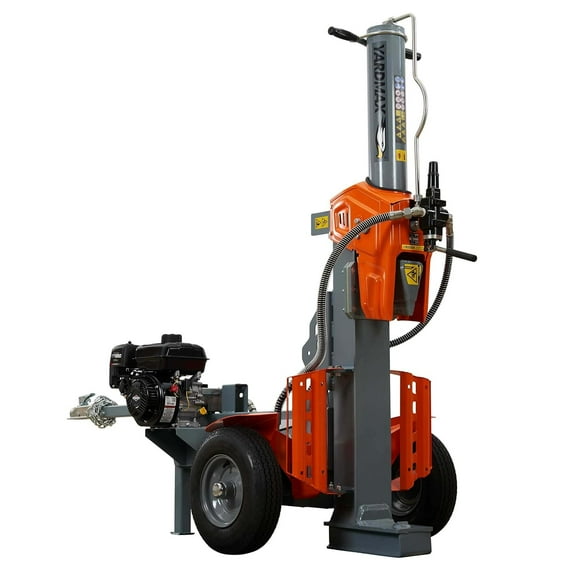
Operation position changes your setup more than many shoppers expect, so you should compare horizontal and vertical layouts carefully. You may prefer a vertical wood splitter when you don't want to lift heavy rounds onto the beam.
Vertical operation lets you roll or tip larger logs into place at ground level. You can use that setup for thick hardwood rounds that feel awkward to raise again and again.
Horizontal operation can feel efficient for smaller pieces and steady, repeated splits on a work-height beam. You should consider it when your logs are lighter and you want a consistent feeding position during longer sessions.
Your storage area matters too, because machine length and stance affect how the splitter fits in a shed or garage. You can avoid a crowded layout by checking footprint, towing style, and your staging area for unsplit rounds.
Matching a log splitter for firewood to real jobs
A log splitter for firewood should match the kind of pile you build each season, not just a broad label. You can choose lighter electric equipment for weekend bundles or higher tonnage for full-cord heating prep.
If you split for a backyard fire pit or occasional indoor stove use, compact models may fit your routine. You can get easier handling when your rounds are shorter, your sessions are shorter, and your storage space is limited.
If you stock a cabin, heat through winter, or process storm-felled timber, heavier-duty choices make more sense. You can look for stronger hydraulic force, larger capacity, and quicker cycling when your pile keeps growing.
Some shoppers also compare specialty use cases, such as bamboo splitting or commercial clearing with mixed material. You should match those jobs to the machine's force, position, and duty level so your setup reflects your actual workload.
Once you align power source, tonnage, and operating position, your splitter works with your woodpile instead of against it. You can keep firewood prep moving with steadier output and cleaner stacks ready for the season.