












Fishing Lures & Baits




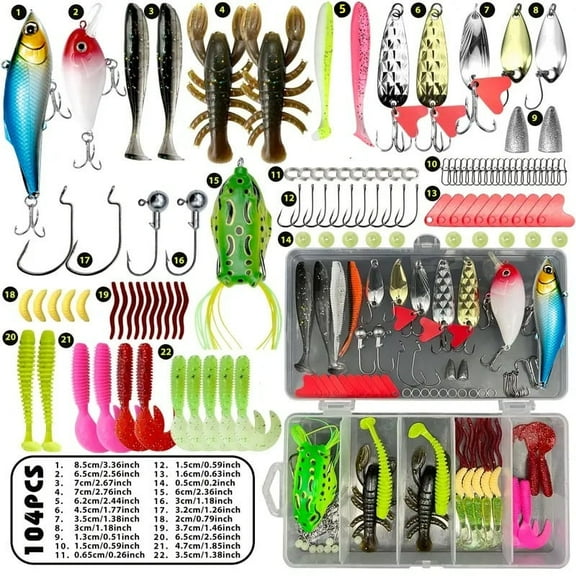


















About Fishing Lures & Baits - Walmart.com
Fishing lures and baits help you match action, depth, and color to the fish you’re chasing. You can compare lure type, target species, and water conditions with a clearer plan.
You can narrow a huge assortment faster when you know how crankbaits, soft plastics, spinners, jigs, and topwater styles fish. Your choice gets easier when you match presentation to bass, trout, walleye, crappie, or saltwater species.
How to choose fishing lures and baits
You should start with your target species because feeding habits shape the lure action you want. You can narrow choices quickly when you compare bass fishing lures, trout lures, and saltwater fishing lures.
For bass, you may look for wobble, vibration, and diving depth that cover shallow grass, docks, or deeper structure. For trout, you may prefer smaller profiles and lighter action that match insects, minnows, or small baitfish.
If you fish coastal water, you should check corrosion-minded materials and hook finishes that handle repeated casts around spray and current. You can also compare profile size to match bait schools, shrimp, or other forage.
When you fish lakes and ponds, you can compare freshwater lure styles by cover, clarity, and retrieve speed. Your setup can stay more consistent when lure action matches the water column you plan to fish.
Choosing lure type by action and depth
You can notice each lure type creates a different presentation in the water. You should compare crankbaits, soft plastic baits, spinners, fishing jigs, and topwater options by depth, vibration, and retrieve style.
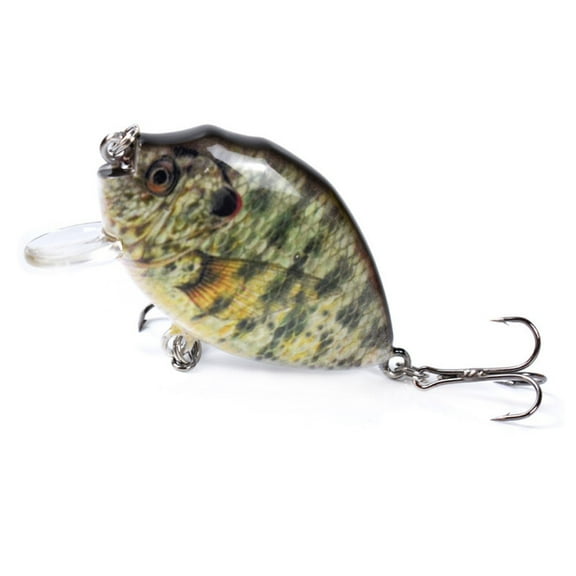
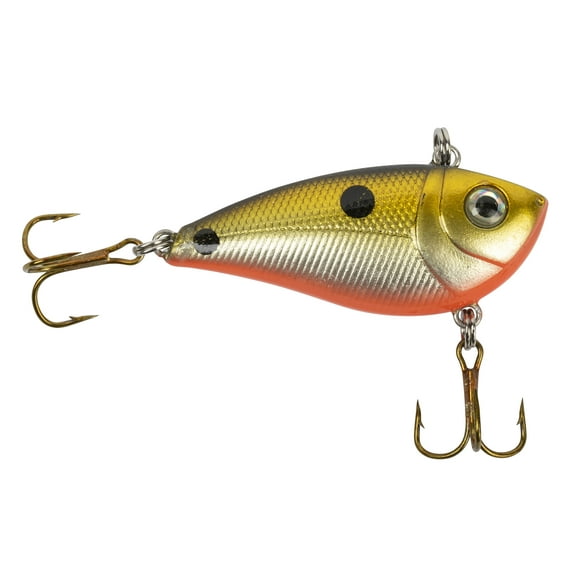
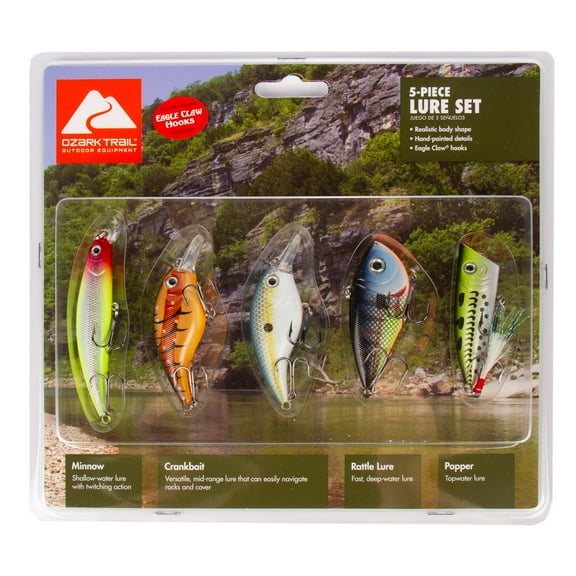
Crankbaits help you cover water and reach specific depth zones during active feeding windows. You can use bill shape and body design to guide how deep the lure runs.
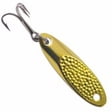
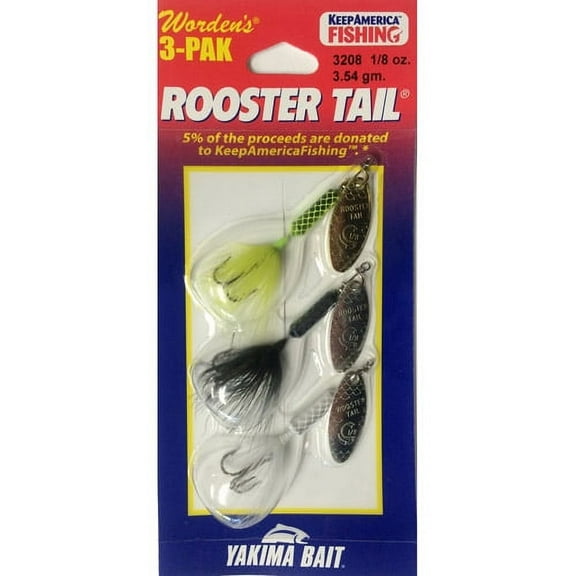
Spinners give you flash and steady vibration that help fish locate your presentation in stained water. You may choose them when you want a simple cast-and-retrieve option for moving water.
Fishing jigs let you work docks, brush, rock, and bottom structure with controlled hops and pauses. You can pair jig weight with depth and current so your presentation stays where fish are holding.
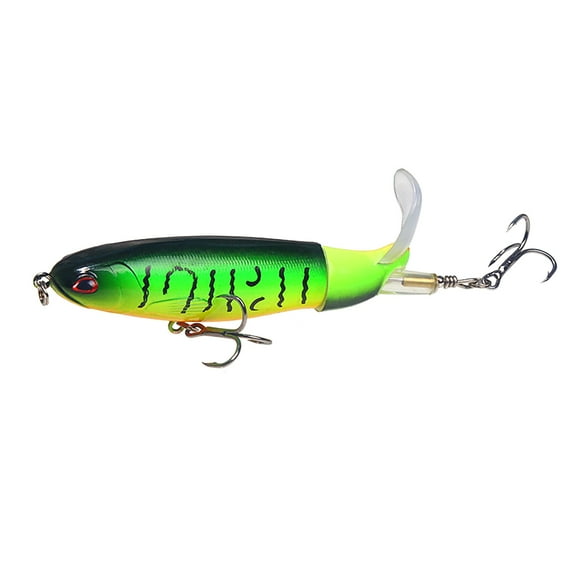
Topwater styles keep your retrieve near the surface where you can target strikes around low light or shallow cover. You should consider them when fish are feeding upward on bait near the top.
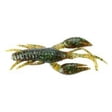
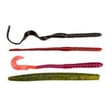
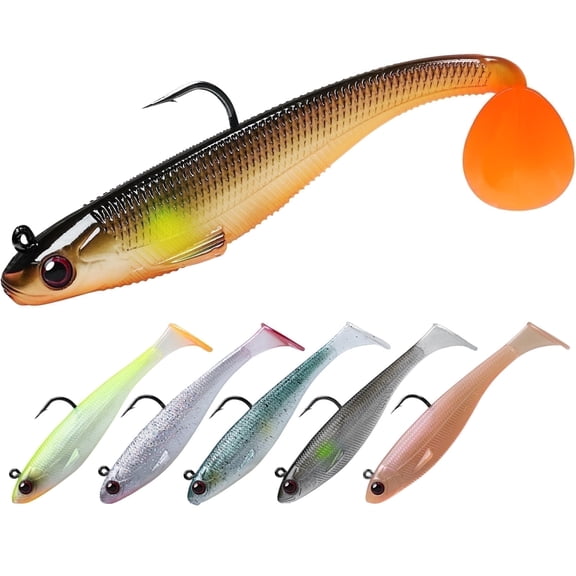
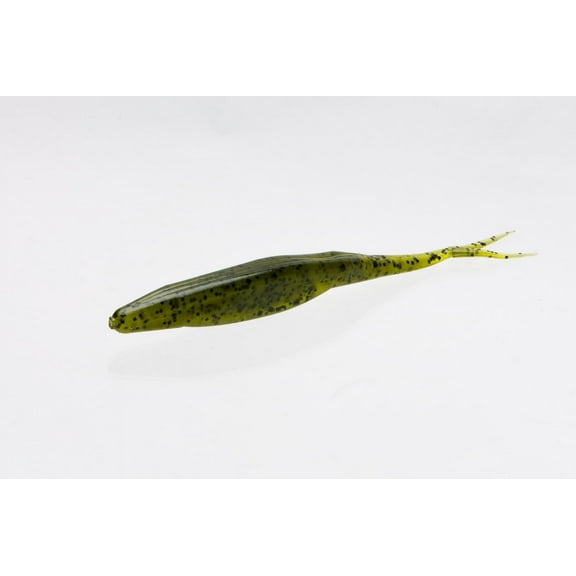
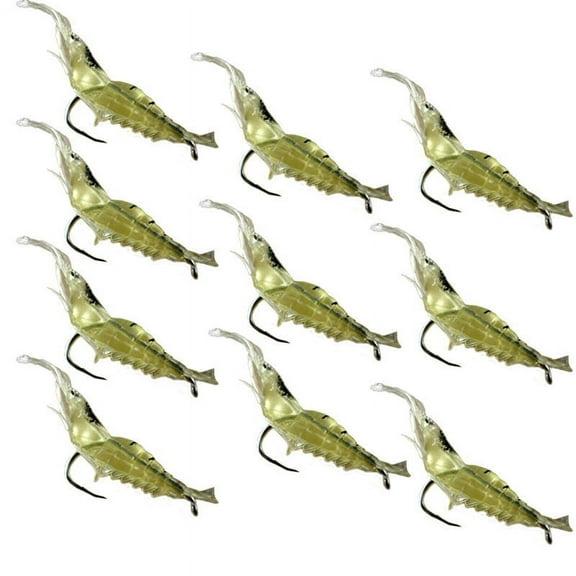
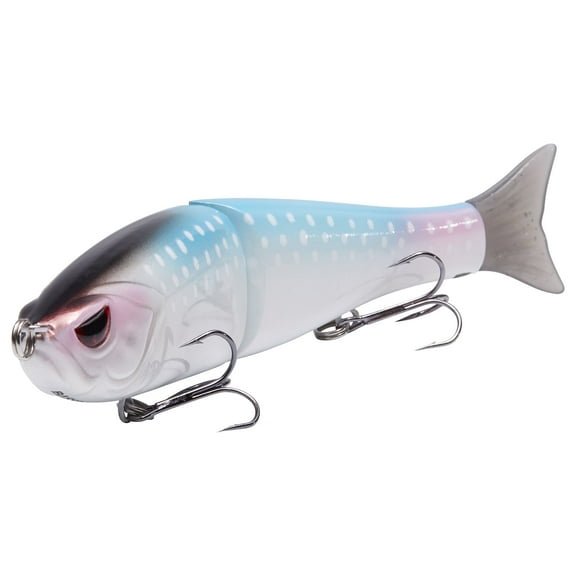
Soft plastic baits give you flexibility because you can change shape, size, and rigging for many conditions. You can fish worms, creatures, swimbaits, and stick styles with slower or more natural movement.
- You can use crankbaits when you want to cover water and target a set diving depth.
- You can choose soft plastic baits when you want versatile rigging and subtle action.
- You can pick spinners when you want flash and vibration in stained water or current.
- You can fish jigs when you want bottom contact around brush, rock, and docks.
- You can throw topwater styles when you want surface action in calm, shallow conditions.
Comparing materials, colors, and hook details
You should compare hard plastic, soft silicone, metal, and wood because each material changes sound, sink rate, and feel. You can use hard bodies for defined wobble, metal for flash, and soft bodies for lifelike movement.
When you fish clear water, you may lean toward natural colors that resemble local forage. When you fish muddy water, you can try brighter colors so fish can track your lure quickly.
You should also check hook sharpness because clean penetration starts with a well-finished point. You can look for rust-resistant hardware when you fish saltwater fishing lures or store tackle between trips.
Diving depth matters when fish hold over grass lines, rock edges, or channels. You should match shallow, medium, or deeper-running styles to the water column you plan to cover.
Vibration frequency can also guide your choice when visibility changes throughout the day. You may prefer tighter vibration in cooler water and stronger thump when you need more presence.
Choosing rigs and setups for real conditions
You can narrow soft plastic baits by rigging style before you choose color or length. You should consider a Texas rig for weeds, a Carolina rig for covering bottom, and a wacky rig for slower falls.
A Texas rig helps you move through grass and wood with a streamlined profile. You can use it when you want cleaner movement around cover and precise casts into tight spots.
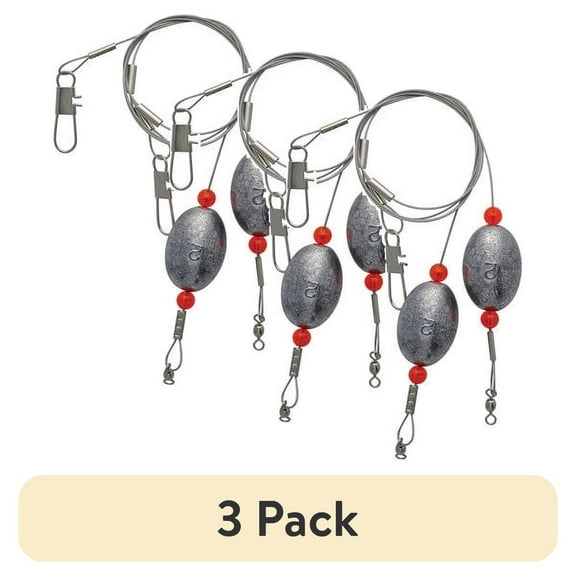
A Carolina rig lets you separate weight from bait so your soft plastic moves naturally behind it. You should consider it when you want to search points, flats, or ledges with steady bottom contact.
A wacky rig gives your bait a fluttering fall that works well around docks and calm water. You may choose it when bass suspend or inspect slower presentations near visible cover.
If you’re building a spring fishing lures setup, you can mix shallow crankbaits, compact jigs, and soft stick baits. You should focus on changing depth and retrieve speed as fish move during warming conditions.
For trout streams or small lakes, you can compare spinners, smaller hard baits, and finesse plastics. You should keep profiles modest and match color to water clarity and local forage.
For saltwater flats, piers, or inshore channels, you can look at saltwater fishing lures with durable finishes and stronger hooks. You should match lure size to baitfish presence, current, and casting distance.
You can round out your setup with fishing rods, fishing reels, line, and tackle boxes that fit your lure style. You can fish efficiently when your storage, retrieve speed, and rod action match your presentation.
What to look for before your final choice
You should compare lure type, target species, water type, and material before you commit to a setup. You can make clearer decisions when you match action, color, depth, and rigging to the conditions you actually fish.
With the right fishing lures and baits, you can spend less time guessing and more time presenting the right profile. You can fish with control when your tackle matches the water in front of you.