

Dryer Lint Screens in Washer & Dryer Parts







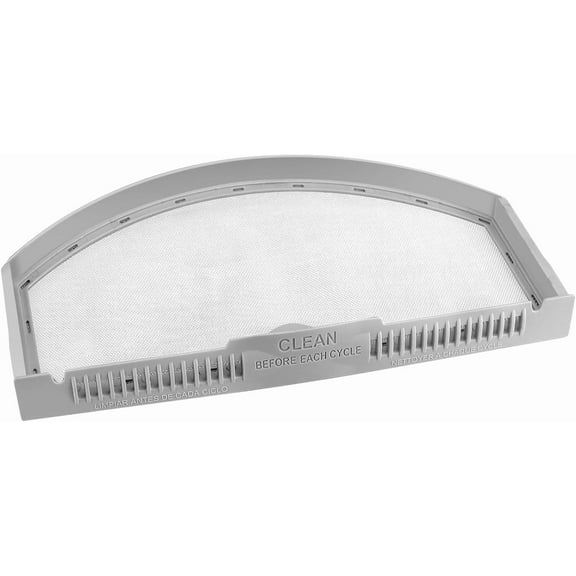

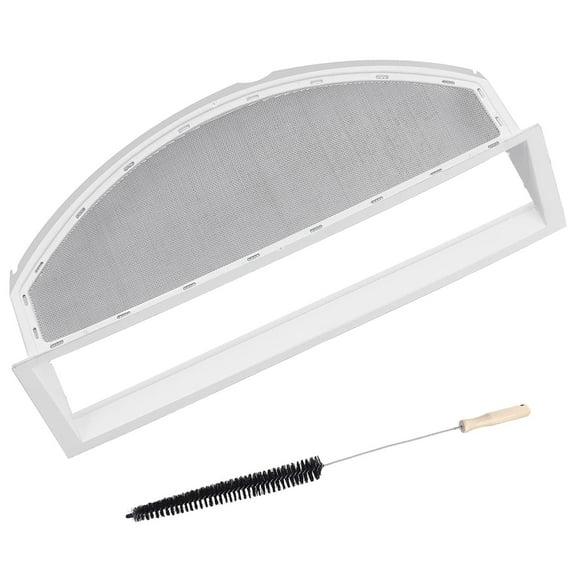
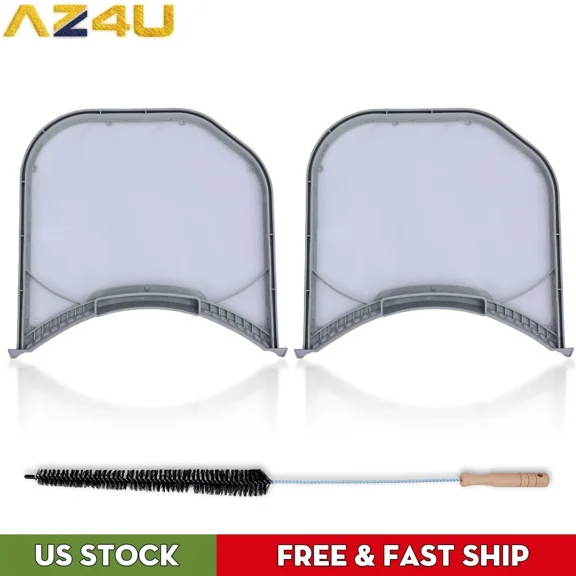


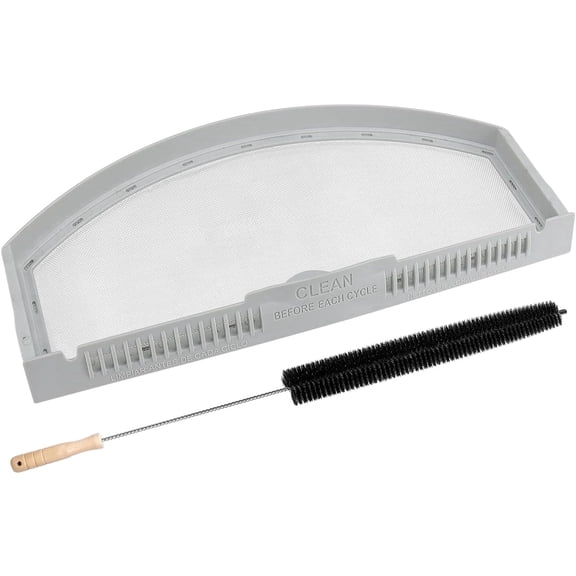


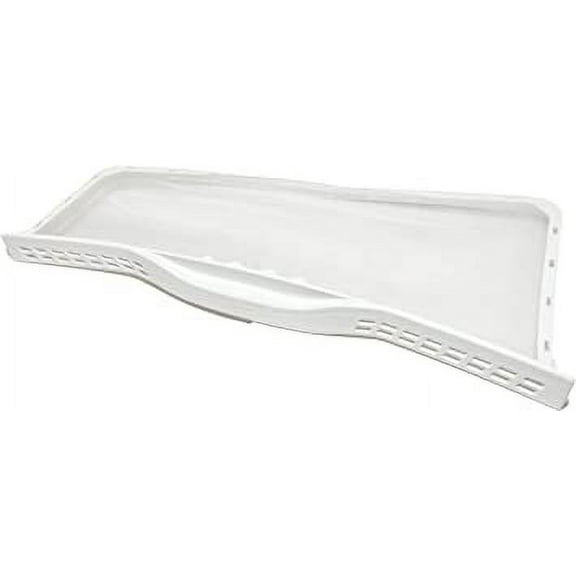


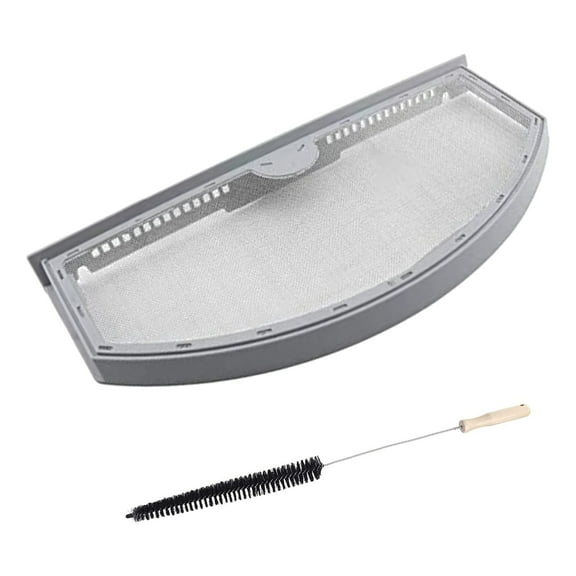

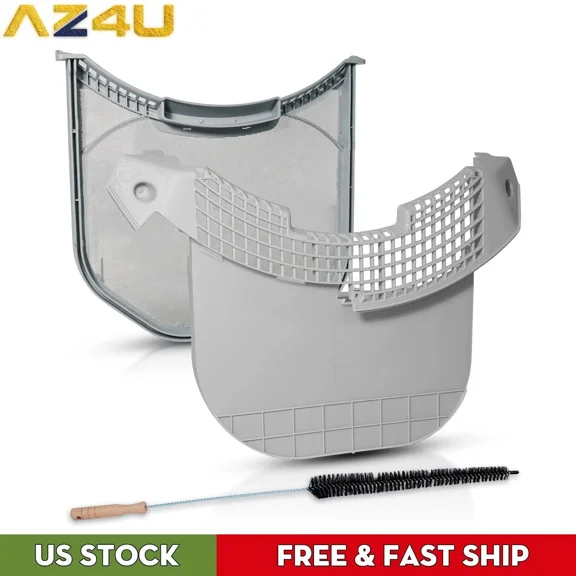


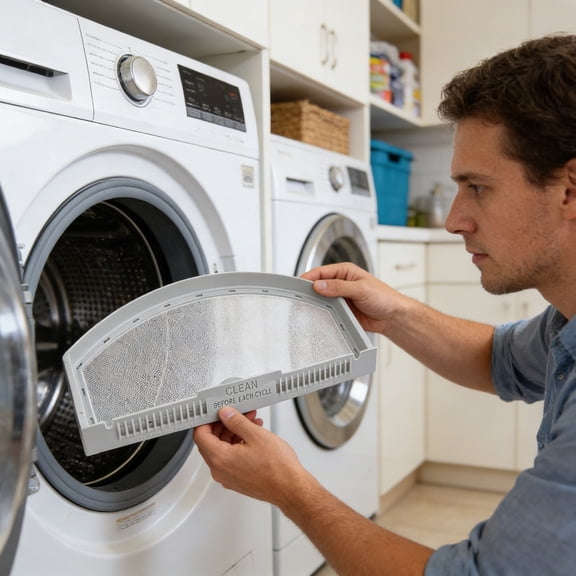


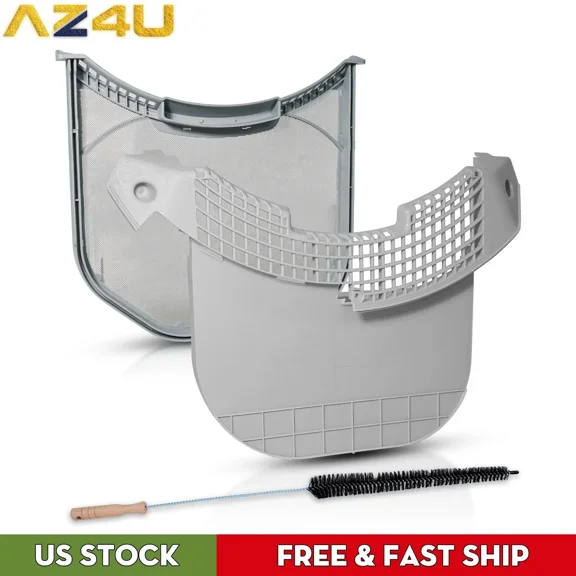


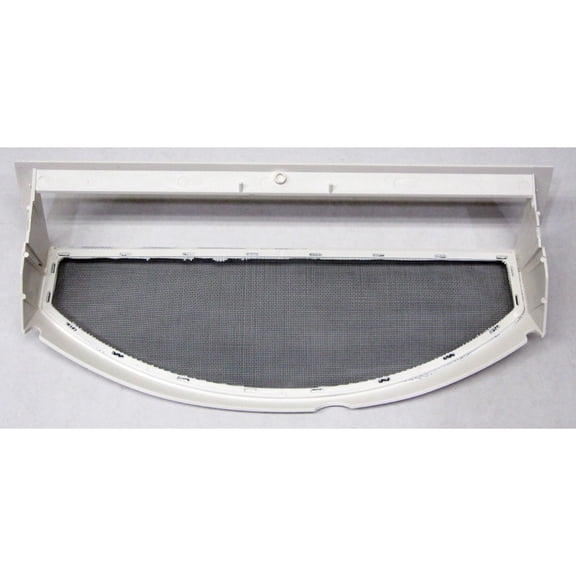
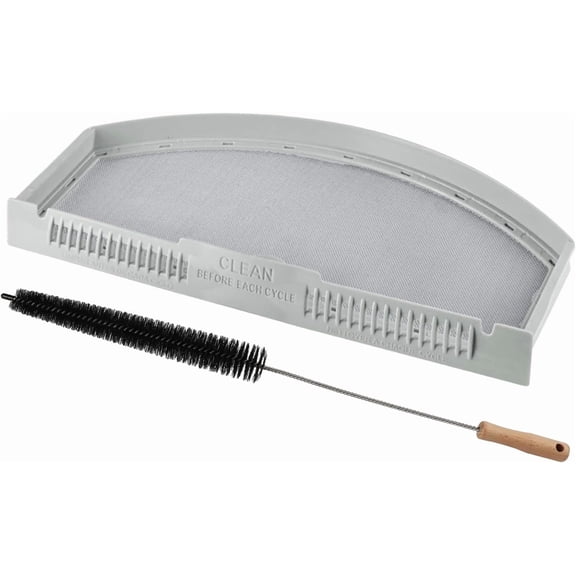


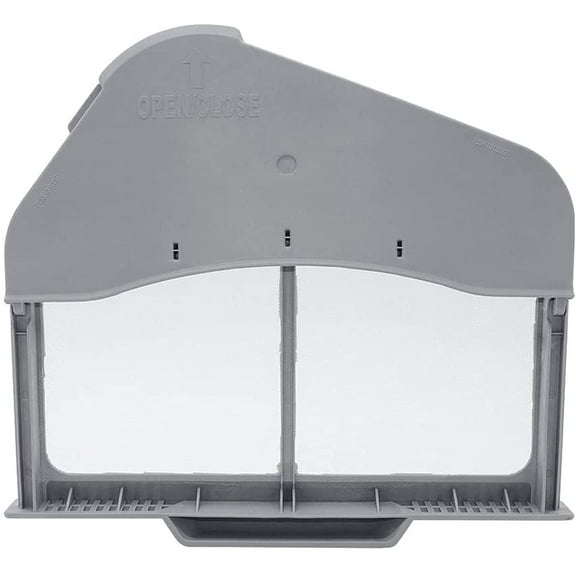



About Dryer Lint Screens in Washer & Dryer Parts - Walmart.com
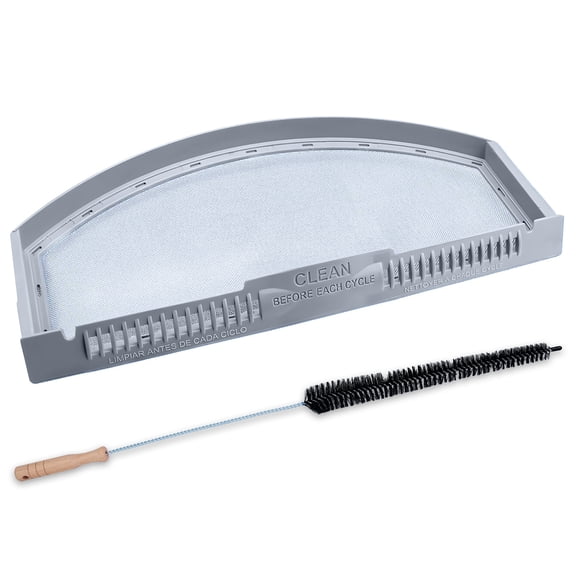
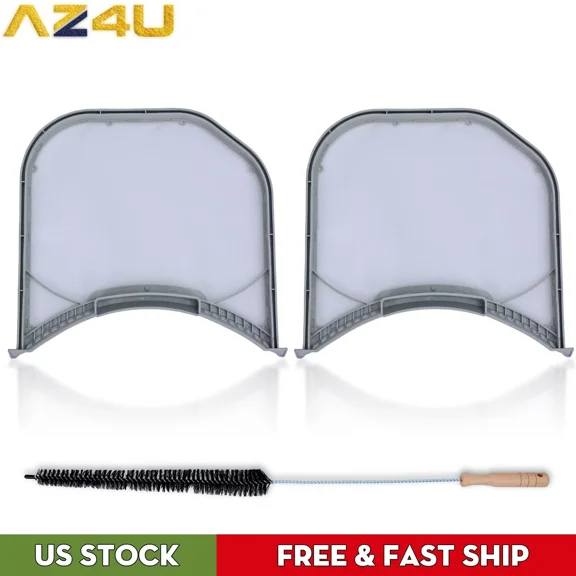
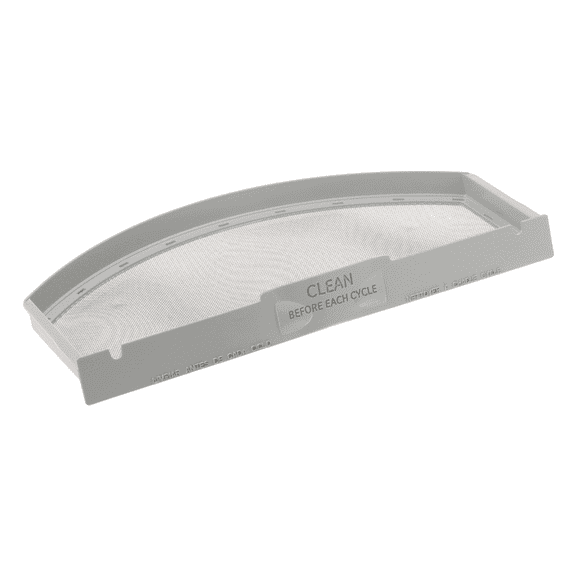
Dryer lint screens help you restore a proper fit for your dryer while matching the exact model and screen path your appliance uses. You can sort replacement-part choices faster when you compare brand compatibility, dimensions, screen materials, and dryer type.
How to choose dryer lint screens
Your model number should guide your search before you compare any replacement screen. You can usually find it inside the door frame, on the rim, or behind the door opening.
Exact verification matters because your lint screen must match the track shape and overall dimensions. A matched replacement gives you a smooth slide-in fit when your screen length, width, and handle style line up.
Brand compatibility can also help you focus your search across Whirlpool, Kenmore, Samsung, LG, GE, and Maytag dryers. You can reduce guesswork when your listed model numbers and screen measurements match together.
- You can improve fit accuracy by matching your model number first.
- You can compare mesh, frame, and felt seal details before you choose.
- You can pick OEM replacement, universal fit, or aftermarket based on your needs.
- You can confirm whether your dryer is electric, gas, or ventless.
Choosing the right dryer lint filter replacement
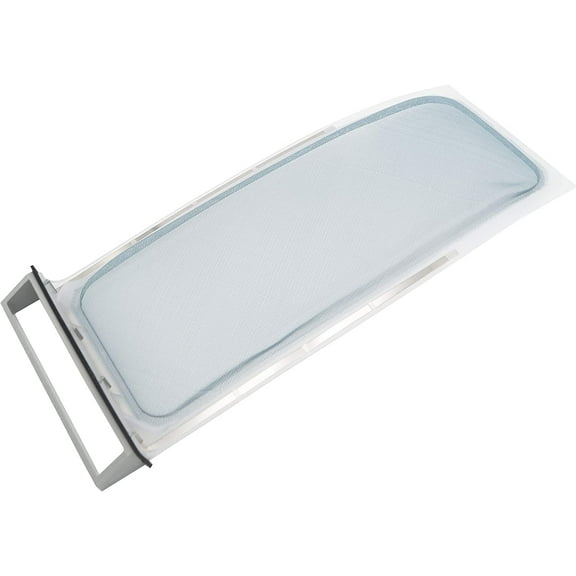
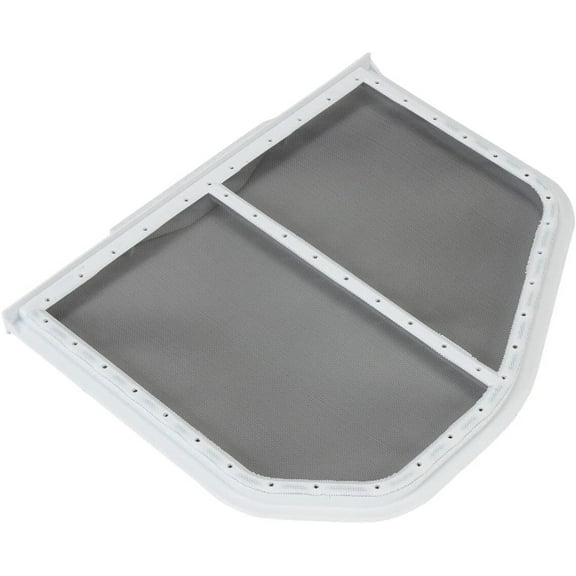
Screen material deserves a close look because mesh density affects how your screen catches lint during each drying cycle. You can often notice that a well-matched dryer mesh filter fits the channel cleanly and slides without snagging.
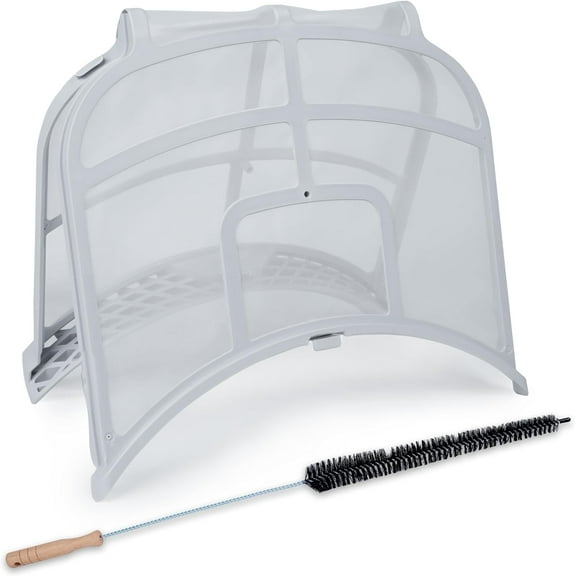
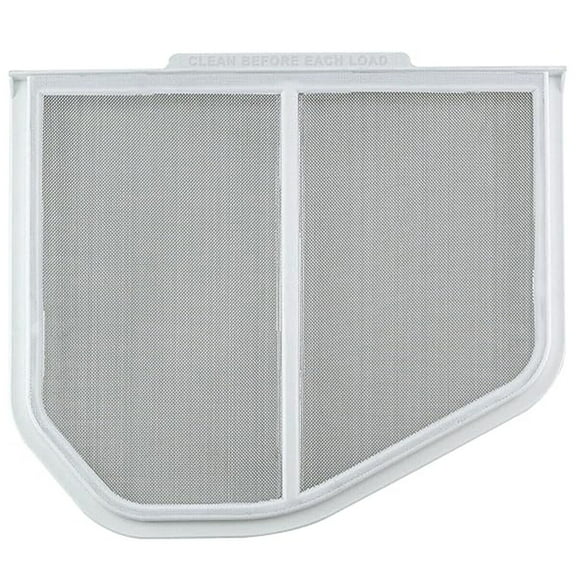
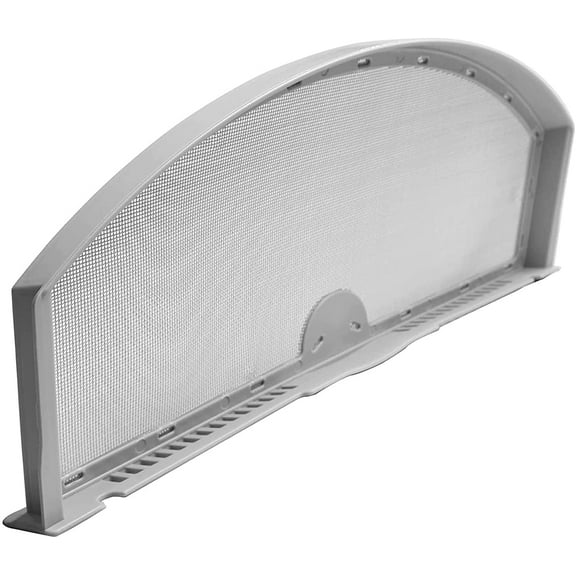
A plastic frame can help you match the original shape and handle design used in many household dryers. You may prefer stainless steel mesh when your routine calls for a screen surface that keeps its shape through repeated cleanings.
Felt seal details also matter because the edge of your screen helps guide lint into the screen area. You can get a more complete channel fit when the edge material helps limit lint bypass around the frame.
Part type is another key decision when you compare dryer replacement parts for daily use. You can choose OEM replacement parts for original-style fit, universal fit options for broader compatibility, or aftermarket parts for alternate replacement choices.
Universal fit notes still need careful review because not every dryer uses the same dimensions. You can make a well-informed choice when your listed models and actual screen size align clearly.
Comparing compatibility by dryer brand and type
Your home setup can make brand filtering a practical first step. You may see dryer lint trap replacement options organized for Whirlpool, Kenmore, Samsung, LG, GE, and Maytag models.
That brand grouping helps you focus on the right track shape, handle placement, and screen profile. You can spend less time comparing parts when your search centers on dimensions common to your brand family.
Dryer type also deserves attention because electric, gas, and ventless models may use different lint screen layouts. You can avoid fit confusion when your fuel type and compatible model list both match the replacement.
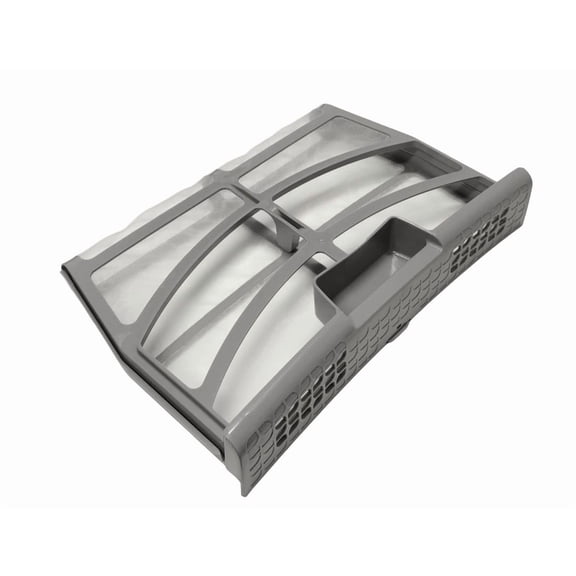
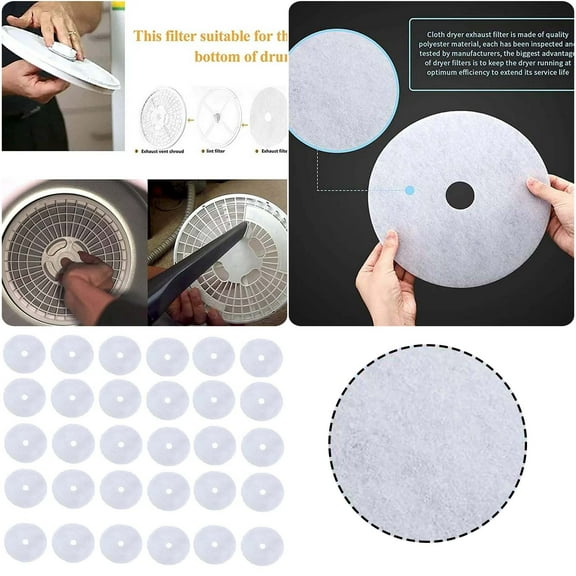
Ventless dryers may use a different filter design than many standard vented units. You should compare product descriptions closely when your dryer uses a compact format or a specific filter housing.
If your current screen has a warped frame, torn mesh, or worn edge seal, you may need a dryer replacement lint screen with matching dimensions. You can restore a clean slide and a secure fit when the frame sits evenly in the lint slot.
What to look for in installation and seal integrity
Installation usually starts with the way your replacement enters the channel. You should look for a screen that slides in smoothly without forcing the frame into the track.
Handle shape and frame width can affect how natural the replacement feels in daily use. You can get a straightforward installation when your replacement matches the original part's outline and grip style.
Seal integrity deserves close attention because the edge of your screen helps guide lint into the intended screen area. You can compare felt gasket details by checking whether the edge includes a soft sealing strip.
A worn edge seal can leave gaps around the frame during regular drying cycles. You should look for a screen that sits flush in the track so your fit feels stable and consistent.
Mesh opening and frame construction also shape your everyday experience with a dryer lint catcher. You can make a practical choice when your screen feels easy to remove, clean, and reinsert between loads.
Using dryer lint screens for everyday replacement needs
You might need a new screen after years of cleaning, a misplaced part, or a frame that no longer sits straight. With your brand, model number, and approximate dimensions, you can narrow your options with less uncertainty.
A busy laundry room may call for a replacement that removes easily for frequent cleaning. You may appreciate a familiar handle shape and a frame that glides without catching.
If your household uses an electric dryer, you can focus on model-specific screens that match the original track. If your home uses a gas dryer, you should verify compatibility the same way through listed models and measurements.
When your dryer is ventless, your fit notes deserve extra attention before you choose a replacement. You can find that compact units often need a more specific filter shape than standard full-size dryers.
OEM replacement and aftermarket options can both work when your goal is a familiar fit or broader compatibility. You can choose with more clarity when your dimensions, mesh style, and seal details line up.
With the right dryer lint screens, you can match your model and restore a smooth slide-in fit for everyday laundry use. Your replacement can feel more straightforward when your screen matches your dryer's brand, type, and dimensions.