


Find auto parts that fit
Let’s search for parts that fit your vehicle.Light Guards in Tail Lights





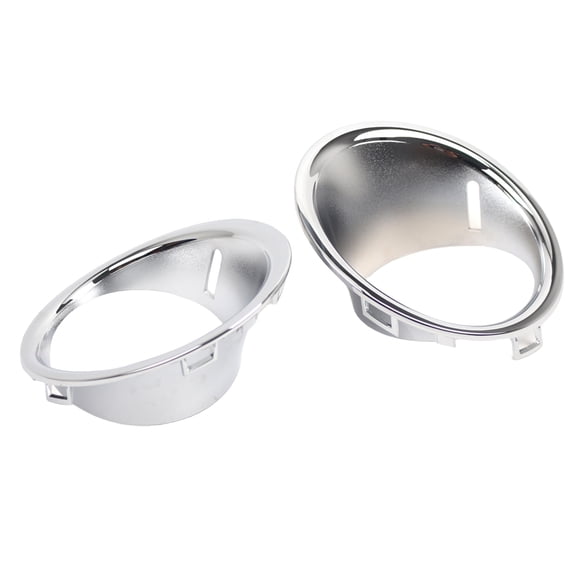
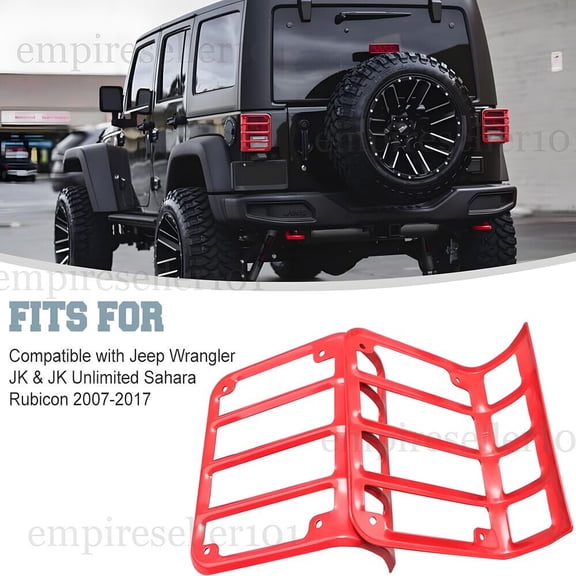
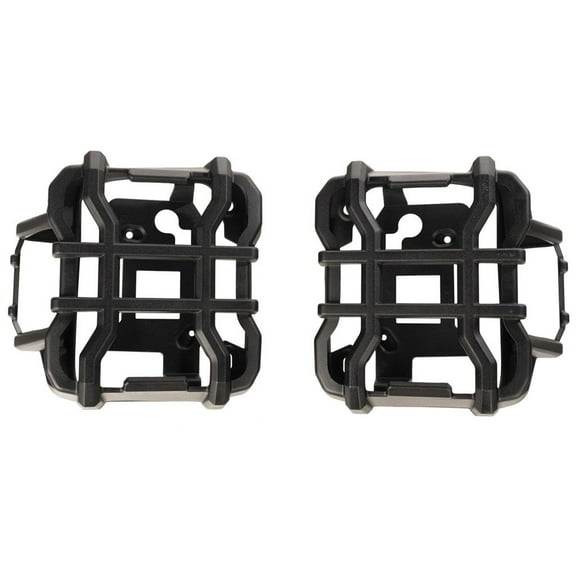
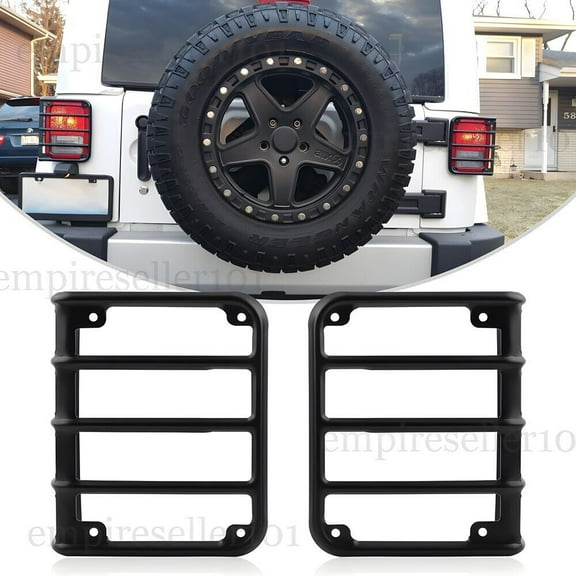










About Light Guards in Tail Lights - Walmart.com
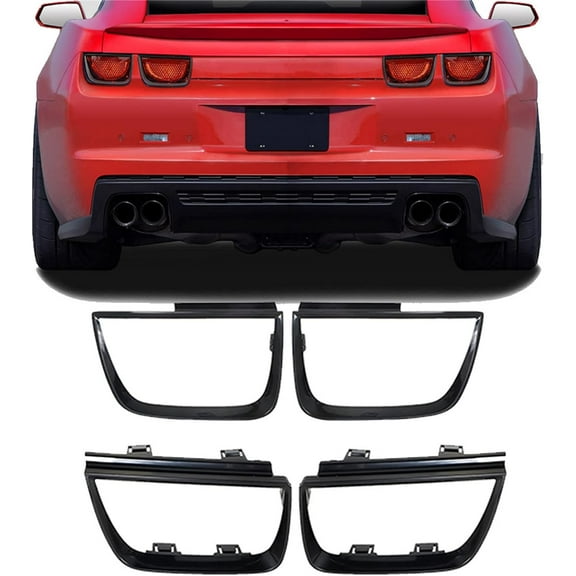
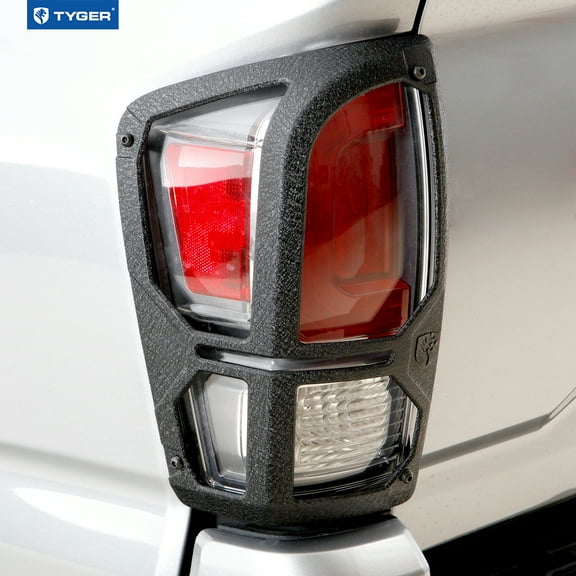
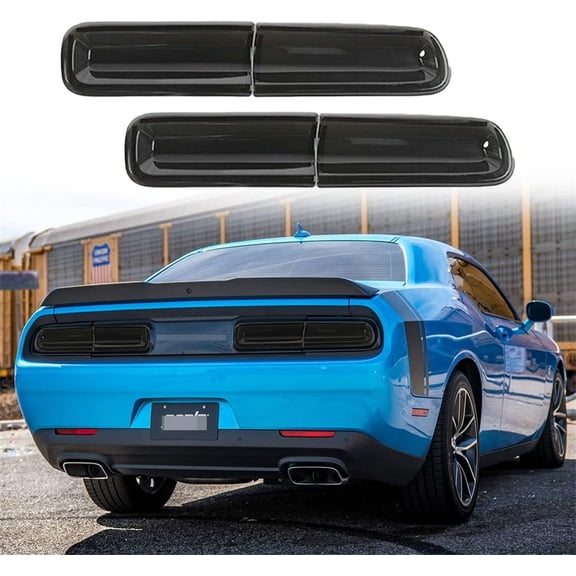
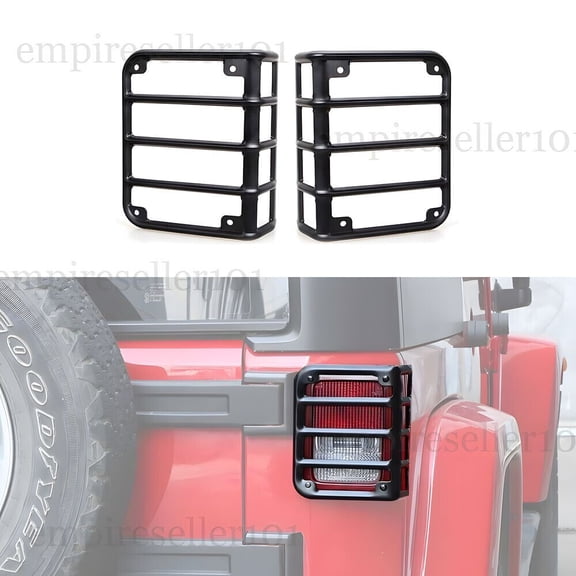
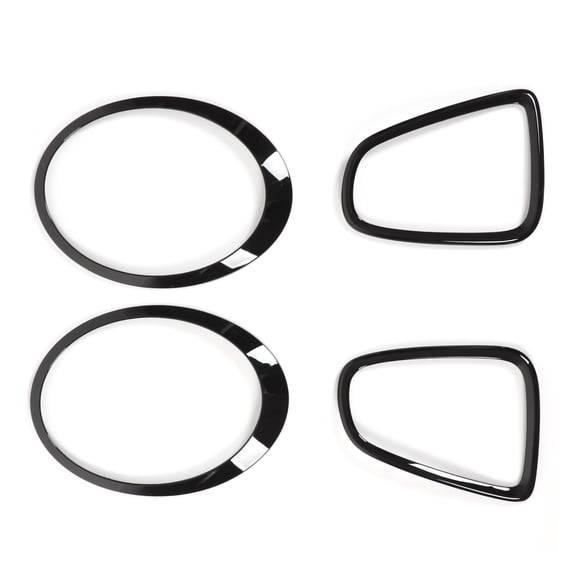
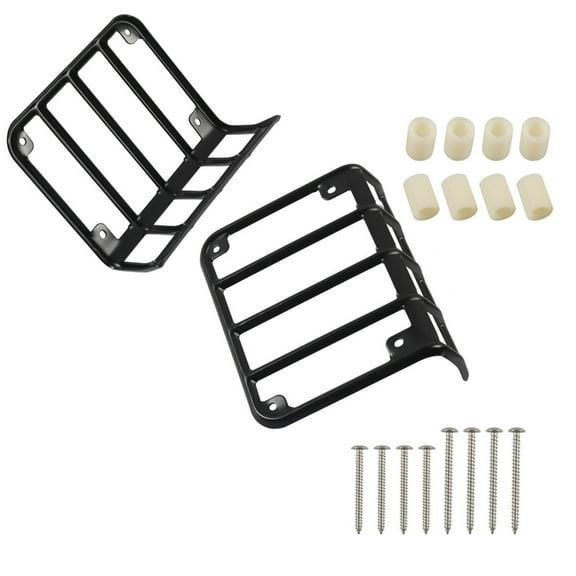
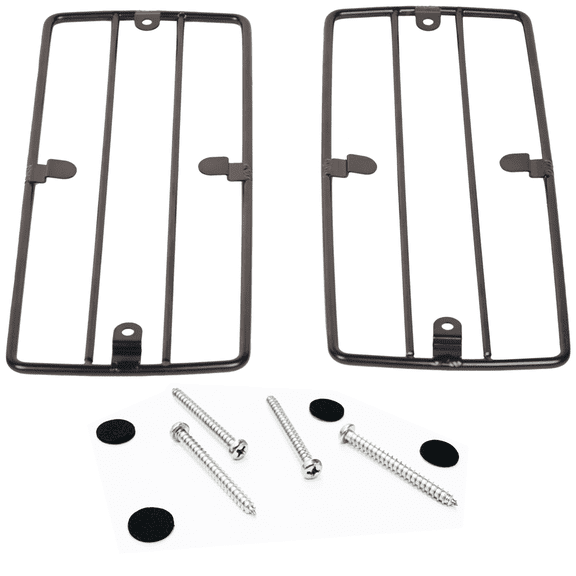
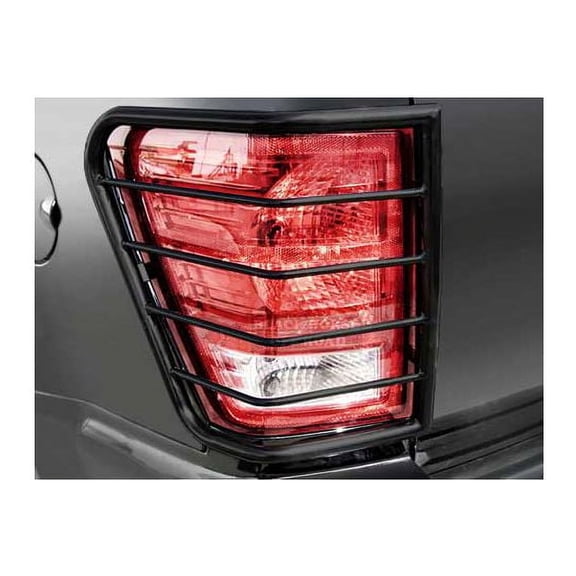
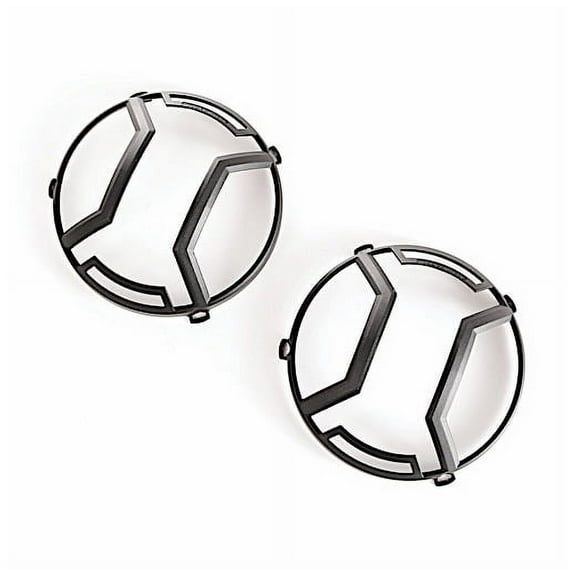
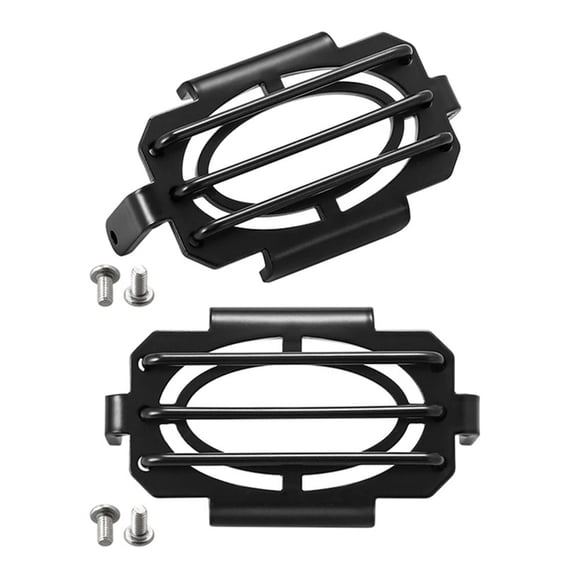
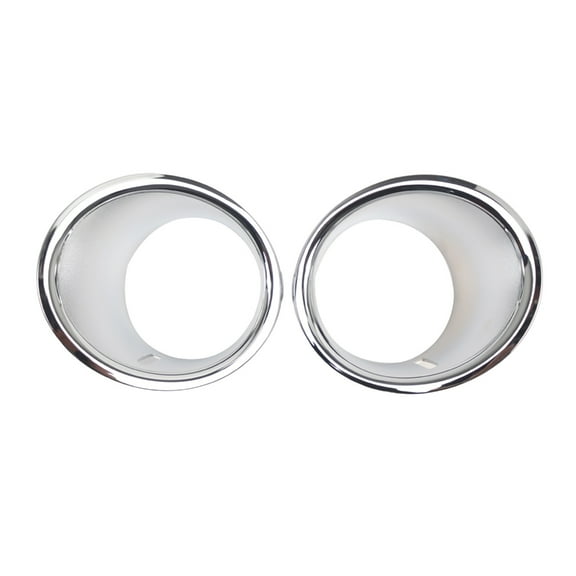
Light guards help you shield exposed vehicle lamps from trail brush, road debris, and parking lot bumps. You can compare placement, fitment, and installation details to choose guards that match your truck, SUV, Jeep, or ATV.
How to choose light guards by placement
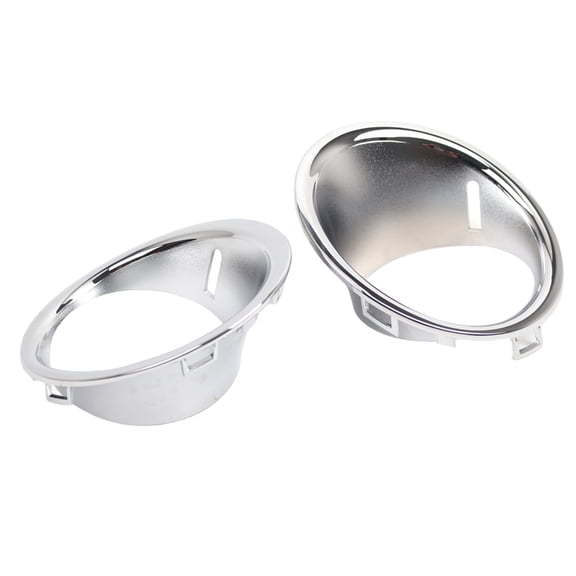
You should start with placement, because tail light guards and headlight guards protect different lamp shapes and mounting points. You can also compare options for fog light and bumper-mounted lamps when your vehicle uses extra lighting.
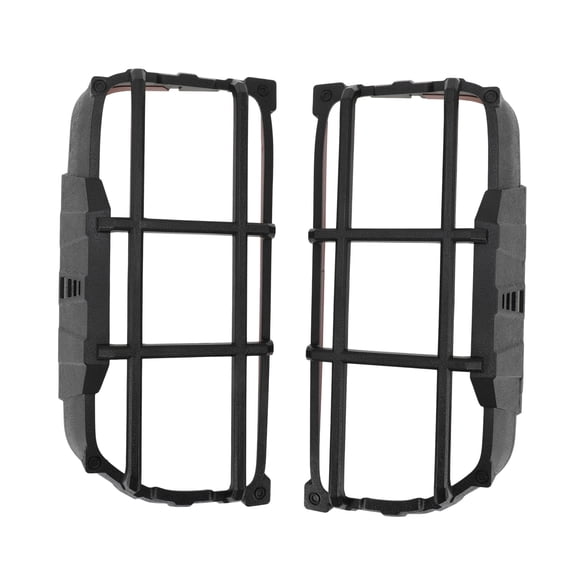
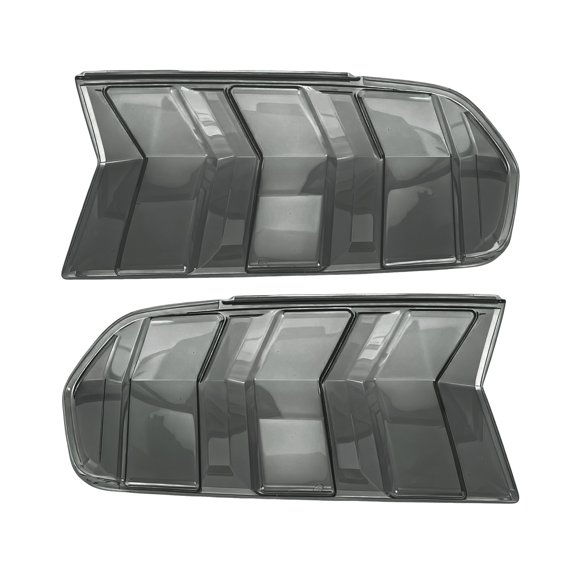
Tail light guards usually match vertical or wraparound housings on trucks and SUVs. Headlight guards often follow wider front-end shapes, so you should check the listed year, make, model, and trim.
You'll want to confirm that the guard leaves your lens visible from the right angles. You should look for designs that protect the housing without covering important light output areas.
What to look for in tail light guards and headlight guards
You can narrow your choices faster when you compare the details that affect daily use. Your decision often comes down to fitment accuracy, material strength, finish type, and how much hardware you want to install.
- You can choose tail light guards when your rear lamps sit close to cargo, brush, or tight parking spaces.
- You can pick headlight guards when your front-end lamps face trail branches, gravel, and off-road splash.
- You can compare truck light guards for taller bodies, bed access, and larger lamp housings.
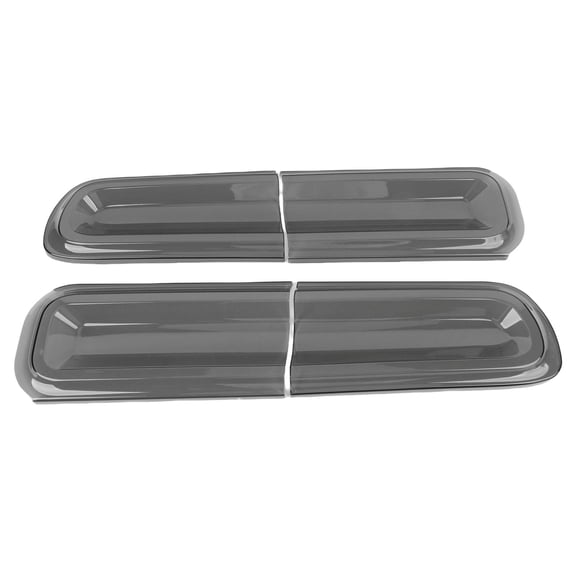
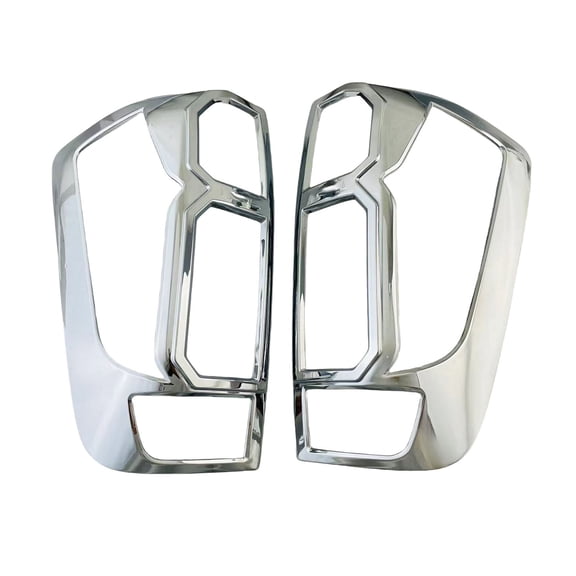
- You can look for tail light covers and guard styles that keep the lens area easy to see and clean.
You'll also want a guard shape that follows your lamp housing closely. Your vehicle usually looks more integrated when the guard matches the contour of the light.
Comparing materials and finishes
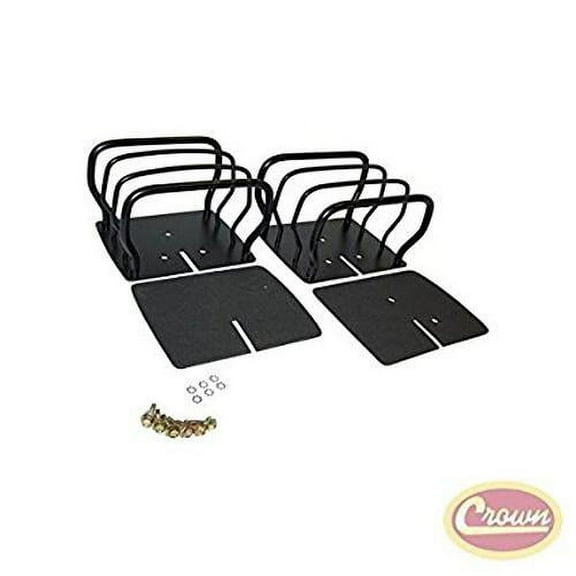
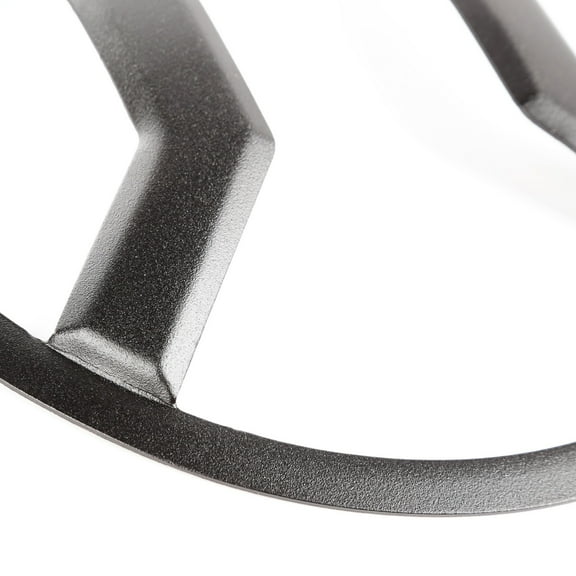
You should compare material first if your vehicle sees rough roads, weather, or frequent washing. Powder-coated steel gives you a rigid feel, while stainless steel helps you maintain a bright metallic look.
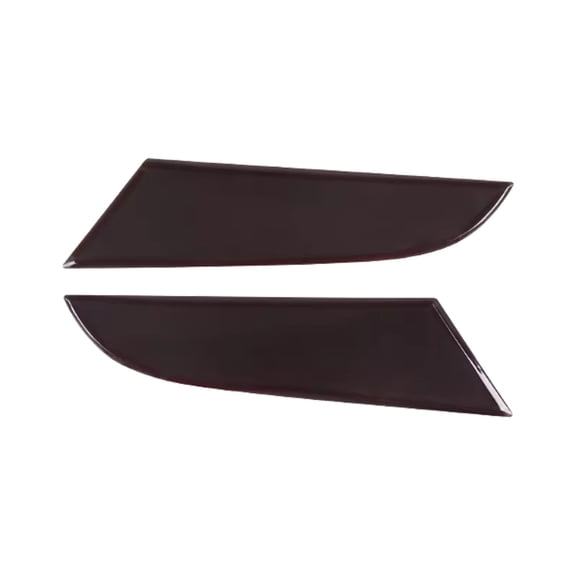
ABS plastic can make sense when you want a lighter guard with a simpler molded shape. You may find plastic styles easier to handle during installation on smaller lamps.
You should check the finish because it affects appearance and upkeep. Black light guards can blend with trim and bumpers, while metallic finishes can coordinate with chrome or polished accents.
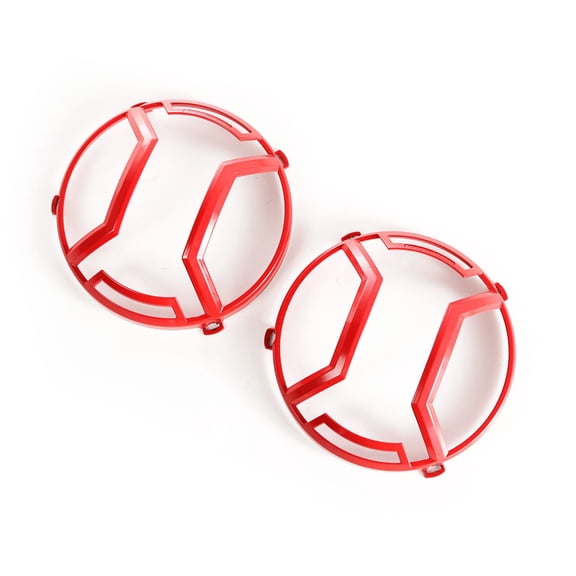
You'll also want to review how the bars or openings are spaced across the lens area. Your guard should add protection while allowing the lamp to remain clearly visible in normal use.
Checking fitment and installation style
You should treat fitment as a must-check step before you choose any light guards. Your year, make, model, and trim level help confirm whether the mounting points and lamp shape match.
Bolt-on styles can give you a secure mounted feel when your vehicle has dedicated attachment points. No-drill options can appeal to you if you want a simpler setup without changing factory panels.
Snap-on designs can work well when you want quick attachment on compatible housings. You should still verify the exact fit, because lamp contours can change across trim packages.
You'll want to read the hardware notes before you decide. Your install may use brackets, existing screws, adhesive-backed mounts, or model-specific clips depending on the vehicle.
Using truck light guards for real driving needs
You can use truck light guards when your pickup backs into loading areas or travels on gravel roads. Your rear lamps often sit exposed near bed corners, so added coverage can make practical sense.
SUV drivers may prefer tail light guards for cargo-heavy weekends, trailheads, and narrow camp access roads. You can also compare headlight guards when your front lamps face brush and flying debris.
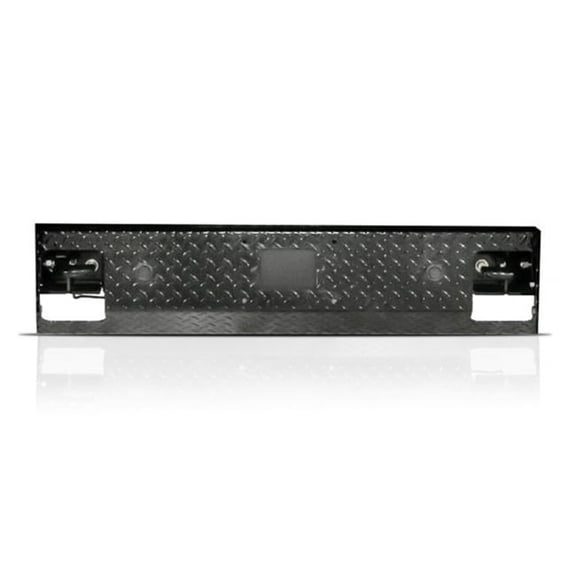
If you drive a Jeep or ATV, you may want a more rugged look with placement-specific guards. Your setup may include headlight, tail light, fog light, or bumper light protection depending on the build.
You should also think about visibility and routine cleaning in your climate. Your choice may feel easier when the design leaves room to wipe lenses and remove road film quickly.
Choosing light guards with confidence
You can make a smarter choice when you compare placement, fitment, materials, and installation in one pass. Your final pick should match your exact vehicle and keep your lights protected without complicating everyday use.