

Compression Socks and Stockings




























About Compression Socks and Stockings in Compression Socks, Sleeves and Stockings - Walmart.com
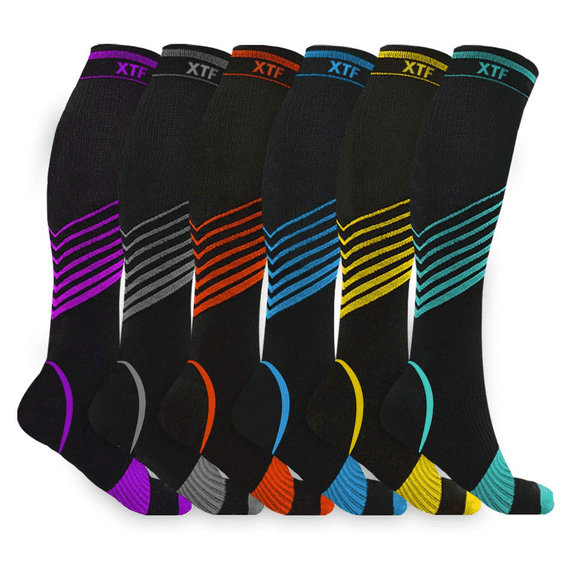
Compression Socks & Stockings help you feel supported through long shifts, workouts, and travel days. Walmart makes it simple to compare compression socks and compression stockings by size, length, and pressure level. You’ll see options for everyday comfort and firmer support. Many pairs come in multiple lengths, from ankle to thigh high. That helps you match coverage to swelling patterns and footwear.
Everyday comfort with Compression Socks & Stockings
Consistent compression can help reduce that heavy, tired-leg feeling after hours on your feet. Graduated designs often feel snug at the ankle and ease up the calf. That shape supports comfortable wear during walking or standing. Many styles also stay in place without constant readjusting.
Breathable knits help manage heat during commutes, workouts, and warm indoor spaces. Seam placement can matter, especially around toes and the front of the ankle. Smoother toe areas can feel less bulky inside tighter shoes. Cushioned soles can add comfort for daily steps.
Helps you feel steadier during long standing shifts and extended errands.
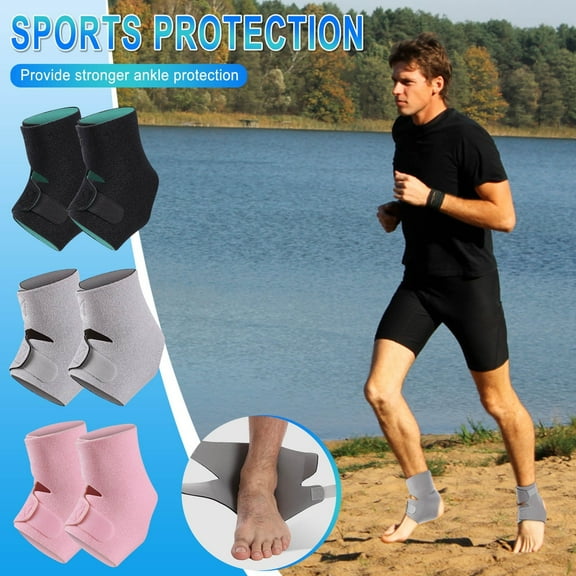
Supports recovery routines after training, especially for calves and ankles.
Offers a snug, held-in feel for travel days and long periods of sitting.
Improves daylong comfort when swelling tends to build later in the day.
Key benefits shoppers look for in support stockings
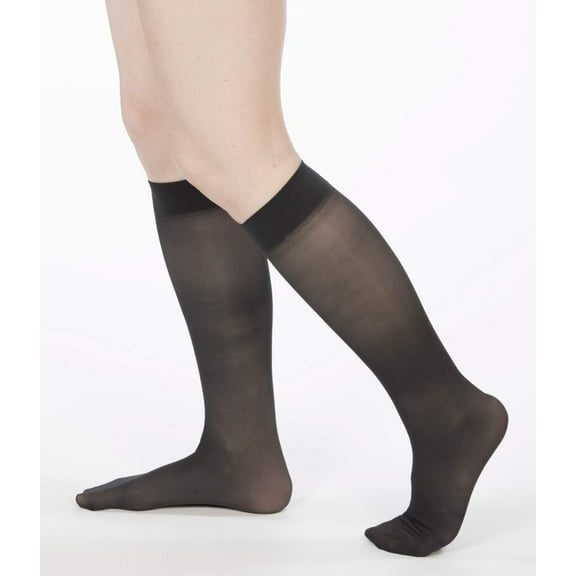
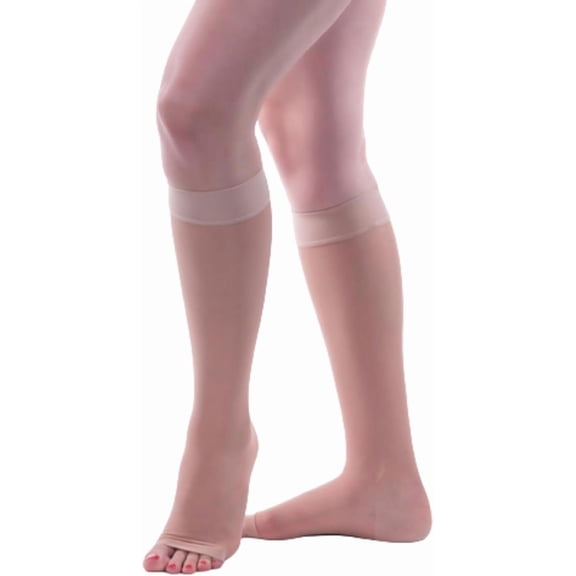
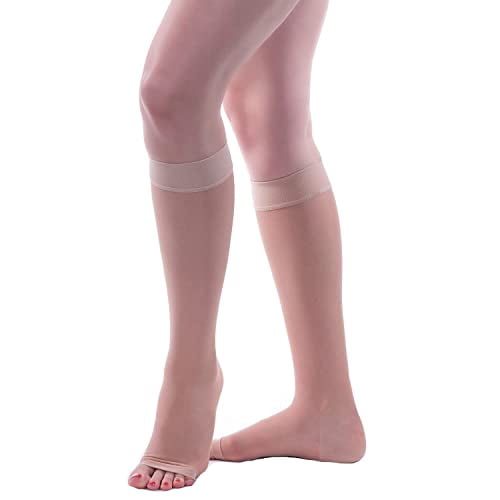
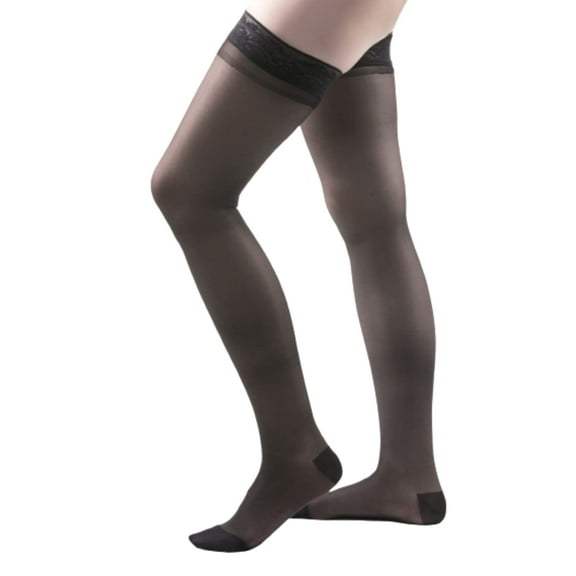
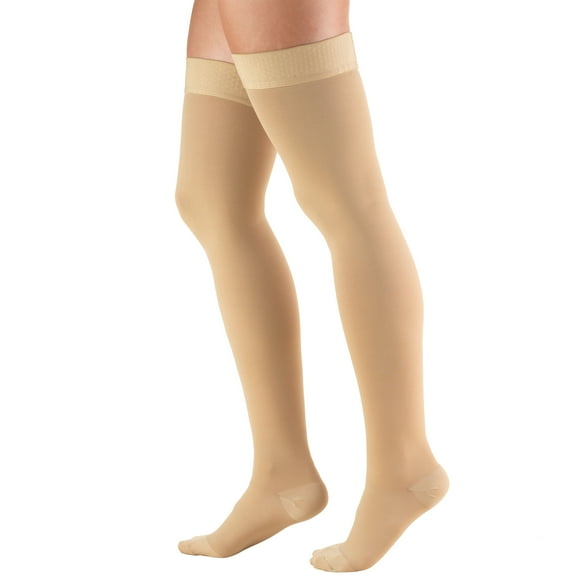
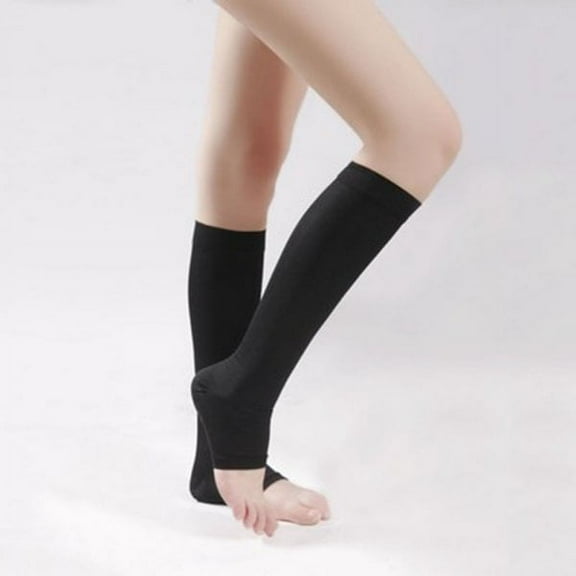
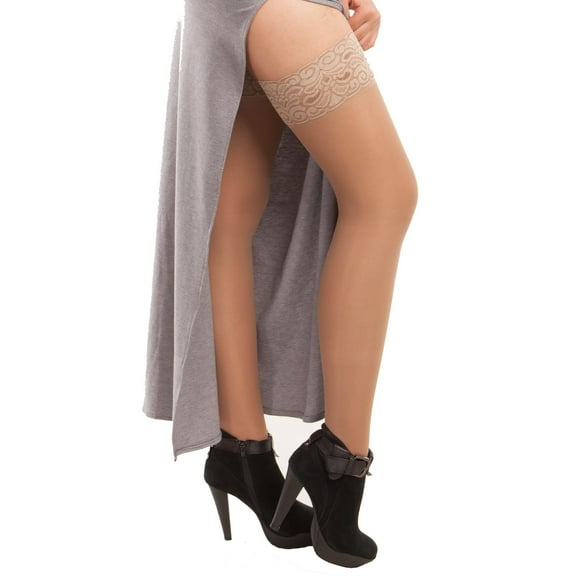
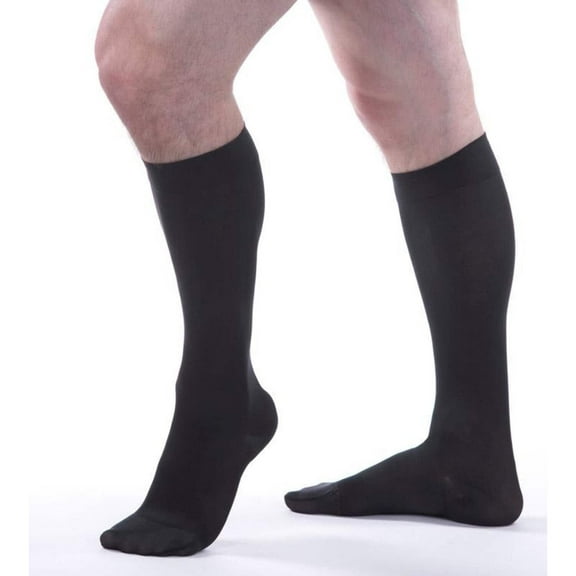
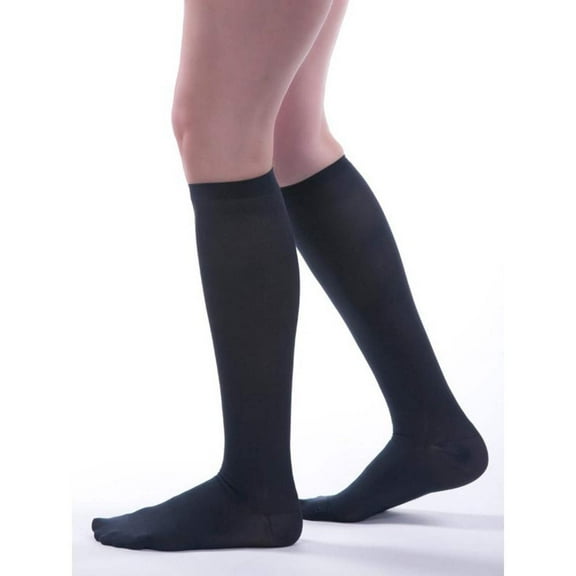
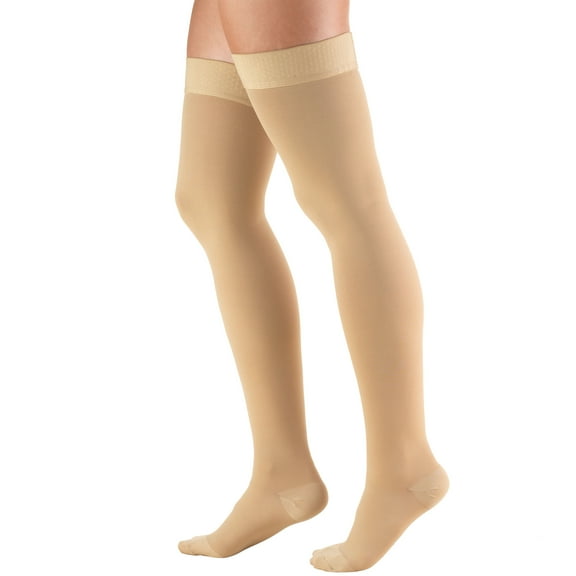
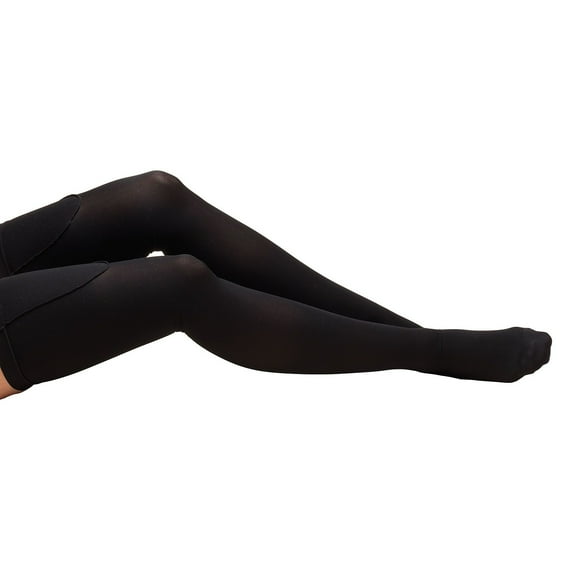
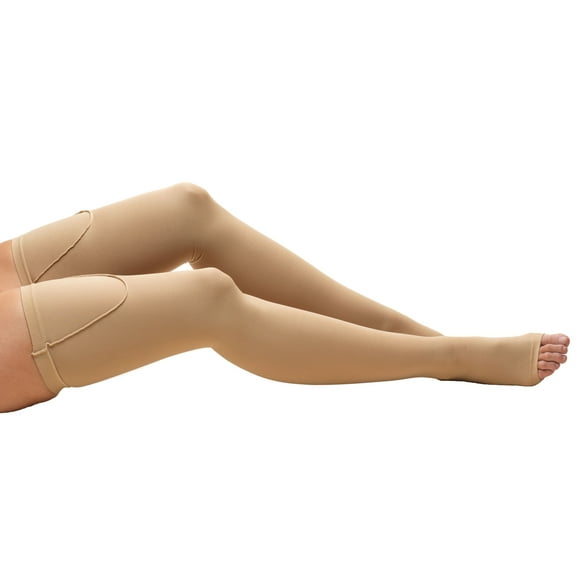
Support stockings can be a smart choice when you want more coverage than a crew sock. Knee-high and thigh-high lengths can support areas where swelling shows up. Some people prefer pantyhose styles for full-leg coverage. Others choose open-toe designs for sandals or toe-sensitive comfort.
Many compression socks focus on athletic comfort, with targeted cushioning and moisture control. Compression stockings often focus on smoother coverage under workwear. If you need a pair that blends into dress outfits, look for neutral colors and thinner weaves. If you need warmth, choose thicker knits for cooler seasons.
Rotation matters for comfort and wear life over time. Having multiple pairs supports consistent use between laundry days. It also helps you keep a dedicated pair for workouts or travel. That routine can help you stay consistent with your support plan.
Choosing the right pressure stockings and fit
Pressure stockings are commonly labeled by compression level in mmHg. Lower ranges are often chosen for everyday comfort and light support. Higher ranges can feel firmer and more structured. If you’re unsure, start with a moderate level you’ll actually wear.
Fit starts with measurements, not shoe size alone. Use ankle and calf circumference for knee-high styles. For thigh-high options, measure thigh circumference and leg length too. A closer match helps prevent rolling, pinching, and bunching behind the knee.
Material and knit density affect how the compression feels across the day. Nylon blends often feel smooth and slide under pants easily. Cotton blends can feel softer, but may feel warmer. Some pairs use spandex for stretch recovery and shape hold.
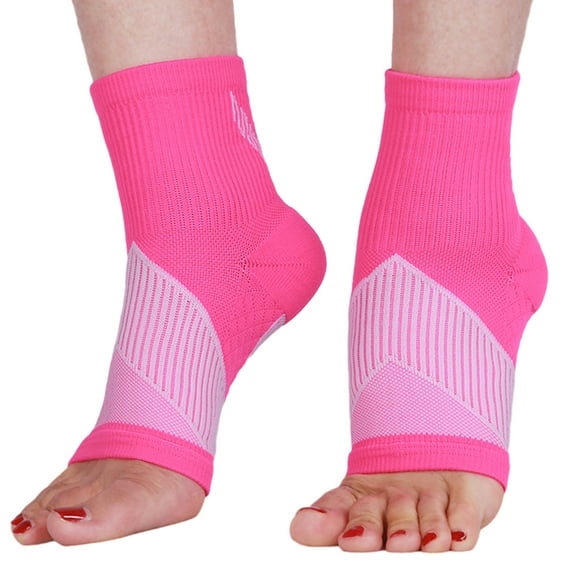
Pay attention to toe style and cuff construction before you choose. Closed-toe pairs can feel warmer and more secure in sneakers. Open-toe pairs can reduce pressure at the toes. Wider cuffs can feel gentler, while tighter cuffs can feel more locked in.
Features that matter in compression socks and compression stockings
Graduated compression is a key feature many shoppers prefer for comfort. It’s designed to feel strongest at the ankle. It then eases gradually up the leg. That shape can feel supportive during walking and standing.
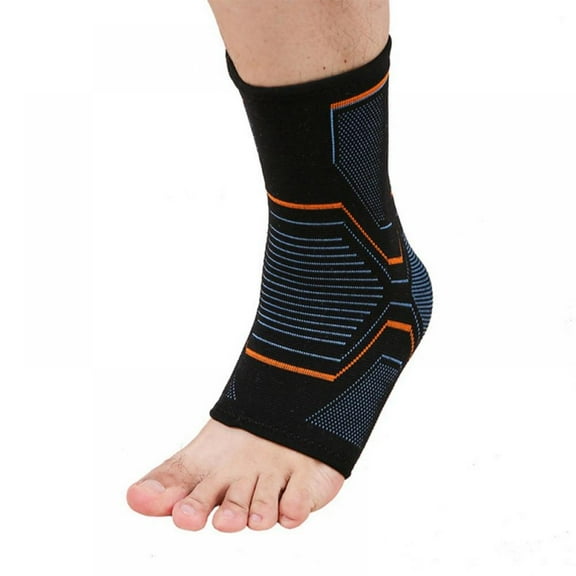
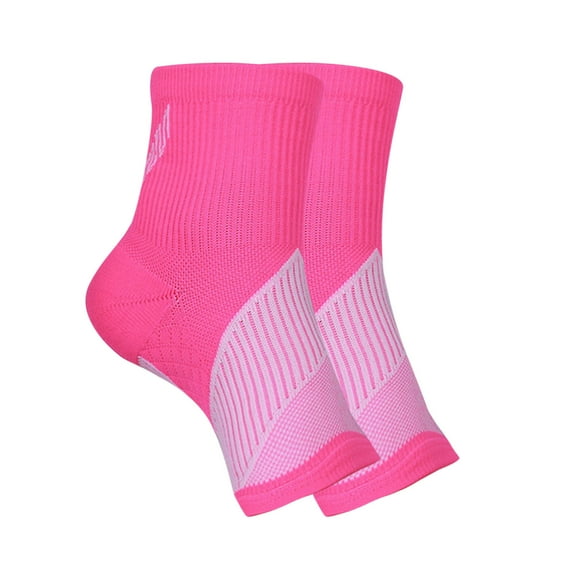
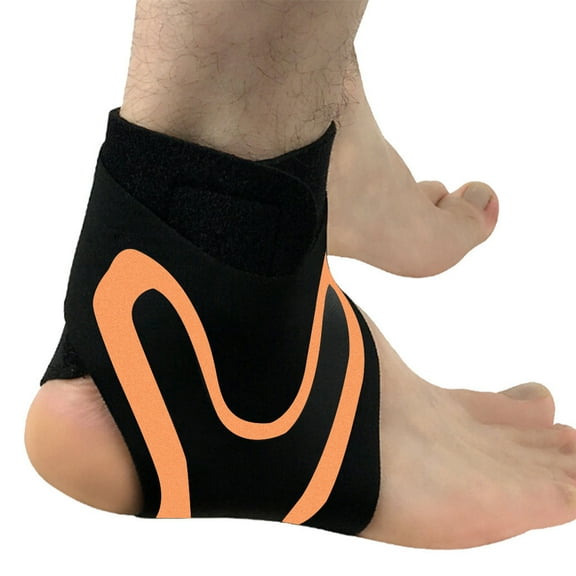
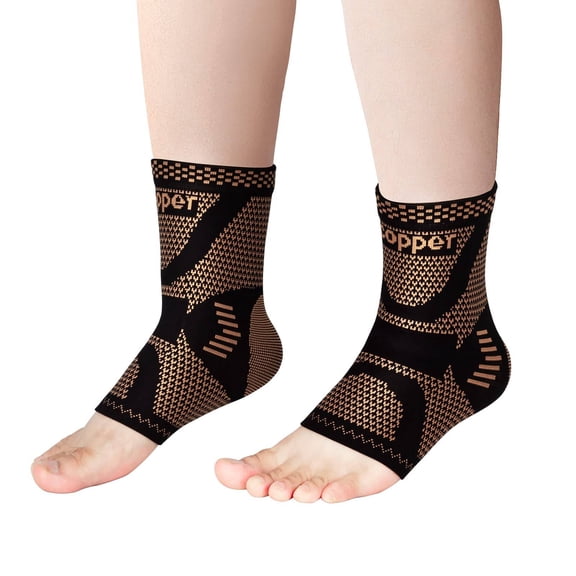
Heel shaping and arch bands help prevent twisting in the shoe. A defined heel pocket can keep fabric aligned during movement. An arch zone can add a hugged feel without adding bulk. These features can matter during workouts and long shifts.
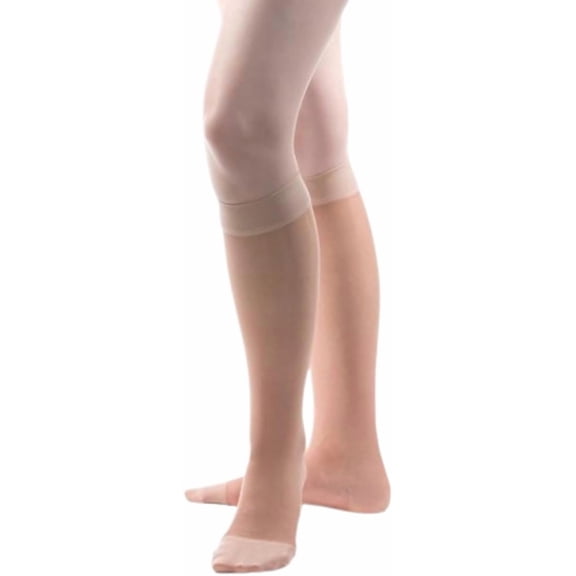
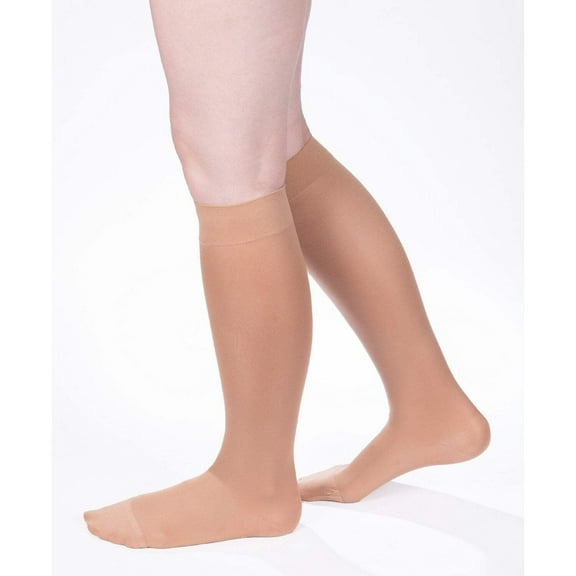
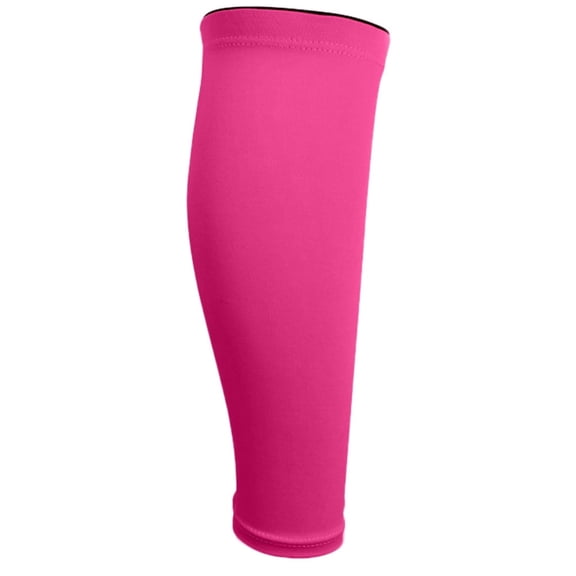
Length is another important decision point for support compression hose. Ankle and crew lengths can work with casual shoes and training. Knee-high options are common for travel and workdays. Thigh-high and pantyhose styles can offer fuller coverage.
Look at care instructions before you commit to a daily-wear pair. Many options are machine washable, which supports easy routines. Some pairs recommend air drying to protect elasticity. Following care guidance can help maintain consistent compression feel.
Use cases for support compression hose
Workday wear is a common reason people choose medical compression hosiery styles. Nurses, teachers, retail teams, and warehouse workers often want steady leg comfort. A knee-high sock can fit under uniforms and work pants. Thinner stockings can layer under dress slacks.
Travel is another frequent use case for compression socks. Long flights and road trips often involve hours of sitting. A snug sock can feel supportive from boarding to baggage claim. Many travelers pack a second pair for the return trip.
Training and recovery routines also drive demand for compression stockings. Runners and gym users often wear them after workouts. Some people like them during warmups for a held-in feel. Others choose them for post-workout downtime at home.
Daily comfort needs can change by season and footwear. In summer, lighter knits can feel less warm in closed shoes. In winter, thicker weaves can add cozy coverage with boots. Open-toe styles can work with wider toe boxes and sandals.
If you’re managing sensitive skin, texture and seams can matter more. Smooth knits can reduce rubbing at the ankle crease. Soft cuffs can feel less tight at the top band. Checking fiber blends can help you avoid itchier materials.
Confidence points for your next pair
Compression Socks & Stockings work best when the fit matches your measurements and your day’s demands. Choose the right mmHg range, length, and toe style. With the right pair, your legs can feel supported from morning through evening.