












All LEGO Sets & Collections














About All LEGO Sets & Collections - Walmart.com
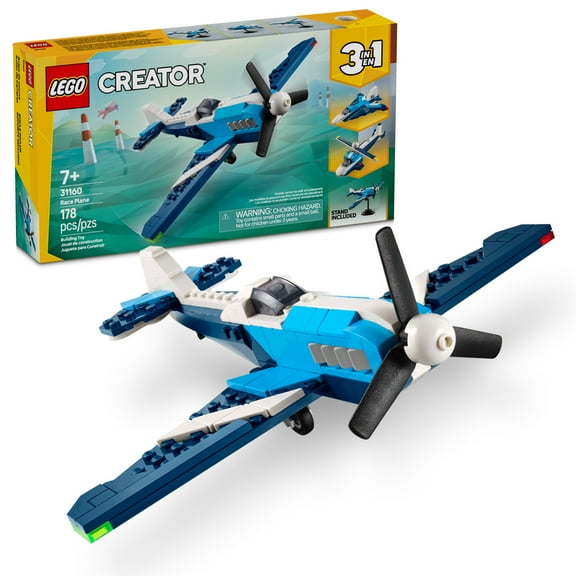
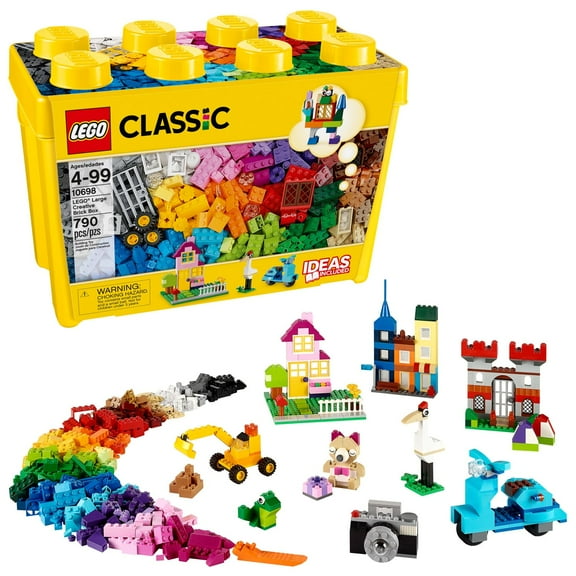
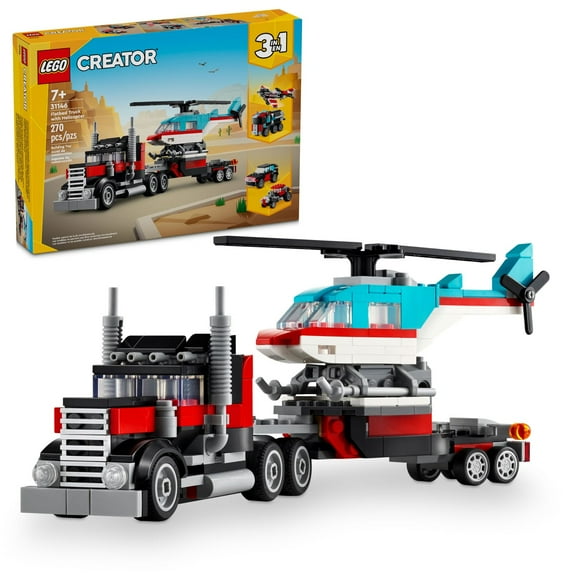
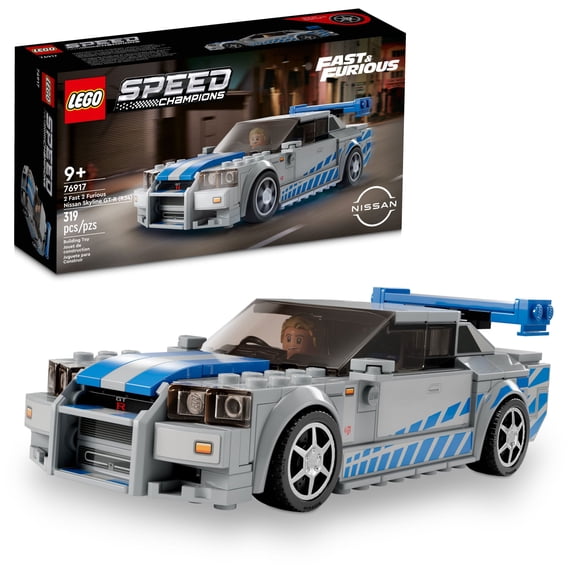
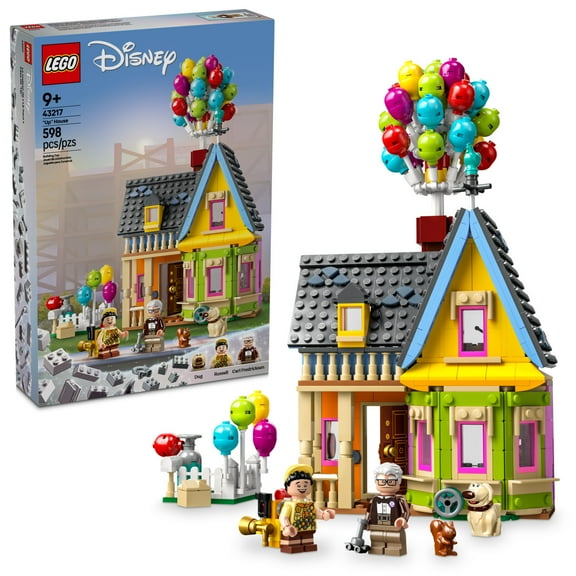
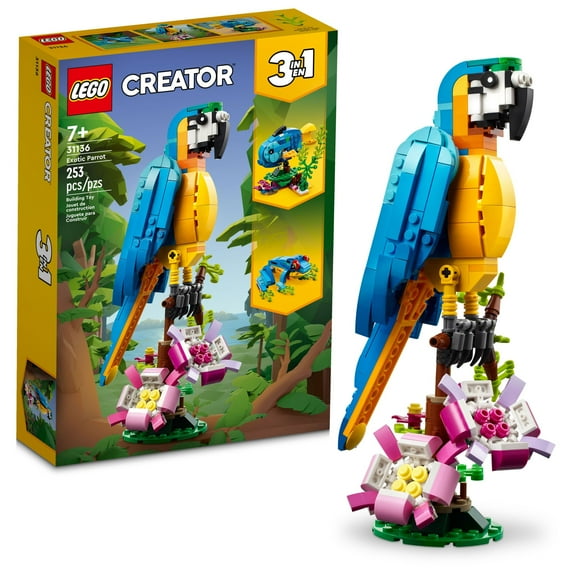
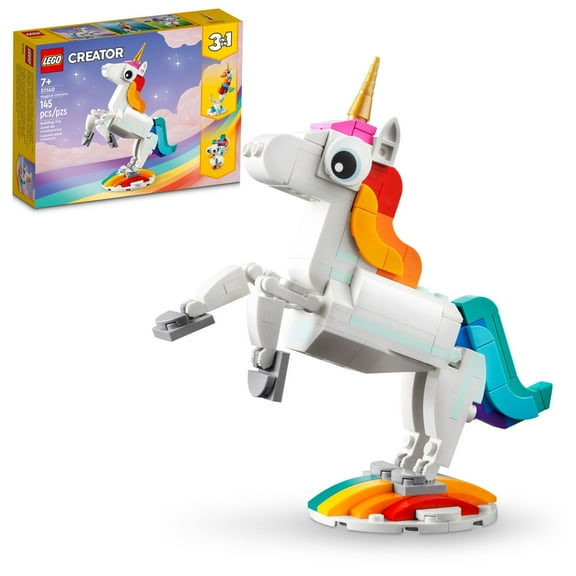
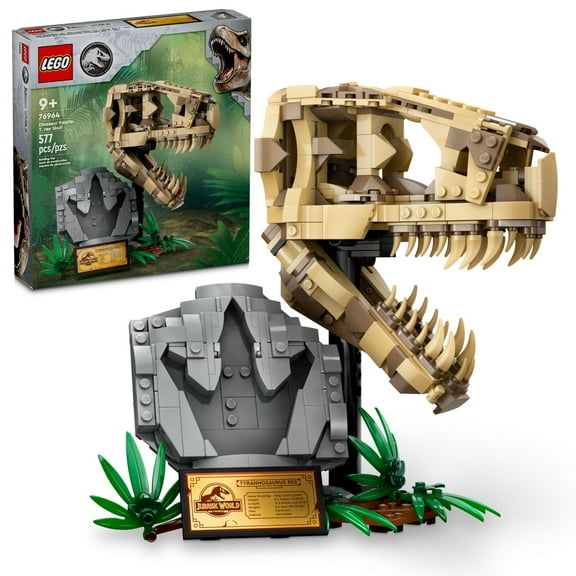
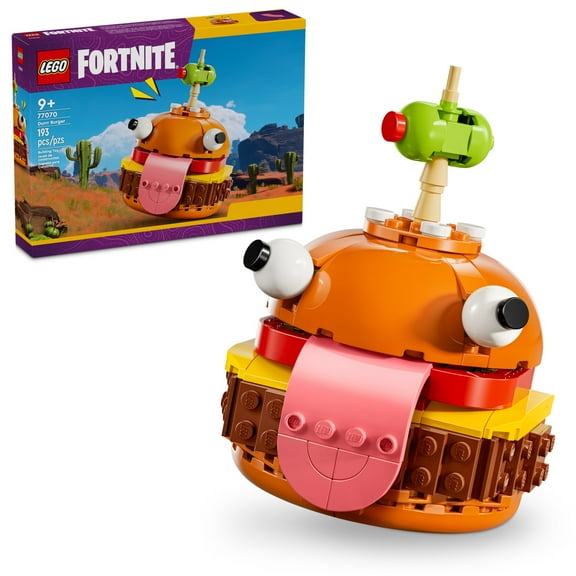
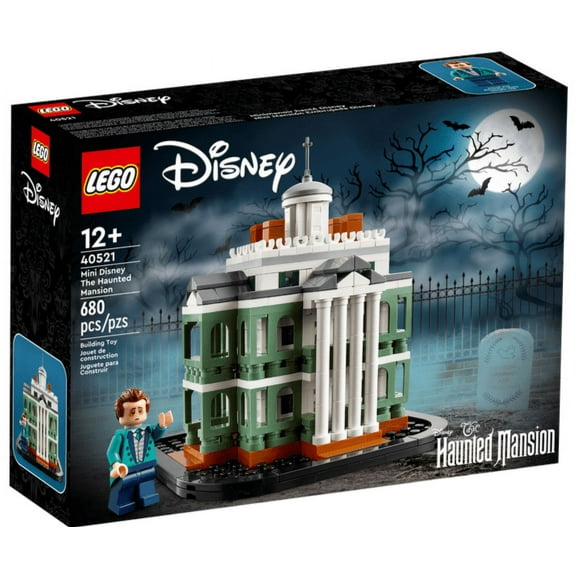
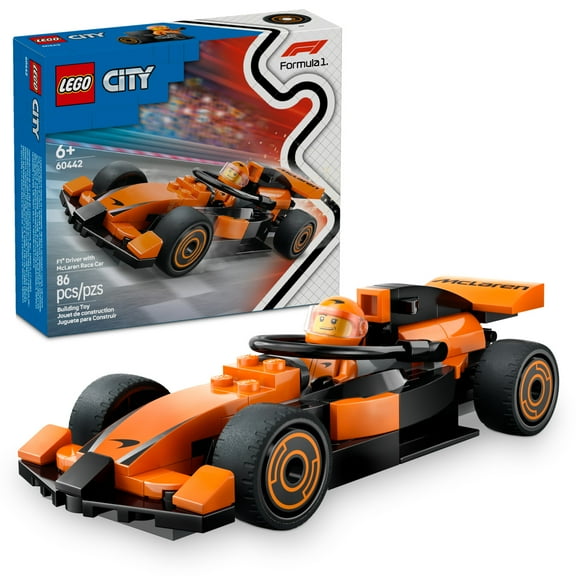
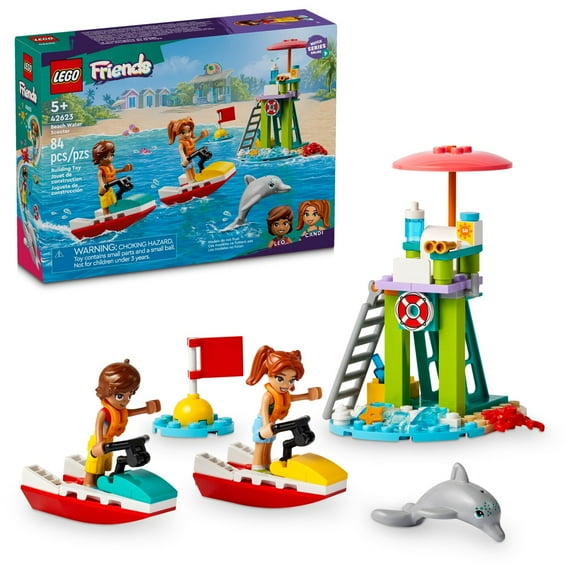
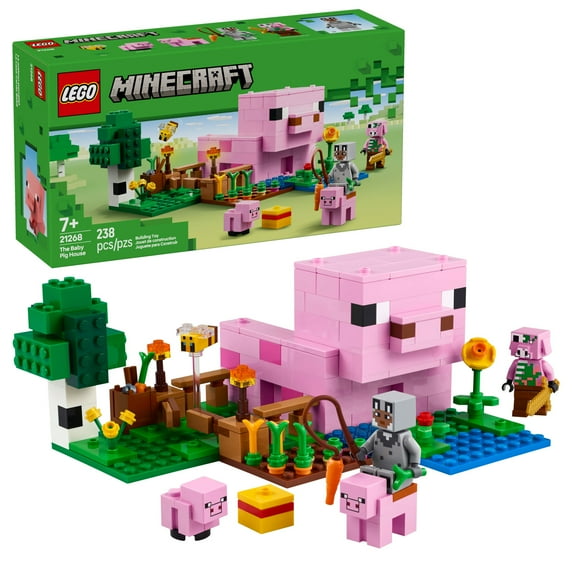
You can compare lego sets by age range, theme, piece count, and build style before you choose your next project. You can find playful starter builds, display-focused models, and collectible figures in one place.
How to choose lego sets by age and skill
Start with the age range, because your builder’s stage shapes the whole experience. You may usually want larger pieces and simple steps for ages 1.5+ and 4+.
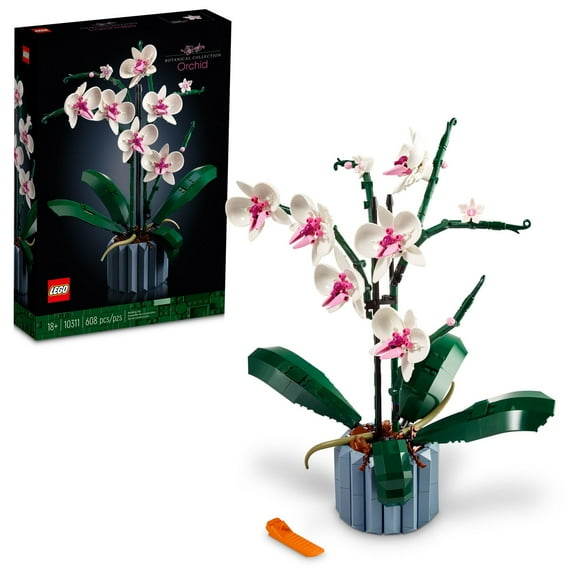
As your builder gains confidence, you can compare 9+ options with more detailed builds and longer instructions. If you’re shopping lego sets for adults, you may often prefer 18+ models with display-focused finishes.
Piece count helps you measure time, focus, and challenge before you commit. You can use under 100 pieces for quick builds, 100 to 500 for weekend sessions, and 1000+ pieces for longer projects.
- You can match Easy Start builds to younger builders who want quick wins.
- You can choose Intermediate sets when your builder enjoys longer steps and moving features.
- You can pick Advanced Builder options when you want detailed models and a deeper build process.
- You can compare piece count with difficulty, so your selection feels appropriate from the first bag onward.
Choosing themes and lego building kits
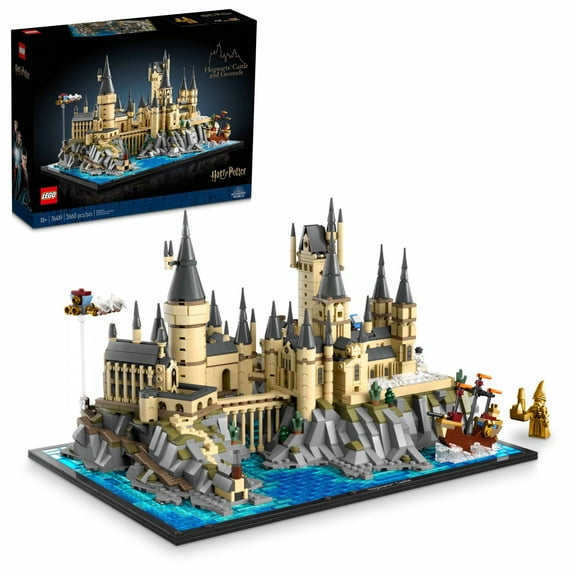
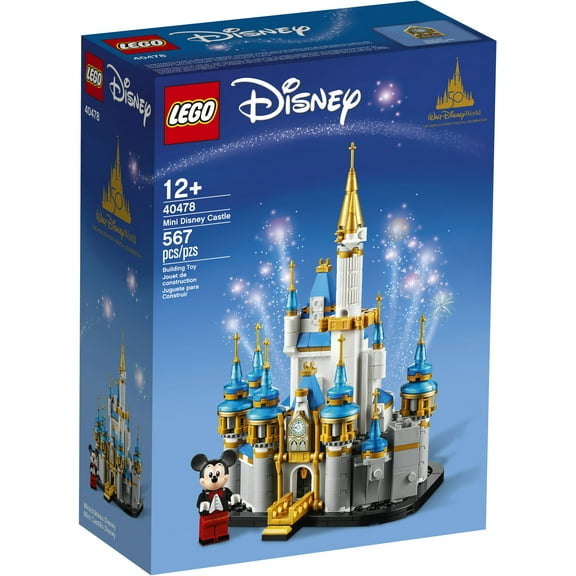
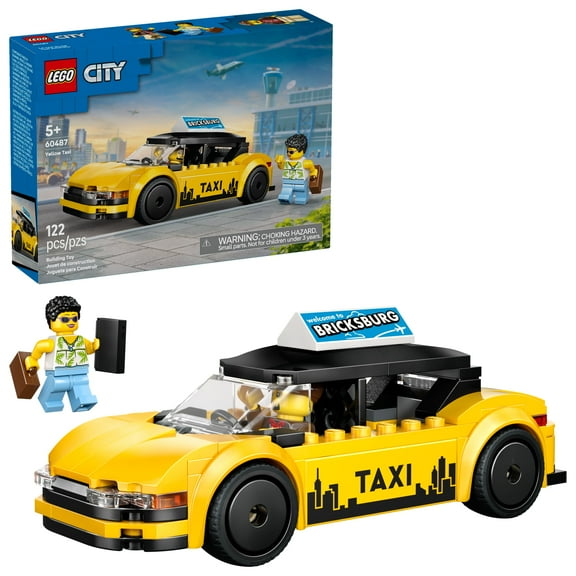
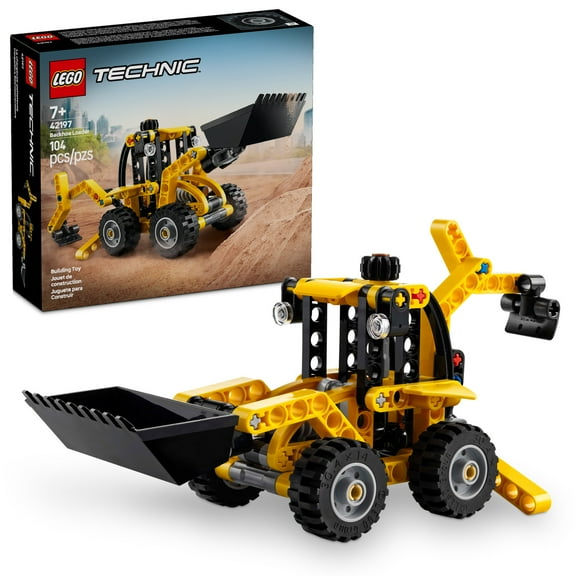
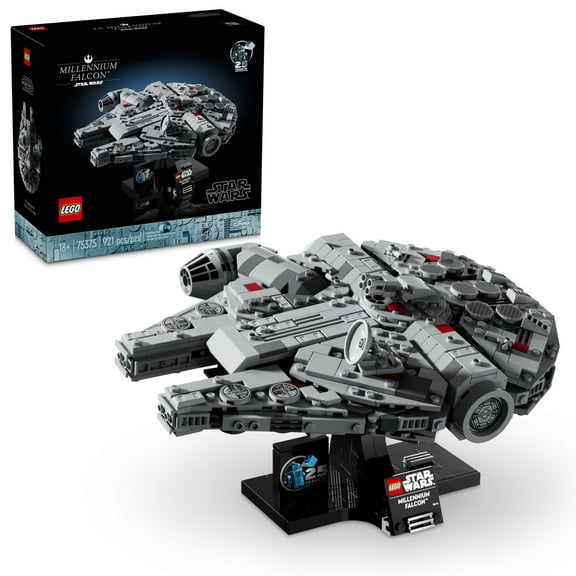
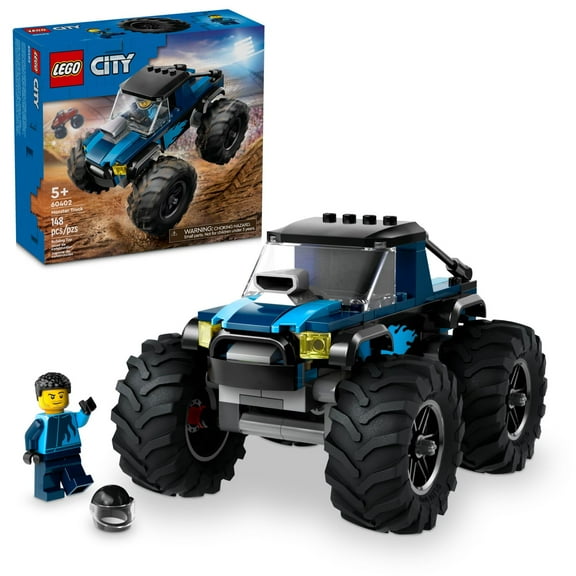
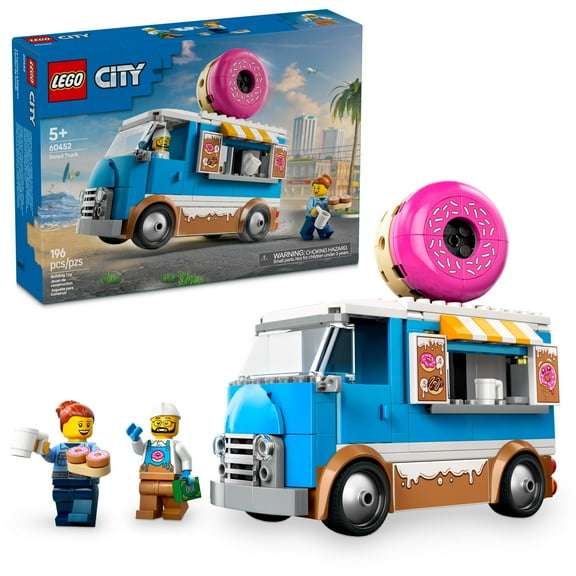
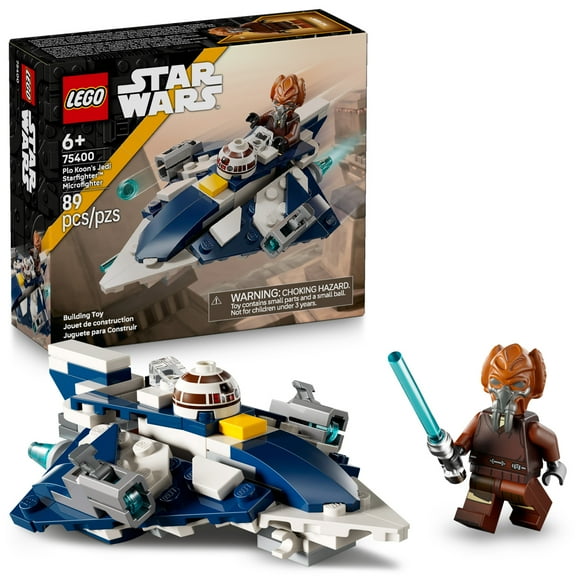
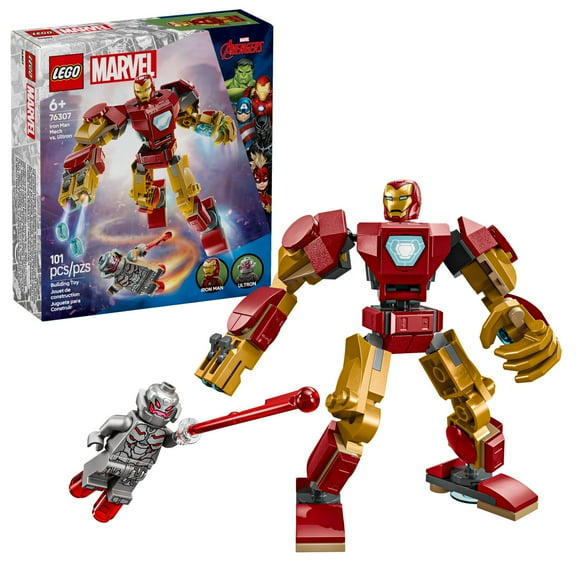
Theme matters because you can usually build longer when the subject feels personal. You can compare worlds like City, Harry Potter, Star Wars, and Technic based on play style.
If you want storytelling, you may prefer sets with vehicles, buildings, and lego minifigures tied to familiar scenes. If you want mechanical detail, you can compare Technic builds with gear-driven functions.
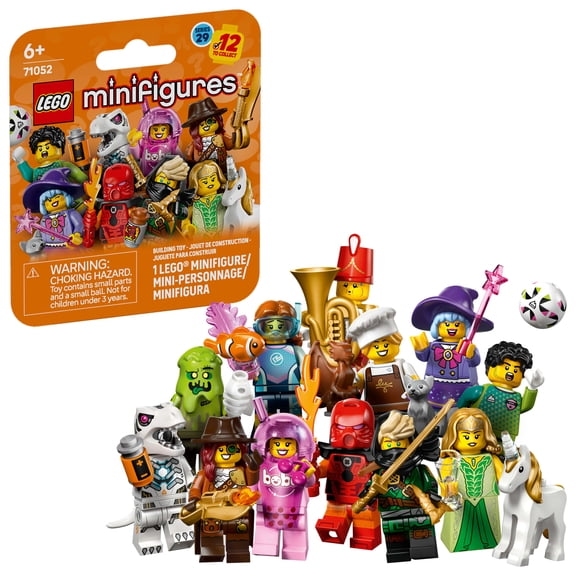
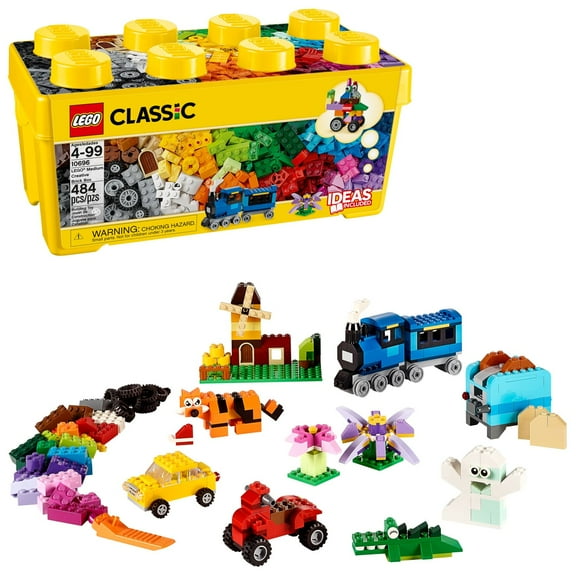
Product type also changes how you use the collection after you finish the build. You can choose lego building kits for hands-on construction, minifigures for character collecting, and storage for sorting lego bricks.
That mix helps you build a collection that stays organized and fun to revisit. You can pair toy building blocks with storage bins when your parts library starts growing fast.
What to look for in piece count and display value
Piece count isn’t just a number, because it changes build time, detail, and shelf presence. You can use it to compare compact gifts with large lego sets meant for extended sessions.
Lower counts often fit shorter attention spans and smaller hands. Mid-range counts can give you enough detail for vehicles, houses, and play scenes without taking over your table.
When you choose 1000+ pieces, you can often get denser detail and a more involved sequence. If you want display value, you should also measure shelf space before you build.
Adult builders often compare stand-supported models, scene builds, and collector-style shapes that look polished when finished. If you want movement and replay, you may prefer hinged sections, rolling wheels, or interactive features.
- You can choose compact builds when you want a quick project with easy cleanup.
- You can compare mid-size sets when you want balance between detail and play.
- You can select larger models when your goal is a centerpiece for a desk or shelf.
- You can check finished dimensions, so your model fits the room you already have.
Matching lego sets to real-life occasions
You might want holiday lego sets when you’re planning a family activity during school breaks. You can also compare christmas lego sets for seasonal displays, countdown builds, or gift-ready bundles.
For birthdays, you can match age range and difficulty to avoid a build that feels too short or too involved. If your recipient loves fandoms, you should lead with theme before anything else.
If you’re building together, you may prefer medium piece counts that let everyone stay engaged. If you’re shopping for solo focus time, you might choose advanced sets with intricate steps.
Collectors often want clean lines, recognizable scenes, and models that hold visual interest on a shelf. If that sounds like your goal, you can focus on lego sets for adults with mature themes.
You can also build a more flexible collection by mixing character packs, vehicles, and storage. That approach helps your pieces stay sorted, and your lego bricks stay ready for the next idea.
When you compare age range, theme, piece count, and difficulty together, your choice gets much clearer. You can end up with a build that fits your time, your space, and your builder’s attention span.