


Find auto parts that fit
Let’s search for parts that fit your vehicle.
LED Headlight Conversion Kits in Headlights














About LED Headlight Conversion Kits in Headlights - Walmart.com
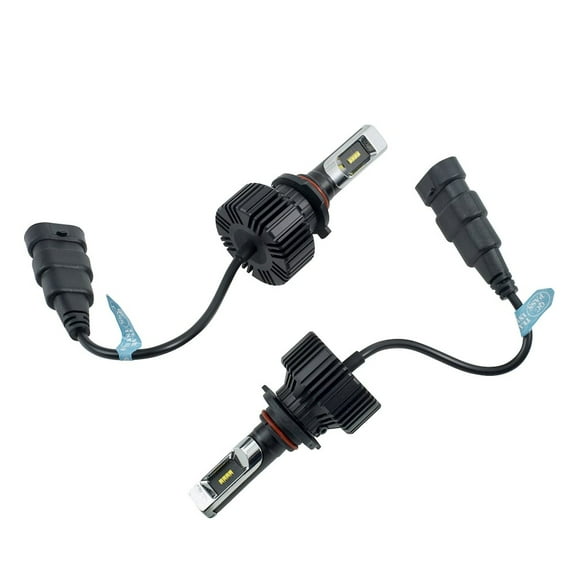
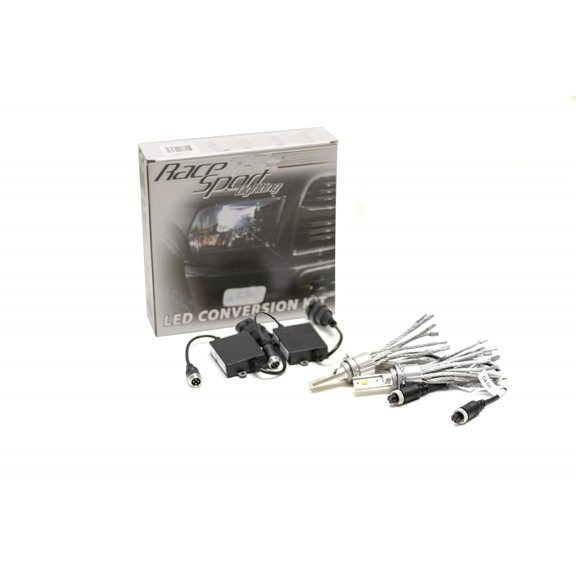
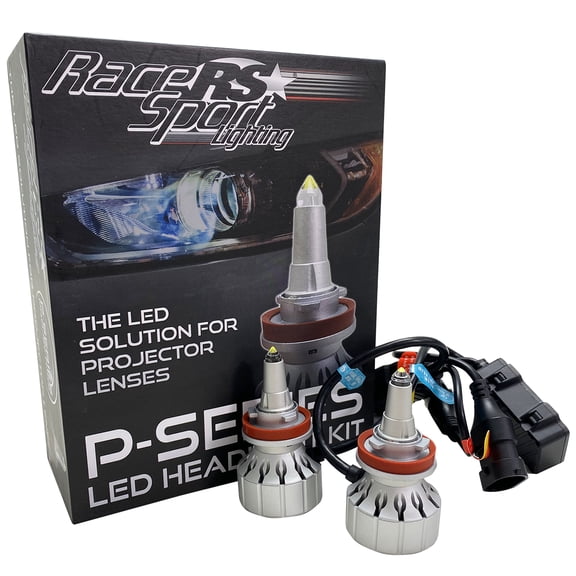
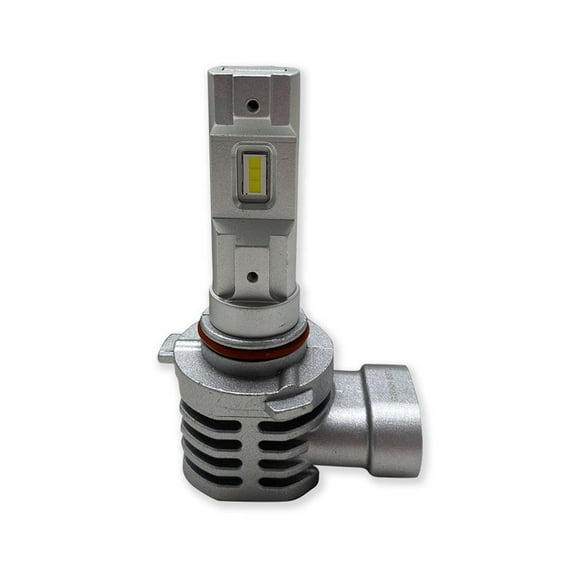
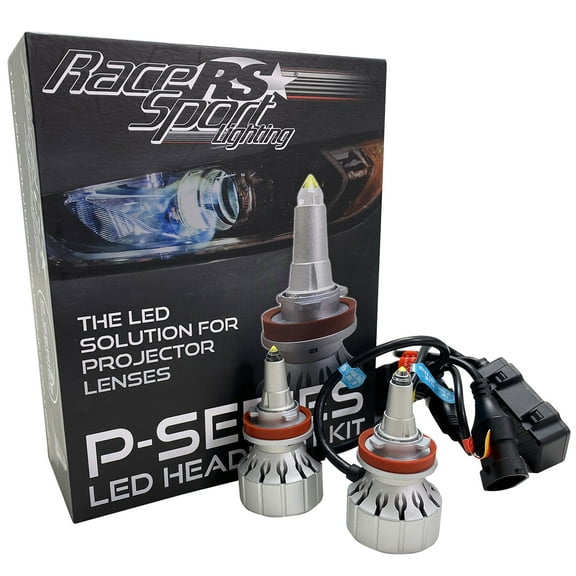
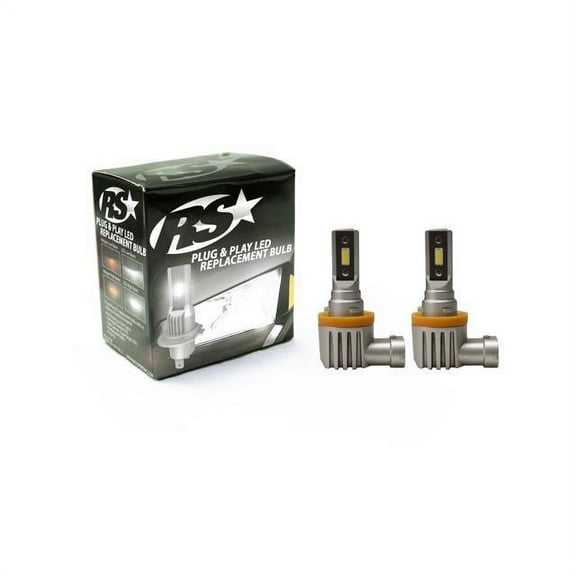
LED headlight conversion kits help you upgrade factory halogen lighting with fitment-focused options for your vehicle, bulb size, and headlight housing. You can compare bulb codes, cooling styles, output levels, and CANBUS features before you choose a setup that fits.
If you’re replacing worn halogen bulbs, you’ll want a category guide that explains real buying decisions. You can use this page to compare led headlight bulbs by compatibility, installation style, and housing clearance.
Choosing led headlight conversion kits by fitment
You should start with your vehicle’s bulb size, because fitment determines whether your kit connects correctly. You’ll often see common sizes like H11, 9005, 9006, H4, and H7 on product pages.
When you compare an H11 led headlight conversion kit with a 9005 led headlight bulb option, you’re comparing different socket designs. You should match the code from your owner’s manual or existing bulb before you choose.
You’ll also want to check whether your vehicle uses separate high and low beams or a dual-beam setup. That detail helps you narrow your led headlight kit options and avoid mismatch issues.
What to look for in led headlight bulbs
You can use brightness, color temperature, and beam pattern as your main comparison points. These details shape how your headlights look and how your road view appears at night.
- You can choose 6000 lumens when you want a moderate output for everyday driving.
- You can compare 10000 lumens or 12000 lumens when you want stronger light output from compatible housings.
- You can select 6000K cool white or 6500K daylight for a crisp appearance.
- You can consider 3000K yellow when you prefer a warmer look in specific driving conditions.
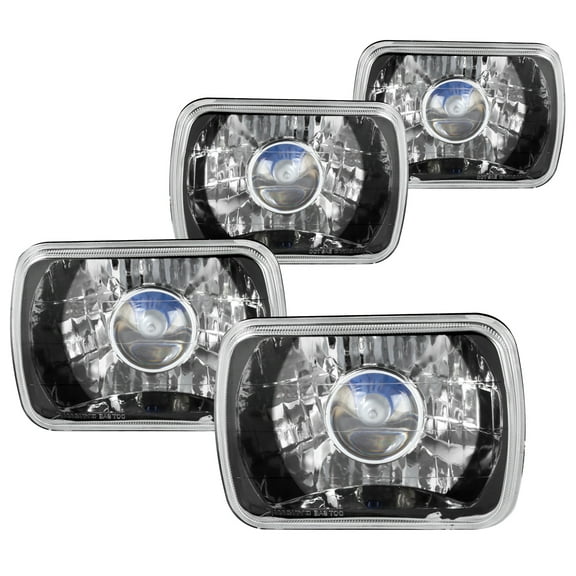
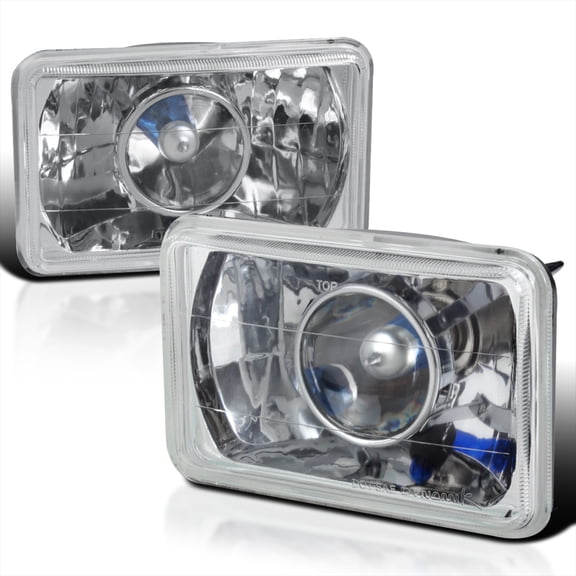
- You can check beam focus so your upgrade matches your headlight housing design.
When you compare these specs, you should think about balance instead of chasing one number. You’ll usually want output, color, and fitment to work together for a clean installation.
A car led headlight conversion kit with the right beam pattern can give you a more modern look. You’ll also notice that bulb size and housing design still matter as much as lumen claims.
Comparing cooling types and housing space
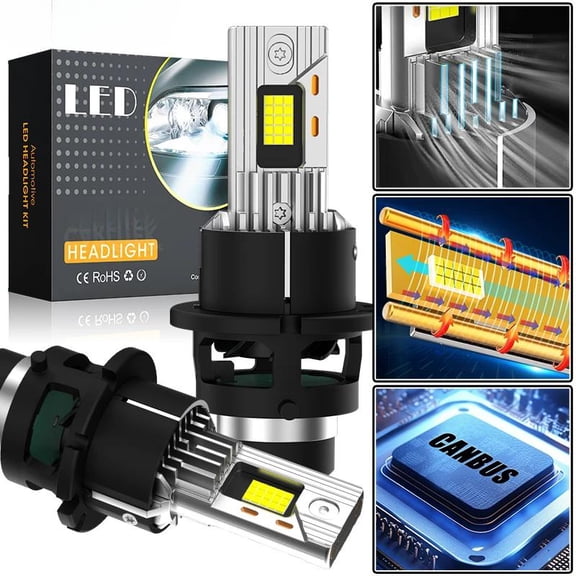
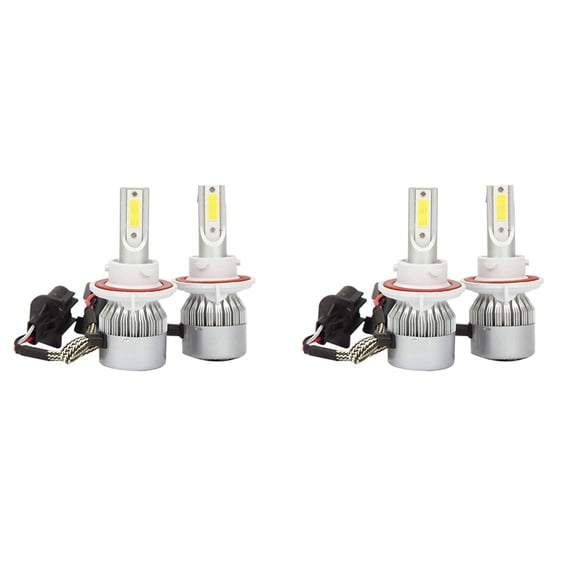
You should measure space behind your headlight housing before you choose a cooling design. You’ll usually decide between fanless passive cooling and active fan cooling.
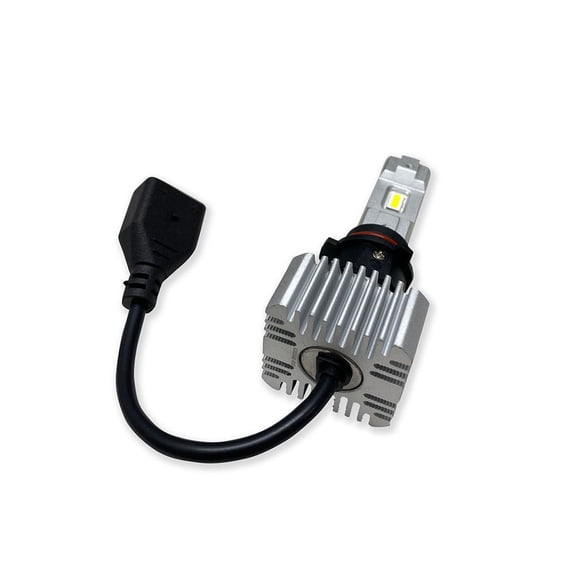
If you have limited space, you may prefer fanless designs because they often use a more compact profile. You can install them with fewer clearance issues in tighter housings where rear space matters.
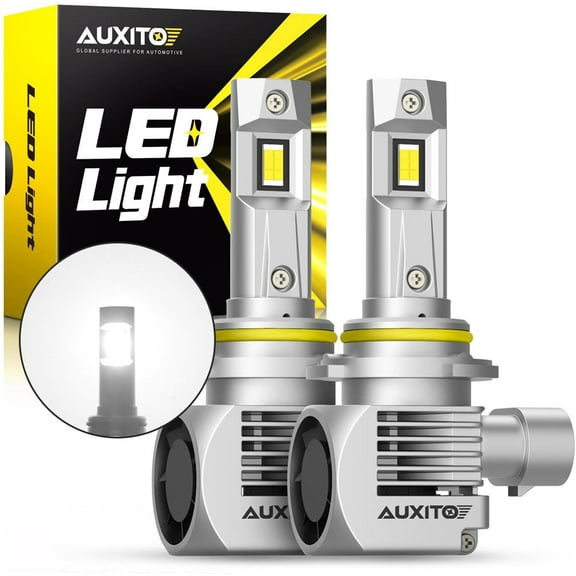
If you have more room, you may consider active fan cooling for steady heat control during longer drives. You’ll want to confirm the fan housing won’t interfere with dust covers or factory caps.
You should treat cooling style as a fitment decision, not just a feature list item. That step helps you pick led headlight conversion kits that match your vehicle’s available space.
Checking CANBUS and error-free compatibility
You may need CANBUS ready or error-free options if your vehicle monitors bulb performance electronically. You can use these compatibility features to reduce flicker, dashboard warnings, and startup inconsistencies.
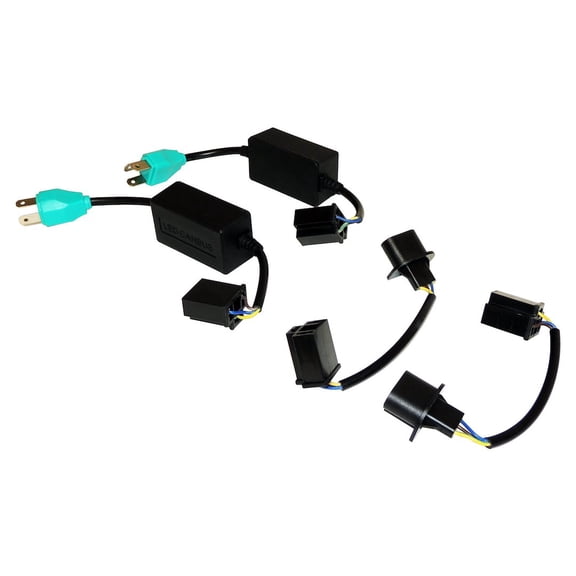
When you compare voltage details, you’ll usually see 12V standard systems across many passenger vehicles. You should still read fitment notes carefully, because some vehicles need extra decoders or warning cancelers.
If your vehicle is sensitive to bulb changes, you may want a kit with anti-flicker support. You’ll find that this detail matters most on vehicles with stricter onboard monitoring systems.
How installation choices affect your setup
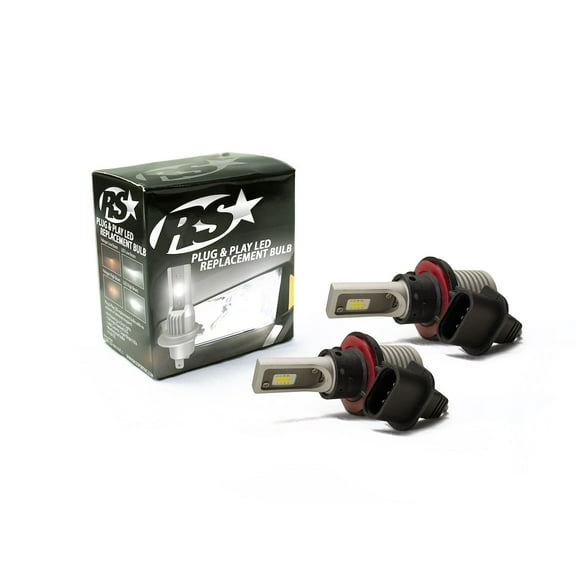
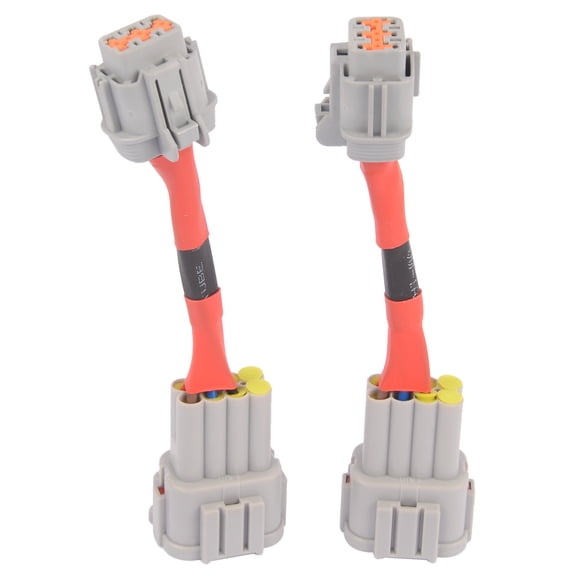
You can narrow your options when you know how much installation work you want. You’ll often see plug-and-play designs that connect to factory-style sockets with fewer extra steps.
Some kits fit cleanly into the housing with minimal changes, while others need more room for drivers or decoders. You should check product images and notes so your connectors, caps, and housings align.
If you’re upgrading from halogen, you may compare a simple led headlight kit with one that includes external modules. You’ll want the added parts only when your vehicle’s system calls for them.
Matching common bulb sizes to your driving needs
You can focus on common sizes like H11, 9005, and 9006 when you want broad replacement coverage. You’ll also find H4 and H7 options for vehicles that use those bulb formats.
An H11 led headlight conversion kit often fits shoppers replacing low beam bulbs in many vehicles. You should confirm whether your application uses H11 for low beam, fog light, or another position.
You may choose a 9005 led headlight bulb for high beam applications, while you may select a 9006 led headlight bulb for low beam positions. You’ll need to verify your exact vehicle configuration before choosing either one.
When you match the right size with the right cooling and CANBUS features, your upgrade path becomes clearer. You can choose with more confidence and get a setup designed for your vehicle’s headlight layout.
You’ll get consistent results when your bulb code, housing space, and electrical compatibility all line up. That practical approach helps you choose LED lighting that fits cleanly and works as intended.