

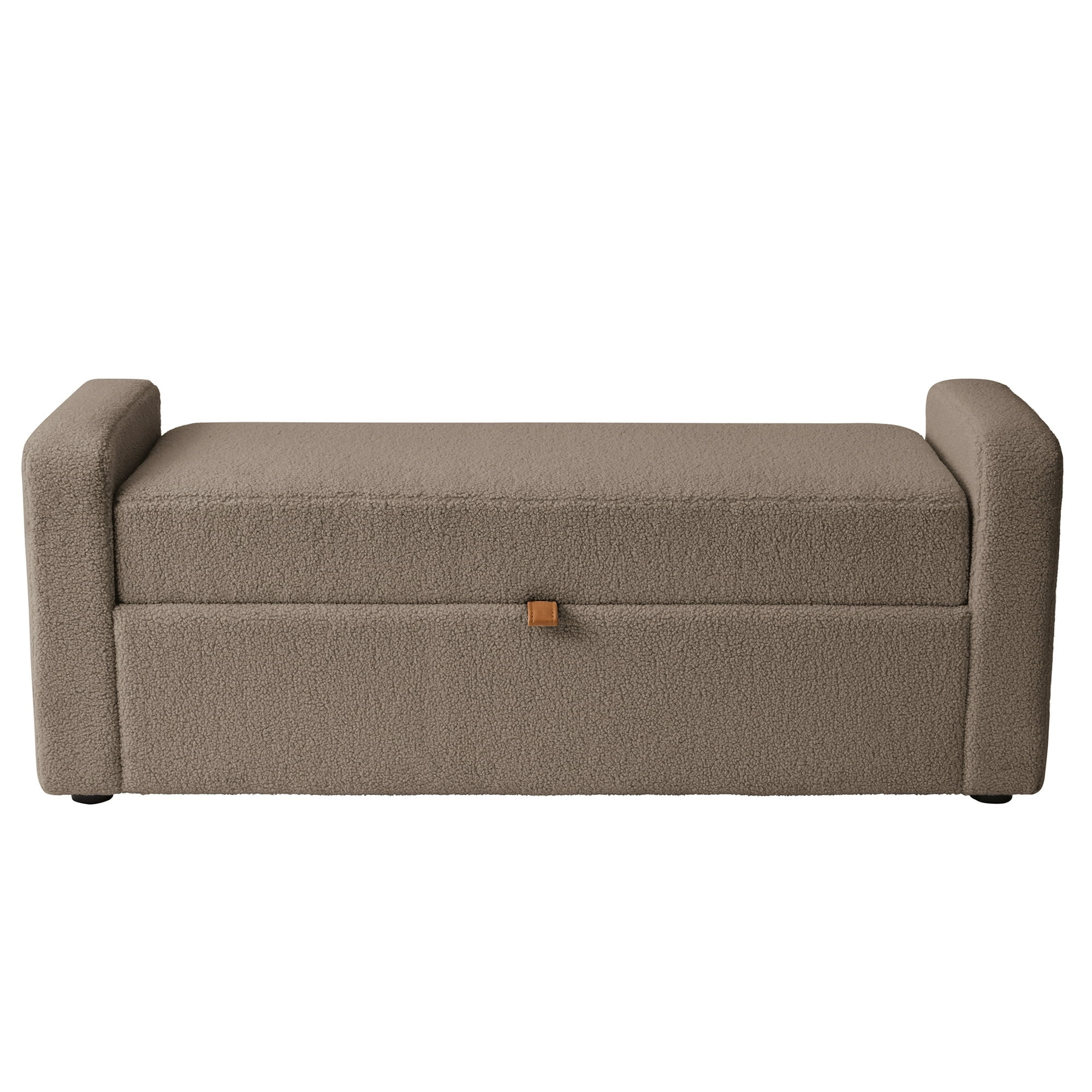
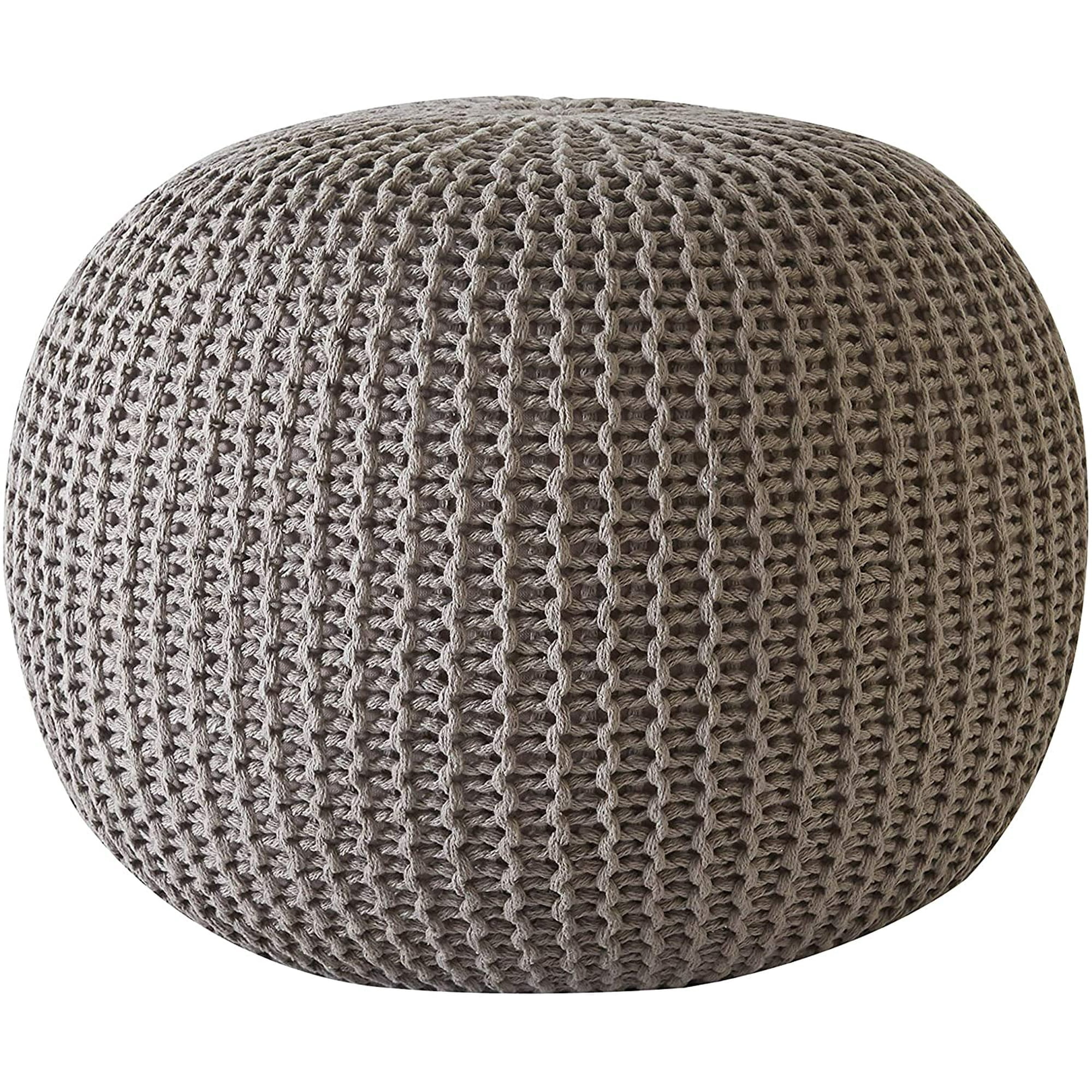
Ottomans
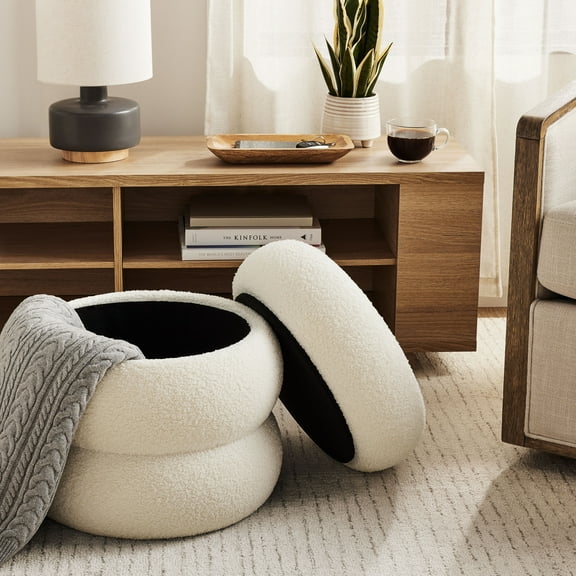


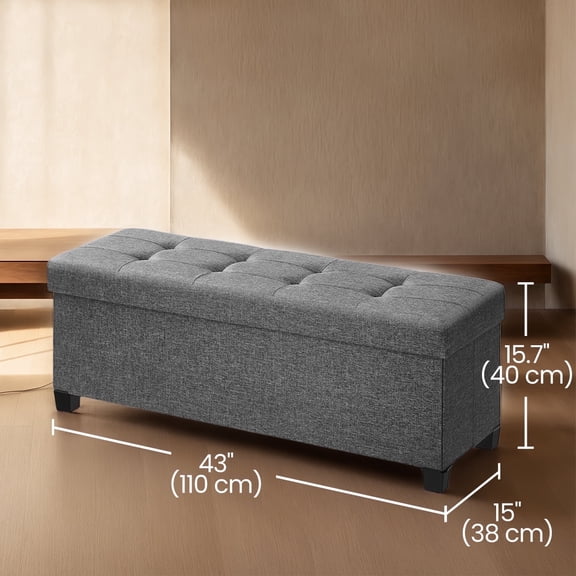





















































About Ottomans - Walmart.com
Ottomans give you flexible comfort, hidden storage, and style in one compact piece for living rooms, bedrooms, dorms, and entryways. You can use them as a footrest, extra seat, or tabletop with the right shape and upholstery.
How to choose ottomans for your space
You should start with how you'll use your ottoman every day. Your choice between storage, seating, and surface space can guide the right style quickly.
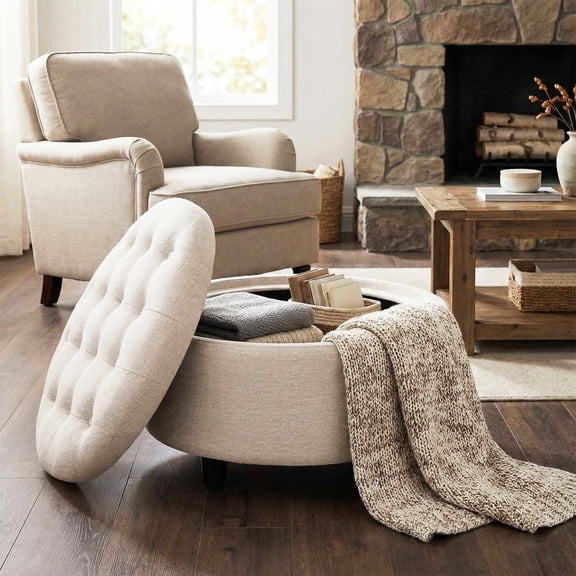
Consider storage ottomans if you want a place for throws, remotes, or toys without adding another cabinet. You can choose non-storage styles when your focus is a lighter look or a simple footrest.
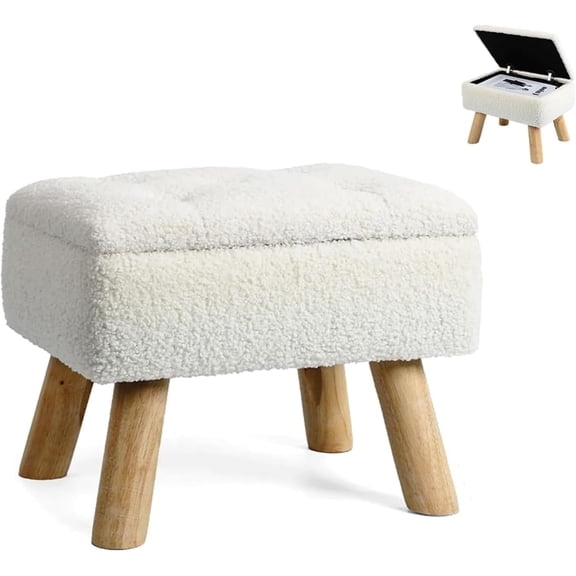
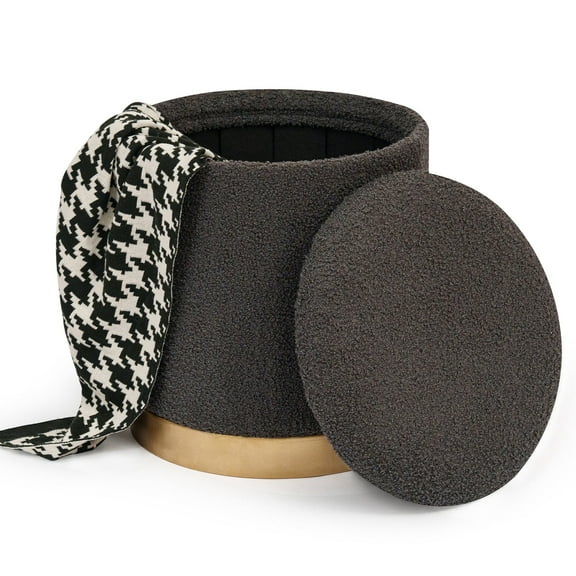
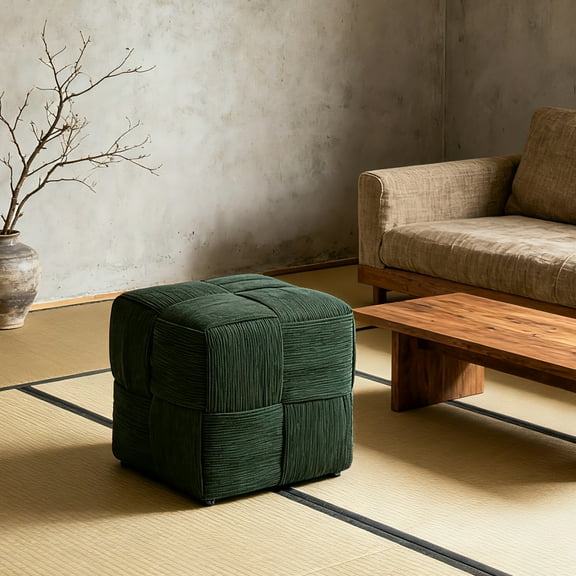
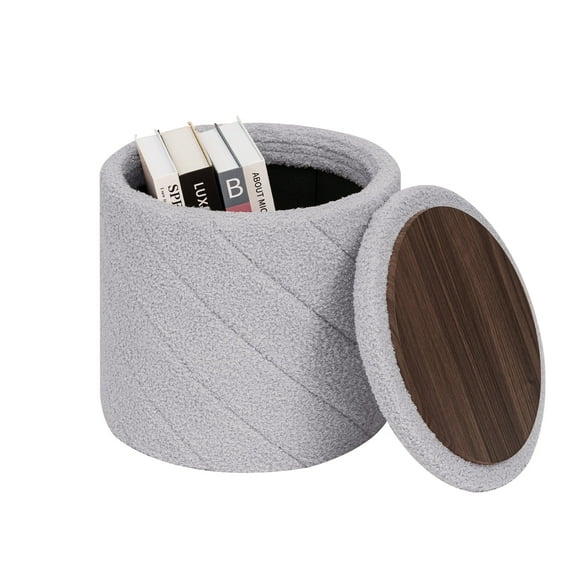
You may also compare footstools and poufs for softer, casual spaces. You can use poufs when you want a flexible accent that moves easily between rooms.
- You can hide blankets, games, and remotes inside storage styles.
- You can add extra seating when guests need a convenient spot.
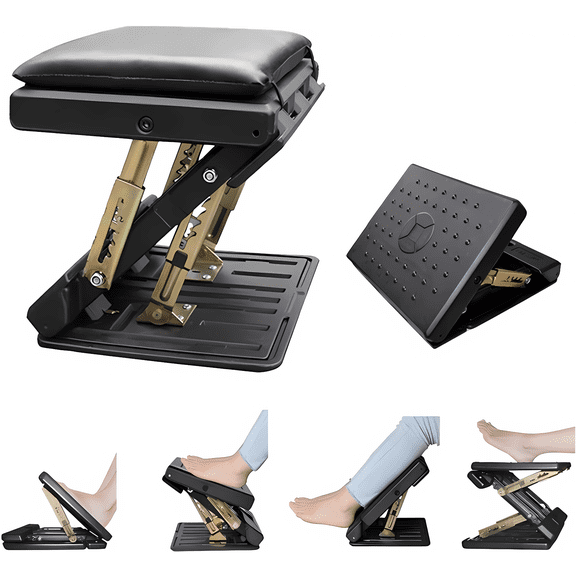
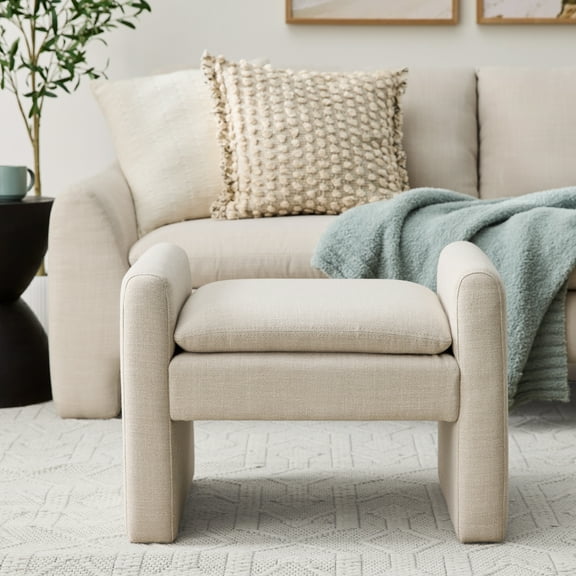
- You can create a soft footrest that pairs with sofas and accent chairs.
- You can choose a round, square, or rectangular shape to match your layout.
Choosing between storage ottomans and accent styles
You should think about whether your ottoman needs a lift-top lid, a folding design, or a fixed cushion top. Your daily routine can help you decide which option feels easiest to live with.
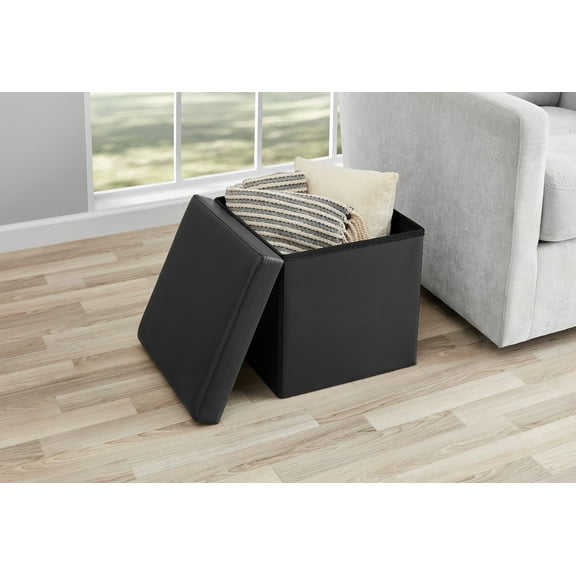
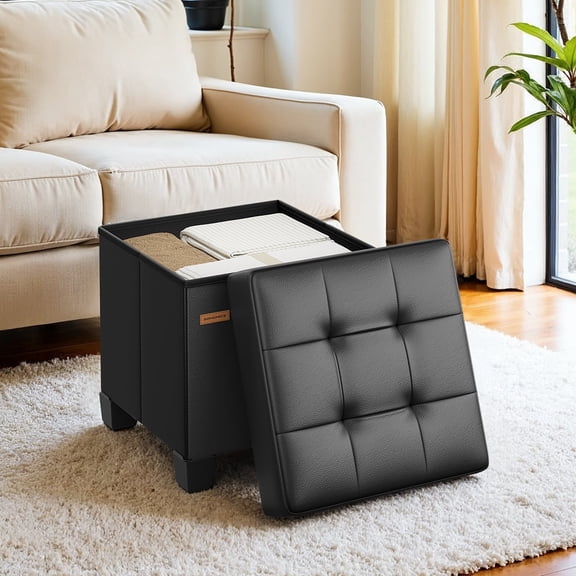
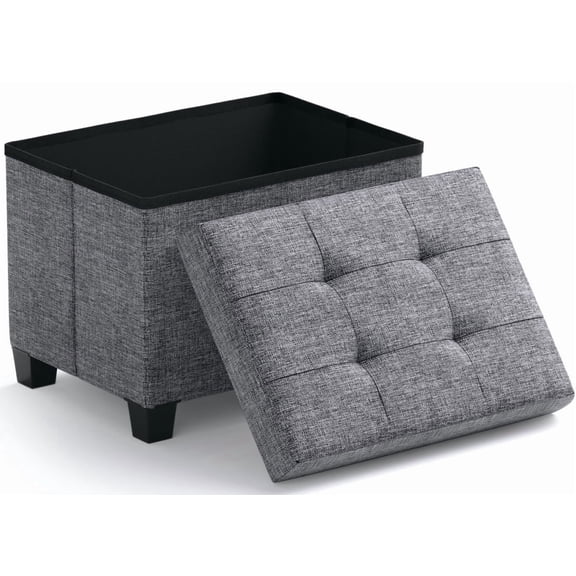
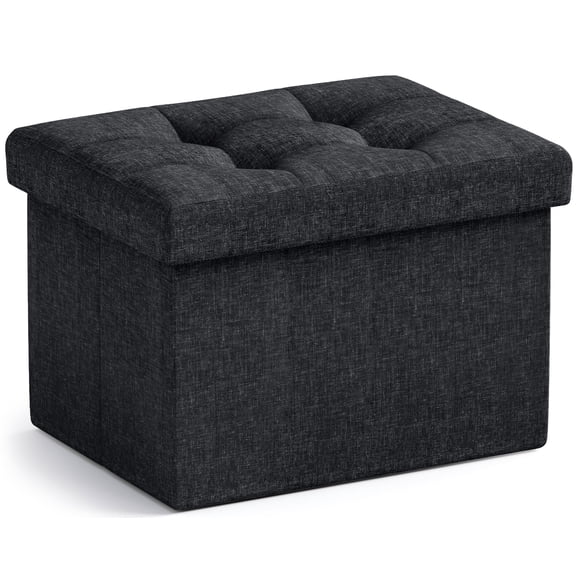
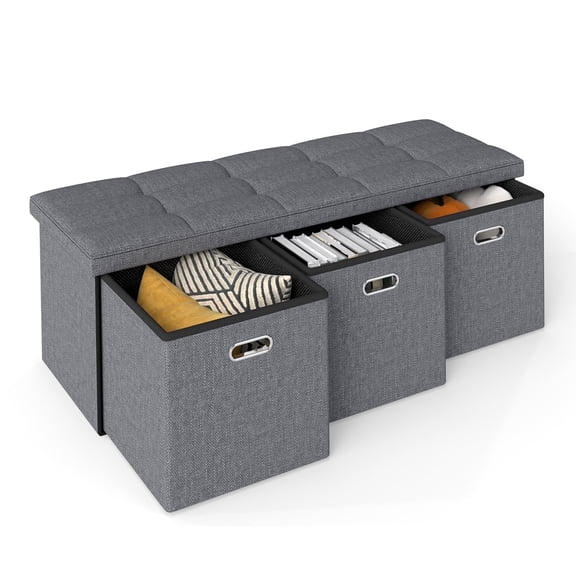
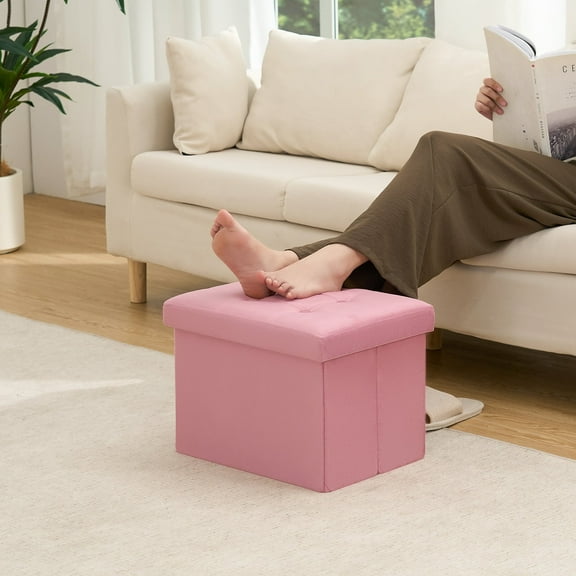
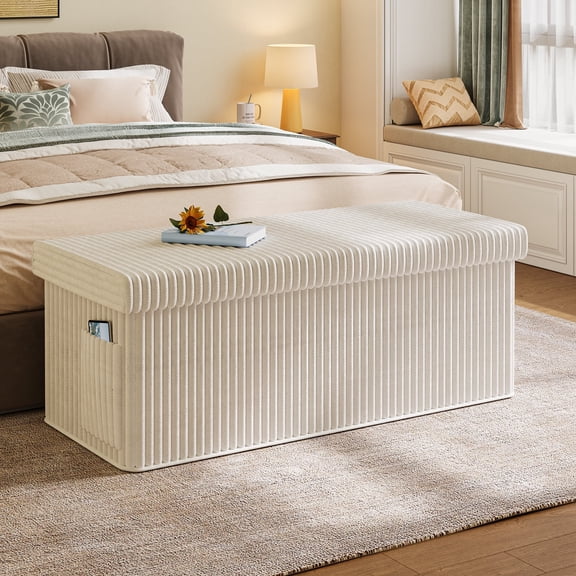
Folding storage ottomans work well when you want occasional storage and compact setup. You can tuck them into a dorm, guest room, or apartment where flexible furniture matters.
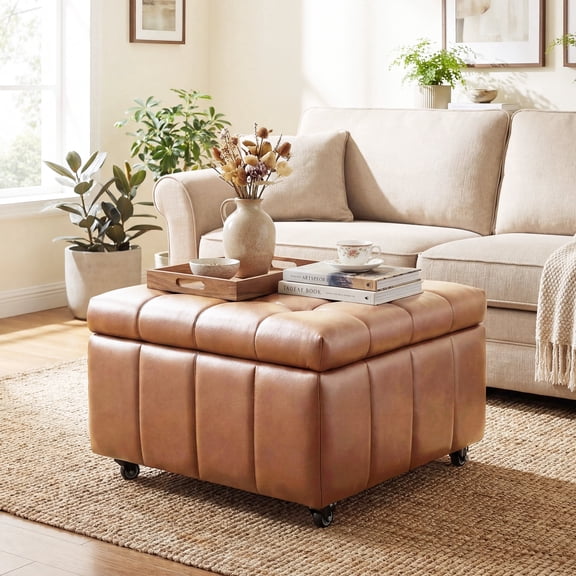
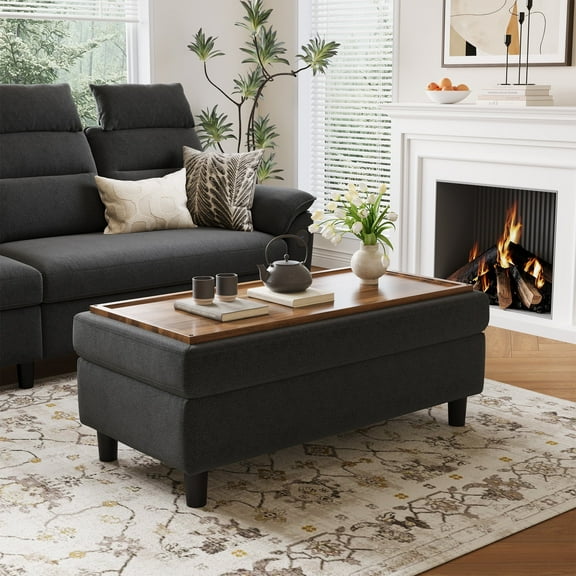
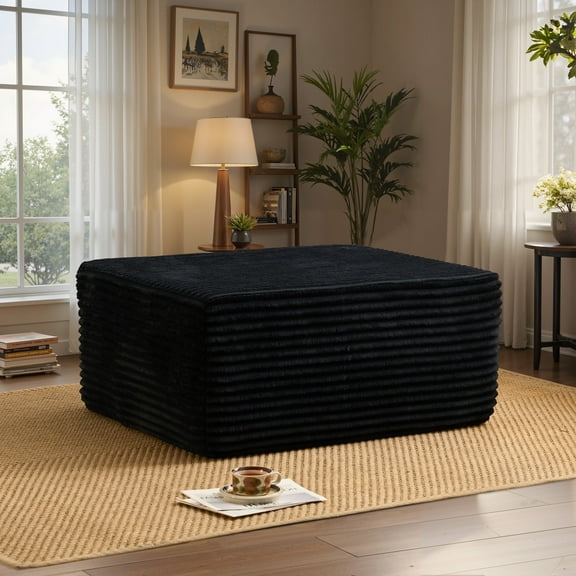
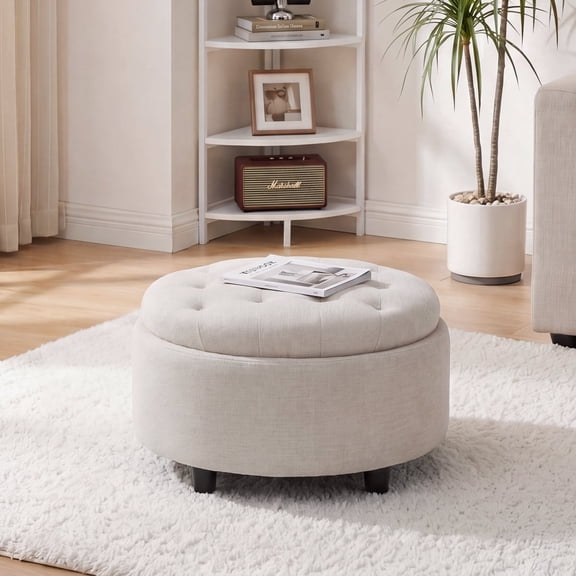
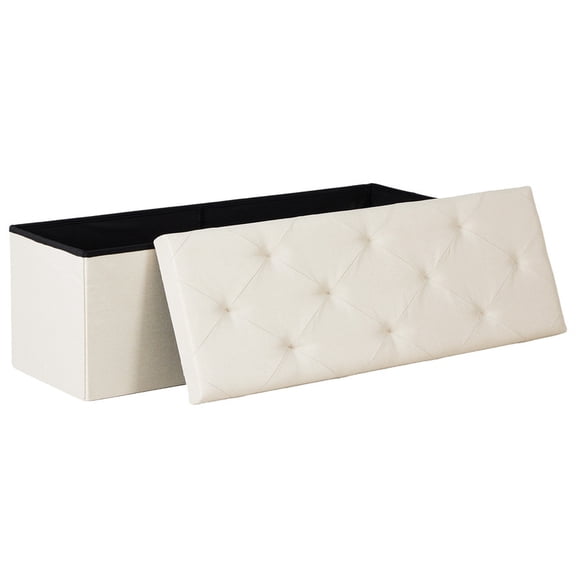
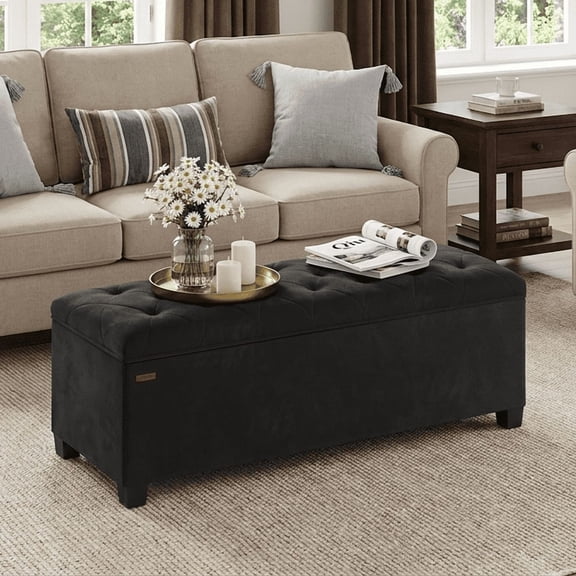
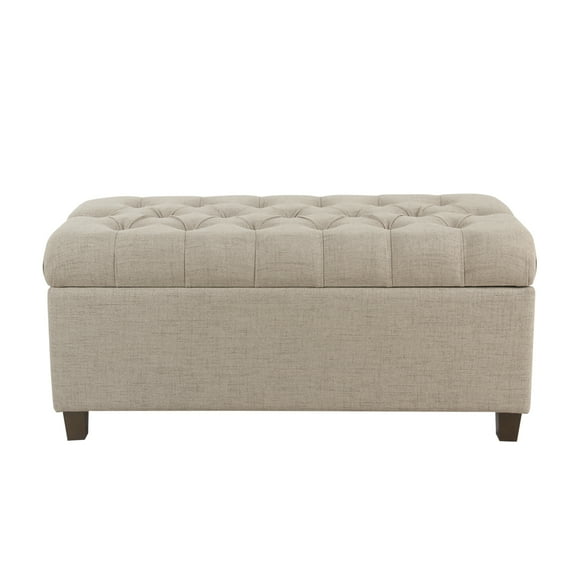
Cocktail and tufted designs give you a more anchored living room look. You can pair those styles with a tray when you want a stable surface for books or decor.
If you need regular seating, you should check the frame and static weight capacity. Your search may focus on an engineered wood frame for added structure and everyday support.
Comparing shape, size, and sofa height
You should measure your seating area before choosing between round ottomans, square silhouettes, rectangular styles, or oval options. Your room flow often improves when the shape matches your table and sofa placement.
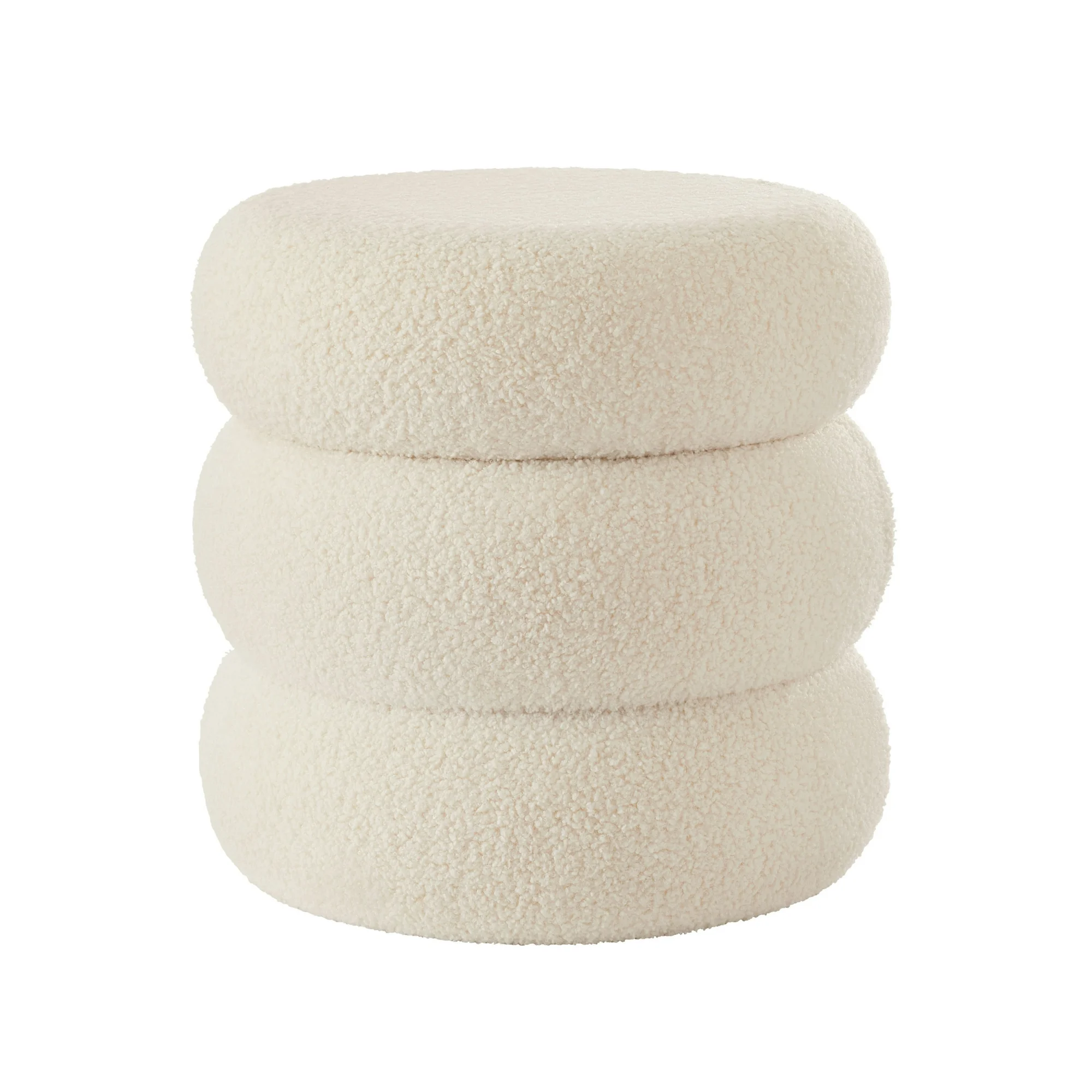
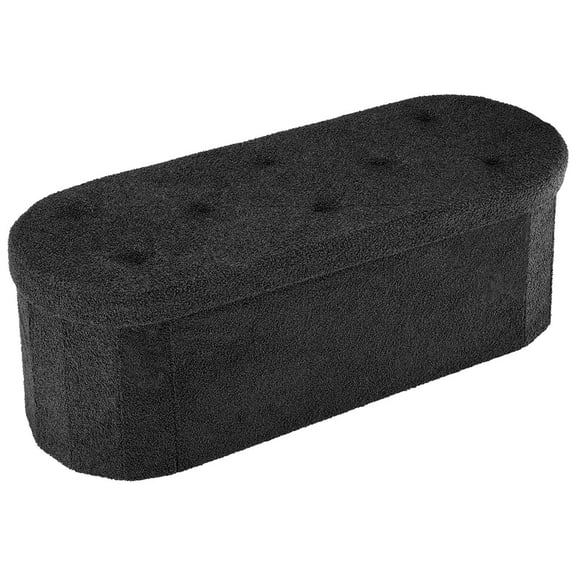
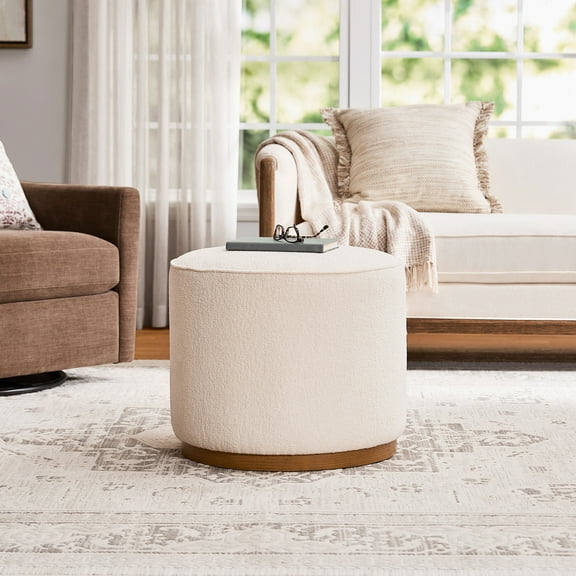
Round ottomans can soften a room with many straight lines. You may prefer them in tighter layouts where sharp corners feel easier to avoid.
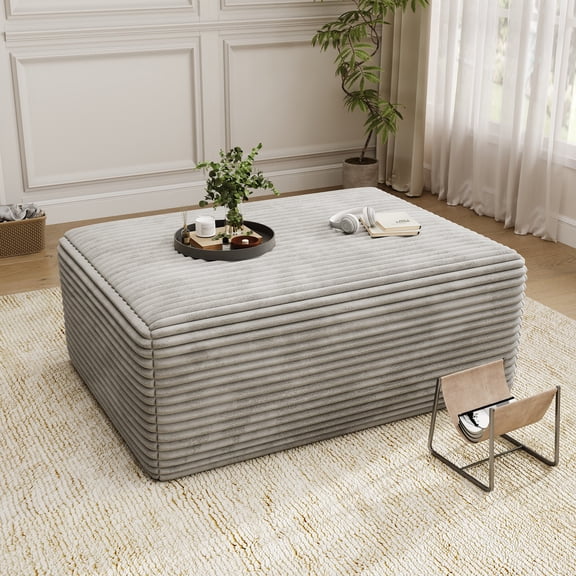
Rectangular and square styles often suit sectionals and longer sofas. You can use them when you want more surface area or room for two people to prop up feet.
Small ottomans fit apartments, reading nooks, and bedrooms where floor space is limited. You should compare the ottoman height with your sofa seat height for a comfortable, natural rest.
Large or oversized styles can anchor open living rooms and family spaces. You can choose a mini style when you need a subtle accent beside an accent chair.
What to look for in velvet ottomans and other upholstery
You should compare upholstery by texture, cleanup needs, and how often your room gets used. Your choice of fabric can change both the look and maintenance routine.
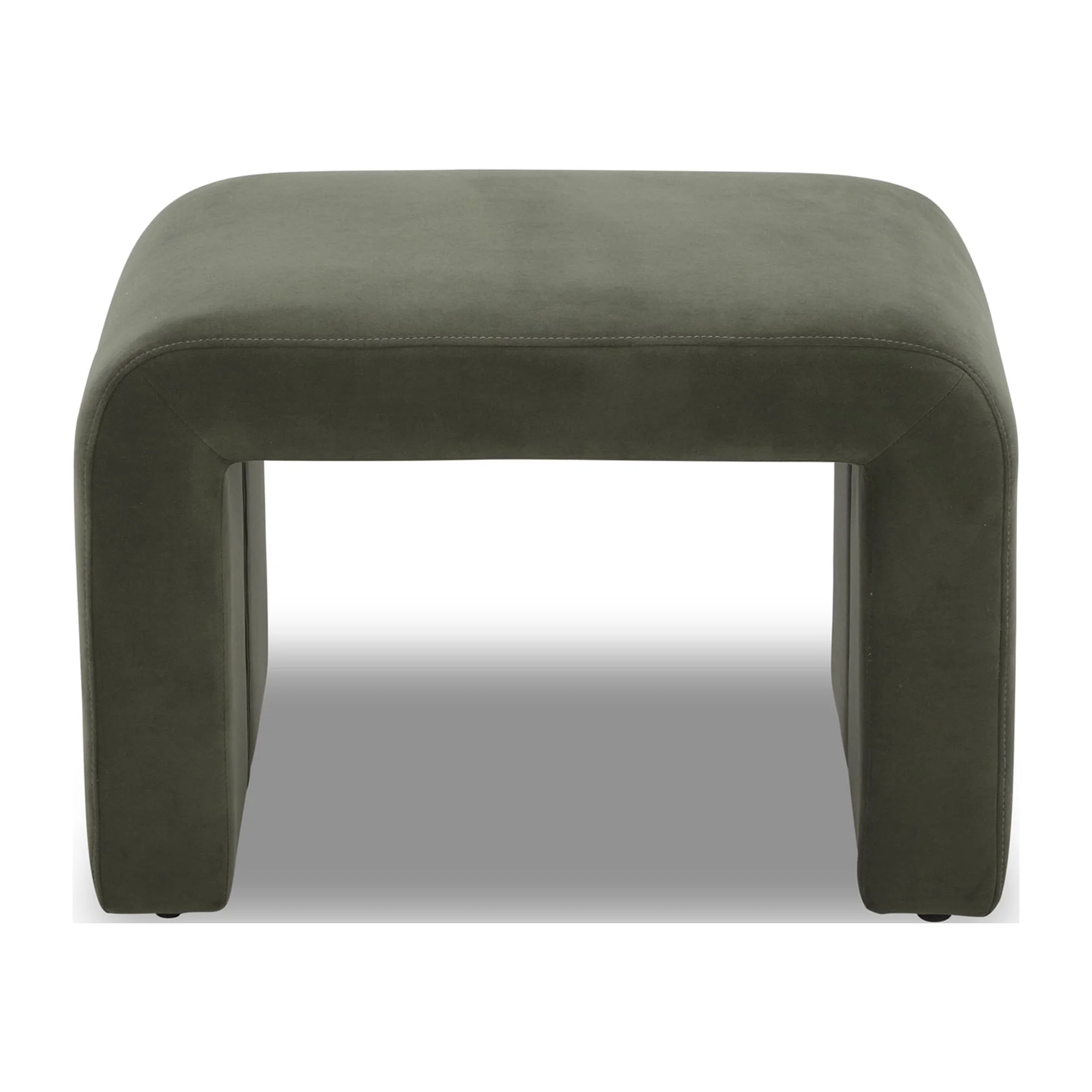
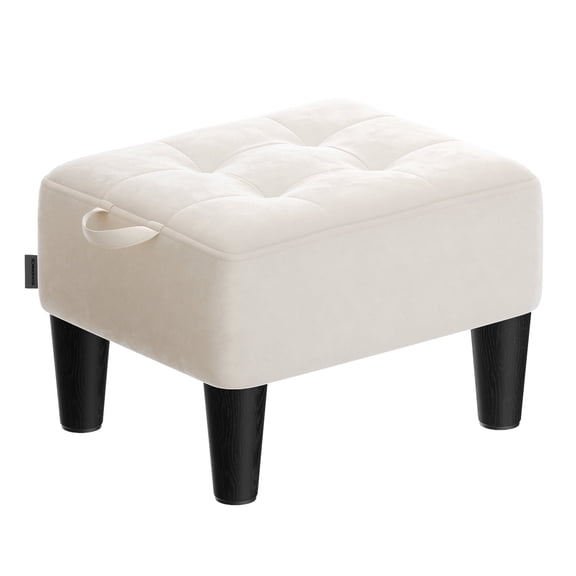
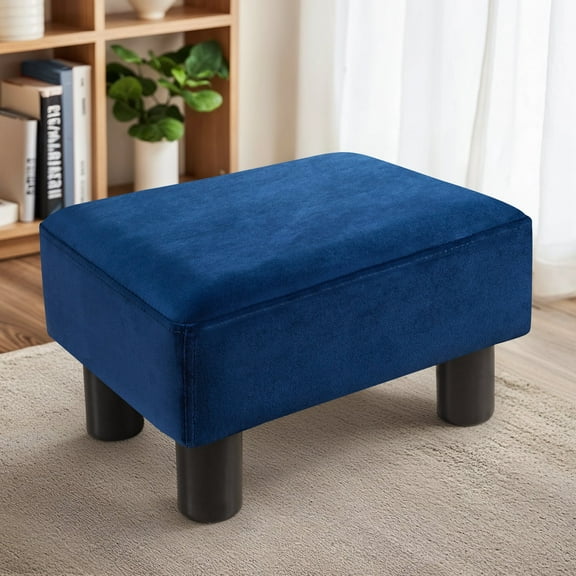
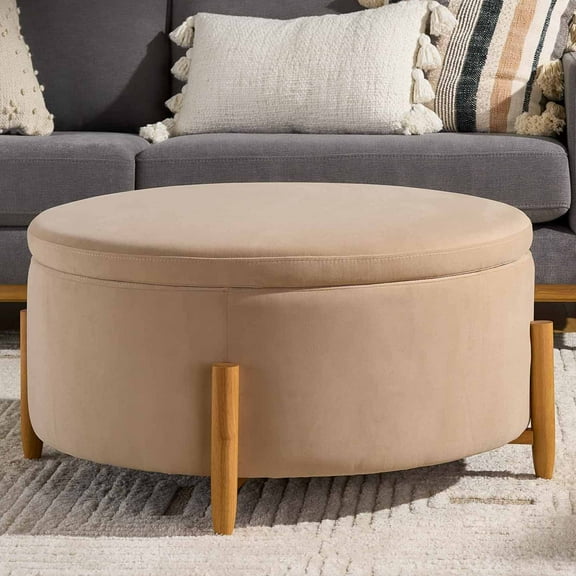
Velvet ottomans can bring a rich, soft finish to formal or glam spaces. You may like velvet when you want color depth and a more dressed-up appearance.
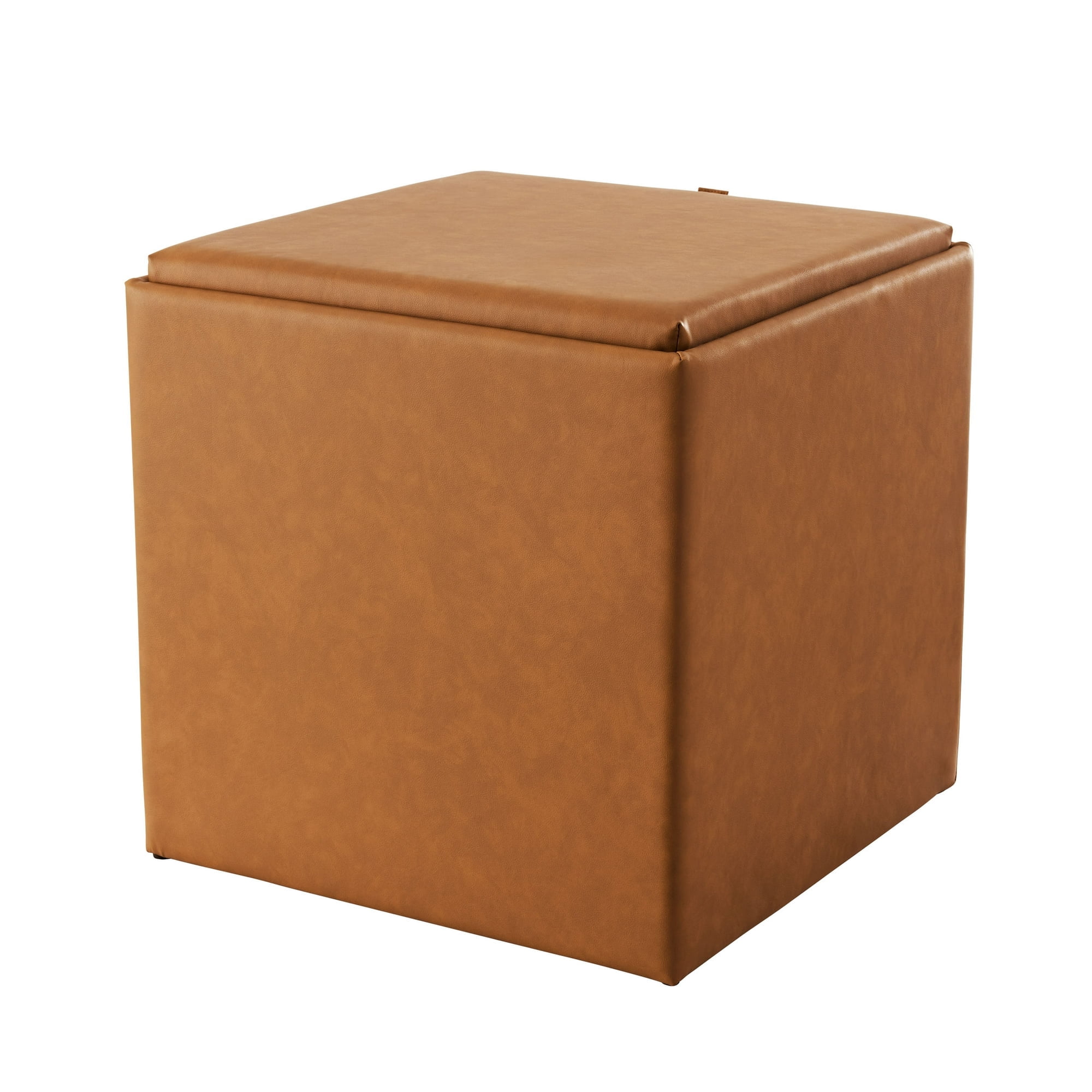
Faux leather gives you a smooth surface that usually wipes clean quickly. You can consider it for busy family rooms, media spaces, or homes with frequent snack time.
Fabric and linen styles create a relaxed, layered look in casual spaces. You should check whether stain-resistant treatment is listed if your ottoman may see daily use.
If durability matters, you can look for double rub count details in the product specs. Your comparison becomes easier when you match upholstery performance to your household rhythm.
Using living room ottomans in real-life setups
You can use living room ottomans to finish a seating group without adding visual bulk. Your setup may feel more complete when the ottoman echoes your sofa color or leg finish.
In a family room, you might choose a rectangular storage piece with a durable fabric cover. You can stash controllers, blankets, and small toys while keeping the room tidy.
For an apartment or dorm, you may prefer a folding storage style in a small footprint. You can gain seating, a footrest, and hidden space without crowding the room.
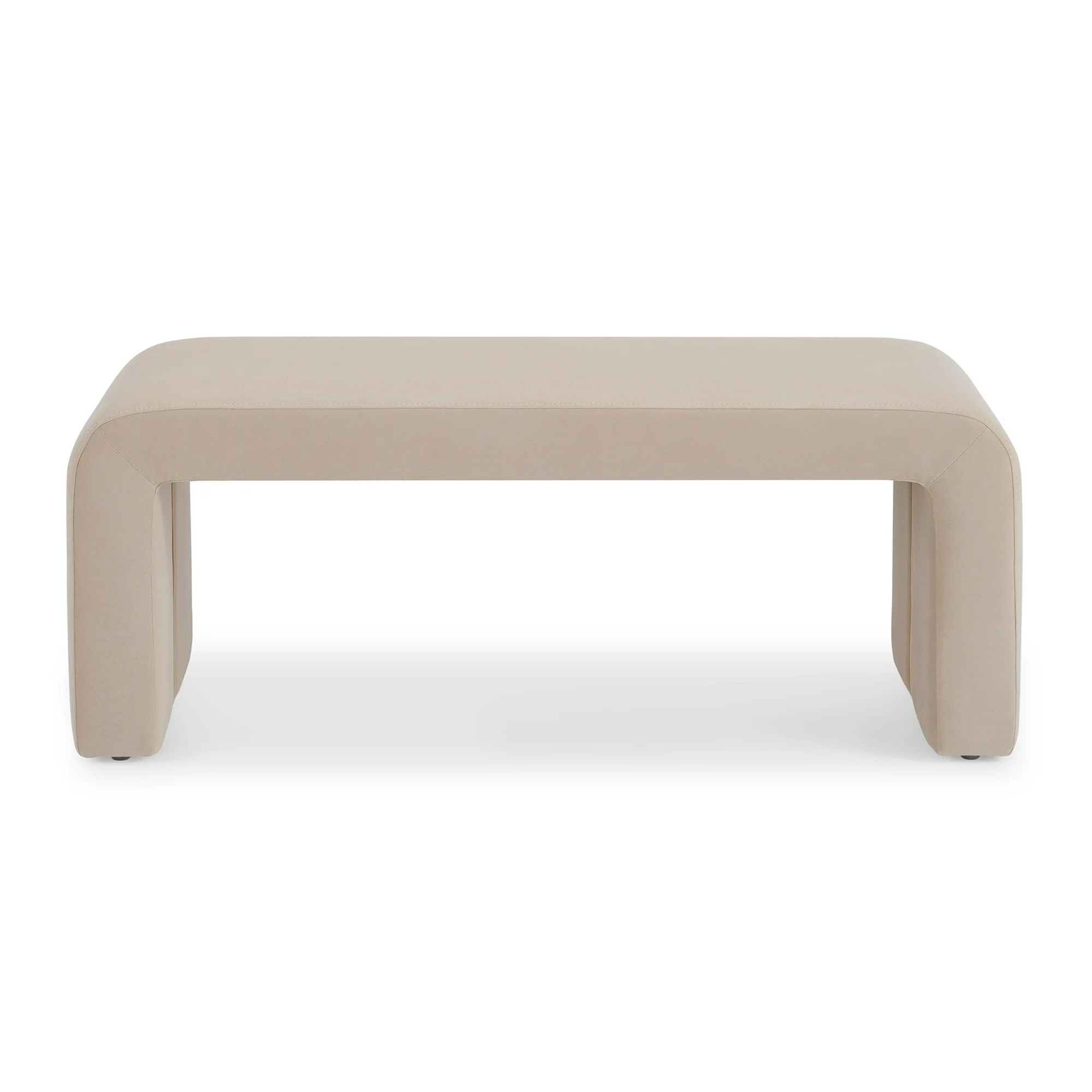
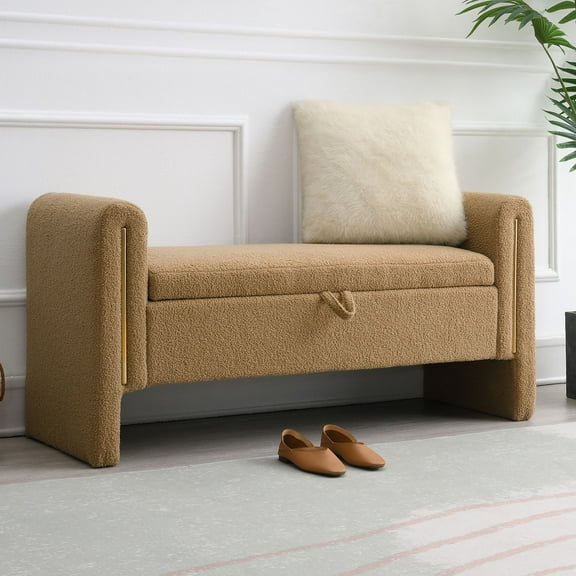
In a bedroom, you can place a bench-style ottoman at the foot of the bed. Your linens, pillows, or seasonal accessories stay close without needing another dresser.
You may also use footstools and poufs in reading corners, nurseries, or entryways. Your home gets flexible seating and a softer finish where a standard chair feels too bulky.
You can narrow your choice faster when you compare type, shape, upholstery, and scale together. Your ideal ottoman should fit your routine, your seating height, and your storage needs with less compromise.