


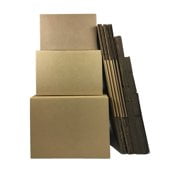
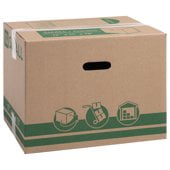
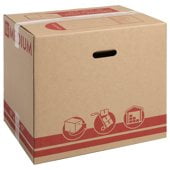
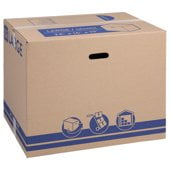
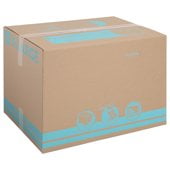
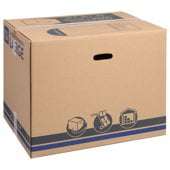
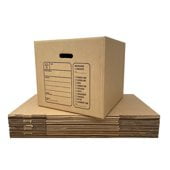
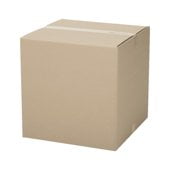
Large Moving Boxes
















About Large Moving Boxes - Walmart.com
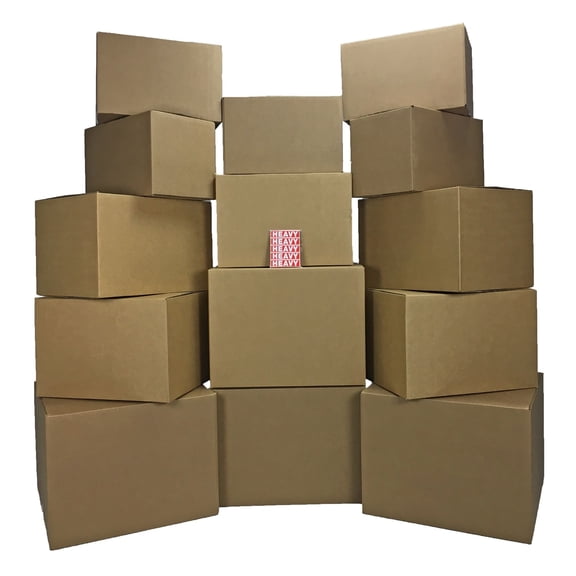
Moving boxes help you plan a smooth move with the right sizes, strength levels, and specialty formats for each room. You can compare box size, corrugated construction, pack quantity, and closure style so your packing plan stays orderly from the first box to the last.
If you're packing books, dishes, clothes, or framed art, you need boxes that match each item's weight and shape. You can also pair your boxes with tape, bubble wrap, stretch wrap, and moving blankets for a complete packing setup.
How to choose moving boxes
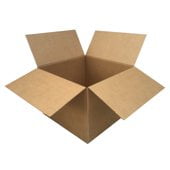
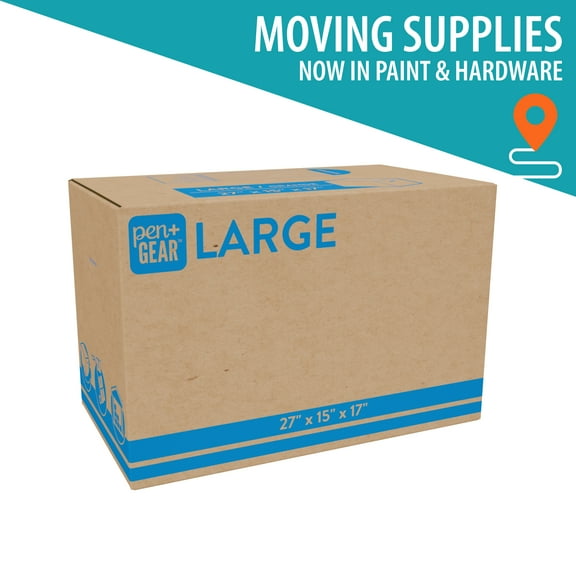
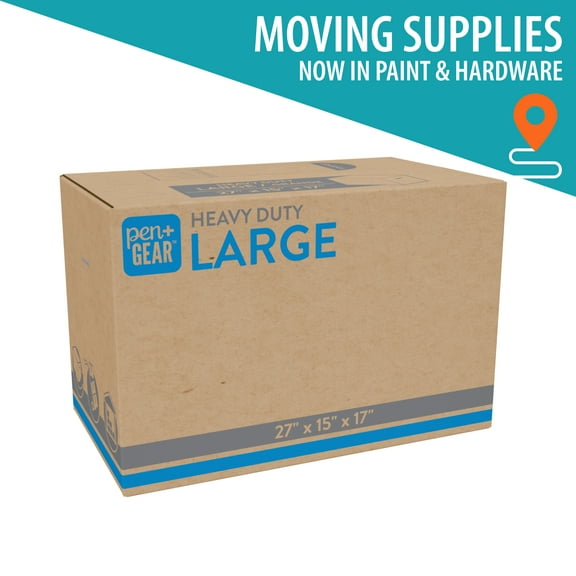
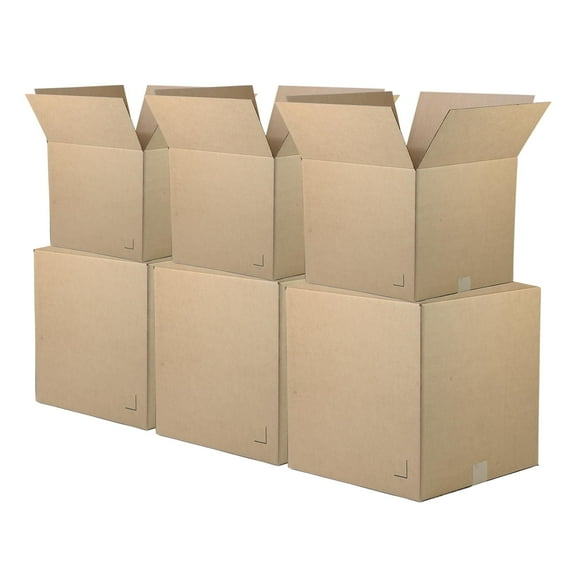
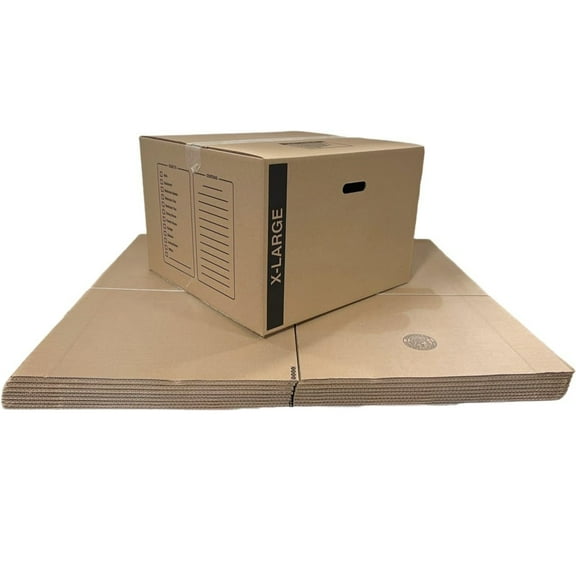
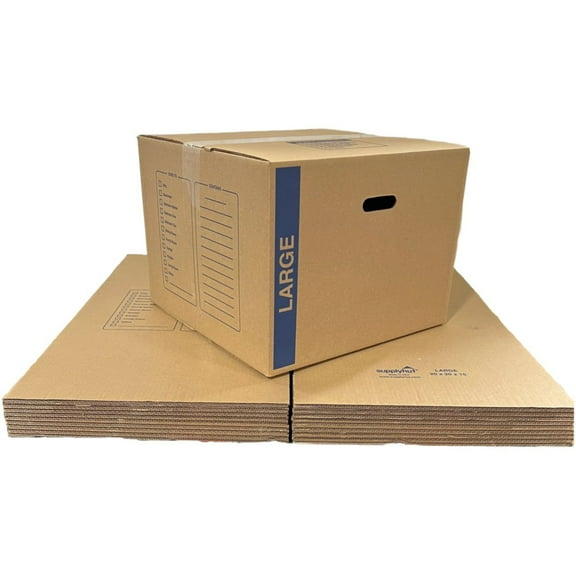
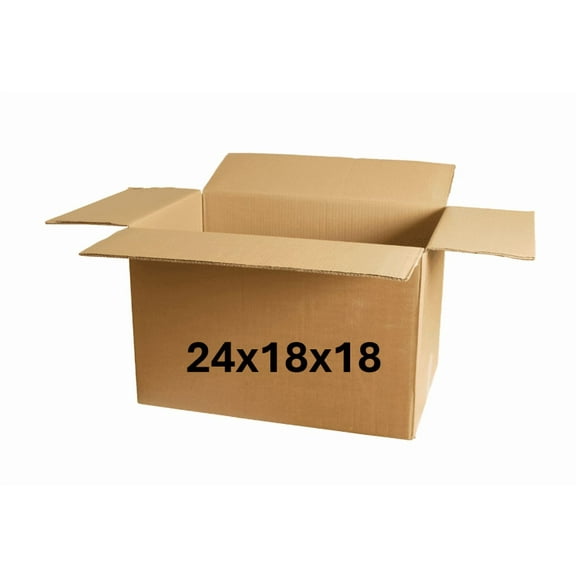
You should start with box size because size affects lifting, stacking, and how efficiently you use your space. Small boxes usually suit books, tools, and canned goods, while large moving boxes fit lampshades, bedding, and lightweight bulky items.
When you compare small, medium, large, and extra large options, you can build a balanced mix for each room. You don't want oversized boxes filled with heavy items because your load becomes harder to carry and stack neatly.
- You can use small boxes for dense items like books, files, and kitchen staples.
- You can choose medium boxes for toys, small appliances, and folded clothes.
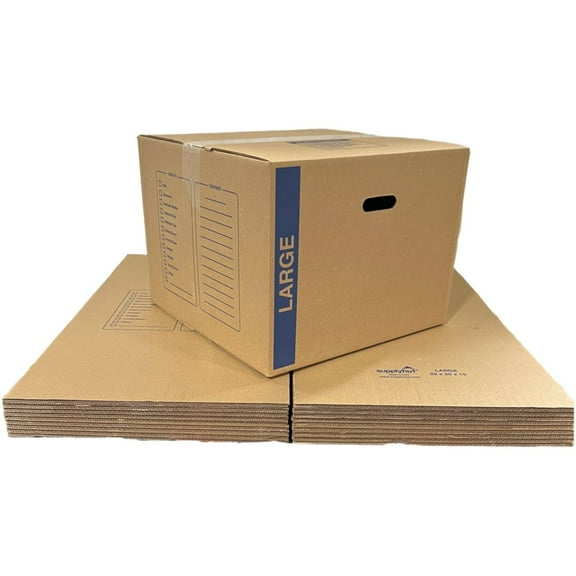
- You can pick large moving boxes for pillows, linens, and other light household items.
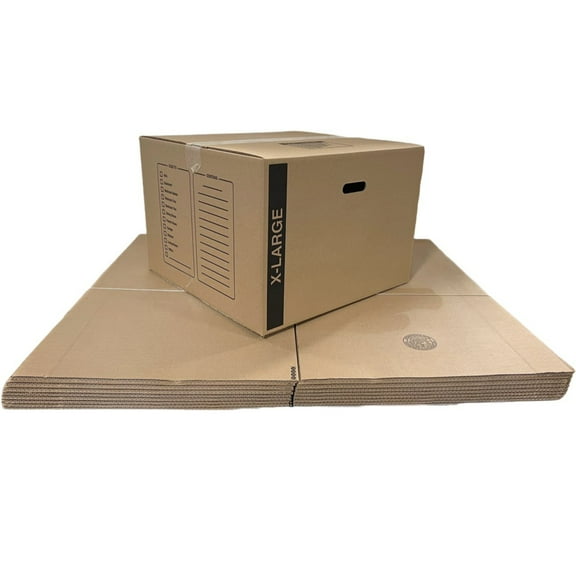
- You can select extra large boxes when you need the volume for bulky but lighter contents.
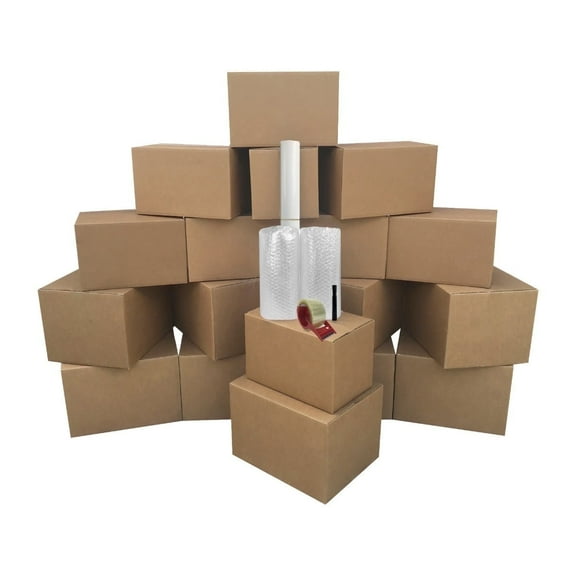
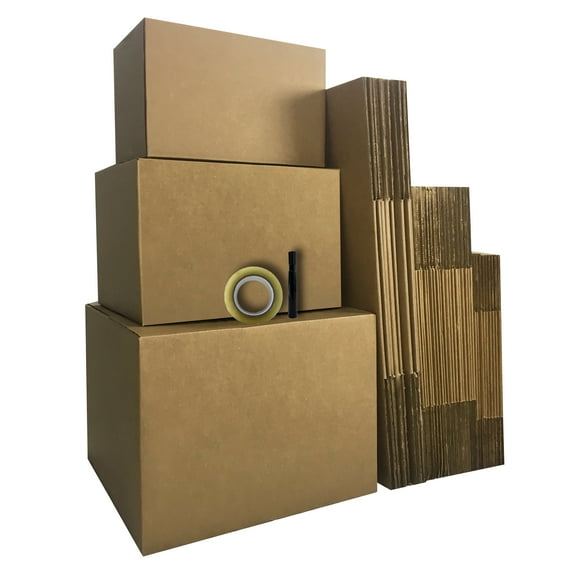
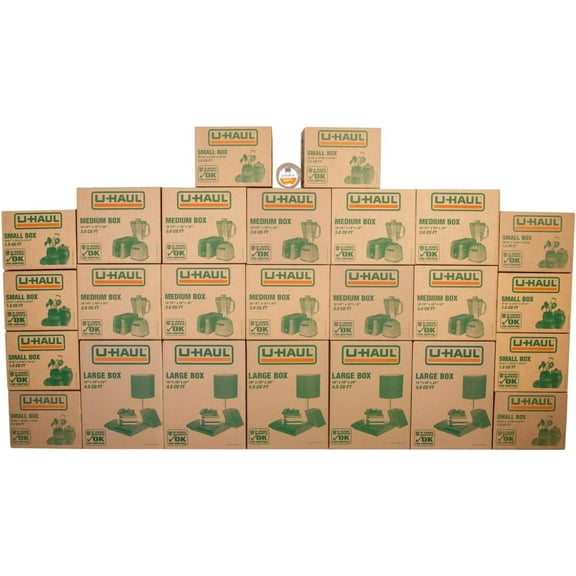
You may also want moving box kits when you need a ready-made assortment instead of guessing quantities. You can simplify planning with mixed packs that cover common room-by-room packing needs.
Choosing cardboard moving boxes by strength
You should compare cardboard moving boxes by wall construction and corrugated strength before you pack dense or delicate items. You can use single-wall boxes for lighter contents, while double-wall heavy duty moving boxes support tougher packing jobs.
If you notice an ECT rating, you're looking at a useful stacking clue for corrugated cardboard boxes. You can use that rating to compare crush resistance when your boxes will sit in columns during loading and storage.
For garage tools, dish sets, or records, you should look for thicker corrugated material and reinforced edges. You can keep your load stable when your box strength matches the weight inside.
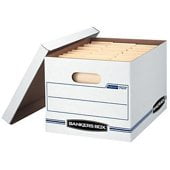
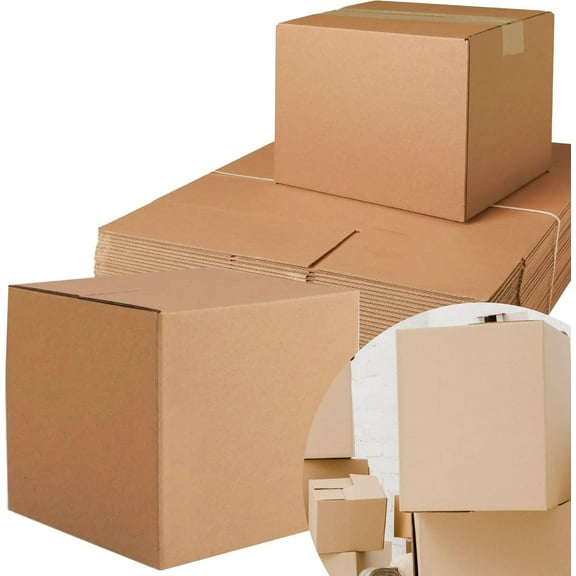
Tape-required boxes work well when you want a familiar setup and flexible sealing options for many room types. Easy-fold tape-free designs can help you assemble faster, while lidded styles can simplify sorting and reopening.
Comparing packing boxes for moving by specialty use
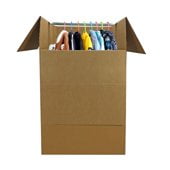
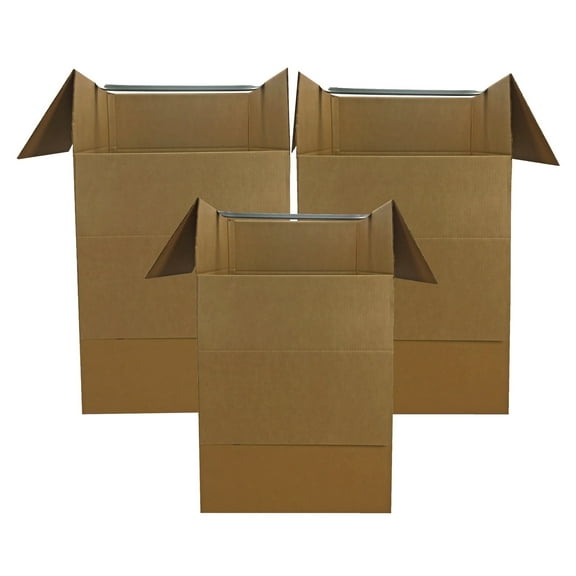
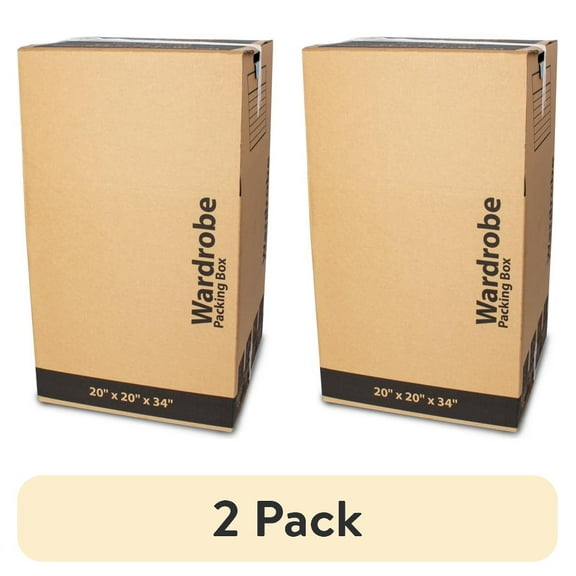
You don't need to rely on standard cartons for every item because specialty formats solve specific packing challenges. You can choose wardrobe boxes for hanging clothes, dish pack boxes for kitchen pieces, and picture or mirror boxes for flat framed items.
Wardrobe moving boxes let you keep clothing on hangers, which can reduce folding and re-sorting later. You can move coats, dresses, and longer garments with less shuffling between closet and box.
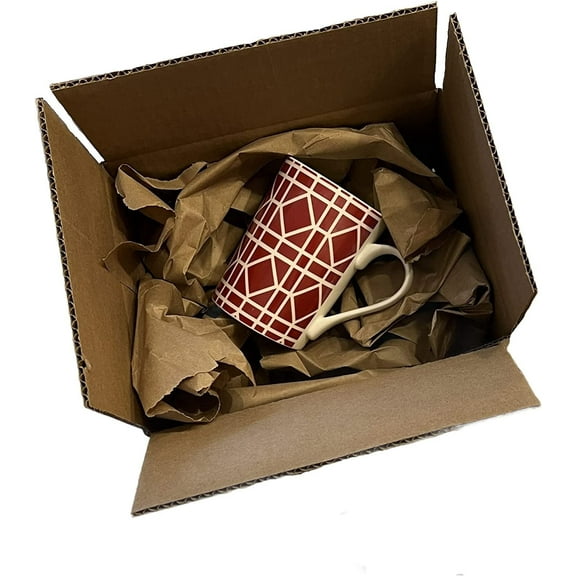
Dish pack boxes usually give you a sturdier shape for plates, bowls, and glassware with wrapping materials inside. You can create tighter layers for delicate kitchen items when you use the right box depth and structure.
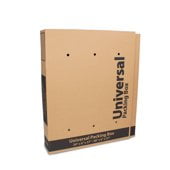
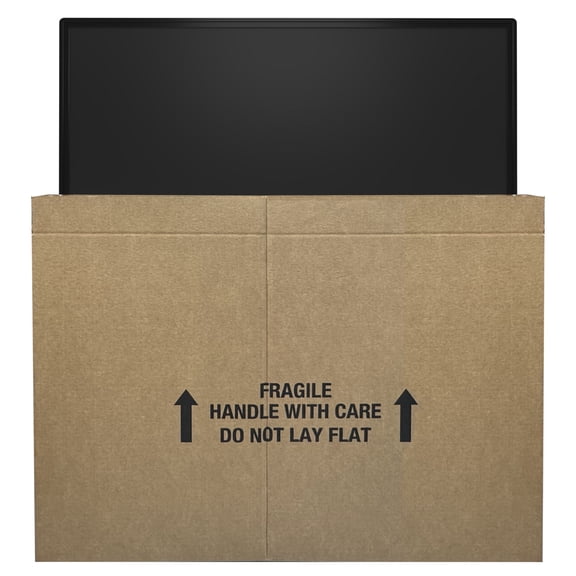
Picture and mirror boxes adjust around flat items that don't fit standard square cartons very well. You can protect corners and keep awkward shapes easy to stack when you choose a purpose-built format.
Choosing pack sizes and moving box kits
You should estimate quantity by home size, room count, and how much storage you need to clear. You can often start with a modest mix for a studio, while a two-bedroom apartment usually needs a broader box count.
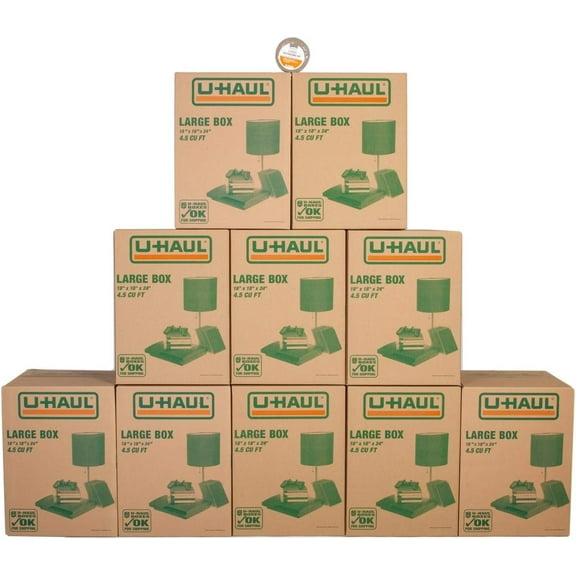
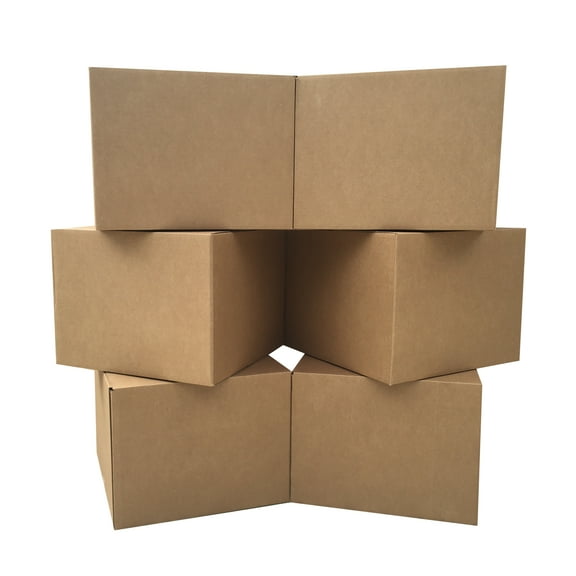
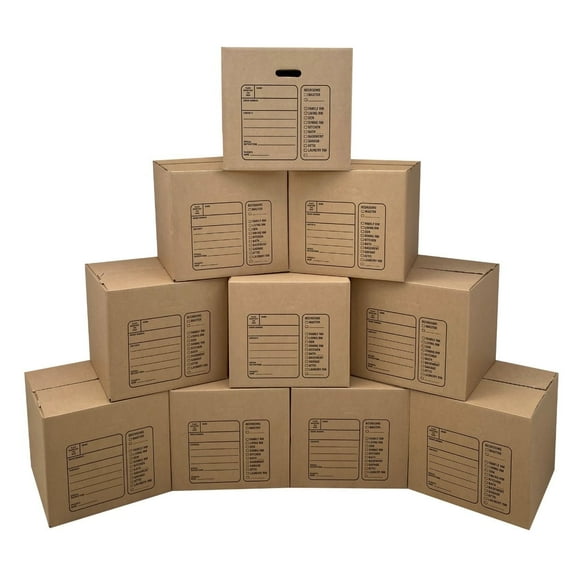
For a smaller move, you may prefer single boxes or a 10-pack when you're packing gradually. For larger moves, you can step up to 20-pack options or moving box kits that cover several box sizes at once.
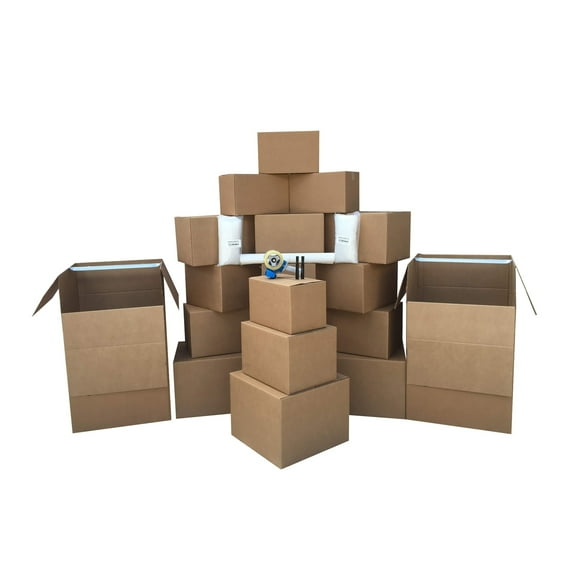
Moving box kits help you avoid overloading one size while forgetting another size you actually need. You can keep your packing workflow steady when your bundle includes cartons for books, linens, and mixed household items.
If you're planning room by room, you should count heavier rooms separately before you finalize quantity. You can expect kitchens, offices, and garages to use more smaller strong boxes than bedrooms or linen closets.
What to look for before you pack
You should measure shelves, framed pieces, and closet contents before you choose packing boxes for moving. You can avoid extra repacking when your box dimensions fit your actual items from the start.
It also helps to compare closure type, stackability, and how long your boxes may stay packed. You can choose easy-open or lidded styles for short-term sorting, or taped corrugated cartons for longer storage and transit.
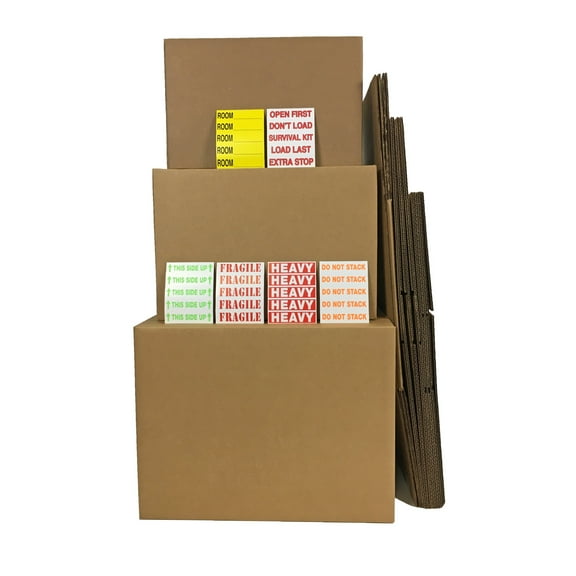
When you match size, strength, and quantity to your move, your packing process feels controlled and less chaotic. You can finish with labeled, stack-ready moving boxes that support clean loading and easy unpacking.