




Large Bird Cages in Bird Cages






















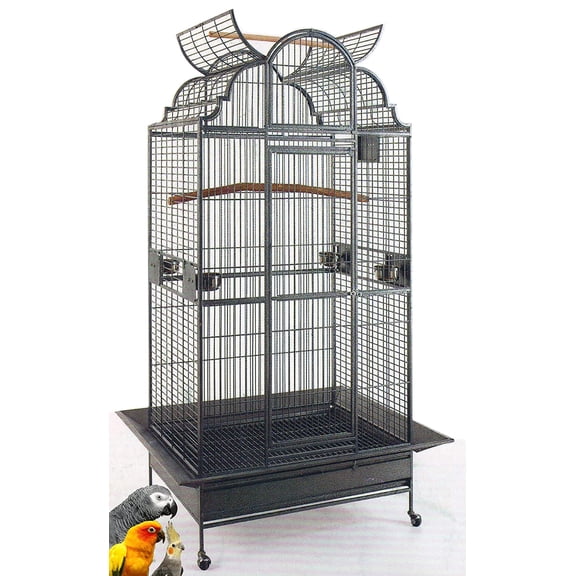
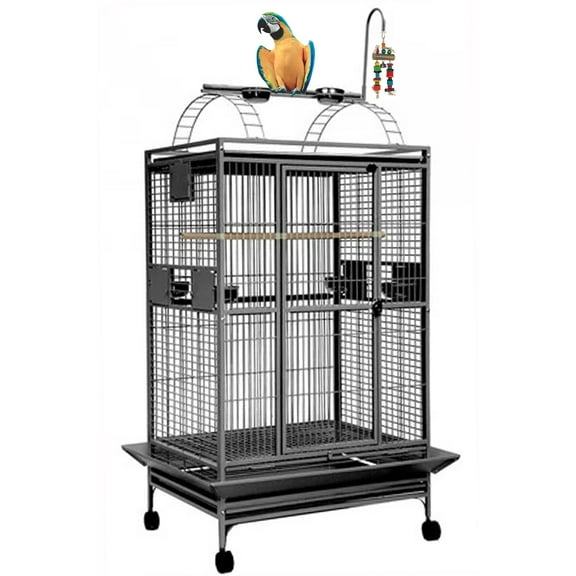
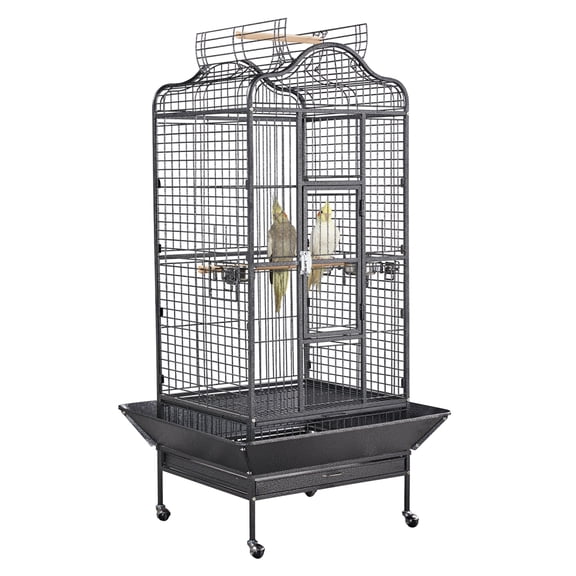
About Large Bird Cages in Bird Cages - Walmart.com
Large bird cages help you create a roomy setup for active birds, while you compare bar spacing, cage styles, and cleanup features. You can narrow your options quickly when you focus on safe materials, practical layouts, and stand design.
If you share your home with a macaw, cockatoo, or another active bird, you need space that supports daily climbing and wing movement. You’ll also want sturdy bars, durable finishes, and access doors that fit your care routine.
How to choose large bird cages
You should start with your bird’s size, activity level, and chewing strength before you compare any frame or top shape. You can often rule out weak construction quickly when your bird needs thicker bars and secure latches.
Bar spacing matters because you need a cage that matches your bird’s head and body size. You should check product details for spacing in inches, since wide gaps suit some birds and not others.
You may also compare interior height, width, and perch placement before you choose a footprint. You’ll notice that climbing birds need usable interior room, not just tall exterior measurements.
- You can use wider cages to support side-to-side movement and wing stretching.
- You can choose stronger bar thickness when your bird likes to climb and chew.
- You can look for feeder doors and large front openings that simplify daily care.
- You can compare trays, grates, and seed guards when you want simpler cleanup.
Choosing flight cages for birds and other cage types
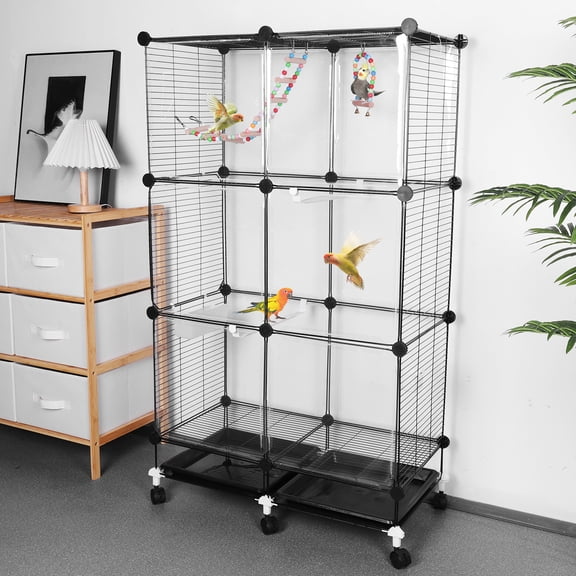
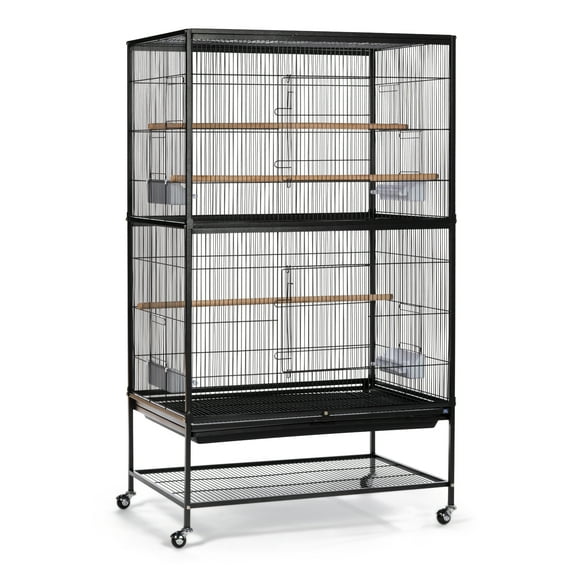
You should compare cage type based on how your bird moves and how often your bird spends time outside the cage. You’ll find that flight cages for birds usually give you ample horizontal room for fluttering and hopping.
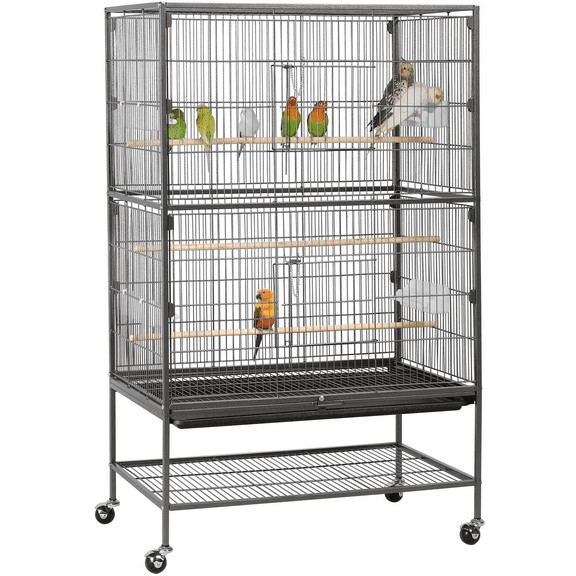
If your bird stays active inside the enclosure for long stretches, you may prefer a flight cage layout. You can use that added width to place multiple perches, toys, and feeding stations without crowding.
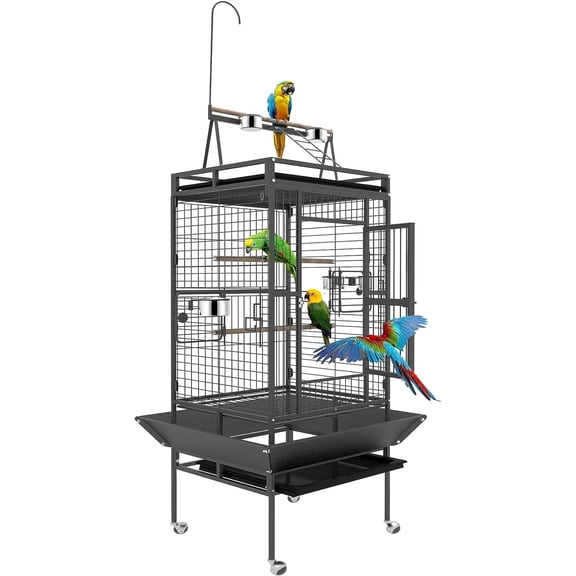
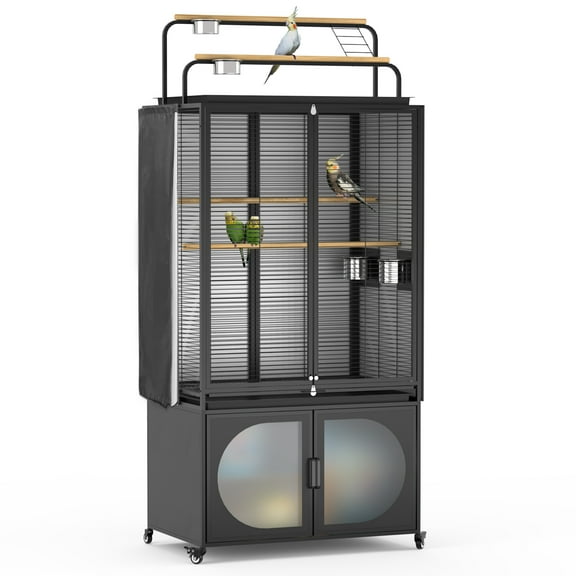
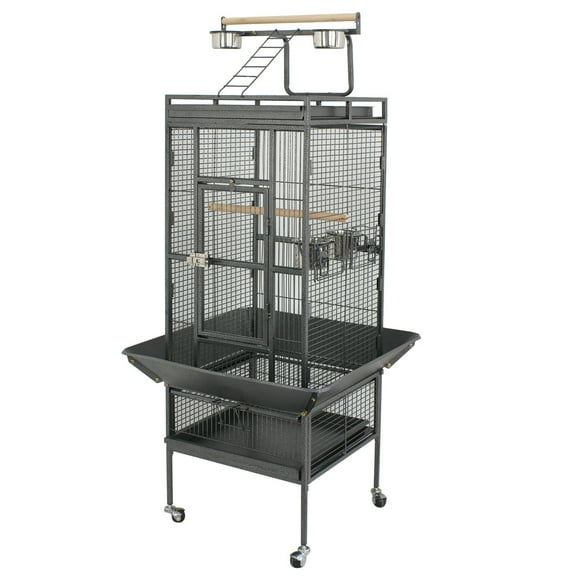
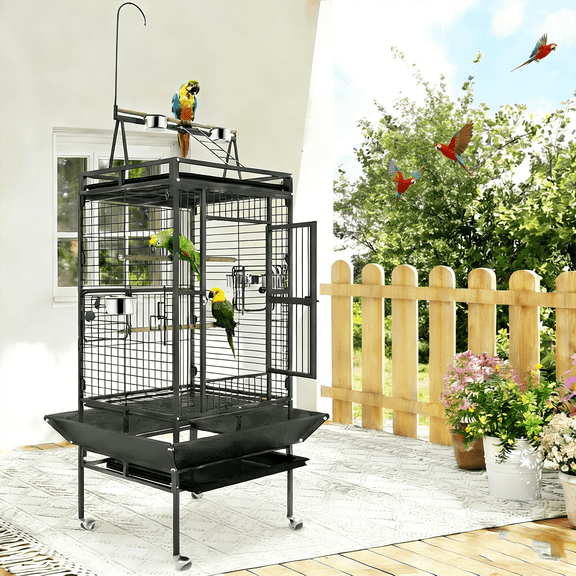
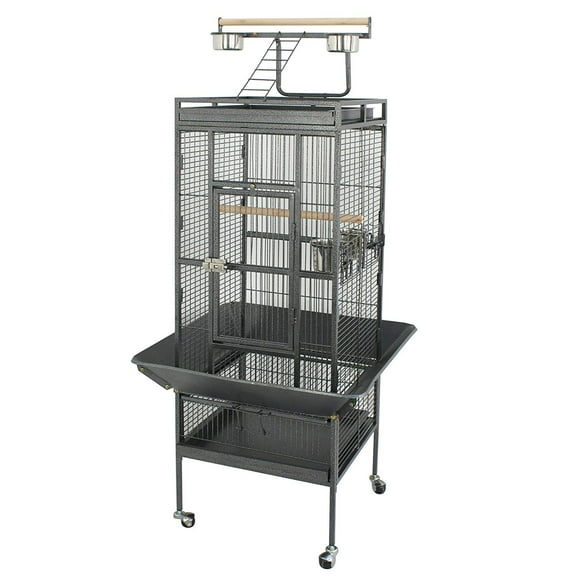
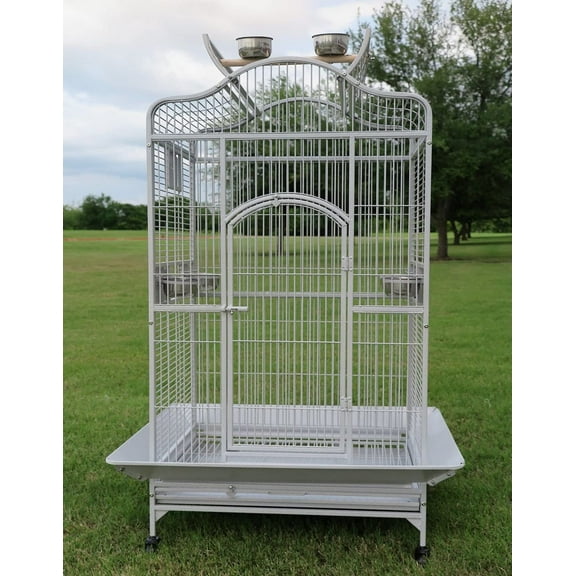
You may choose a playtop cage when your bird spends supervised time perched above the enclosure. You’ll get an added activity area that supports climbing and direct interaction during daily routines.
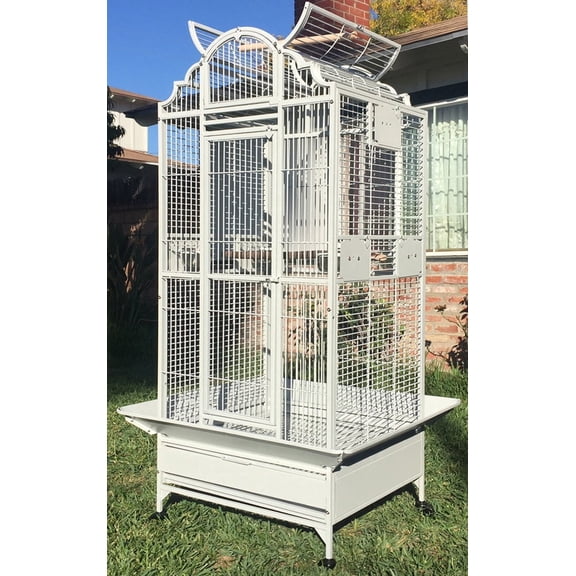
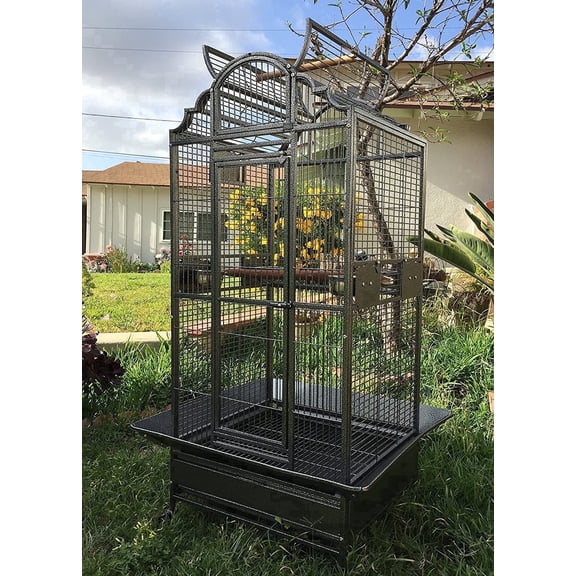
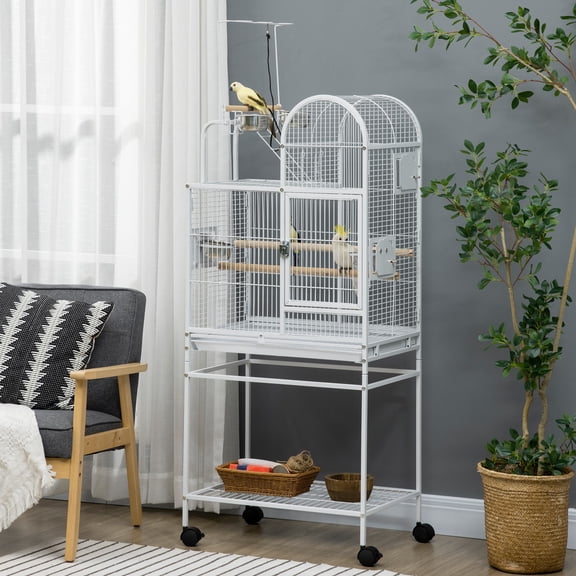
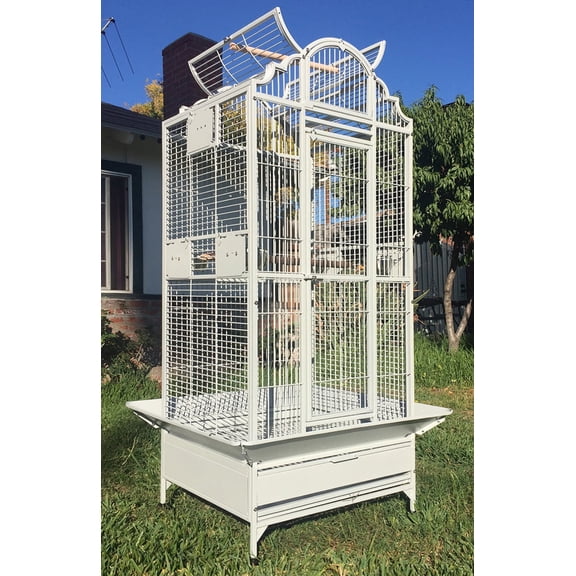
If you want a classic profile, you can compare a dome top cage with flat or playtop designs. You may like the extra upper space, especially when your bird enjoys climbing to higher perches.
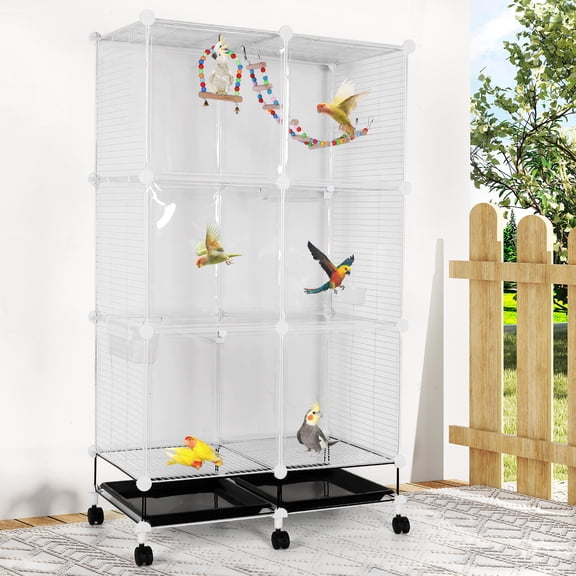
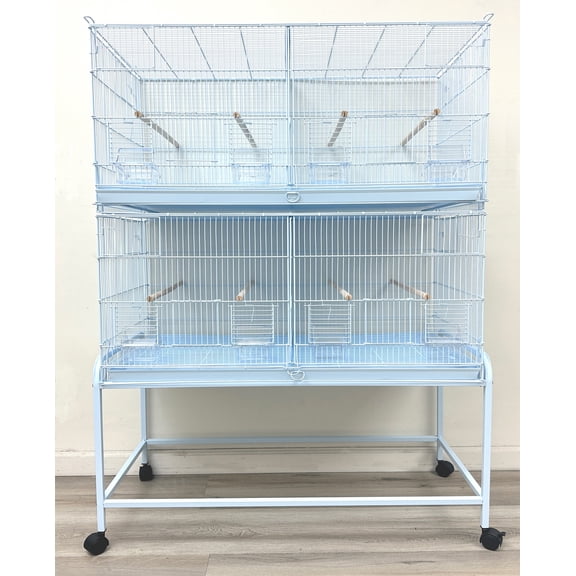
You can consider a double cage when you need separation options within one overall setup. You should check divider style, door placement, and feeding access before you commit.
What to look for in an extra large bird cage material
You should pay close attention to materials because active birds can test bars, corners, and finishes every day. You’ll often compare wrought iron, stainless steel, and powder-coated metal when you shop this category.
Wrought iron can give you a sturdy frame that suits many large parrot cages and heavy-duty setups. You should look for smooth finishes and solid welds that support daily climbing and movement.
Stainless steel can appeal to you when you want a sleek surface and long-term durability. You may prefer it for demanding households where your bird uses the cage constantly.
Powder-coated metal can work well when you want a durable finish with a clean look. You should check product details for non-toxic powder coating and lead-free materials before you choose.
You’ll also want to inspect latch style, feeder bowl hardware, and door alignment before you buy. You can avoid frustration later when you choose hardware that feels secure and easy to handle.
Choosing the right size and bar spacing for your bird
You should match the enclosure to your bird species, body size, and behavior, not just the label on the box. You’ll often see different needs between finches, cockatoos, macaws, and other large companion birds.
If you’re shopping large parrot cages, you should focus on stronger bars and roomy interiors first. You can then compare perch layouts and door size based on how your bird climbs and plays.
For a macaw or cockatoo, you may need thicker bars and robust construction rather than lighter designs. You should always compare exact spacing in inches because that spec guides a suitable fit.
If you keep smaller birds in a roomy setup, you still need spacing that fits their size. You can’t rely on exterior dimensions alone when narrow spacing affects day-to-day suitability.
Choosing portability, stands, and cleaning features
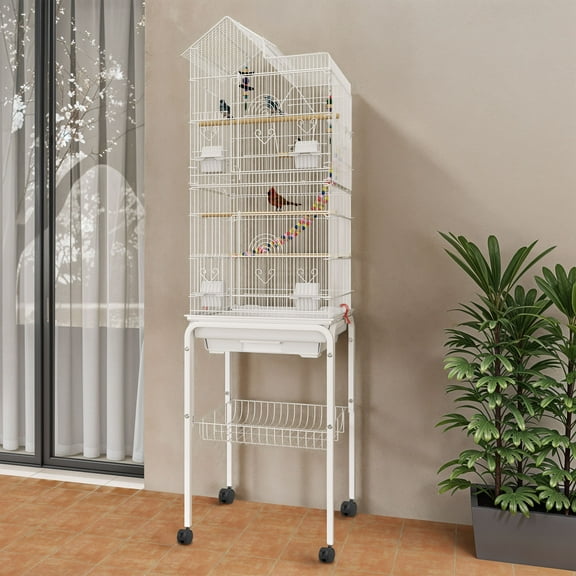
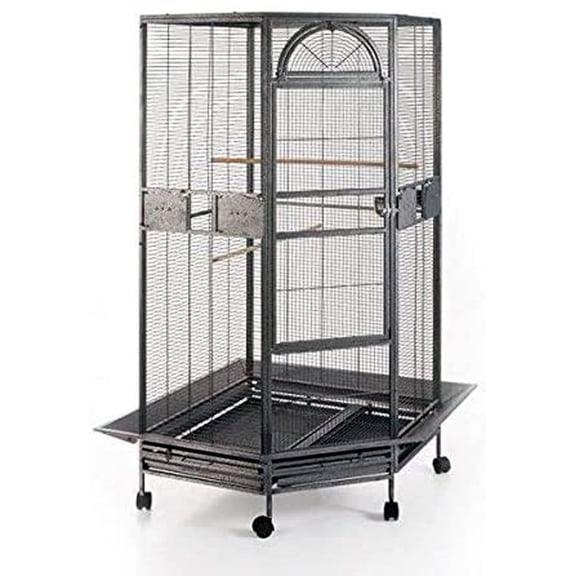
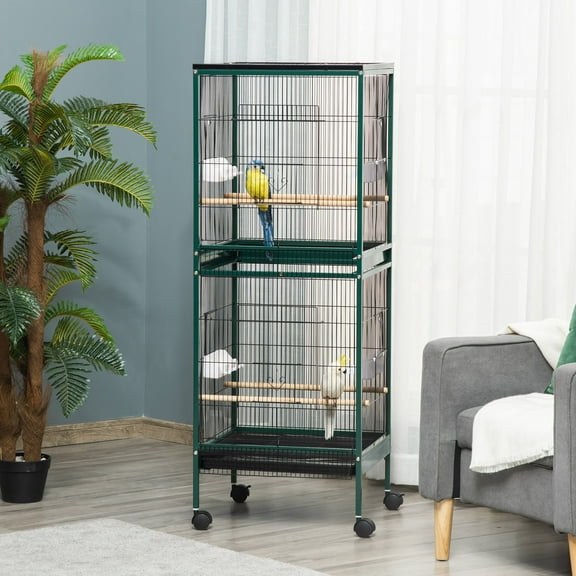
You should think about placement before you choose between a rolling base, tabletop frame, or detachable stand. You’ll notice that rolling bird cages help when you move the enclosure for cleaning or sunlight changes.
A large bird cage with stand can raise feeding doors and perches to a convenient height. You may also like the storage shelf space that some stand designs add underneath.
If your room layout changes often, you can compare locking casters and base width for smooth movement. You should also measure doorways and floor space before you pick a wider frame.
Cleaning features deserve close attention because you’ll use them every day. You can look for slide-out trays, removable grates, and seed guards that help contain scattered hulls and debris.
You’ll usually appreciate wide access doors when you need to wipe perches, swap bowls, and rearrange toys. You can keep regular care simpler when the cage layout gives your hands added room.
How large bird cages fit different home setups
You can tailor your choice to apartment rooms, bird rooms, or shared family spaces by comparing footprint and mobility. You’ll want enough interior space without overwhelming your walkway or furniture layout.
If your bird enjoys daily supervised activity, you may choose a playtop or rolling stand for direct interaction. You can support enrichment with room for perches, ladders, and hanging toys.
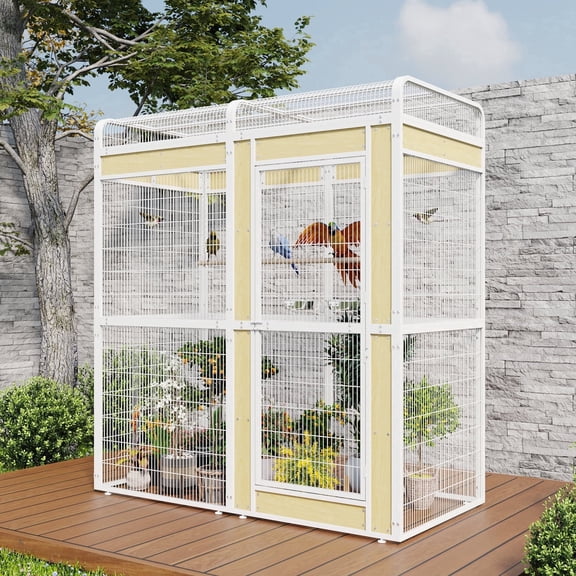
For seasonal outdoor use, you may also compare outdoor bird aviaries when you need additional open air space. You should still review material details, access points, and enclosure size before making that shift.
When you choose with bar spacing, material, top style, and stand design in mind, you get a setup that fits your bird and your routine. You’ll feel confident with a cage that supports movement, cleanup, and everyday comfort.