

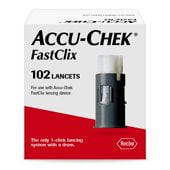
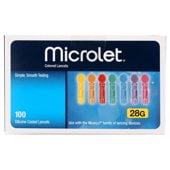


Lancet Needles & Lancing Devices


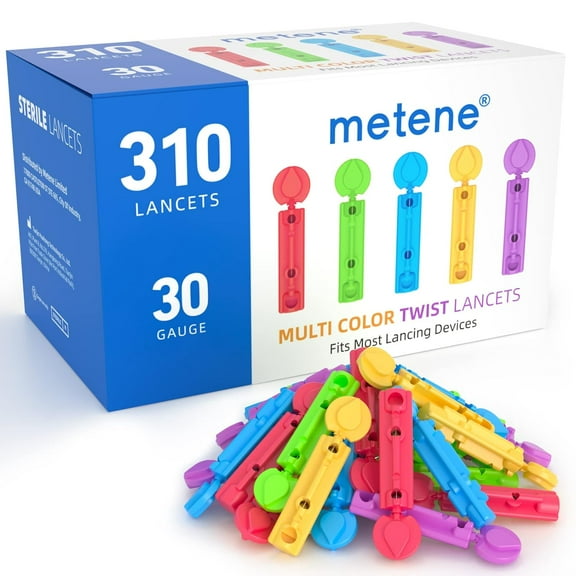
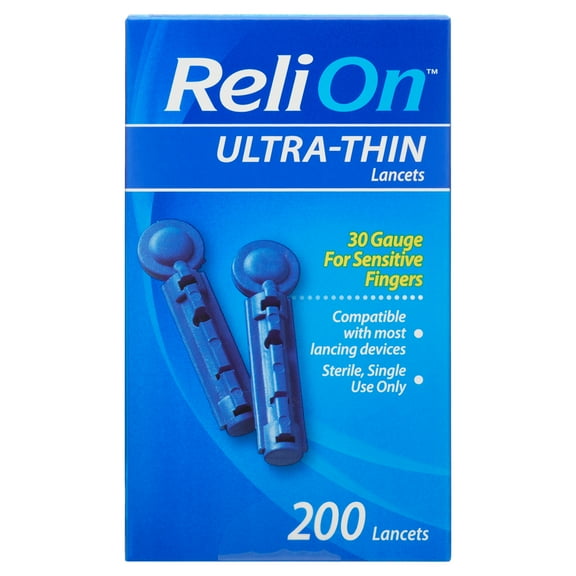














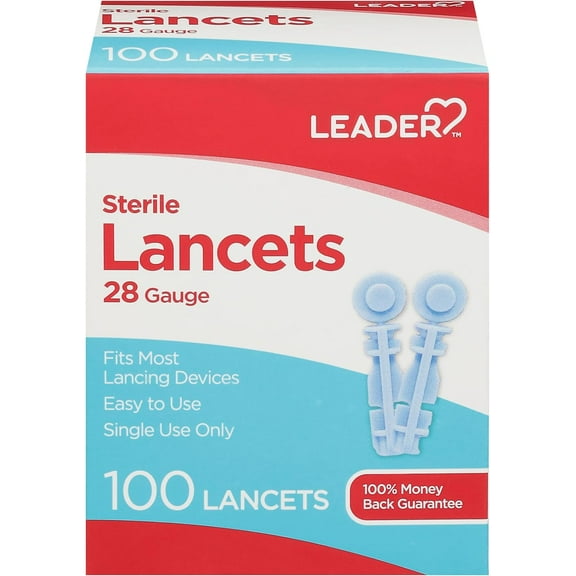

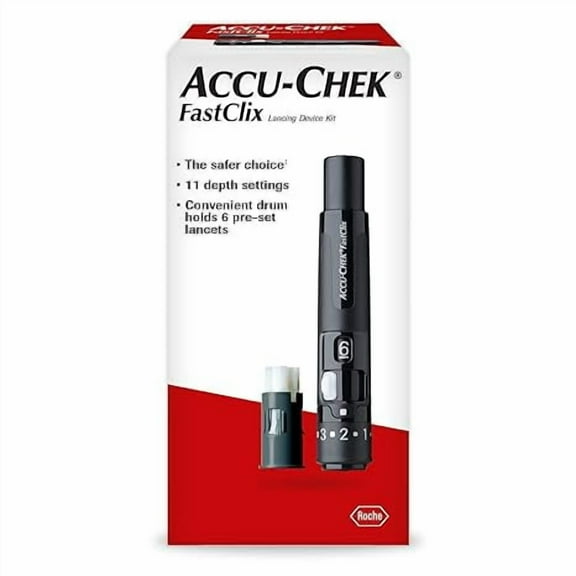
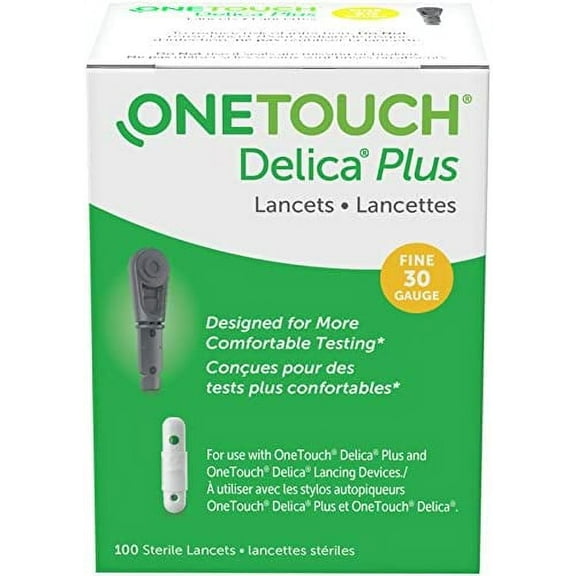


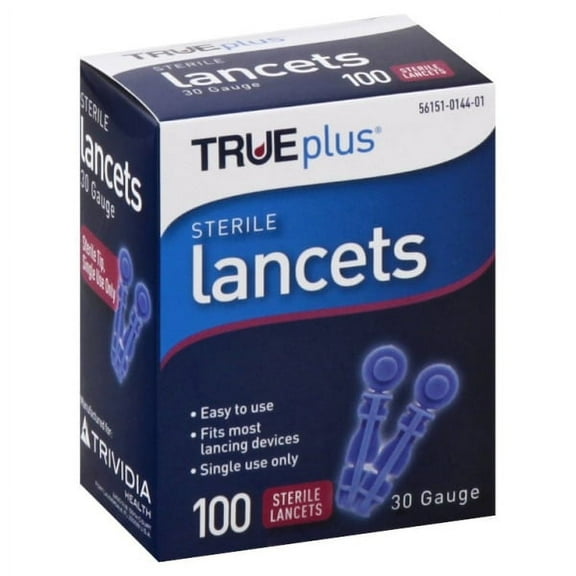

About Lancet Needles & Lancing Devices - Walmart.com
You can compare lancets more clearly when you focus on gauge, fit, and safety features for your daily testing routine. You'll also find options for different devices, pack sizes, and handling preferences, which makes this category simple to shop.
When your routine includes regular testing, you may want diabetic lancets that match your device and your comfort preferences. You can also compare standard styles with safety-focused designs before you restock.
Choosing lancets by gauge size
You should treat gauge size as a primary decision when you choose blood lancets. You'll use the gauge number to understand needle thickness before you buy.
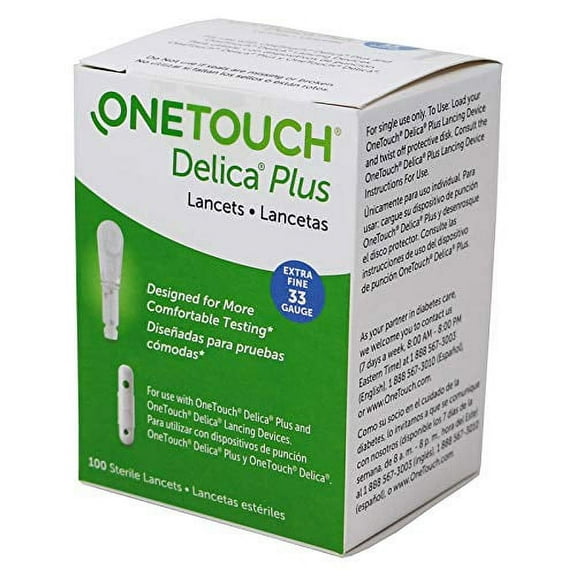
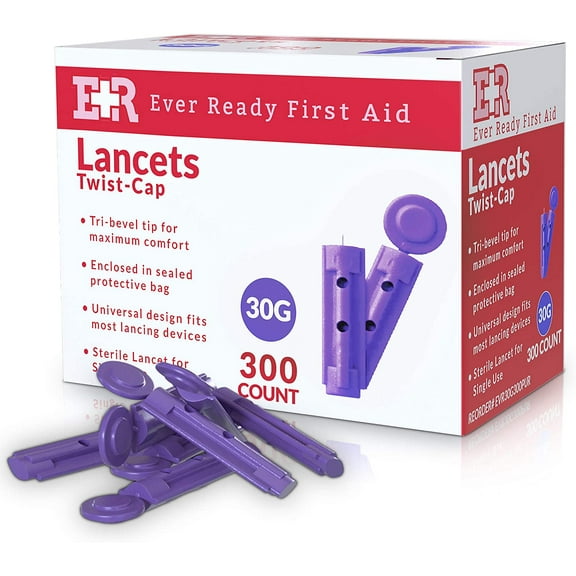
As you compare 28 gauge, 30 gauge, and 33 gauge options, you'll see that higher gauge numbers mean thinner tips. You may prefer that detail when your comfort is an important concern.
For a practical starting point, you can review common gauge choices by routine and preference. You'll use this guide as a quick reference while comparing product details.
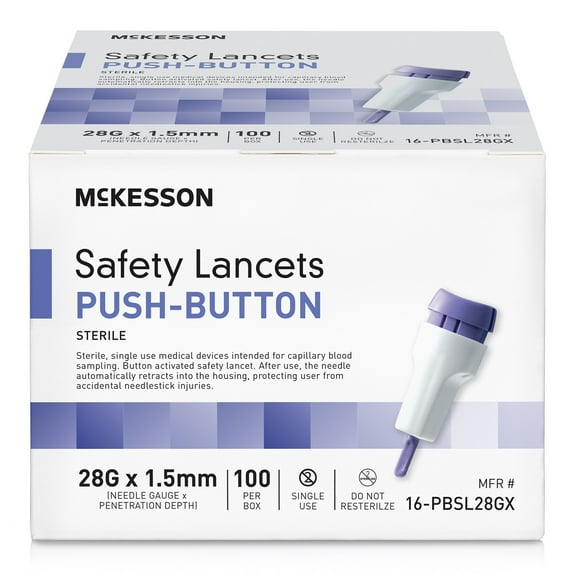
- You can choose 28 gauge lancets when you want a thicker option for a firmer puncture feel.
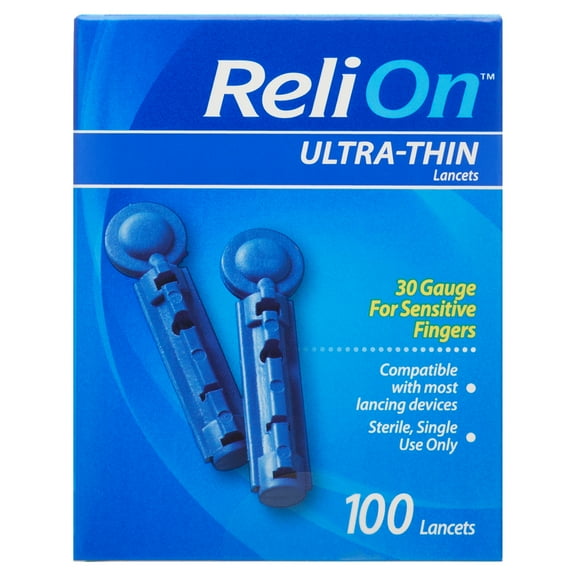
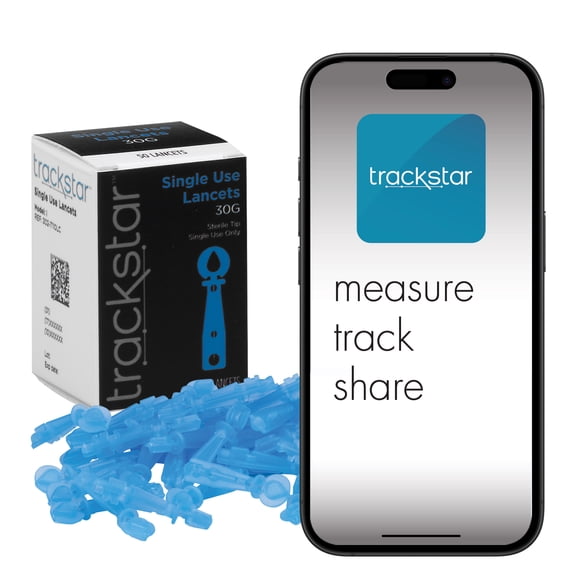
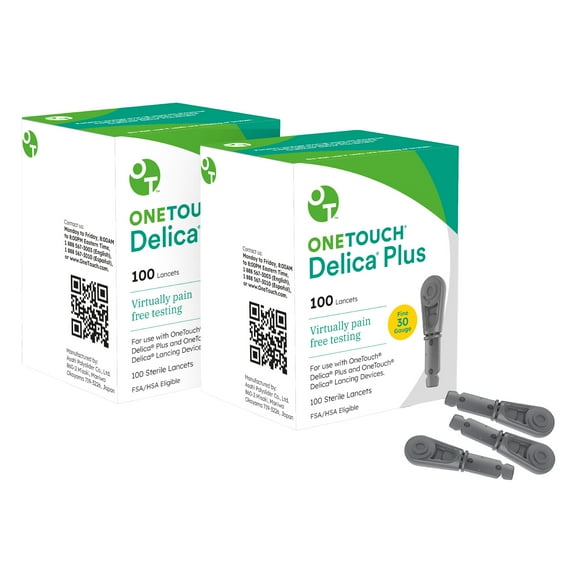
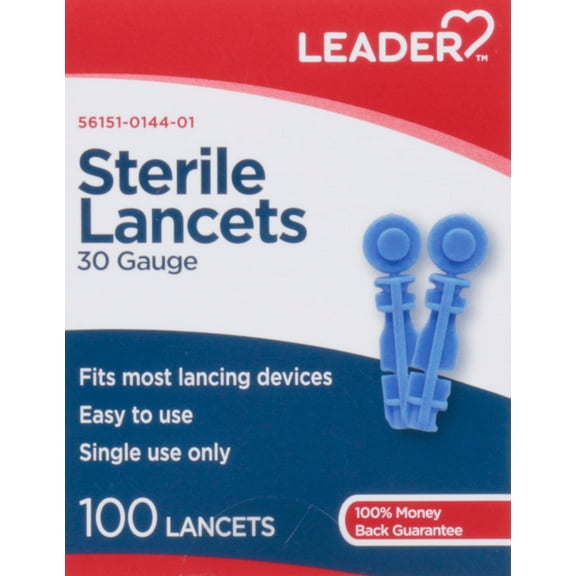
- You can choose 30 gauge lancets when you want a common middle-ground option for everyday testing.
- You can choose 33 gauge lancets when you want a thinner option for a lighter puncture feel.
You'll get more useful results when you compare gauge size with your device instructions and your testing habits. You can narrow choices quickly when you check both details together.
Understanding safety lancets and standard types
You should sort lancets by type before you compare fit or count. You'll usually see safety lancets, standard lancets, and Micro-let lancets in this category.
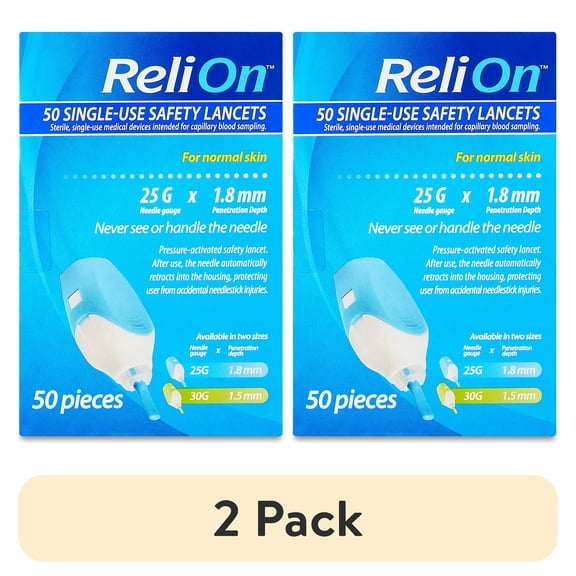
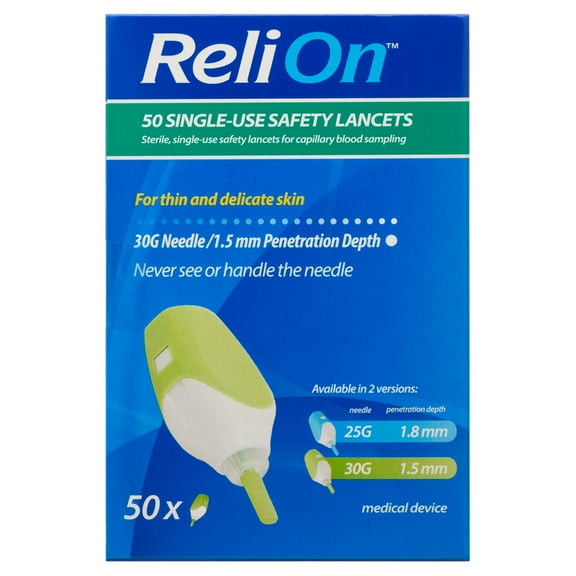
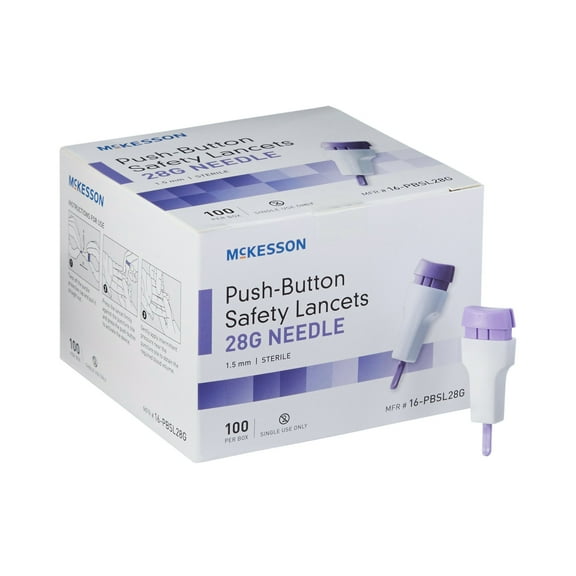
For a straightforward handling experience, you may look for safety lancets with a self-retracting design. You'll often choose these when you want a single-use format with less manual handling.
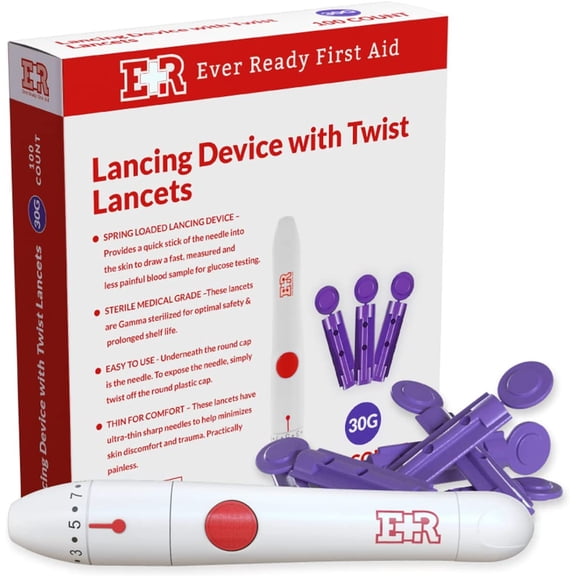
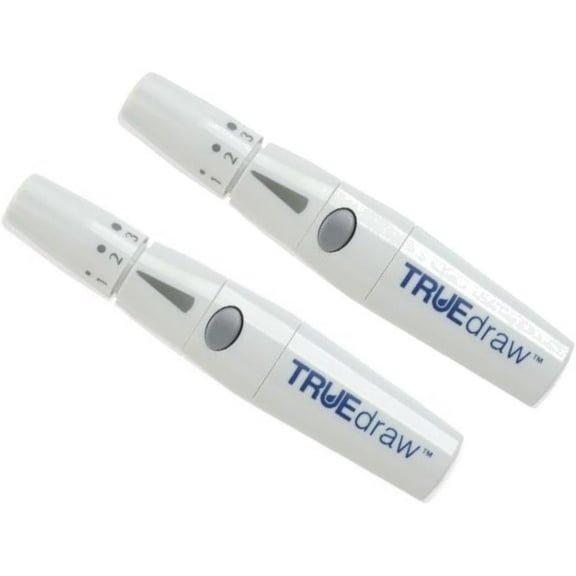
Standard styles may fit your routine when you already use a lancing device. You can load them into compatible devices and replace them as needed.
When you compare sterile lancets, you should check whether the format is preloaded or designed for a reusable lancing device. You'll make a more appropriate choice when you match that format to your routine.
Checking compatibility before you buy blood lancets
You should check compatibility early, because fit affects how easily you can use your supplies. You'll usually choose between universal fit styles and device-specific lancets.
With universal lancets, you may get more flexibility during routine restocks. You'll simplify repeat purchases when you don't want to match one exact model.
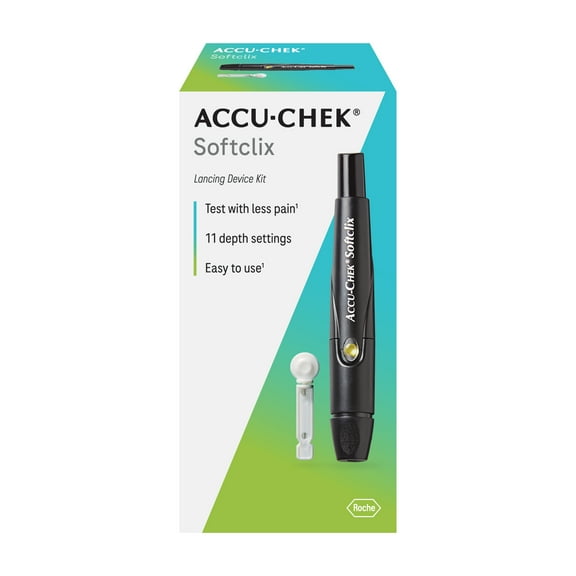
Device-specific styles can make sense when your kit uses a named lancing device family. You should confirm the listed fit before you place your order.
You can also compare cap design, insertion style, and depth settings in your device instructions. You'll shop more confidently when those details line up with the lancet format.
Picking the right pack size for your routine
You can use pack size as a planning tool, especially when you test on a set schedule. You'll usually see 100 count, 200 count, and bulk packs across this category.
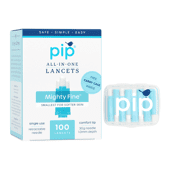
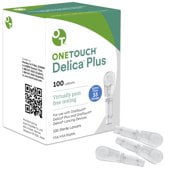
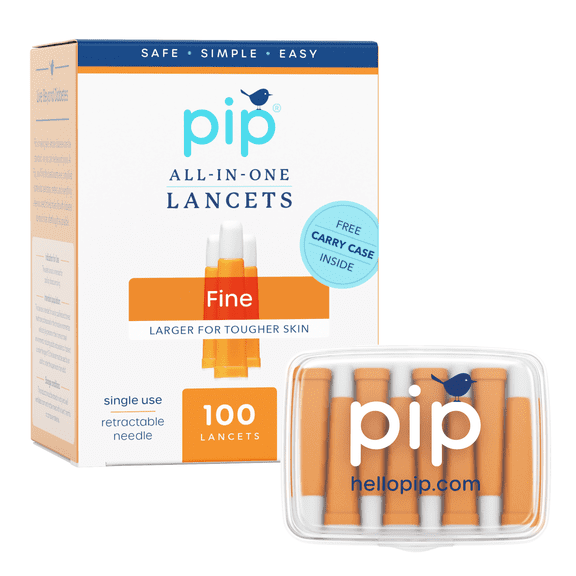
For a manageable refill, you may start with lancets 100 ct packs for shorter restock cycles. You'll also find that size useful when you're trying a new gauge.
When your household tests more often, you may prefer 200 count or bulk packs for fewer reorders. You'll keep your routine more consistent when you have the right quantity on hand.
You should compare count with your household use, storage space, and device compatibility list. You'll make a more practical choice when those factors work together.
How to match lancets to your routine
An easy everyday setup may start with 30 gauge lancets in a 100 count box. You'll get a familiar size for regular use without choosing a larger refill first.
For a lighter puncture feel, you may look at 33 gauge options with universal fit compatibility. You'll narrow choices quickly when you want flexibility across devices.
Safety lancets can suit your routine when you want a single-use format with less setup. You'll often appreciate that format when you prefer a ready-to-use option.
When your household already uses a specific lancing device, you should check device-specific diabetic lancets first. You'll reduce mismatches when you confirm fit before comparing gauge and count.
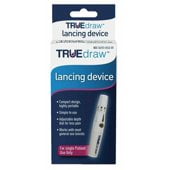
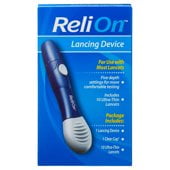
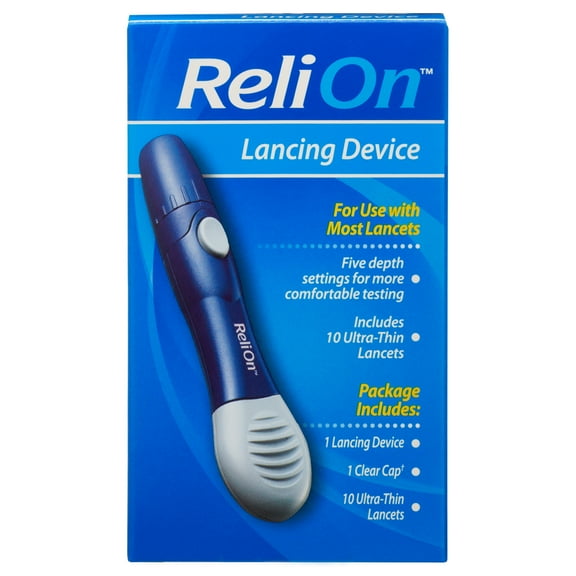
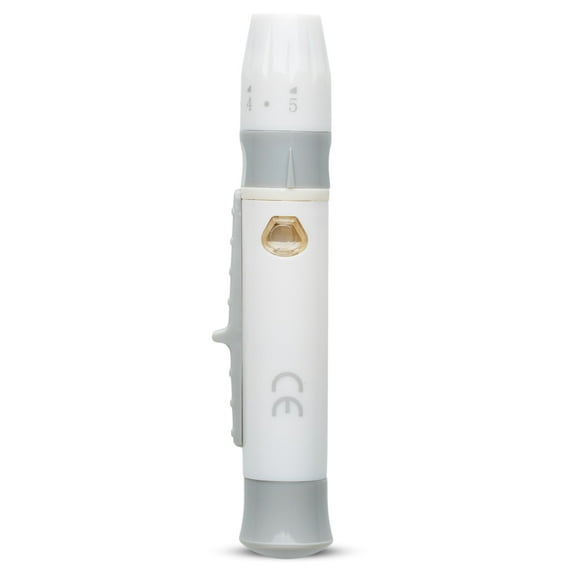
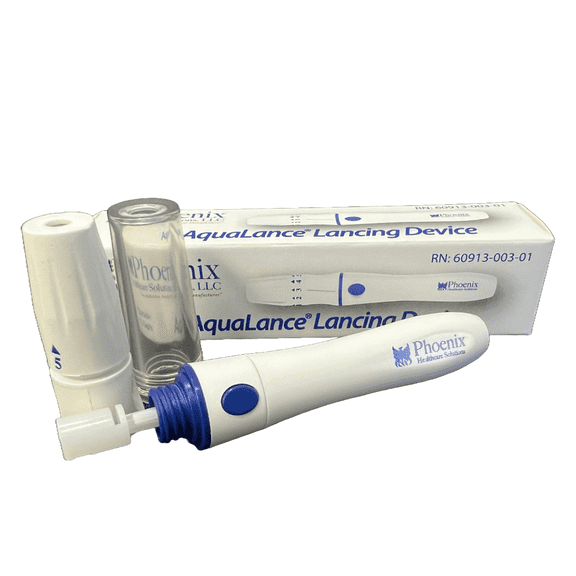
You can also keep related supplies in mind while comparing options in this category. You'll often pair lancets with lancing devices, blood glucose monitors, and test strips for a more complete setup.
You can choose more confidently when you compare gauge size, compatibility, lancet type, and pack count together. You'll end with lancets that fit your device and simplify repeat testing.