

Juicers

















About Juicers - Walmart.com
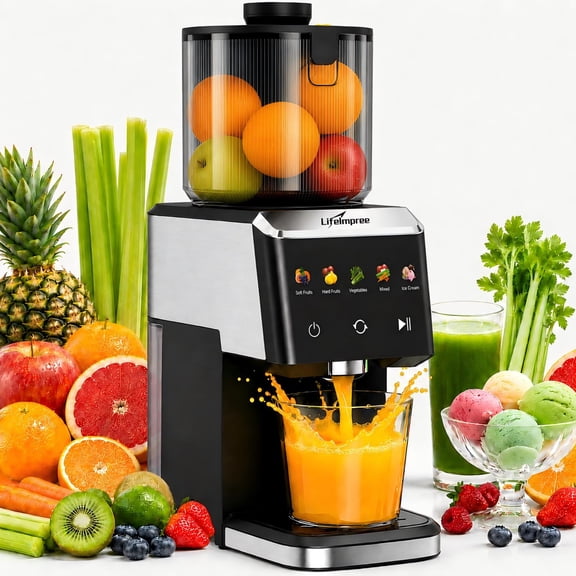
Juicers help you turn fresh produce into quick drinks at home with less prep, clearer choices, and appliance types built for different routines. You can compare extraction style, chute size, and cleanup details to choose a machine that fits your counter and your daily habits.
How to choose juicers by type
When you compare juicers, you'll usually start with masticating, centrifugal, and citrus press options. You can use that first choice to narrow speed, texture, and the kinds of produce you plan to juice most.
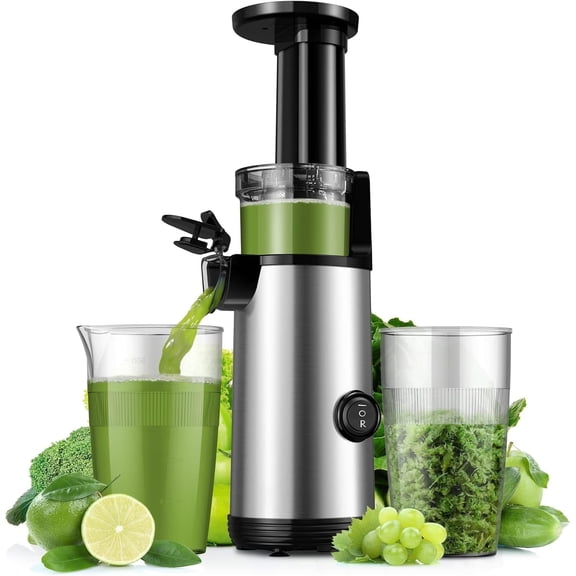
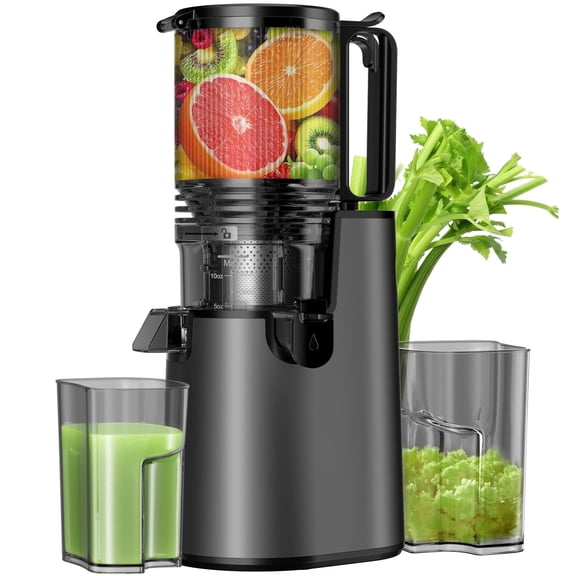
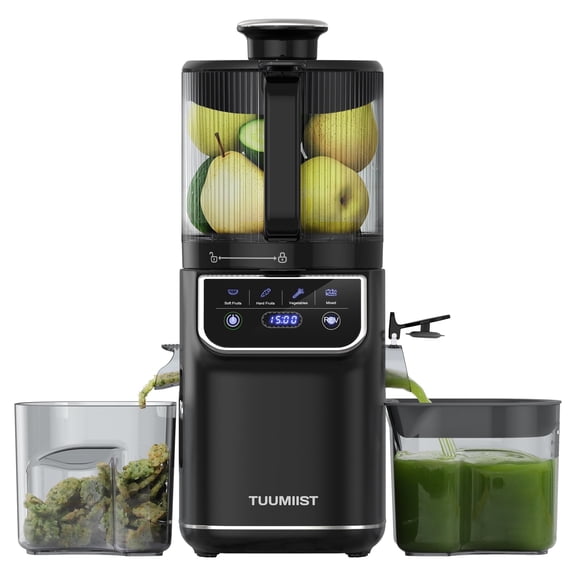
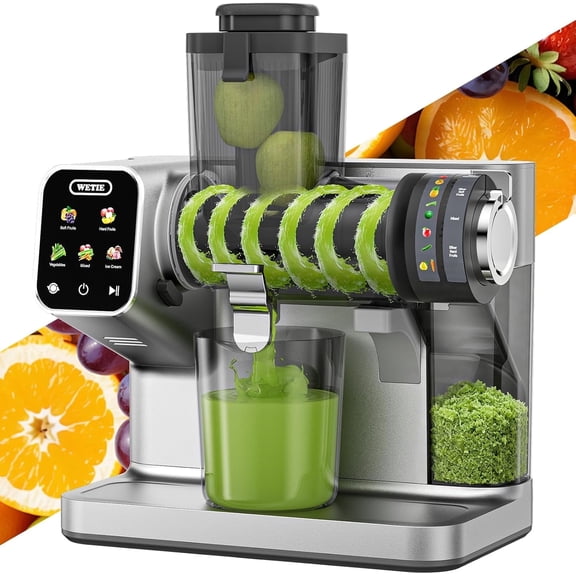
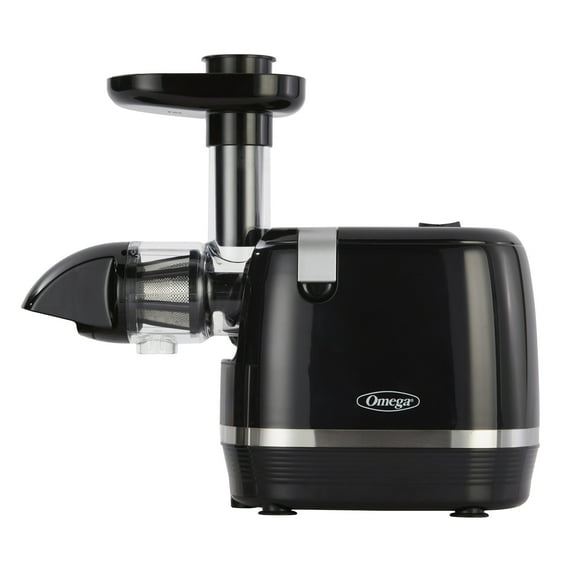
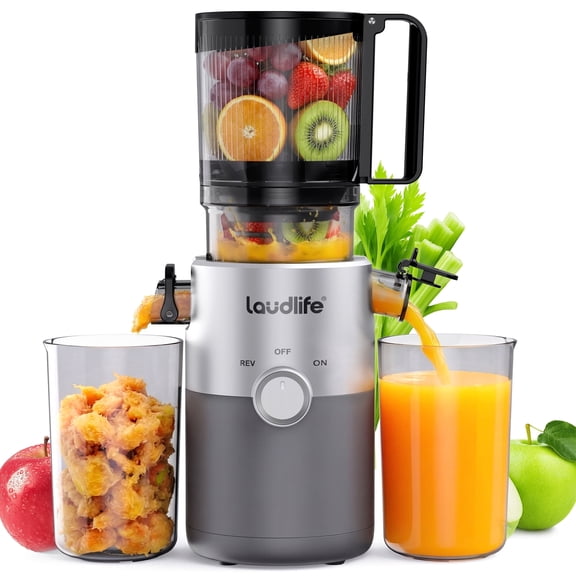
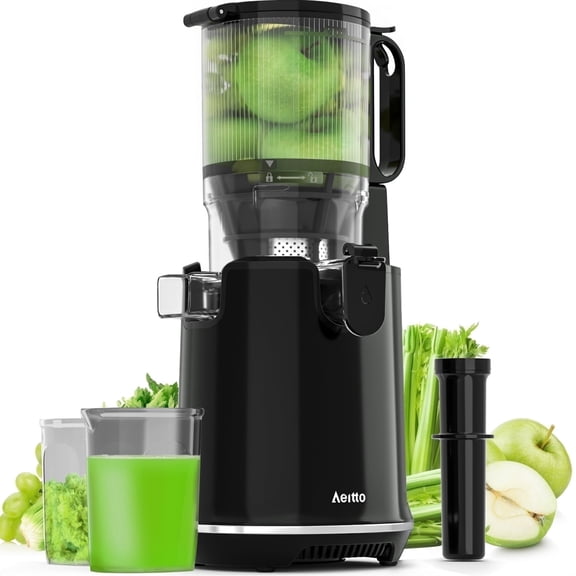
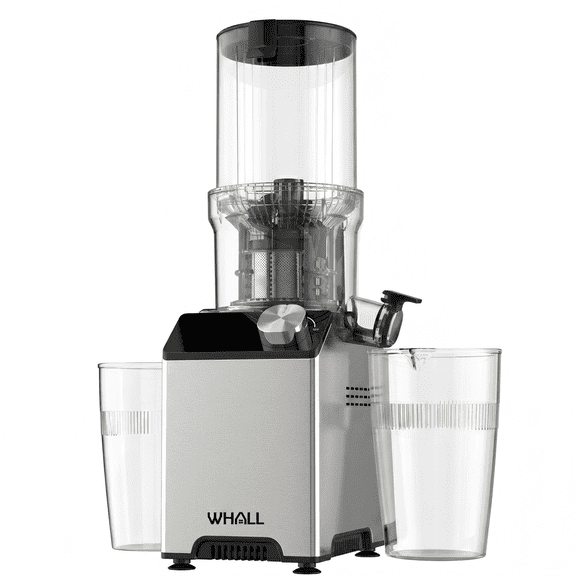
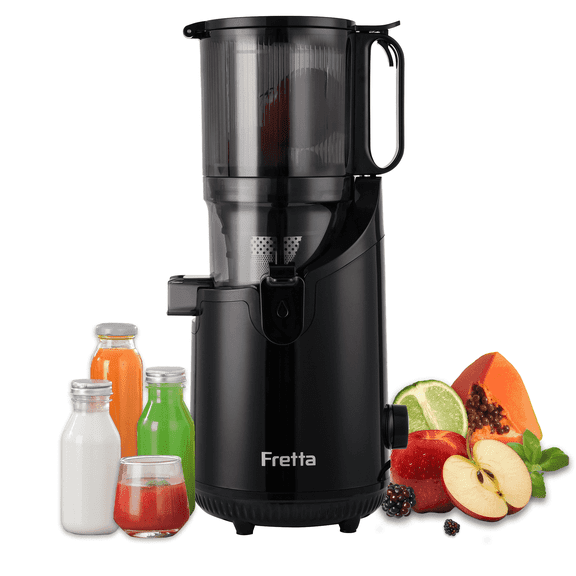
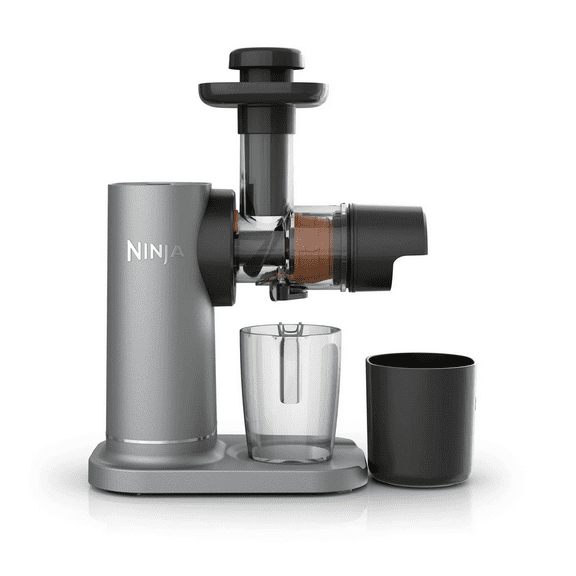
Masticating juicers use a slow crushing action, so you'll notice less heat during extraction. You may prefer that design when your routine includes leafy greens, celery, wheatgrass, or make-ahead batches.
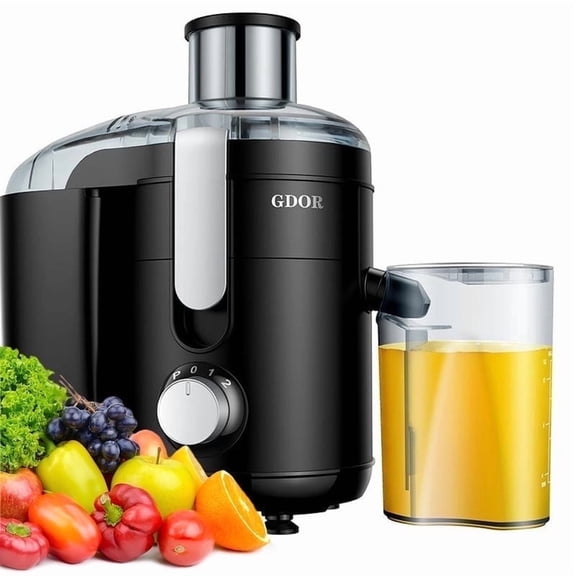
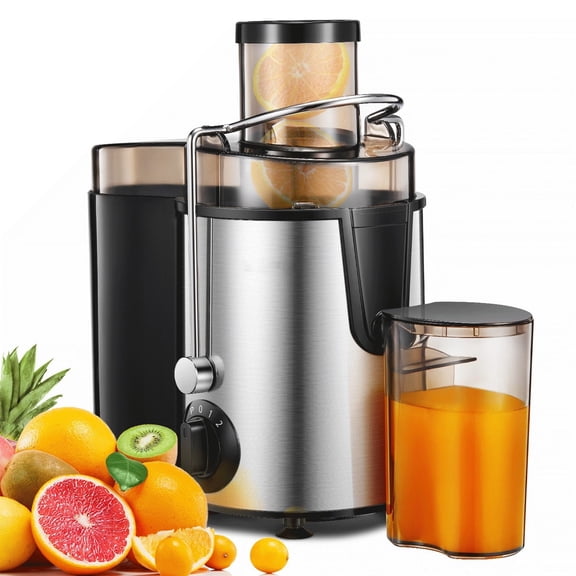
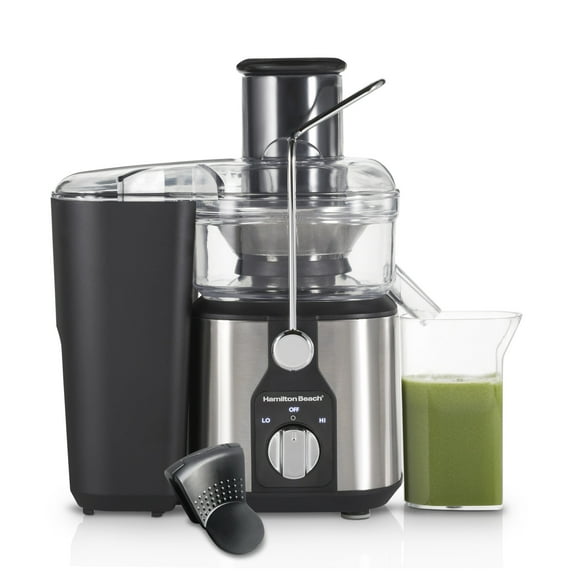
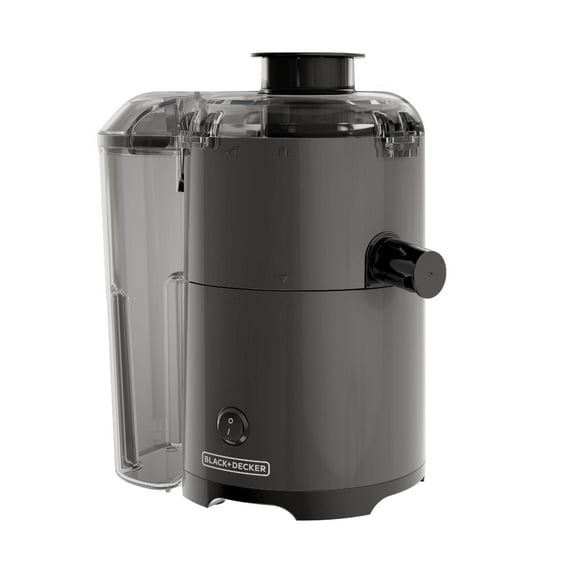
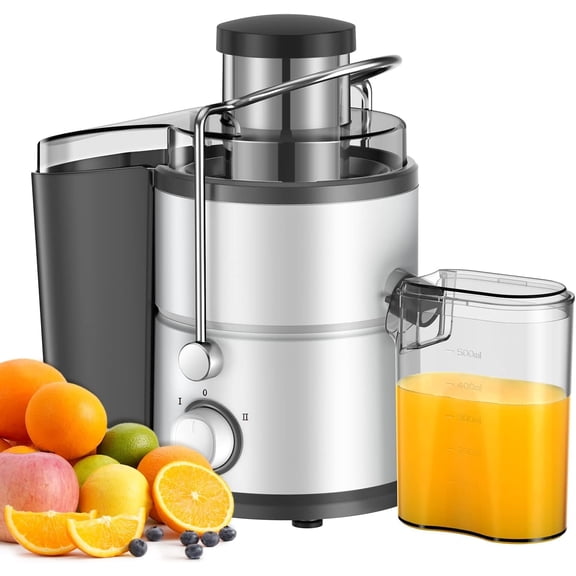
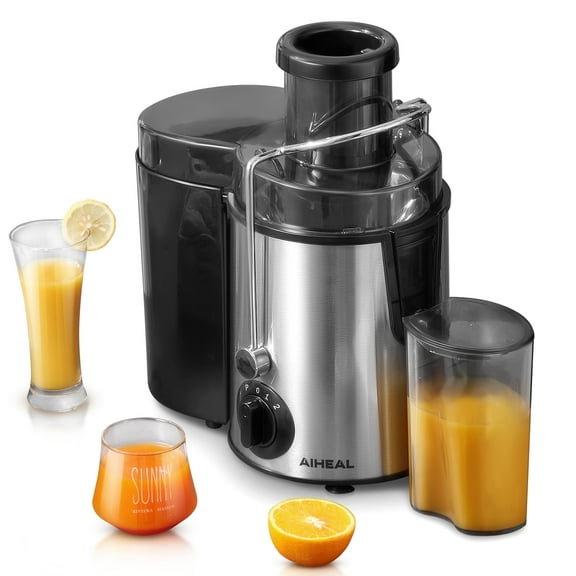
Centrifugal juicing machines spin at high speed, which helps you move from prep to pouring quickly. You may like that option when your mornings feel busy and your ingredients are mostly apples, carrots, or firm produce.
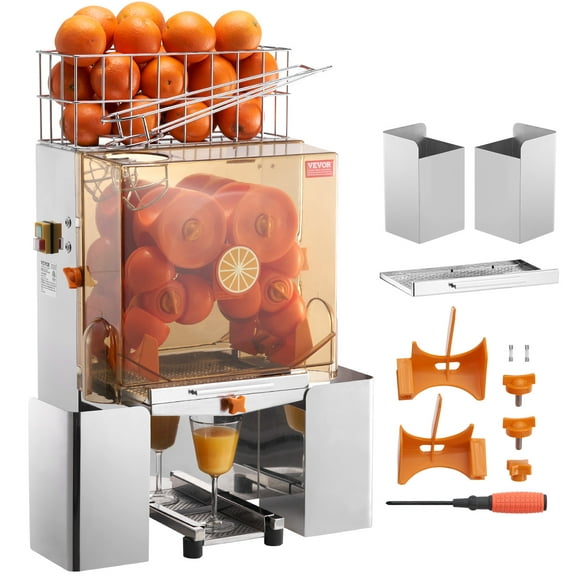
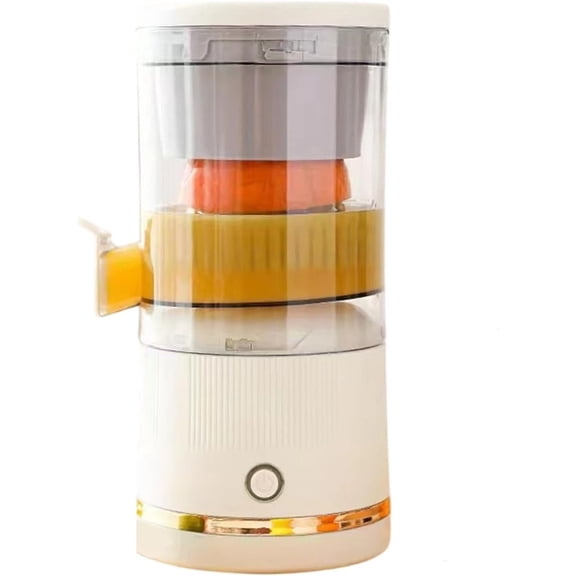
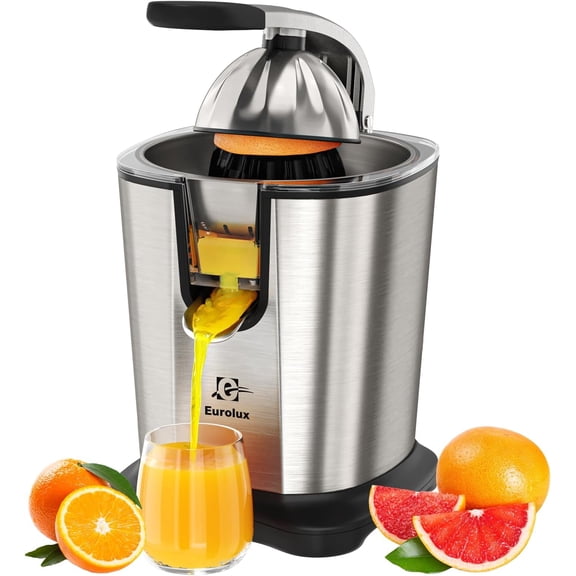
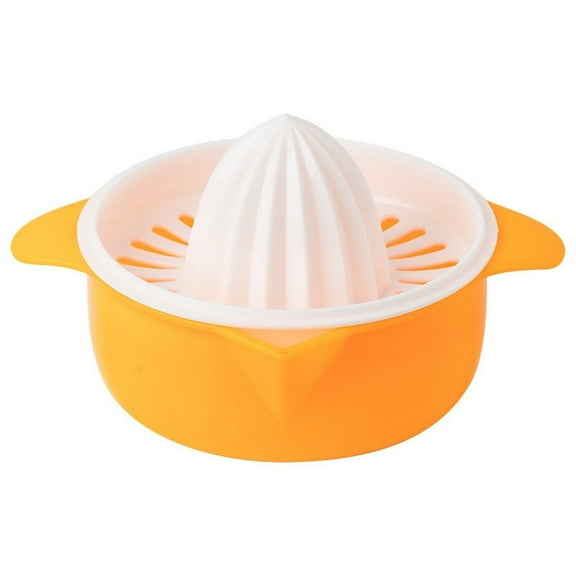
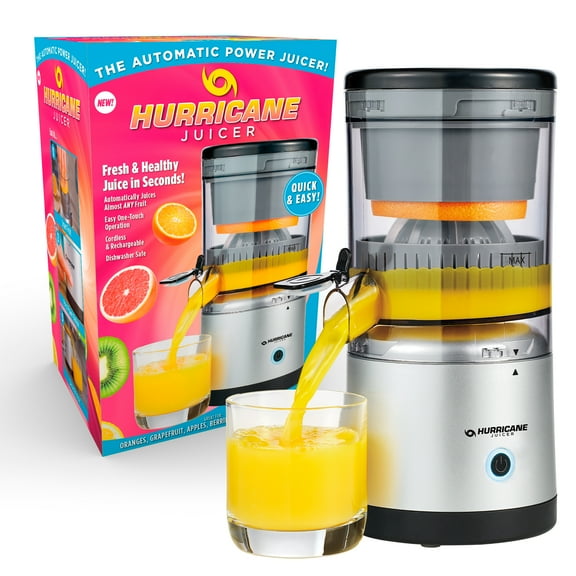
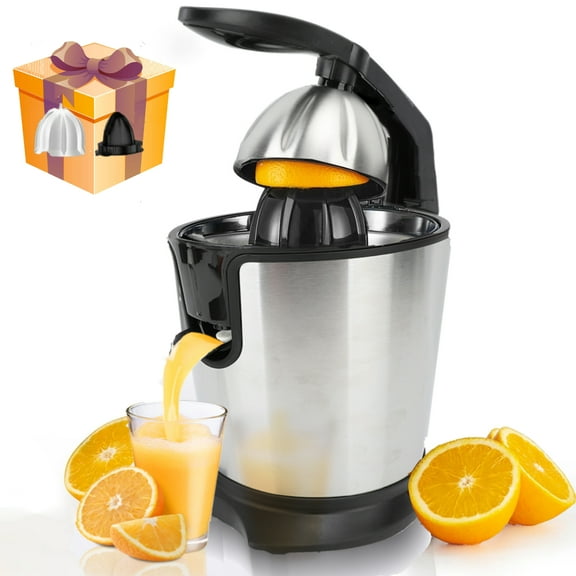
Citrus juicers focus on oranges, lemons, limes, and grapefruit with simple press-style operation. You can keep that type in mind when your kitchen needs fresh juice for breakfast, marinades, or recipes.
What benefits you get from the right juicing machines
The right juicing machines can make your routine smoother because you match the machine to your ingredients and schedule. You can spend less time cutting produce, less time cleaning parts, and more time using your appliance.
- You can choose masticating juicers when your recipes include greens, herbs, or fibrous vegetables.
- You can choose cold press juicers when your priority is a slower extraction style with less heat.
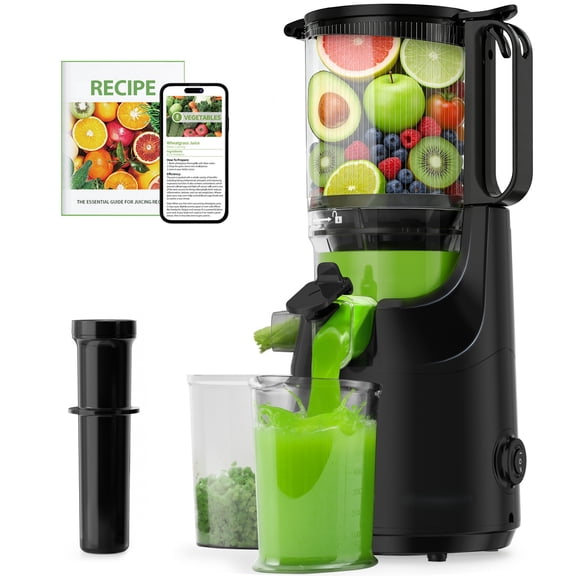
- You can choose wide mouth models when you want to reduce pre-cutting for apples, cucumbers, and carrots.
- You can choose easy to clean juicers when your sink routine matters as much as your drink routine.
Wide feed chutes can shorten prep because you may fit larger pieces without constant chopping. You can look for a 3-inch feed chute when whole or halved produce better matches your pace.
Cleanup details matter because you may use your appliance more often when parts rinse fast or go in the dishwasher. You can also compare pulp bins, included brushes, and how many parts you assemble each time.
Choosing between masticating juicers and cold press juicers
You may see masticating juicers and cold press juicers grouped together because many slow models use similar extraction methods. You should compare the product details closely, since naming can overlap across different designs.
When you review decision points, you can look at oxidation rate, heat generation, and juice yield in plain terms. You may want slower extraction when a smoother process and more juice from greens matter in your routine.
High-speed models can work well when you want quick glasses from firm fruits and vegetables. You should compare wattage too, because stronger motors can help you handle hard produce like beets and carrots.
Noise also affects your choice, especially when your kitchen opens into shared living space. You may prefer slow styles for quieter operation, while you may choose fast styles for shorter juicing sessions.
Choosing chute diameter and prep time
Chute diameter changes how much slicing you do before juicing, so it's a practical feature to compare first. You can save time with wide mouth juicers when larger produce pieces fit without repeated trimming.
A standard chute may still suit you if you juice smaller ingredients or prep in advance. You should check whether your recipes use celery stalks, leafy greens, berries, or large apples most often.
If you want fewer knife steps, you can look for a wide mouth or 3-inch feed chute. You may still cut dense produce for easier feeding, but your overall prep can feel simpler.
Choosing easy to clean juicers
Cleanability can shape how often you use your appliance, so you should compare it before you choose a model. You can look for dishwasher safe parts, simple screens, and fewer pieces to rinse after each batch.
Easy to clean juicers often include brushes that help you clear mesh filters and corners quickly. You may also prefer designs with removable pulp containers because your sink routine stays more organized.
Some models include self-cleaning functions that help you flush the system between ingredients or after juicing. You should still check the care steps, since hands-on cleanup can differ by filter and assembly style.
How you can match juicers to your kitchen routine
If you make a morning drink before work, you may want centrifugal models with a wide chute and quick assembly. You can move faster when whole fruits need less cutting and cleanup stays simple.
If you batch juice for the next day, you may prefer masticating juicers with slower extraction and steady feeding. You can also compare larger pulp bins and pitcher sizes when you prepare multiple servings.
For weekend brunch or recipe prep, you may want citrus juicers that handle oranges and grapefruit without extra attachments. You can keep fresh juice ready for drinks, dressings, and marinades with a compact footprint.
If your home is sensitive to appliance noise, you should compare motor style and speed before you decide. You can often find a quieter fit by checking wattage, extraction method, and user-friendly cleanup steps together.
With the right juicers, you can match produce, prep time, and cleanup needs to a machine that supports your everyday kitchen routine. You can choose with more confidence when type, chute size, and cleanability are clear from the start.