


Find auto parts that fit
Let’s search for parts that fit your vehicle.Power Inverters






![120W Power Inverter for Car Inverter 12V 24V to 110V with 2.4A 4 USB Ports 3AC Outlets [33W PD Type-C] [18W USB-QC 3.0] for Vehicles Truck Laptop](https://i5.walmartimages.com/seo/120W-Power-Inverter-for-Car-Inverter-12V-24V-to-110V-with-2-4A-4-USB-Ports-3AC-Outlets-33W-PD-Type-C-18W-USB-QC-3-0-for-Vehicles-Truck-Laptop_1a3c859e-0c13-4087-be36-83146c2b9569.6cda4082f859dfeea04bee6bc6b9dcc6.jpeg?odnHeight=576&odnWidth=576&odnBg=FFFFFF)





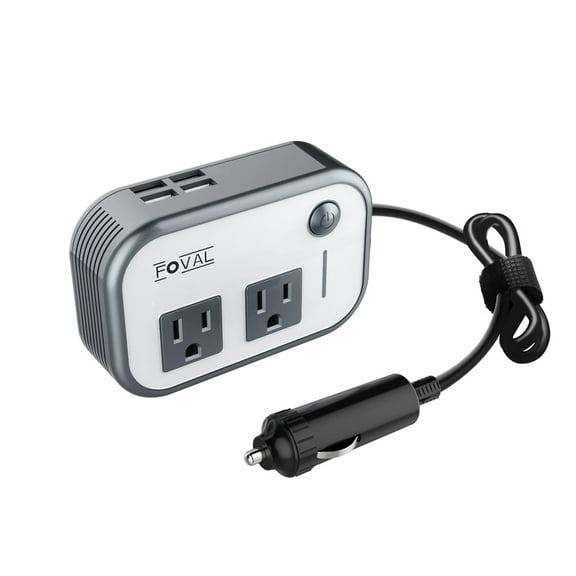

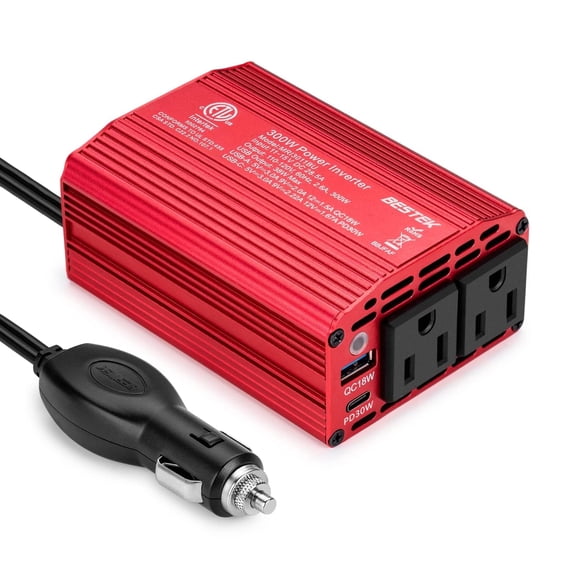


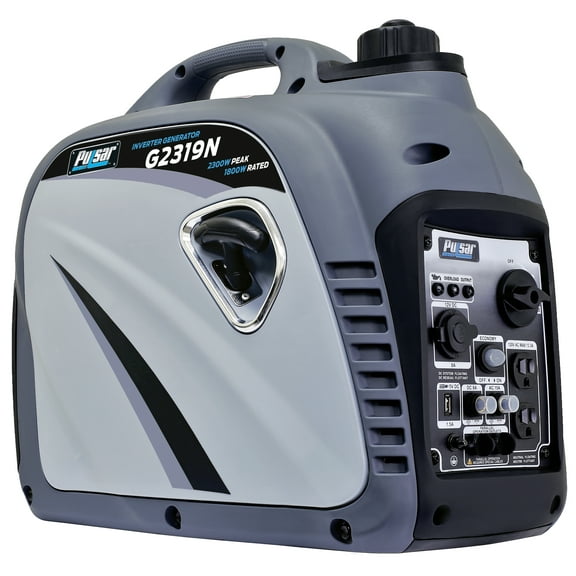


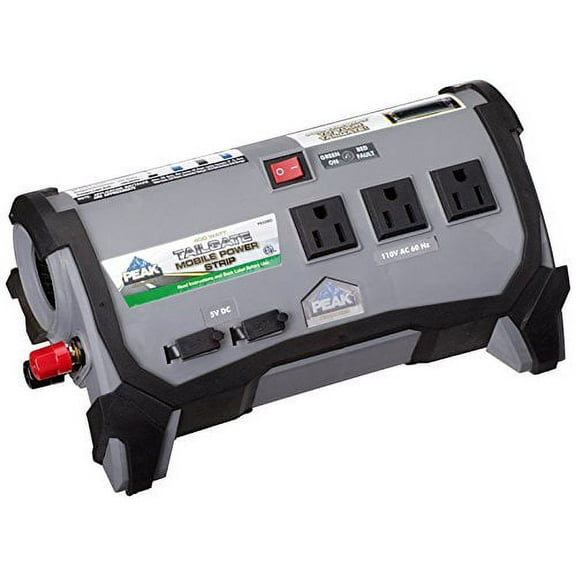


![FOVAL 175W Car Power Inverter DC 12V to 110V AC Car Inverter with [18W PD USB-C] & Dual 4.8A USB Car Charger Power Inverter for Laptop](https://i5.walmartimages.com/seo/FOVAL-175W-Car-Power-Inverter-DC-12V-to-110V-AC-Car-Inverter-with-18W-PD-USB-C-Dual-4-8A-USB-Car-Charger-Power-Inverter-for-Laptop_8da20fc6-a470-451d-87f7-58863373ea5d.9dd99e8daead0d9b3b8f30d632345e49.jpeg?odnHeight=576&odnWidth=576&odnBg=FFFFFF)







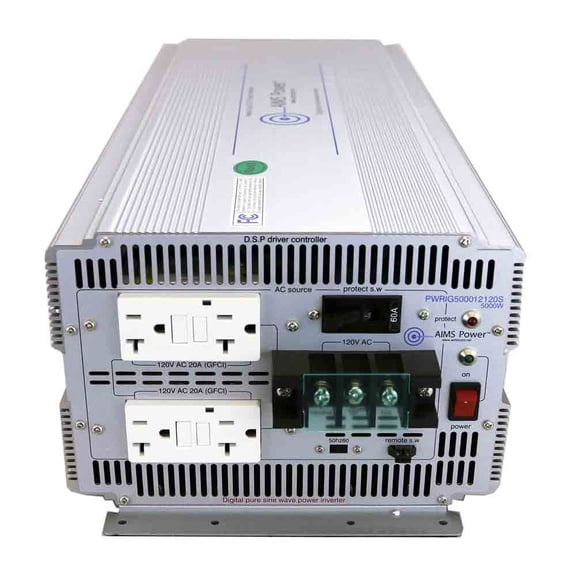
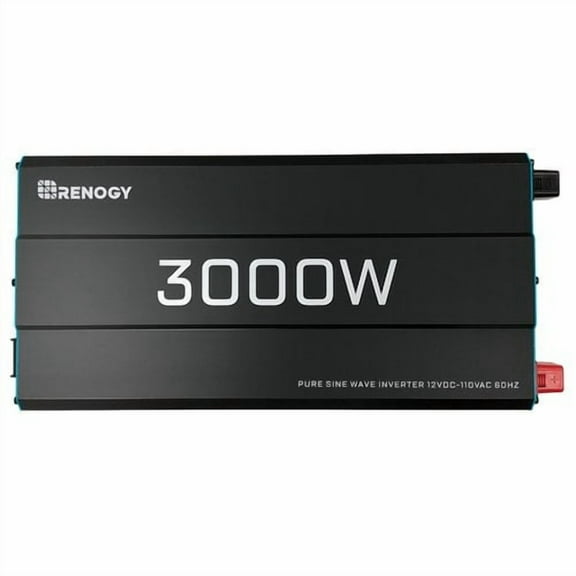
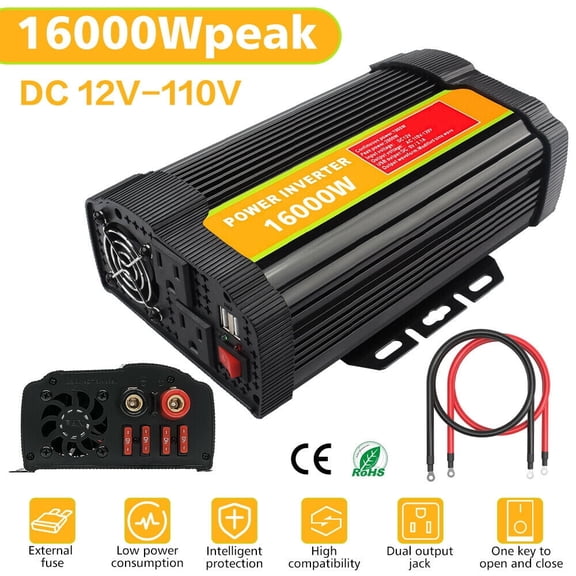


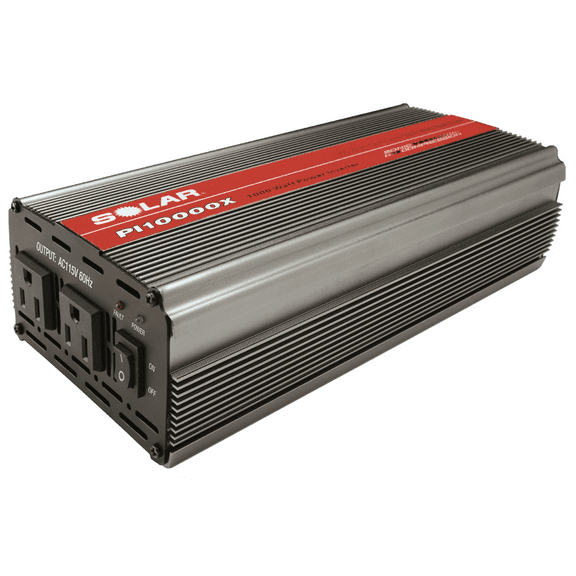

About Power Inverters - Walmart.com
Power inverters help you run everyday electronics from your vehicle or backup battery. You can compare wattage, wave type, and connection style to match your drive, campsite, or emergency setup.
Choosing the right power inverters for your setup
When you compare power inverters, you should start with wattage capacity. You need enough continuous wattage to run your device, not just the brief peak start-up load.
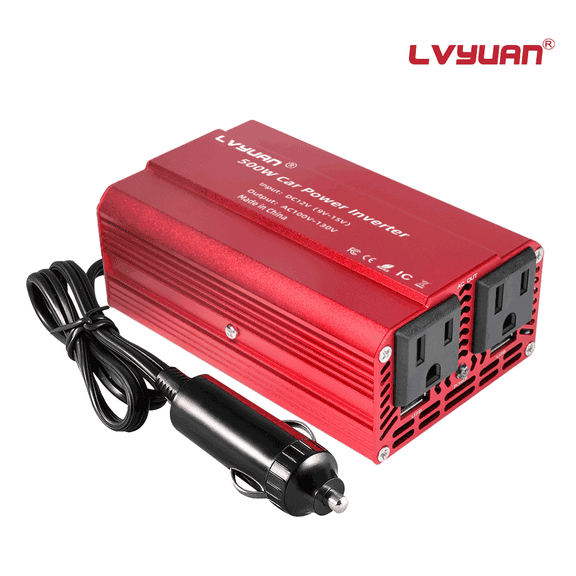
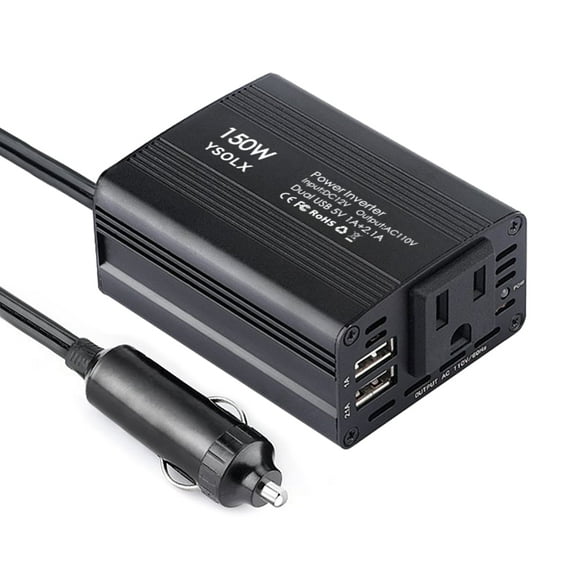
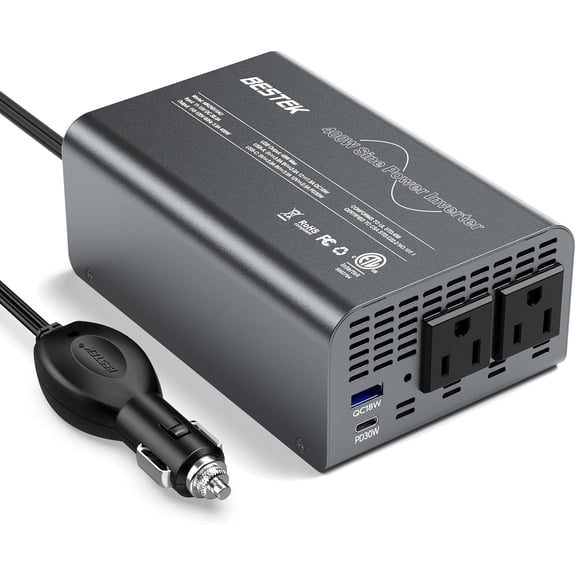
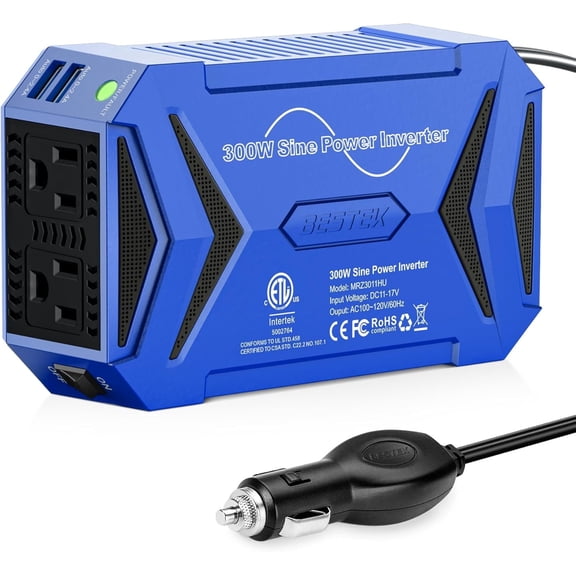
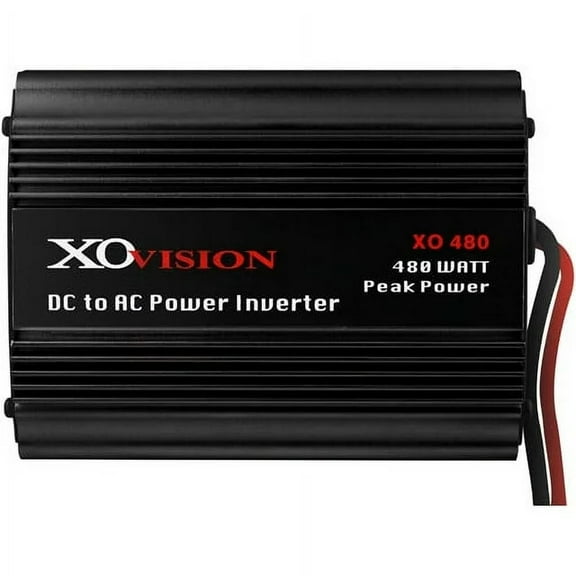
A 150W model can suit your phone charger, small fan, or laptop adapter. A 300w power inverter can fit many road trip basics, while 500W or 1000W+ options support larger gear.
If you plan to power several items at once, you should add their running wattage together. You should also leave extra room, so your inverter handles start-up spikes smoothly.
- You can power laptops, tablets, and small appliances from your car, truck, or RV.
- You can match 12V plug-in styles or battery clamp connections to your vehicle setup.
- You can choose pure sine wave or modified sine wave output for different electronics.
- You can look for overload, short circuit, and thermal protection for steady operation.
How to compare wattage, input voltage, and connections
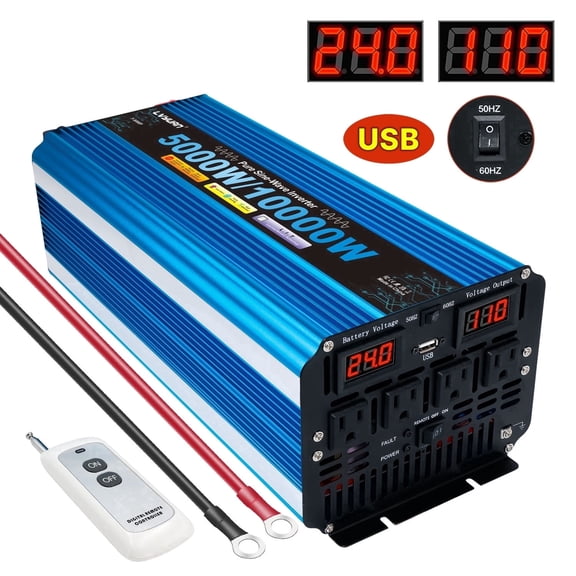
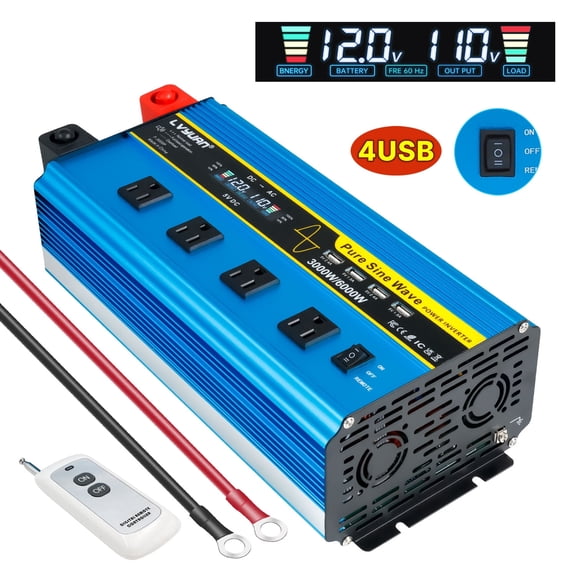
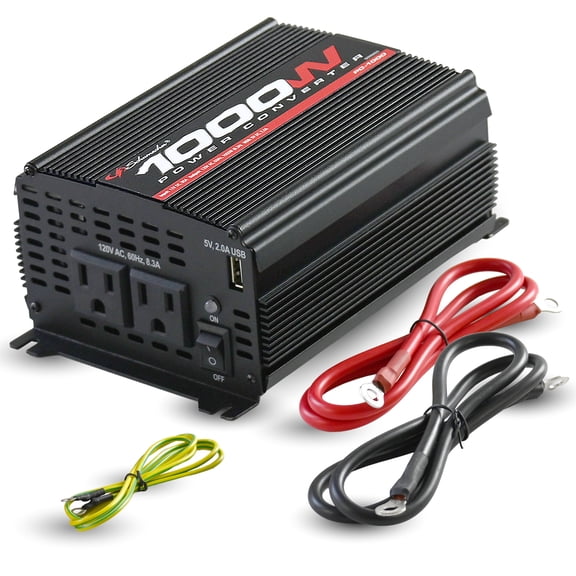
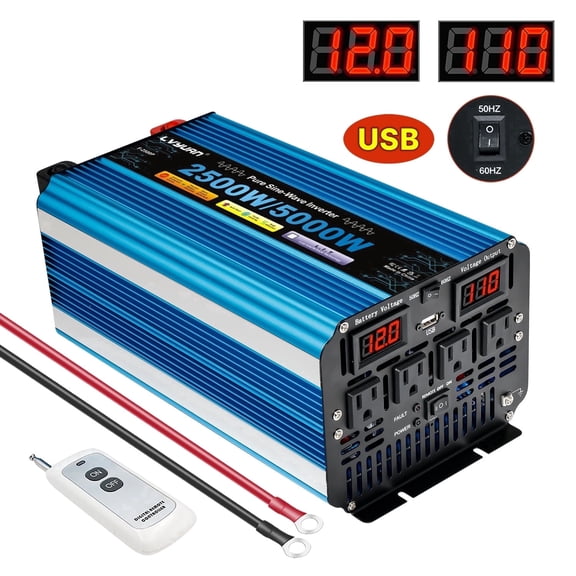
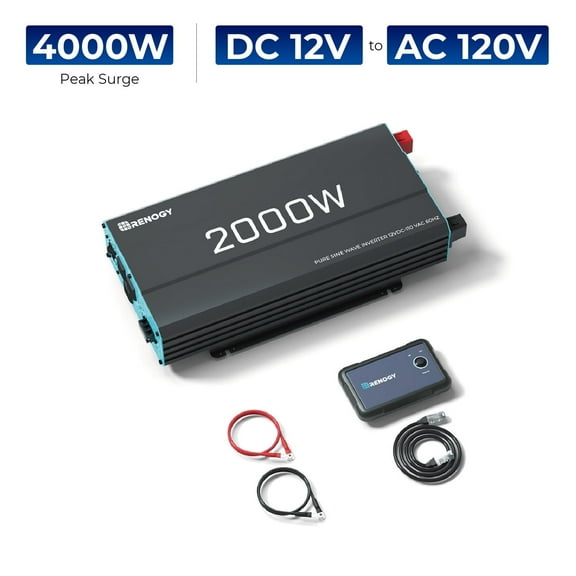
Your wattage choice shapes what you can run and where you can use it. You should measure your device needs first, then compare 150W, 300W, 500W, 1000W+, and 3000W ranges.
A 12v power inverter usually works with many cars, SUVs, and light trucks. If you use a larger electrical system, you may need to compare 24V DC options for compatibility.
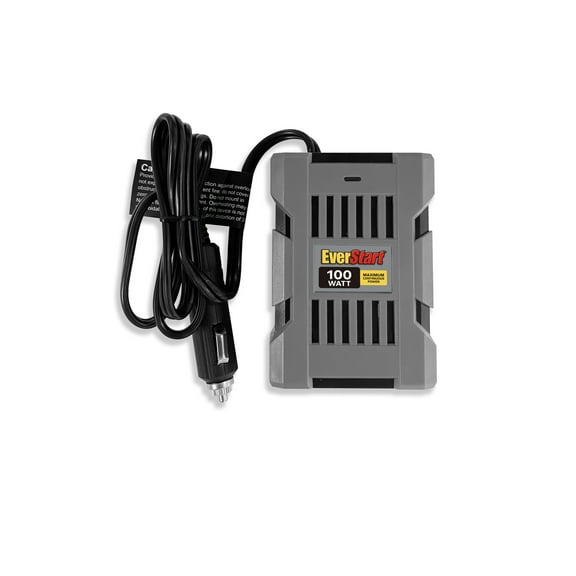
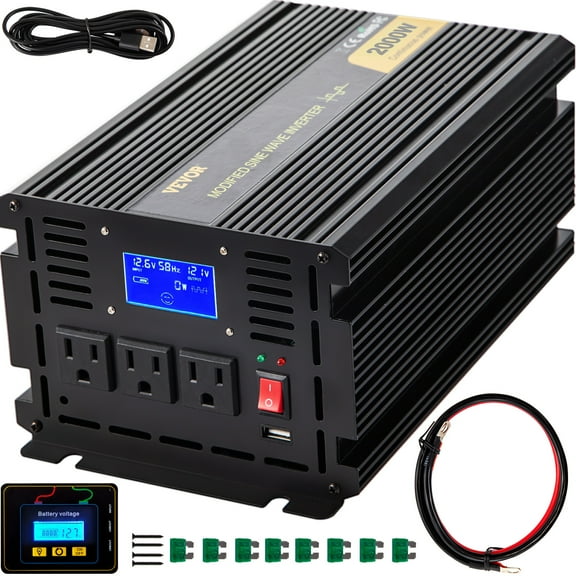
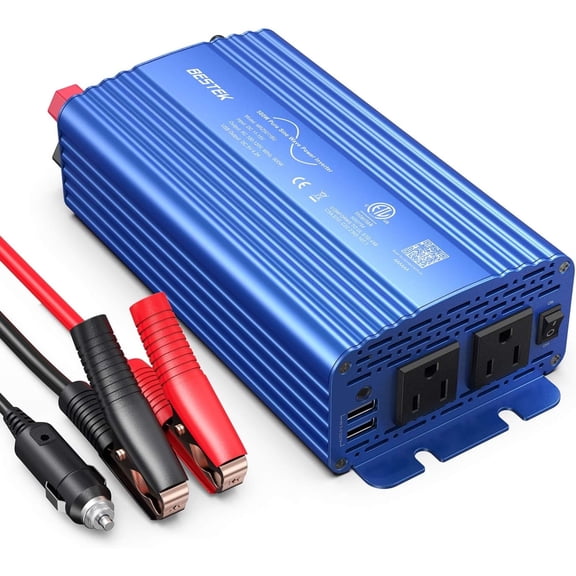
You should also check how the inverter connects to your power source. A lighter-socket plug can suit smaller loads, while direct battery clamps often support higher wattage setups.
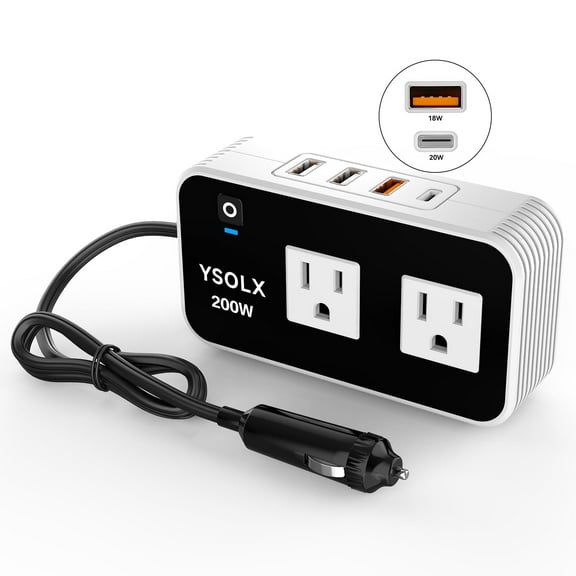
Outlet style matters when you want to charge several devices at once. You may prefer models with AC outlets, USB ports, or both for streamlined packing and fewer adapters.
Pure sine wave inverter or modified sine wave
Your electronics can guide this decision quickly. If you power delicate devices, you may want a pure sine wave inverter for steady current output.
If you run simpler items, you may find modified sine wave models practical for basic charging and small tools. You should still check your device instructions before choosing a wave type.
This choice matters when you use travel breathing machine gear, certain laptops, audio equipment, or small kitchen appliances. You can often use a pure sine wave inverter when you want broader device compatibility.
You should read the product details for output type before you buy. You can avoid guesswork when you match waveform style to the electronics you already own.
Choosing a car power inverter for travel and backup
A car power inverter can make long drives, campsites, and tailgate setups simple to manage. You can keep small electronics powered without relying only on wall outlets.
For road trip power inverter needs, you may want a compact unit that fits in a console or cargo area. You should look for cord length, port access, and a shape that stores neatly.
If you camp or travel in an RV, you may need higher wattage and battery-clamp connections. You can run more gear comfortably when you match your inverter to your actual load.
During emergency backup use, you may want clear controls and easy-to-read indicators. You can check output limits quickly and keep important devices powered from a vehicle battery.
What to look for in safety features
You should compare built-in protections before you choose a power inverter for car use. Overload protection helps when connected devices draw too much power for the inverter.
Short circuit protection adds another layer of control during connection and use. Thermal protection helps the unit respond when internal temperatures rise during longer sessions.
You may also want cooling fans, status lights, and replaceable fuses for convenient monitoring. These details can help you understand how your setup is performing during travel or backup use.
When you compare safety features with wattage and wave type, you can narrow your options quickly. You get a setup that fits your vehicle, your devices, and your typical driving routine.
How to match applications with the right inverter type
If you commute daily, you may prefer a compact power inverter for car charging needs. You can keep phones, tablets, and work gear ready between stops.
If you drive a truck, you may want added reach, more outlets, or higher wattage support. You can power tools, coolers, or mobile office gear with a suitable setup.
For RV travel, you should compare input voltage, outlet mix, and mounting style. You can build a highly usable mobile setup when each feature matches your space.
For camping and emergency backup, you should focus on portability and clear power limits. You can prepare for changing conditions with an inverter that fits your battery source and device list.
With the right power inverters, you can turn your vehicle power source into a practical charging station. You gain flexible, on-the-go power that matches your devices, your vehicle, and your travel plans.