

Induction Cookware Sets for Kitchen Cooking

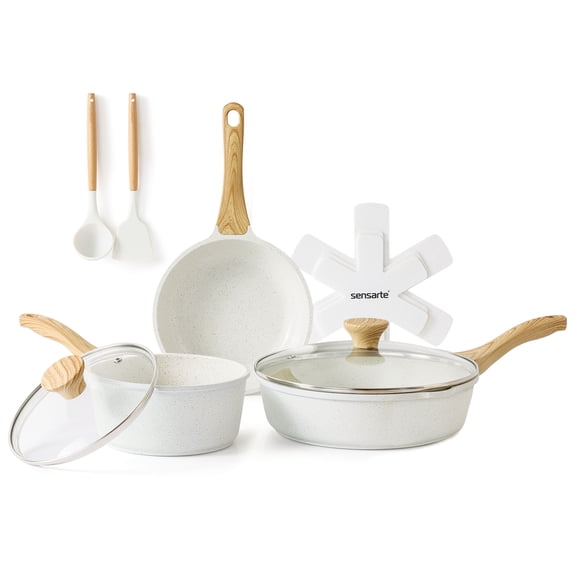


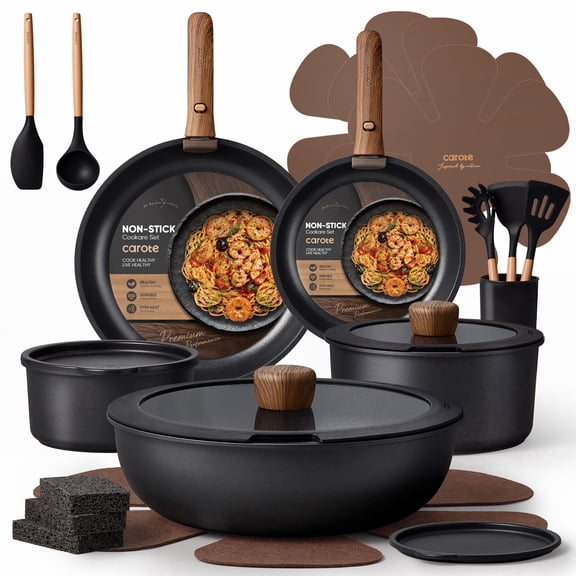


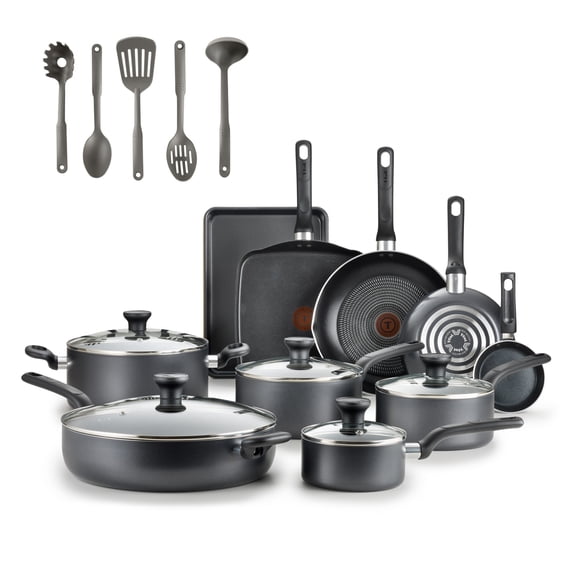


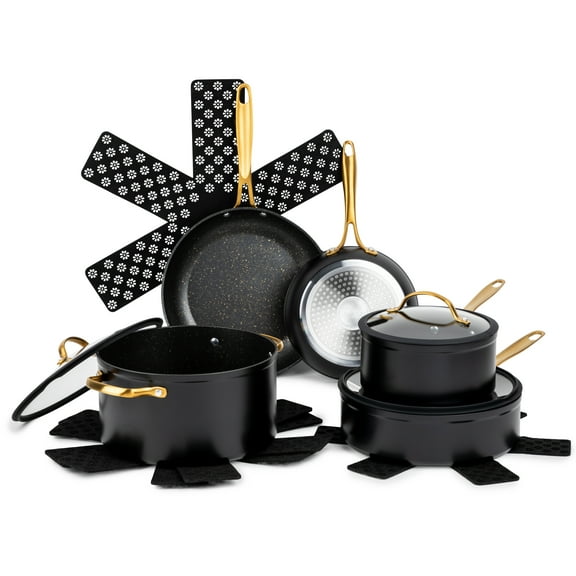
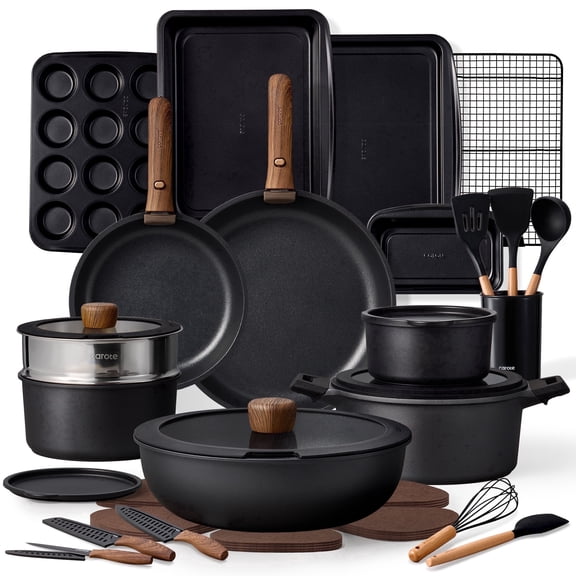
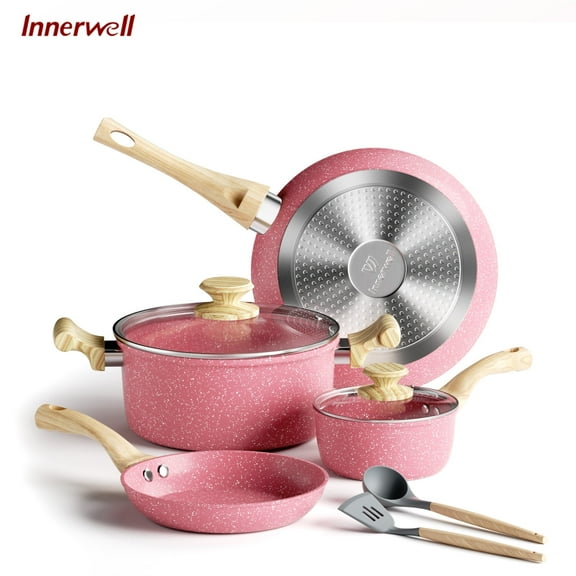
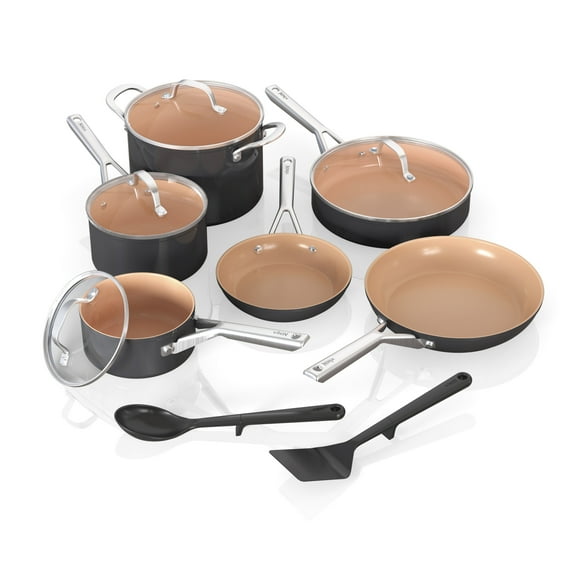
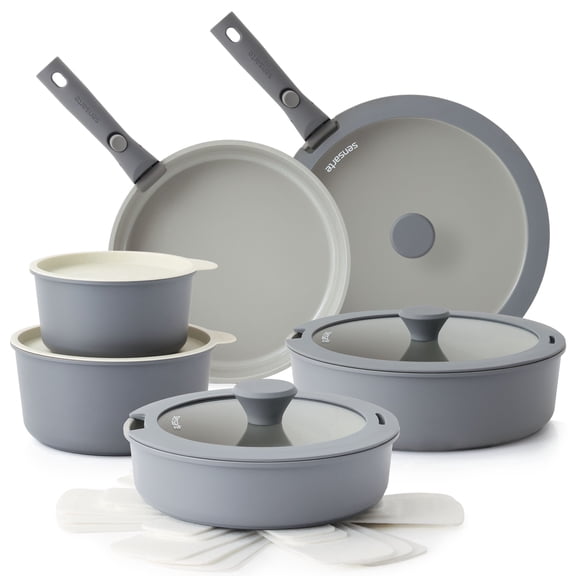


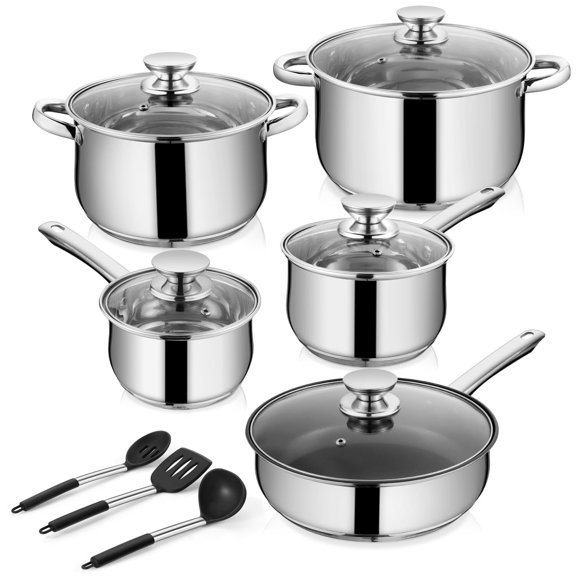


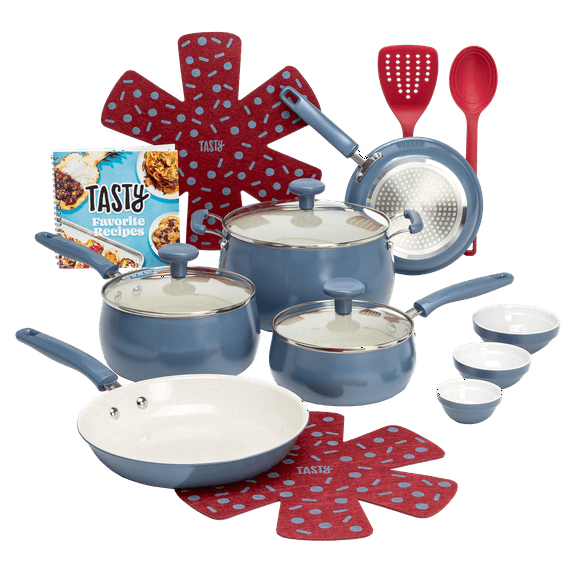


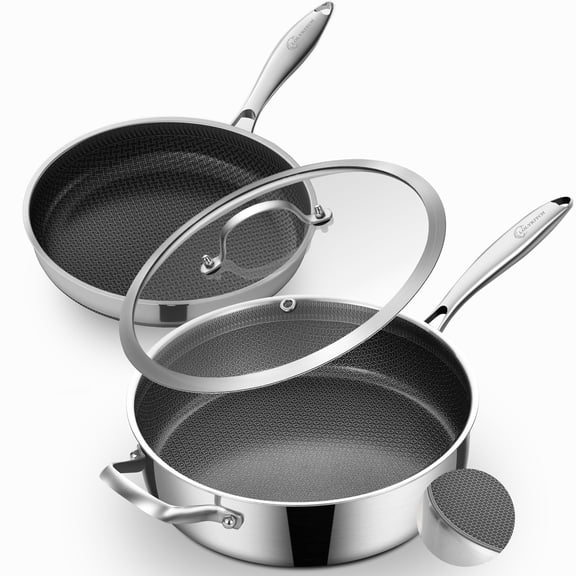
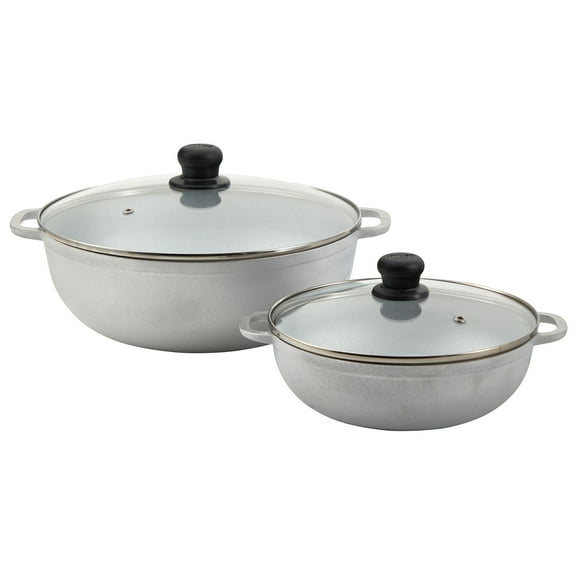
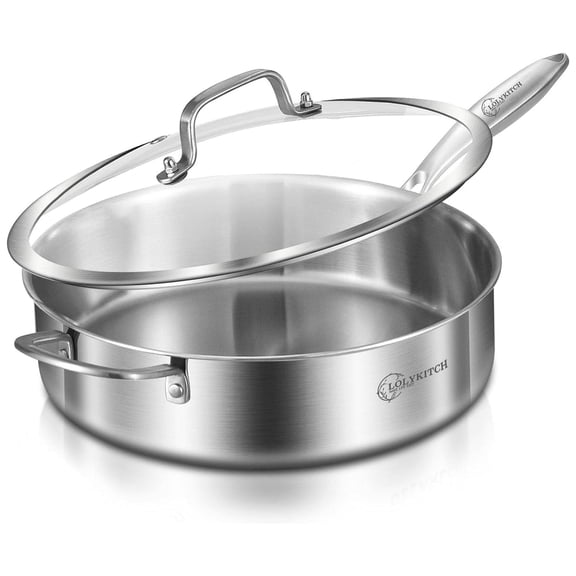
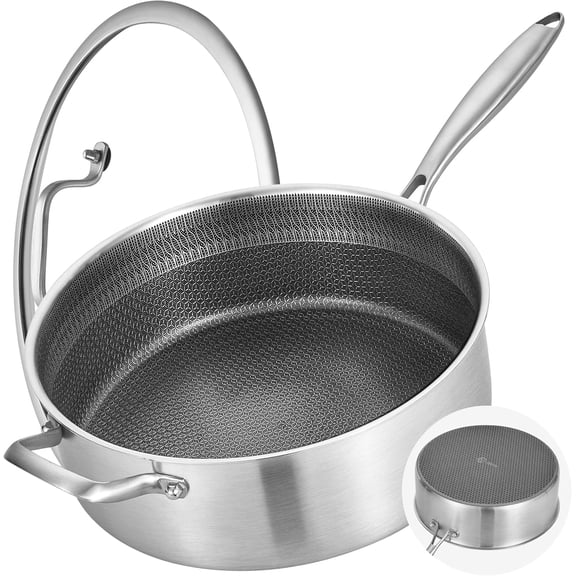
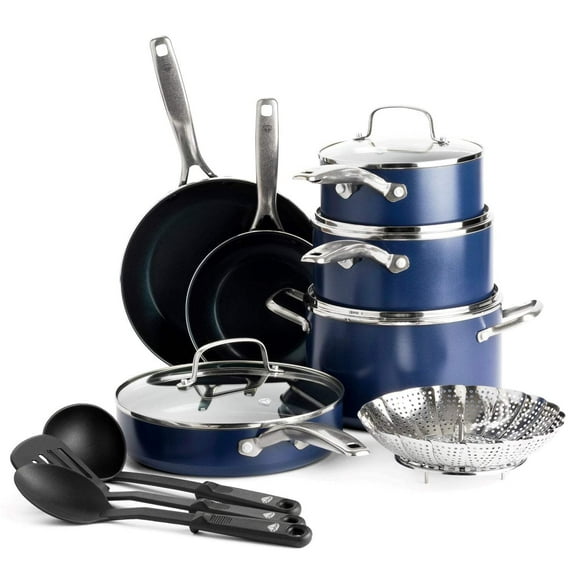


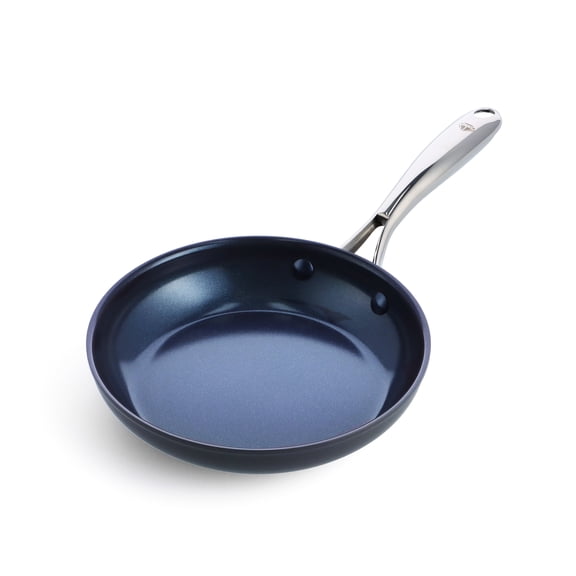






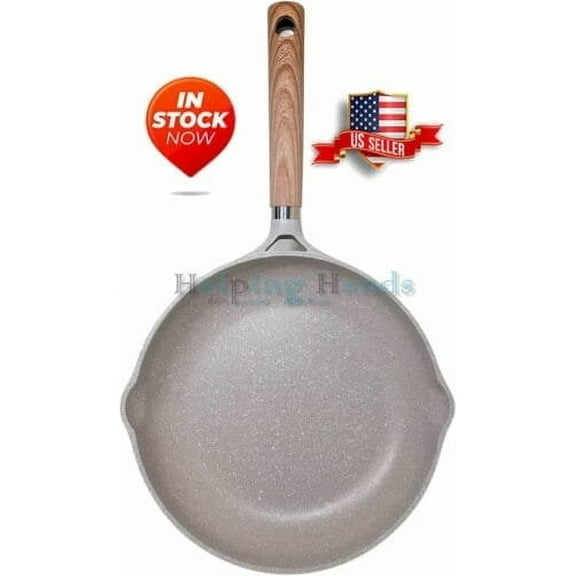
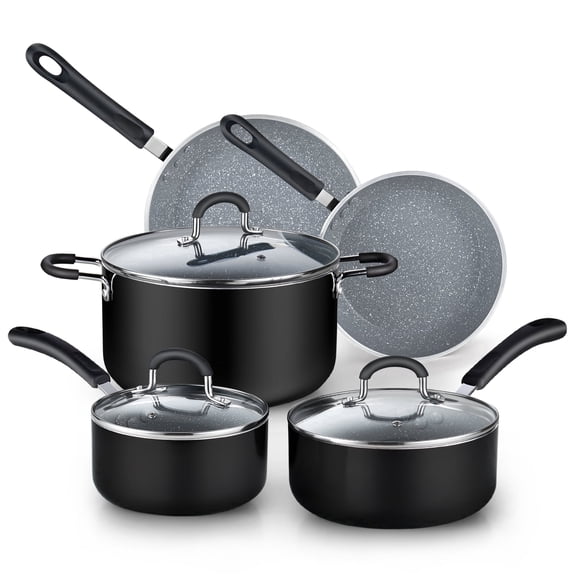
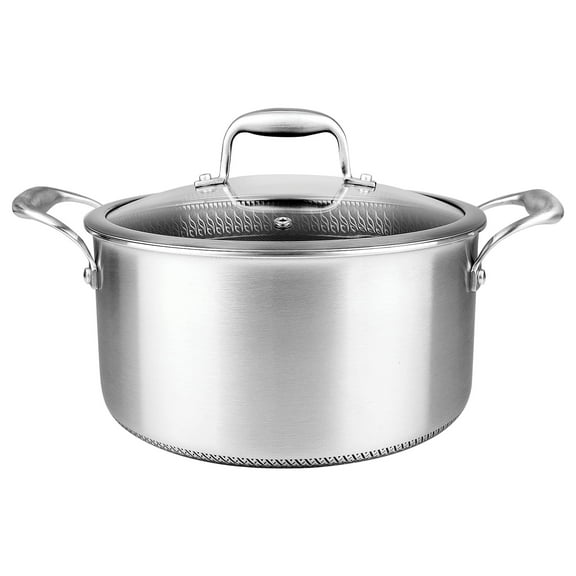
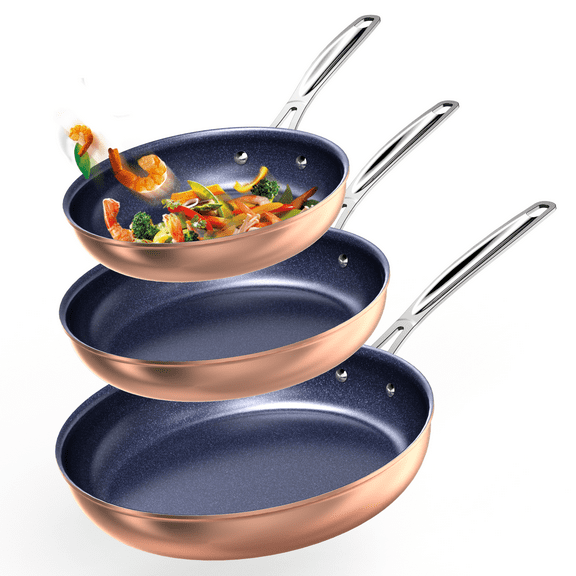


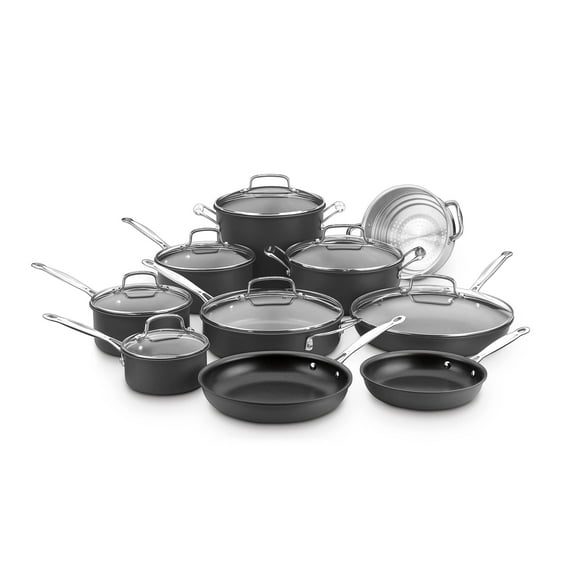
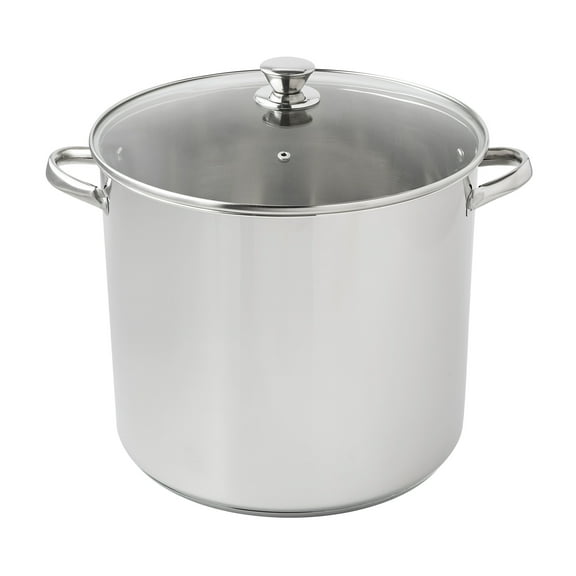
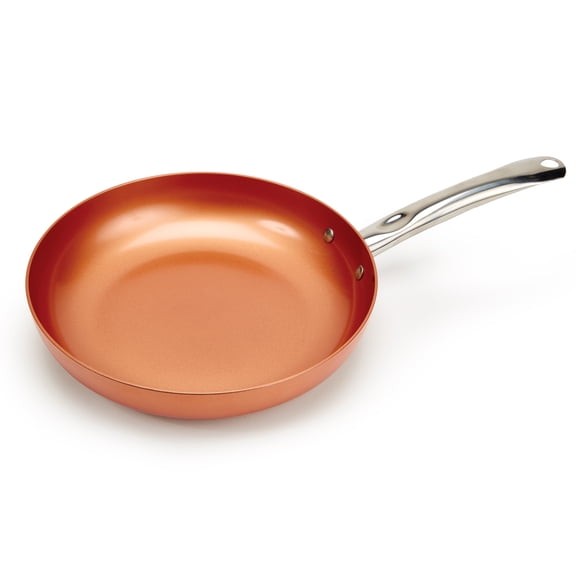

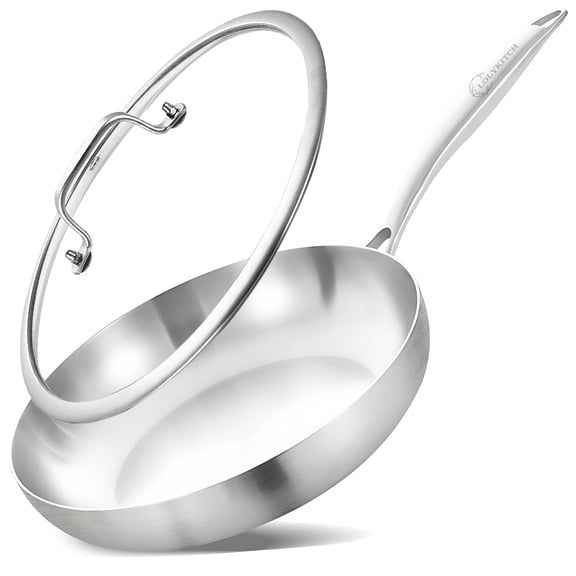




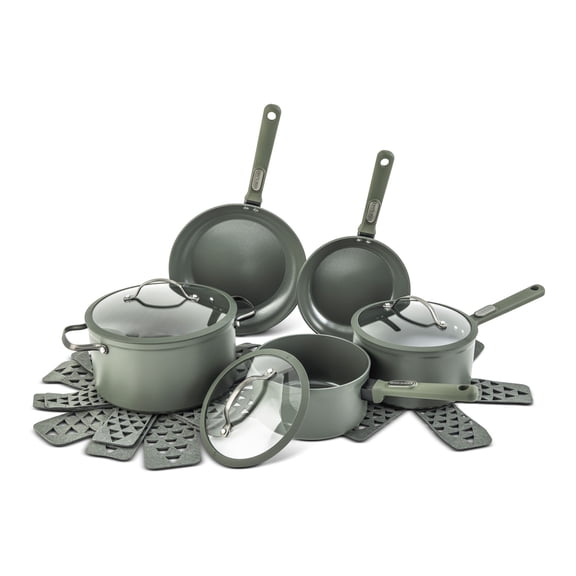


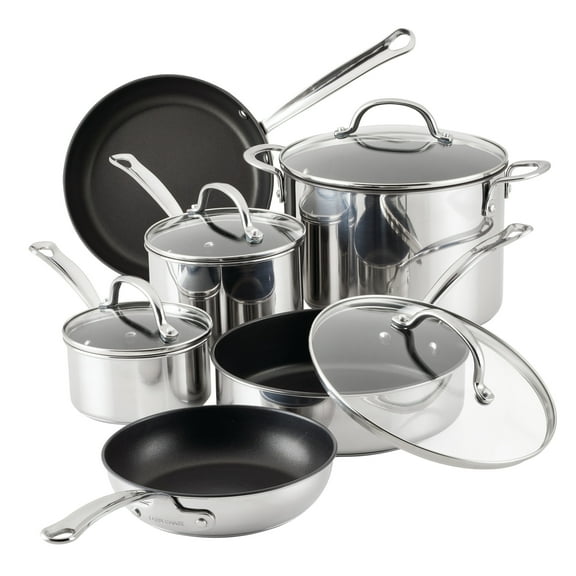
About Induction Cookware Sets for Kitchen Cooking - Walmart.com
Pots and pans for induction stove cooking give you fast, even heat with a safer, cooler cooktop surface.
Induction-ready cookware uses magnetic bases, so your pan heats quickly while the area around it stays calmer.
Choose pieces with flat, ferromagnetic bottoms, so they perform well when you’re searing, simmering, or boiling.
Pots and pans for induction stove cooking, simplified
Induction ranges need cookware that attracts a magnet, so heat transfers directly into the pan’s base.
That means less wait time for water to boil and steadier control for delicate sauces.
Many induction cooktops also sense pan size, so the right diameter helps you use the full cooking zone.
Everyday benefits you’ll notice on induction
Induction cooking responds quickly, so you can dial heat up or down without long lag.
With the right cookware, you’ll get consistent browning and fewer hot spots across the cooking surface.
Since induction heats the pan, the cooktop stays easier to wipe after splatters.
- Quick preheat for weeknight boiling, blanching, and one-pot meals.
- Steadier simmer control for grains, soups, and reduction sauces.
- More consistent searing for steaks, tofu, and vegetables.
- Less burner flare risk because there’s no open flame.
Heavier bases can also help resist warping, which supports better contact with the glass surface.
That steady contact helps maintain even heating, especially on larger cooking zones.
Features to compare before you choose
Start with magnet compatibility, because induction cookware must contain ferromagnetic material in the base.
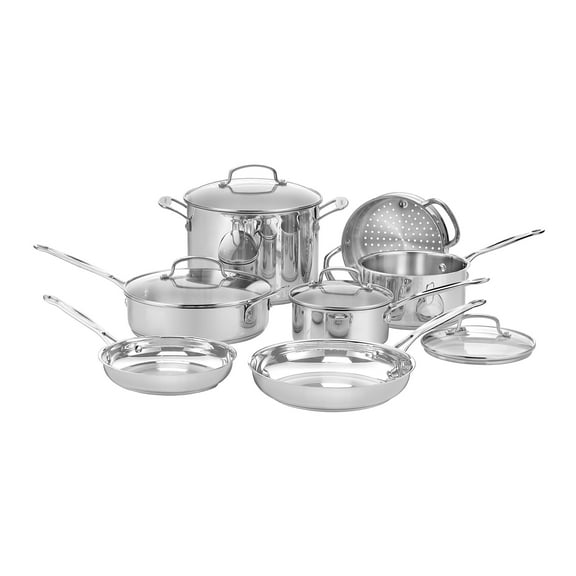
Many sets use stainless steel or layered construction with a magnetic outer layer.
Look for fully clad sides if you want more even heating up the walls of the pot.
Base thickness matters for stability, since thin discs can create uneven heat rings on some cooktops.
Flatness matters too, because a warped pan can buzz, wobble, or heat unevenly.
Handle design can change comfort, especially when you’re lifting a stockpot filled with water.
Glass lids help you monitor simmering without releasing heat, but metal lids can be more durable.
Check oven-safe temperatures if you like finishing dishes in the oven after stovetop searing.
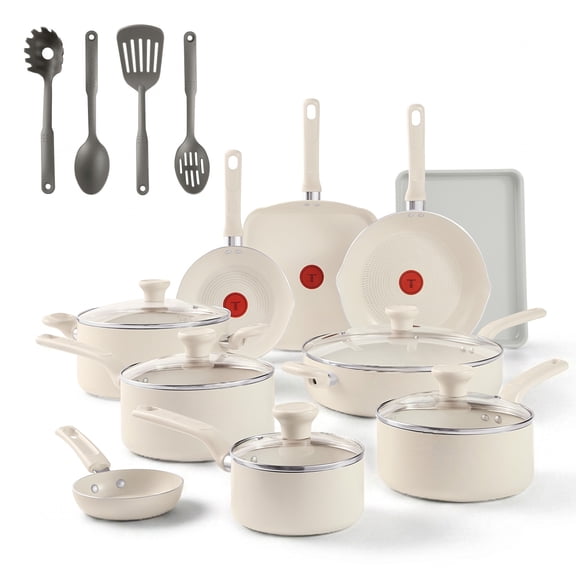
If you use nonstick, confirm it’s labeled induction-compatible, since coatings alone don’t make it work.
Use cases for real kitchens
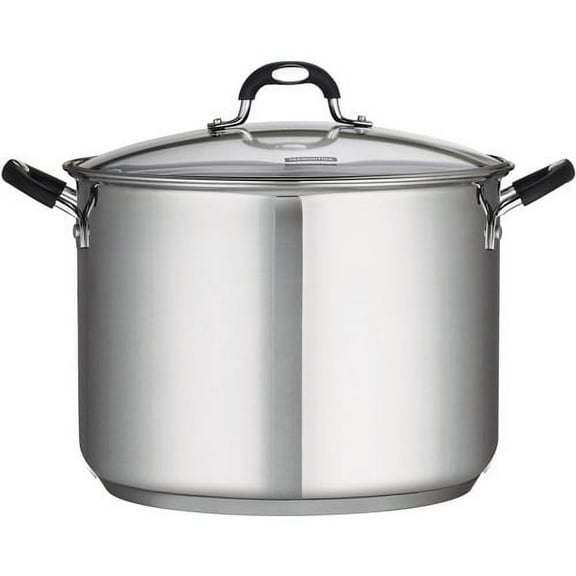
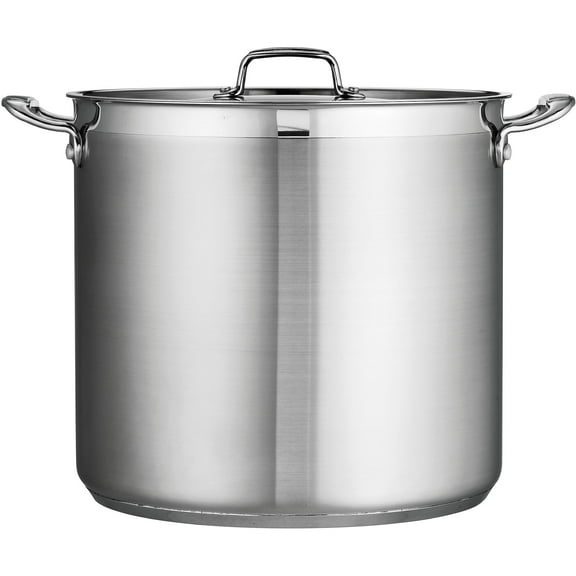
For pasta nights, a wide stockpot with a magnetic base brings water to a boil faster.
A tight-fitting lid helps keep heat steady while you cook long noodles.
For stir-fry, a flat-bottom wok or large sauté pan helps keep full contact with the induction zone.
That contact supports quick recovery when you add cold ingredients.
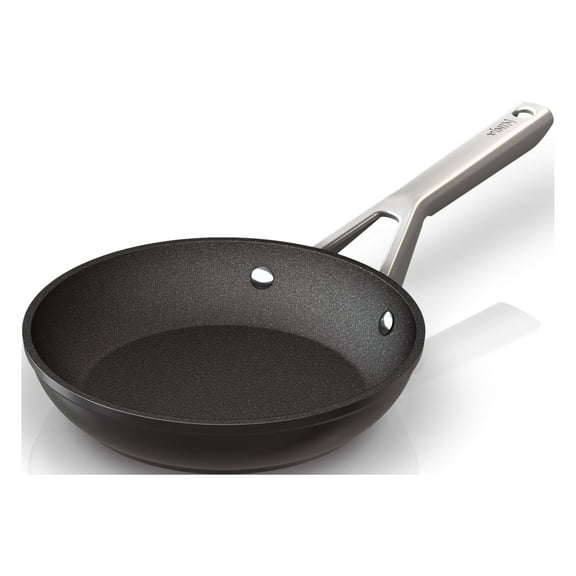
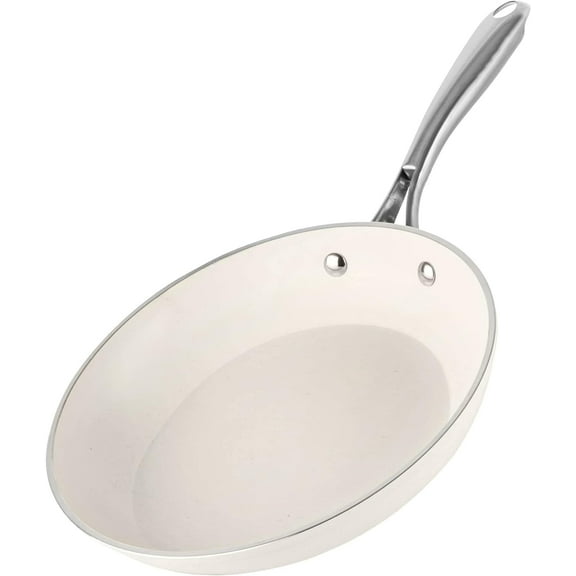
For breakfast, an induction-ready nonstick skillet helps with eggs and pancakes on controlled, lower heat.
Use medium settings more often, since induction can heat quickly and scorch delicate foods.
For batch cooking, a Dutch oven with a magnetic base works well for chili, braises, and soups.
It can also move from cooktop to oven when the recipe needs covered, steady heat.
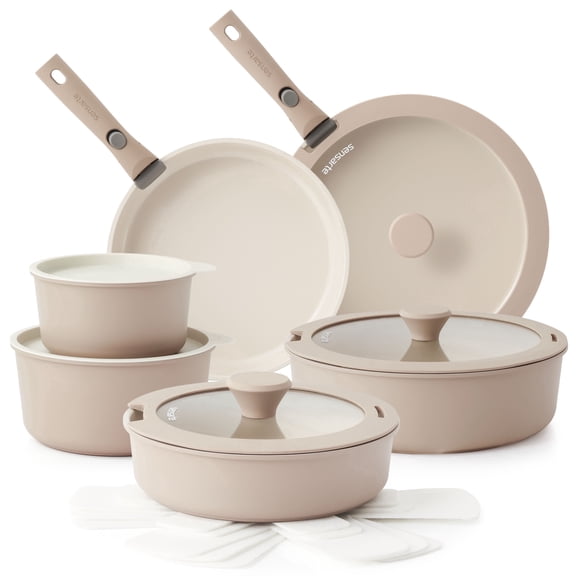
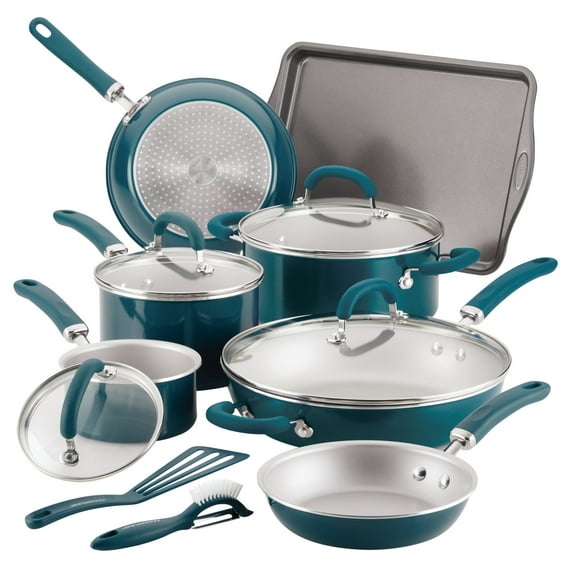
For small apartments, a compact saucepan set supports rice, oatmeal, and reheating without taking much space.
Pair pan size to your hob rings, so the cooktop can sense the pan and deliver consistent power.
Finish meals with cookware that matches induction
Pots and pans for induction stove cooking help you get responsive heat and reliable results across daily recipes.
With magnetic, flat bases and the right pan sizes, you’ll cook with steadier control and easier cleanup.
Popular in Induction Cookware Sets for Kitchen Cooking - Walmart.com
- Best Sellers In Induction Pots And Pans
- Nonstick Pots And Pans Sets Under 50
- Pots And Pans With Removable Handles
- Pots And Pans Removable Handle
- Best Sellers In Non Stick Pots And Pans
- Qvc Pots And Pans Set
- Non-stick Pots And Pans Set
- Pots And Pans Sets Under 50 Non Stick On Clearance
- Stone Pot Set
- Aluminum Cookware Safe
- Large Pots And Pans Set
- Pots And Pans Detachable Handle