






Hydration Vests & Running Vests | In-Store & Online





















About Hydration Vests & Running Vests | In-Store & Online - Walmart.com
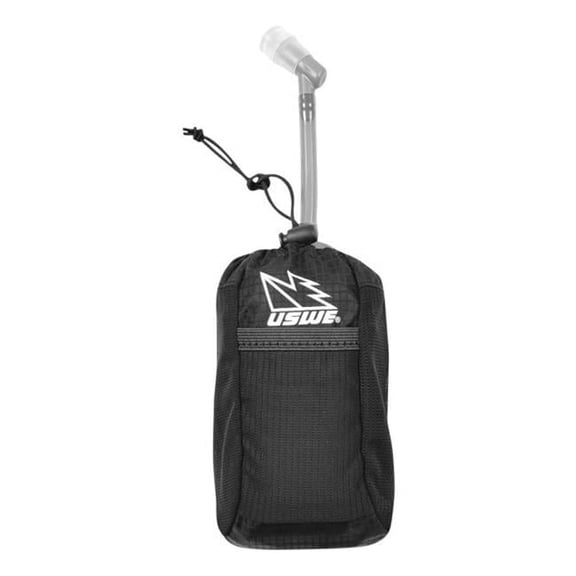
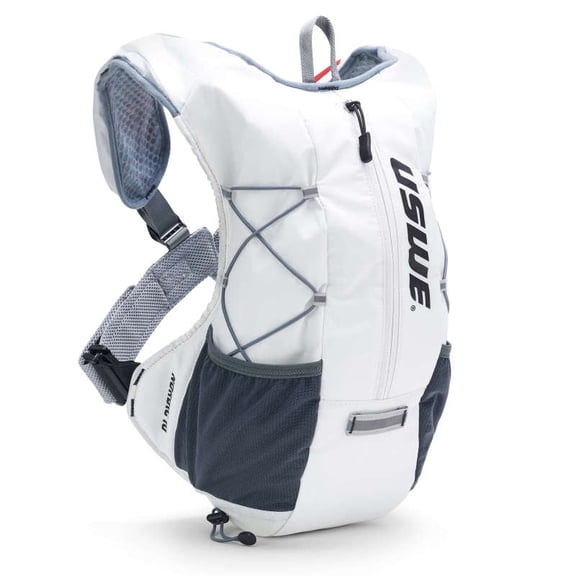
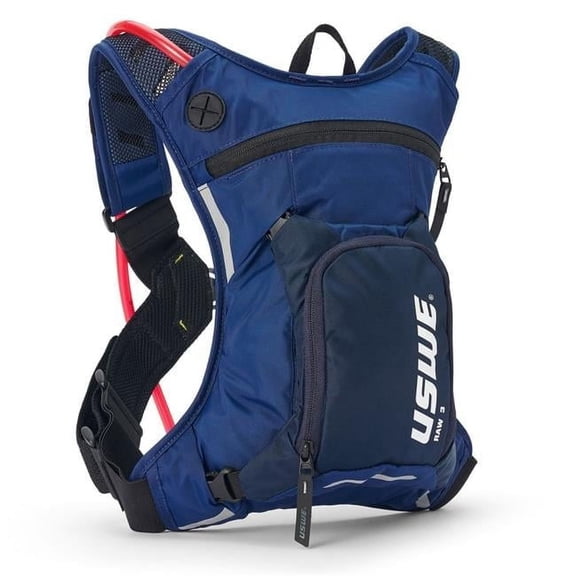
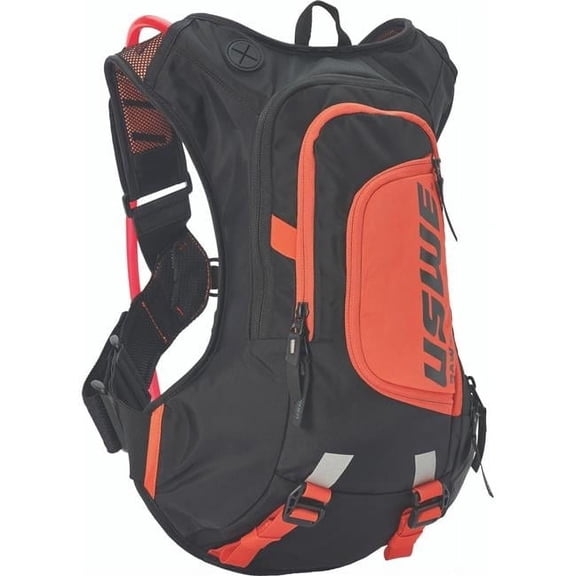
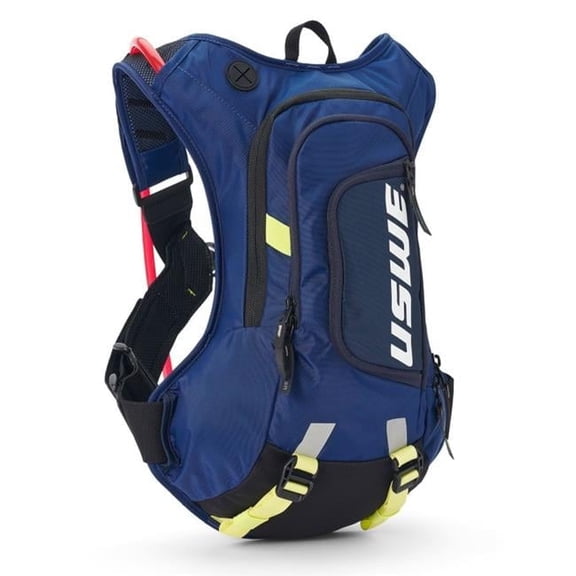
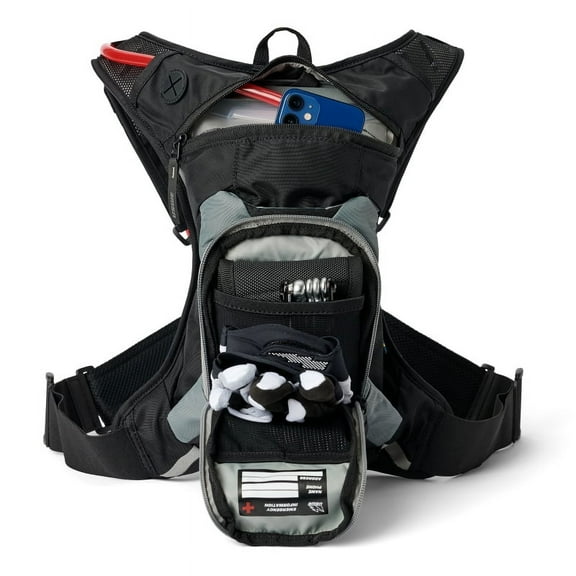
Hydration vests help you carry water, fuel, and essentials with less bounce during runs, hikes, and long training days. You can compare fit, fluid capacity, and storage volume here, so your setup matches your pace and route.
How to choose hydration vests for your activity
When you compare hydration vests, you should start with your activity type and expected distance. You may want a lighter setup for road miles and a more organized carry system for trail routes.
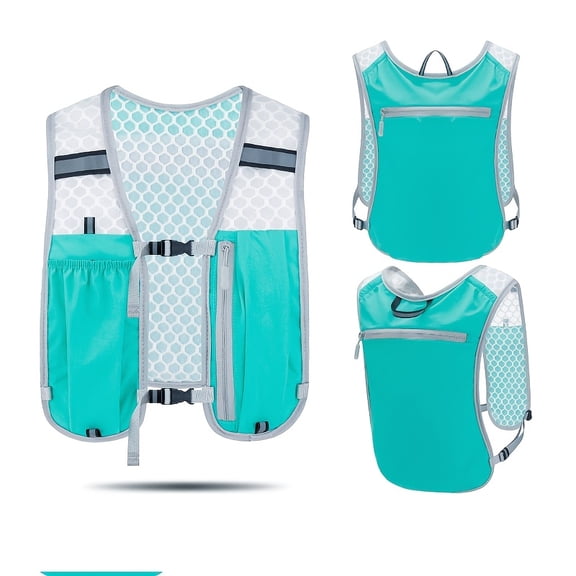
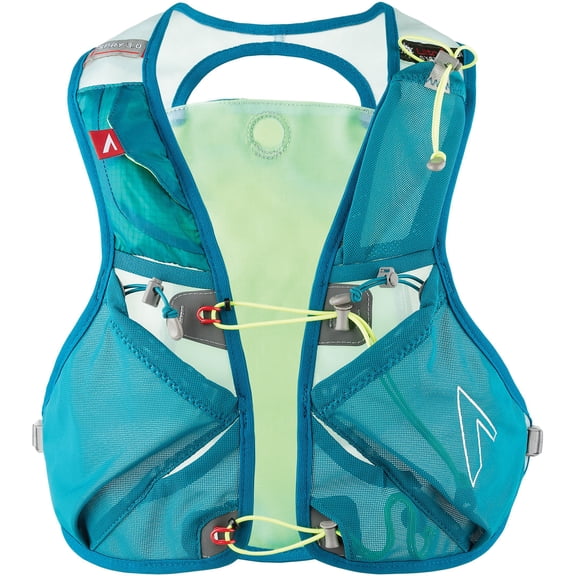
For road running, you may prefer a running hydration vest with front pockets and a close fit. You can grab soft flasks, gels, or your phone quickly without breaking stride.
On trails, you may want extra storage for layers, snacks, and navigation tools. A trail running hydration vest often supports longer outings where you need more water and more secure pocket layouts.
For hiking, you may look for broader storage options and room for daily essentials. You can carry maps, keys, and light layers while keeping your hands free on uneven paths.
- You can keep water close for quick sips during road runs, trail miles, and hikes.
- You can reduce bounce with adjustable straps and a body-hugging vest design.
- You can organize flasks, snacks, phones, and keys in easy-reach pockets.
- You can choose lighter minimalist styles or roomier options for longer routes.
Choosing the right running hydration vest fit
Fit should guide your decision, because your vest needs to stay stable as you move. You should measure your chest circumference and compare it with the size chart before choosing.
Adjustable sternum straps matter because you can fine-tune the fit across your chest. You can tighten or loosen the vest as layers change or fluid weight shifts.
You may also compare unisex, men's, and women's specific shapes when you shop. You can often get a more natural feel when the cut matches your frame and preferred layering.
A close fit supports comfort on longer sessions because you want less movement against your shirt. You should look for soft edge finishes and balanced strap placement for smoother wear.
If you train for races, a marathon hydration vest should stay snug without feeling restrictive. You can move through aid stations or long practice runs with faster access to hydration and fuel.
Comparing fluid capacity in a hydration pack vest
Fluid storage changes how you drink, how much you carry, and how often you refill. You should choose capacity based on route length, refill access, and your preferred drinking style.
If you like quick front access, you may prefer 500ml soft flasks in a running vest with water bottle storage. You can monitor intake easily and refill fast during breaks or aid stops.
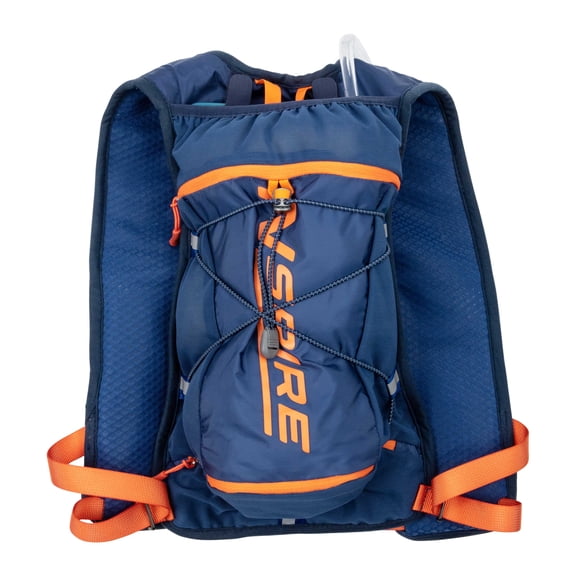
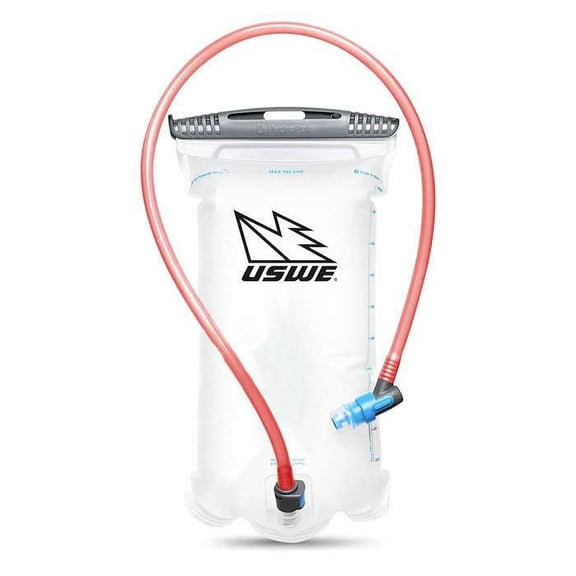
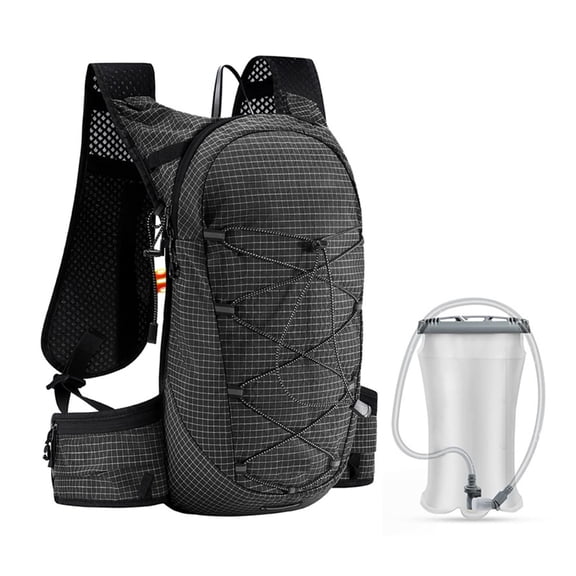
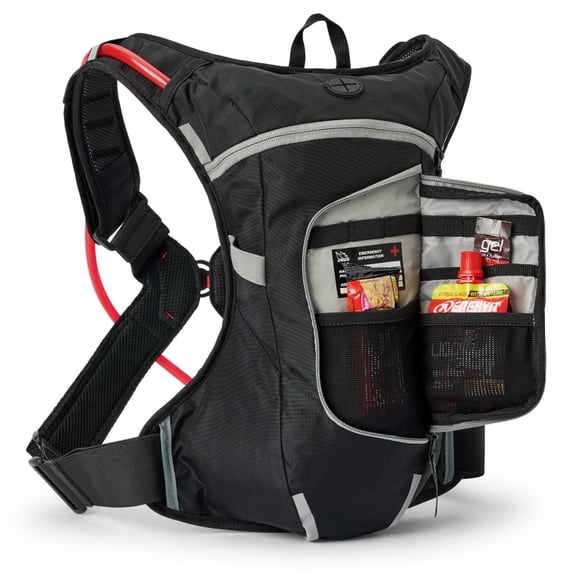
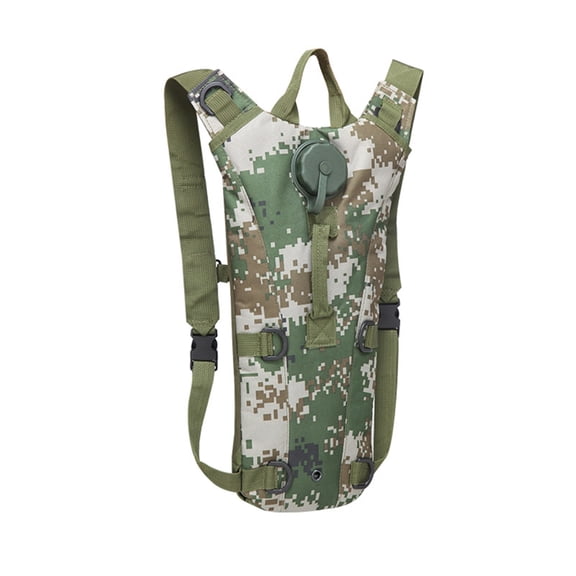
If you want more total capacity, you may prefer a hydration pack vest with a back reservoir. You can carry 1.5L or 2L while keeping your hands free and your front pockets open.
Front-facing flasks often feel simple for shorter runs where you want quick visibility. A back bladder can suit longer efforts when you need steady sipping and fewer refills.
You should also think about cleaning and refilling when comparing fluid systems. You can remove flasks quickly, while a reservoir may suit routes where larger volume matters more.
Balancing storage volume and lightweight feel
Storage volume affects how much gear you can carry without changing your stride. You should match pocket space to the items you actually bring on each outing.
Minimalist options work well when you carry only water, keys, and a phone. You can keep the vest light and streamlined for shorter runs or faster training days.
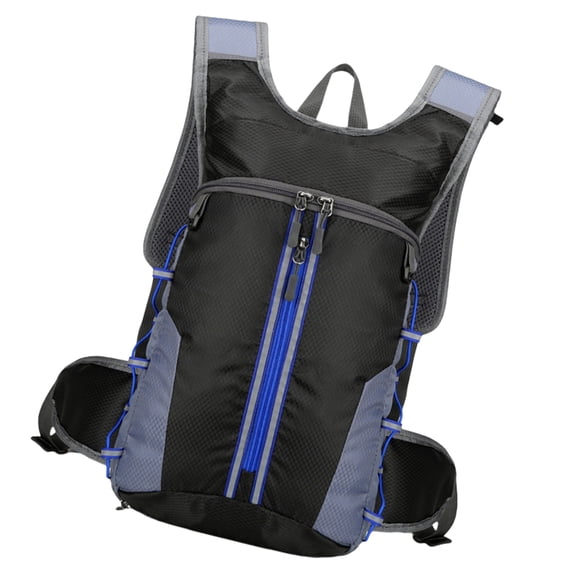
If you need a little more room, you may choose a hydration backpack vest with 2L to 5L storage. You can pack nutrition, a compact layer, and small accessories without adding bulk everywhere.
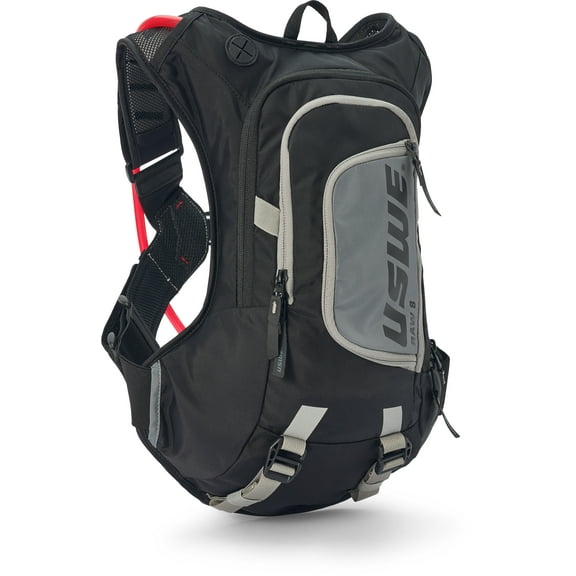
For longer trail days or hike-heavy plans, you may want 6L to 10L capacity. You can carry extra layers, more fuel, and route essentials while keeping weight spread across your torso.
Pocket layout matters as much as total volume when you compare options. You should look for front storage for quick-grab items and rear storage for gear you won't need often.
Matching hydration vests to real training scenarios
If you run before work, you may want a water vest for running with a low-profile shape. You can head out with water, your phone, and a few gels without carrying a full backpack.
For marathon training, you may prefer front flask storage and easy nutrition access. You can practice your race-day routine and keep your pacing more consistent during long runs.
If you split time between pavement and dirt, you may want a trail running hydration vest with adaptable storage. You can carry a light shell on exposed sections and still reach water quickly.
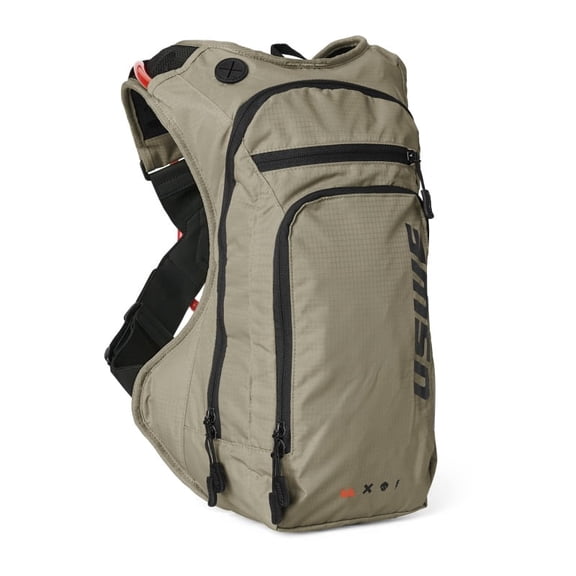
On longer hikes, you may want a hydration backpack vest with larger capacity and organized compartments. You can keep snacks, a map, and extra layers separated from your fluid system.
If you travel to races or group runs, you may appreciate adjustable sizing options. You can layer over lighter or heavier tops and keep a steady fit across changing weather.
When you compare these setups, you should focus on movement, refill style, and carrying needs. You can narrow your choice faster when your vest matches your route, distance, and gear list.
With hydration vests, you can choose a setup that supports smoother miles, steadier access to water, and organized storage. You can head into training, race prep, or trail outings with a fit that stays comfortable and practical.