



Ear Enhancement Device & Sound Amplifiers | Walmart





































About Ear Enhancement Device & Sound Amplifiers | Walmart - Walmart.com
You can compare hearing amplifiers by fit, power, sound control, and adjustment options that match your daily routine. You’ll also find styles that support conversation, television listening, and clear environmental sound in common settings.
How to choose hearing amplifiers
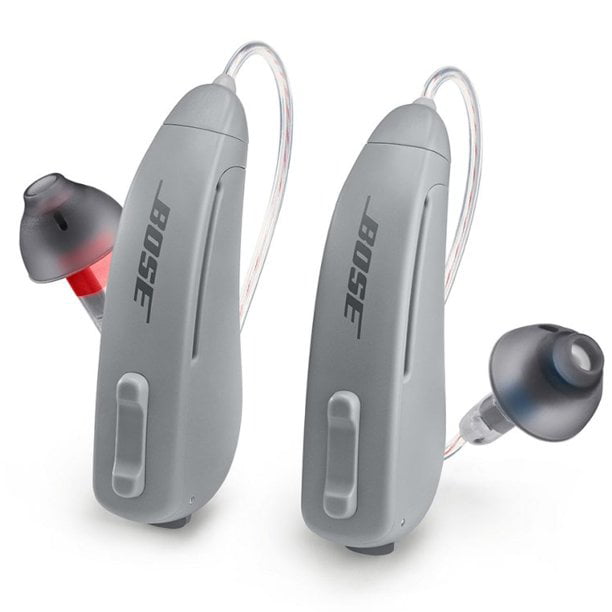
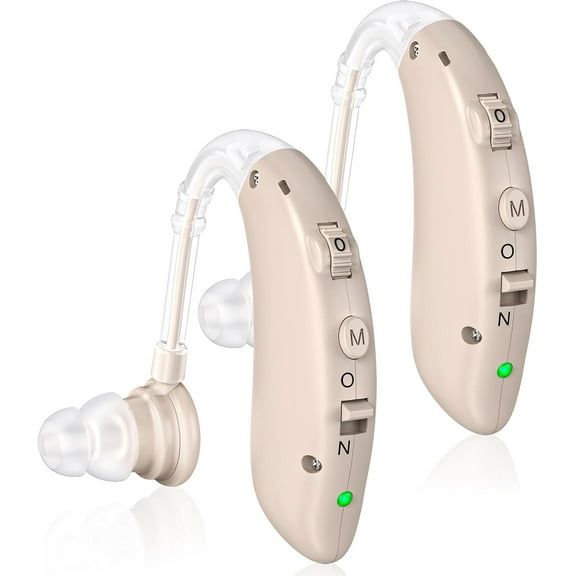
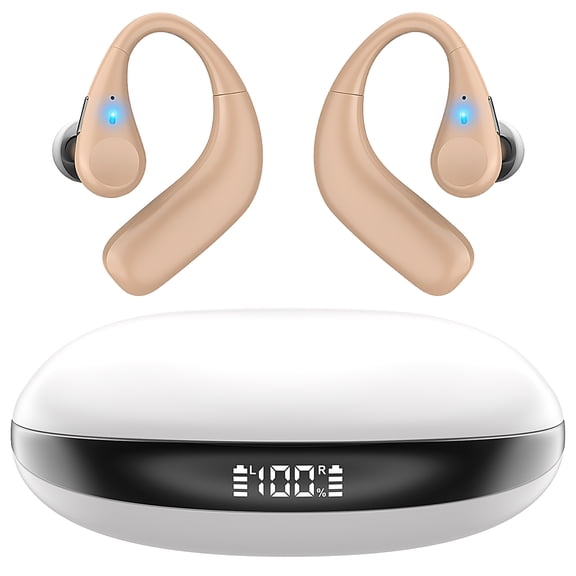
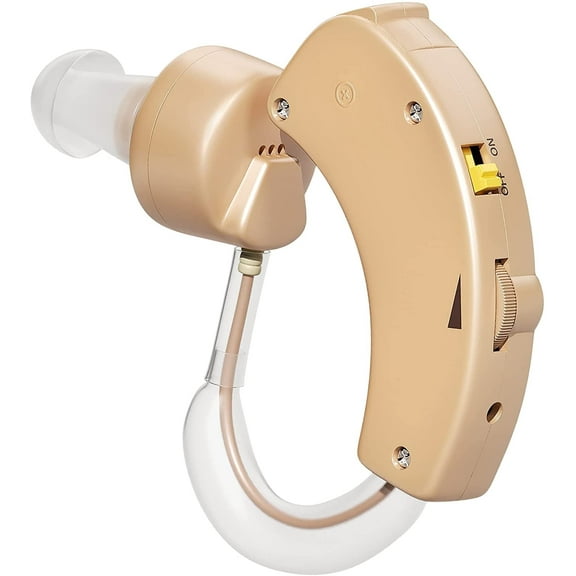
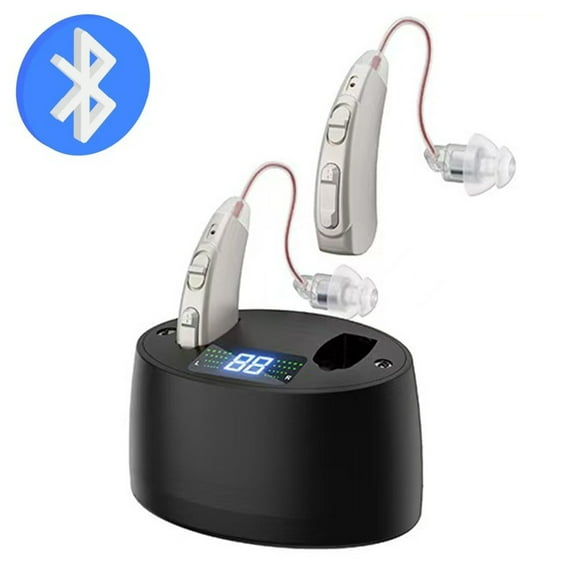
When you review hearing amplifiers, you should start with placement style because comfort affects how often you’ll want to wear them. You’ll usually choose between behind-the-ear, in-the-ear, and in-the-canal designs.
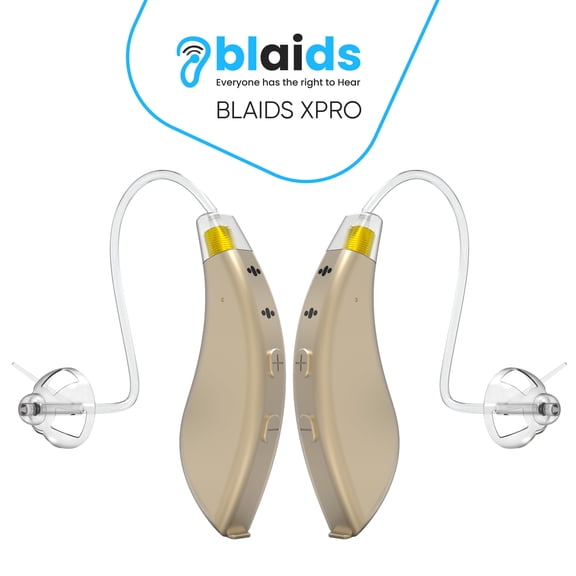
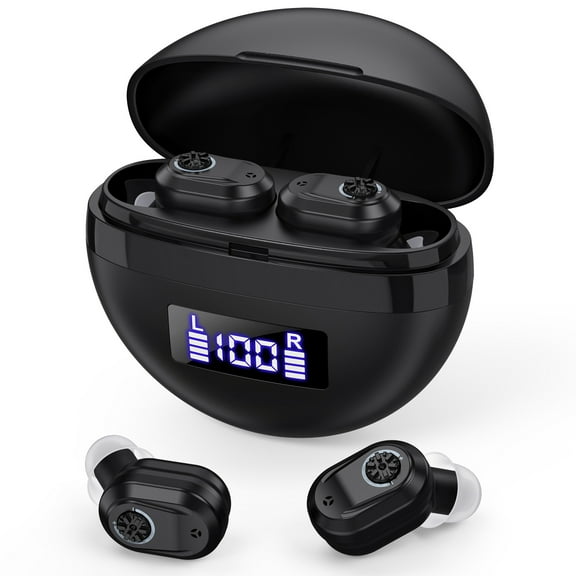
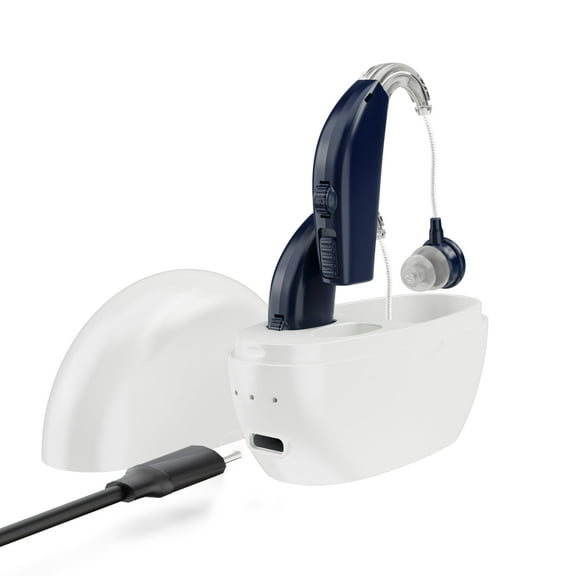
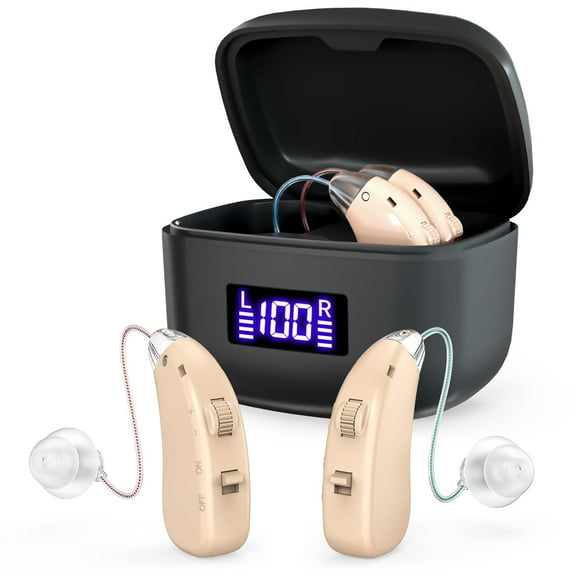
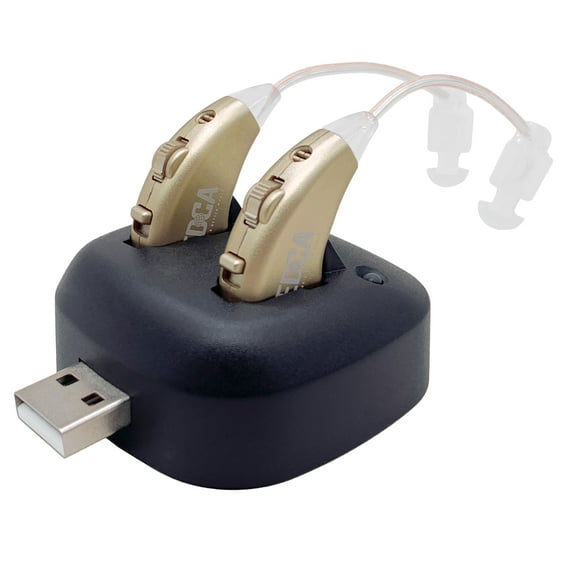
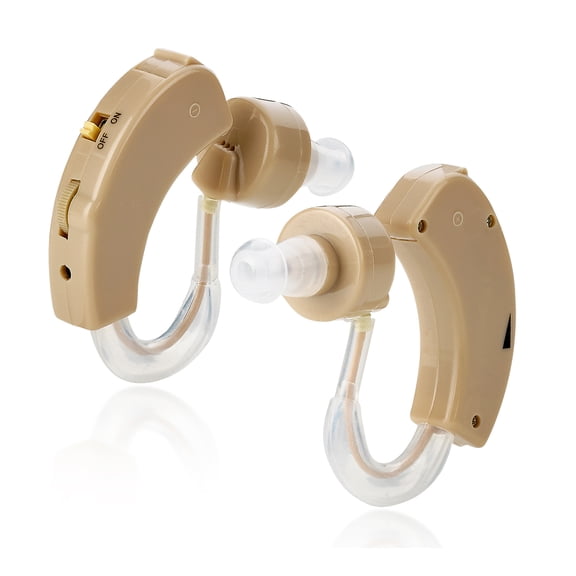
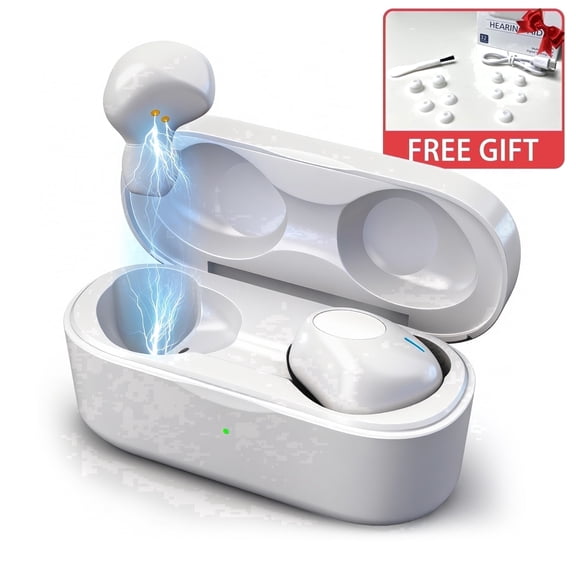
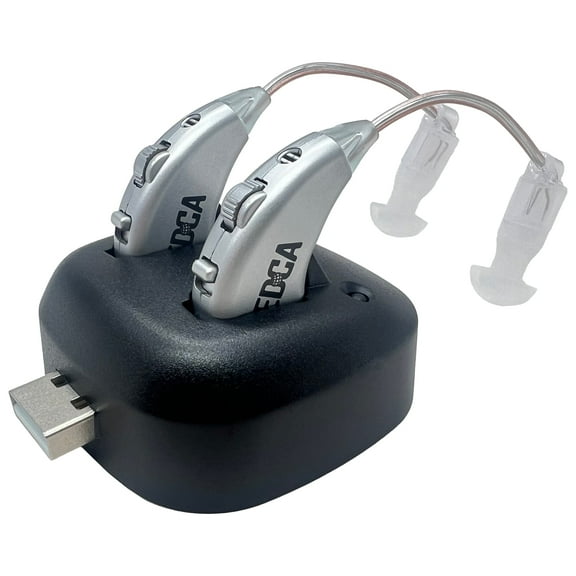
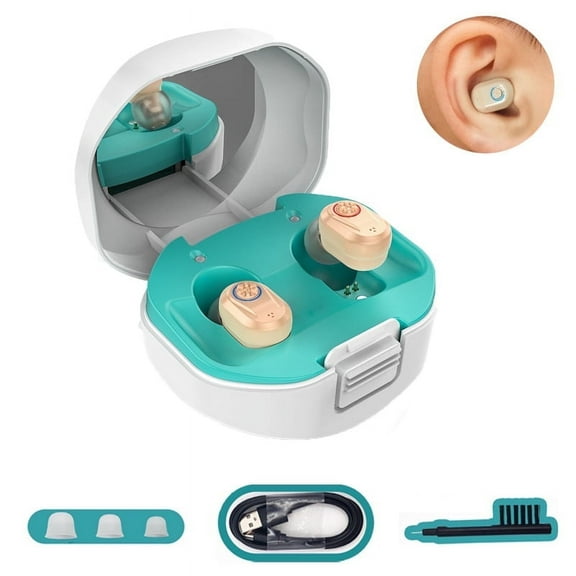
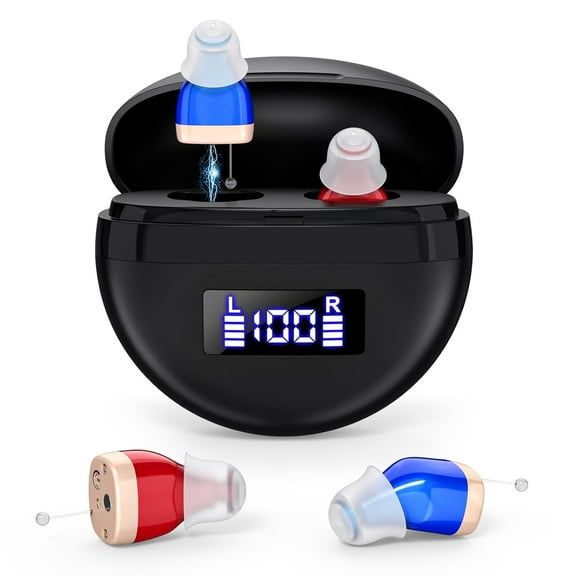
Behind the ear hearing amplifiers place the main housing above your ear, so you may find them easy to handle. In-ear and in-the-canal styles give you a discreet profile when you want less visible wear.
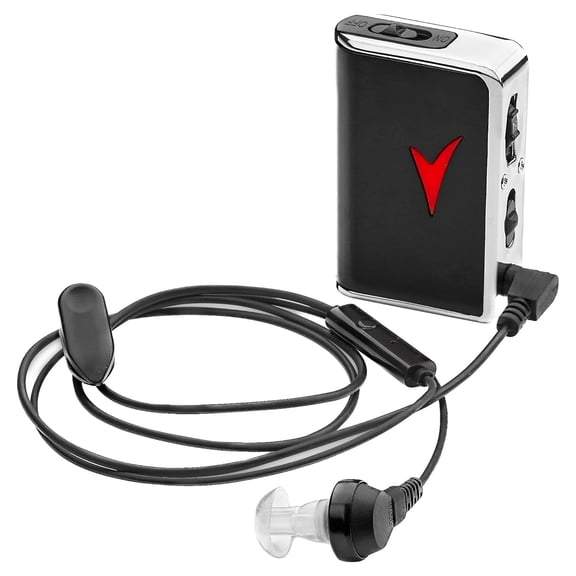
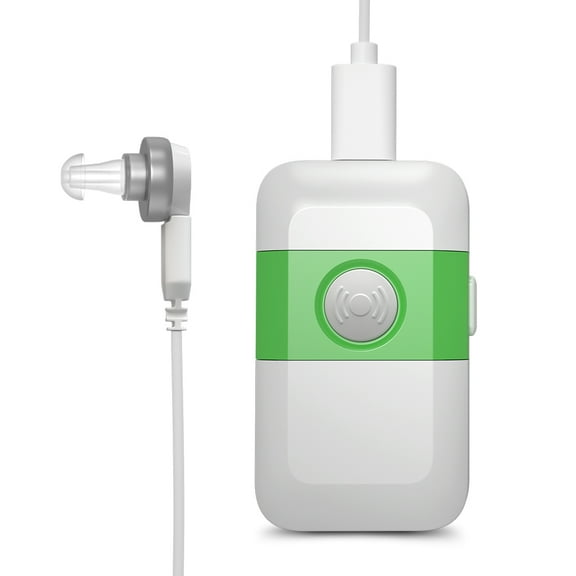
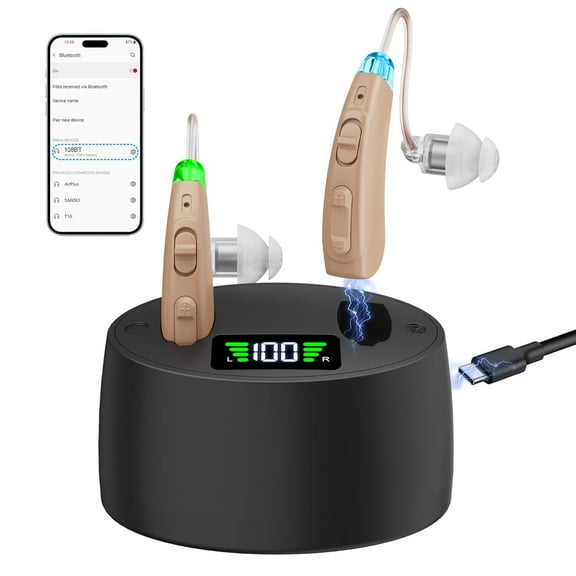
You should also compare control type before you narrow your options. You may prefer a manual dial, push button, or app-controlled setup depending on how often you adjust volume.
Benefits that matter in everyday use
You’ll notice that the right style can make daily listening feel simpler during meals, calls, and television time. Your choice can also affect comfort during longer wear and how easily you manage the device.
- You can choose a placement style that feels secure during errands, desk work, or relaxed time at home.
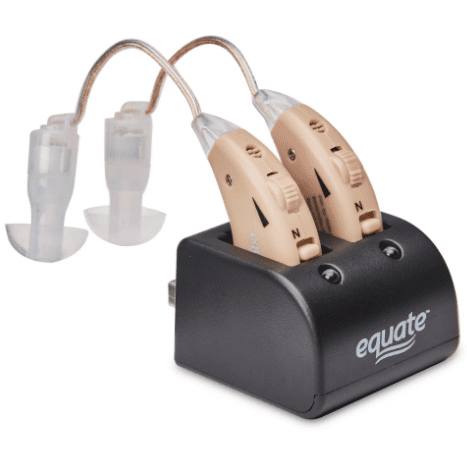
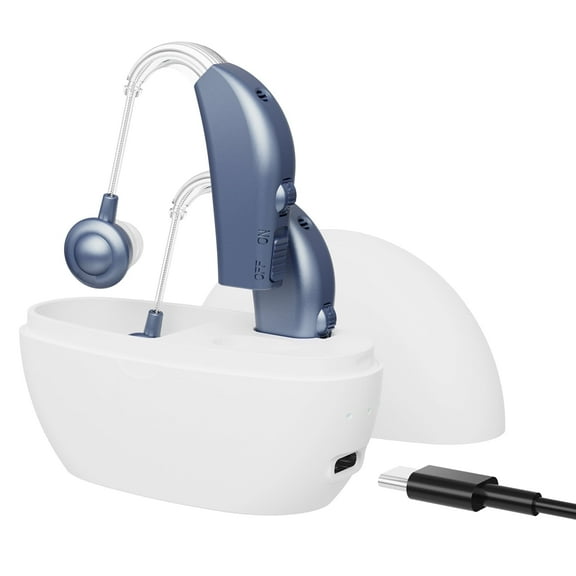
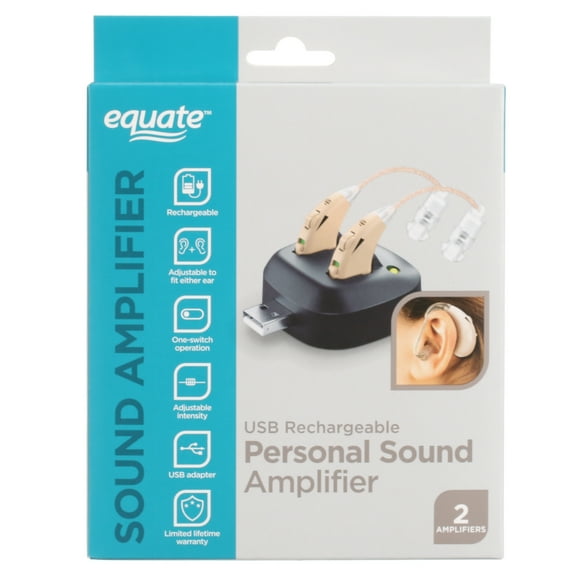
- You can pick rechargeable hearing amplifiers when you want a cable-based charging routine instead of frequent battery changes.
- You can compare digital hearing assistance devices with noise reduction features for steady sound in busy spaces.
- You can select controls that match your comfort level, from simple buttons to app-based adjustments.
If you wear glasses, you may compare behind-the-ear shapes with slimmer arms and lighter housings. If you want a subtle look, you may focus on in-ear or in-the-canal options.
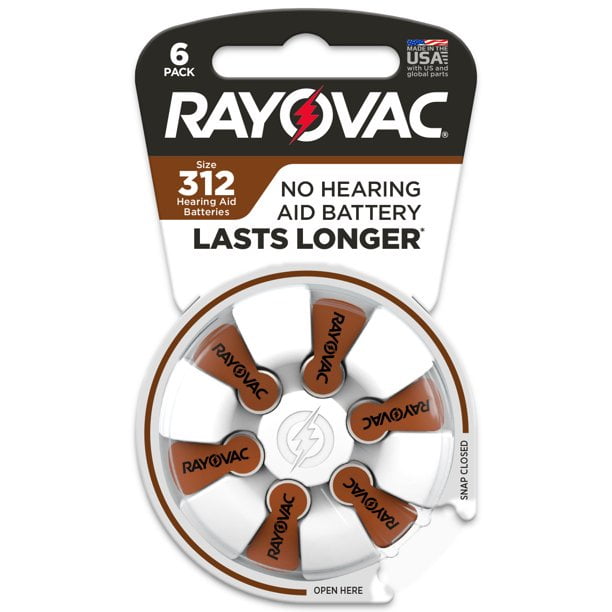
Your routine also guides battery choices in a practical way. You may like rechargeable models for overnight charging, or you may prefer zinc-air battery designs for quick battery swaps.
Choosing personal sound amplification devices by features
You should compare placement style first because fit changes comfort, visibility, and handling. Behind-the-ear models often give you larger controls, while smaller in-ear styles can feel less noticeable.
Power source is your next decision point. Rechargeable hearing amplifiers can fit a regular charging habit, while zinc-air battery models may suit you if you want replaceable power on hand.
Sound technology matters when you’re comparing clarity in changing environments. You should look for digital noise reduction if you want less competing background sound during conversation.
Multi-channel feedback cancellation is another decision-critical feature you should compare. You may notice it helps limit the high-pitched whistling that can happen during close contact or movement.
If you’re comparing analog and digital setups, you should think about adjustment style and listening preference. Digital hearing assistance devices often give you finer control across different sound environments.
Control type affects day-to-day convenience in a direct way. You may prefer push buttons for quick taps, manual dials for tactile changes, or app control for on-screen adjustments.
Using hearing amplifiers in real situations
You may want sound amplifiers for hearing during conversations at home, where speech clarity is key compared to broad room noise. In that case, you might compare digital settings, comfortable tips, and simple volume access.
For television listening, you may want a model that lets you fine-tune volume without constant readjustment. You should check whether the controls feel easy to use from your usual seat.
If you spend time in stores, restaurants, or family gatherings, you may want digital noise reduction and multi-channel feedback control. Those features can help you compare options for stable sound in active spaces.
You may also choose by handling needs rather than style alone. Behind the ear hearing amplifiers can suit you if you want larger pieces to position, remove, and adjust.
If discretion is your main priority, you may compare in-the-ear and in-the-canal designs with lower-profile placement. You should still measure comfort, control access, and battery routine before deciding.
When you travel or keep a packed schedule, you may focus on charging habits and carrying needs. Rechargeable hearing amplifiers can simplify your nightly setup, while replaceable batteries can fit backup planning.
What to look for before you decide
You should check fit details, charging method, sound technology, and control type together instead of choosing by appearance alone. That approach helps you match the device to your hearing preferences and daily routine.
With hearing amplifiers, you’ll feel confident when your choice reflects how you wear them, power them, and adjust them each day. You can narrow the field quickly and choose a model that feels easy to use consistently.