




Hanging Planters in Outdoor Planters





































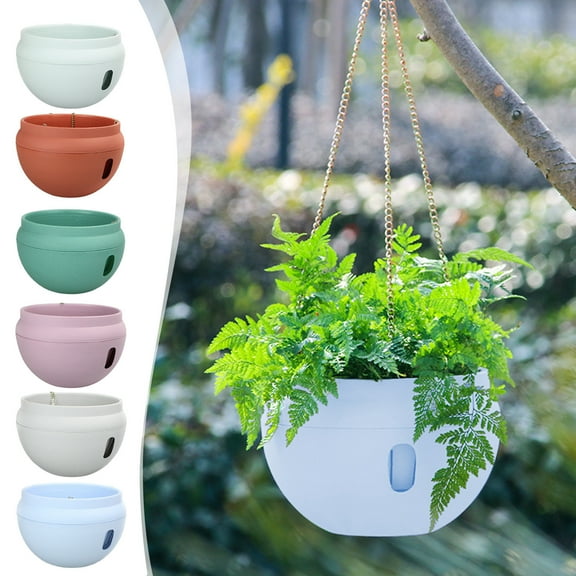


About Hanging Planters in Outdoor Planters - Walmart.com
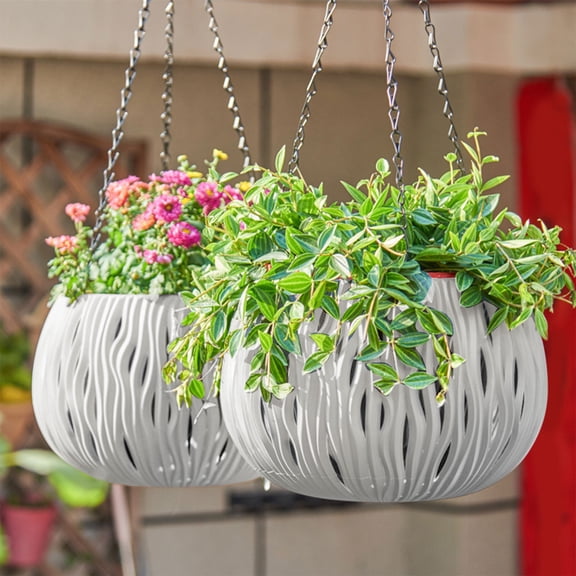
Hanging planters add vertical color, free up floor space, and help you style porches, patios, balconies, and sunrooms with a cleaner look. This category includes options built for outdoor exposure, compact corners, and layered plant displays. You can compare basket shapes, chain lengths, and planter materials in one place. That makes it easier to match trailing ivy, blooming annuals, or compact herbs to your space.
Why hanging planters work so well
Raised placement creates visual depth fast. It also opens more room on decks, steps, and tabletops where standard pots can feel crowded. Hanging pots for plants help draw the eye upward. That makes railings, pergolas, and covered porches feel fuller without taking over walking areas.
Many styles also make plant grouping easier. You can mix cascading foliage with upright blooms and create a layered garden effect. Small hanging planters outdoor fit narrow apartment balconies well. Larger baskets suit front porches and backyard seating zones.
- Lift greenery off the ground for a tidier patio layout.
- Display trailing plants, ferns, and flowers at eye level.
- Use compact hanging pots in balconies, entryways, and small corners.
- Pair several basket sizes to build dimension across outdoor spaces.
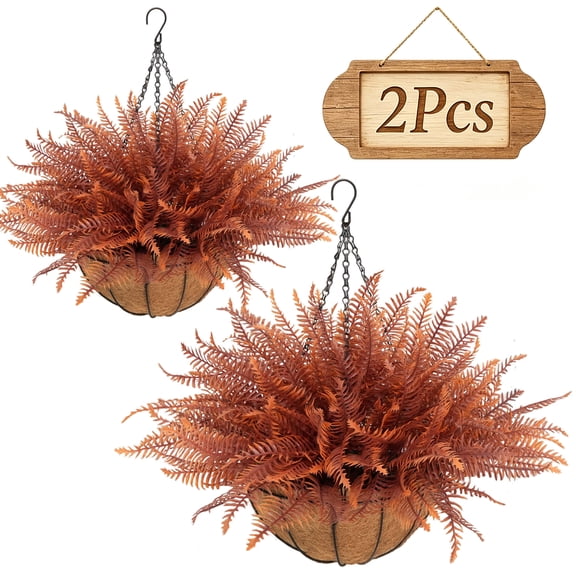
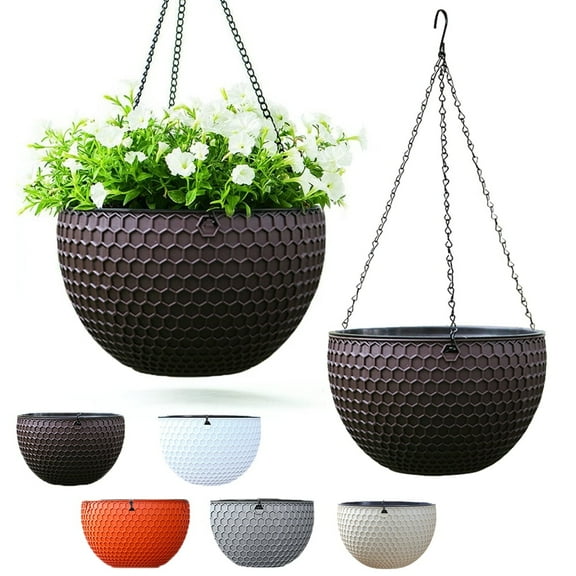
Shape matters here more than in many planter categories. Coco-lined baskets create an airy look, while solid resin and plastic styles hold moisture differently. Hook styles, chain finishes, and basket depth also affect how each planter fits your setup.
Outdoor hanging planters and material details
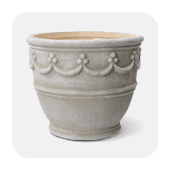
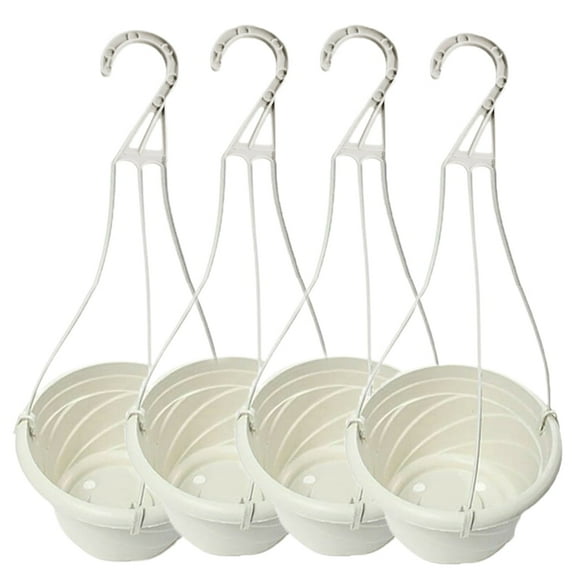
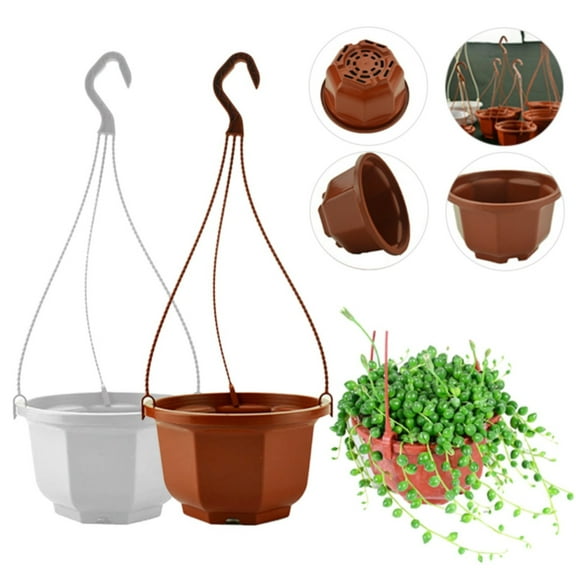
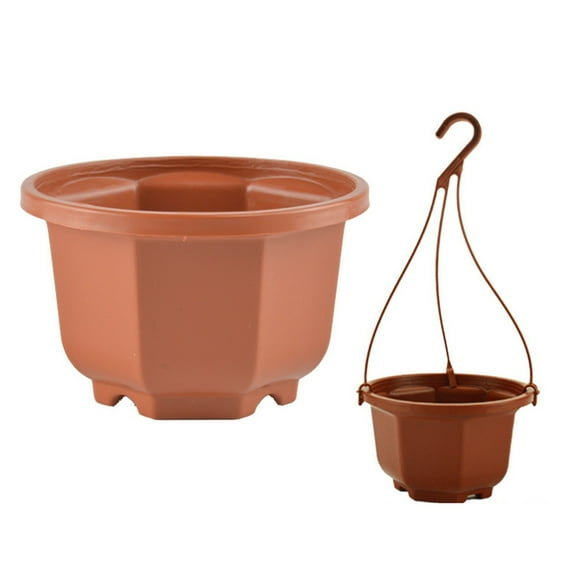
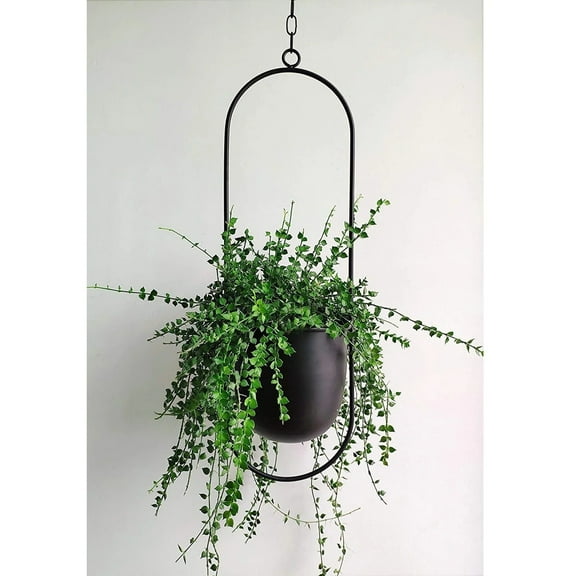
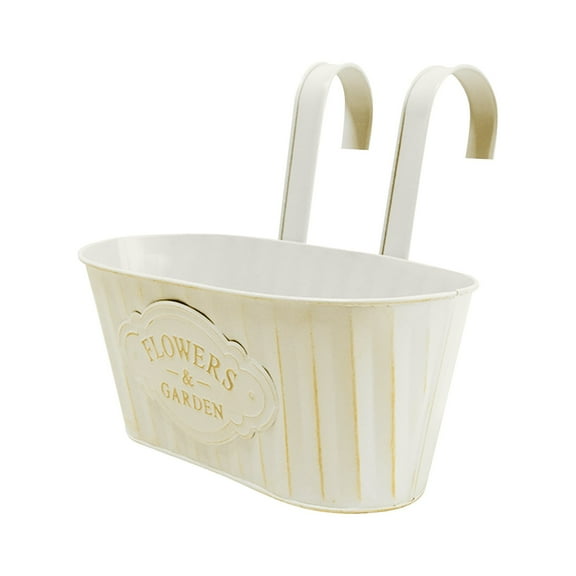
Material is one of the biggest buying factors for hanging planters outdoor. Plastic hanging planters are lightweight and easy to move between hooks, beams, and shepherdu's poles. Resin styles often mimic stone or ceramic looks with less overall weight. Metal baskets bring an open framework that works well with liners and flowering arrangements.
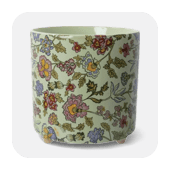
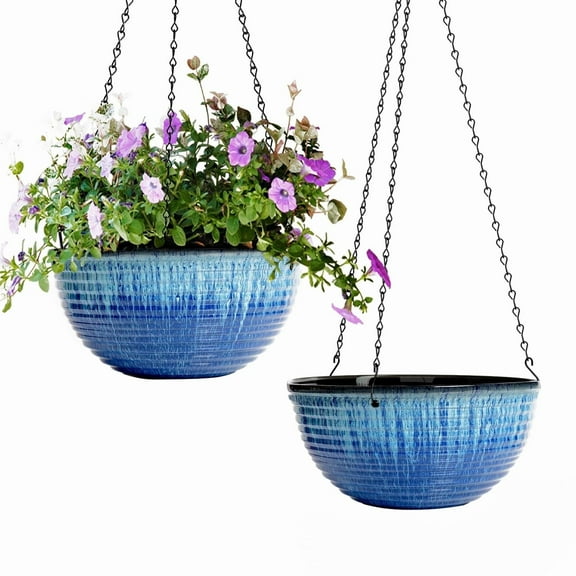
Ceramic and glazed hanging flower pots bring color and texture to covered spaces. They often look striking on porches or near entry doors. Weight is worth checking before hanging. A fuller planter plus wet soil can change how substantial it feels.
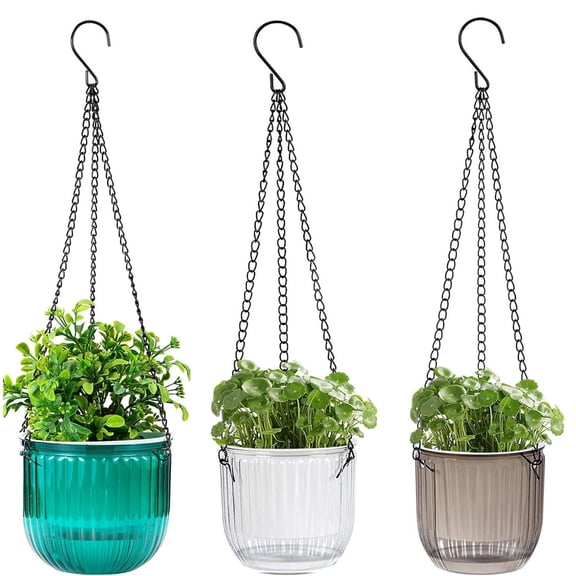
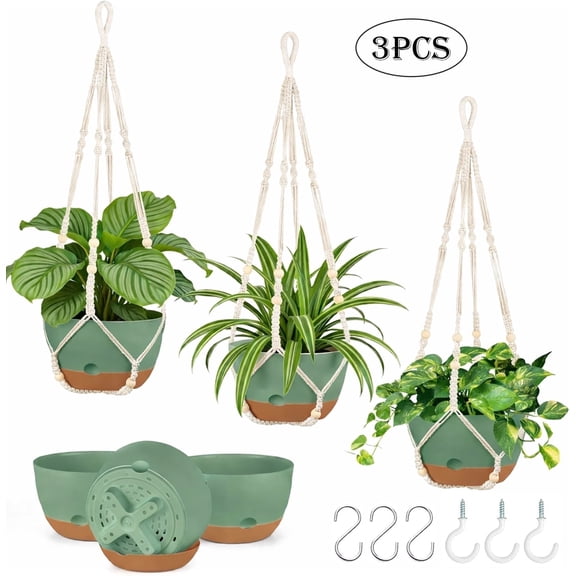
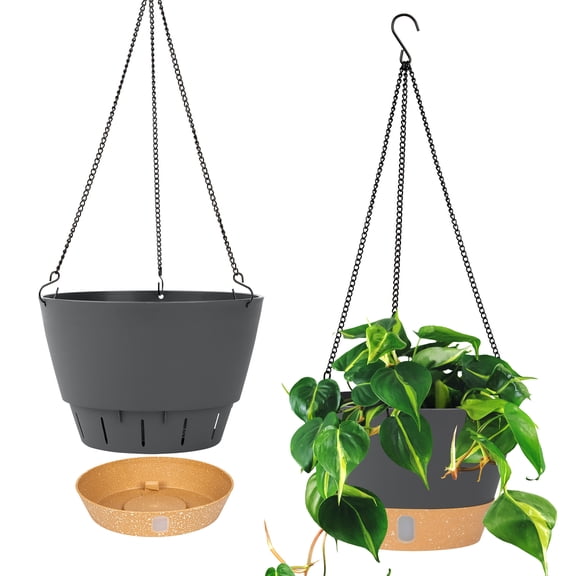
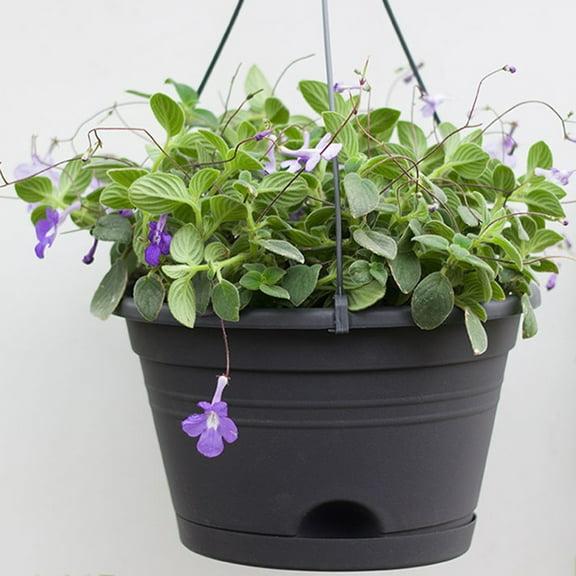
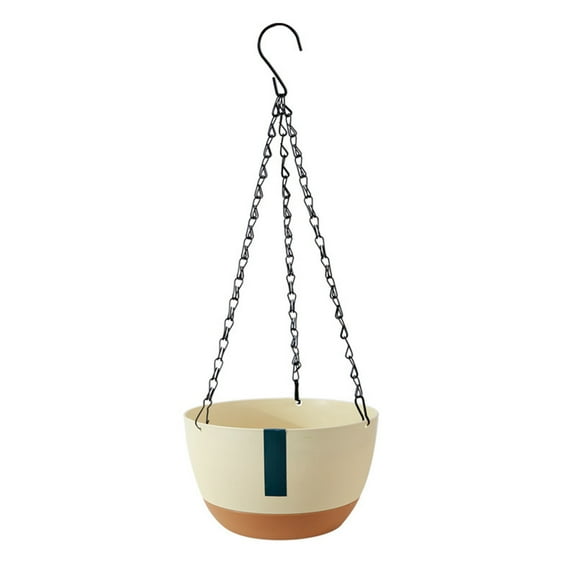
Drainage is another key feature. Some hanging plant pots include built-in drain holes and attached saucers. Others use removable plugs, which help you adapt the planter to indoor or outdoor use. For outdoor placement, drainage supports cleaner watering and helps reduce pooled water after rain.
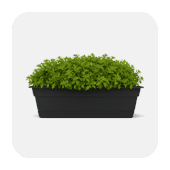
Size also guides plant success and visual balance. Deeper baskets support fuller root systems for petunias, calibrachoa, and trailing vines. Smaller containers suit herbs, succulents, or starter plants. Chain length affects hanging height, which changes both appearance and accessibility.
Hanging flower pots for different spaces
Porches often need a balanced look from the curb. Hanging flower pots outdoor can frame a front door, soften porch posts, or add color above seating. Matching pairs create symmetry. Mixed finishes create a relaxed garden style.
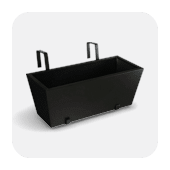
Balconies need smart scale. Small hanging planters outdoor fit compact spaces where every inch matters. Lightweight planters are easier to reposition as sunlight shifts during the day. Narrow profiles also help keep sightlines open.
Covered patios can handle decorative textures and richer finishes. Glazed surfaces, woven-look baskets, and metal chains stand out in these settings. If you rotate plants seasonally, plastic hanging planters make those swaps simpler. They are easier to lift, hang, and store between uses.
Indoor sunrooms and bright windows also benefit from suspended planters. Hanging plant pots can hold pothos, string-of-pearls, spider plants, or compact ferns. Elevated placement keeps surfaces clear and gives trailing stems room to drape naturally.
How to choose the right hanging planters
Start with where the planter will hang. Outdoor spots exposed to sun and rain often call for durable materials and reliable drainage. Covered areas give you more flexibility with finish and texture. Indoor spaces may need saucers or drainage plugs.
Next, consider plant habit. Trailing varieties need width and edge space to spill over gracefully. Upright flowers need depth and room for roots. Herbs and small foliage plants often do well in more compact containers.
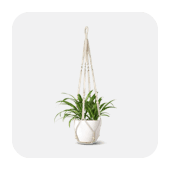
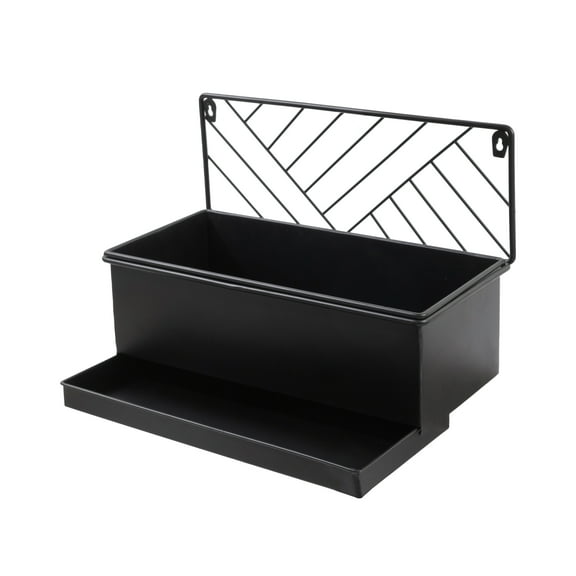
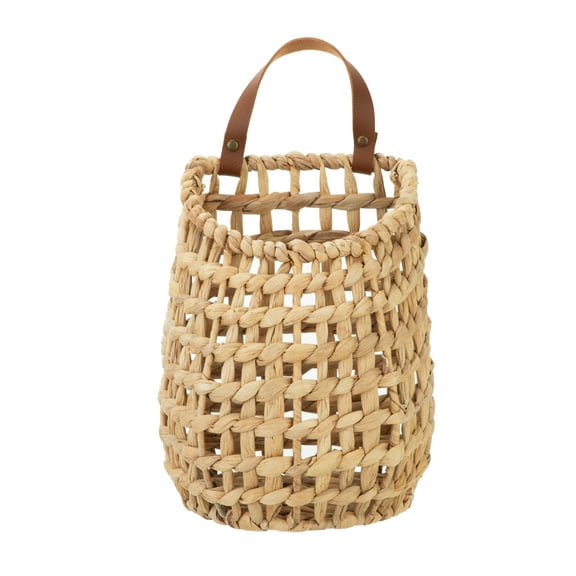
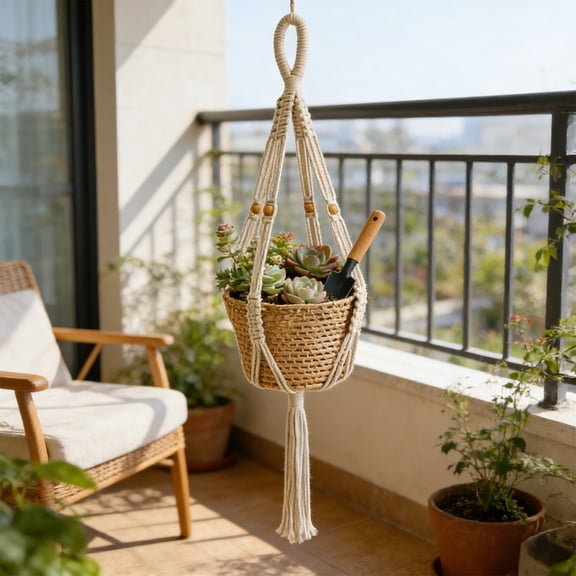
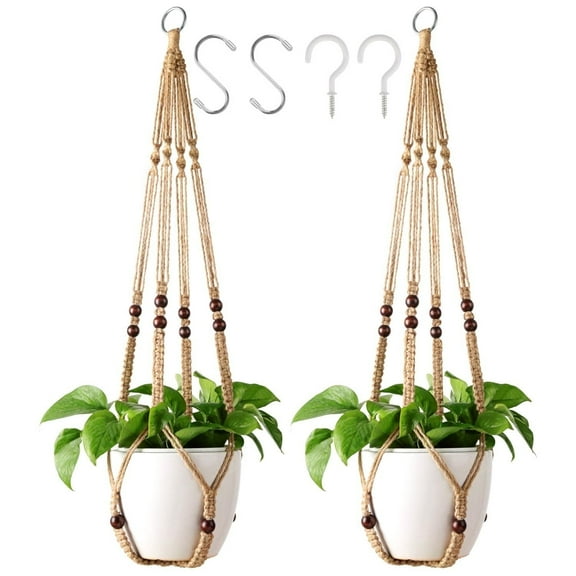
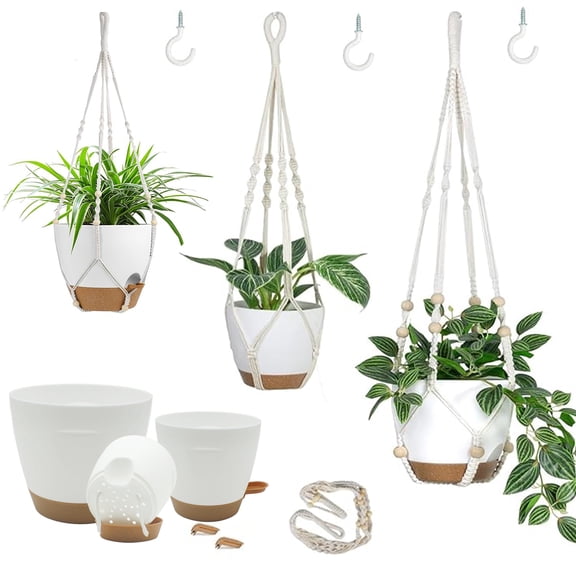
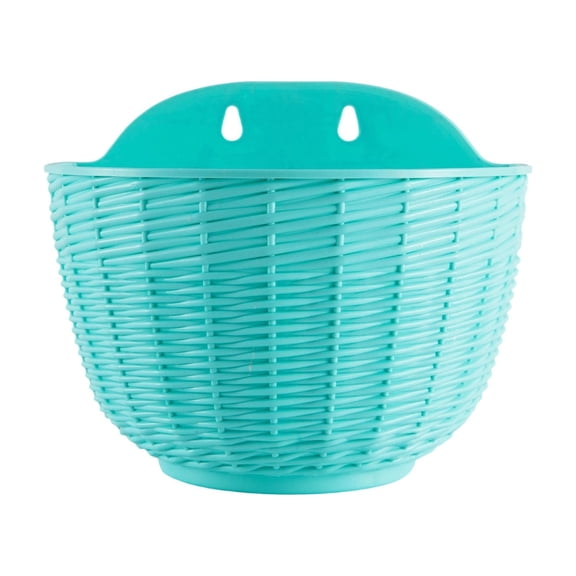
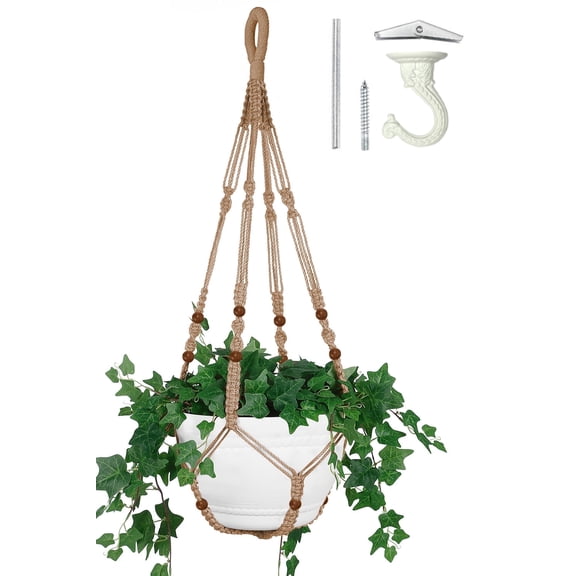
Look closely at hanger style too. Three-point chains distribute weight evenly and suit classic basket shapes. Macrame holders create a softer look around simple pots. Wall-mounted hanging pots work well when ceiling hooks arenu't part of your setup.
When those details line up, hanging planters feel easier to live with every day. The right size, material, and drainage setup help plants look fuller and keep your porch or patio organized.