




Golf Rangefinders in Golf Tech




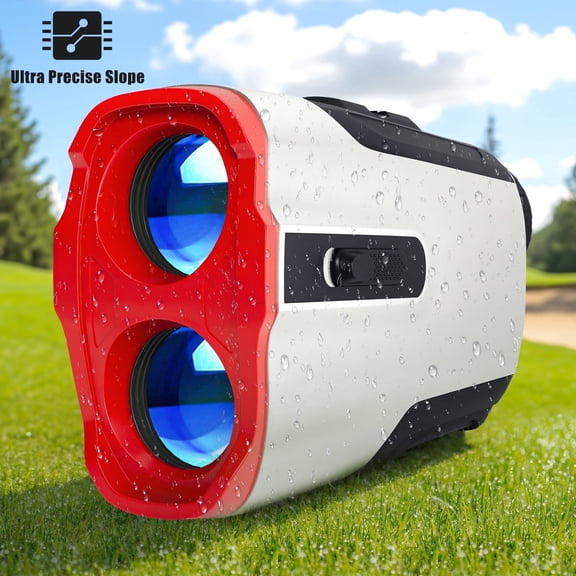
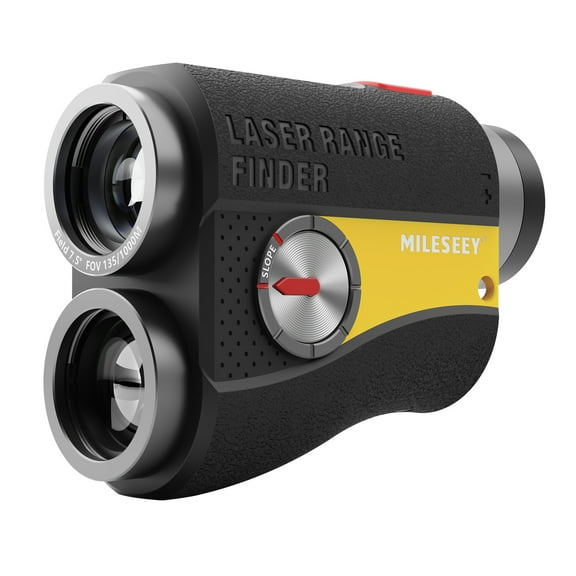
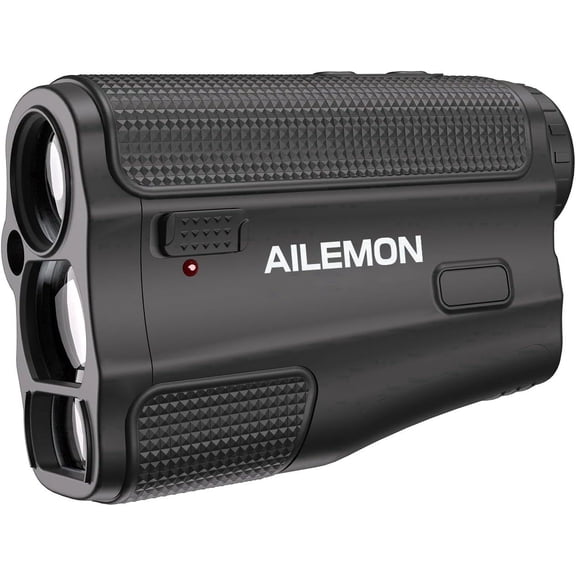
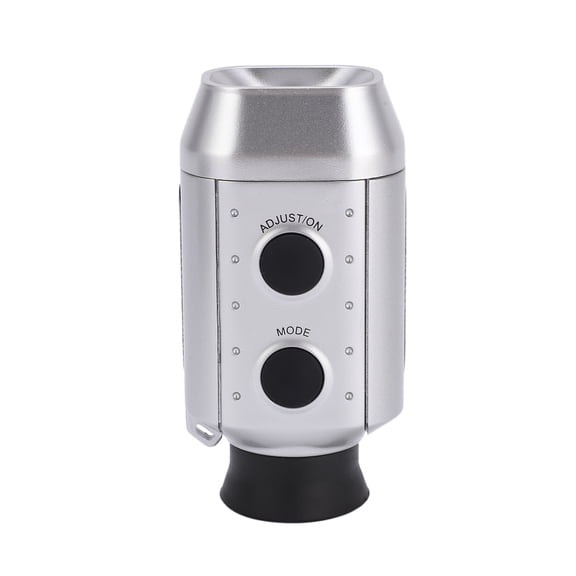




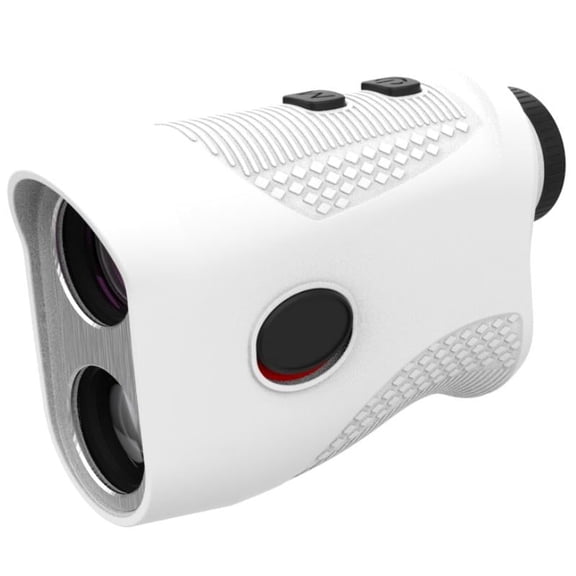


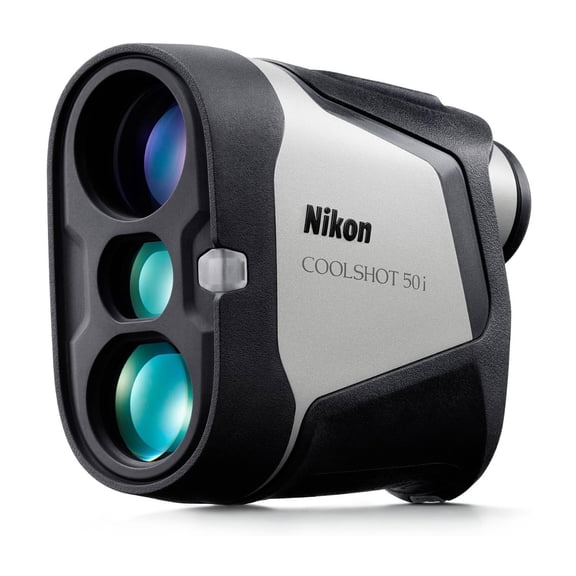
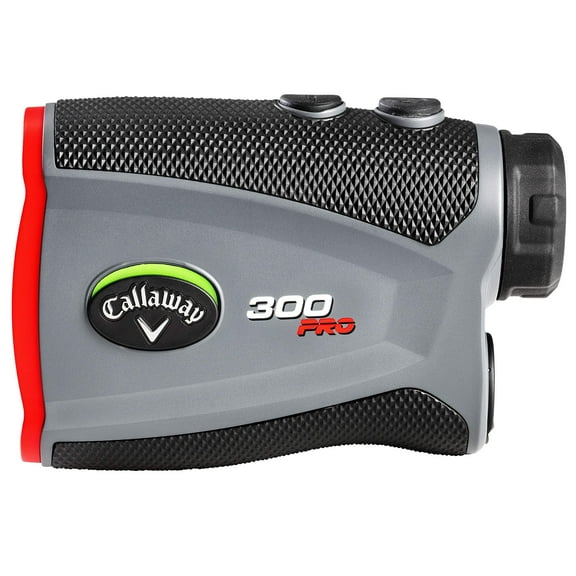

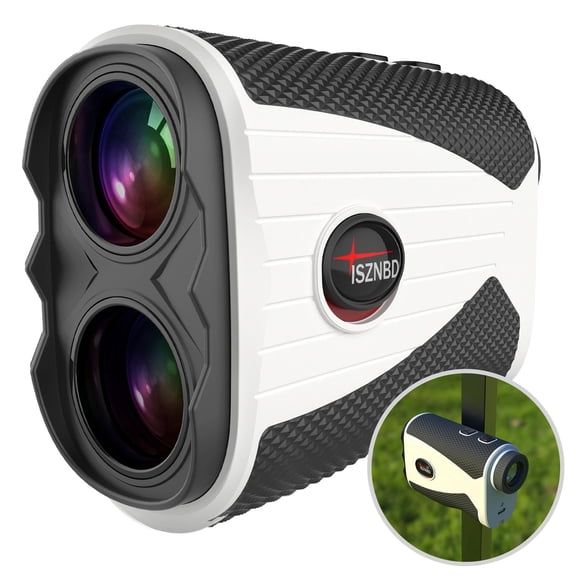





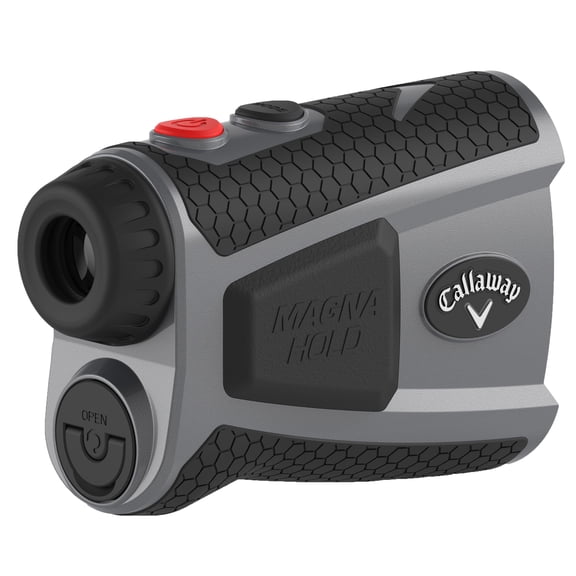
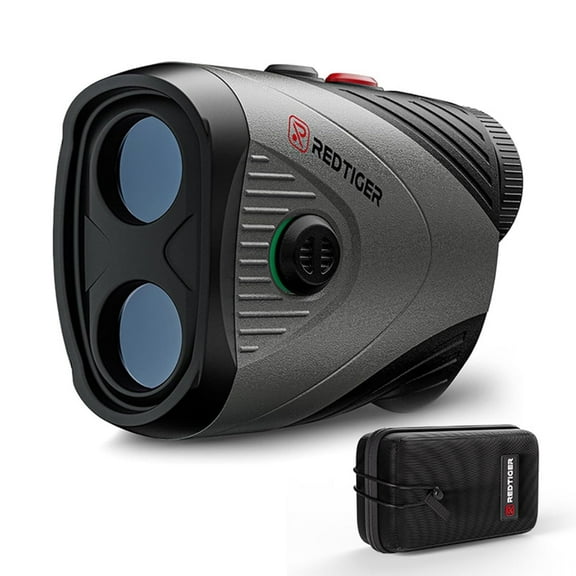
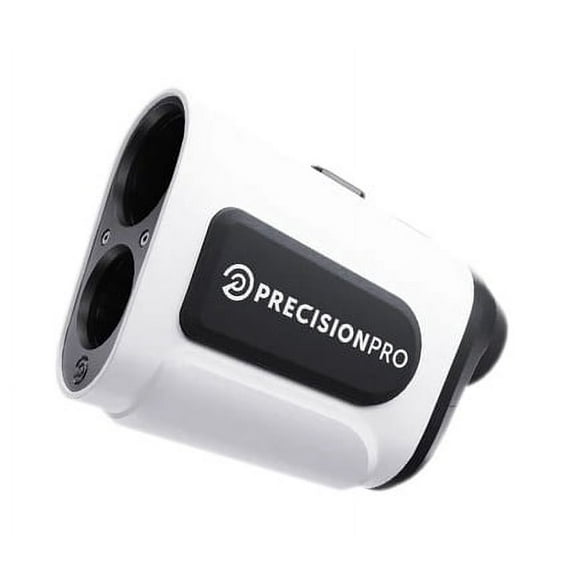
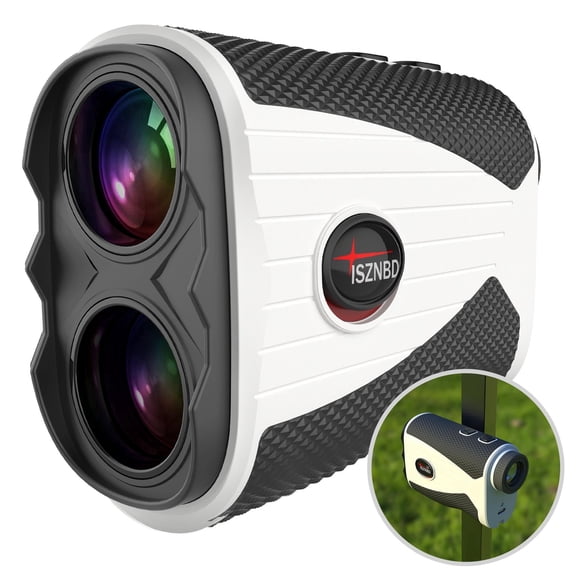





About Golf Rangefinders in Golf Tech - Walmart.com
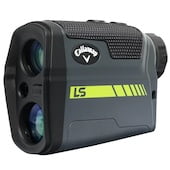
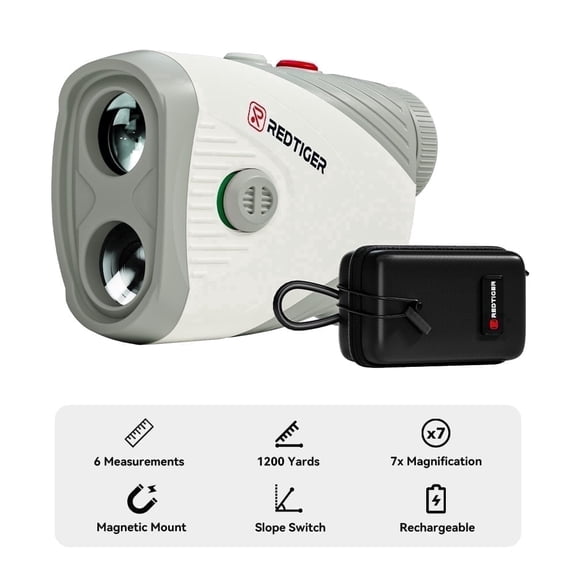
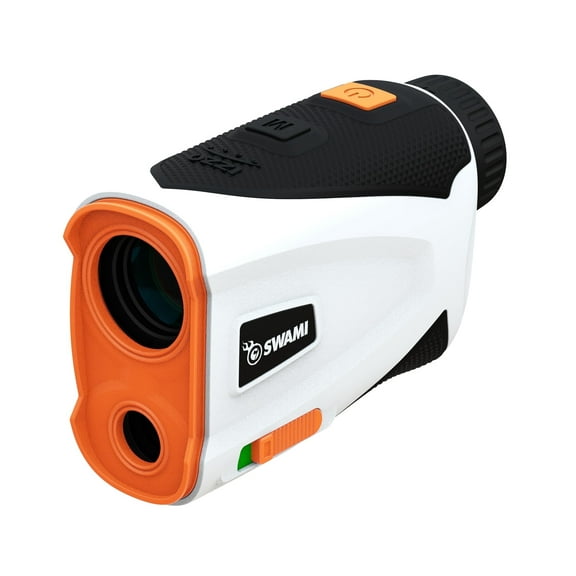
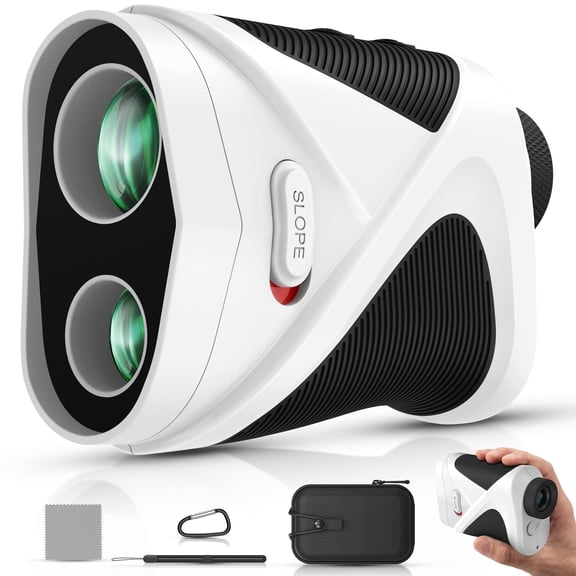
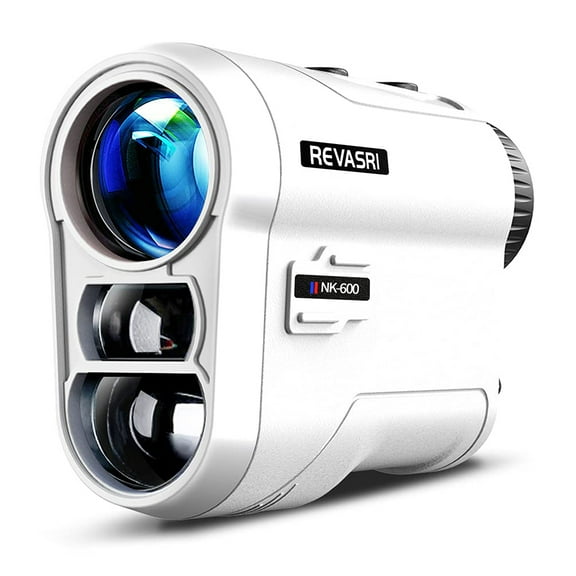
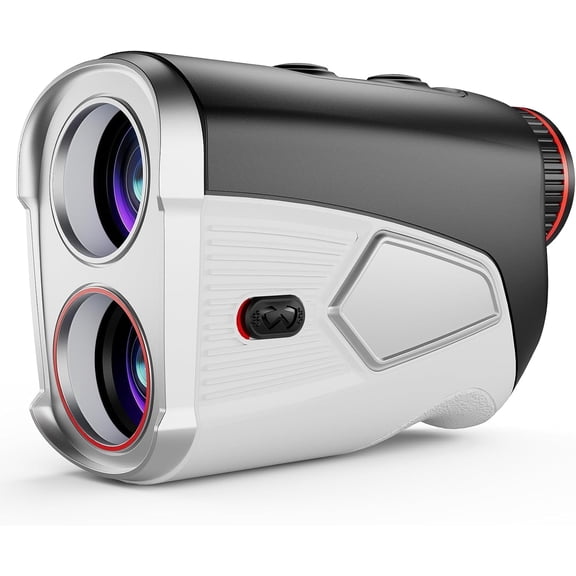
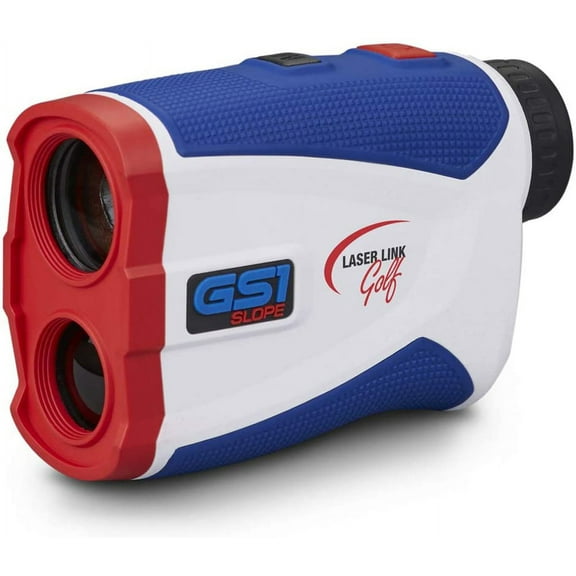
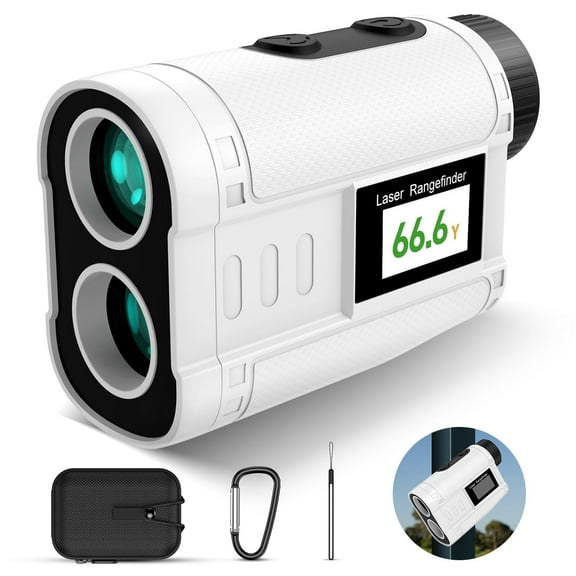
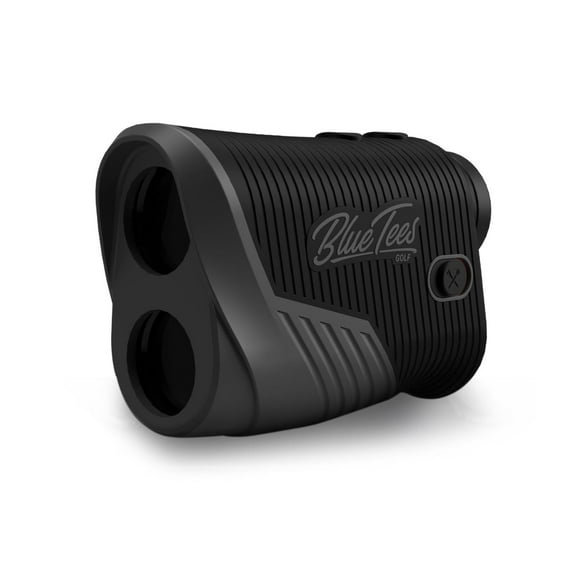
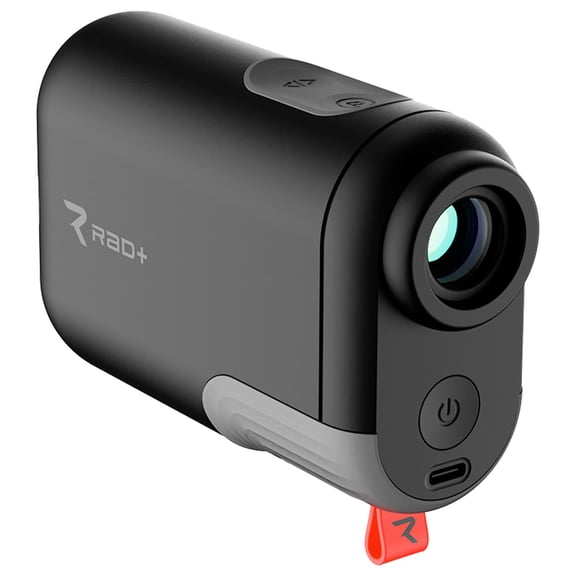
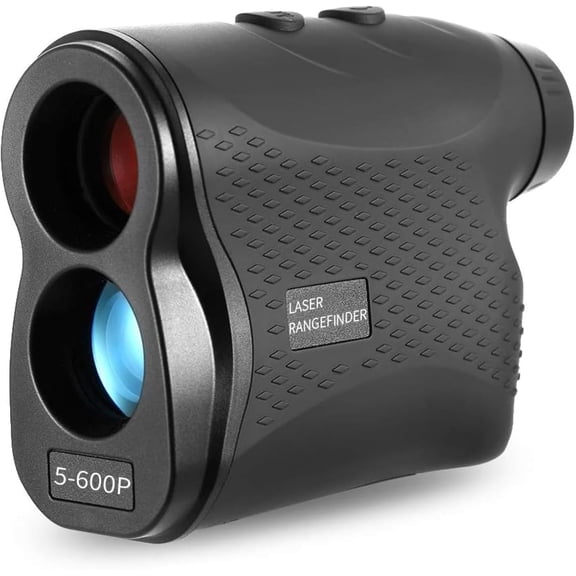
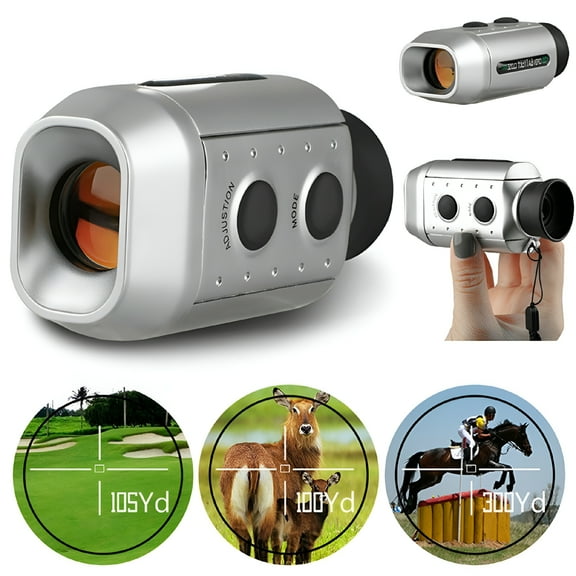
Your golf rangefinder helps you judge yardage faster and choose clubs with more confidence. You can compare laser, GPS, and slope-enabled options that match practice rounds, tournament play, and everyday course conditions.
How to choose a golf rangefinder
You'll want to start with technology type because it shapes how you measure distance on the course. You can compare laser models for direct targeting, GPS units for mapped views, and slope-enabled designs for elevation-aware numbers.
If you play events, you'll need to check whether slope compensation can be turned off for tournament use. You can use that detail to align with USGA Rule 14-3 expectations before you head to competitive rounds.
When you compare a golf range finder, you'll also want to think about your pace of play. You can move quickly with simple controls, clear readings, and easy target acquisition from tee box to green.
Key benefits you can expect on the course
You'll gain clearer distance information than guessing off sprinkler heads or course markers alone. You can make quicker club selections when your number is visible in seconds.
- You can gauge carry distance with more confidence on approach shots.
- You can account for uphill and downhill holes when you choose slope-enabled models.
- You can lock onto the flag instead of background trees with targeting modes built for golf.
- You can confirm distances during practice rounds and learn your club gaps more precisely.
Your rounds can feel more consistent when you know front, middle, or pin yardage before each swing. You can also use a distance finder for golf to check layup spots on par fives.
If you practice often, you'll notice how measured distances support smarter shot planning. You can use repeatable numbers to understand how far each club travels in real conditions.
What to look for in slope, magnification, and targeting
You'll want to compare slope capability first because elevation changes can affect club choice. You can use slope-enabled models for casual rounds, then switch that feature off when tournament rules require it.
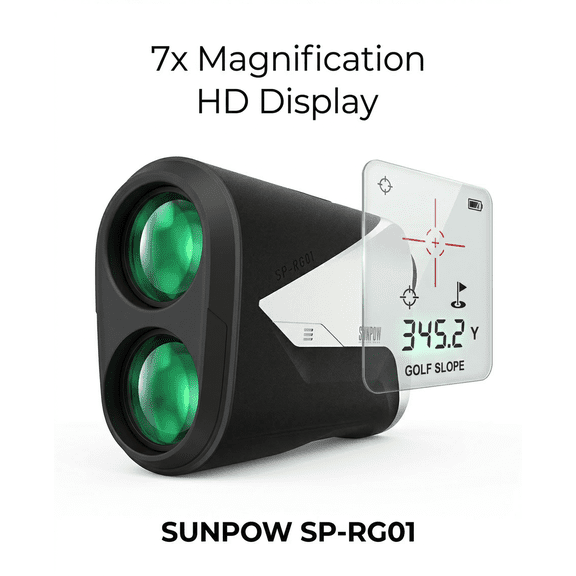
When you compare magnification, you'll usually see 6x, 7x, or 8x options. You can think of those numbers as zoom levels that help you view flags more clearly from longer distances.
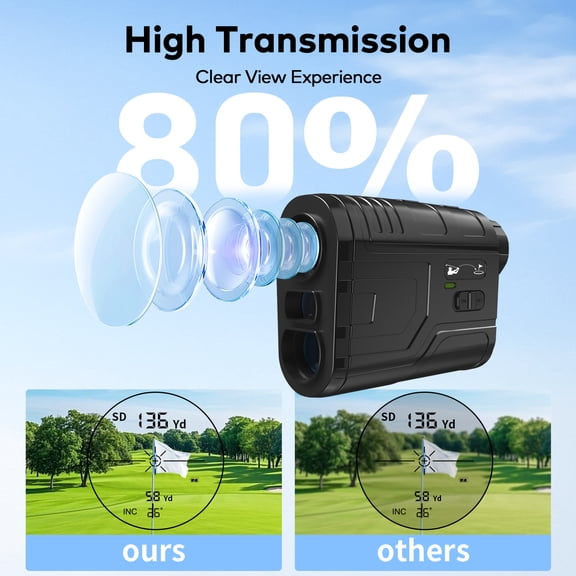
Your lens clarity matters with magnification because sharper images make target pickup easier. You can spot the pin faster when glass quality and display contrast support a clean view.
You'll also want to check targeting mode because that feature affects how confidently you confirm the flag. You can compare pin-seeker, flag-lock, and continuous scan settings based on how you play.
With pin-seeker or flag-lock modes, you'll often get physical confirmation after target lock. You can feel a brief vibration that tells you the device recognized the flag, not the trees behind it.
If you like to track hazards or bunkers, you'll appreciate continuous scan on changing holes. You can pan across the fairway and read multiple targets without stopping after each measurement.
Comparing power source and everyday convenience
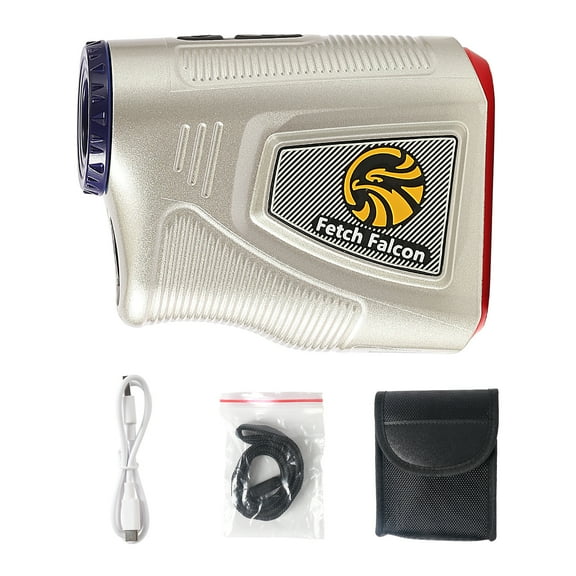
You'll need to decide between a CR2 battery and USB rechargeable power. You can choose replaceable batteries for quick swaps, or choose rechargeable units for cord-based charging between rounds.
Your routine can guide that choice more than anything else. If you play often, you may prefer rechargeable convenience, while occasional golfers may like keeping a spare battery in the bag.
You'll also want a range finder with readable displays and simple buttons in changing light. You can check battery indicators, mode labels, and measurement units without slowing down your pre-shot routine.
If you carry your device every round, you'll appreciate compact shapes and secure grips. You can keep your golf rangefinder easy to handle when your hands are sweaty or the morning air feels damp.
Matching combinations to the way you play
If you want direct pin yardage, you can focus on a laser model with 6x or 7x magnification. You can pair that setup with flag-lock for clear aiming on approach shots.
When you practice elevation changes on hilly courses, you can compare slope-enabled options with vibration feedback. You can use those readings to understand how uphill and downhill shots affect club selection.
If you prefer broad course awareness, you can look at GPS styles for mapped distance support. You can combine that format with laser targeting if you want both hole layout context and exact flag numbers.
For twilight rounds or fast weekend play, you'll want easy viewing and quick scan modes. You can check hazards, layup distances, and pin placement without interrupting your rhythm.
If you walk the course, you'll likely care about battery planning and compact carry. You can keep a CR2 spare in your bag, or recharge a USB model before you leave home.
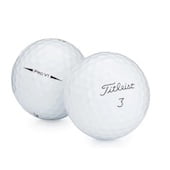
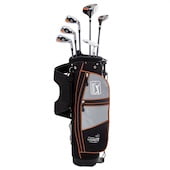
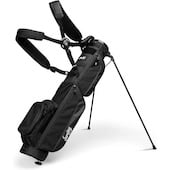
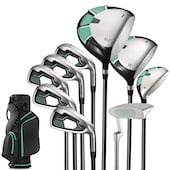
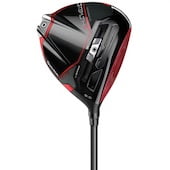
When you build a full setup, you can pair measured yardage with golf clubs, balls, and bags that fit your game. You can make each round feel more organized when your gear works together from tee to green.
Your ideal choice comes down to how you measure distance, verify the flag, and manage power between rounds. You can pick a golf rangefinder that supports clearer decisions on every shot.