




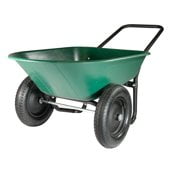
Gardening Gloves: Prices, Bulk & Thorn Protection






















About Gardening Gloves: Prices, Bulk & Thorn Protection - Walmart.com
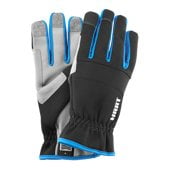
Gardening gloves help you handle pruning, digging, and weeding with improved control. You can compare materials, coatings, and fit to match thorns, wet soil, and long hours outdoors.
How to choose gardening gloves
When you compare gardening gloves, you should start with the task in front of you. You’ll want different coverage for rose pruning than for light weeding or seed planting.
Material changes how your gloves feel and how they hold up in the yard. You can look for leather, nitrile, latex, cotton, or rayon from bamboo blends based on grip and comfort.
Protection level matters when you work around stems, brush, and rough tools. You should also check cuff length, palm coverage, and fingertip flexibility before choosing a pair.
Choosing materials for leather garden gloves and everyday tasks
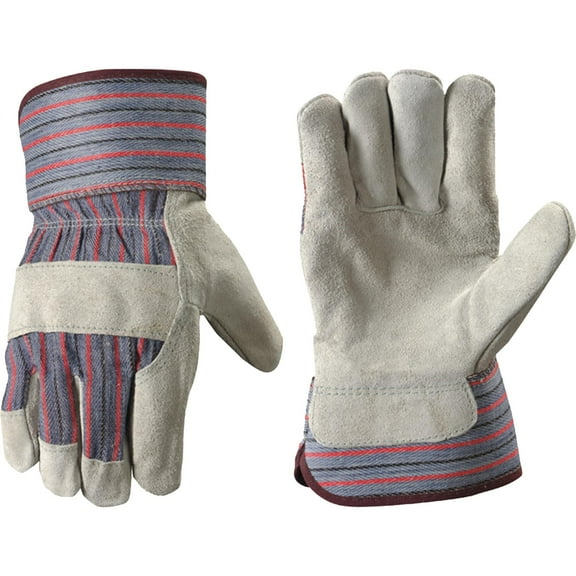
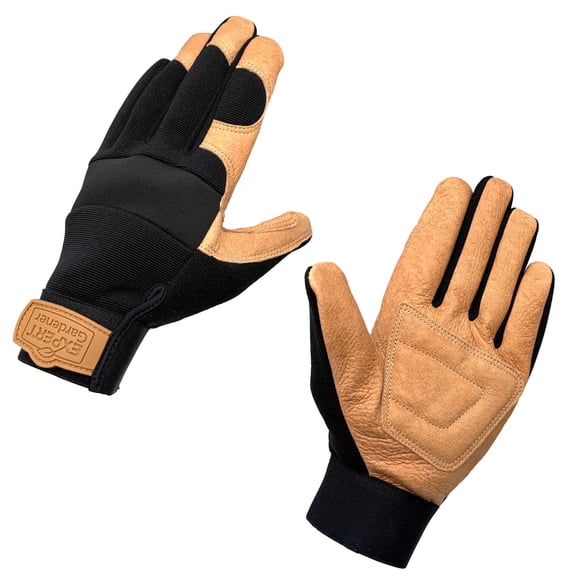
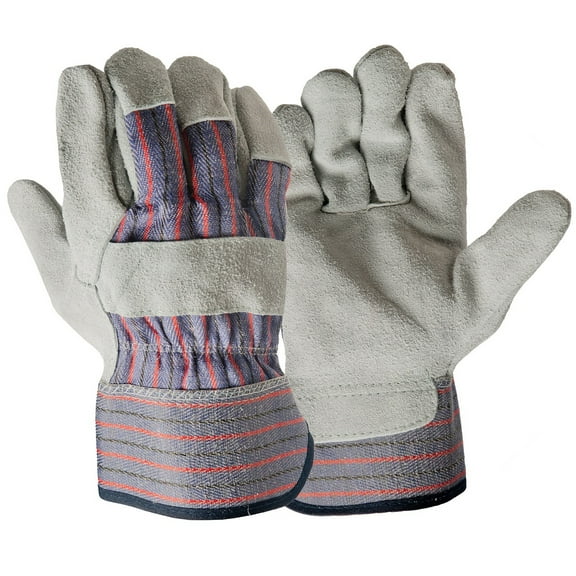
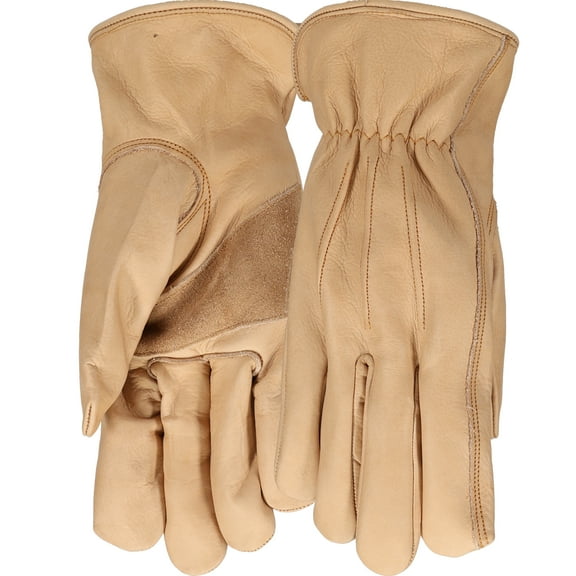
Leather garden gloves give you sturdy coverage for brambles, woody stems, and rough edges. You can use them when your work calls for thicker palms and a more structured feel.
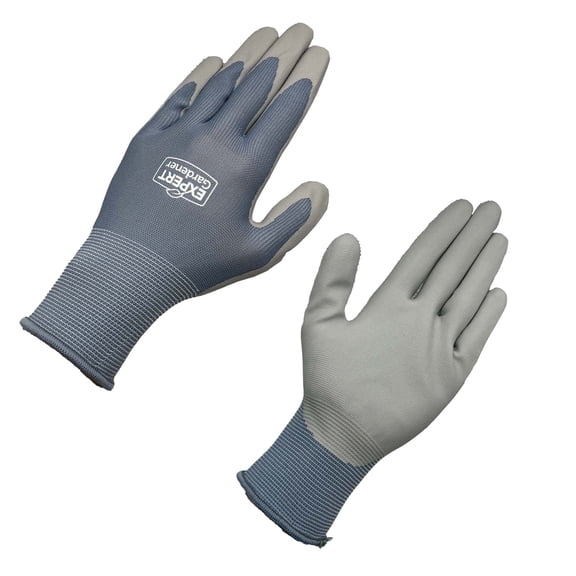
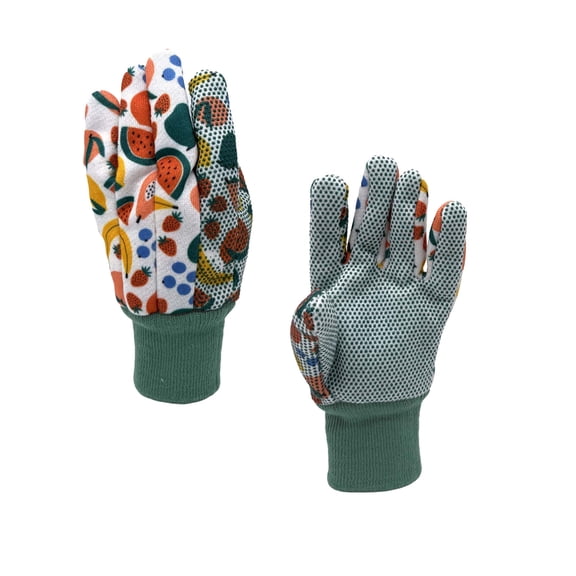
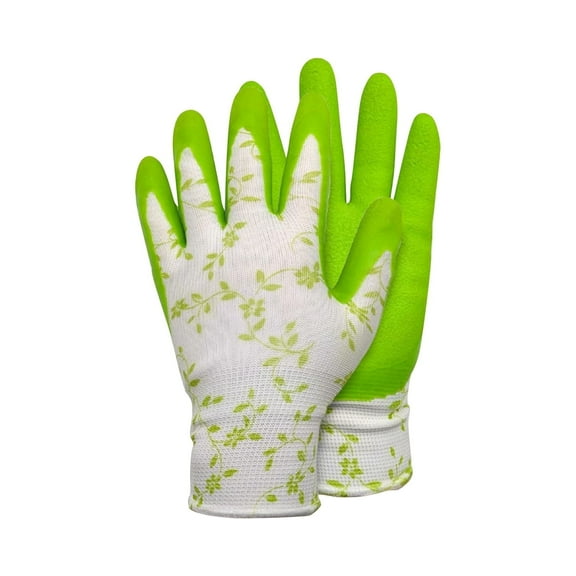
Nitrile-coated styles help you keep a steady grip when your hands meet damp soil or slick pots. Latex-coated options can feel flexible too, and you can compare texture for dry or mixed conditions.
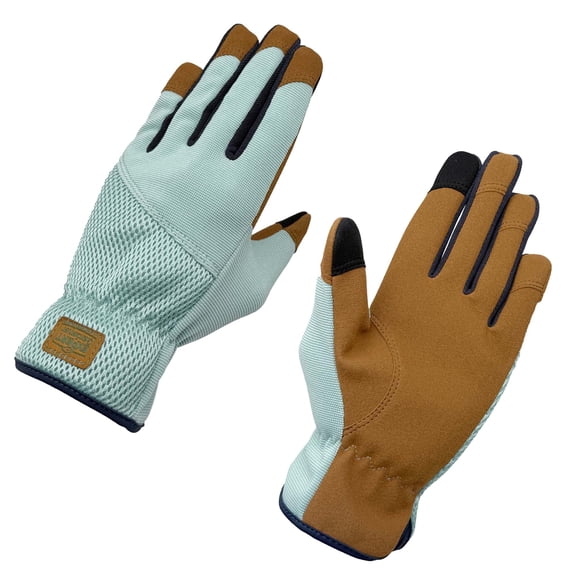
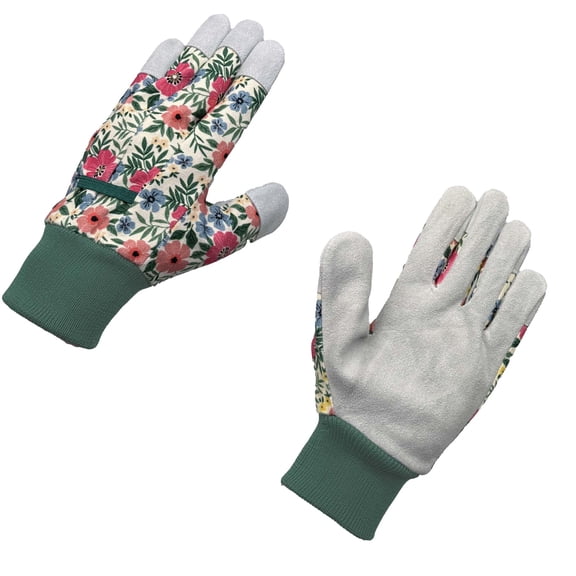
Cotton and rayon from bamboo styles can feel lighter during warm afternoons in the yard. You may prefer them when your focus is comfort, airflow, and easy movement for smaller jobs.
- You can choose leather when your work includes pruning canes, hauling brush, or handling rough stone borders.
- You can choose nitrile coatings when you want dependable grip for wet soil, hoses, or muddy containers.
- You can choose latex coatings when you want flexible palms for transplanting, raking, and general cleanup.
- You can choose cotton or rayon from bamboo blends when you want breathable coverage for light weeding and planting.
Comparing thorn proof gardening gloves and protection levels
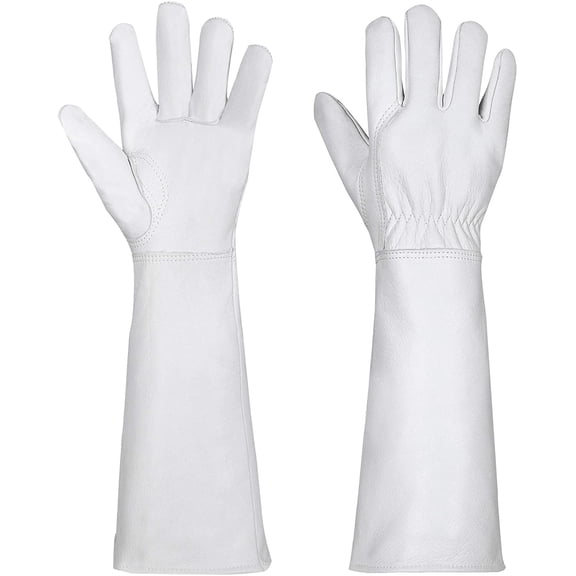
Thorn proof gardening gloves are a smart place to start when you prune roses or thorny shrubs. You should look for thicker leather, reinforced palms, and longer cuffs for added arm coverage.
If you compare puncture resistance, you’ll notice that thickness and layering affect how the glove feels. You can balance stronger coverage with enough finger movement for clipping stems cleanly.
Waterproof and water-resistant designs change how your hands feel during damp chores. You may want coated palms for wet soil, while breathable backs can help during warmer weather.
Lightweight pairs support quick movement for deadheading, seed starting, and routine cleanup. Heavy duty yard gloves make more sense when you move rocks, edge beds, or clear dense growth.
Understanding grip, coating, and comfort for work gloves for gardening
Work gloves for gardening should match the surface you touch most often in the yard. You can compare smooth coatings, textured palms, and knit backs to guide that choice.
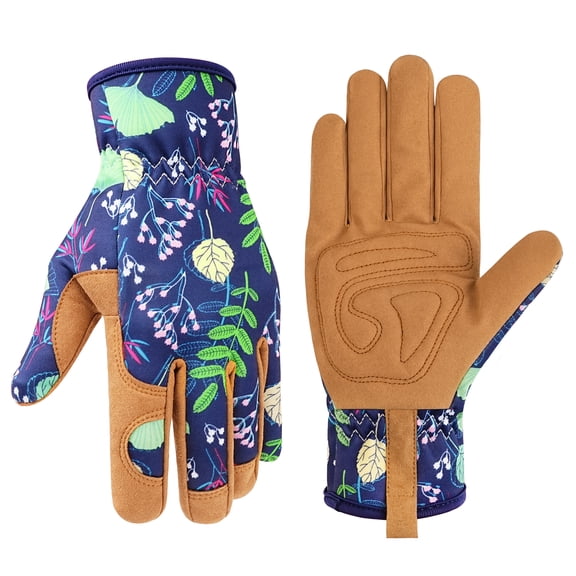
Rubber coated garden gloves help you hold trowels, hand forks, and nursery pots with less slipping. You’ll often notice that textured coatings feel steadier when soil turns damp.
Breathability becomes important when you spend longer stretches outside in spring and summer. You can look for rayon from bamboo mesh or lighter knit backs when you want airflow across the top of your hands.
Full coated styles give you more barrier coverage around moisture and mud. You should compare that extra coverage against flexibility if you plant seedlings or tie delicate stems.
Choosing the right size range and fit
Fit affects comfort, control, and how easily you handle pruners or seed packets. You should measure across your palm and compare that number with the listed size chart.
A snug fit helps you keep improved control during trimming and transplanting. You don’t want extra fabric at the fingertips when your tasks call for precision.
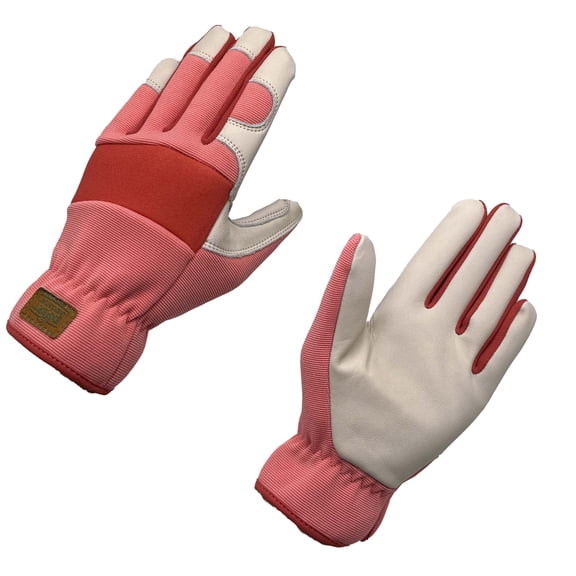
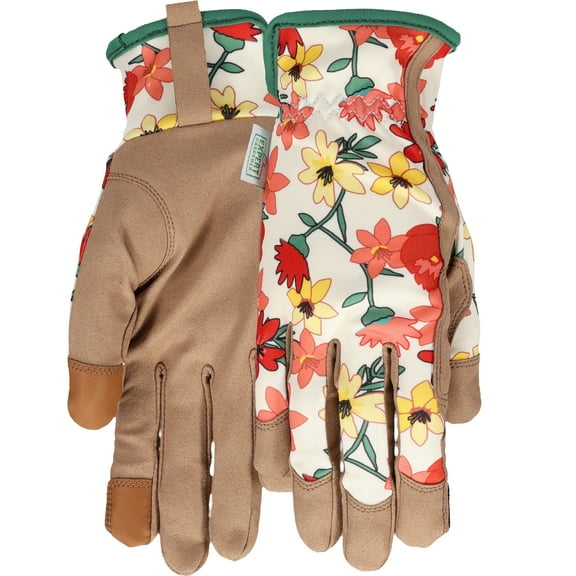
Womens gardening gloves may offer narrower palms and shorter finger proportions for a closer fit. You can also compare men’s, unisex, and kids’ sizing when several people help in the yard.
Cuff style matters too when you move between quick jobs and heavy chores. You may prefer knit wrists for easy wear, or extended cuffs for pruning and brush cleanup.
Matching gardening gloves to your yard work
You can match glove features to each task instead of using one pair for everything. That approach helps you stay comfortable from seed trays to shrub borders.
For pruning, you should focus on thorn coverage, longer cuffs, and reinforced palms. For weeding, you may prefer lightweight styles that let you grab small stems and roots easily.
For digging, you can look for coated palms that help you grip tools and damp handles. For heavy duty landscaping, you should consider thicker materials that stand up to stone, mulch, and brush.
If you rotate between raised beds, containers, and larger yard projects, you may want more than one style. You’ll get a more practical fit for each job, season, and surface.
What to look for before you choose
You should compare seams, palm reinforcement, cuff coverage, and coating placement before deciding. You can also check whether a pair is machine washable if easy care matters to you.
When your tasks include roses, brush, or rough branches, you should prioritize coverage first. When your routine centers on planting and weeding, you can prioritize dexterity and airflow.
Gardening gloves work hardest when you match material, protection, and fit to your routine. You’ll finish pruning, planting, and cleanup with steadier grip and more comfortable hands.