




Dice in Store & Near Me


































About Dice in Store & Near Me - Walmart.com
Dice help you match the right roll to your game, classroom, or collection. You can compare dice type, material, style, and pack size to choose pieces that fit how you play.
If you're building a game table, replacing missing pieces, or stocking group activities, you need clear options. You can use this guide to compare polyhedral dice, bulk dice, and classic game cubes.
Choosing the right dice type
You should start with dice type, because each shape supports a different kind of play. You may want D6 cubes for board games, or you may need a full polyhedral set.
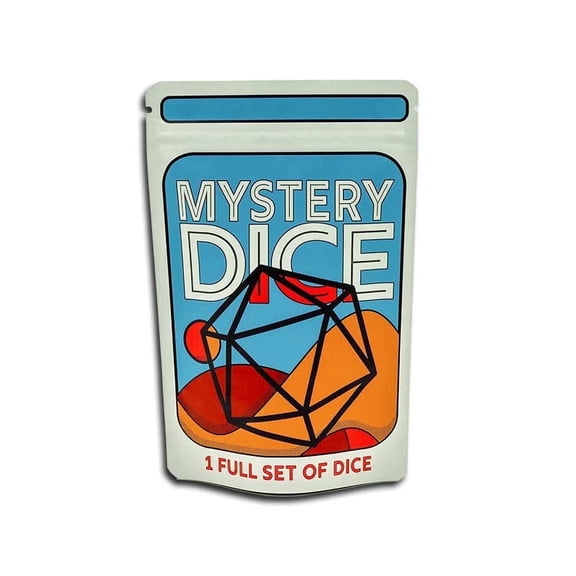
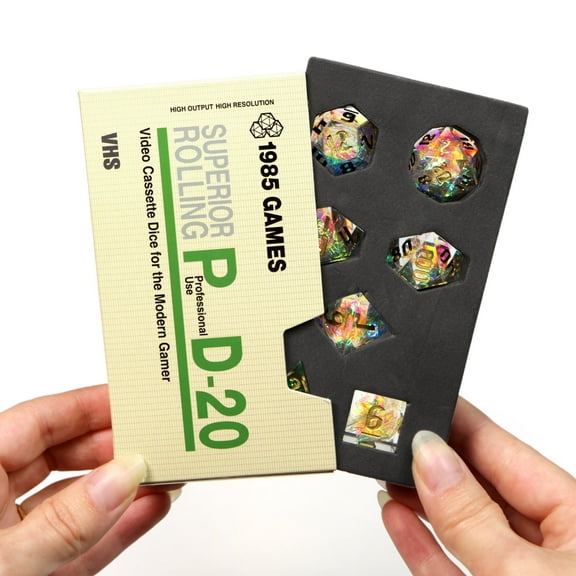
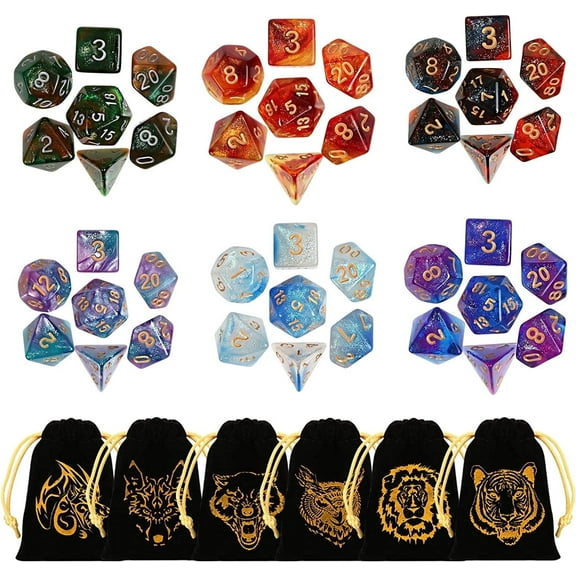
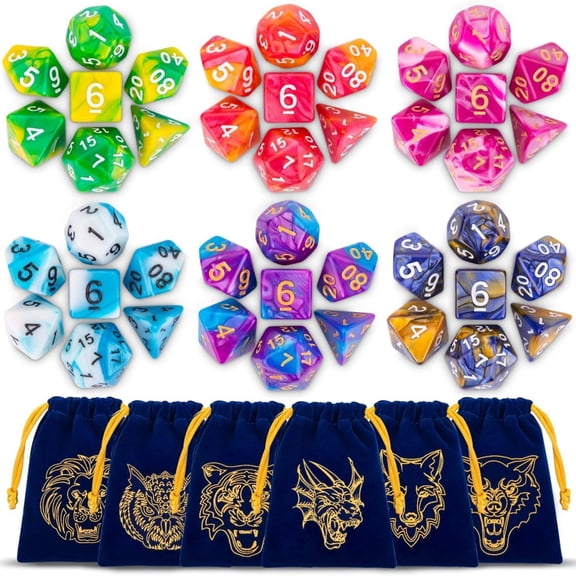
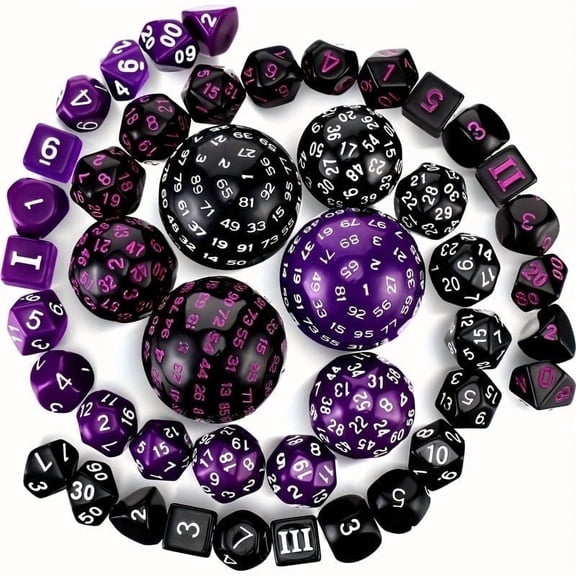
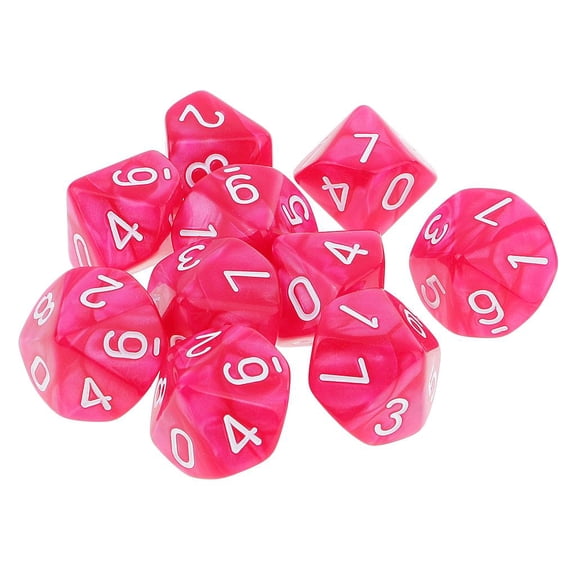
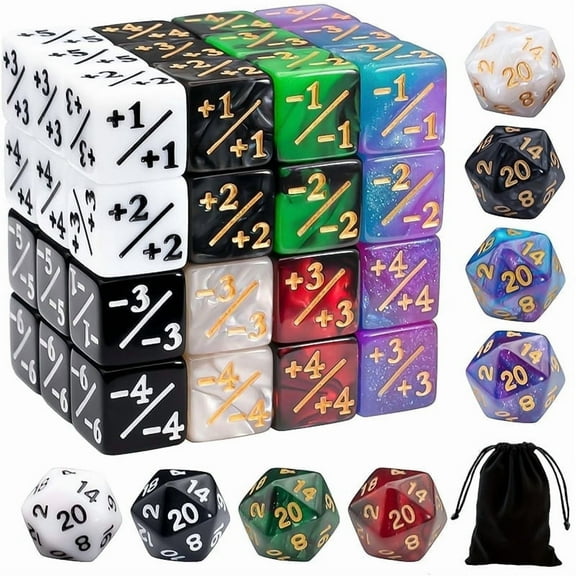
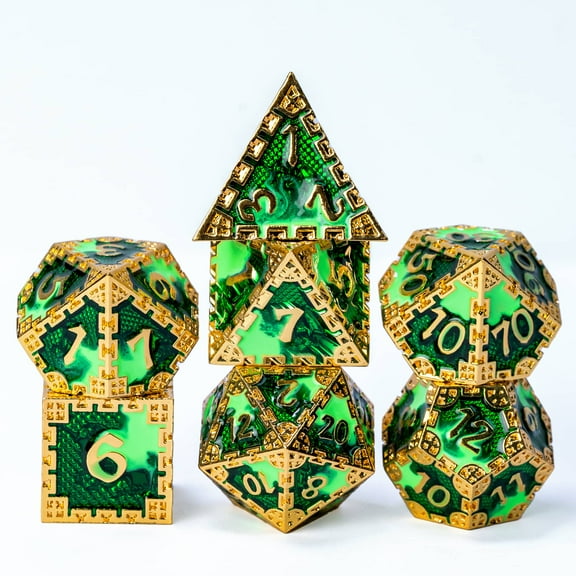
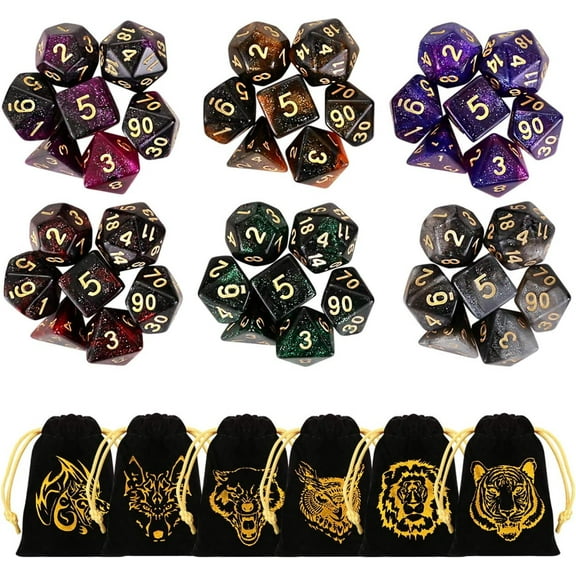
When you choose polyhedral dice, you usually get multiple shapes for tabletop RPGs. You might look for D4, D6, D8, D10, D12, and D20 pieces in matching dice sets.
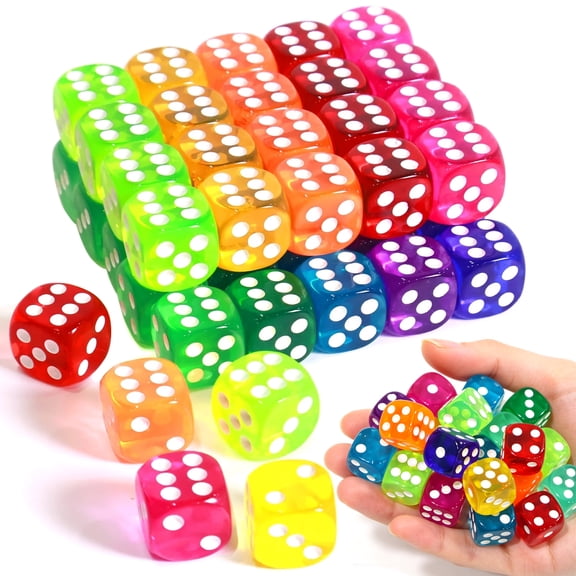
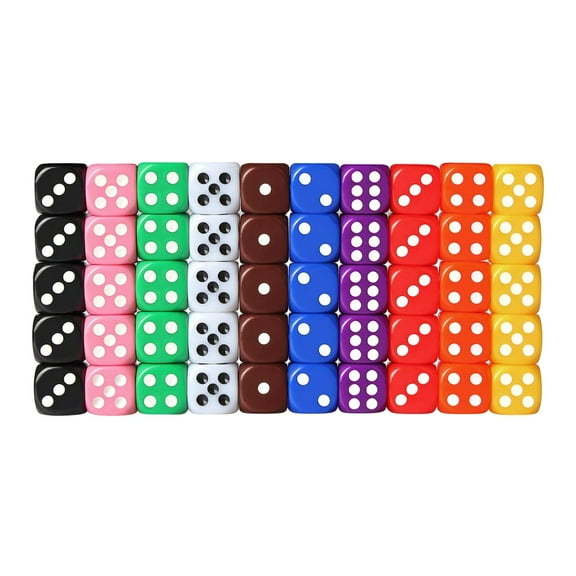
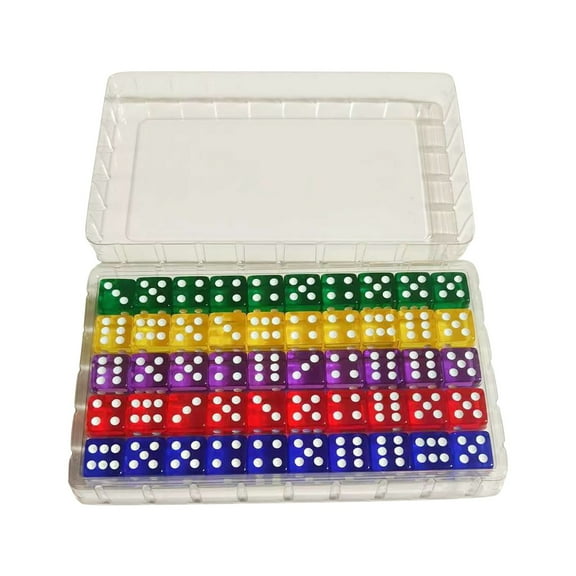
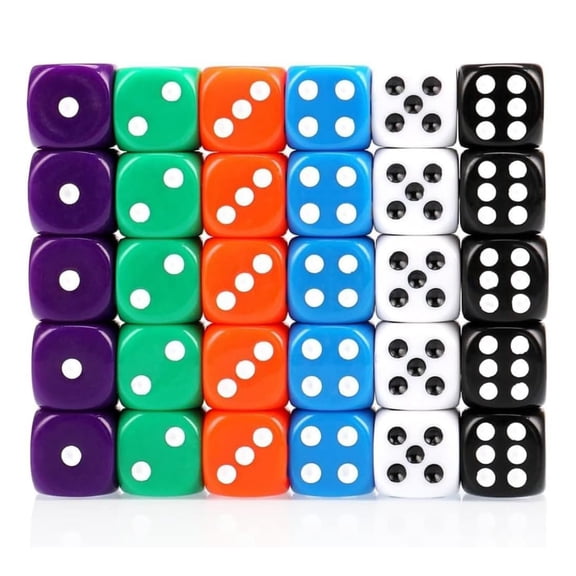
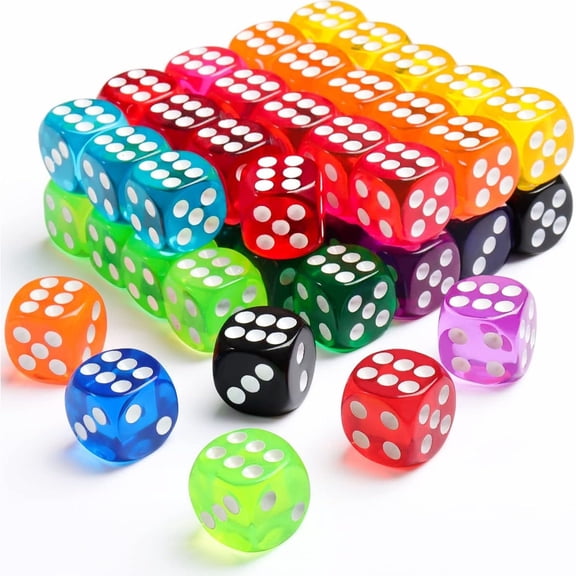
If you only need one key roll, you may prefer a single D20 or D10. You can also choose a brick of 36 D6 pieces for classrooms or larger game groups.
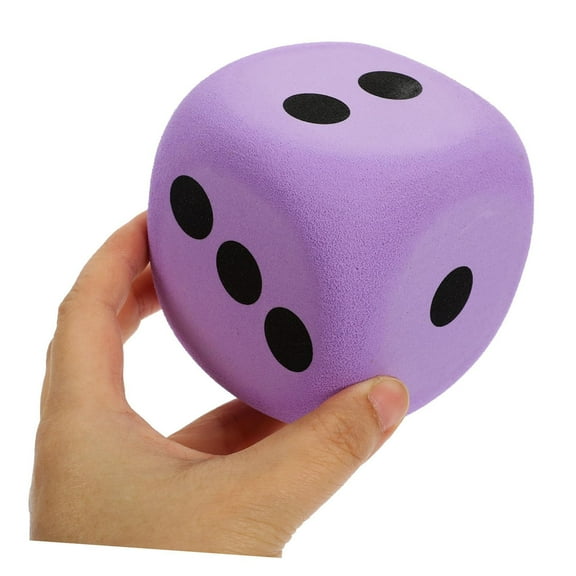
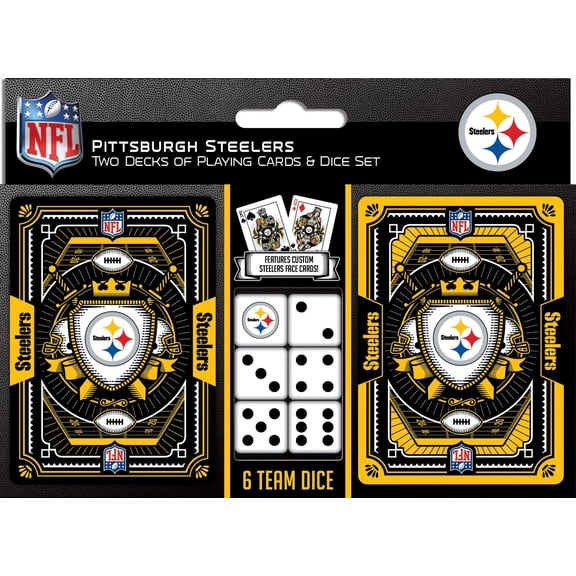
- You can use D6 dice for board games, math activities, and classic game nights.
- You can choose polyhedral dice for roleplaying systems that use several shapes in one session.
- You can pick single specialty pieces when you need replacements or custom rolls.
- You can select larger packs when you run events, classes, or shared game tables.
Comparing polyhedral dice and bulk dice
You should compare pack size with your planned use before you choose colors or finishes. You may need a seven-piece set for personal play, or a bulk pack for group use.
If you play tabletop campaigns, polyhedral dice sets keep every needed shape in one coordinated set. You can track your rolls faster when matching pieces stay together in one pouch or case.
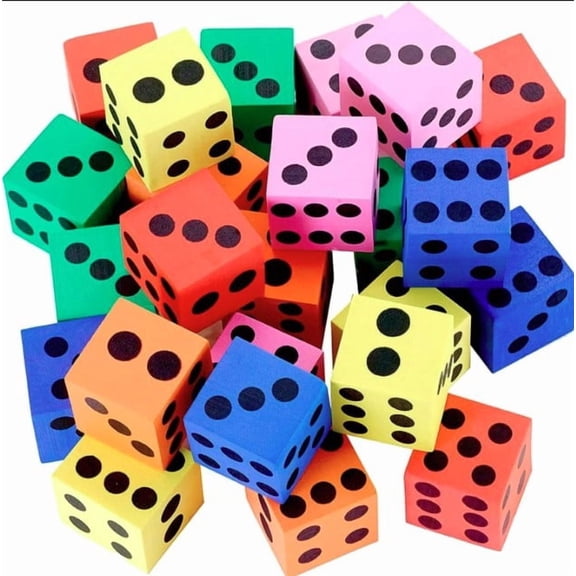
When you shop bulk dice, you can support classroom counting, probability lessons, prize bins, or party games. You can also keep extra pieces ready when board game boxes lose original dice.
Understanding material and weight
You should also compare material, because weight and feel change how your rolls handle. You may notice acrylic feels light, while metal dice feel heavier in your hand.
If you want bright color variety, acrylic options often give you bold swirls and clear numbering. You can toss them easily into travel bags, pencil cases, or game organizers.
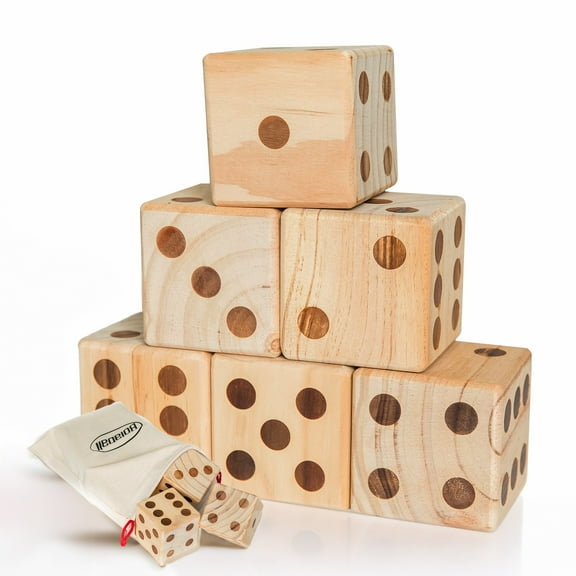
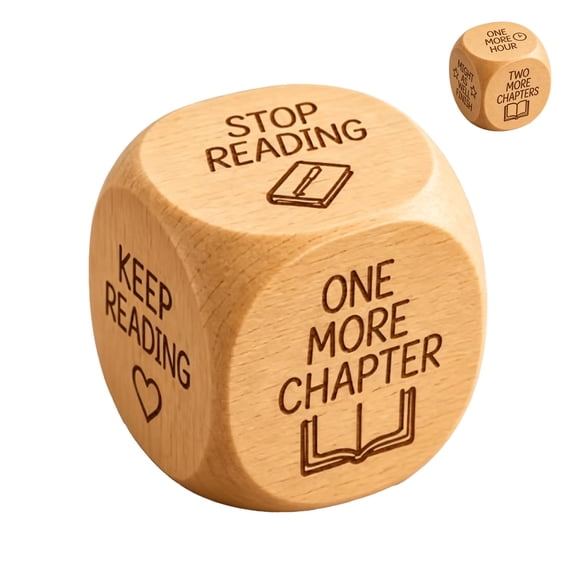
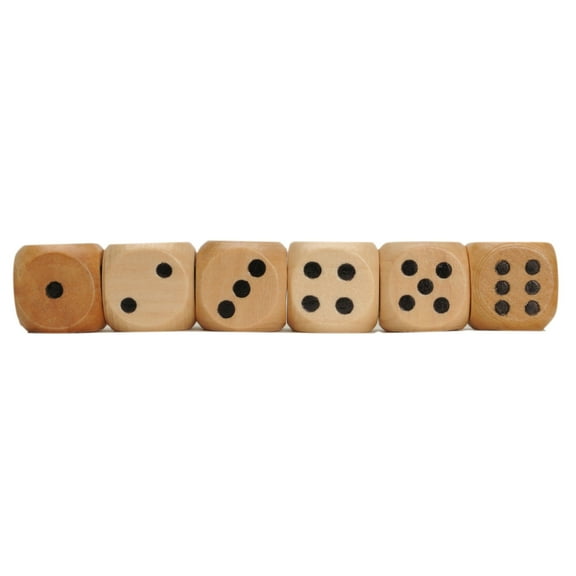
When you want a denser feel, resin and metal styles can add a more substantial touch. You may also like wood dice when you want a warmer look on your table.
You should check edges, balance, and finish when you compare materials. You can often decide faster when you know whether you prefer a lighter toss or a weightier roll.
Checking legibility and design details
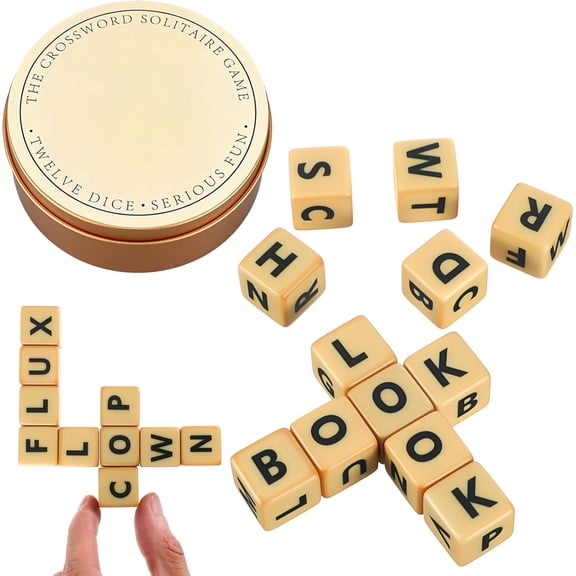
You should look closely at numbering, because easy reading keeps turns moving. You may prefer high-contrast numbers, larger fonts, or etched markings that stand out under room lighting.
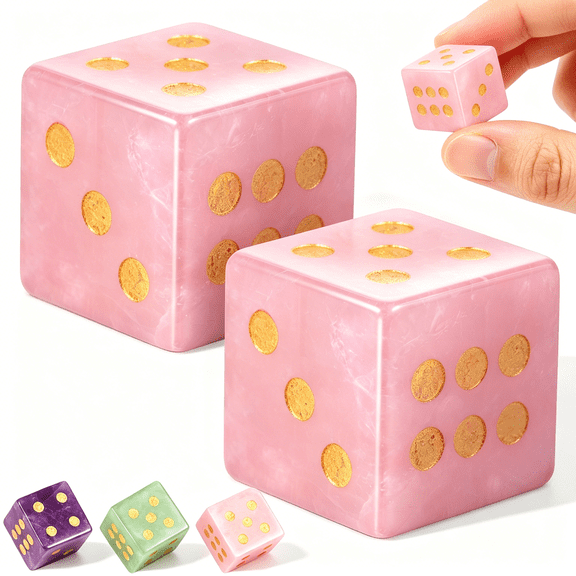
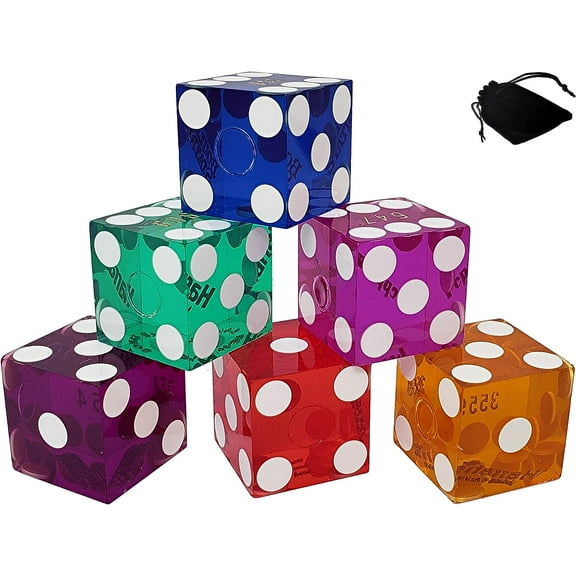
If you play longer sessions, clear faces can help you read totals without slowing the table. You can also compare marbled, transparent, glitter, or solid colored dice for the style you want.
When you shop for shared play, you may want colors that separate players quickly. You can assign different colored dice to teams, classes, or character builds without confusion.
Matching dice to your game
You should match your dice to the games you actually play. You may need dnd dice for fantasy campaigns, or you may only need standard cubes for family board games.
If you host roleplaying sessions, a seven-piece set covers the common rolls many systems use. You can keep extra D20 pieces nearby when critical checks happen often in your campaign.
When you set up classroom activities, bulk packs make sorting, counting, and probability exercises easier to organize. You can separate groups by color, number range, or pack count for smoother lessons.
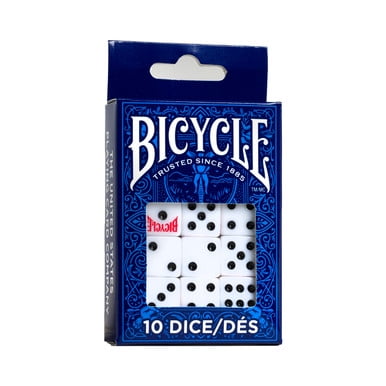
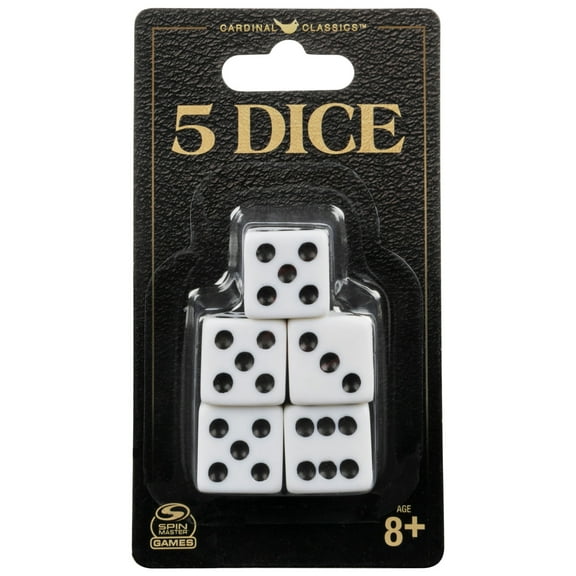
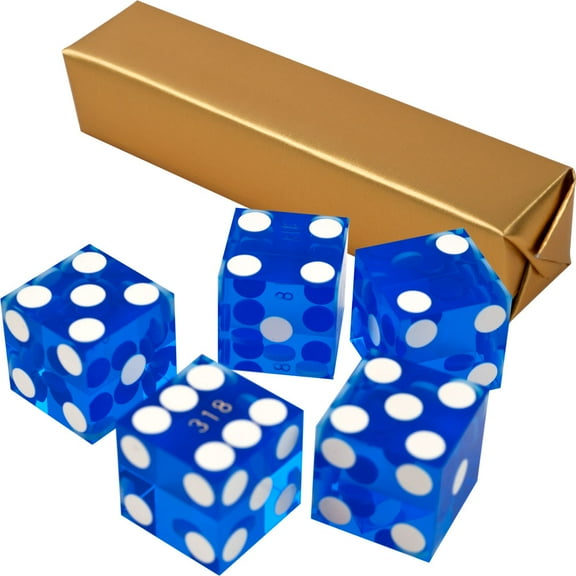
If you plan casino-style games or party tables, standard D6 formats often make setup simple. You can replace worn pieces or add matching extras without changing your whole game kit.
How to choose with confidence
You should compare dice type, material, legibility, and pack size in that order. You can narrow your choice quickly when you know whether you need polyhedral dice, bulk dice, or classic cubes.
With the right match, you get rolls that fit your game, read clearly, and feel right in your hand. You can keep every session moving with the dice that suit your table.