





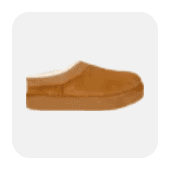
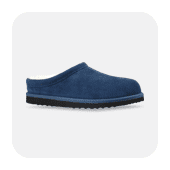
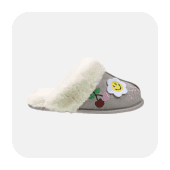
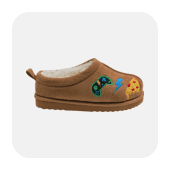



Slippers in Slippers











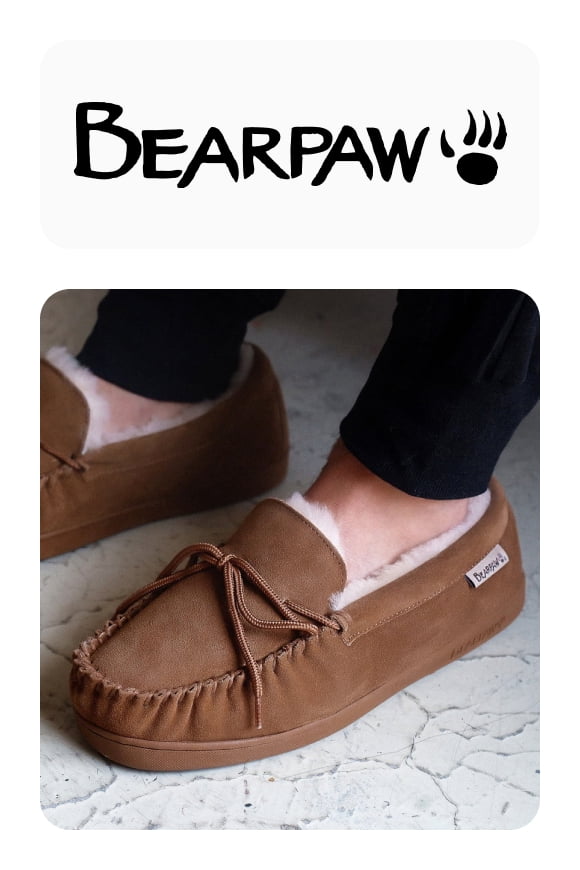


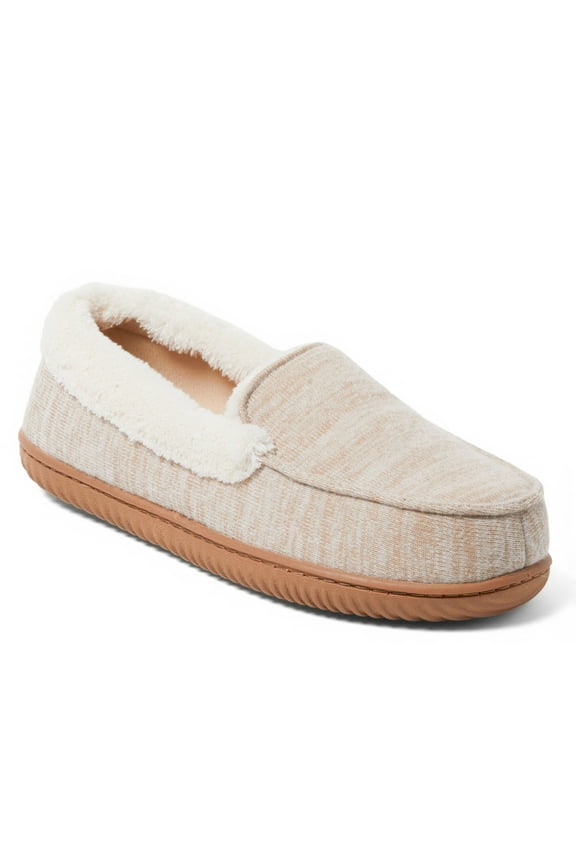
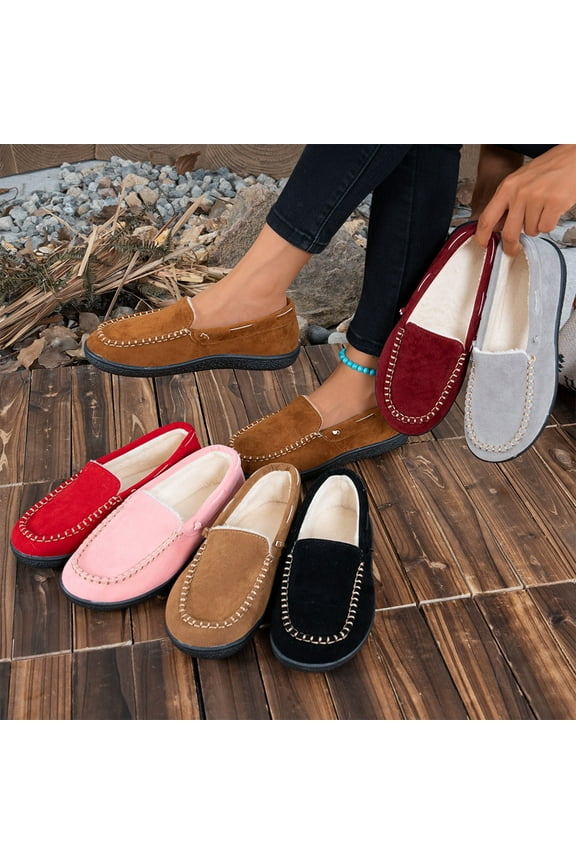


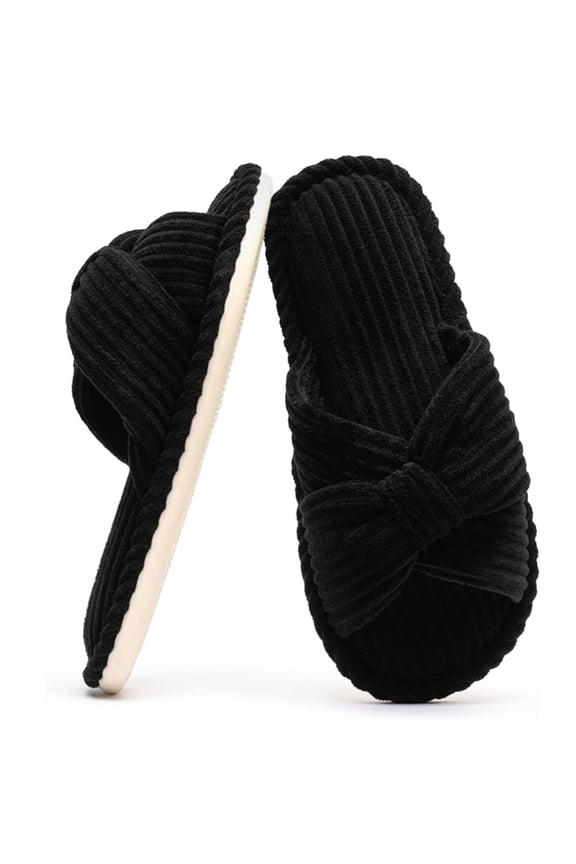

















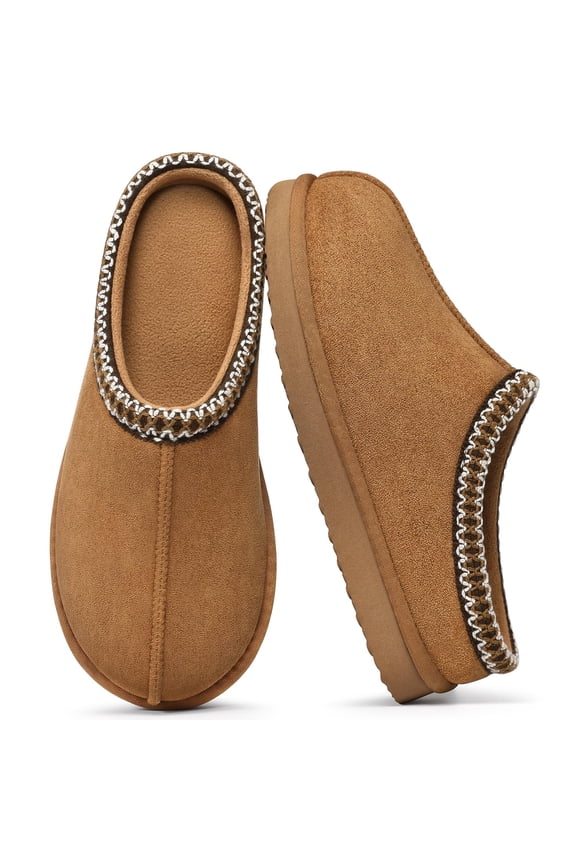


About Slippers in Slippers - Walmart.com
You’ll find slippers that fit daily routines, cold mornings, and quick steps outside. You can compare house shoes by sole type, material, closure, and fit for easier choosing.
How to choose slippers for your routine
When you choose slippers, your first decision is where you’ll wear them most. You may want soft comfort for indoor floors or steadier grip for porch trips.
If your day moves between rooms, mailboxes, and garages, you may prefer indoor outdoor slippers. You’ll notice harder soles usually feel sturdier on concrete, tile, and entryways.
For couch time and bedroom use, you may like a soft sole that feels lighter underfoot. You’ll often get more flexibility when your pair stays inside.
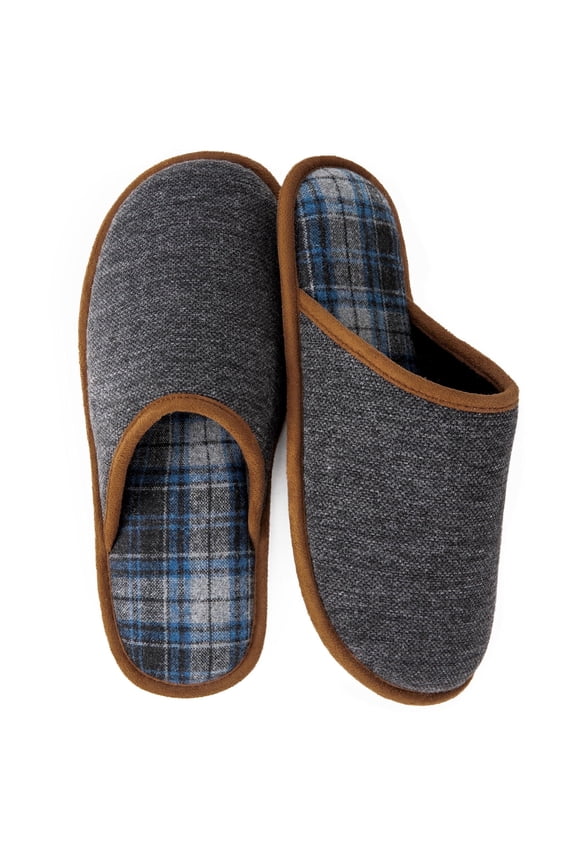
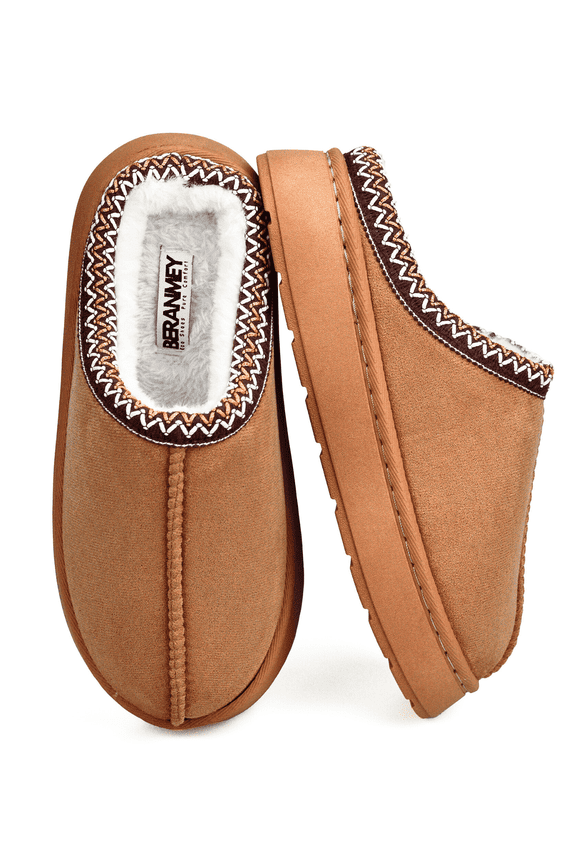
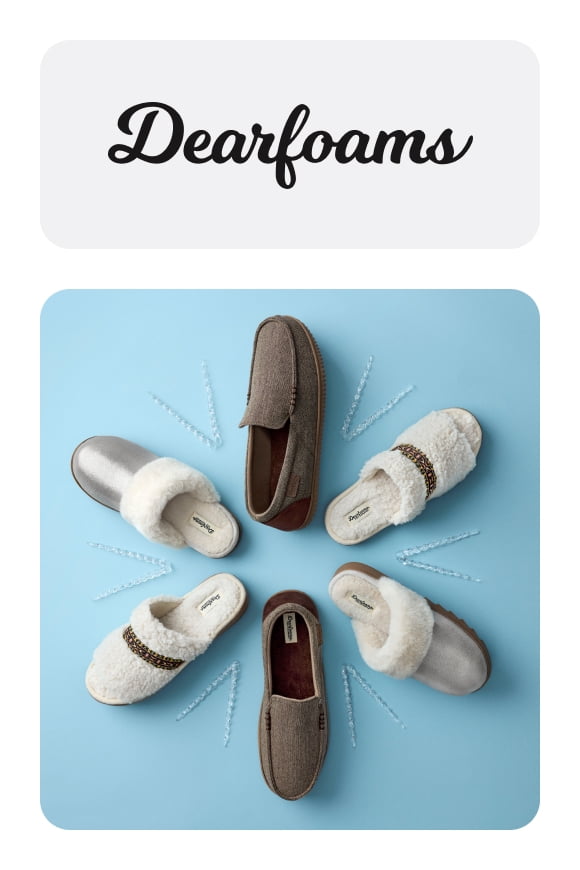
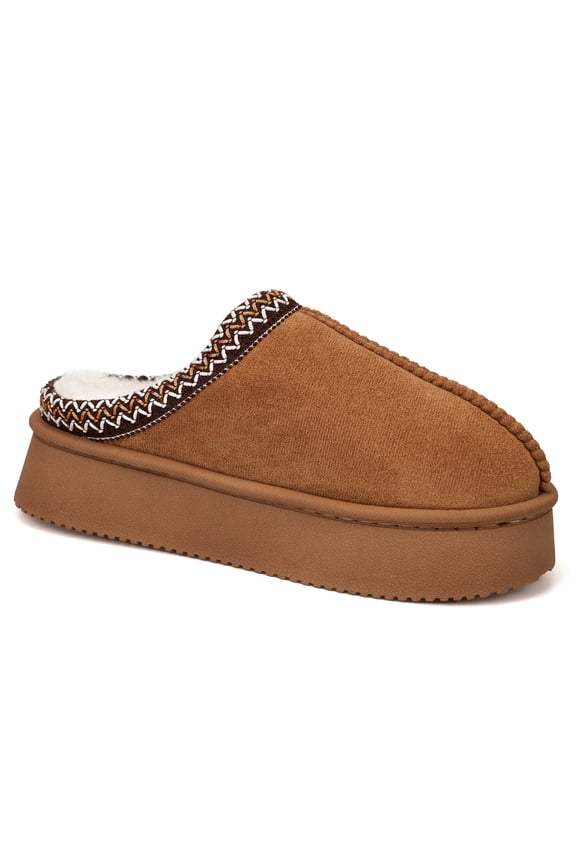
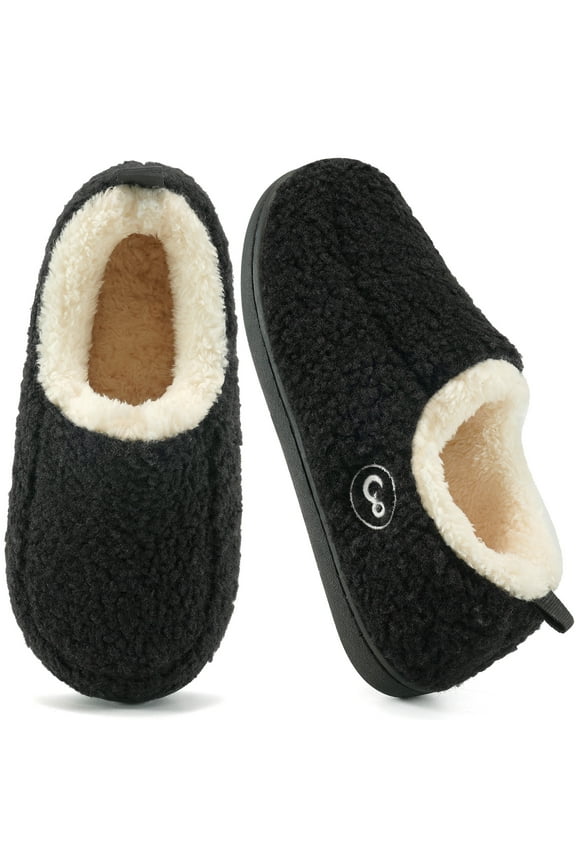
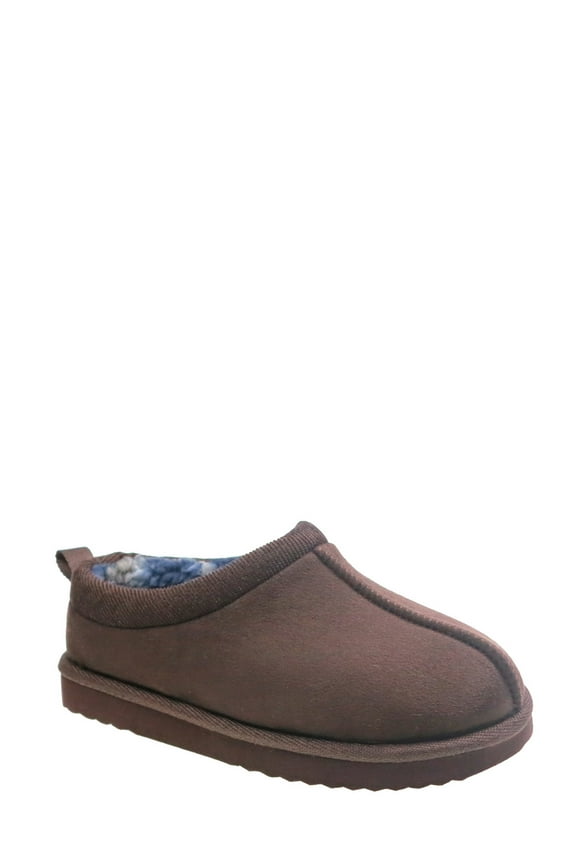
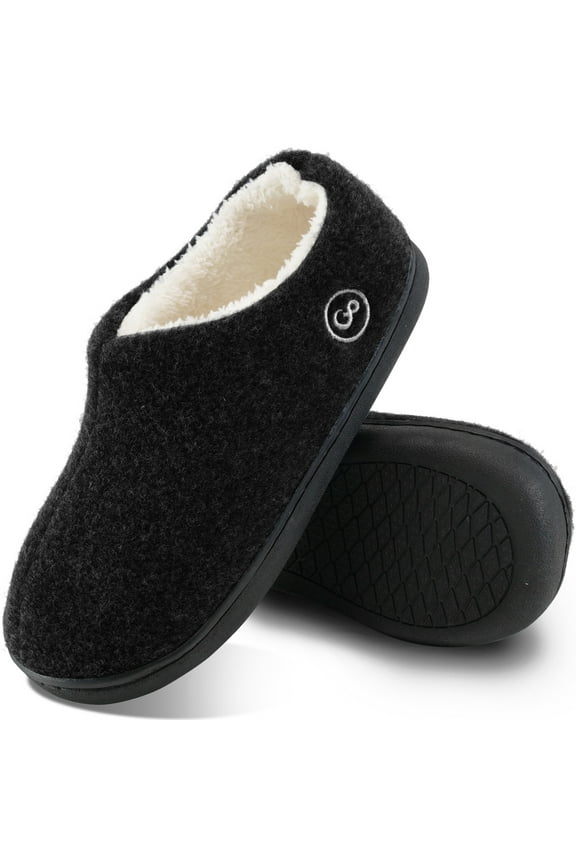
Your material choice also shapes warmth, feel, and breathability through the day. You can compare fleece slippers, wool styles, suede uppers, and memory foam linings by season.
Key decisions for slippers and house shoes
You’ll narrow your options faster when you focus on the details that change everyday comfort. You can use these points to compare house shoes with more confidence.
- You can choose hard sole styles when your routine includes patios, steps, or quick errands outside.
- You may prefer soft sole pairs when your priority is a lighter feel on indoor floors.
- You’ll get extra cushioning from memory foam when you want a softer step around the house.
- You can choose fleece or wool when your rooms feel chilly and you want warm slippers.
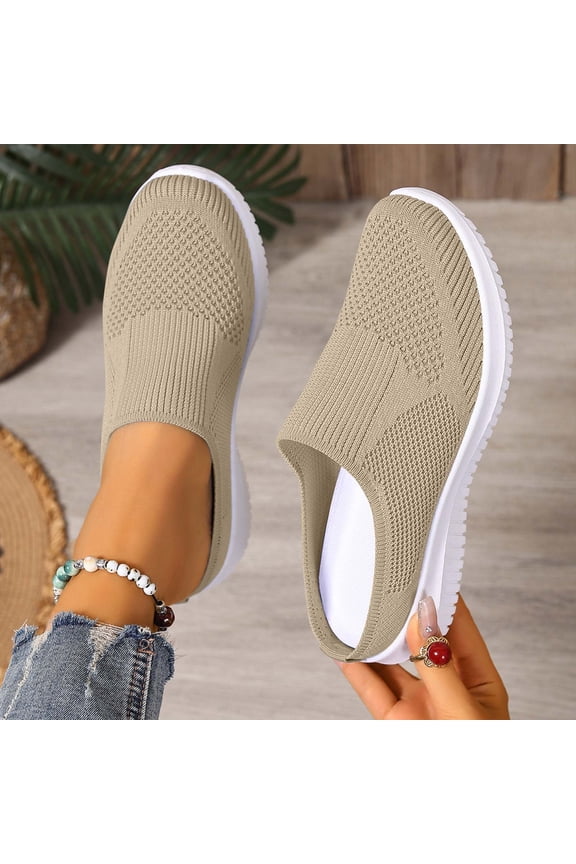
- You may like slip on slippers when you want fast on and off during busy mornings.
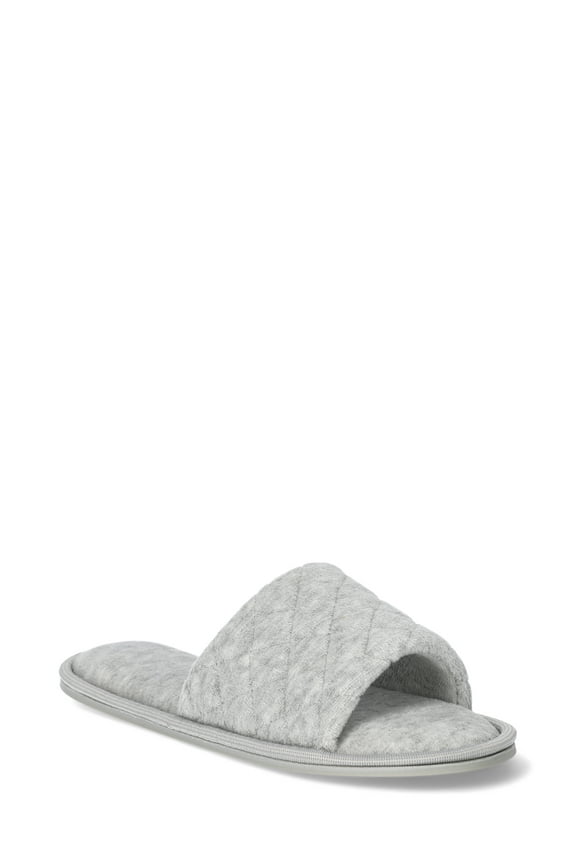
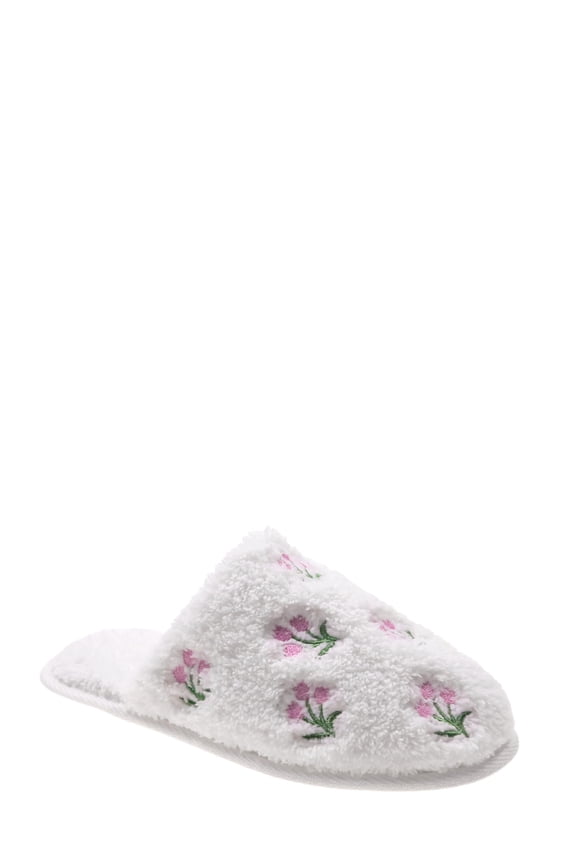
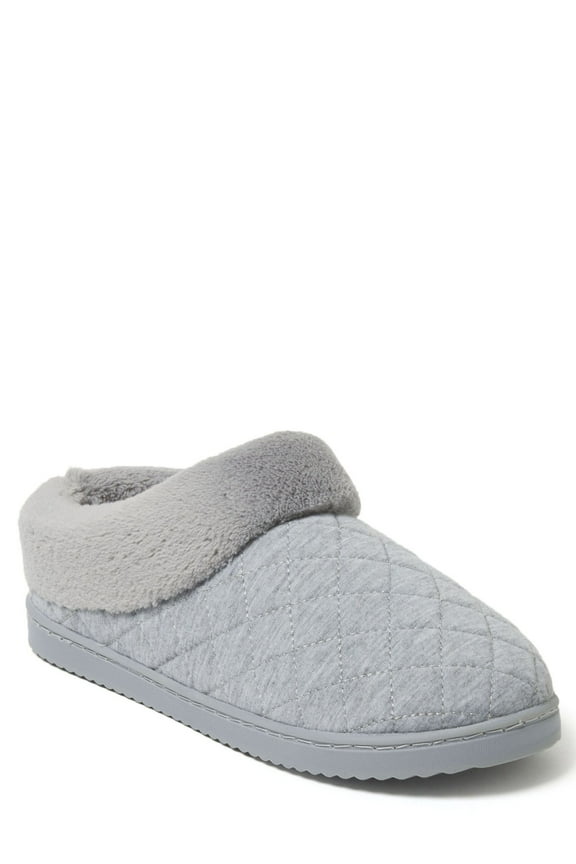
- You can check bootie, clog, and scuff shapes when you want more coverage or easier entry.
Your closure shape matters because it changes coverage and convenience. You may like scuff slippers for quick wear, while bootie styles cover more of your ankle.
Clog shapes often give you a more secure feel through the midfoot. Slip on slippers keep things simple when you move between kitchen, hallway, and bedroom.
Comparing sole type, cushioning, and materials
You should start with sole type because it affects traction, flexibility, and where your slippers work. A hard sole usually feels more structured, while a soft sole bends more easily.
If you expect mixed use, you should compare traction patterns on indoor outdoor slippers. You’ll want tread that helps your steps feel steadier on smooth floors and outdoor paths.
Your cushioning choice changes how your pair feels after long wear. You may notice memory foam molds more closely to your foot, while standard foam feels simpler and lighter.
When you want plush comfort, you can look for cozy slippers with padded footbeds. If you want less bulk, you may prefer thinner cushioning for easier movement.
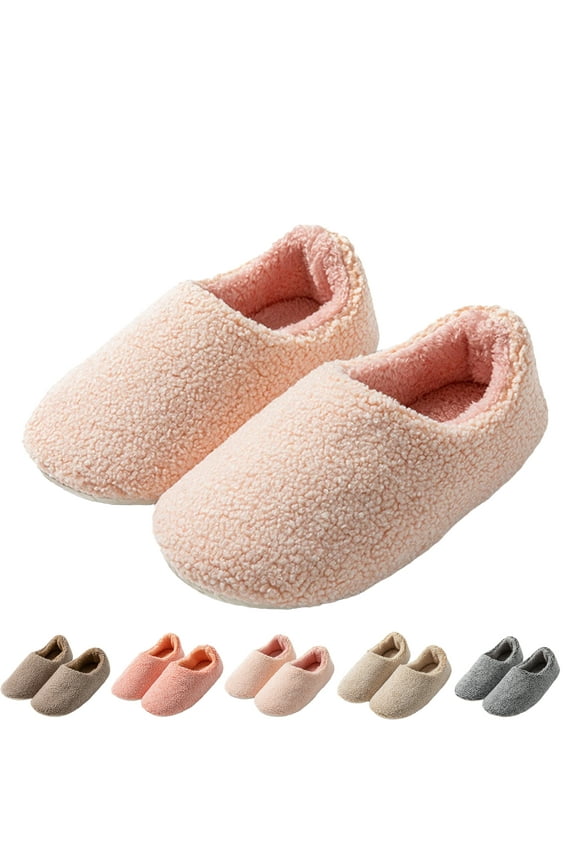
Your material choice affects warmth and breathability more than many shoppers expect. Fleece slippers usually feel soft and warm fast, which works well during colder months.
Wool can feel insulating without feeling overly heavy in many homes. Suede uppers can give your slippers a structured look and a smoother outer finish.
You may also compare linings if your rooms change temperature through the day. A lighter lining can feel easier in milder weather, while thicker fleece feels cozier in winter slippers.
Choosing fit, shape, and audience
You should check fit early because slipper comfort depends on staying secure without feeling tight. If you wear half sizes, you may prefer checking size guidance before you choose.
For wider feet, you may want roomier openings, stretch panels, or rounded toe shapes. You’ll usually get easier entry from scuff and clog designs with open backs.
If you want more coverage, you can compare bootie styles that rise higher around your foot. That extra coverage can help your slippers feel warmer on drafty mornings.
Your household may also shop by audience, including men, women, kids, and unisex options. You can compare shape, coverage, and sole design based on who’ll wear them most.
For kids, you may focus on easy entry and secure soles for active movement indoors. For adults, you may prioritize cushioning, warmth, or indoor outdoor use around the house.
Matching slippers to everyday use
You can match house shoes to the moments that matter most in your home. A fleece-lined scuff works well when you want quick comfort for coffee, laundry, and evening wind-downs.
If your routine includes stepping onto a deck or grabbing deliveries, indoor outdoor slippers make more sense. You’ll appreciate a harder sole when your path includes rougher surfaces.
For cold-season comfort, you may choose holiday slippers or winter slippers with warmer linings. You can look for bootie shapes when you want more coverage around your ankle.
If your mornings move fast, slip on slippers help you get ready without extra steps. You may find clog or scuff silhouettes especially useful near the door.
When you want a pair for shared spaces, unisex shapes can simplify the search. You can compare neutral styling, sole type, and lining weight for flexible everyday wear.
Your right pair should match how you move, what surfaces you cross, and how warm your home feels. With the right slippers, you’ll get comfort that fits your routine from the first step.