




Shop Futons for Living Room and Bedroom(1000+)
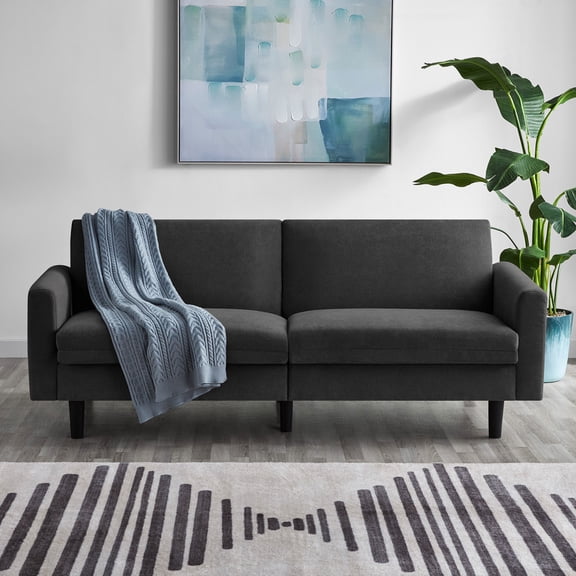
In 500+ people's carts, Mainstays 73 in Storage Futon, Charcoal, Price $198.00
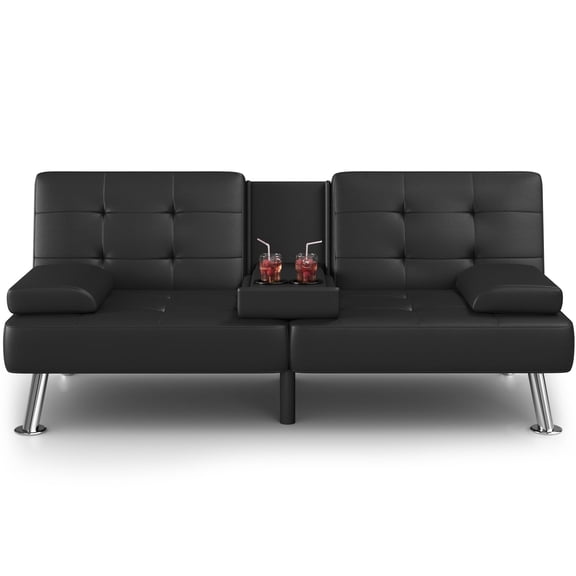
Homall Futon Sofa Bed Faux Leather Couch Modern Convertible Folding Recliner with 2 Cup Holders, Price Now $169.99 Was $259.99 $2.35/lb Options from $169.99 – $209.99


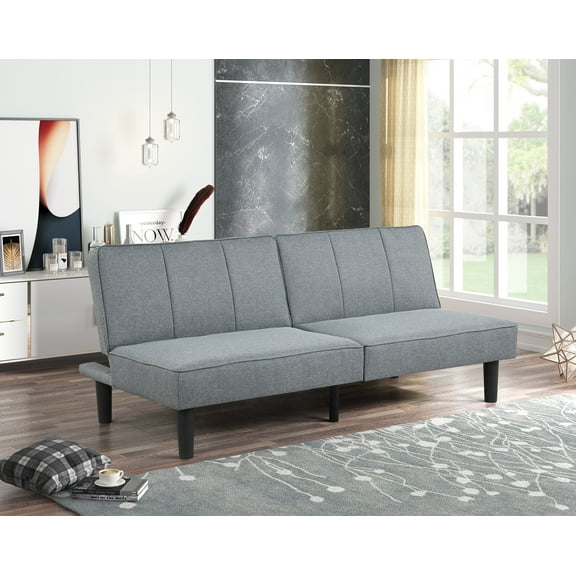
In 200+ people's carts, Mainstays Studio 66 in Convertible Futon, Gray Upholstery, Price $148.00
Best seller, BSHTI 62.99" Faux Suede Upholstered Modern Futon Sofa Bed with Adjustable Back, Tufted Design for Living Room(Dark Red), Price $88.89 Options from $88.89 – $88.98
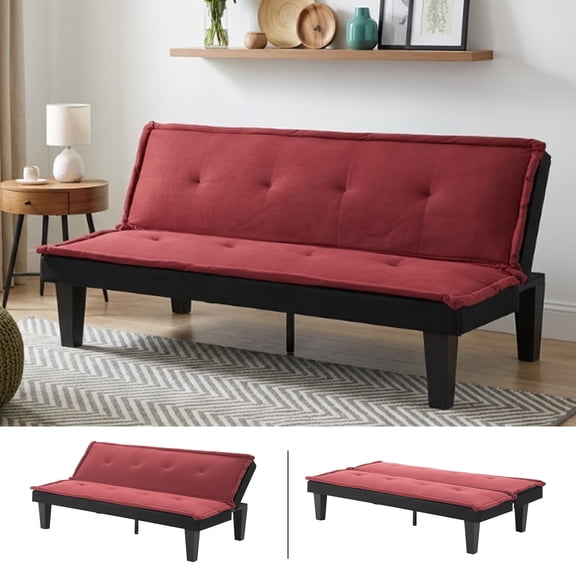


CHITOOMA 75" Futon Sofa Bed with Adjustable Backrest and Armrests, Convertible Sleeper Couch for Living Room, Bedroom, Apartment or Office, Gray, Price $169.99
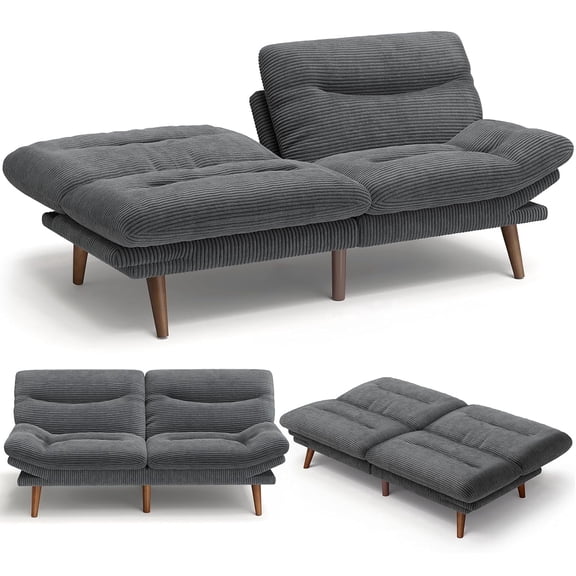
79'' Boneless Convertible Sofa Bed, Foldable Sleeper Couch with Corduroy for Living Room Apartment, Black, Price $279.00 Options from $269.00
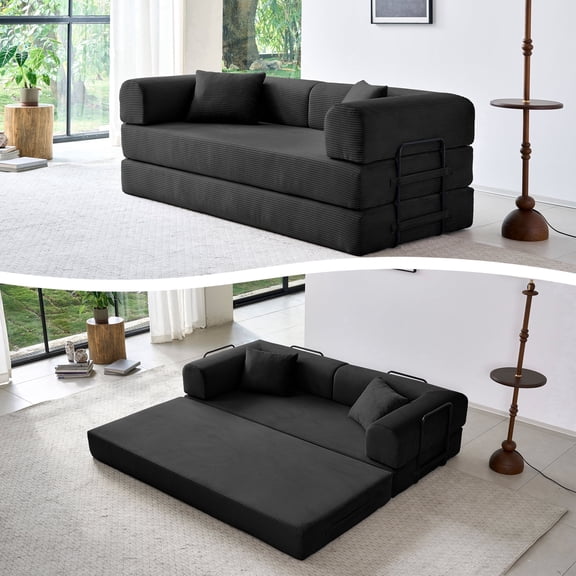
Homall Futon Sofa Bed Faux Leather Couch Modern Convertible Folding Recliner with 2 Cup Holders, Price Now $169.99 Was $259.99 Options from $169.99 – $209.99
BSHTI 65” Futon Convertible Sofa Bed,3 Angles for Adjusting Backrest,with 2 Cup Holders,Twin Size,Removable Pillow Arm Sofa Bed,Black Velvet, Price $109.99 Options from $109.99 – $177.74

Mainstays Pillow Top Futon, 71.25 in, Camel Faux Leather, Price $178.00
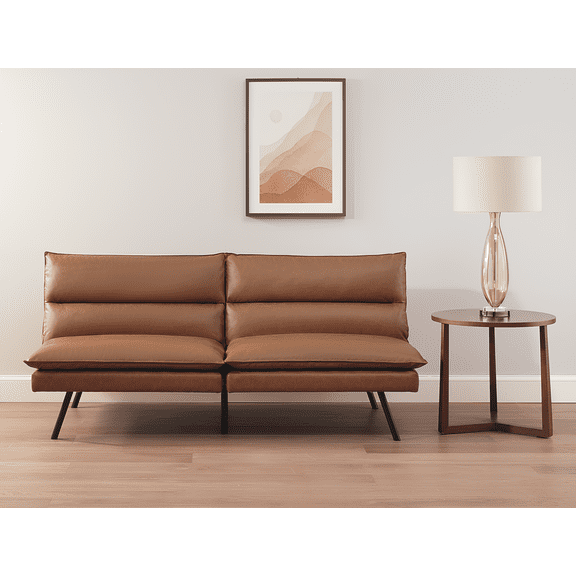


BSHTI 65” Futon Convertible Sofa Bed,3 Angles for Adjusting Backrest,with 2 Cup Holders,Twin Size,Removable Pillow Arm Sofa Bed,Black Velvet, Price $109.99 Options from $109.99 – $177.74


Best seller, CHITOOMA 75" Corduroy Futon Sofa Bed, Gray Convertible Couch with Adjustable Backrest and 6-Level Armrests, Comfy Sleeper Sofa for Living Room, Apartment, or Office, Price Now $169.99 Was $319.88 Options from $165.99

Lodeija 80.3" 5-in-1 Convertible Futon Sofa Bed,Sleeper Couch for Small Spaces and living room, 2 Pillows,Orange, Price Now $269.99 Was $399.00 Options from $249.99
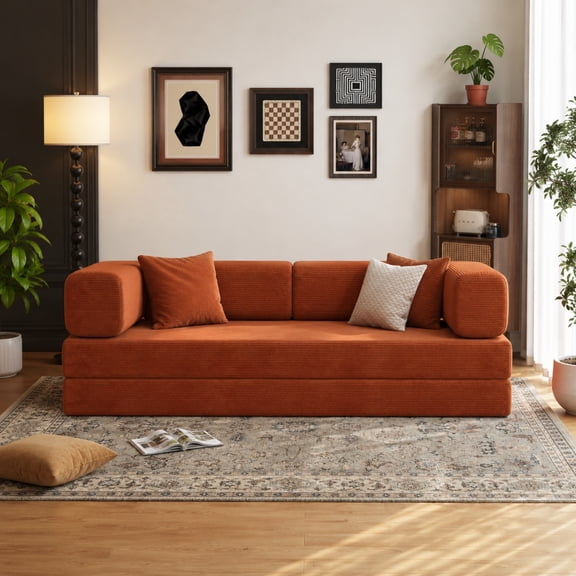
Leumius 70" Futon Sofa Bed,Modern Faux Suede Convertible Sleeper Sofa Bed with 3 Adjustable Backrest Angles,Futon Couch Loveseat for Small Place,Dark Gray, Price $83.99

In 200+ people's carts, Modern Faux Suede Convertible Futon Sofa Bed,Upholstered Futon Couch with 3 Adjustable Backrest Angles,Suitable for Apartment,Living Room,Small Space,Black, Price $81.10

CHITOOMA 75" Futon Sofa Bed with Adjustable Backrest and Armrests, Convertible Sleeper Couch for Living Room, Bedroom, Apartment or Office, Gray, Price $169.99


Best seller, Mainstays 72 in Memory Foam Futon Sofa Bed, Black, Price $198.00
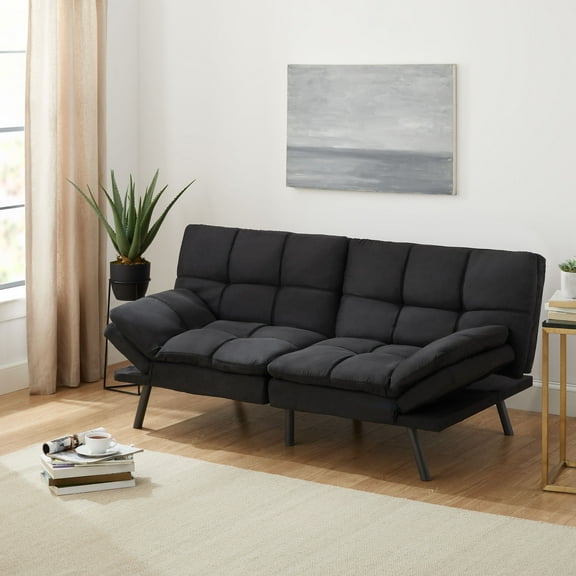


Renwick LuxuryGoods Modern Faux Leather Futon with Cupholders and Pillows, Black, Price $158.00
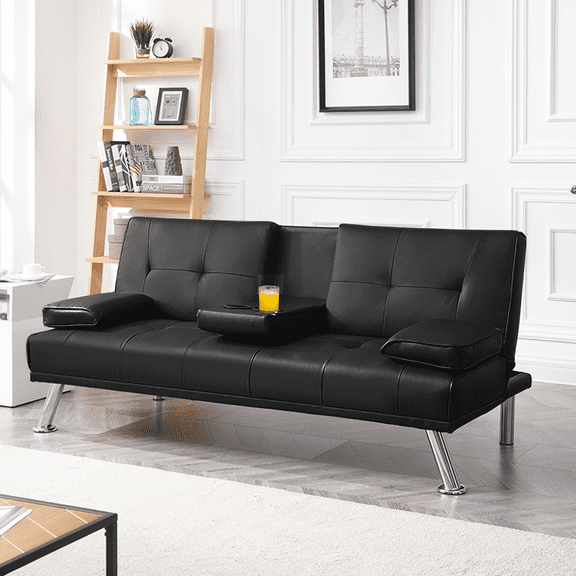


72" Futon Sofa Bed,Upholstered Folding Futon Sofa Couch,Modern Sofa Twin Size Futon Bed with Removable Armrests for Compact Living Space,Apartment,Gray, Price $119.99
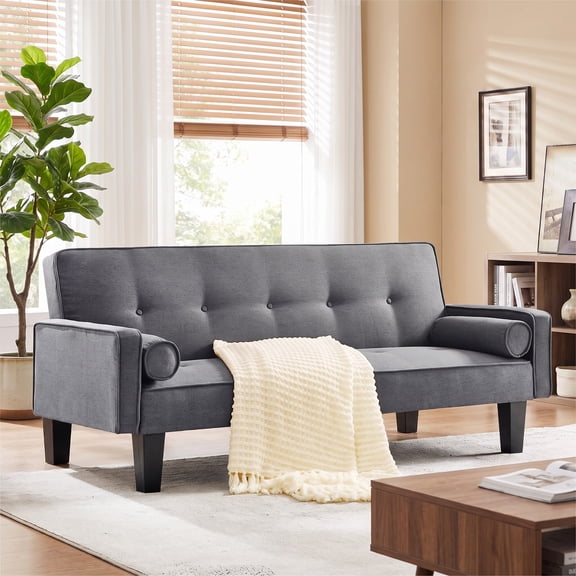
Reduced price, LLappuil 69" Corduroy Futon Convertible Sofa Bed, Loveseat Sleeper Sofa Couch for Living Room Apartment Gray, Price Now $129.00 Was $189.00 + $39.99 shipping

Best seller, COMHOMA Cloud Comfort Convertible Futon Sofa Bed, Gray, Price $134.00
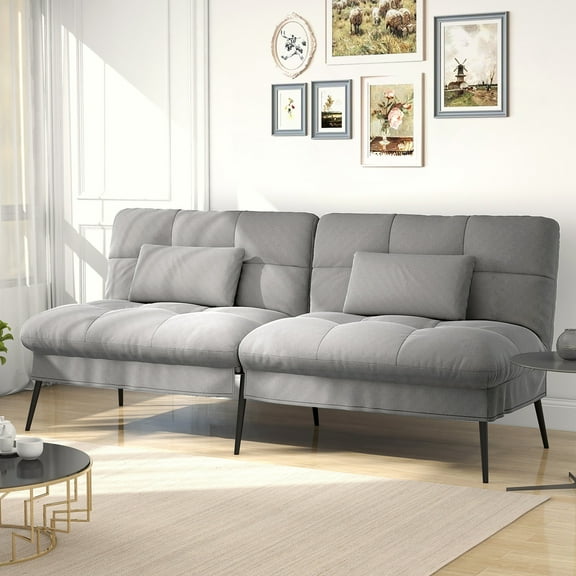


Hommoo Modern 3 in 1 Convertible Sleeper Sofa Bed, Pull Out Loveseat Couch Futon Sofa Bed with 3-Level Adjustable Back, Black, Price $224.57 Options from $169.90

In 200+ people's carts, Modern Faux Suede Convertible Futon Sofa Bed,Upholstered Futon Couch with 3 Adjustable Backrest Angles,Suitable for Apartment,Living Room,Small Space,Black, Price $81.10
Best seller, CHITOOMA 75" Corduroy Futon Sofa Bed, Gray Convertible Couch with Adjustable Backrest and 6-Level Armrests, Comfy Sleeper Sofa for Living Room, Apartment, or Office, Price Now $169.99 Was $319.88 Options from $165.99
Bonzy Home Futon Versatile Sofa Bed with Cup Holders USB Port Foldable 2-Seater Guest Bed for Living Room Gray, Price $99.99 + $39.99 shipping


Mainstays 78.7" Adjustable Back Modern Convertible Futon, Brown, Price $194.89
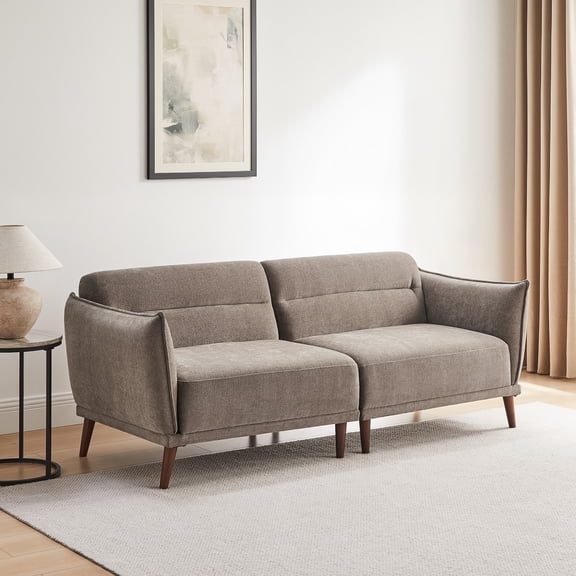
Walsunny Convertible Futon Sofa Bed, Foldable Sleeper Futon with 3-Angle Adjustment, Multifunctional Folding Futon Couch for Small Space, Black, Price Now $129.60 Was $199.99 + $14.99 shipping
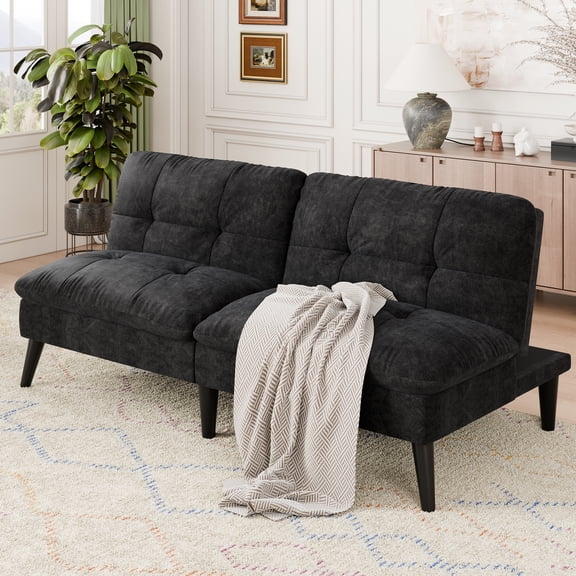
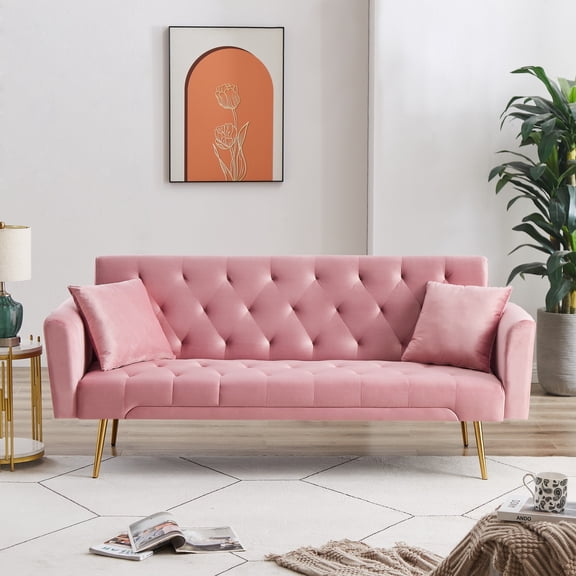
71 Inches Velvet Futon Sofa Bed with 2 Pillows,Modern Convertible Futon Couch with 3 Adjustable Backrest Angles and Gold Metal Feet for Apartment,Living Room,Small Space,Pink, Price $156.99 Options from $156.99 – $204.64


Reduced price, Walsunny Convertible Futon Sofa Bed, Foldable Futon Sleeper Sofa Bed with 2 Cup Holders, Folding Loveseat Recliner with 3-Angle Adjustment Modern Couch for Living Room, Small Space, Black, Price Now $157.50 Was $234.99 + $9.99 shipping Options from $157.50 – $184.99


Patbrela Futon Sofa Bed, 4 in 1 Convertible Sofa with Adjustable Backrest, 70" Teddy Plush Fabric Loveseat Sleeper Couch for Living Room, Apartment, Office, Gray, Price Now $169.99 Was $259.99

Lofka 70" Sofa and Couch with Side Storage Pocket and 4.7" Thick Cushions for Living Room, apartments, bedrooms, Black Modern Home Furniture, Price Now $169.99 Was $285.99 + $49.99 shipping Options from $149.99
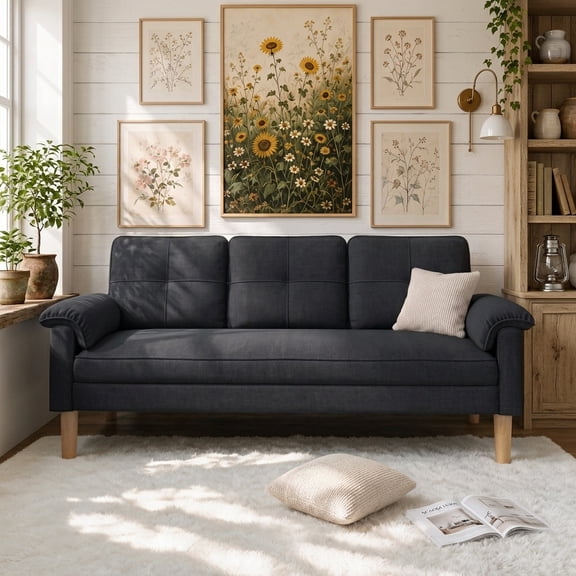


Lacoo Futon Sofa Bed Modern Convertible Sleeper Couch with Removable Armrests & Cup Holders for Living Room,Small Spaces,PU Leather Black, Price $153.18 Options from $153.18 – $259.99

Best seller, BSHTI 62.99" Faux Suede Upholstered Modern Futon Sofa Bed with Adjustable Back, Tufted Design for Living Room(Black), Price $88.98 Options from $88.89

Lofka Futon Sofa Bed, 3-in-1 Sleeper Sofa with Adjustable Backrest for Living Room,Apartment,Linen Fabric,Dark Gray, Price $198.99 + $59.99 shipping

Gewnee 67.3 Inch Corduroy Convertible Sofa Bed,Upholstered Futon Couch with Adjustable Backrest,Suitable for Small Apartment,Dorm,Office,Yellow, Price $139.99 Options from $139.99 – $198.99


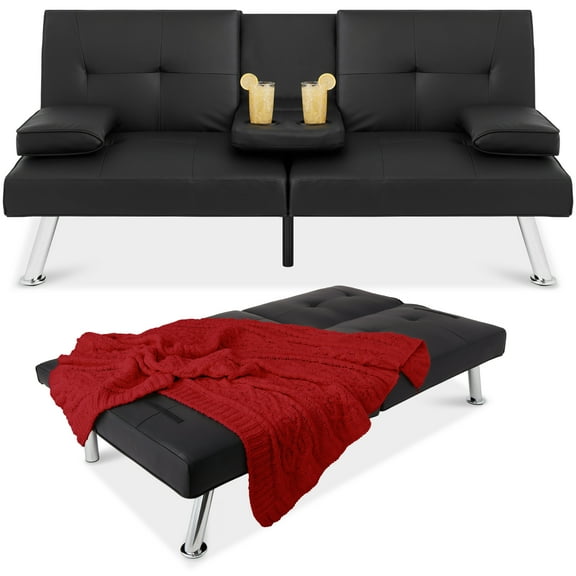
Best Choice Products Modern Faux Leather Convertible Futon Sofa w/ Removable Armrests, 2 Cupholders - Black, Price Now $149.99 Was $285.99 Options from $149.99 – $159.99


Leumius 71 inches Convertible Futon Sofa Bed,Modern Loveseat Sofa Couch Sleeper Sofa Bed with 2 Pillows for Living Room,Black, Price $129.99
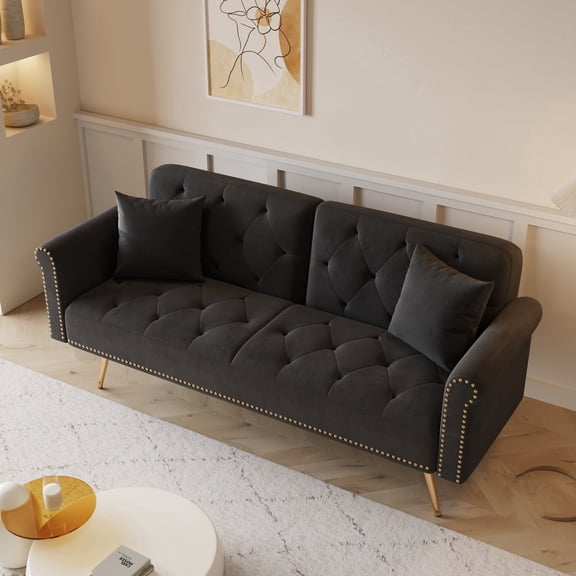
Noelse 87" Sectional Sleeper Sofa, Pull Out Couch with Adjustment Backrest, Convertible Sectional Couch Bed for Living Room, Guest Room, Dark Grey, Price Now $389.59 Was $659.99 + $99.99 shipping Options from $259.99


Gewnee 50.79”Loveseat Sofa,2 Seater Modern Couch with Removable Back Cushions,Comfy Futon Sofa for Apartment,Office.Navy Blue, Price $134.76 Options from $89.99
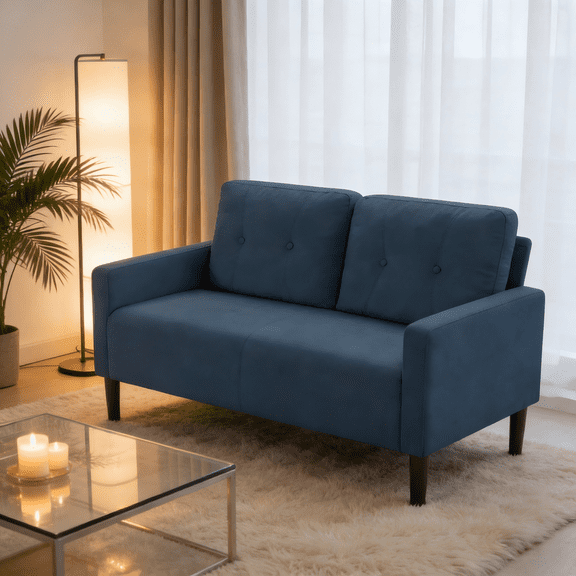


LITVZ 3 in 1 Convertible Sleeper Sofa, 65in Sleeper Couch with Pull Out Bed, Oversized Loveseat Futon Sofa Hide-A-Bed w/Adjustable Backrest, Storage Armrests and Laptop Table for Living Room, Price $399.99


Vineego Futon Sofa Bed Folding Leather Modern Couch with 2 Cup Holders,Removable Armrests,Black, Price Now $169.99 Was $259.99 Options from $169.99 – $189.99


BSHTI 62.99" Faux Suede Upholstered Modern Futon Sofa Bed with Adjustable Back, Tufted Design for Living Room(Dark Gray), Price $93.99 Options from $92.99
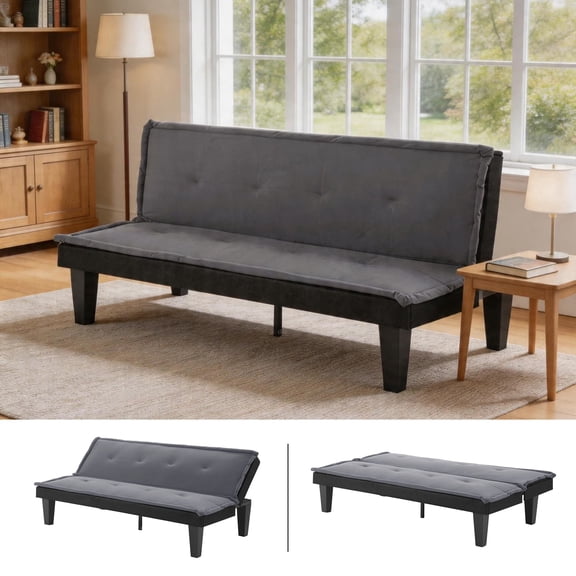

Walsunny Futon Sofa Bed with Hidden Cup Holders, Modern Convertible Folding Futon Couch with 3-Angle Adjustment for Living Room, Small Space, Black, Price Now $159.99 Was $258.99 Options from $159.99 – $179.99
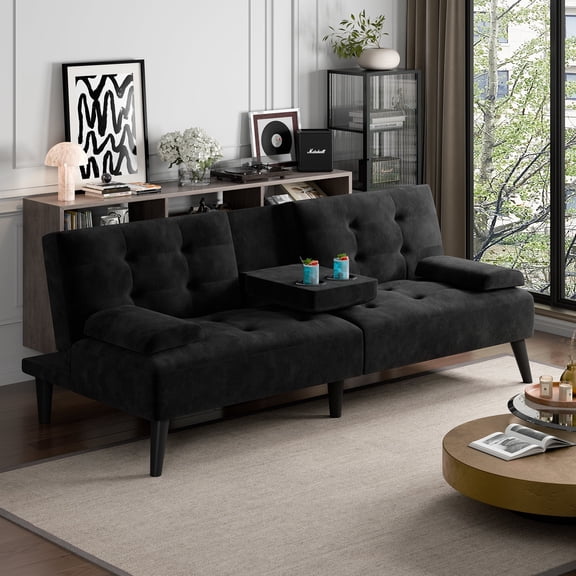


BSHTI 63.39" Futon Sofa Bed with 5 Adjustable Positions – Polyester Fabric Convertible Sleeper Couch with Iron Frame, Clean-Lined Modern Design for Living Room, Apartment, Office, Dark Gray, Price $97.58 Options from $97.58 – $136.00


66" Futon Sofa Bed, 3-in-1 Convertible Sleeper Couch Bed for Small Spaces, Tufted Back Loveseat for Living Room, Grey, Price $114.99
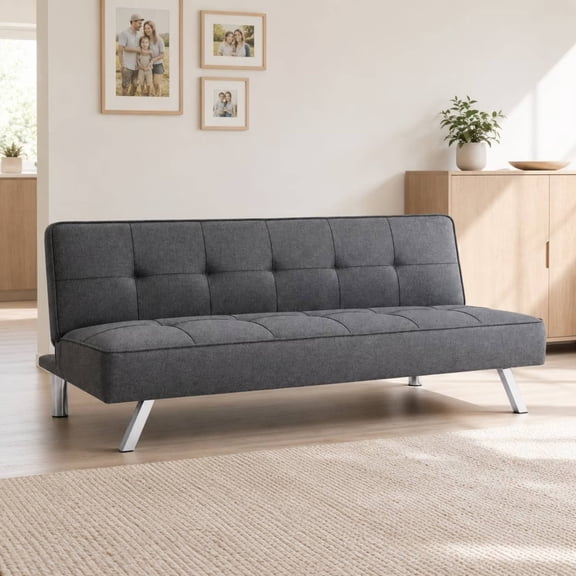


Gewnee 62.99" Faux Suede Futon Sofa Bed,Modern Convertible Futon Couch with 5 Adjustable Backrest,Sleeper Sofa Couch for Living Room,Apartment,Black, Price $95.10

Alden Design 66" Modern Fabric Futon Sofa Bed Convertible Futon Couch with USB Ports and Chrome Metal Legs, Black, Price $184.00
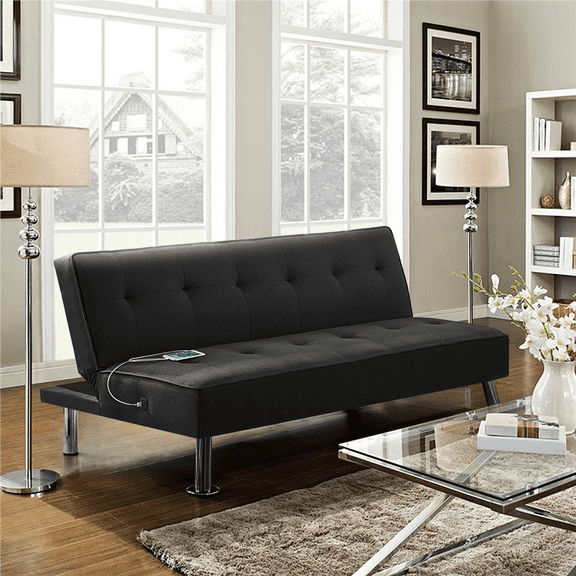


Kadyn Futon Sofa Bed, 54" Adjustable Backrest Convertible Futon Sofa for Living Room, Futon Sleeper Sofa with Side Pouch, Pink, Price $223.44 + $45.00 shipping Options from $223.44 – $224.57


Aukfa Convertible Futon Sofa Bed with Cupholder&Pillow for Home Office Twin Size, Leather, Red, Price $196.78 $3.34/lb Options from $159.01


Gewnee 65.35"Faux Leather Futon Sofa Bed,Loveseat Sofa Couch with Adjustable Backrest,Cup Holders and Storage Pocket,Small Space Sofa for Home,Black, Price $147.99
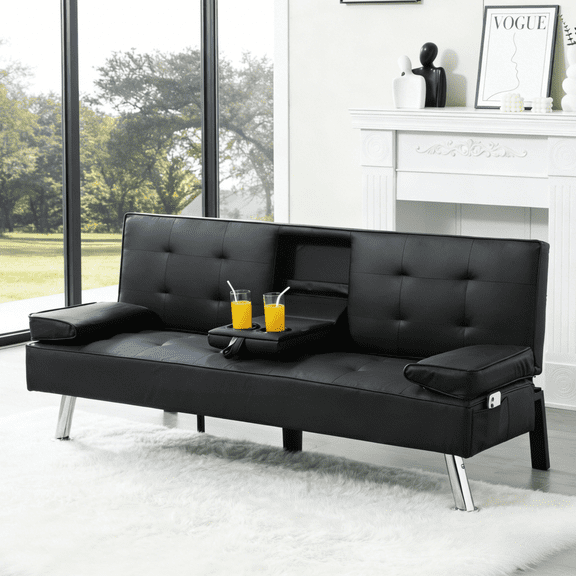
Hommoo Modern 3 in 1 Convertible Sleeper Sofa Bed, Pull Out Loveseat Couch Futon Sofa Bed with 3-Level Adjustable Back, Black, Price $224.57 Options from $169.90


About Shop Futons for Living Room and Bedroom - Walmart.com
Transform any space into a hub of comfort and versatility with our selection of futons. Whether you need a stylish seating solution for your living room, a space-saving sleeper for guests, or a multifunctional piece for your apartment or office, futons offer the perfect blend of adaptability and modern design.
- Seamless transitions: Easily convert your futon from sofa to bed in seconds, offering flexible use for relaxation, overnight guests, or quick naps.
- Space optimization: Ideal for small apartments, studios, or multifunctional rooms, futons provide efficient seating and sleeping options without taking up extra space.
- Contemporary style: Available in a variety of colors, fabrics, and finishes, futons complement modern décor and help you express your personal taste.
- Comfort features: Enjoy adjustable backrests, supportive cushions, and convenient extras like built-in cup holders and storage pockets for everyday ease.
- Effortless assembly and care: Designed with simple setup and easy-to-clean materials in mind, futons offer a low-maintenance solution for busy lifestyles.
Find the right futon at Walmart and enjoy the confidence of shopping quality options that make your home more welcoming and functional—no matter your space or style.
Popular in Shop Futons for Living Room and Bedroom - Walmart.com
FAQ
Can you use a futon as your main bed?
Many people use futons as their primary bed, especially in apartments or smaller spaces. Futons are designed to be versatile, offering both seating and sleeping options. Comfort depends on the mattress type and thickness, so choosing a futon with a supportive mattress can help. If you plan to sleep on a futon every night, look for models with memory foam or plush padding. It's also a good idea to rotate the mattress and keep it clean for lasting comfort. For specific health concerns, consider consulting a medical professional before making futons your main sleeping option.
How comfortable are futons for daily use?
Futon comfort varies based on materials and construction. Modern futons often feature adjustable backrests, plush fabrics, and memory foam mattresses, making them suitable for daily lounging and sleeping. If you're looking for extra comfort, check for features like pillow tops, thick cushions, or ergonomic designs. Futons with adjustable settings can help you find the right position for relaxation. Keep in mind that comfort is subjective, so reading reviews and testing in-store can help you find the best fit for your needs.
Where can I find quality futons?
Walmart offers a wide selection of futons both online and in stores, with options ranging from basic models to more luxurious designs. You can browse futons by material, size, or features like adjustable backrests and built-in storage. The online catalog makes it easy to compare styles and read customer reviews. If you prefer to see futons in person, check availability at your local Walmart store. Shopping at Walmart gives you access to convenient delivery and customer support for your purchase.
What’s the difference between a futon and a sleeper sofa?
Futons and sleeper sofas both offer dual functionality, but they differ in design. A futon typically has a foldable frame and mattress that converts from a sofa to a bed, while a sleeper sofa usually contains a hidden mattress inside the sofa structure. Futons are often lighter and easier to move, making them ideal for apartments or small spaces. Sleeper sofas tend to be bulkier and may provide a more traditional bed feel. Consider your space, style preference, and how often you'll use the bed function when choosing between the two.
How do I clean and care for a futon?
Keeping your futon clean helps maintain its appearance and comfort. For fabric futons, vacuum regularly and spot clean with mild soap and water. Removable covers can often be machine washed—always check care instructions first. For faux leather or suede, wipe with a damp cloth and avoid harsh chemicals. Rotate the mattress to prevent uneven wear, and avoid placing heavy items on the futon when it's in bed mode. Proper care can help your futon last longer and stay comfortable for everyday use.