

Fuel Stabilizers for Gasoline and Diesel Engines



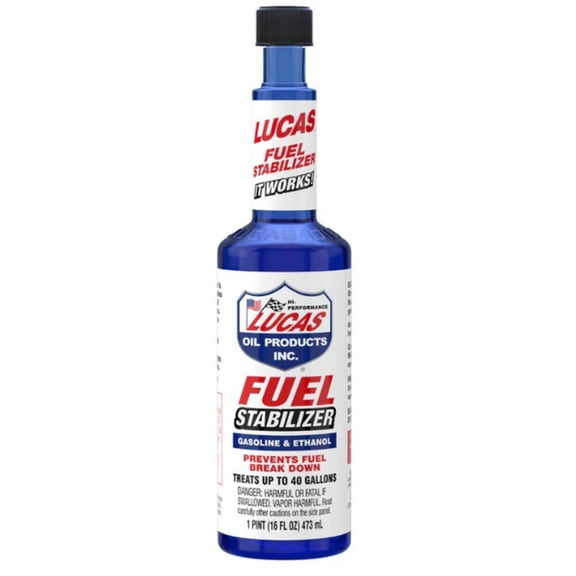

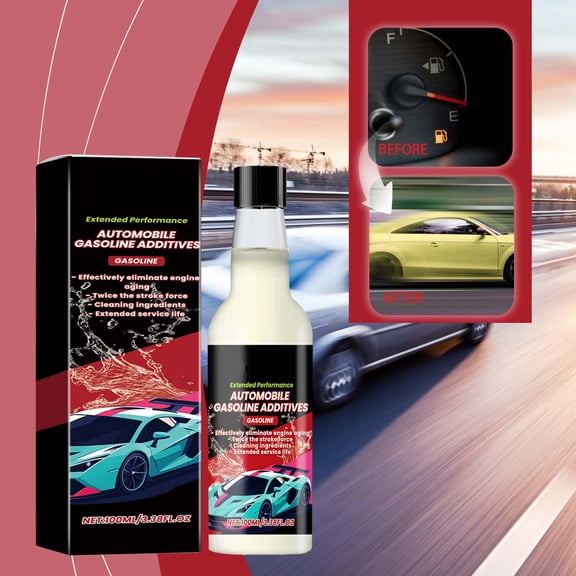
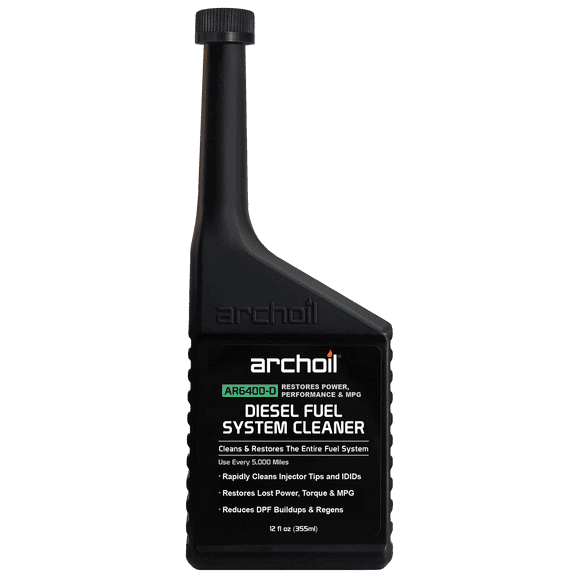
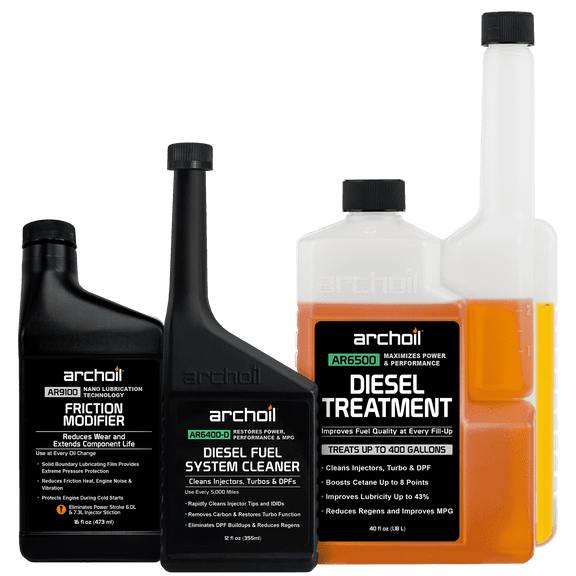










About Fuel Stabilizers for Gasoline and Diesel Engines - Walmart.com
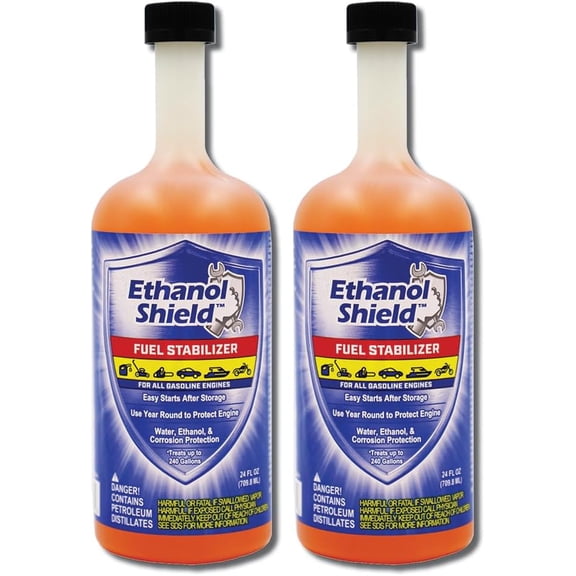
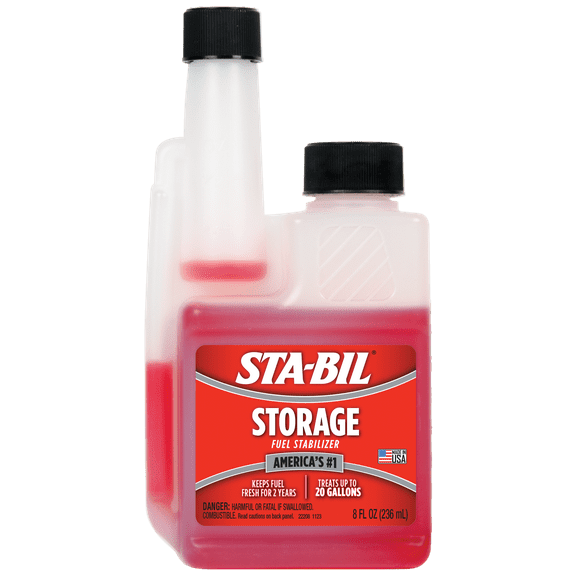
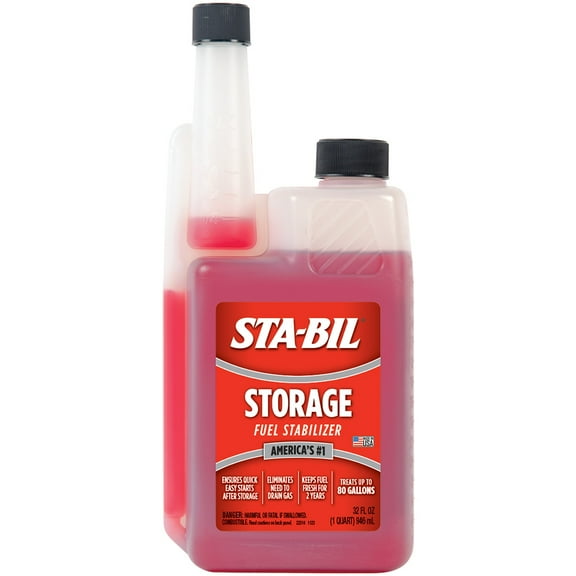
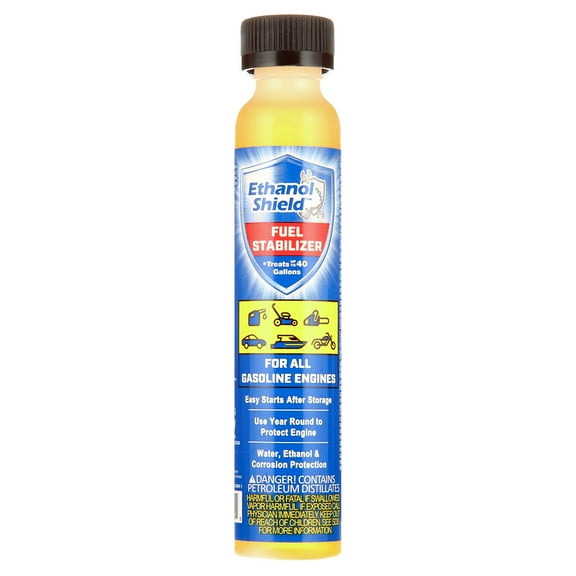
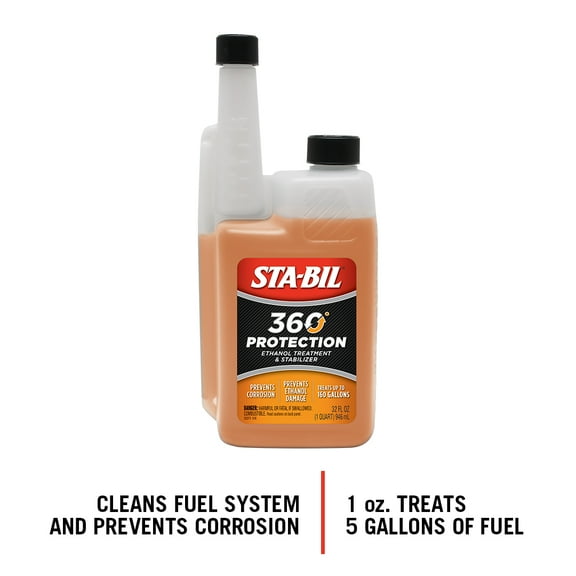
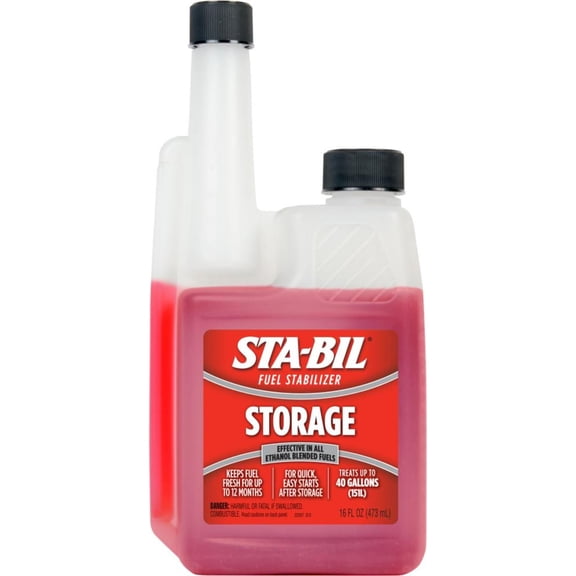
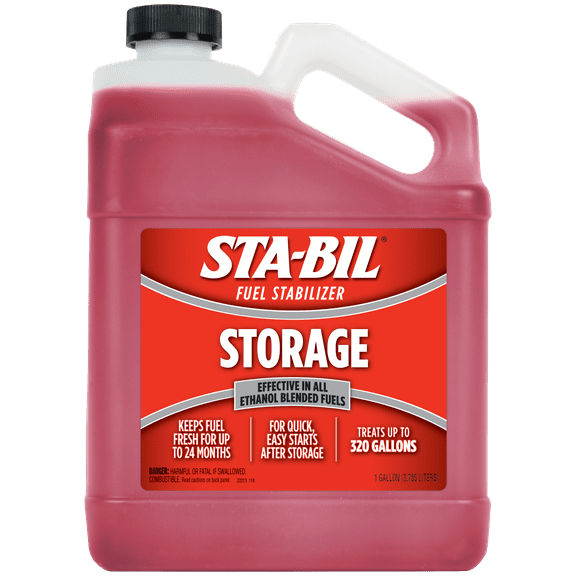
Choose a gas stabilizer for car storage to keep fuel fresh and starts easier after downtime. Fuel stabilizers slow oxidation and help reduce varnish that can clog injectors. You’ll find options for ethanol-blend pump gas, classic cars, and seasonal daily drivers.
Long sits happen during winter storage, travel, or backup-vehicle cycles. Gasoline can degrade and pull in moisture, especially with ethanol blends. Using the right additive helps your tank and fuel system stay ready for the next turn of the key.
Benefits of using a gas stabilizer for car storage
A fuel stabilizer works before problems start, not after deposits build up. It helps maintain fuel quality so your engine cranks, idles, and accelerates more consistently. That matters for cars with tight injector passages and modern emissions components.
Stabilizers also support cleaner fuel delivery during storage transitions. You’ll often notice fewer rough-start moments after weeks or months parked. That can mean less time troubleshooting hard starts and stalled idle.
Many formulas are designed for ethanol-blend gas, which can absorb water over time. The right gas stabilizer can help limit phase separation risk during longer storage. That’s especially helpful for vehicles stored in humid garages or outdoor sheds.
- Helps keep gasoline usable longer during seasonal or long-term parking.
- Supports easier starts after storage by limiting gum and varnish formation.
- Helps protect fuel system passages like injectors, jets, and carb bowls.
- Useful for ethanol-blend fuel that can attract moisture over time.
- Reduces the need to drain tanks and lines before storage.
Features to compare in fuel stabilizers
Start with your engine type and fuel system design. A gasoline stabilizer for fuel-injected cars may focus on injector cleanliness and oxidation control. A carbureted setup may need stronger varnish protection for bowls and jets.
Check the treatment ratio on the label, since it affects how long a bottle lasts. Some concentrate formulas treat larger volumes per ounce. Others trade concentration for simpler measuring and pouring.
Look for clear storage-duration guidance, since needs vary by season and climate. Many products call out protection windows like several months to a year. Follow label directions for dosage and run time after adding.
If you rotate between E10, E15, or ethanol-free fuel, confirm compatibility. A stabilizer for gasoline that mentions ethanol blends can be a safer match for common pump gas. For collector vehicles, consider formulas aimed at long storage intervals.
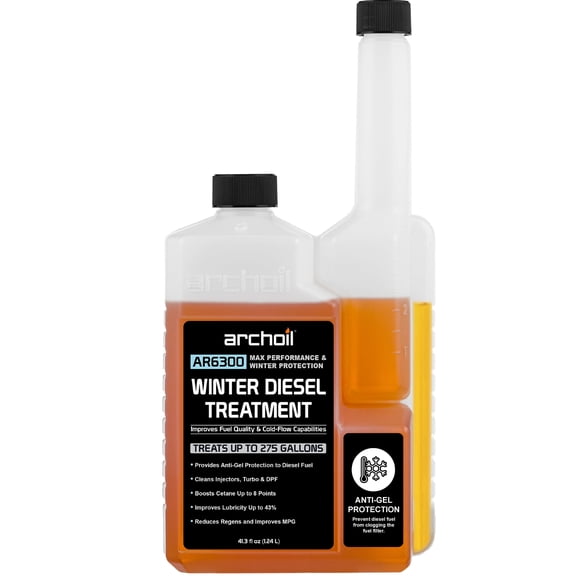
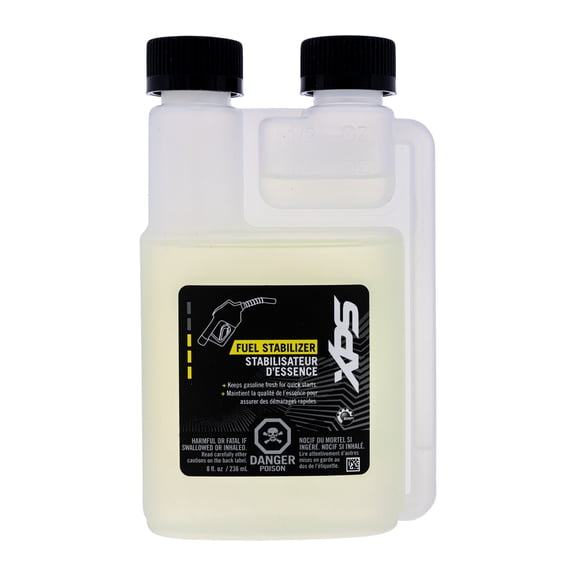
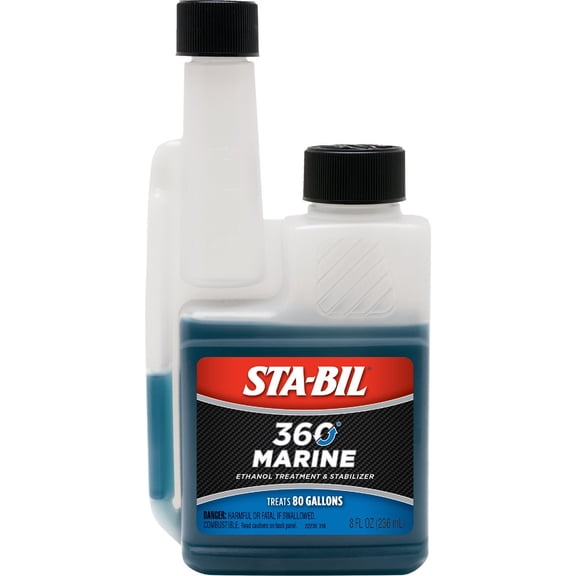
Pay attention to bottle design and dispensing features. Built-in measuring chambers help prevent over-treating small tanks. A narrow spout can reduce spills when filling motorcycles, lawn equipment, or jerry cans.
Use cases for gasoline stabilizer and fuel stabilizer gasoline blends
Winterization is the classic reason to use fuel stabilizers. Add it before your last drive, then run the engine so treated fuel reaches the rail or carb. Park with a fuller tank when recommended to reduce air space and moisture exposure.
Classic cars and weekend cruisers benefit when they sit between outings. A gas stabilizer can help keep older fuel systems from forming sticky residue. That’s helpful for carburetors, mechanical fuel pumps, and metal fuel lines.
Small engines often share the same storage issues, but with tiny passages. Use treated fuel in mowers, snow blowers, generators, and pressure washers. It helps avoid clogged jets and stuck floats after off-season storage.
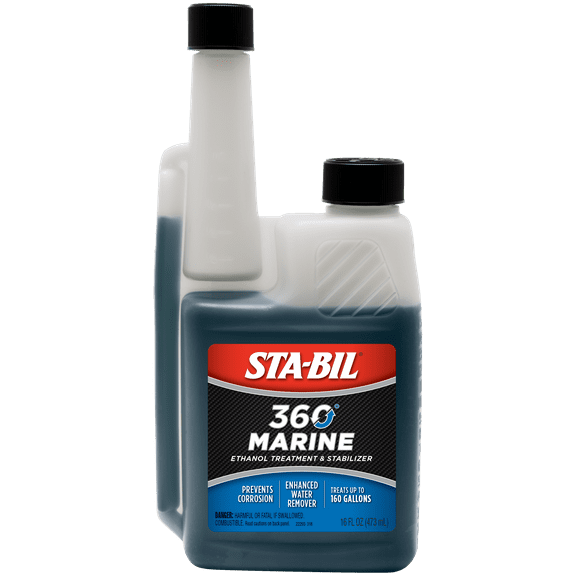
Boats and personal watercraft also face humidity and long idle time. Choose a gasoline stabilizer suited for frequent moisture exposure when your marina season ends. Treat both built-in tanks and portable cans you’ll store.
Emergency prep is another common scenario for stabilizer for gasoline. Treat fuel cans you rotate for generators and backup vehicles. Label the can date so you can cycle fuel responsibly.
Fuel storage guide and smart add-ons
For the longest storage, start with fresh fuel, then dose accurately. Old gasoline won’t improve much with additives, so plan treatment early. After adding, drive or run the engine long enough to circulate treated fuel.
Storage readiness also depends on spark and electrical health. Pair stabilizer use with fresh spark plugs and a maintained battery. Many shoppers also add a battery tender for vehicles parked for extended periods.
Keep containers sealed and stored safely, away from heat sources. Use approved fuel cans and avoid mixing unknown fuels together. Simple habits help your stabilizer work as intended.
Wrap-up
Using a gas stabilizer for car storage helps keep fuel usable and supports easier starts after downtime. Match the formula to ethanol blends, engine type, and storage length. With treated fuel in the system, you’re set up for a smoother return to the road.