





Fresh Herbs near me: Buy Fresh Grocery Herbs at Walmart

















About Fresh Herbs near me: Buy Fresh Grocery Herbs at Walmart - Walmart.com
Fresh herbs help you bring brighter flavor to everyday cooking, and you can compare bunches, clamshell packs, and living pots in one grocery destination. You can choose varieties for sauces, garnishes, marinades, and infusions while keeping your meal plan simple.
If you're planning weeknight dinners or holiday sides, fresh herbs give your dishes a just-picked finish that dried seasonings can't match. You can also compare organic and conventional options based on how you cook and store each herb.
How to choose fresh herbs
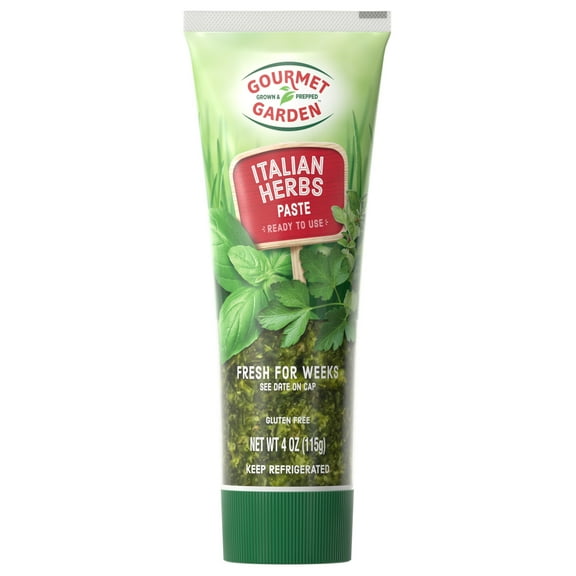
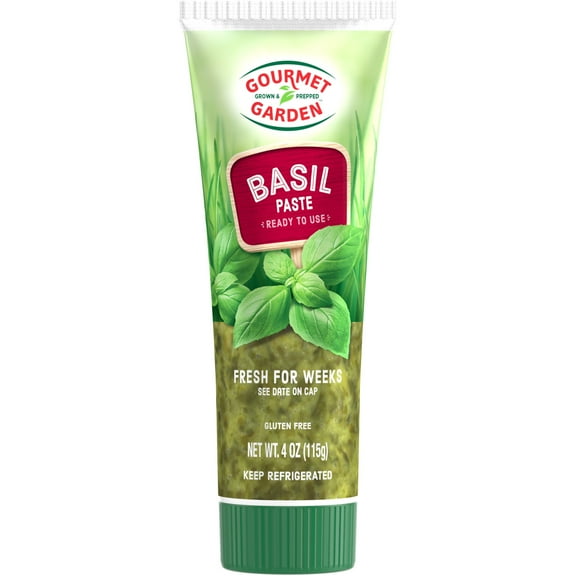
When you shop fresh herbs, you should start with the variety that fits your recipe and prep style. You may want basil for pesto, cilantro for tacos, rosemary for roasts, or mint for drinks.
You'll also want to think about texture and intensity before you buy. You can use parsley for a clean finish, thyme for slow-cooked dishes, and rosemary when you want sturdy needles that hold up to heat.
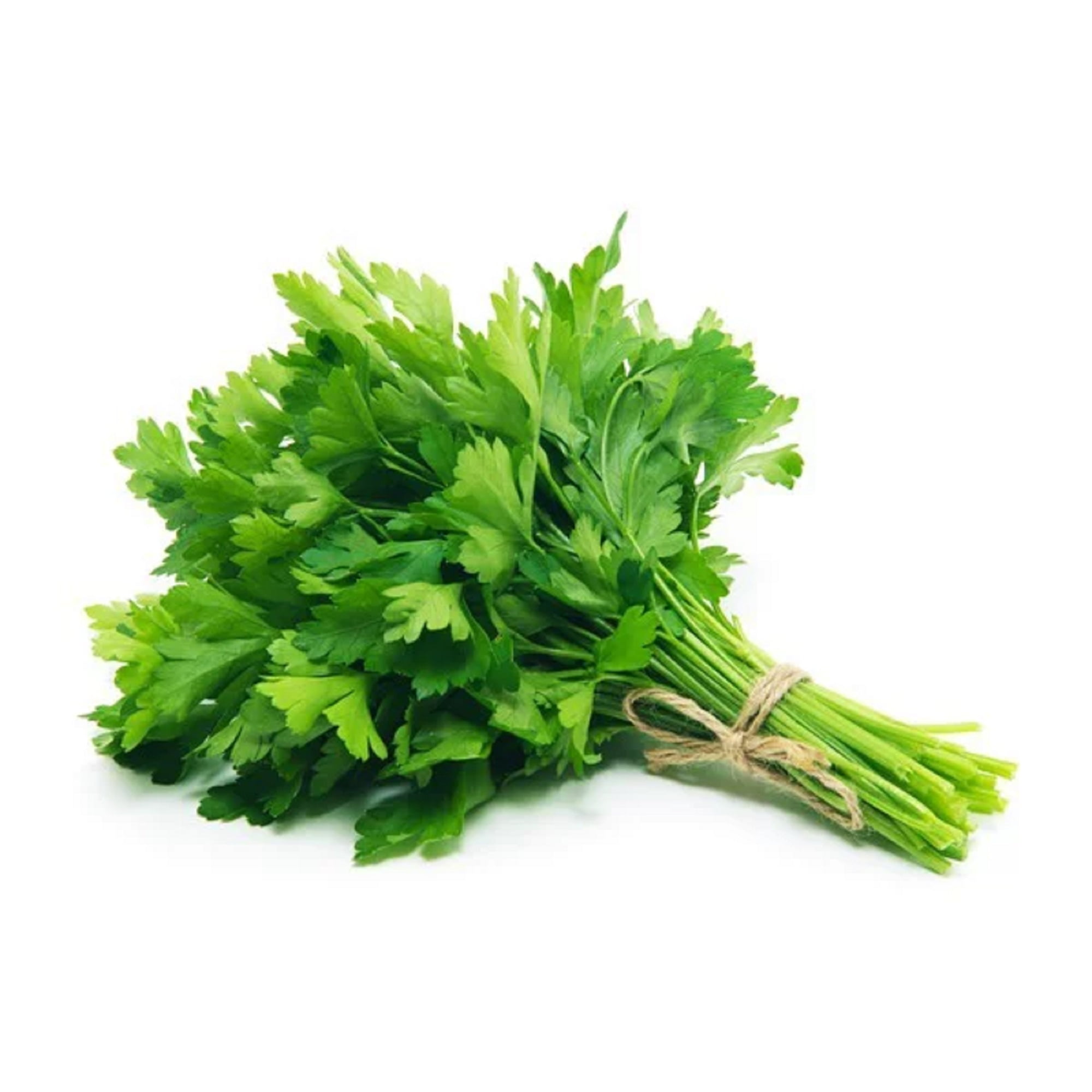
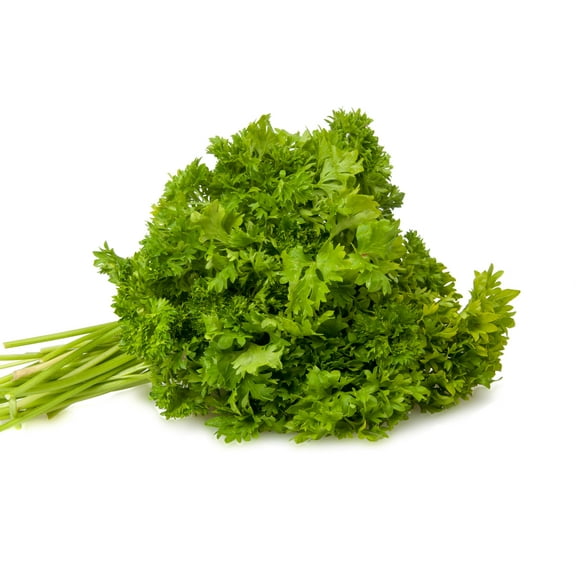
Packaging also changes how you use herbs at home. You can pick fresh bunches for larger recipes, clamshell packs for smaller portions, or living potted herbs for repeated snipping.
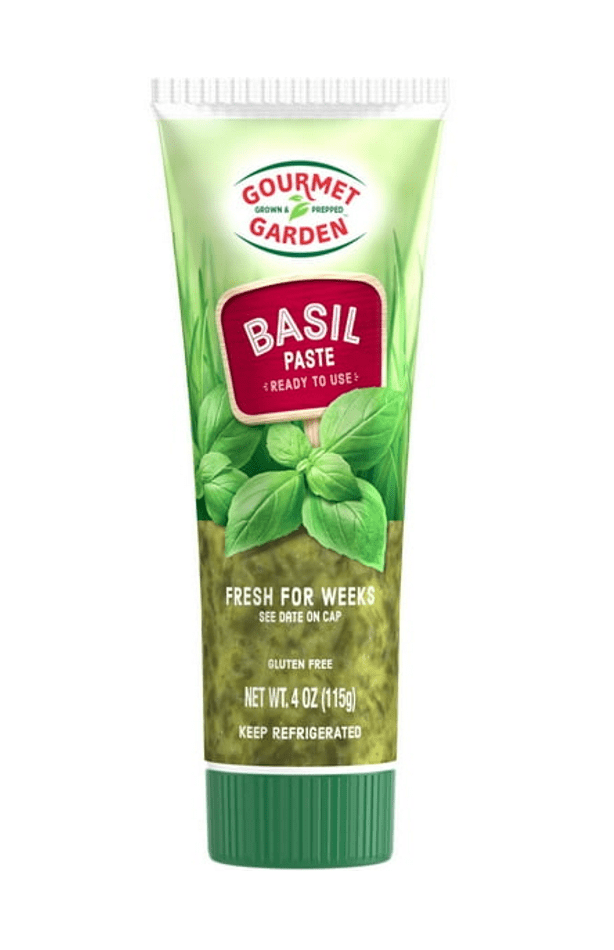
- You can use basil leaves for pesto, pizza, pasta, and caprese-style salads.
- You can add cilantro to salsa, rice bowls, soups, and quick garnishes.
- You can season roasted potatoes, chicken, or bread with rosemary and thyme.
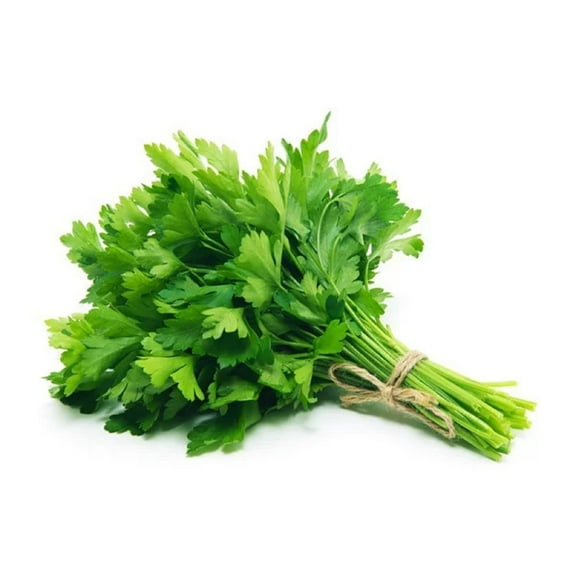
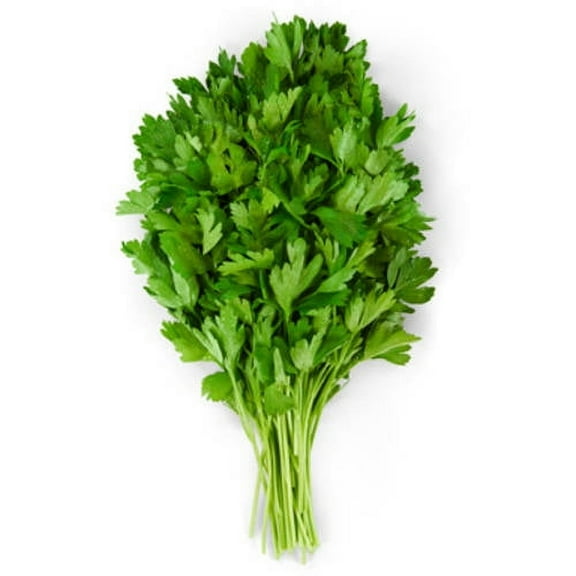
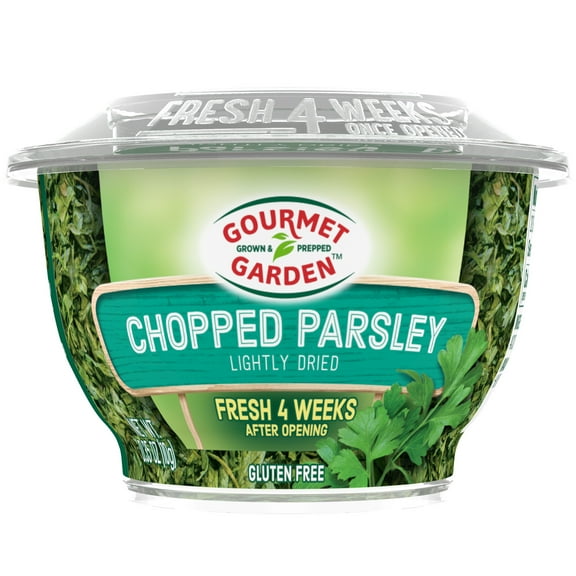
- You can finish sauces, grain bowls, and seafood with parsley or mint.
Choosing packaging, quantity, and farming method
You should match package size to how often you'll cook during the week. You can choose a bunch when you need handfuls for chimichurri, stock, or herb-heavy salads.
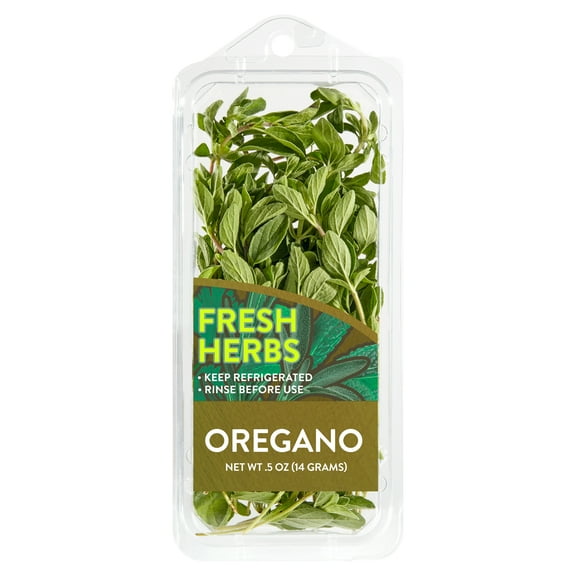
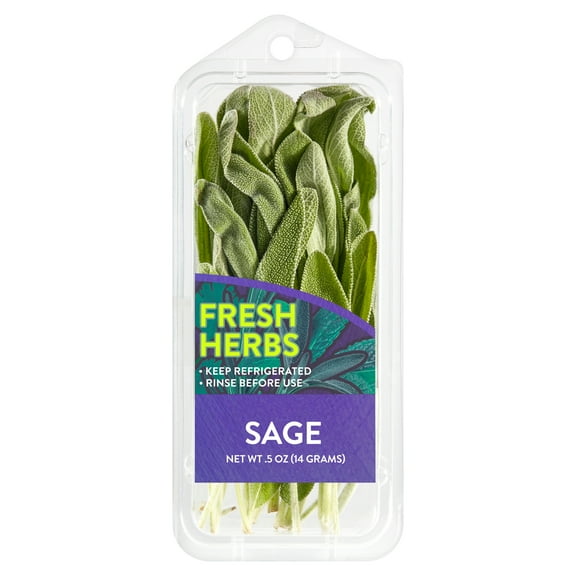
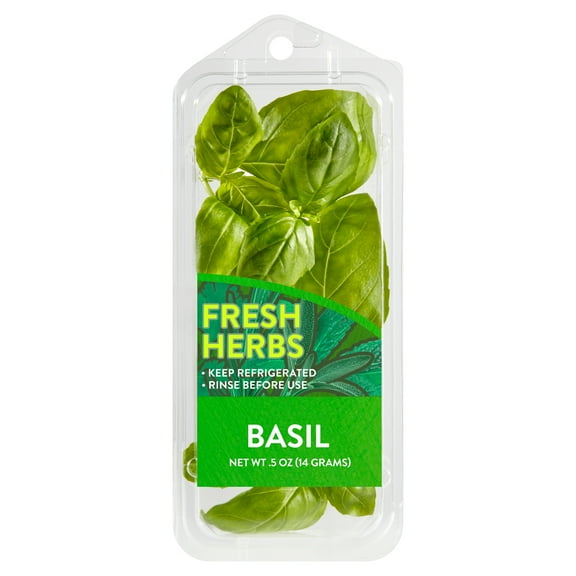
If you only need a smaller amount, you may prefer a clamshell pack for controlled portions. You can reduce leftover stems when your recipe needs a light garnish or a few chopped leaves.
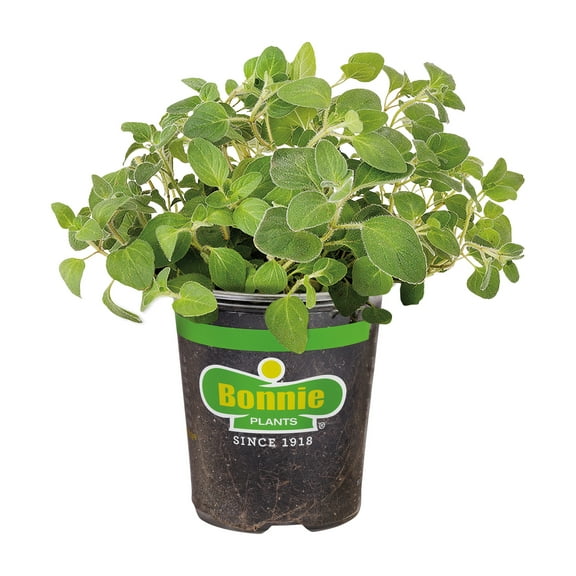
Living potted herbs work differently from cut herbs, so you should compare them with your kitchen routine in mind. You can snip what you need and leave the rest growing.
When organic certification matters to you, look for USDA Organic labeling on the package. You can use that mark to compare organic fresh herbs with conventional options in the same category.
You'll also want to check whether your herbs are labeled pre-washed or ready to rinse. You can streamline prep when the package gives clear handling guidance for leaves, stems, and bunches.
What to look for in grocery store fresh herbs
You can compare leaf color, stem firmness, and overall moisture before you choose grocery store fresh herbs. You'll usually want vibrant leaves, upright stems, and packaging that doesn't look overly wet.
For bunches, you should check how full the bundle feels in your hand. You can often tell whether a bunch suits one recipe or several meals by stem count and leaf density.
For clamshell packs, you should look at how evenly the leaves are packed. You can spot whether the herbs look loose and usable or compressed from too much handling.
With living potted herbs, you should check the plant shape and soil condition. You can choose fuller growth when you want several cuttings over multiple days.
You should also compare how each herb behaves in heat, blending, or finishing. You can use tender basil and cilantro at the end, while woody thyme and rosemary can cook longer.
Using and storing fresh herbs at home
You can keep fresh herbs useful longer when you match storage to the type of leaf and stem. You'll usually refrigerate cut herbs, while living potted herbs often do well with light and regular watering.
For bunches, you can trim the stems and wrap them loosely before chilling. You should keep leaves dry enough to stay crisp but not so dry that they lose freshness.
For clamshell packs, you can return herbs to the container after opening if the package allows airflow. You should avoid crushing the leaves when you place them back in the refrigerator.
If you cook in batches, you can chop herbs into sauces, compound butter, and dressings early in the week. You can also freeze some chopped herbs for later soups, stews, and skillet meals.
You can use basil for pesto night, cilantro for taco bowls, and parsley for pasta finishers across several dinners. You'll get more flexibility when you choose packaging that matches your cooking schedule.
Matching fresh herbs to everyday meals
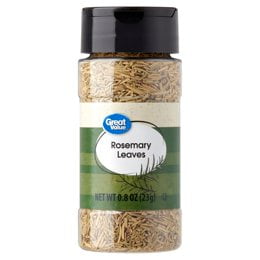
You can pair rosemary with roasted meats, potatoes, and focaccia when you want bold aroma. You may choose thyme for braises, pan sauces, and sheet pan vegetables because the small leaves distribute easily.
Basil fits recipes where you want soft leaves and a sweet herbal note. You can tear it over pizza, blend it into pesto, or layer it into sandwiches.
Cilantro works well when you want a fresh finish for tacos, curries, or grain bowls. You can use both leaves and tender stems to add flavor without extra prep.
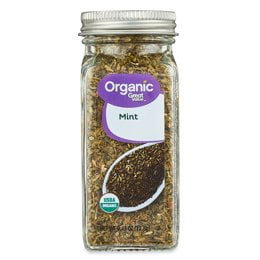
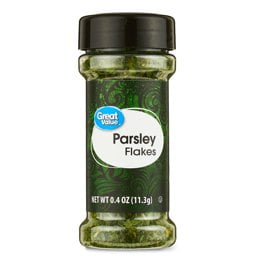
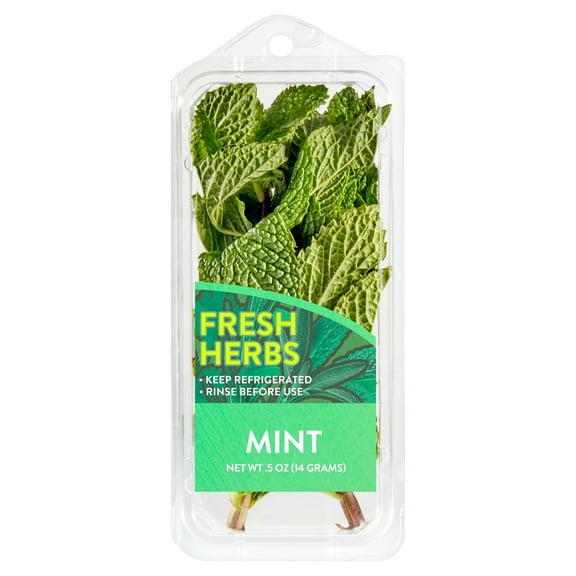
Mint supports cold drinks, fruit dishes, sauces, and savory salads with a cooling note. You can keep parsley on hand when you want an easy garnish that suits many cuisines.
When you compare herb variety, packaging type, farming method, and intended use, you can choose with less guesswork. You can cook with fresher flavor, smoother prep, and the right amount for each recipe.