

Framed Canvas in Canvas Art
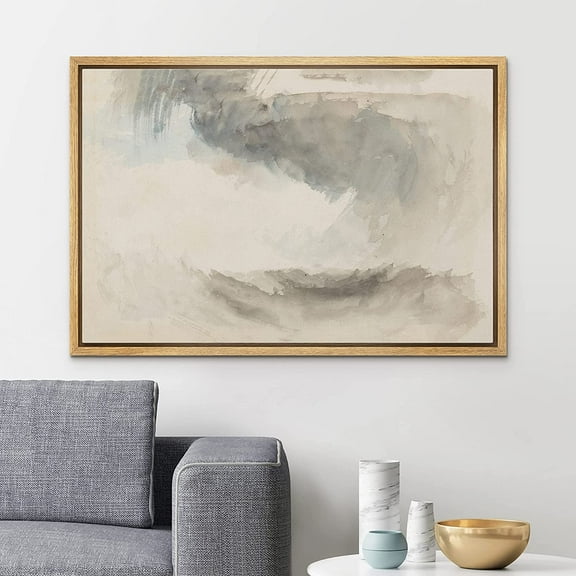

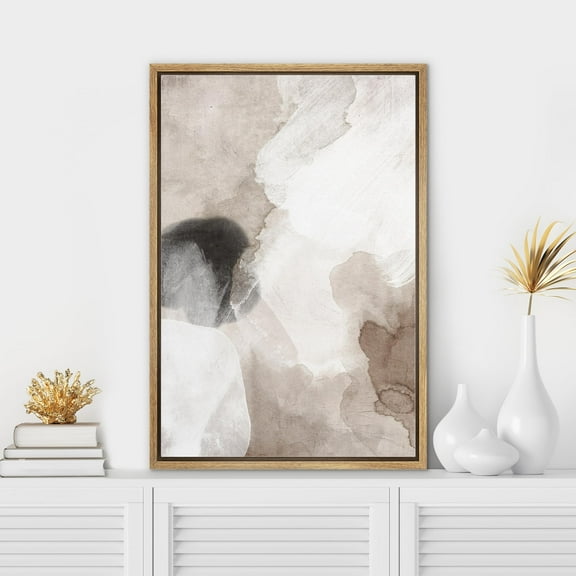
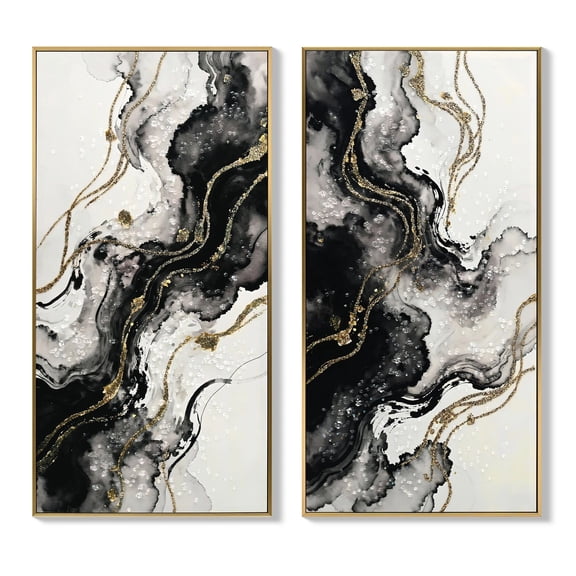

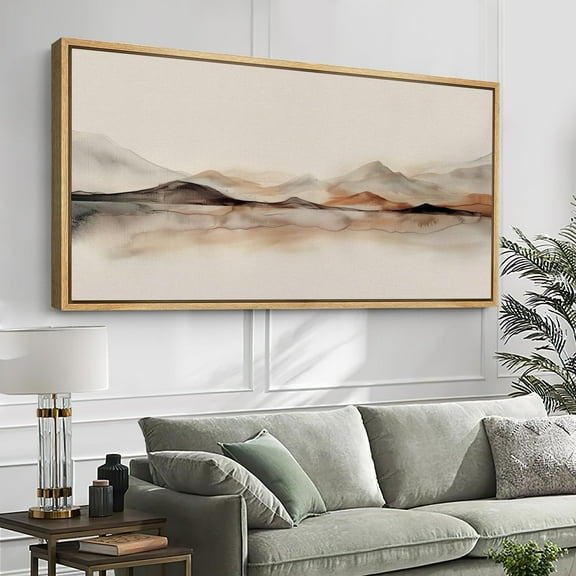








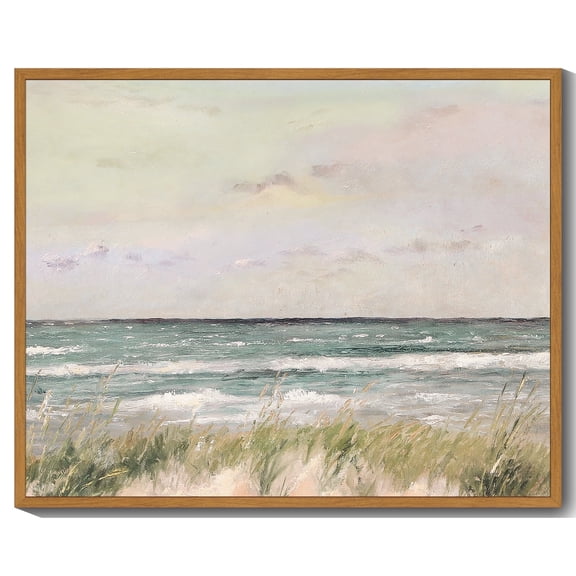


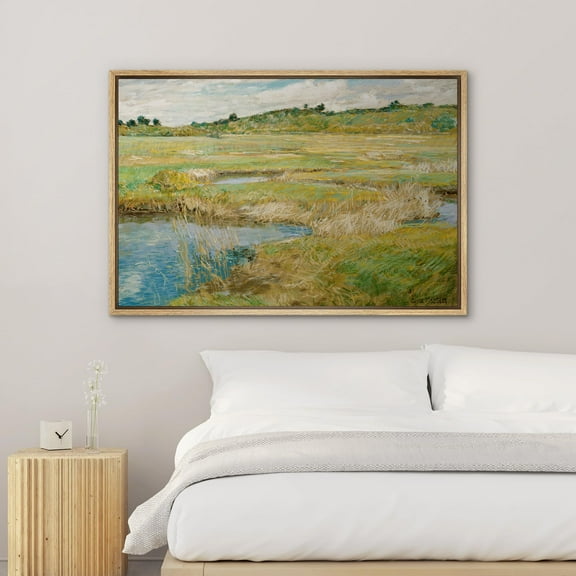
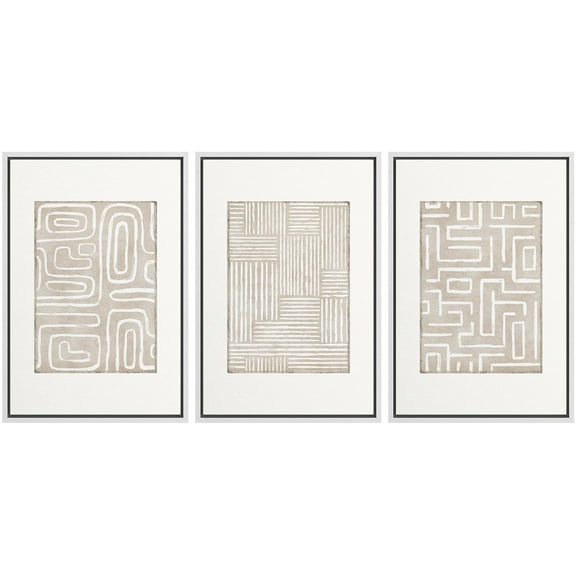


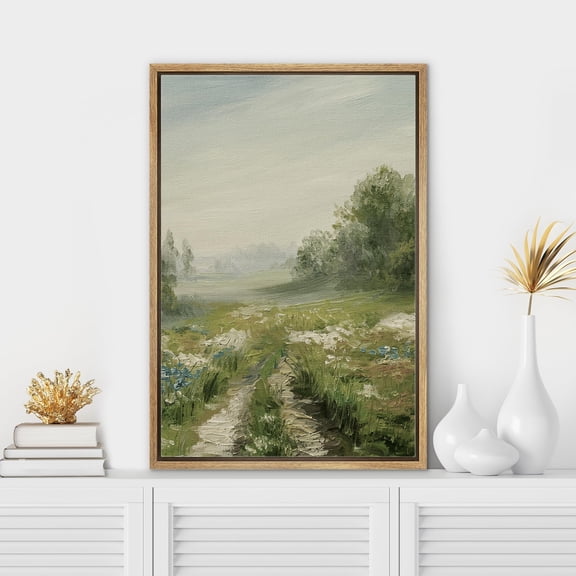



















About Framed Canvas in Canvas Art - Walmart.com
You can use framed canvas art to give your walls a finished look without adding separate frames and prints. You’ll notice framed canvas pieces bring texture, depth, and ready-to-hang convenience to kitchens, bathrooms, bedrooms, and living rooms.
When you compare framed canvas options, you can narrow your choice by art style, room destination, size, frame finish, and subject matter. You’ll make a clearer decision when you match each detail to your wall space and your existing decor.
How to choose framed canvas for your space
You should start with the room where your art will hang, because lighting, moisture, and viewing distance affect your choice. You’ll often want calmer colors in bedrooms and bolder shapes in dining areas or entry walls.
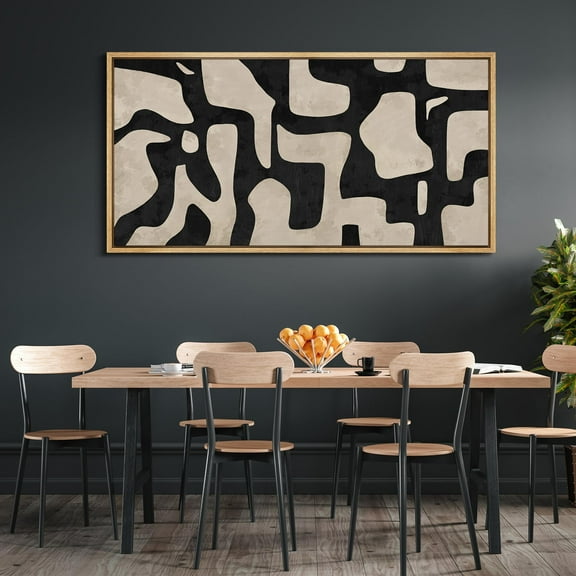
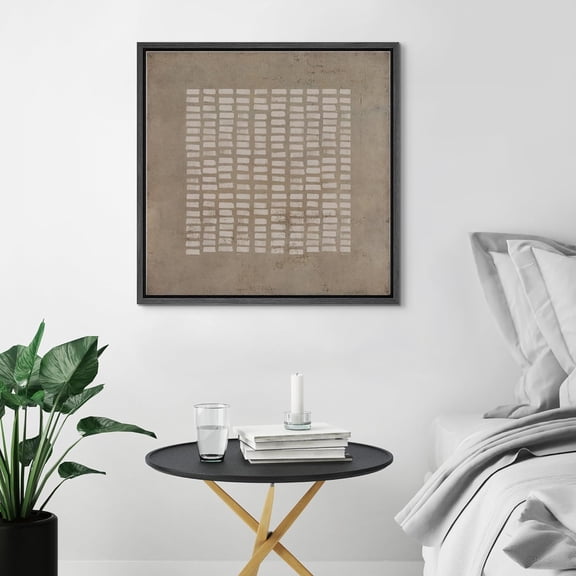
If your room needs warmth, you can look for wood frames, botanical scenes, or farmhouse details. If your room feels sleek, you may prefer black or gold-tone frames with modern or abstract paintings.
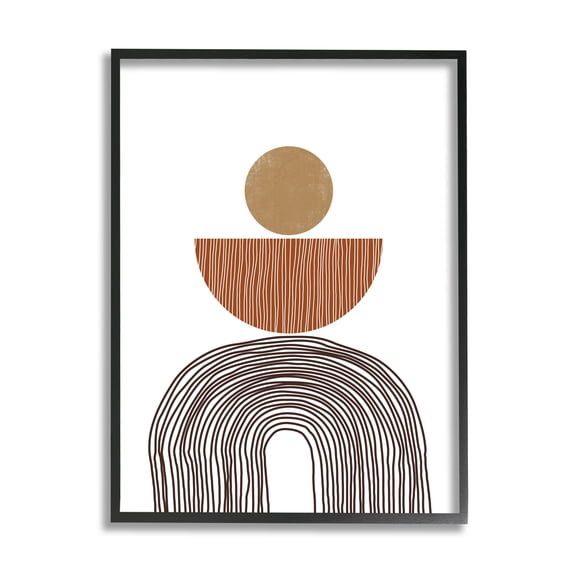
- You can use boho art prints to soften neutral rooms with layered shapes and earthy colors.
- You can place kitchen artwork where fruit, herb, olive tree wall art, or kitchen pictures echo your cooking space.
- You can try boho bathroom wall art with simple palettes that work with tile, mirrors, and towels.
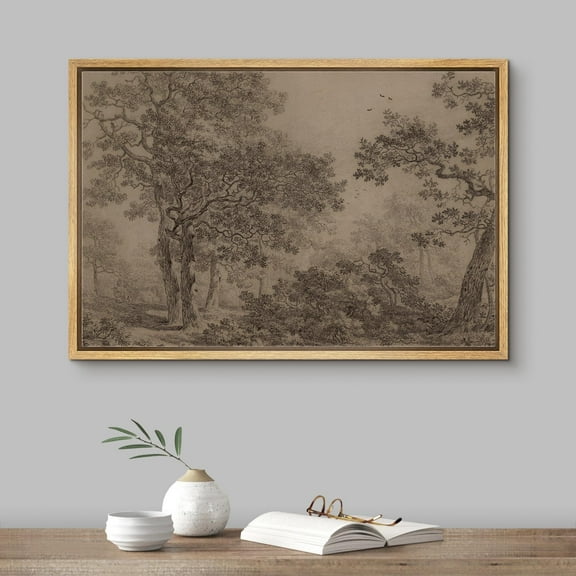
- You can choose animal themes, including geese wall art, when you want a rustic or traditional accent.
- You can compare inexpensive paintings when you want an easy wall update with a polished framed look.
You’ll also benefit from a framed design because the border helps the artwork look complete right out of the box. You can create a polished wall without planning a separate framing project.
Choosing art style, room destination, and subject matter
You should compare art style first, because style usually sets the mood of the whole wall. You’ll see boho, modern, abstract, farmhouse, traditional, and botanical looks that support different furniture finishes and color stories.
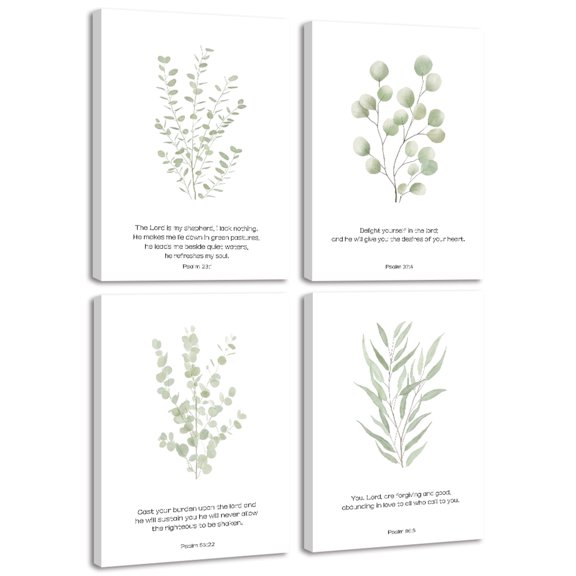
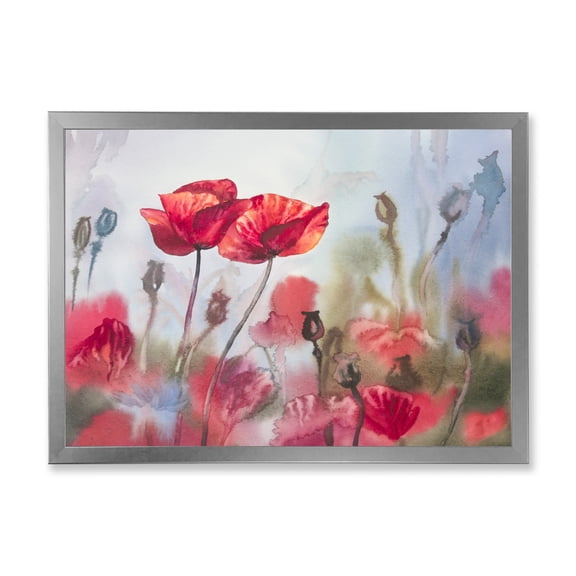
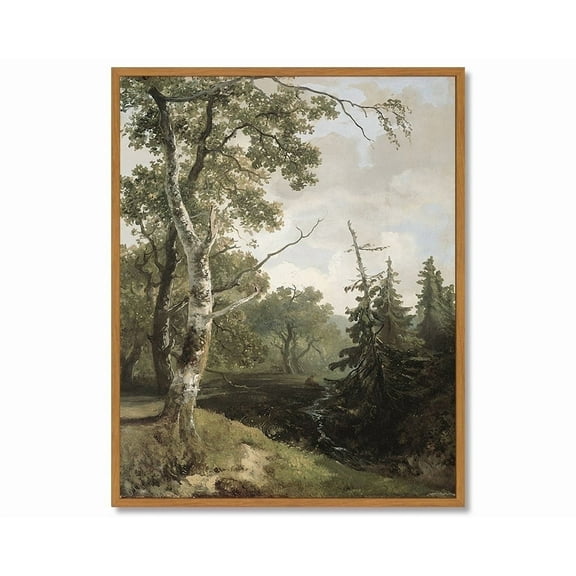
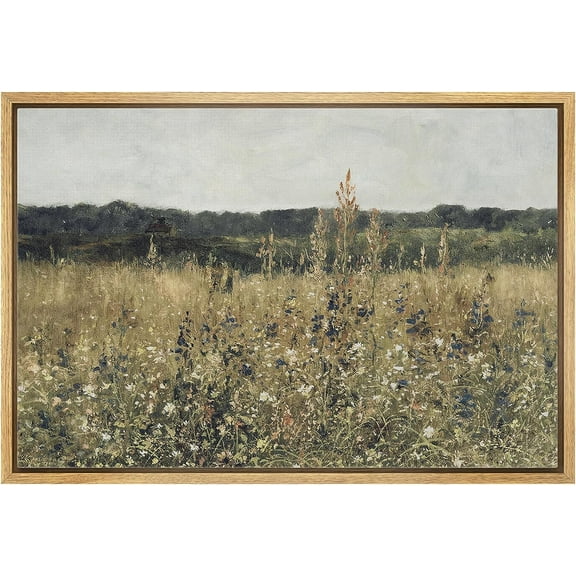
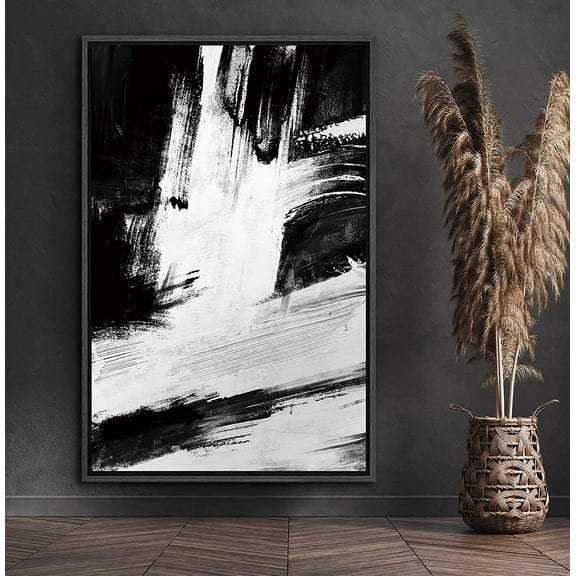
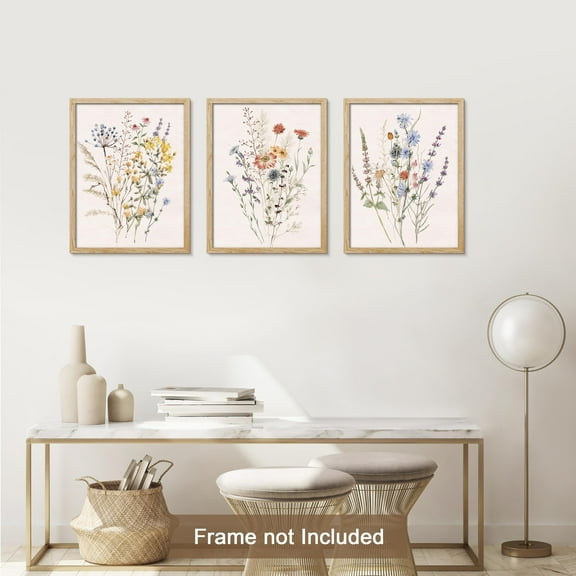
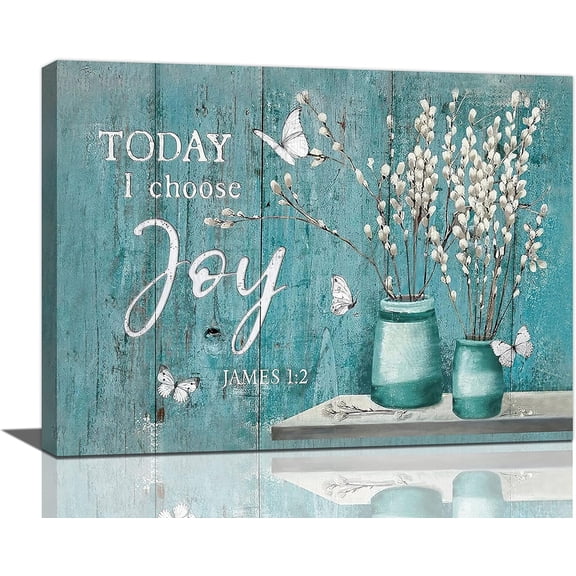
When you choose botanical or floral themes, you can add softness to bedrooms, hallways, or powder rooms. When you choose abstract paintings, you can introduce movement and color without matching a specific object.
You may want room-specific themes when you’re decorating spaces with a clear purpose. You can use kitchen wall decorative pieces with fruit, herbs, still-life scenes, or typography that feels natural beside dining furniture.
For bathrooms, you can look for simpler color palettes and artwork with a calm, airy feel. You’ll often find that botanical subjects or minimal boho artwork blend easily with white, black, or wood accents.
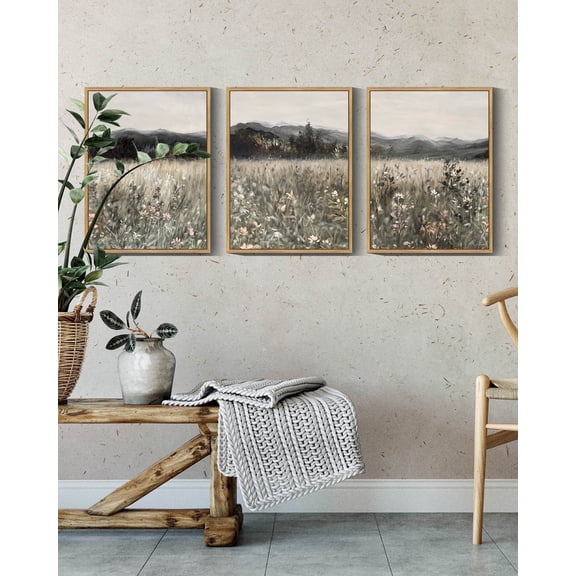
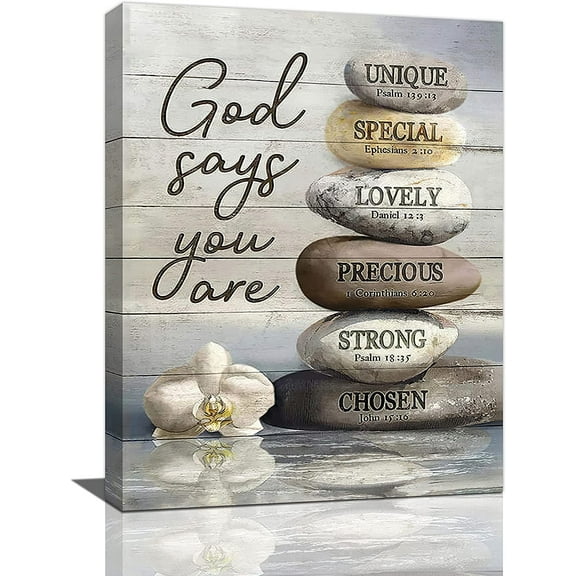
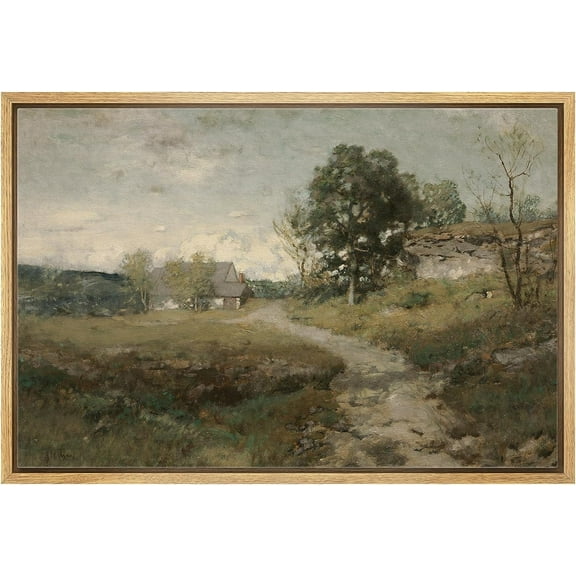
If you want a classic focal point, you can compare landscapes, floral studies, animals, and typography. You’ll get a more cohesive result when your subject matter repeats colors already found in rugs, pillows, or table linens.
Choosing the right size and hanging details
You should measure your wall before you choose small, medium, large framed canvas, or multi-panel sets. You’ll want enough visual impact without letting the frame overwhelm nearby furniture or shelving.
When you review dimensions, you should compare canvas size with outer frame dimensions. You can avoid surprises because the outer frame dimensions show the full footprint on your wall.
You may also want to check stretcher bar depth, especially if you like artwork with more presence from the side. You’ll notice a deeper profile can make the piece feel more substantial on open walls.
If you’re hanging art above a sofa, console, or bed, you should compare width carefully. You can often use one statement piece or a painting for room placement when you need broader wall coverage.
For tighter spaces, you may prefer smaller framed pieces that layer into gallery walls or fit between cabinets and mirrors. You’ll keep the room balanced when you leave breathing room around each frame.
When installation matters, you should check whether your art is ready to hang. You’ll appreciate pre-installed hooks or wire hangers because they make placement faster and more predictable.
Comparing frame materials, durability, and room use
You should look at frame material and color as part of your room’s finish palette. You can pair wood frames with farmhouse and traditional spaces, while metal, black, white, or gold-tone frames suit cleaner lines.
You may also want hanging hardware included if you’re finishing a room quickly. You can simplify setup when your piece arrives prepared for wall mounting instead of requiring extra planning.
For kitchens and bathrooms, you should review print durability and surface details. You’ll want UV-resistant ink for brighter rooms and waterproof canvas options when your space has more moisture in the air.
If your artwork hangs near windows, you can use fade-resistant materials to help color stay consistent over time. You’ll get a steadier look in sunlit rooms where artwork becomes part of the everyday backdrop.
You should also compare frame finishes with your hardware, lighting, and furniture legs. You’ll create a more pulled-together look when black, white, gold-tone, wood, or metal tones repeat across the room.
Matching combinations to real rooms
You can build a relaxed living room by pairing boho art prints with a wood or black frame and medium-to-large sizing. You’ll create a grounded focal point that ties together neutral upholstery and layered textures.
For a dining area or breakfast nook, you can use kitchen artwork with olive branches, fruit studies, or text-based kitchen pictures. You’ll reinforce the purpose of the room without making the wall feel crowded.
If your bathroom has clean tile and metal fixtures, you can choose boho bathroom wall art in muted tones. You’ll keep the room calm while adding texture that softens hard surfaces.
You may want a traditional bedroom look with floral subjects, landscapes, or softly colored paintings. You can pair those themes with white, gold-tone, or wood frames for a finished appearance near dressers or nightstands.
When you need one statement piece for an empty wall, you can start with a large framed canvas. You’ll cover more space with fewer visual breaks, which helps open layouts feel more intentional.
If switches, windows, or shelves break up your wall, you can compare multi-panel sets or smaller coordinating pieces. You’ll gain flexibility while still keeping your artwork aligned with one clear style direction.
You can also compare inexpensive paintings when you want to refresh a guest room or hallway with less visual commitment. You’ll find a framed canvas can still deliver a finished look for everyday decorating.
You can choose framed canvas with more confidence when you compare size, frame finish, hanging details, and room placement together. You’ll end with wall art that fits your space cleanly and gives your room a finished focal point.