

Foot Files in Foot Care

























About Foot Files in Foot Care
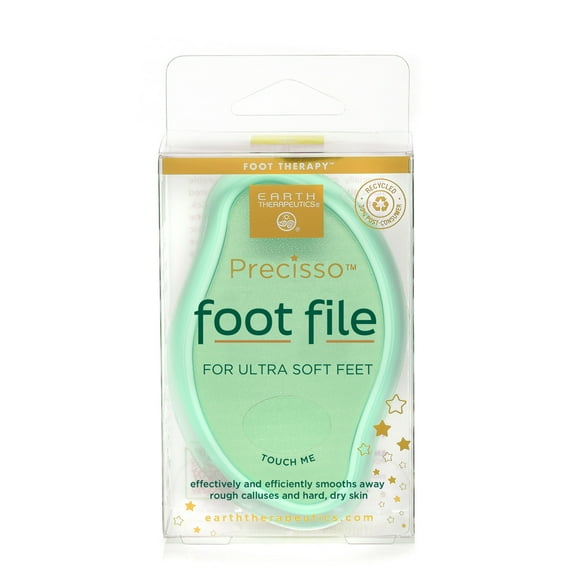
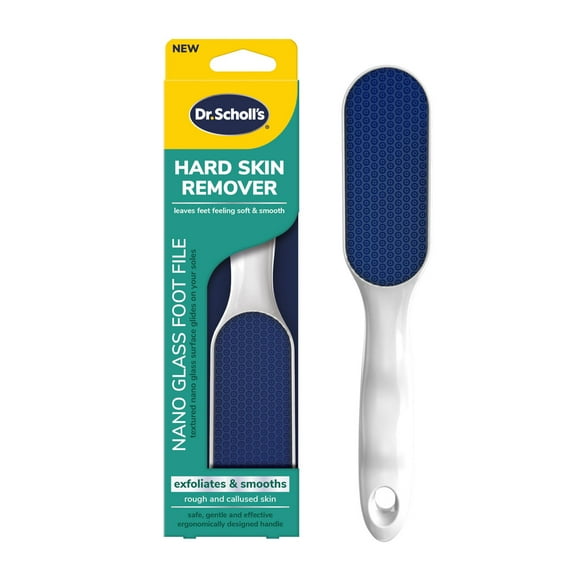
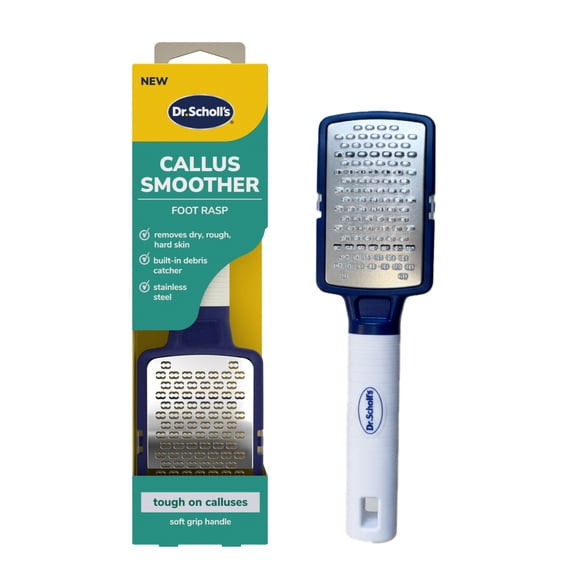
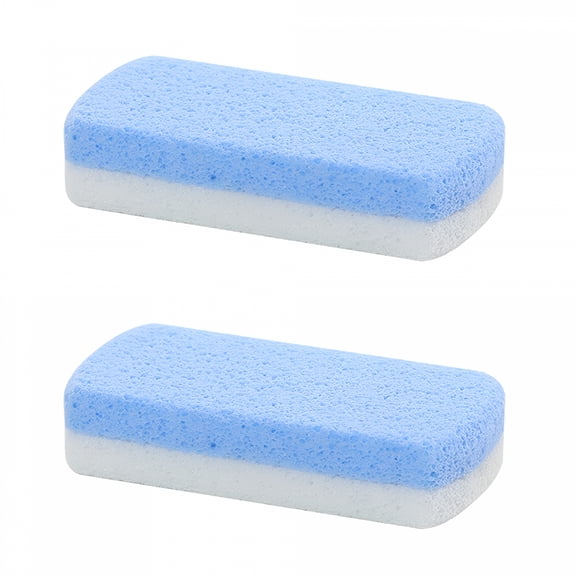
Foot files help you refine your pedicure routine with targeted smoothing for rough spots and heels. You can compare materials, grit levels, and power options to choose the right tool for your comfort.
How to choose foot files for your routine
When you compare foot files, you should start with the surface material and intended use. You can narrow your options faster when you match the file to callus removal, cracked heel smoothing, or general pedicure upkeep.
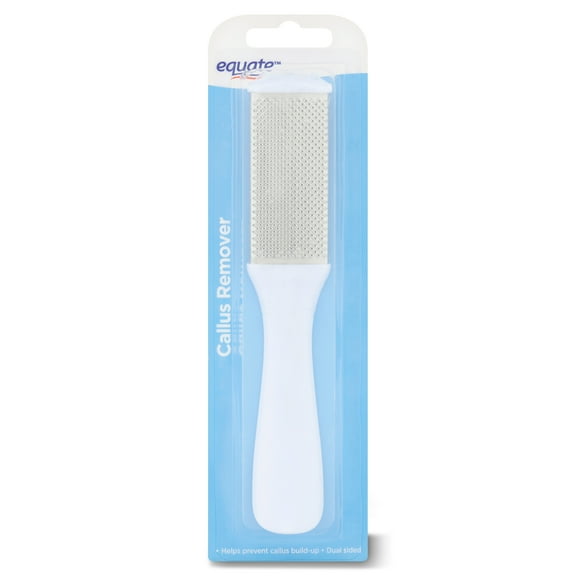
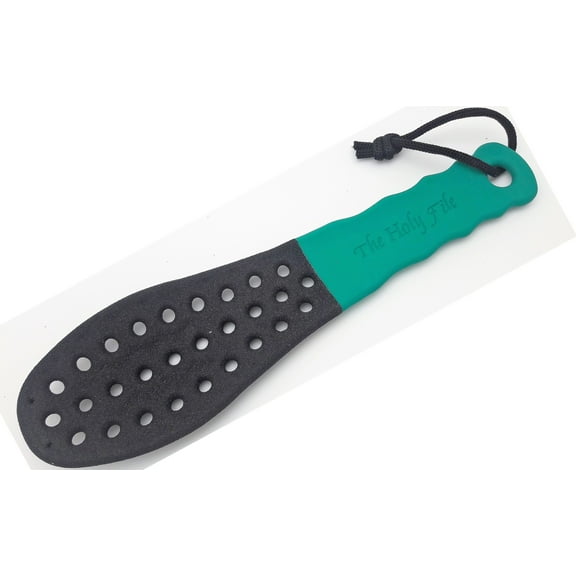
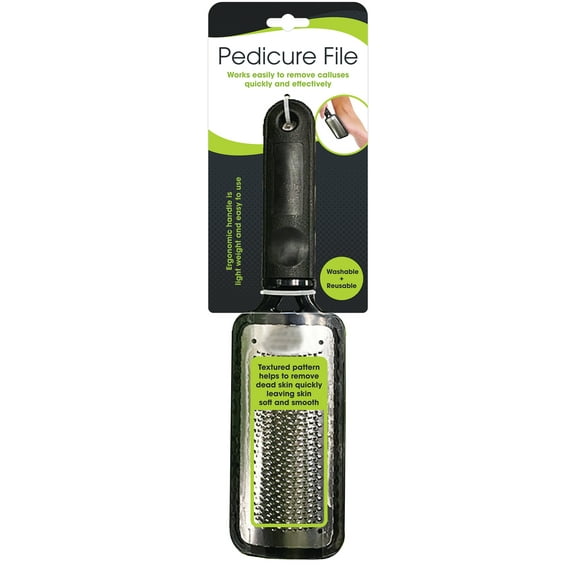
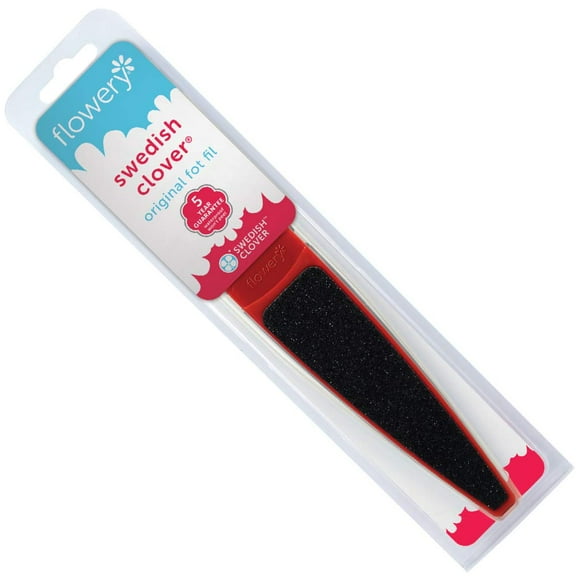
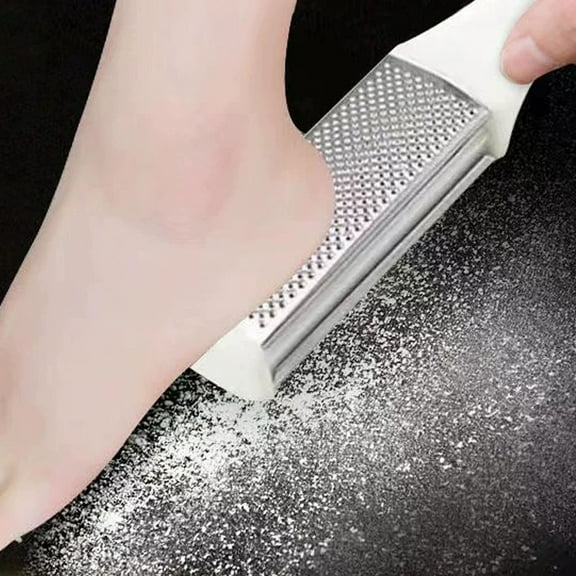
Material changes how the tool feels in your hand and how it wears over time. You may prefer stainless steel for firm filing, glass for a smoother finish, ceramic for steady abrasion, or emery for light touch-ups.
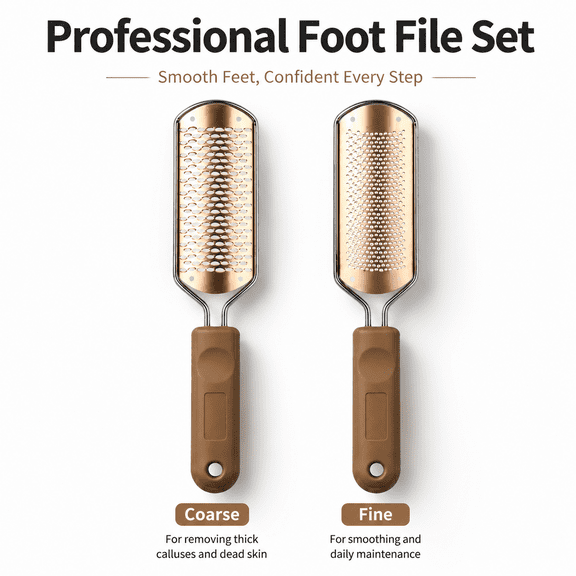
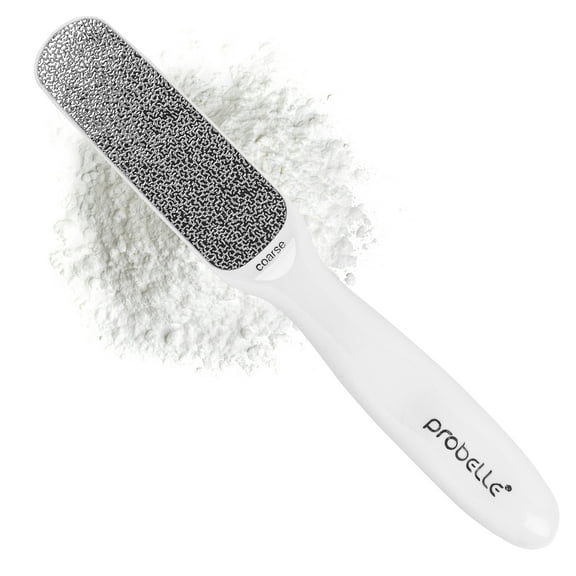
Grit level also matters because it shapes how aggressively you file dry, rough areas. You should look for coarse, medium, fine, or dual-sided designs based on how much texture you want to remove.
- You can use coarse surfaces for thicker buildup on heels and soles.
- You may choose medium grit when you want controlled smoothing without a harsh feel.
- You can finish with fine grit when your skin needs a more polished pedicure result.
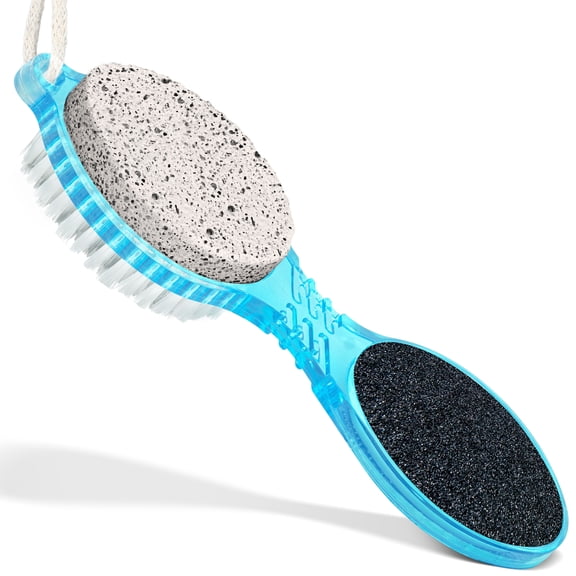
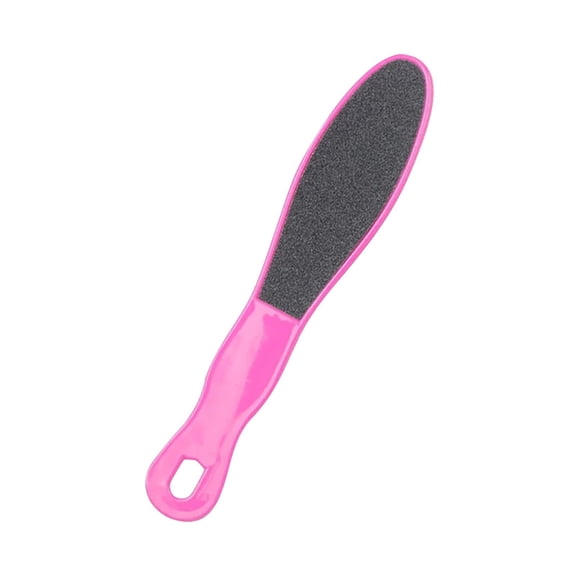
- You may like dual-sided tools when you want shaping on one side and refining on the other.
Choosing between foot rasps and callus removers
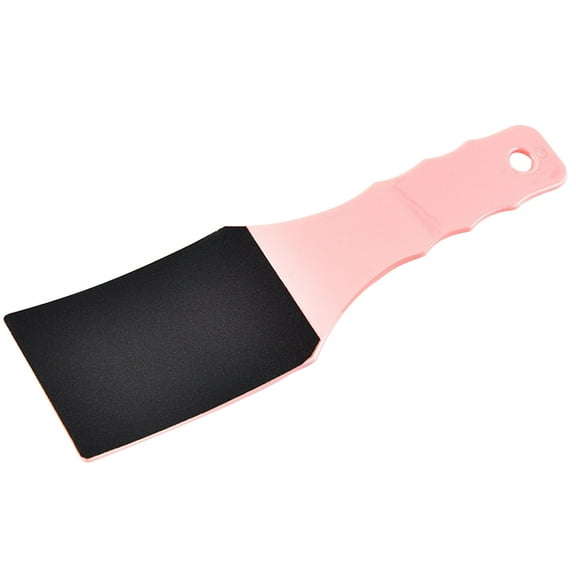
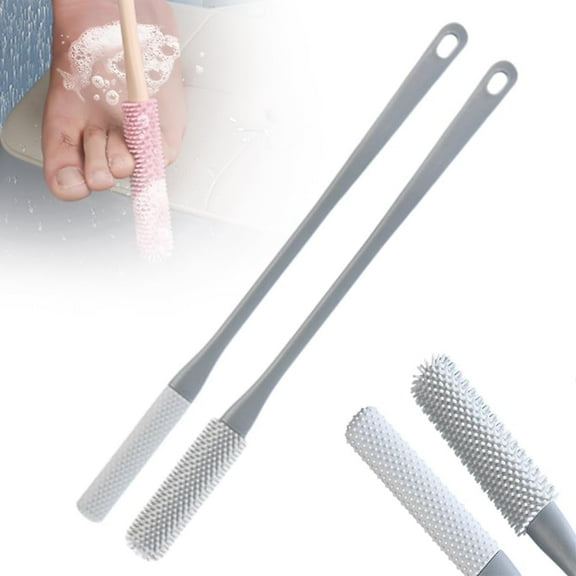
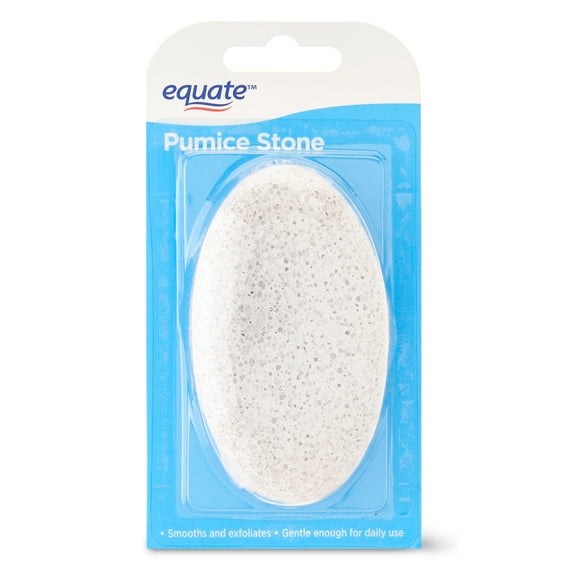
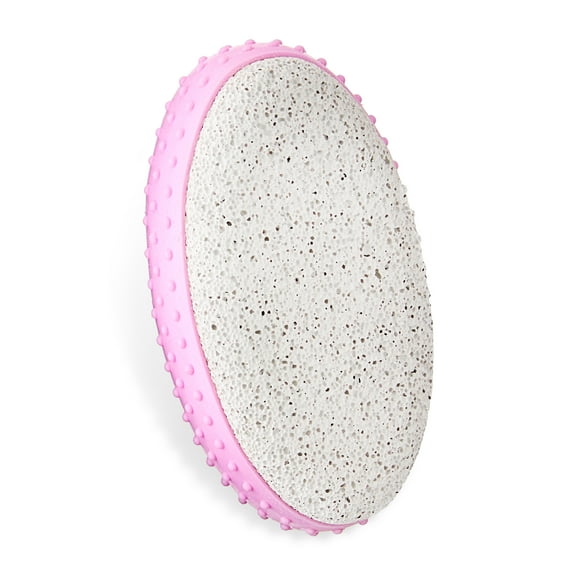
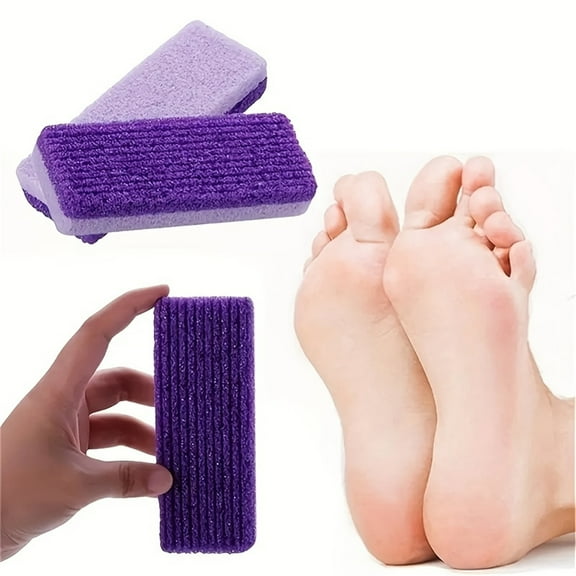
You may notice foot rasps feel more textured and direct for dense, rough patches. You can use callus removers and filing tools together when you want both reduction and smoothing in one routine.
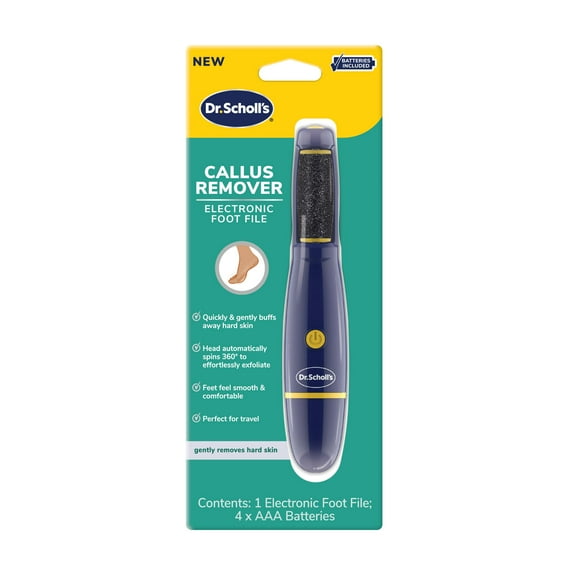
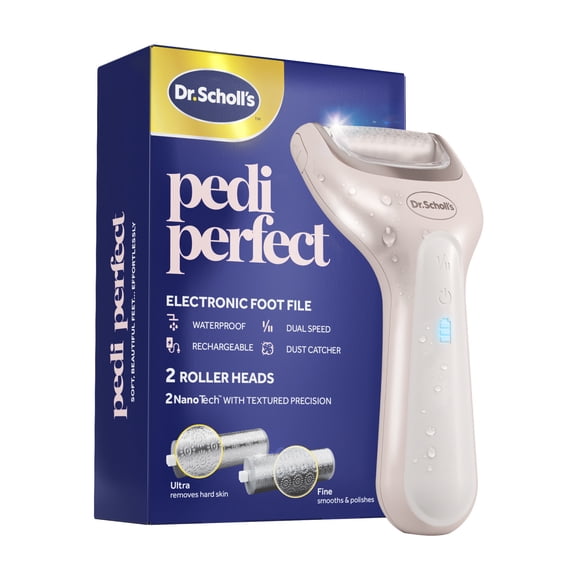
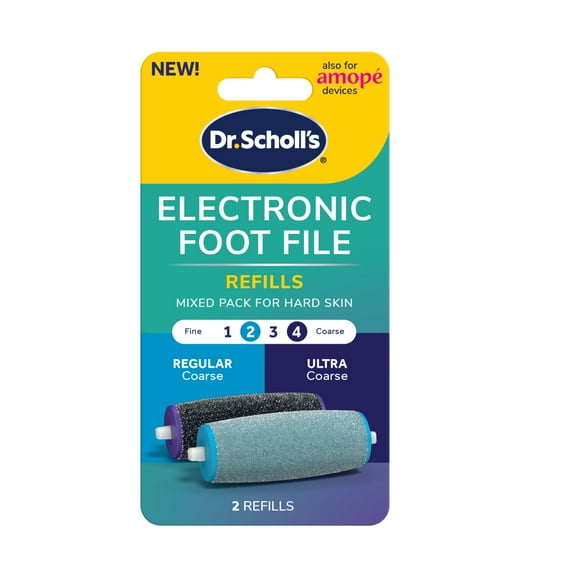
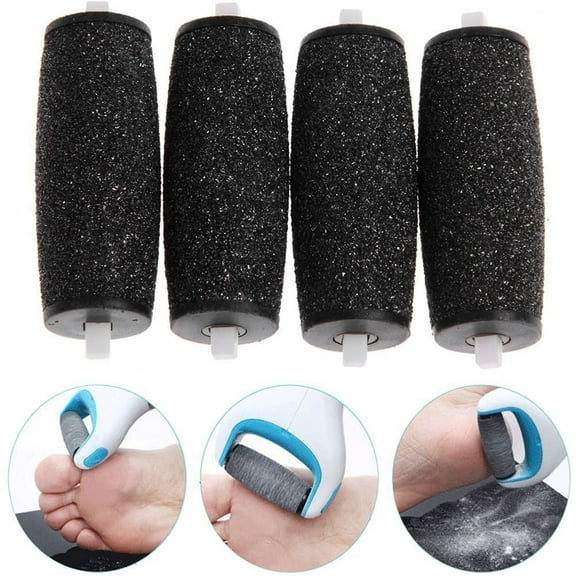
Manual tools give you steady control and simple upkeep for regular pedicure sessions. You might choose electric foot files or battery-operated designs when you want less hand effort during longer grooming sessions.
If you want a familiar salon-style feel, pedicure foot files can support shaping and finishing steps. You can reserve stronger rasp textures for heels, then switch to finer surfaces for softer blending.
What to look for in materials and grit
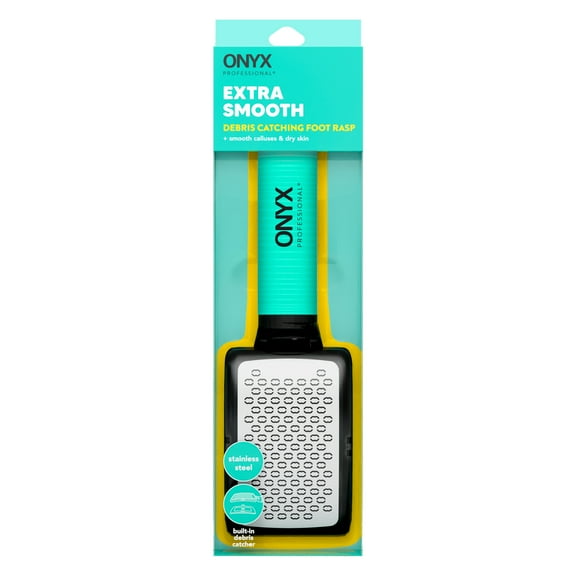
Stainless steel options can suit you when you want a durable filing surface and a firm grip. You should check the handle shape and head size, because those details affect comfort and reach.
Glass foot files can work well when you want a smoother pass across smaller rough areas. You may prefer glass when you want easy rinsing and a refined finish after heavier filing.
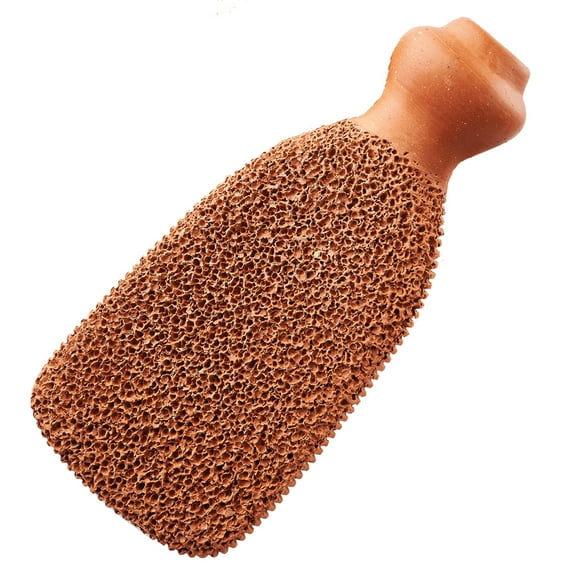
Ceramic and emery surfaces can fit you when you want a gentler feel for maintenance. You should compare grit rating details, because that technical label tells you how coarse or fine the filing surface feels.
A lower grit rating usually feels rougher and removes texture faster from thicker spots. A higher grit rating usually feels smoother, so you can refine edges and maintain results with more control.
Checking wet or dry use and cleaning steps
You should check whether your tool is intended for wet use, dry use, or both. That detail matters if you want to file after soaking or during a shower routine.
Dry filing can help you see rough areas clearly before you rinse and moisturize. Wet use can feel gentler to you when you prefer softer contact during a pedicure session.
Cleaning is another decision point, because you want a tool that fits your routine. You should look for surfaces that rinse clean easily and handles that are simple to wipe after each use.
For hygiene, you can wash the file according to the product instructions and let it dry fully. You may also prefer removable heads or smooth surfaces when you want simpler upkeep between uses.
Matching pedicure foot files to real use cases
If your heels feel rough from daily walking, you may want a coarse manual file first. You can follow with a medium or fine side to smooth the surface without overworking the area.
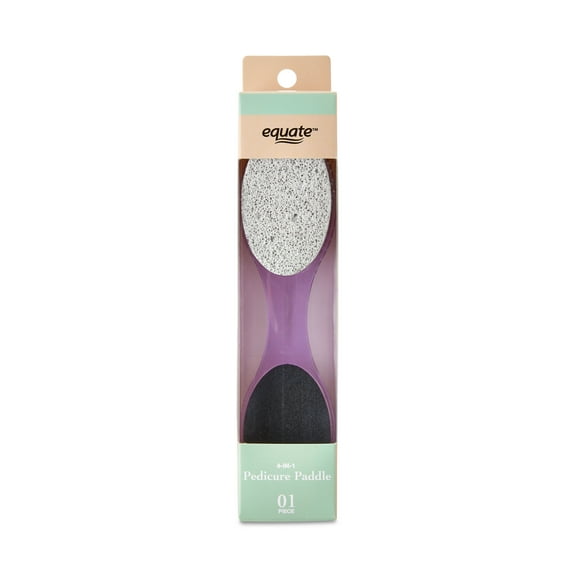
When you want regular home pedicures, dual-sided pedicure foot files can simplify your routine. You can shape with one side and refine with the other, which keeps your process more organized.
If you want lighter maintenance between full pedicures, a fine glass or emery option may suit you. You can keep edges smoother with shorter touch-up sessions instead of heavy filing.
Electric foot files can make sense when you want a powered option for repeat use. You should compare battery-operated and cord-free formats based on how and where you groom.
For travel kits or small storage spaces, compact manual callus removers can be easier to pack. You can tuck them into a cosmetic bag and keep your routine consistent away from home.
When you compare foot files by material, grit, and wet or dry use, you make a more confident choice. You can build a pedicure routine that feels comfortable, cleans up easily, and leaves heels looking more refined.