

Food Prep & Processors


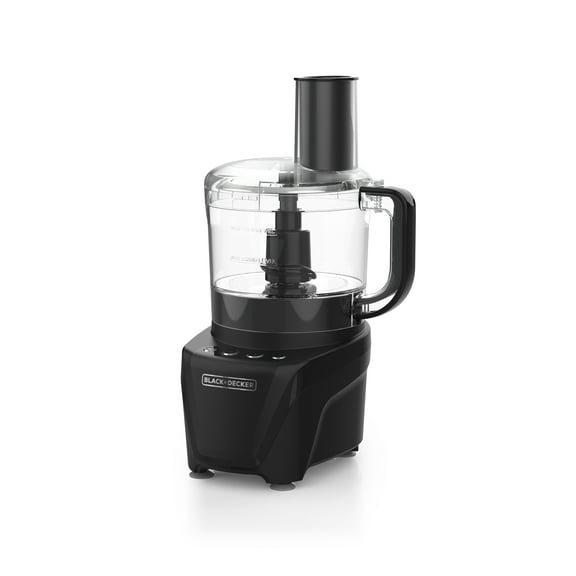


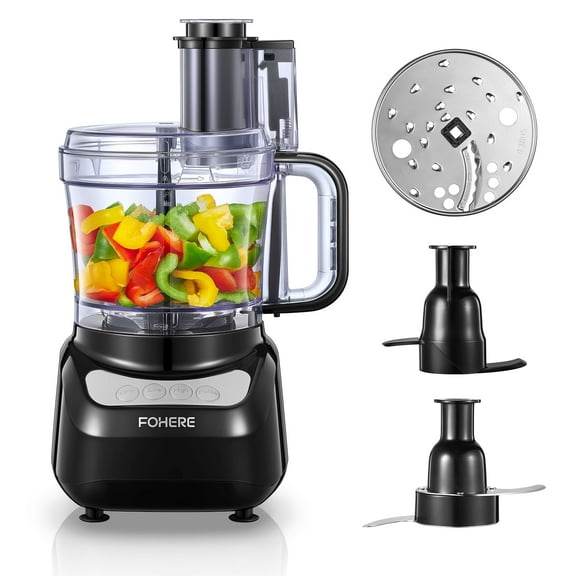
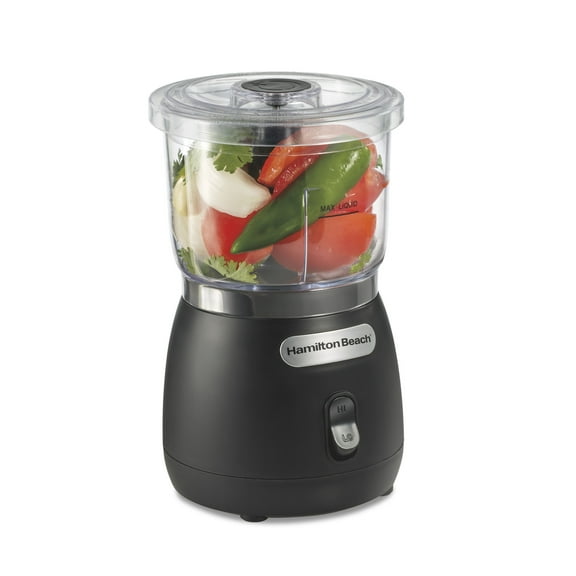


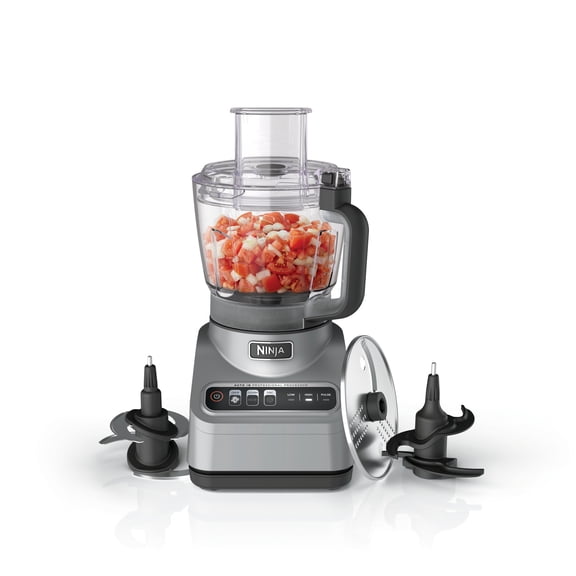





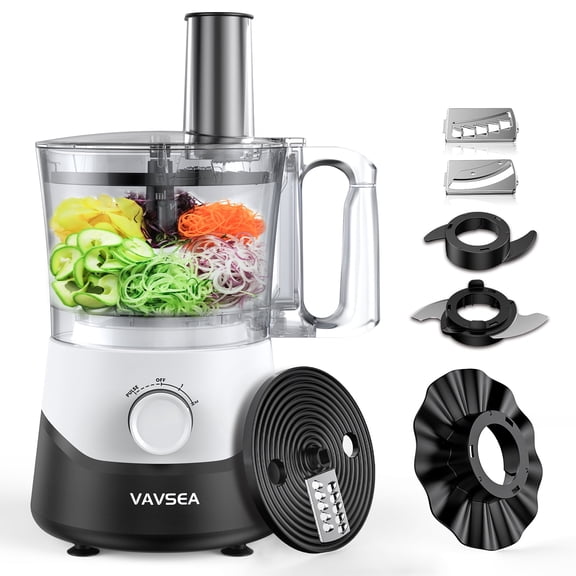
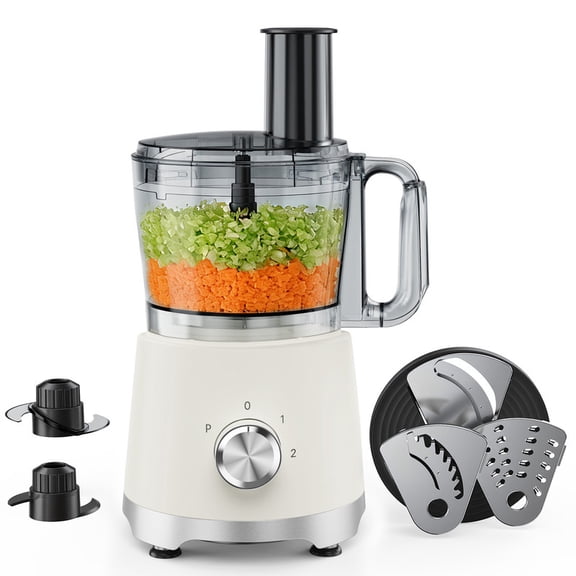


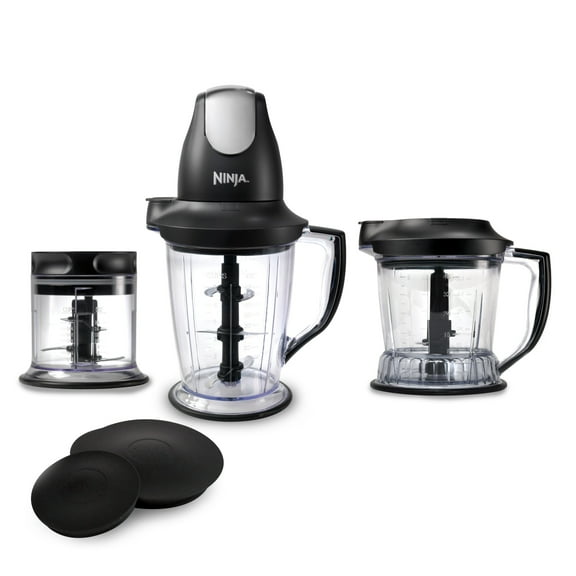
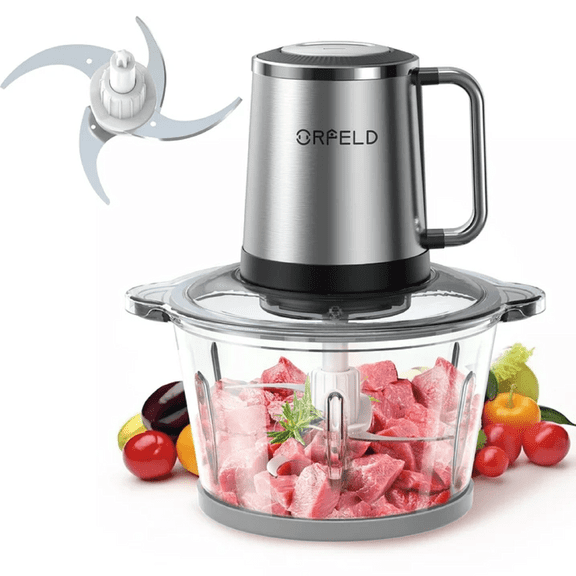



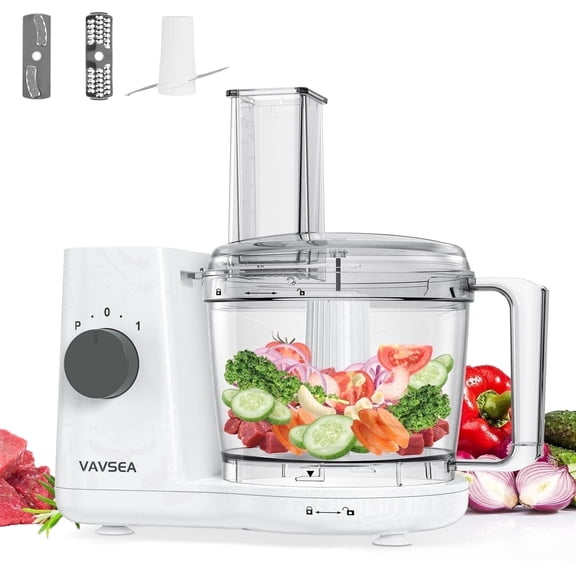
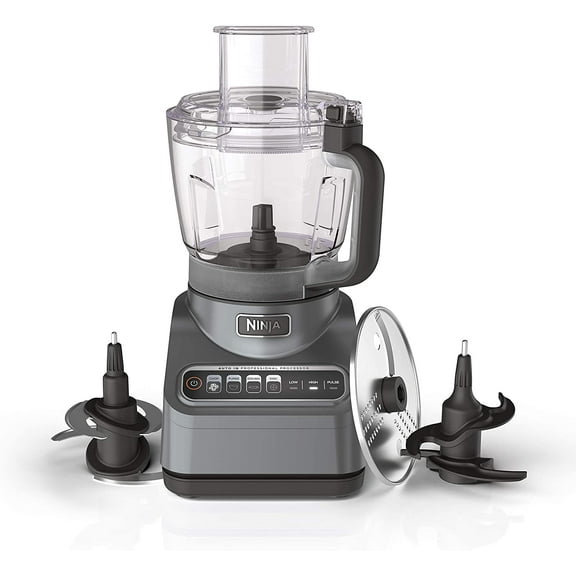
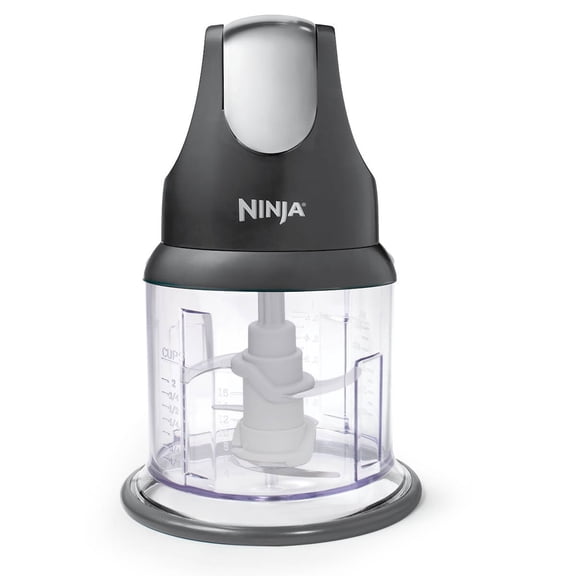

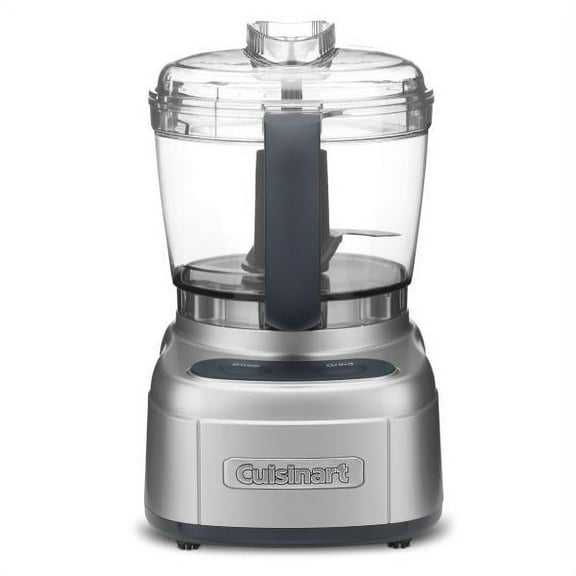


About Food Prep & Processors - Walmart.com
You can streamline meal prep with food processors that chop, slice, shred, and mix quickly compared to hand cutting. You can compare capacity, wattage, and attachments to match your kitchen routine.
How to choose food processors for your kitchen
When you compare food processors, you should start with the tasks you handle frequently. You may want quick onion chopping, smooth hummus, or dough kneading for pizza night.
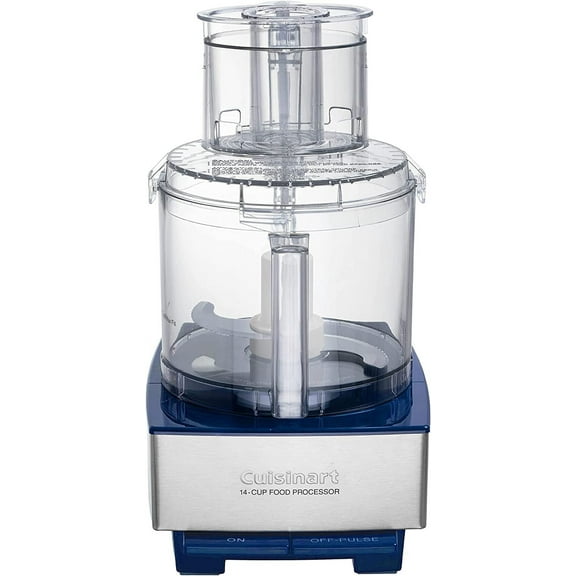
Capacity shapes how much you can prep in one batch. You might prefer a 3-cup bowl for herbs and sauces, while your family meals may call for 8-cup, 12-cup, or 14-cup sizes.
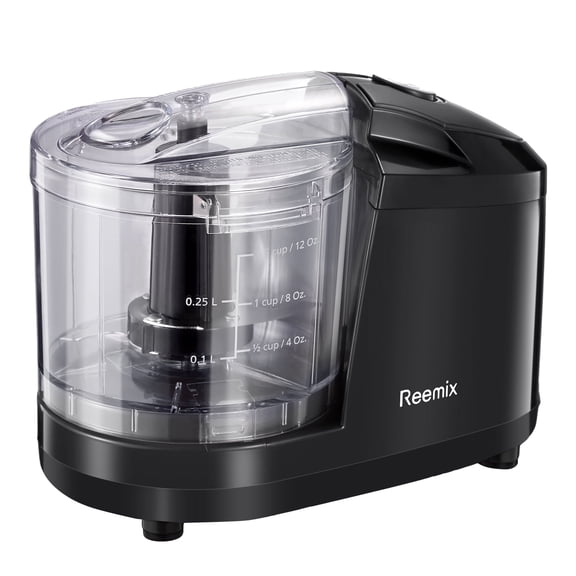
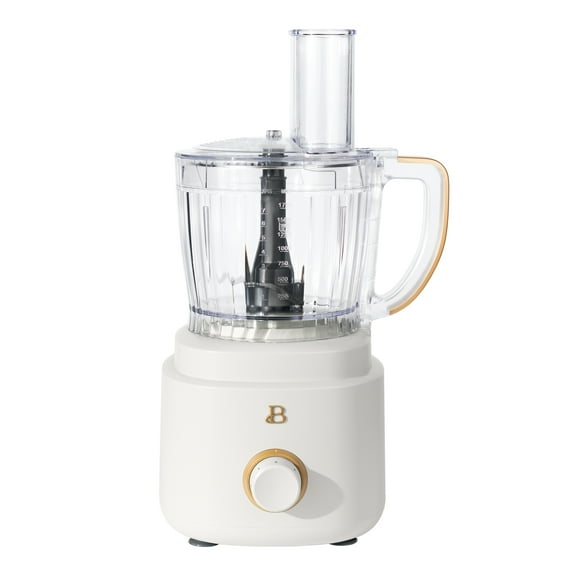
Type also changes how you work through recipes. You can choose a mini food processor for compact tasks, a small food processor for daily prep, or a full-size model for bigger batches.
Key benefits you should compare first
A food processor helps you keep prep moving when you need uniform cuts and consistent texture. You can turn bulky vegetables, cheese blocks, and dough ingredients into ready-to-use components quickly.
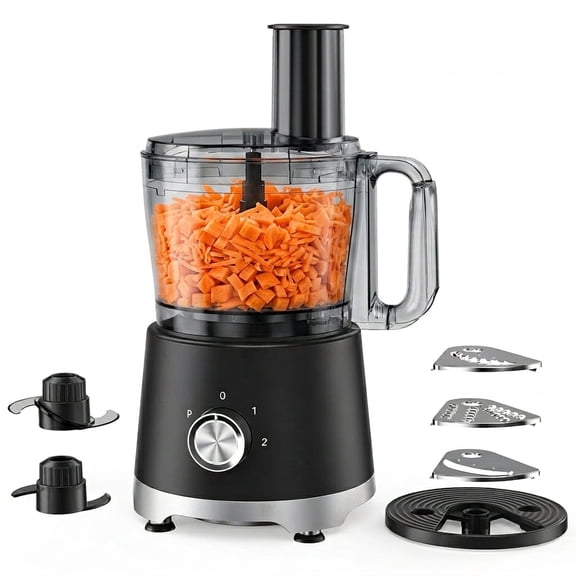
You’ll also notice how the right setup reduces repeat prep steps. You can switch from chopping to slicing or shredding with the right discs and handle more of dinner in one appliance.
- You can chop onions, nuts, and herbs with less hand prep.
- You can slice cucumbers or potatoes into even pieces for salads and casseroles.
- You can shred cheese and vegetables for tacos, slaws, and baked dishes.
- You can knead dough in select models when your recipe calls for more mixing power.
Cleanup matters when you use a countertop appliance often. You should look for removable bowls, lids, and blades that are easy to rinse or fit your dishwasher routine.
Storage matters too, especially in smaller kitchens. You may prefer a mini food processor or stackable accessories when your cabinet space is limited.
Choosing capacity, power, and functions
Capacity is your first filter because bowl size affects prep volume and storage. You can use 3-cup bowls for dressings, dips, and small portions, while 14-cup bowls suit batch cooking.
Power matters when you tackle dense ingredients and repeated use. You should compare peak wattage ratings like 250W, 500W, and 1000W to judge how confidently a unit handles harder tasks.
A 250W option can fit lighter chopping and small batches. You may want 500W or 1000W when your routine includes dough kneading, firm vegetables, or shredding hard cheese.
Functionality tells you whether a machine acts more like a food chopper or a broader prep tool. You should check for slicing, shredding, dough kneading, and chopping before choosing a model.
Speed settings add control for different textures. You can use pulse for short bursts, low for steady mixing, and high when you want faster processing.
Type affects convenience and output. You may prefer a manual option for simple jobs, while an electric food processor supports larger volumes and more frequent prep.
Choosing a mini food processor or small food processor
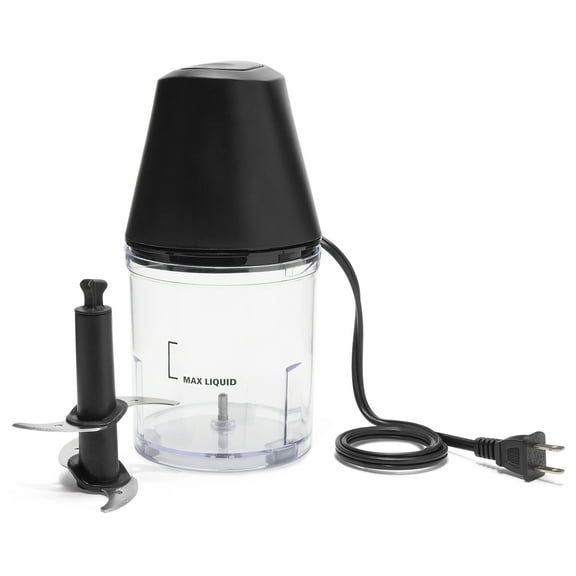
A mini food processor works well when you prep small amounts and want quick setup. You can use it for garlic, herbs, pesto, and small salsa batches without pulling out a larger bowl.
A small food processor gives you more flexibility for everyday tasks without taking over your counter. You may find it useful for shredded carrots, chopped onions, and weekday meal prep.
Full-size models make sense when you cook for several people or prep ahead. You can process larger cabbage wedges, pie dough, or multiple ingredients in fewer batches.
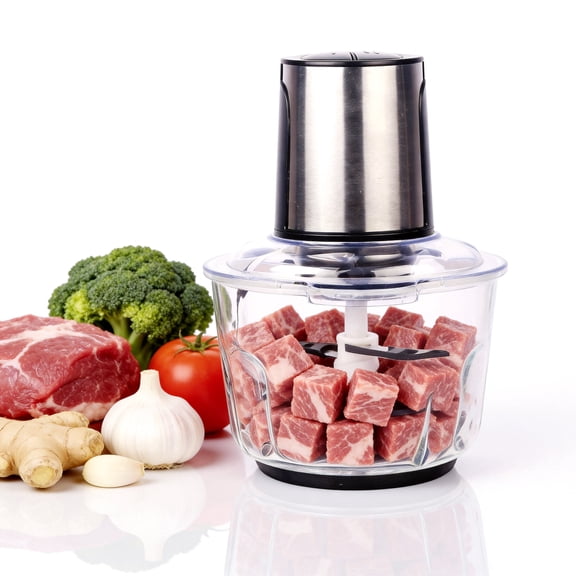
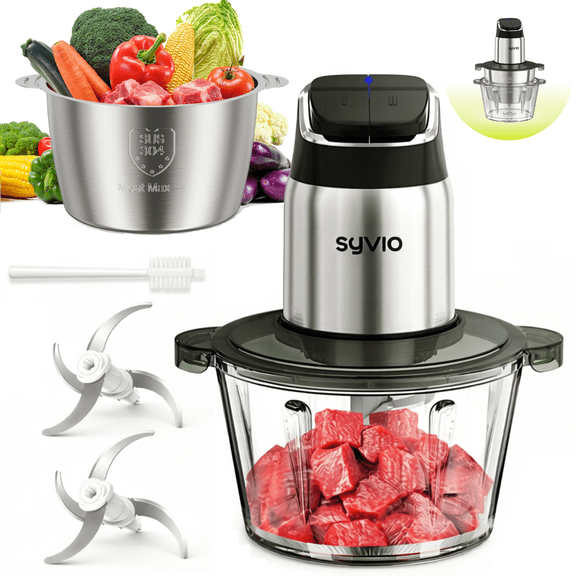
If your recipes stay simple, a food chopper may cover the basics. You should choose a fuller feature set when you want slicing discs, shredding attachments, and dough tools.
What to look for in everyday use
You should check whether parts come apart easily after cooking. You’ll appreciate wide feed chutes, clear lids, and simple controls when you move fast through weeknight recipes.
Attachments can expand what you make with one appliance. You can compare slicing discs, shredding discs, chopping blades, and dough blades based on the meals you prepare often.
You should also think about ingredient size and texture goals. You may want pulse control for chunky salsa, or you may want high speed for smooth spreads and finely chopped vegetables.
Counter space can influence your final choice as much as bowl size. You can keep a compact unit handy for daily use, or store a larger unit for bigger prep sessions.
How different setups fit your cooking routine
If you prep lunch ingredients often, you may want a 3-cup or 8-cup option with basic chopping. You can handle hummus, chopped vegetables, and quick sauces without much setup.
If you cook family dinners several nights a week, you should consider 12-cup or 14-cup bowls. You can shred cheese for casseroles, slice potatoes, and chop vegetables in larger batches.
If bread or pizza dough is part of your routine, you should compare wattage and kneading capability closely. You can pair higher power with dough functions for demanding mixing tasks.
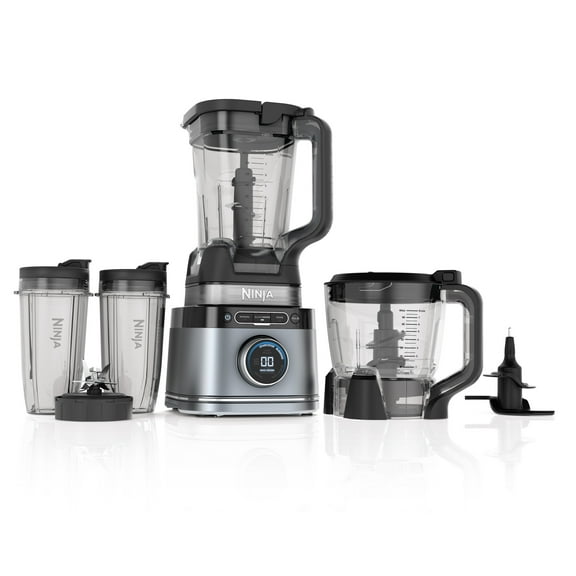
If your goal is versatile prep, you should look for an electric food processor with multiple speeds and attachments. You can move from slaw to pie crust to sliced vegetables with fewer tool changes.
You can feel more confident choosing food processors when you compare capacity, power, speed, and attachments together. You’ll end up with a prep tool that fits your recipes, kitchen space, and daily cooking pace.